
Last October, to celebrate its first five years of activity, the Fotomuseo held one of the most ambitious meetings ever to take place in Colombia around the topic of photography. Although important curatorial projects around photography in Colombia have been presented over the past twenty years, few of them developed a complex reading of the conceptual and ideological implications of this practice.
An important precedent was the Ante América project, curated by Rachel Weiss, Gerardo Mosquera, and Carolina Ponce de León for the exhibition galleries at the Luis Ángel Arango Library in 1992. Ante América attempted to reformulate the coordinates of the discursive approach toward the artistic practices produced in Latin America in the late twentieth century. The project included a show titled Cambio de Foco, presented in parallel to Ante América and curated by Carolina Ponce de León. This show inquired about the relevance gained by photography around a certain diversity of positions that could be glimpsed in the more critical art produced in the Americas.
At the beginning of his career, Douglas Crimp was of the opinion that photography was a central issue in establishing a theoretical differentiation between modern and postmodern artistic practices, and in those arguments, he seemed to coincide with other professionals in the theoretical and critical field, such as Abigail Salomon Goudeau, who saw in photography potential for triggering significant transformations in the reach of artistic projects.
Fotográfica Bogotá is a biennial event with a rotating focus. This edition of Fotográfica Bogotá consisted of a cycle of more than twenty national and international exhibitions curated by Ana María Lozano and Gilma Suárez with the conceptual focus of Document + Fiction and accompanied by an academic forum. Included within the cycle in equal proportion, photographic projects from the two different realms of art and journalism nevertheless articulated their communicative function. Throughout the last century, we became accustomed to thinking that photography was the clearest visual document of the real. The reason for this belief was the radically physical relationship between the photographic image and its referent. Because of this, the enunciation of some of the most revealing theories about the meaning of the photographic image was provided by analysis developed from semiotics, which took very seriously the condition of the trace, the empty presence, or the codeless message of photography understood as a document.
It was precisely the limitless expansion of that belief that supported the earliest experiments in transforming the very dimension of the real in terms registered in photography. A landmark historical experience in that sense was the photography produced within surrealism, where “the real, photographed” was altered in a programmatic fashion to suggest a similar situation in various referents. For the meaning of photography to function it was essential that the explicit traces of transformation or manipulation suffered by reality in that process not be manifest. As a result, those manipulations seemed to be generated by “the world” and not by the subject who produced the image.
By focusing on the realms of fiction and document, Fotográfica Bogotá explored separately the validity of those two forms, suggesting that fiction is subordinate to the physical condition of the photograph, as can be gleaned from Rosalind Krauss’ theorizations of Surrealism, or that documents can be understood as an artificial construct, as the Spanish artist and theorist Joan Fontcuberta has pointed out on more than one occasion.
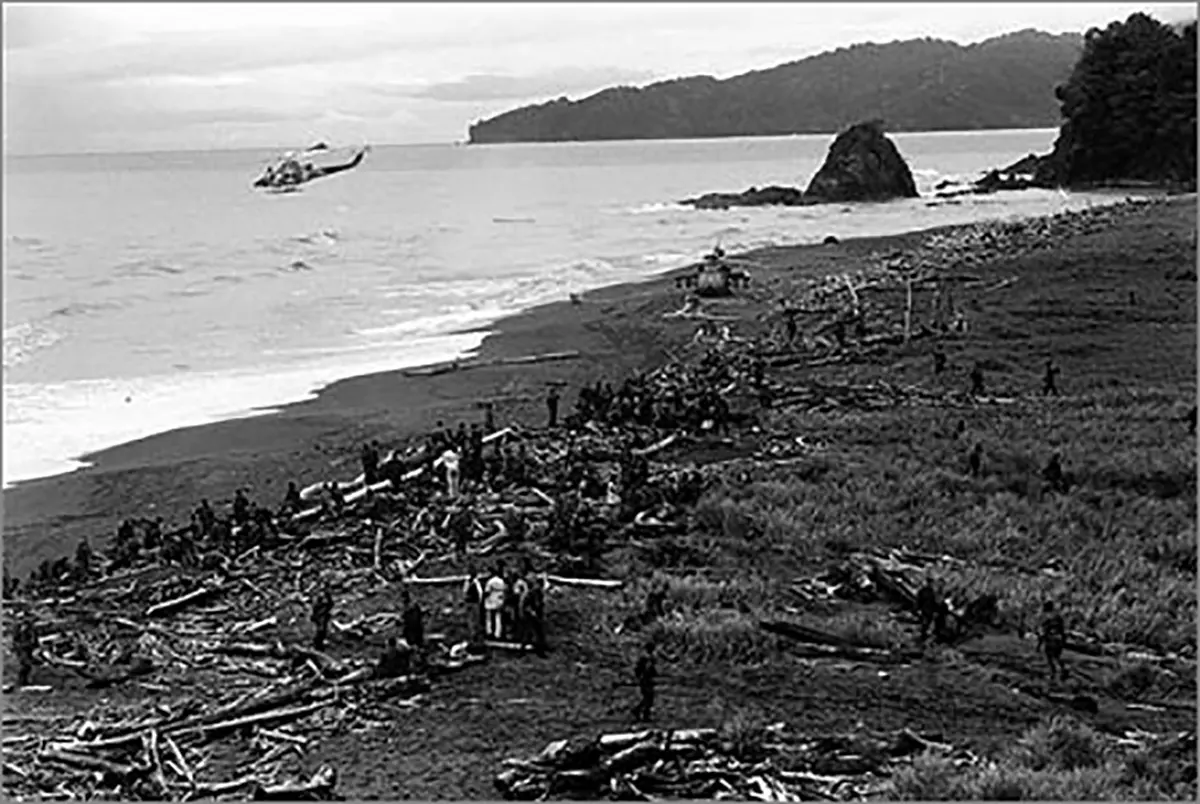
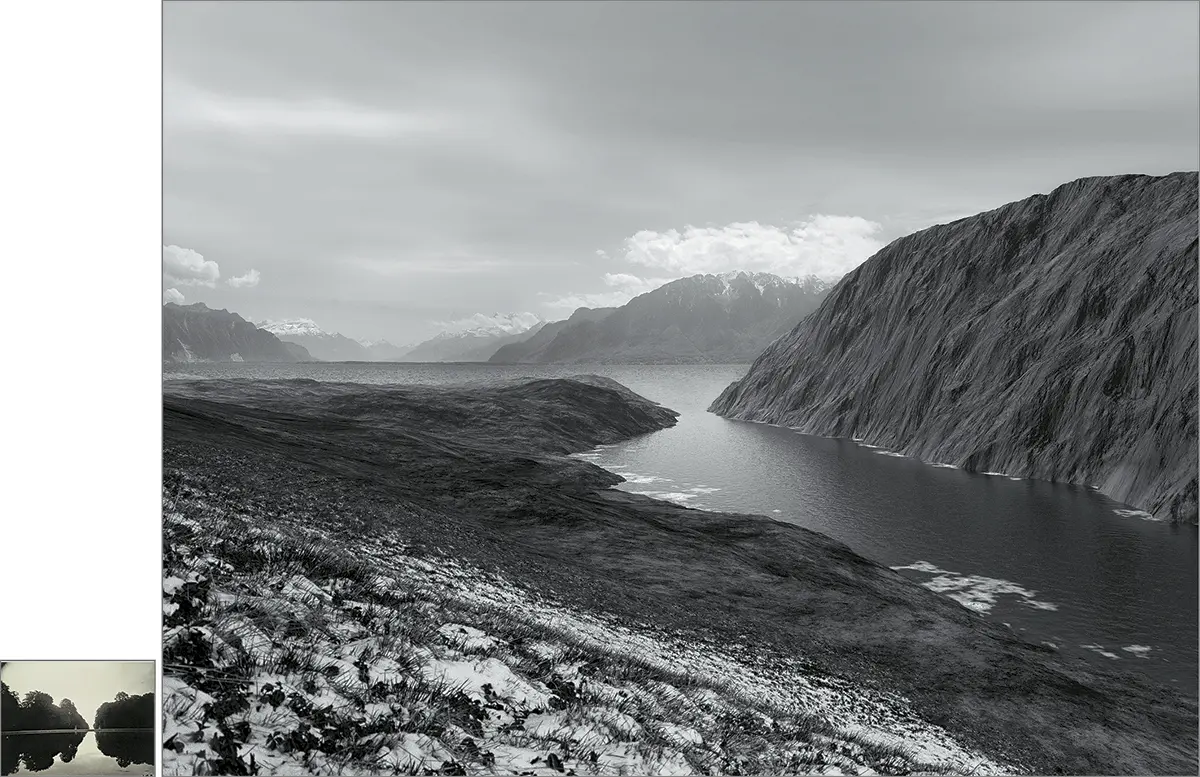
In fact, Fontcuberta, one of the guests both at the exhibition cycle and the academic forum, crosses very effectively the threshold erected by the conceptual axis, in its two senses. He presented photographs from three different projects, among which were some from Seguritas, which relates the refuge provided by the landscape and particularly mountains to the protection or security offered by a lock and key. The execution of this project implied a vast collection of keys that the artist requested from a number of Spanish public personalities, even including the king, who of course declined to participate. Those who gave Fontcuberta their keys were supposed to tell him which locks the keys opened. Fontcuberta made a photographic negative of each key in order to suggest the profile of a series of mountains that, according to him, represent the security of Spain.
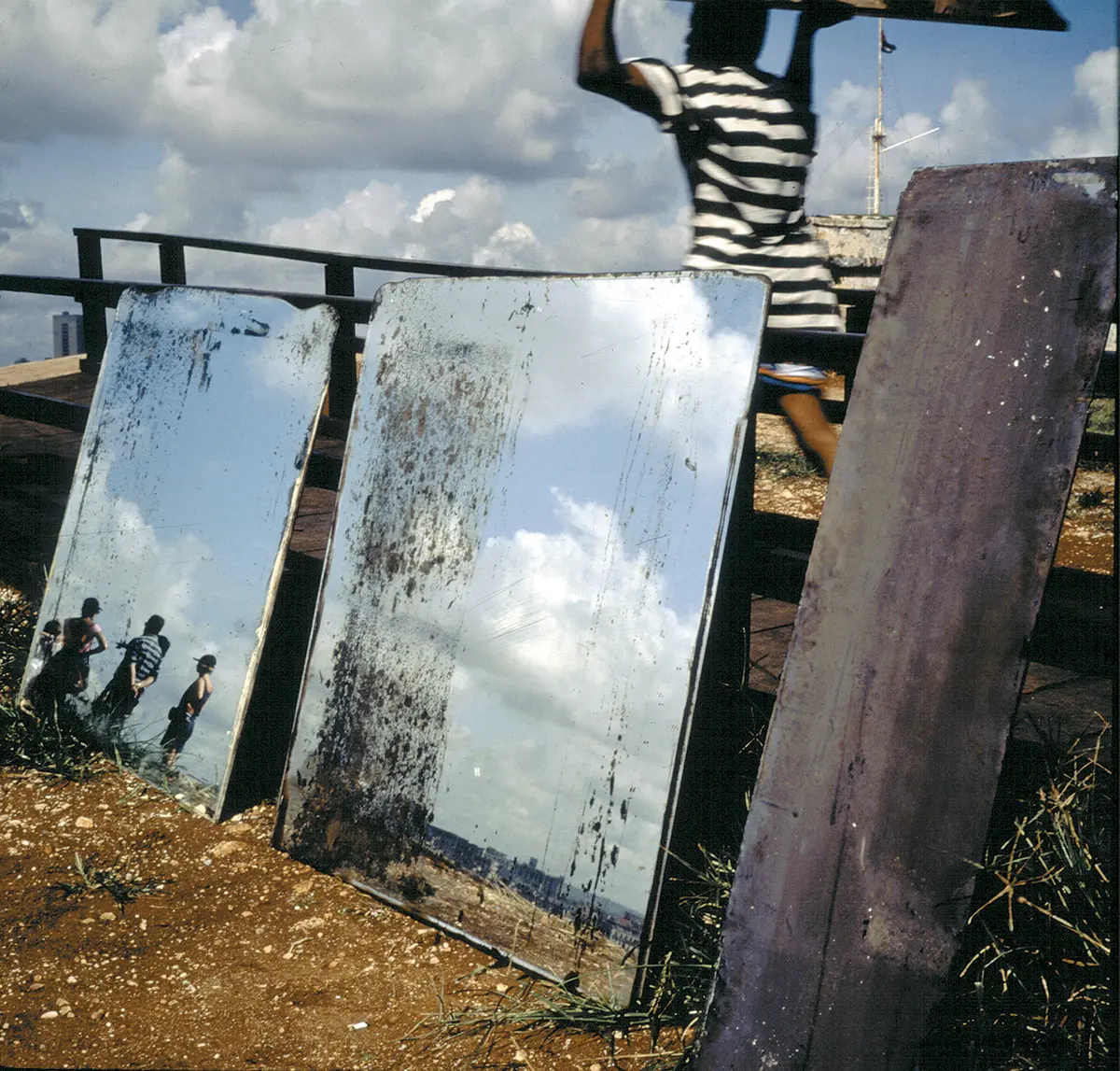
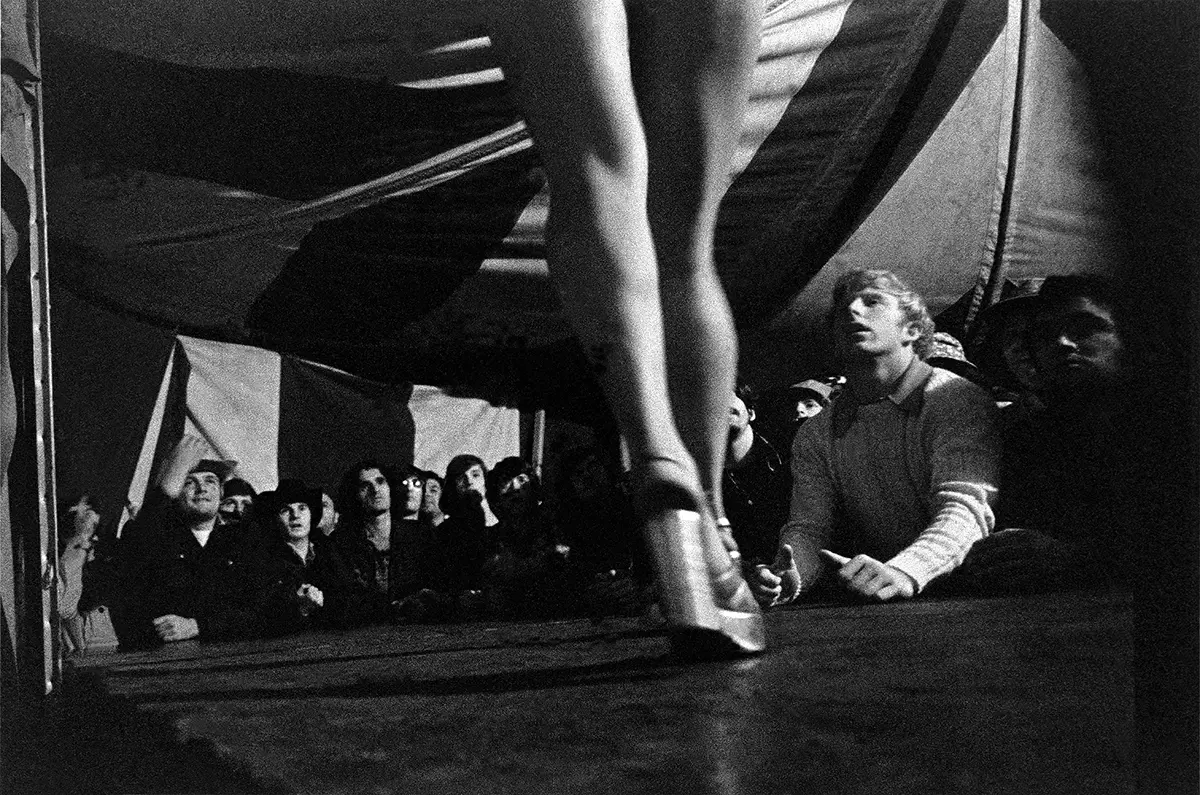
Susan Meiselas’s project Carnival Strippers, produced in the 1970s, took an entirely different approach. It recorded scenes and situations produced at the margins of striptease shows that are part of many carnivals in small U.S. towns. Meiselas was interested in capturing events that are marginal to the shows, pointing to the social and political backgrounds that traverse them and which come to be represented by the roles assumed by the people involved.
The interesting contrast between these two works is that they signal two possibilities of interpretation for photography. While Fontcuberta insists on pointing out the social and cultural construction that supports the image, Meiselas supports herself on a belief in photography’s documentary power.
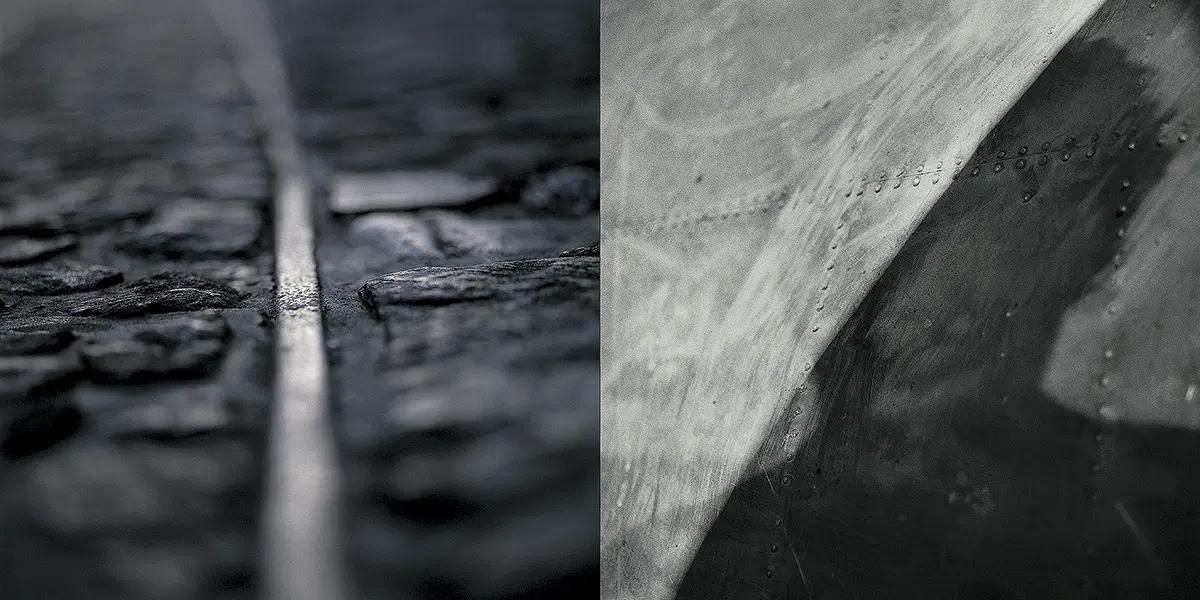
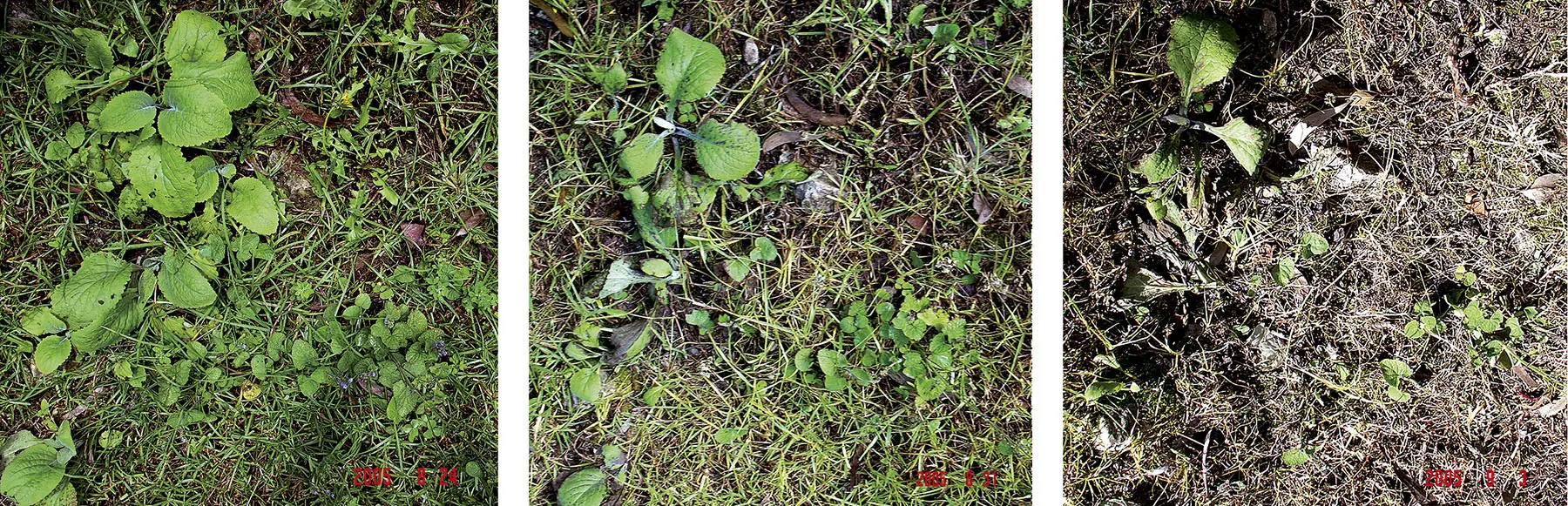
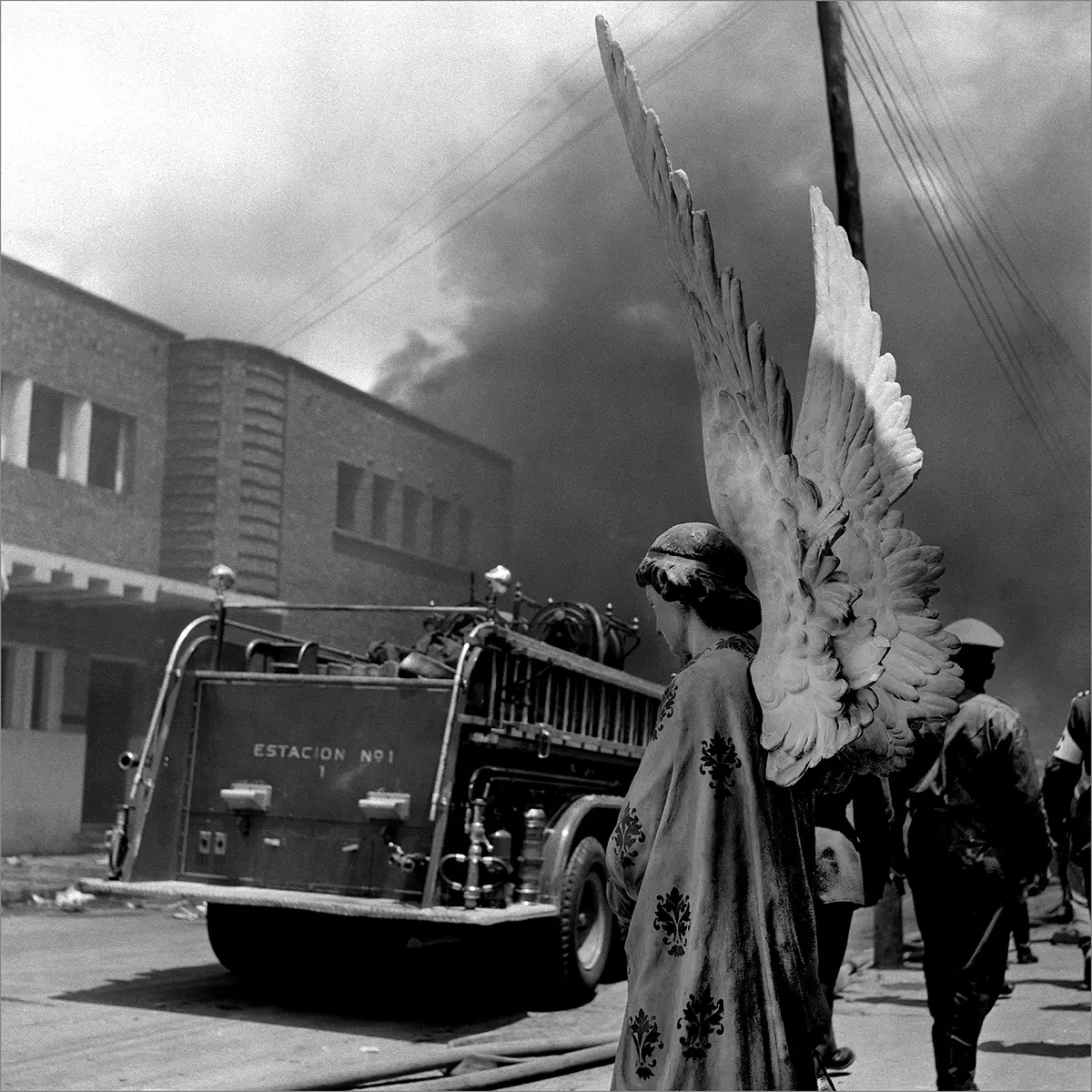
These photographic works were on display inside a large pavilion in Bogotá’s fairgrounds, alongside works by the Brazilian artists Miguel Rio Branco and Mario Cravo Neto, and Colombia’s María Elvira Escallón, Miguel Ángel Rojas, Jesús Abad Colorado, and Carlos Caicedo. Although this group of artists represents two different perspectives due to the documentary or functional characteristics of their work, there are important connections that let us glimpse the blurry nature of such a distinction. María Elvira Escallón and Jesús Abad Colorado explore the images of Colombia’s landscape but, instead of naturalizing it through the documentary gaze, they politicize it by presenting it as the result of political and economic conflicts at a different scale. Escallón subjected a small patch of a garden to the toxic effects of glyphosate—the substance with which the Plan Colombia is destroying the nation’s most fertile soil—and documented the process over a period of time in a series of photographs so that we witness its degrading effect on the land through the traces of destruction in the vegetation. Abad presents images of fields and villages that have suffered the effects of Colombia’s armed conflict, showing us nature in an overwhelmed state, marked by the fight or the triumphant inside dwellings long ago abandoned after their inhabitants fled.
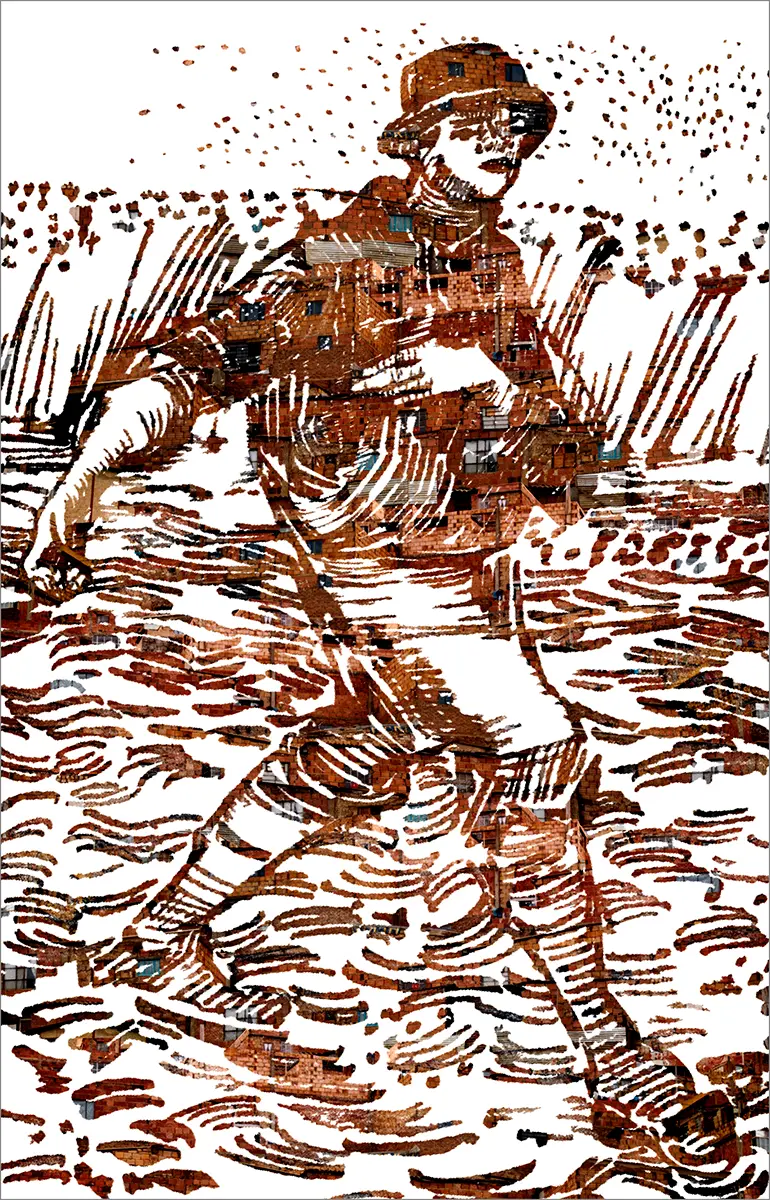
Besides this large pavilion, the galleries of a variety of institutions joined the program, such as Galería Santa Fe, which presented works by the Colombian artists Óscar Muñoz, Patricia Abadía, and Manuel Sánchez, in which the uneasy relationship of fiction and documentary is explored. At the Art Museum of the Universidad Nacional, there were works by Jaime Tarazona, which presented an interesting contrast in their subjective positions and thematic focus. Also part of the event were the Universidad de Salamanca Cultural Center, the Photography Alley at the Jorge Eliécer Gaitán Municipal Theatre, the Museo de Arte Moderno de Bogotá, the Chamber of Commerce’s exhibition galleries, the ASAB gallery, and the Instituto Cultural Colombo-Brasilero. Likewise, the event also included projects for the display of public-space photography, both from Fotomuseo itself and the Chamber of Commerce, with works by Alberto Baraya and two more photographic reportage. Also, several projects were presented in gates, backs of buildings, and bus stops in an attempt to connect the exhibition program with places where photographs generated from other discourses and positions, such as advertising, tend to circulate.
The central figure at the Academic Forum was Joan Fontcuberta, accompanied by Abigaíl Salomón Goudeau, Victor Burgin, David Rieff, and among the Colombians besides the curatorial team, Santiago Rueda and Jesús Abad Colorado. As a complementary space for the circulation of projects and discourses, a two-volume book was published about the exhibition cycle and the lectures. Alfaguara, the publishing house, also joined the event with a new edition of the Spanish translation of Susan Sontag’s On Photography, launched on the first day of the forum, which took advantage of the presence of David Rieff, Sontag’s son.
JAIME CERÓN
Art critic.