
Tropicália: A Revolution in Brazilian Culture presents the innovative art and culture created in Brazil during the late 1960s and early 70s under the banner Tropicália. Although it will no doubt be remembered as the defining exhibition about this fascinating moment in Brazilian art and culture, this show refuses to characterize Tropicália as a movement or aesthetic. Instead, Tropicália is presented as a fundamentally provisional way of creating culture. The idea that Tropicália is the creation of culture through consumption is expressed by the specially commissioned contemporary project by assuming vivid astro focus that dominates the show’s entrance. A Technicolor mural transforms the gallery into a Brazilian-themed psychedelic trip. But images of exploitation woven into the mural signal that Tropicália comes from a critical, not a mindless, consumption. That it remains useful today is the point of the show.
The exhibition features a diverse selection of works by a dizzying number of artists, poets, musicians, designers, and architects: Lina Bo Bardi, Lygia Clark, Raymundo Colares, Waldemar Cordeiro, Antônio Dias, Pedro Escosteguy, Rubens Gerchman, Ferreira Gullar, Nelson Leirner, Hélio Eichbauer, Hans Haudenschild, Augusto de Campos, Julio Plaza, Ana Maria Maiolino, Marcello Nitsche, Hélio Oiticica, Lygia Pape, Ivan Serpa, Walter Smetak, and Carlos Zilio. Contemporary works by artists asked to respond to the theme of Tropicália are interspersed throughout the show: Matthew Antezzo, Rodrigo Araujo, assume vivid astro focus, Dominique Gonzalez-Foerster, Lucas Levitan, Jailton Moreira, Arto Lindsay, Marepe, Ernesto Neto, Rivane Neuenschwander, Karin Schneider, Moreno Veloso, Domenico Lancellotti, and Alexandre Masset Kassin. Along with familiar names, the exhibition presents a substantial number of artists little-known outside of Brazil. In this show, popular culture is given almost as much weight as visual art. There is fashion, film posters, theater programs, popular magazines, book covers, and album covers. Furthermore, the curator, Carlos Basualdo, invited a group of young architects working in São Paulo to design a system of vitrines and scaffolding for displaying works. The armature snakes through the museum, extending the playful experimental feel of the works and linking the more than one hundred disparate objects on view.
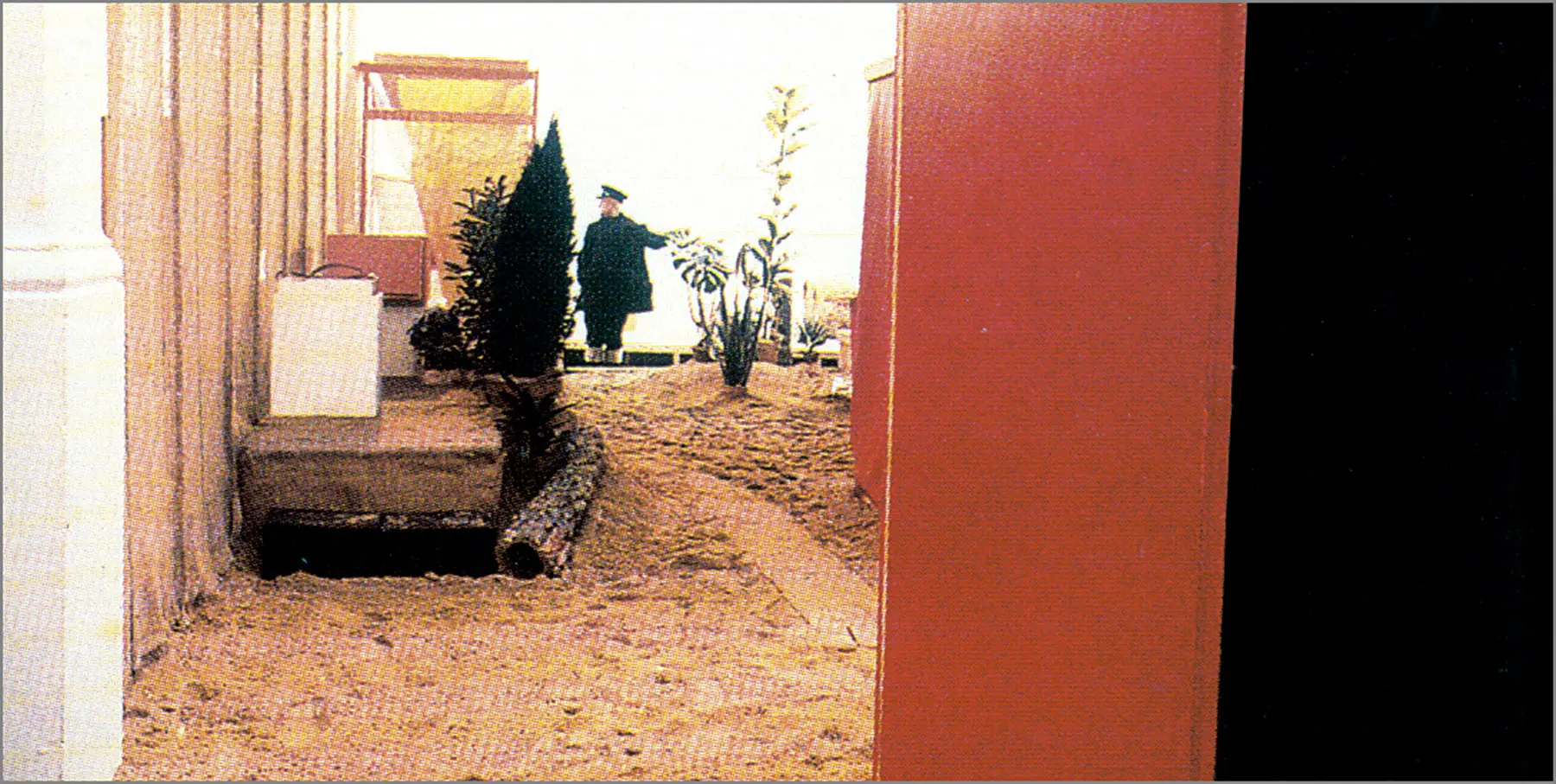
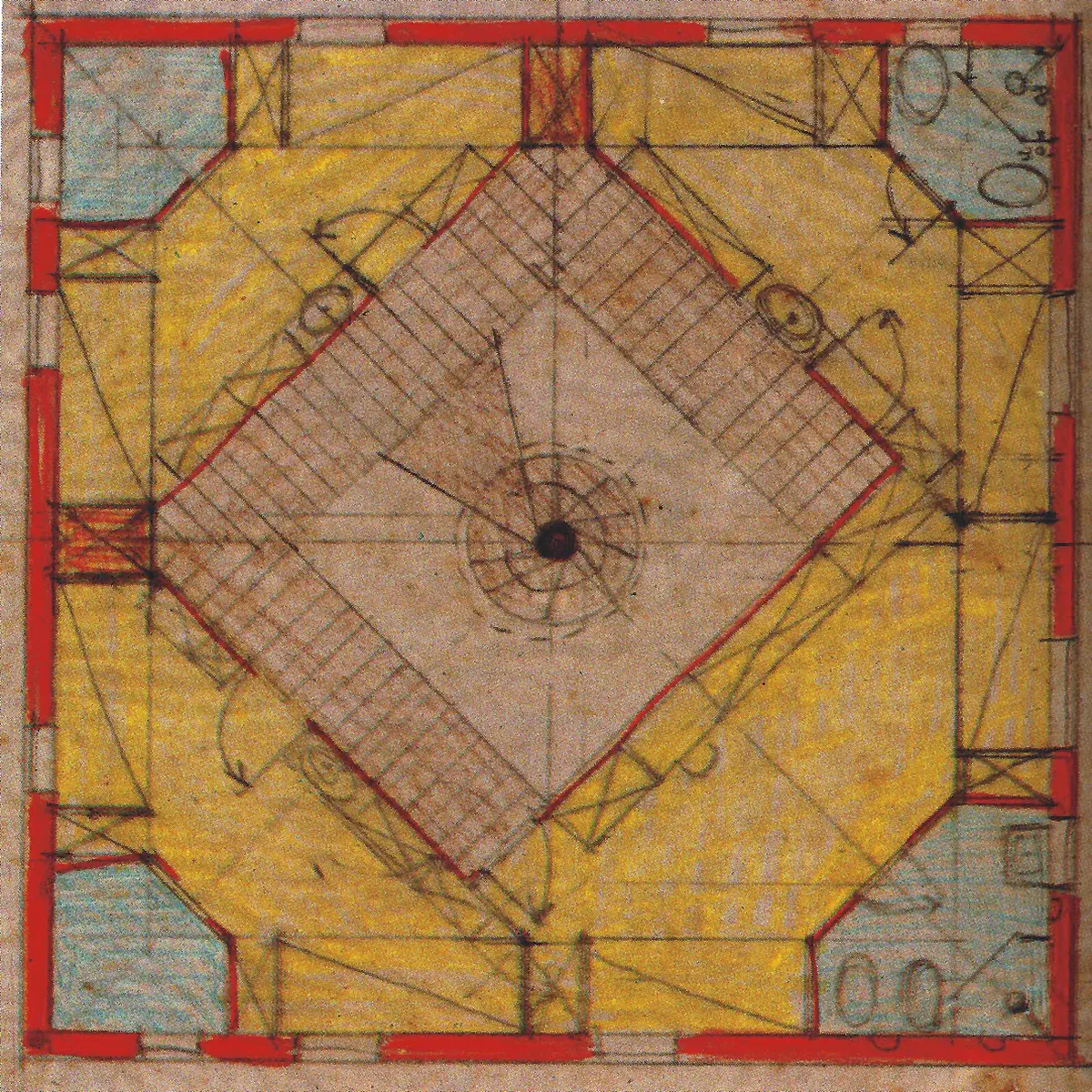
The installations Tropicália (1967) and Eden (1969) by Hélio Oiticica dominate the first of two large galleries. Because these environmental works are installed side-by-side, as they appeared in 1969 at Whitechapel Gallery in London, they melt into each other. Palm trees, sand, red and orange fabric, and differently textured surfaces invite us to explore them. Tropicália is more cramped and irregular, like the shantytowns that inspired it. Eden is more ordered and transparent. Here we find our domestic needs: samba capes that Oiticica called Parangolés and nests filled with hay. These installations are paired with a selection of Lygia Pape’s Sensorial Masks (1967), Sensorial Gloves (1968), goggles (1968), and other interactive works, including her elastic möbius strip (1966), and a plastic bag filled with water and seashells (1966). Exhibition copies of these objects lay on long tables, inviting us to put them on, to touch and manipulate them. In contrast with these interactive works, Lina Bo Bardi’s quiet architectural drawings and models are displayed on a raised platform, creating a contemplative area. Her projects from the 1950s and 60s, presented as precursors to Tropicália, propose an architecture in which nature and modern forms organically encroach upon one another—she marries the modernist cube with vernacular building techniques, such as the thatched roof typical of northern Brazil.
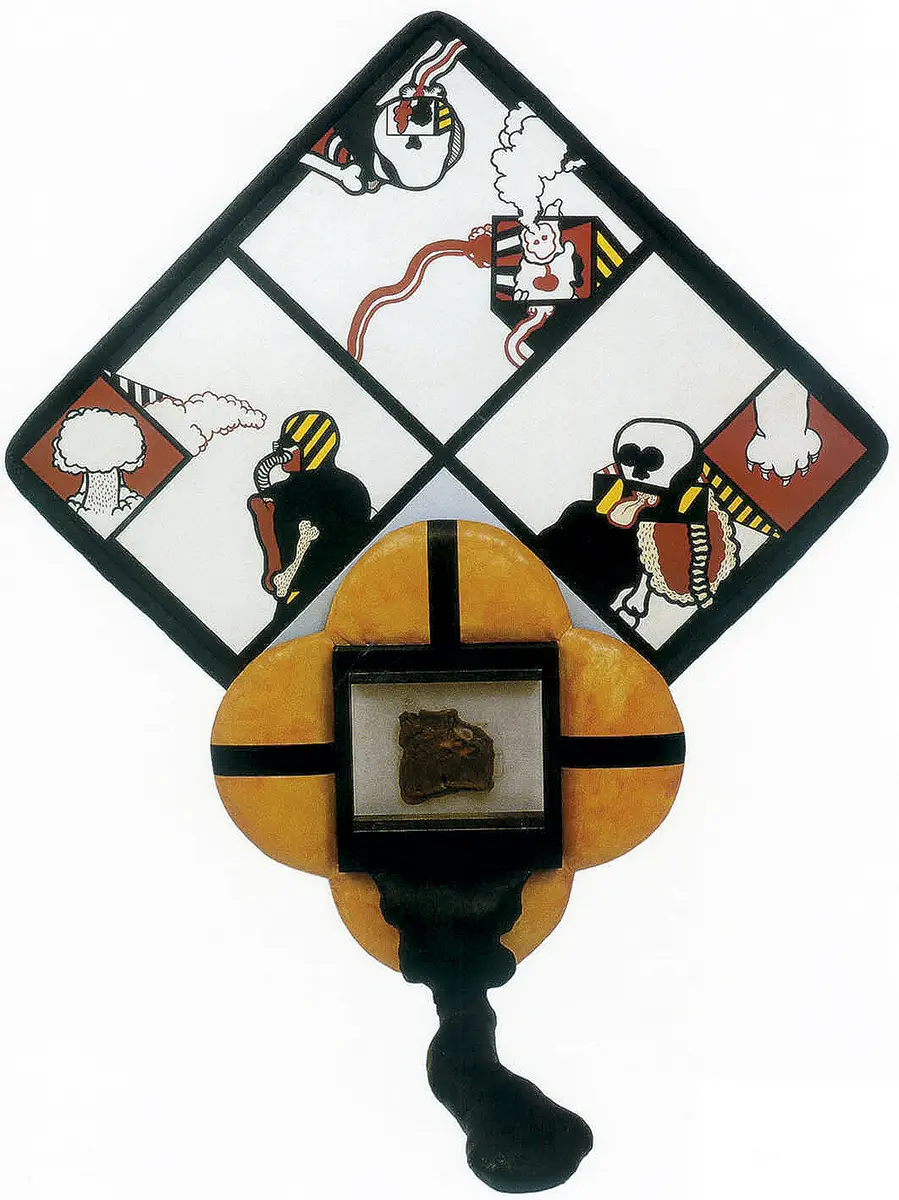
While in the first gallery we see hints of how Oiticica and Pape combined their belief in modernist utopias and their counterculture 1960s sensibilities, in the second we find high art and popular culture completely mixed together. We see a cover of the album that popularized Oiticica’s word “Tropicália” in 1968, Caetano Veloso and Gilberto Gil’s Tropicália, ou panis et circencis (Tropicália, Bread and Circus), and we can hear tracks from this album and others on an audio tour. Behind this is a collection of dresses from Parisian fashion houses, produced in the late 1960s and early 70s along the theme of Tropicália. These displays are interspersed with art that is highly interactive, such as Lygia Pape’s Rodo do embalo maluco (Wheel of Delights) (1968), in which we are encouraged to taste differently-colored liquids. Brutally critical works by Antônio Dias, including Carrasco-o laço eu e você (Hangman-The Noose for Me and You) and Nota sobre a morte imprevista (Note on the Unforeseen Death) (both 1965) demonstrate how Brazilian artists embraced Pop art as a way of critiquing the increasingly oppressive conditions of the dictatorship during the late 1960s and early 70s. At the rear of the gallery is a collection of studies by Hélio Eichbauer for the 1967 production of Oswald de Andrade’s play Rei da vela (The Candle King), perhaps the most overtly political work in the exhibition.
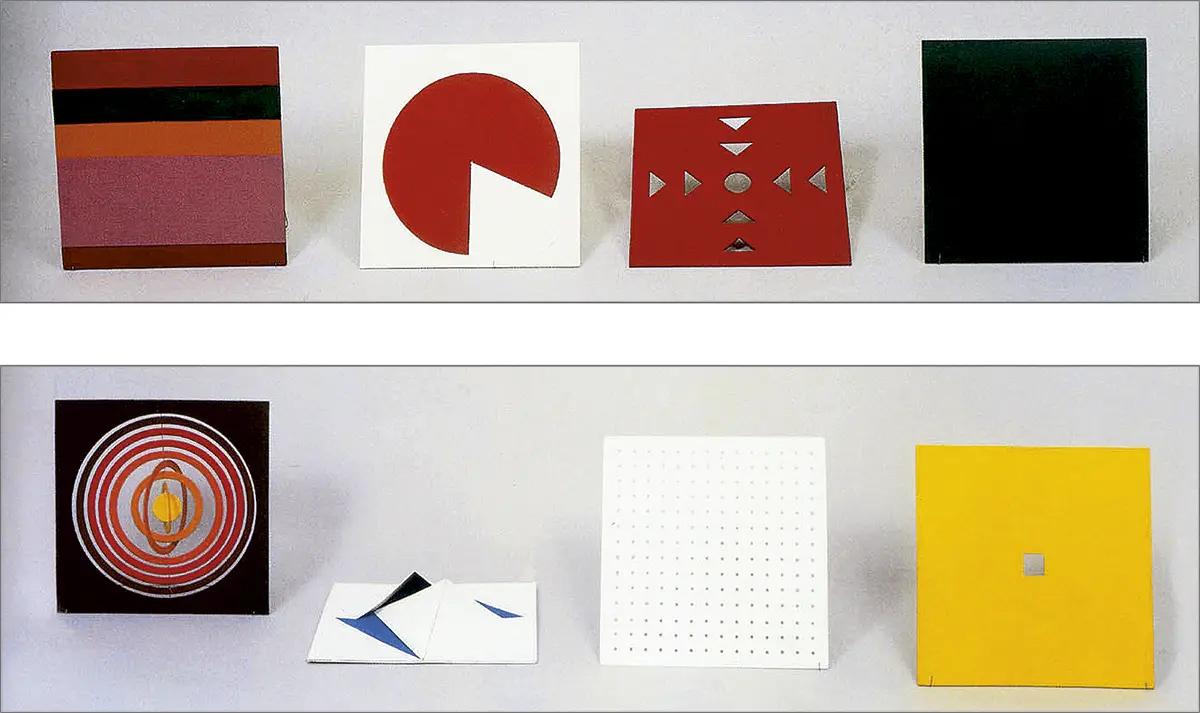
The show ends with a flashback to the experimental artists and poets who proclaimed themselves Concretists and Neo-Concretists in the late 1950s and early 60s. A small presentation of artists’ books, relief paintings, and objects produced by artists such as Ferreira Gullar, Ivan Serpa, and Lygia Pape contextualizes the materials in the two main galleries by posing the question of how, during the 1960s, the utopian idealism of geometric forms and pure color became Tropicália. Or, in a more general sense, how the ideals of modernism became the freedom of psychedelic hippie culture. This group of works grounds the seriousness of Tropicália and urges us to think critically about the late 1960s and early 70s, a period for which we are habitually nostalgic.
Co-organized by the Museum of Contemporary Art in Chicago, the Bronx Museum of the Arts, and the Gabinete Cultura in São Paulo, the exhibition is on view October 22, 2005–January 8, 2006, in Chicago and will travel to the Barbican Art Gallery in London (February 15–May 21, 2006), the Centro Cultural de Belém in Lisbon (July–September 2006), the Bronx Museum of the Arts (October 14, 2006–January 28, 2007), and other venues in Brazil to be determined.
HARPER MONTGOMERY