
Frieze Art Fair
In its third edition, the Frieze fair displayed some particular features. It is a highly contemporary art fair, held in the middle of Regent’s Park. The fair’s catalog, titled Frieze Yearbook, is different from other fair catalogs, which are organized by galleries. The Frieze Yearbook presents a selection of the artists, with one page and one picture each, as well as a brief summary of their career; the galleries and the artists they represent appear in the back pages.
This year, 160 galleries were present at Frieze. Many fairs invite the press and the collectors to a preview to give them a chance to see and buy the works. This was especially important at Frieze because when the fair opened to the public there were so many visitors that it was impossible to see the art. This probably was a consequence of the fact that admittance to the event was free with the invitation, as were the alcoholic beverages offered. The public seemed more interested in the party than in the artwork.
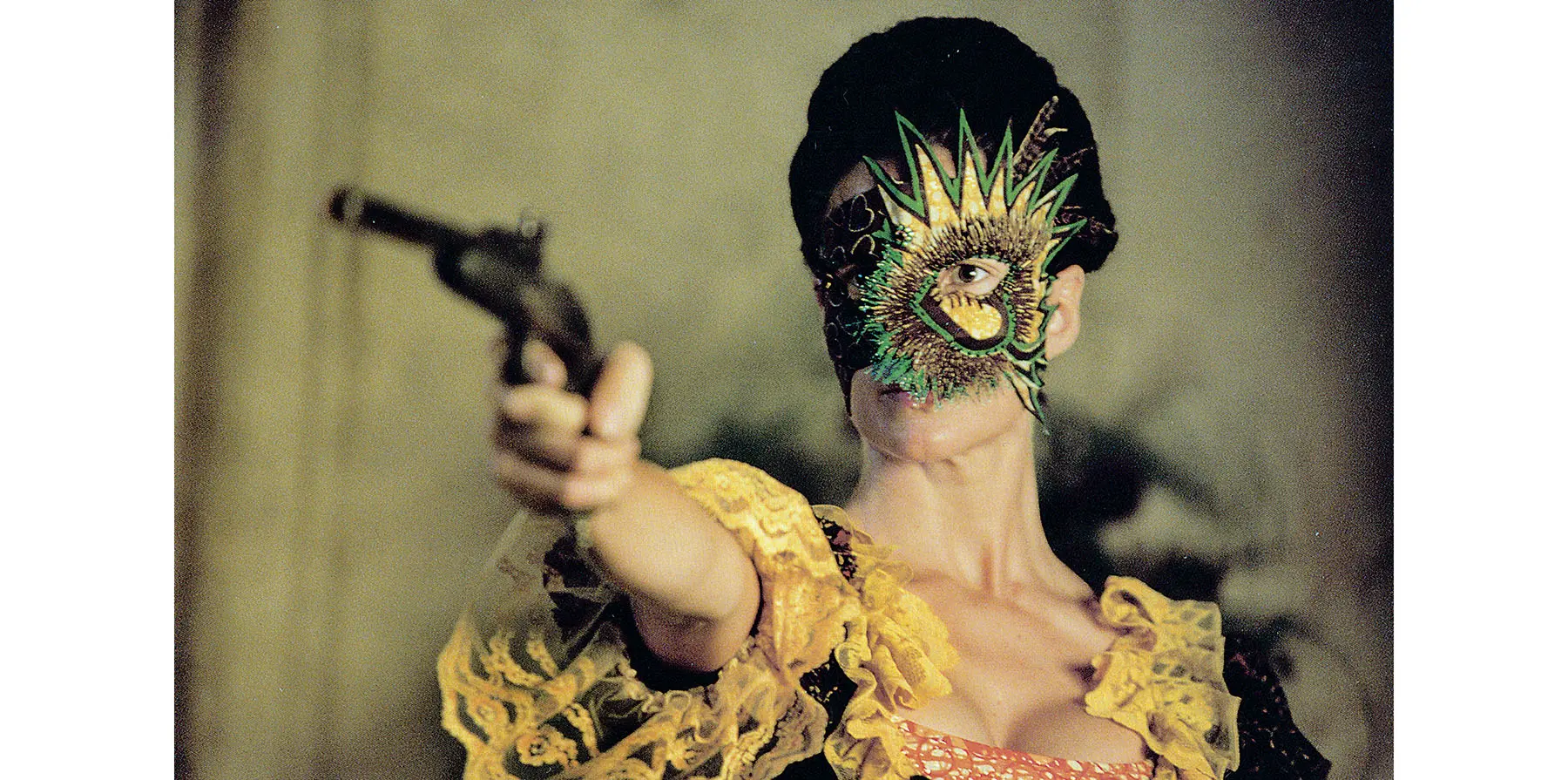
Fair that announced over where over 1000 works on view, one needs to look very carefully in order to find those that are truly special. Of the four Latin American galleries, Kurimanzutto took the risk of showing a single artist on its walls: Carlos A. Morales’s Abecedario consisted of twenty-seven panels painted red, black, and white with the letters of the alphabet painted in thick strokes. Among several interesting works at Galería Luisa Strina, the highlights were the thin chains that hung from ceiling to floor like the legs of a golden bird by Tonico Lemos Auad, titled ...and a House on the Beach, 2005. Galería Fortes Vilaça showed a work by Ernesto Neto comprised of a green circle with an orange center, a new image in his production, while at Enrique Guerrero there were photographs of female figures in a burlesque expression, by Yoshua Okón.
At Peter Kilchmann, from Zurich, the highlight was the work by Teresa Margolles, Línea a b c, a group of three photographs, each depicting images of bodies that present sutures after an autopsy. The bodies’ tattoos made them appear even more violent. These photographs contrasted with Melanie Smith’s huge and very peaceful painting of a sfumato landscape.
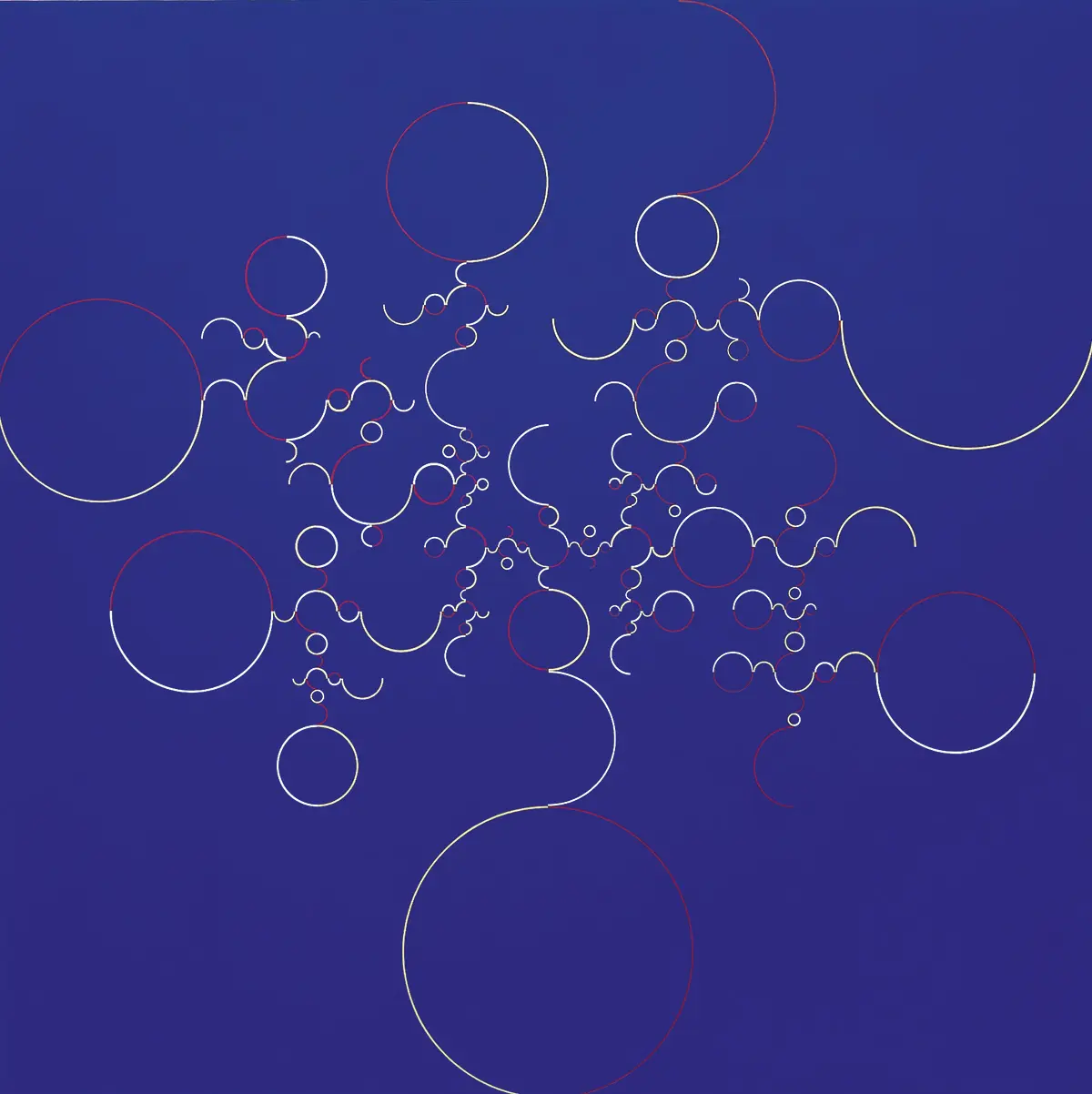
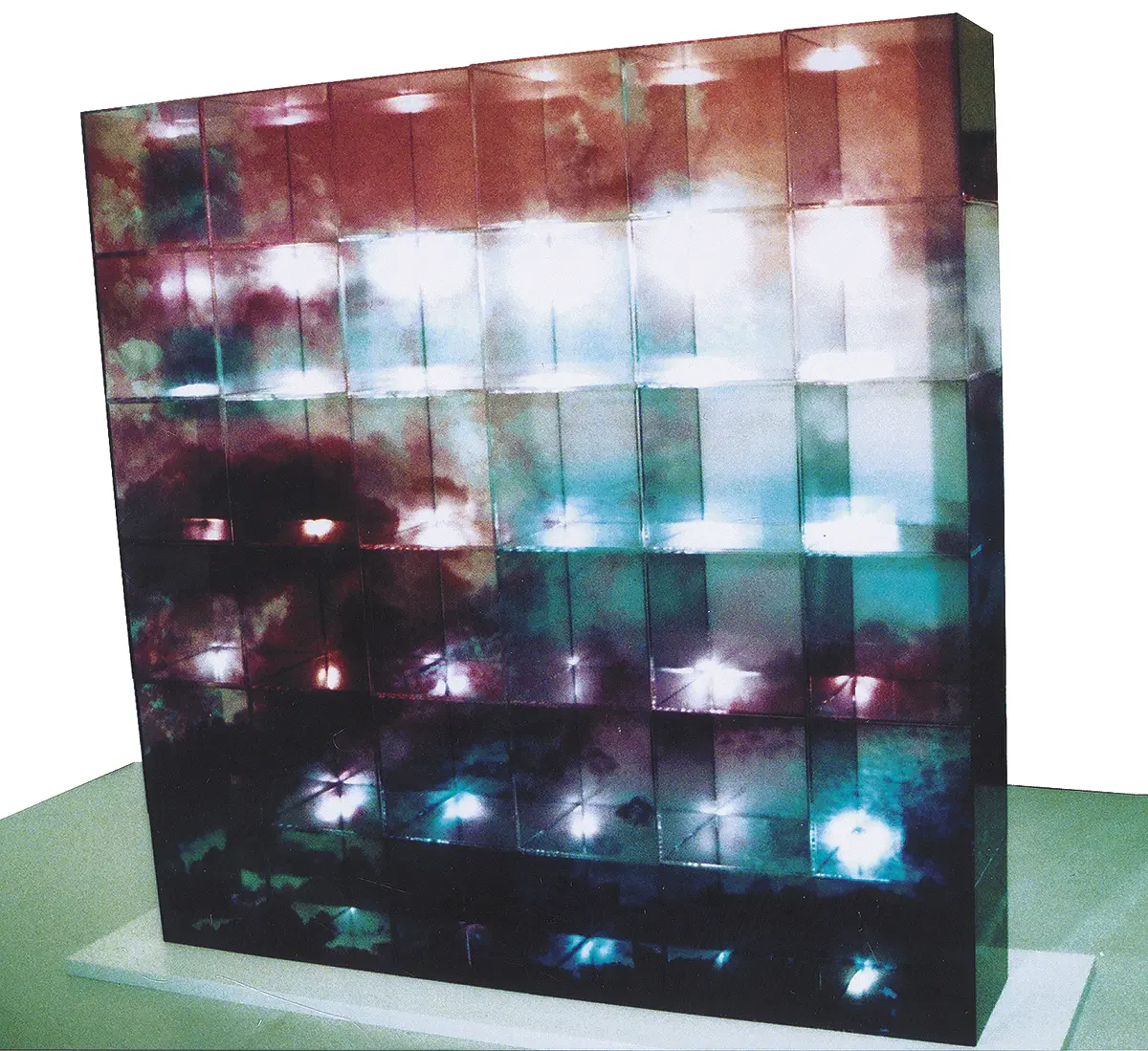
With Slacked Smoke at Lehman Maupin, Teresita Fernández presented an assemblage of transparent acrylic boxes, creating the illusion of blue and magenta smoke or clouds. Gabriel Orozco’s large-format painting String Tree, at Chantal Crousel, featured a blue background and different interlocked circumferences in red and gold. Equally interesting was a painting by Caio Fonseca, Gonzalo Fonseca’s son, at Paul Kasmin Gallery.
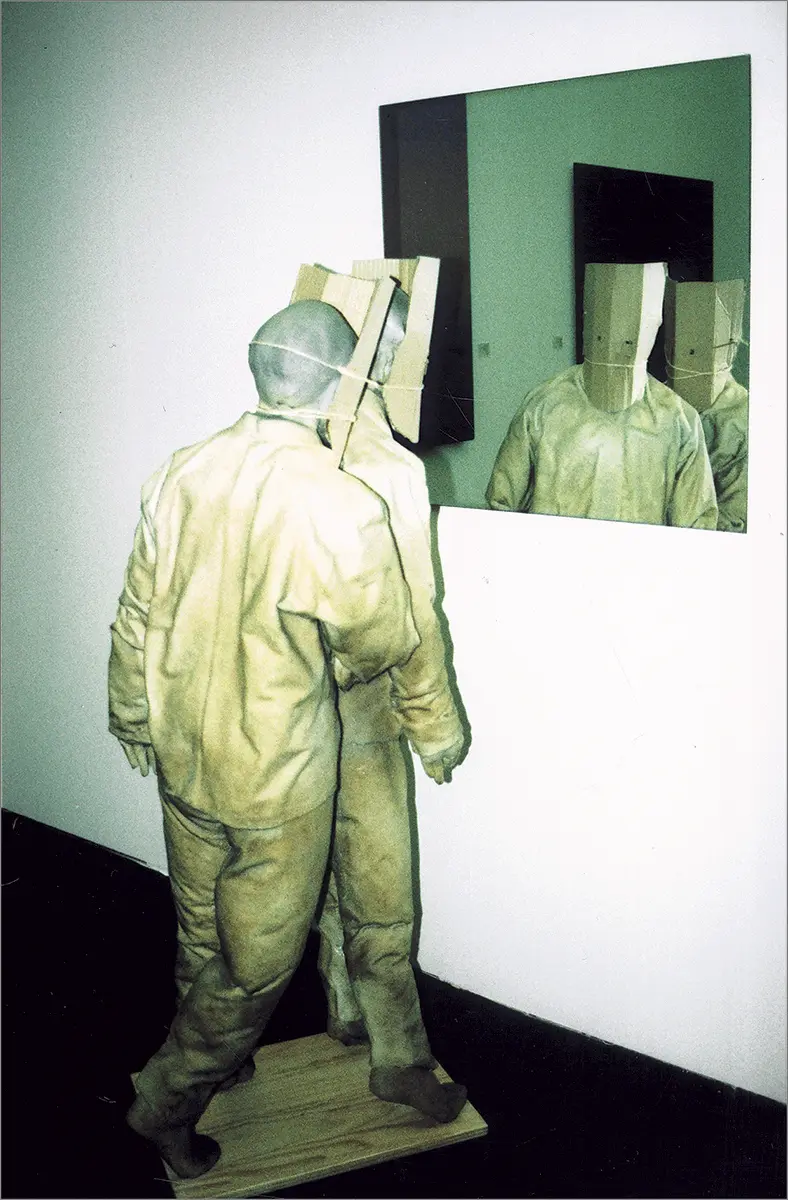
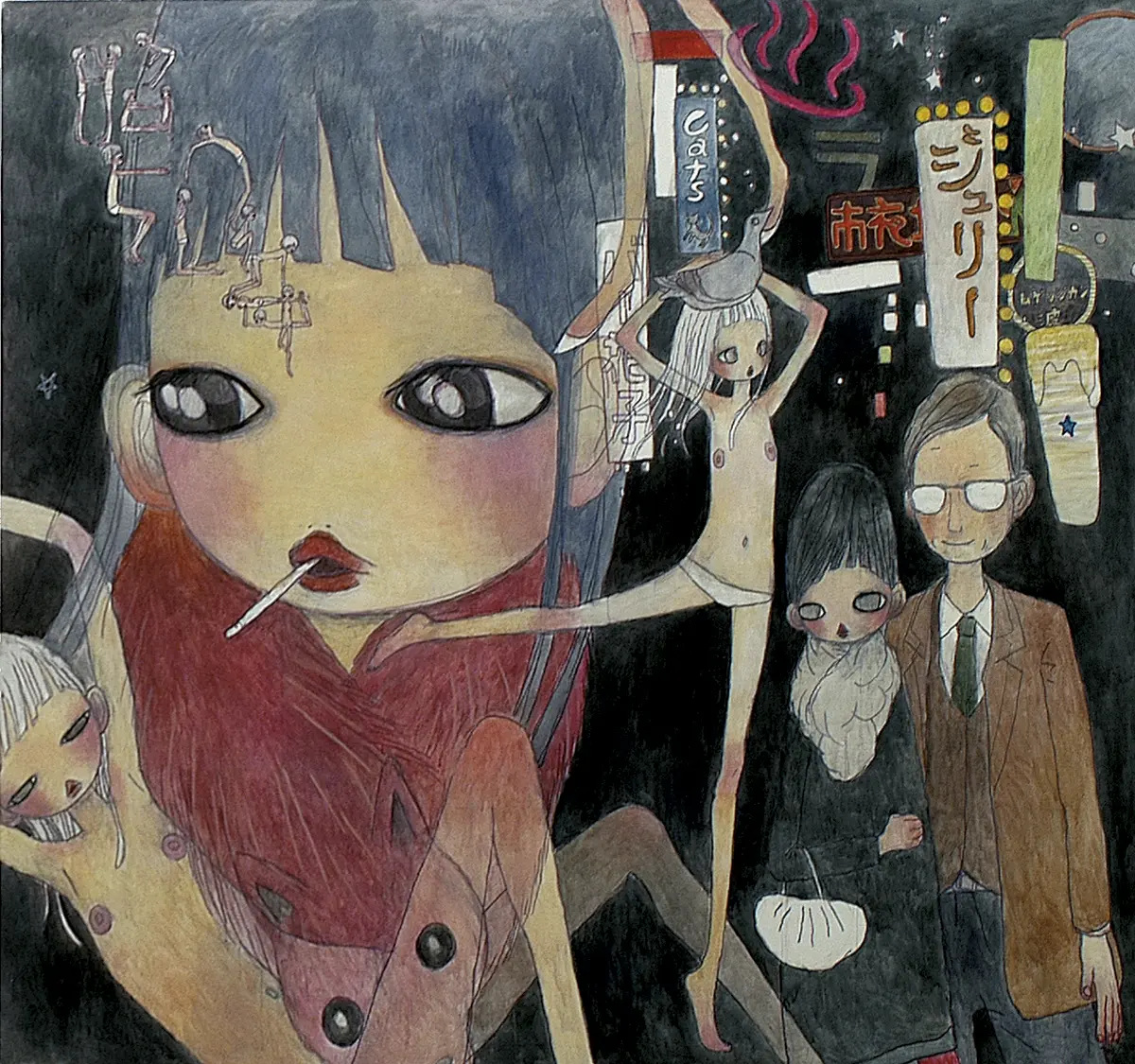
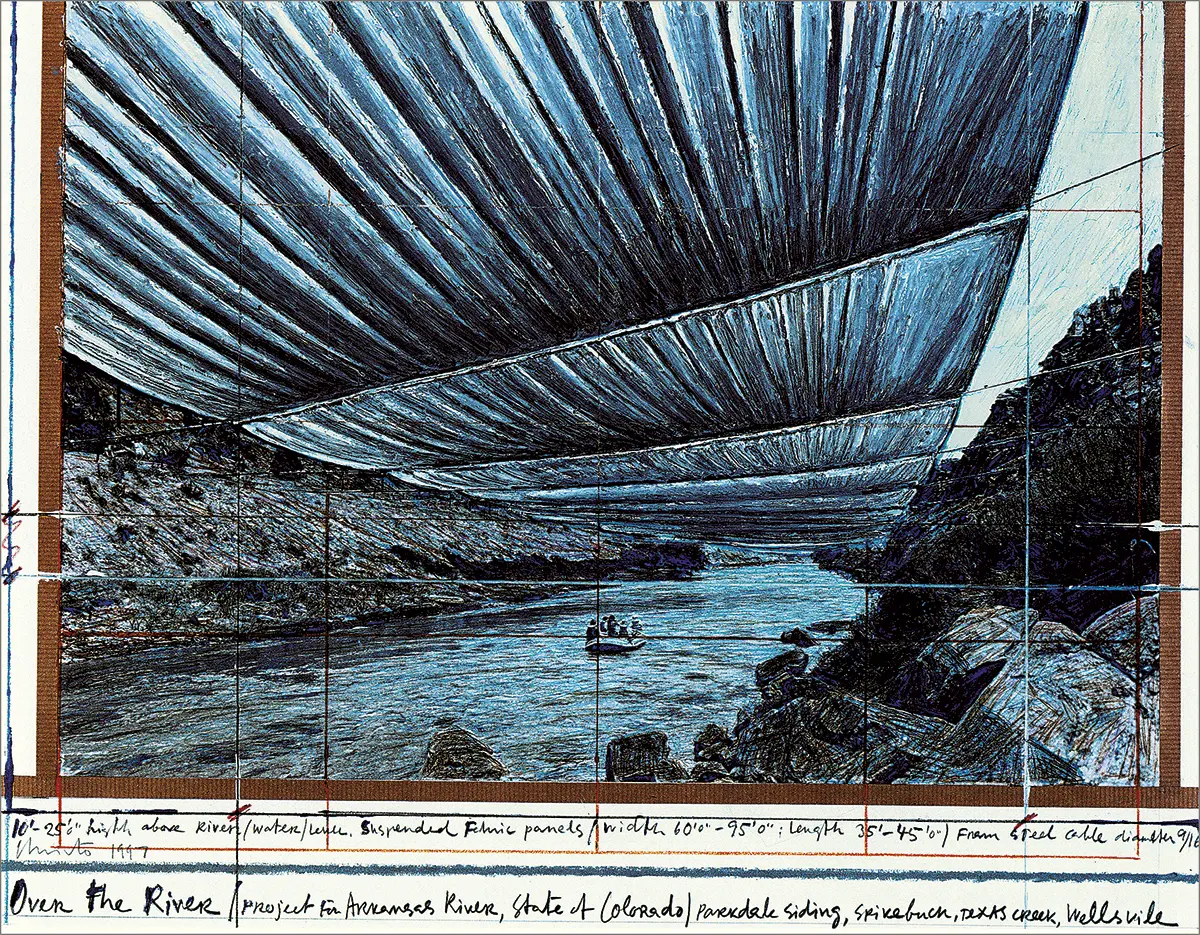
Annely Juda Fine Art showed drawings from Christo’s and Jeanne-Claude’s newest project, Over the River, which will comprise a series of cloth panels suspended horizontally above that follow the course of the Arkansas River in Colorado. This project is programmed for the summer of 2008. At Spain’s Galería Pepe Cobo, there was Cristina Iglesia’s mysterious serigraph on satin, in rust colors; the same gallery showed Juan Muñoz’s Staring at the Sea, two polyester resin human figures with cardboard masks, one behind the other, looking at themselves at a mirror. Galerie Emmanuel Perrotin presented an individual exhibition of works by Aya Takano, an artist who paints figures loaded with an innocence that recall games and has plentiful references to the artist’s Japanese background. At Stephen Friedman Gallery, Yinka Shonibare showed a portfolio of twenty photographs of a Minuet dance with eighteenth-century costumes made of vibrantly colorful contemporary African textile designs.
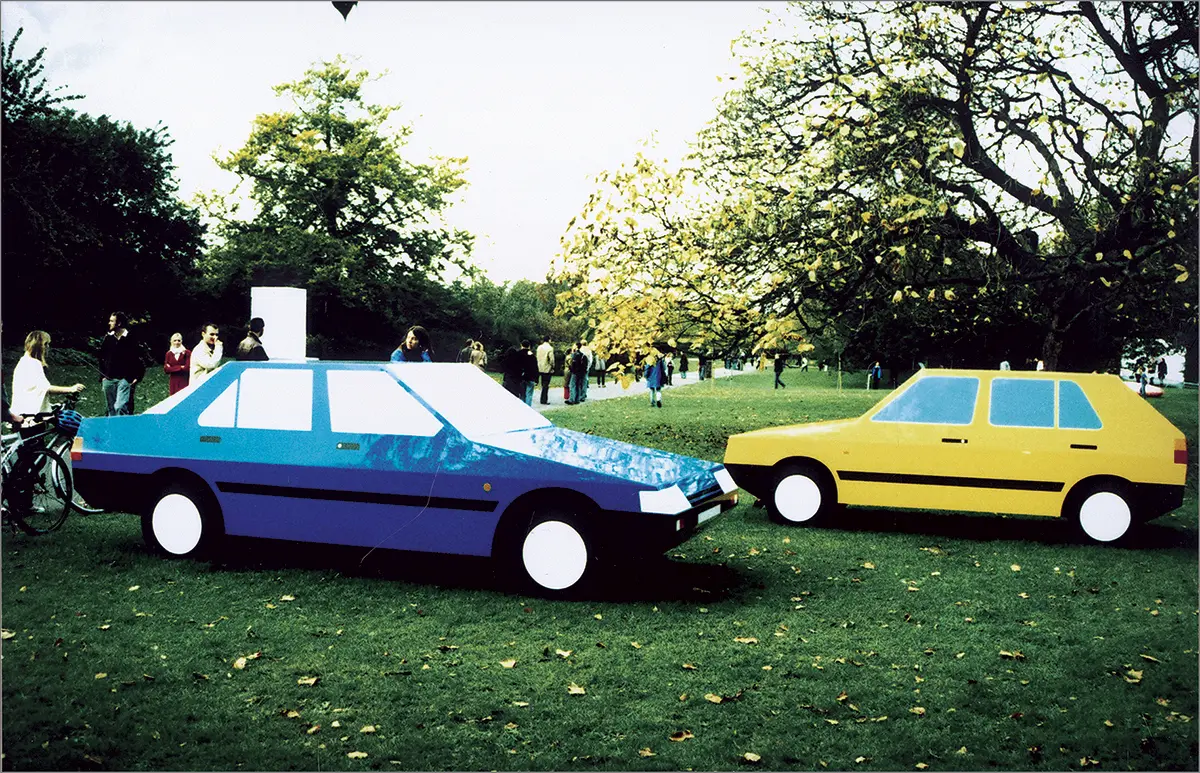
Eleven sculptures located near the fair and inside the park complemented the exhibitions. These were presented by some of the participating galleries, such as Lisson Gallery with the work of Anish Kapoor and Julian Opie or Gagosian Gallery with Franz West.
Although Frieze Projects was once again a part of the fair, it held less interest than in previous editions, with the exception of a project by IASPS (International Artists Studio Program in Sweden), which, in collaboration with the European Institute for Progressive Cultural Policies and the graphic design group Abake, published The European Policies 2015, a report on the scenarios of future contemporary-art acquisition policies in Europe. It was distributed for free, as a small book, during the fair.
A series of lectures complemented the event, along with a live radio show, Resonance 104.4 FM, films and videos by artists, and an educational project for adolescents, sixteen to eighteen years old.
Scope London
The Scope fairs are parallel to other fairs, and their goal is to provide a space for young contemporary art and showcase it in a more intimate scenario. This year, Scope London was held at the St. Martin’s Hotel, a space designed by Philippe Starck that was much better suited for the event than last year’s locale.
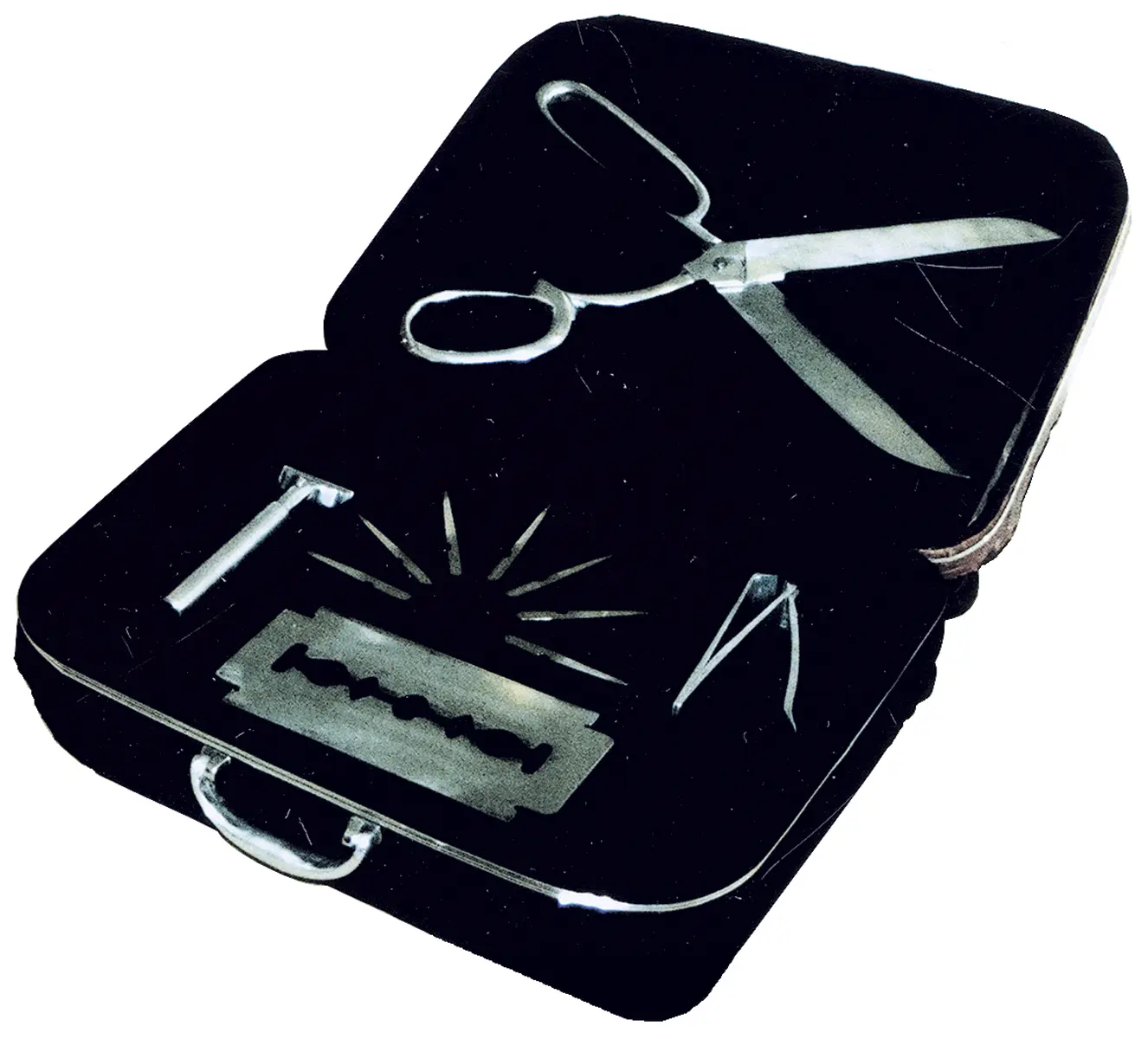
In the hotel’s rooms, we found Light Contemporary Gallery, with César Martínez’s inflating and deflating sculptures and, on a very nice deck, Luis F. Vélez’s sculptures. At Raza/Mirza, two Pakistani artists created a group of travel suitcases, iconic of the search for liberty and the fight against discrimination. Opening one of them, one found a series of giant aluminum objects representing everything that can no longer be carried onto a plane, cabin such as scissors, knives, tweezers, etc. Douz and Mille Gallery presented subtle videos by three Latin American artists: Magdalena Fernández, Amalia Caputo, and Carolina Sardi.
Scope London complements its fair with performance, film, and video programs, a series of conferences, and a segment of scholarships and awards.
Zoo Art Fair
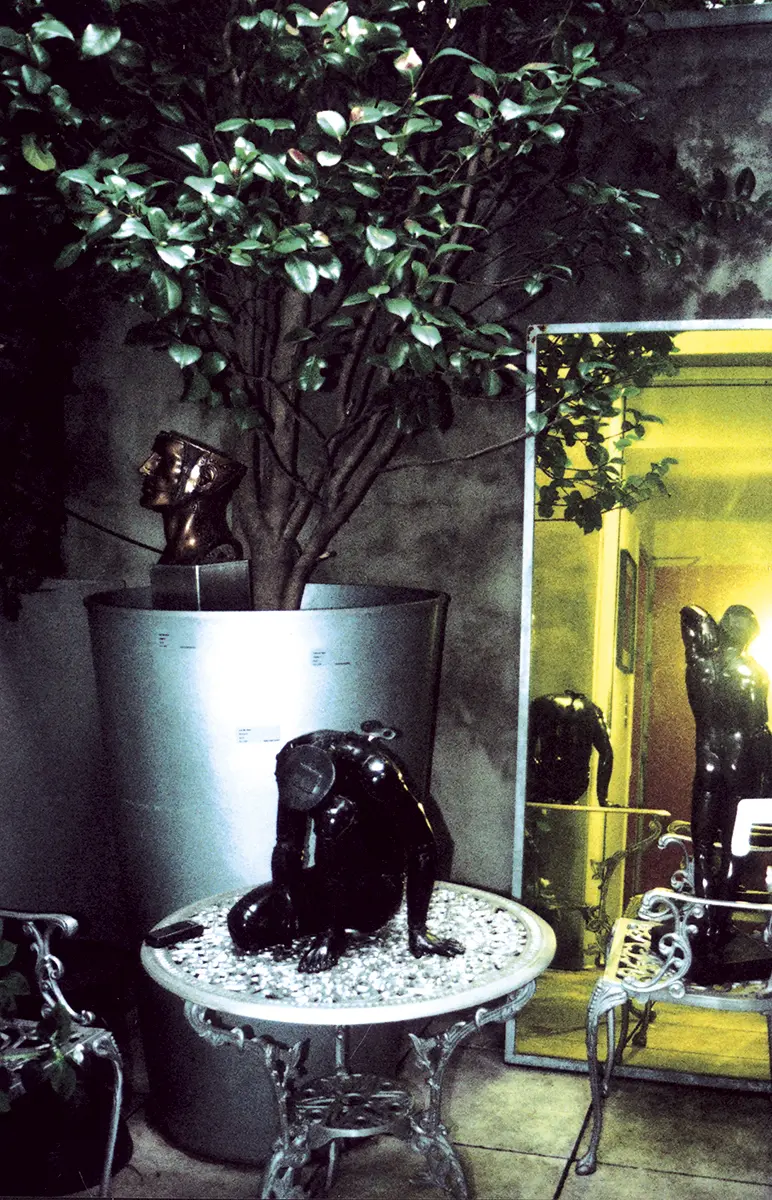
Since last year, this fair is held at the same time at Frieze, but in the zoo located inside Regent’s Park. It is a not-for-profit institution that presents commercial galleries and non-commercial spaces, as well as U.K. publications less than four years old. This year it produced its first portfolio, a box with works by eleven artists, in collaboration with Archeous. It commissioned two site-specific projects. One was Penguin Repopulation Project by Simon Faithfull. Initially, the zoo’s penguins were housed in a space built in 1934, and in 2004 they were moved to one better suited for their mating. In the old, now empty space, the artist drew twenty-eight penguins and recreated an Antarctic environment.
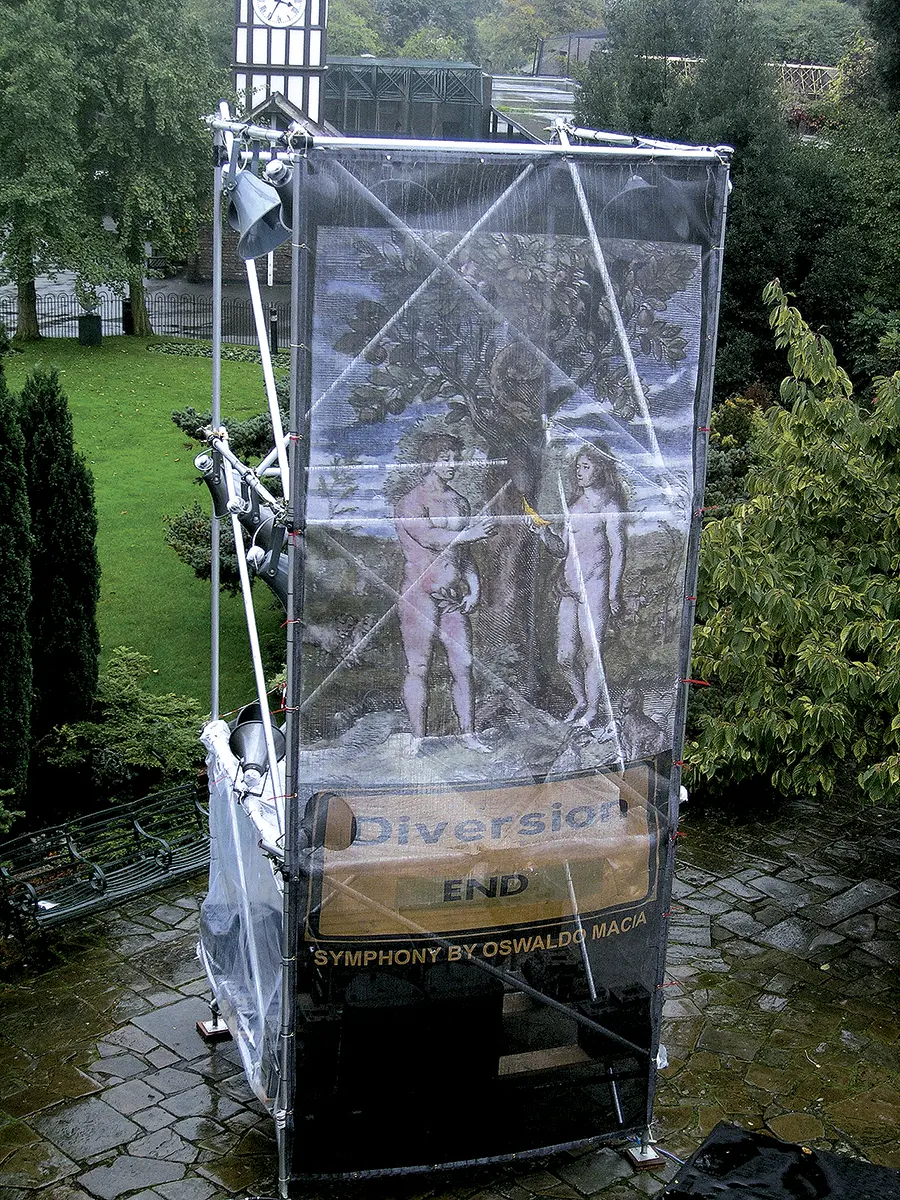
At the entrance Diversión End, Oswaldo Maciá placed a tower with loudspeakers that emitted a symphony of the sounds of 100 animals in their natural environments, selected from 4,859 wildlife sound archives at the British Library, and a large canvas with a colored reproduction of an eighteenth-century image of Adam and Eve, the apple changed to a banana. This work lent itself to a variety of interpretations, contrasting as it did the sounds of animals in their natural state and a reference to the lost Paradise.
Many exhibitions were open in London around this time, and among the highlights were Francis Alÿs’s show Seven Walks, London 2004–2005 at the National Portrait Gallery and Paul McCarthy’s Lalaland Parody Paradise at Whitechapel Art Gallery, as well as the work of the Turner Prize finalists on display at the Tate Britain.
CELIA SREDNI DE BIRBRAGHER
Publisher and founder of Arte en Colombia/ArtNexus.