
Ambitious projects engender equally ambitious, even insolent offspring who are not deterred by the prospect of de-throning those who sired them. This is, in fact, one of the most common behaviors in parent/child relationships or between teachers and disciples. For better or worse, Art Fairs are not an exception.
While since its inception in 2001-2002 the Art Basel Miami Beach fair has put this city on the US artistic map, under its protecting shade a whole series of alternative events have sprung, a well-defined artistic sector, and new galleries that effervesce in various areas of this constantly expanding city.
In that sense, Art Basel Miami Beach director Bill Keller’s good move has been to not only allow but to coordinate with fairs such as NADA, Scope, Pulse, and design. 05, events that took place simultaneously between the two large fairs (Art Miami, directed by Ilana Vardy.) This spirit of cooperation between large and small fairs has resulted in a veritable cultural renaissance for Miami, attracting international art’s most important figures to many of these sites.
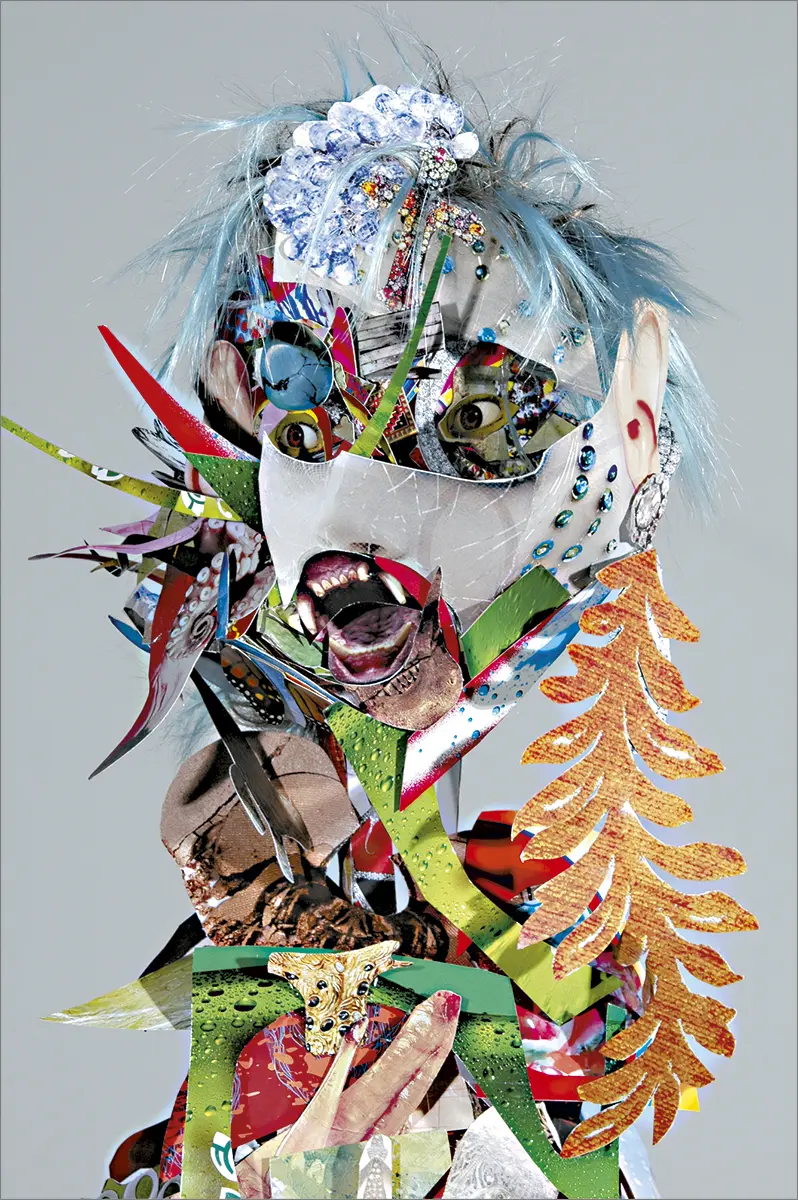
In truth, it is misleading to call a fair such as NADA “small,” if we take into account the fact that it brings together hundreds of alternative galleries. This year, the New Art Dealers Association used Ice Palace Film Studios’ ample spaces in the city’s north side to offer a vision as refreshing as it was eclectic of today’s art. Among the young Miami artists taking part in NADA we noticed the talented Pepe Mar, who has distilled an aesthetics based on collages used to shape sculptoric objects in various materials, such as papier maché and multicolored fabrics, combining the innocence of toys and childhood items with a great sense of humor and careful manufacture.
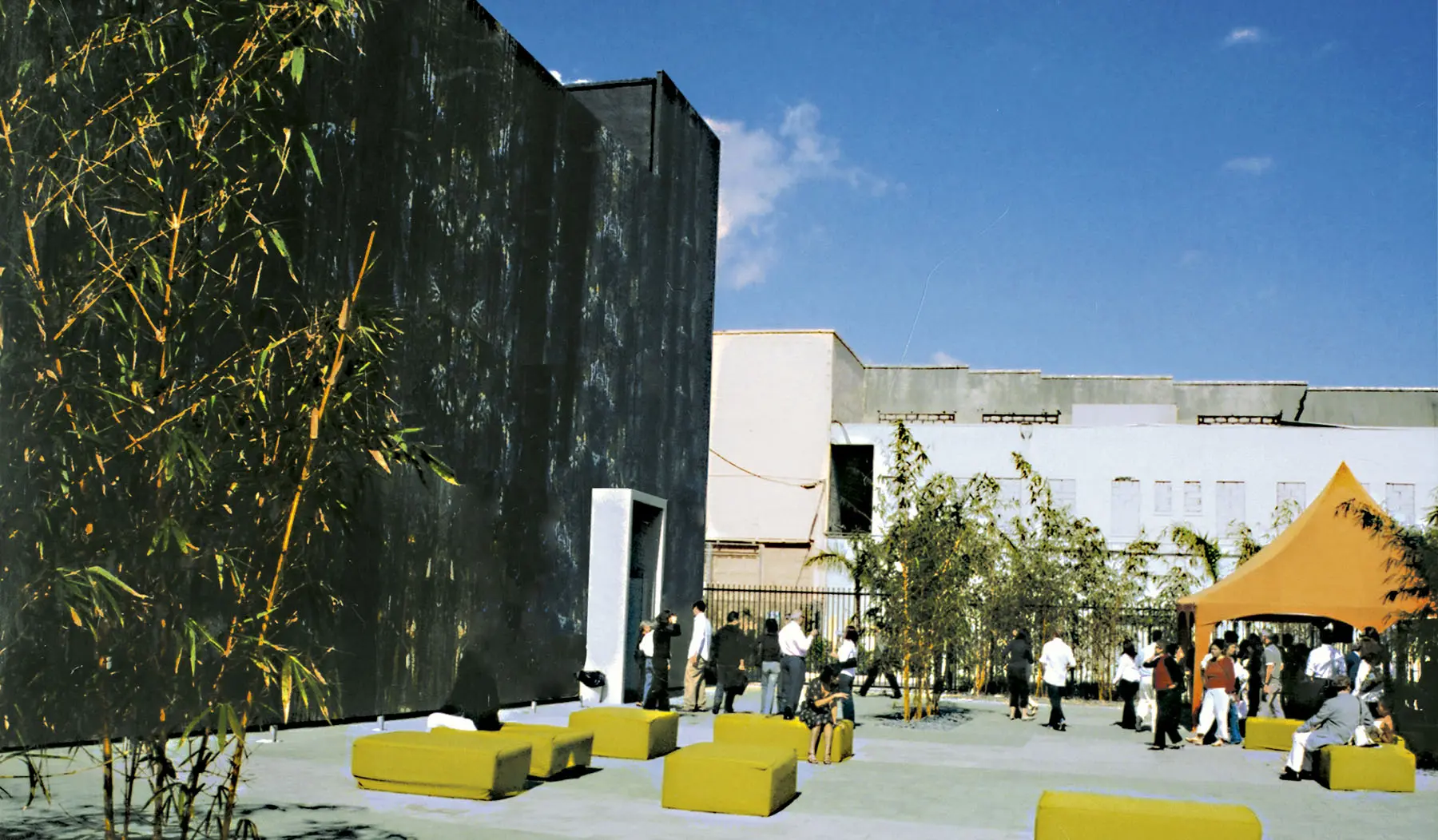
On their part, the commissars of OmniArt III —Carol Damian, Tina Spiro, and Julia Herzberg— opted for granting free rein to the invited artists and letting them express themselves at will, without restrictions of any kind. Located in empty storehouses ceded by the city for the occasion, it offered a series of advantages with respect to other sites. The most significant of these, in my opinion, was the aura of marginality projected by these industrial spaces, unlike others as trite as the Convention Center, where ABMB is held. The contrast between these two locations plays in OmniArt’s favor because it is always less predictable, whereas well-known fairgrounds cancel or attenuate the chances of being surprised.
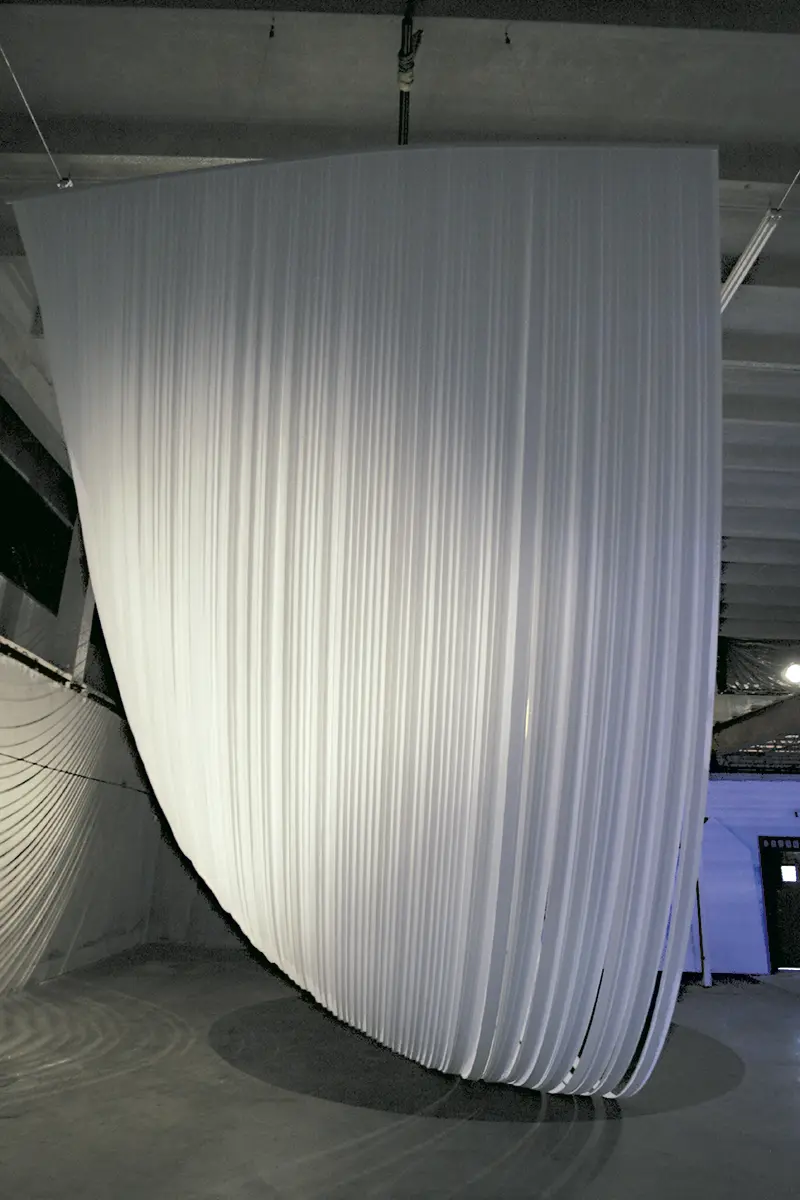
Here, the monumental works of artists like Helga Griffiths or Kaarina Kaikkonen acquired a unique projection. Here, Billie Grace Lynn exhibited a bloody US flag. Rubén Torres Llorca presented an entire room of his Machiavellian conceptual games in which he attacks, humorously but mercilessly, the art market, including collectors, curators, critics, gallerists, or marchants.
One of this year’s new fairs was Pulse, which used an original format that also escaped from the routine of these events: a large tent installed in the art district of Wynwood. The fair brought together more than 40 galleries, national and from abroad, and participation was by open call, which gave the organizers a chance to select both well-established and new galleries. Helen Allen, Pulse’s director known for organizing until recently the Affordable Art Fairs, said that the fair intended to highlight the work of well-established artists and the cultural richness of the hot cities.
The surprise among the new fairs was Aqua Art, organized in the rooms of Miami Beach’s Aqua Hotel, which turned out to be, in large measure, an unexpected success. This fair was organized by a group of Seattle artists and galleries, some of which had been excluded in previous years from the other parallel fairs around ABMB, which preferred New York and European galleries in detriment of those from the US West Coast.
Interestingly, Scope, the most veteran among this kind of fairs, was perhaps the most opaque within the vast ad highly competitive landscape of the alternative fairs that emerged around ABMB. Held for the fourth consecutive year at Miami Beach’s TownHouse hotel, Scope —with editions in New York and London— distinguishes itself by asking gallerists to select one young artist to be presented in one of the hotel’s rooms. This year the fair also offered a segment titled Collector’s Choice, a show with works of 15 new artists selected by 50 well-known collectors, exhibited in the lobby.
On top of that, the real estate firm Draca, owned by collector Craig Robbins, organized alongside ABMB a furniture design fair titled design.05, held in the Design District. It is intended to elevate this genre to the same current level of the arts in Miami, and, in truth, it gathered an impressive selection of the best international designers in the ample spaces of the Moore Building.
But the new space on which the greatest expectations were placed was collector Ella Fontanal’s Cisneros Fontanals Art Foundation (CIFO.) The foundation, located inside an old downtown Miami building renovated by architect René González, is an impressive small marvel in itself. CIFO presented two parallel exhibitions, based on Fontanal’s private collection, one of the photographs and another one of videos. Beyond Delirious, Architecture in Selected Photographs included works by photographers as significant as Ed Rusacha, Ryuji Miyamoto, Andreas Gursky, or Massimo Vitali. Indeterminate States included video artists such as Bill Viola, Ana Mendieta, Chantal Akerman, Robert Wilson, and the always dazzling William Kentridge. The foundation also offers residencies to young Latin American artists intended to showcase their work in the United States.

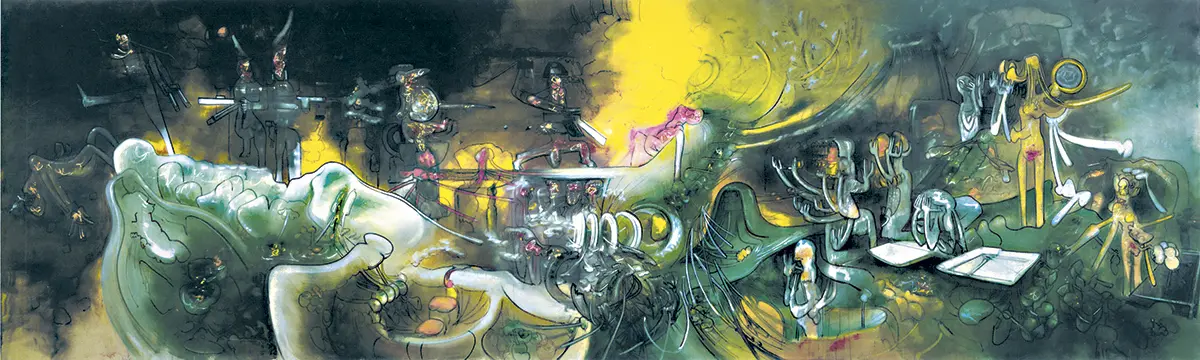
The Wynwood district —where The Margulies Collection, The Rubell Family Collection, and The School Collection have warehouses where they show their important collection— has slowly become an art zone with 56 galleries at last count. Taking advantage of the excitement in the Basel Miami fair, several galleries took the opportunity to open new spaces; among them, we can mention Spain’s Luis Adelantado, which transformed one of the warehouses into one of the best spaces in the area, inaugurated with an impeccable show by Anthony Goicolea, known up to now for his photographs but who showed on this occasion drawings and a video projected inside a special room with a large-format image. Gary Nader also opened a new, 4,500 square meter space, in celebration of its 25th anniversary. The space has been conceived to support and promote visual arts and performance art, with an emphasis on contemporary and emergent artists. It will also be used as a stage for prestigious itinerant exhibitions from museums and cultural institutions. During Art Basel, it presented a good part of its collection as well as works for sale, including some very important ones, like a giant, 3 x 9 meters 1968 Matta.
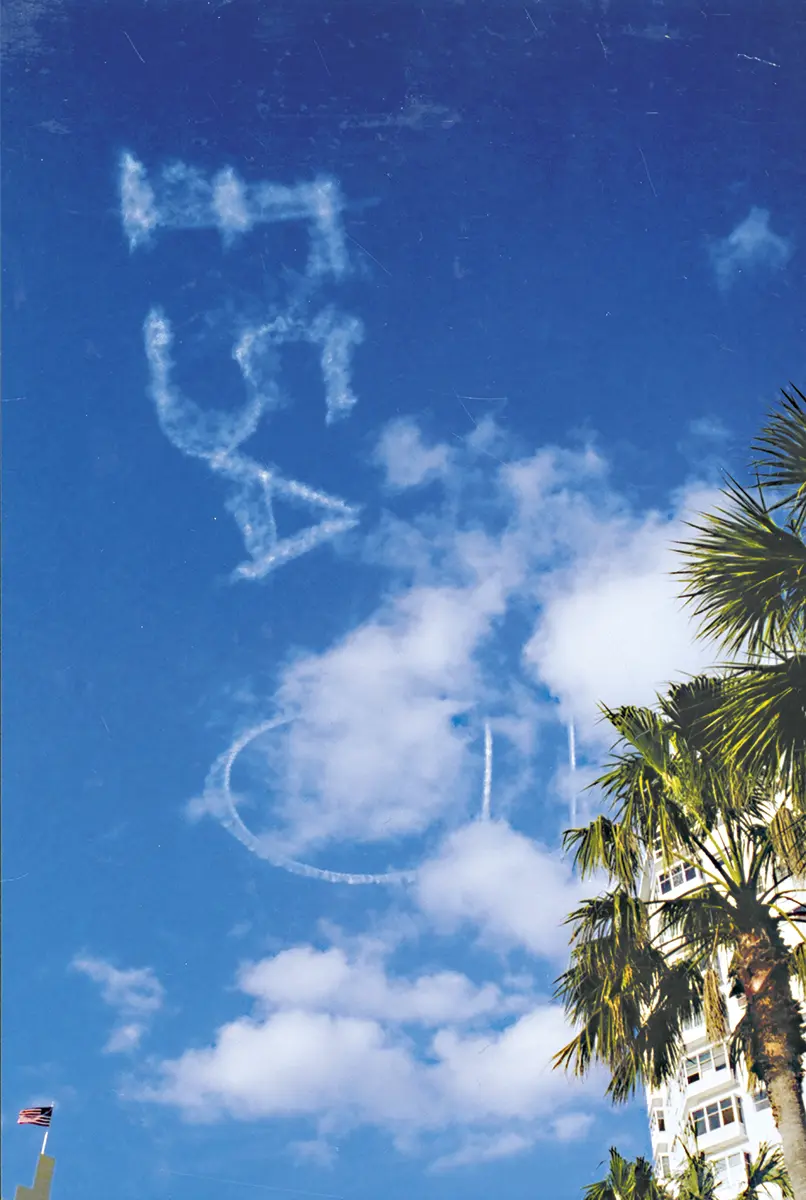
Another gallery making its debut in this district was Emmanuel Perrotin’s space —with its central headquarters in Paris—, which presented a collective with works by its three artists: Bernard Frize, Martin Oppel, and Piotr Uklanski. This 3,900-meter space was redesigned by architect Chad Oppenheim. It includes a space for temporary housing of artists, collectors, journalists, and curators that will be invited for a working residence in Miami. Hardcore Art Contemporary presented an exhibition, curated by Milagros Bello, with works by more than 30 artists in installation, performance art, video-art, drawing, etc. The North Miami Contemporary Art Museum, MoCA, opened a new space under the name of MOCA at Goldman Warehouse. This 12,000 square feet space was ceded by Goldman Properties through 2009, and it will be used to exhibit part of the museum’s collection and projects by emerging artists. The show Cloud City was inaugurated during Art Basel Miami Beach, with a project by Friends With You, whose members are Arturo Sandoval Jr. and Samuel Borkson. It is worth highlighting a personal show of works by Tania Candiani at Kunsthaus Miami’s new space; on this occasion, Candiani works with suggestive texts and subtle embroideries on different parts of a bed, such as pillows, mattress fabric, or sheets. Taking advantage of the opportunity, Jessica Mitrani created for a moment, in the sky above Basel Miami’s containers exhibition, a poem with words like esta, otra, esa.
Urbanist Jorge Pérez and Florida-based The Related Group joined efforts to develop a public project alongside the Miami River and Biscayne Bay. Known as Riverwalk, it permanently displays sculptures by José Bedia, María Fernanda Cardoso, Edouard Duval-Carrié, Glexis Novoa, Liliana Porter, Michelle Weinberg, and Xawery Wolski.
In this way, the parallel fairs captured in large measure attention and interest in an art season that continues to grow and to surprise with valid and coherent alternatives, not in competition but as the perfect complement for Art Basel Miami Beach, enriching Miami’s cultural life.
JAVIER MARTÍNEZ DE PISÓN
Writer and journalist.