
Of the many fairs that appear at any given time of the year, it may be that Art Basel Miami Beach has now eclipsed all others. This is not only due to its profusion of related professional and social events. Although most fairs have supplementary activities like round tables and so forth, the Miami rendition offers practically anything that has to do with artistic practice, as evinced in the Video Lounge, Art Perform, Art Projects, Art Positions, and the Art Sound Lounge, to name just a few of the off-site components of the fair. Apart from the mammoth nature of Art Basel Miami Beach, another characteristic is the carnival-like atmosphere of the numerous parties and celebrations. This has given the impression that the fair is now more of a scene rather than where art can be seen. The elbow-rubbing and networking that comes with the ostensible glitz can cultivate a condescending perception of the fair as proof of art’s vulgarization in a capitalist world. But it would be naïve to dismiss the festivities of the Art Basel Miami Beach phenomenon as nothing more than the social dressings of market-driven machinations. We all know about art’s investment potential, but it is simplistic to say that art is a commodity and dogmatically labels its marketability as a taint. It is intellectually more demanding and sociologically more interesting to distinguish what commodities are art rather than rest with the generalization that art is a commodity. As this year’s Art Basel Miami Beach has proven, there were very good presentations for many different reasons. Some created a context for work where there was none and others met the Hydra-like fair head-on.
The Video Lounge was organized this year by the art historian and curator Christopher Eamon. His selections were divided into eleven themes and included recent work as well as older pieces. It was gratifying to see seminal works by Valie Export, Yvonne Rainer, and Michael Snow juxtaposed with their artistic progeny who counteracted art’s historical amnesia; too often, younger artists end up reinventing the wheel in ignorance of their predecessors. Eamon’s astute selection and curatorial divisions were not all academic, however. The newly designed Video Lounge allowed room for individual choice; visitors could pick and choose from about 100 works available. One left with the impression that this sort of independence, ceding a more authorial role to the viewer, may have been absorbed into the curatorial premise. More than once, a visitor was overheard explaining their selection from the many works available.
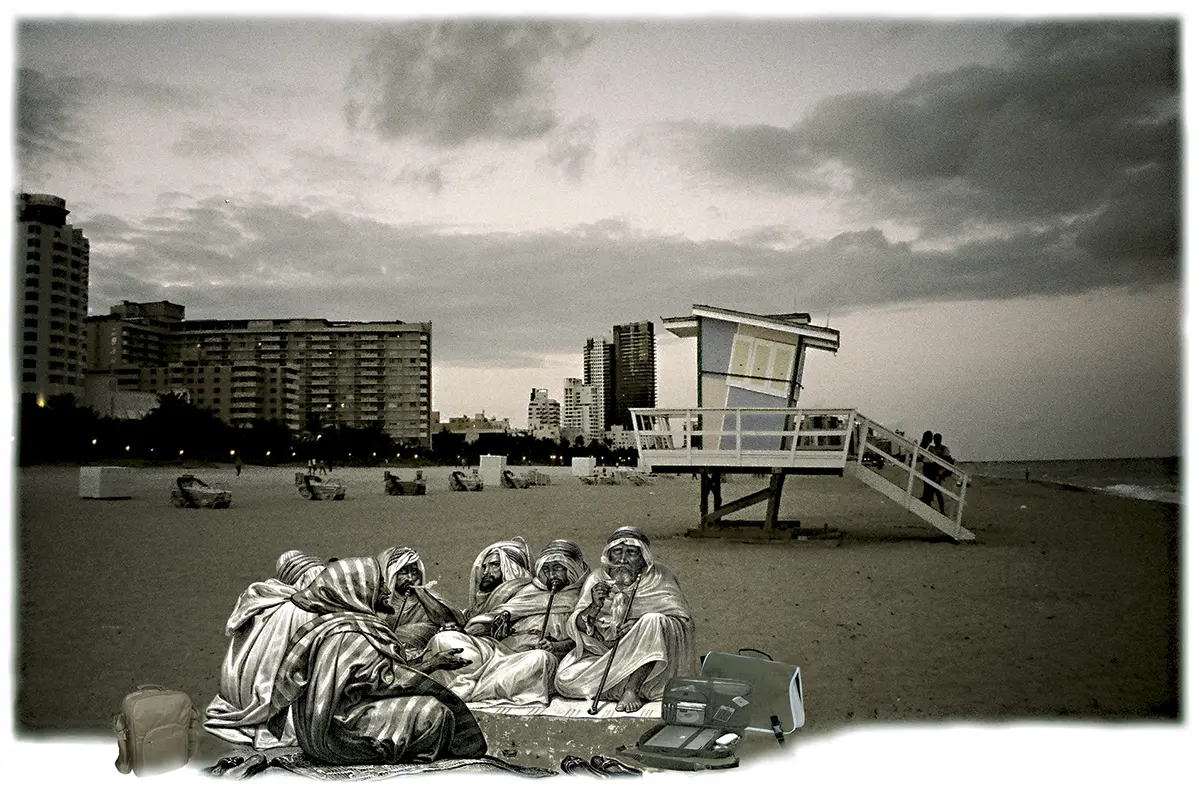
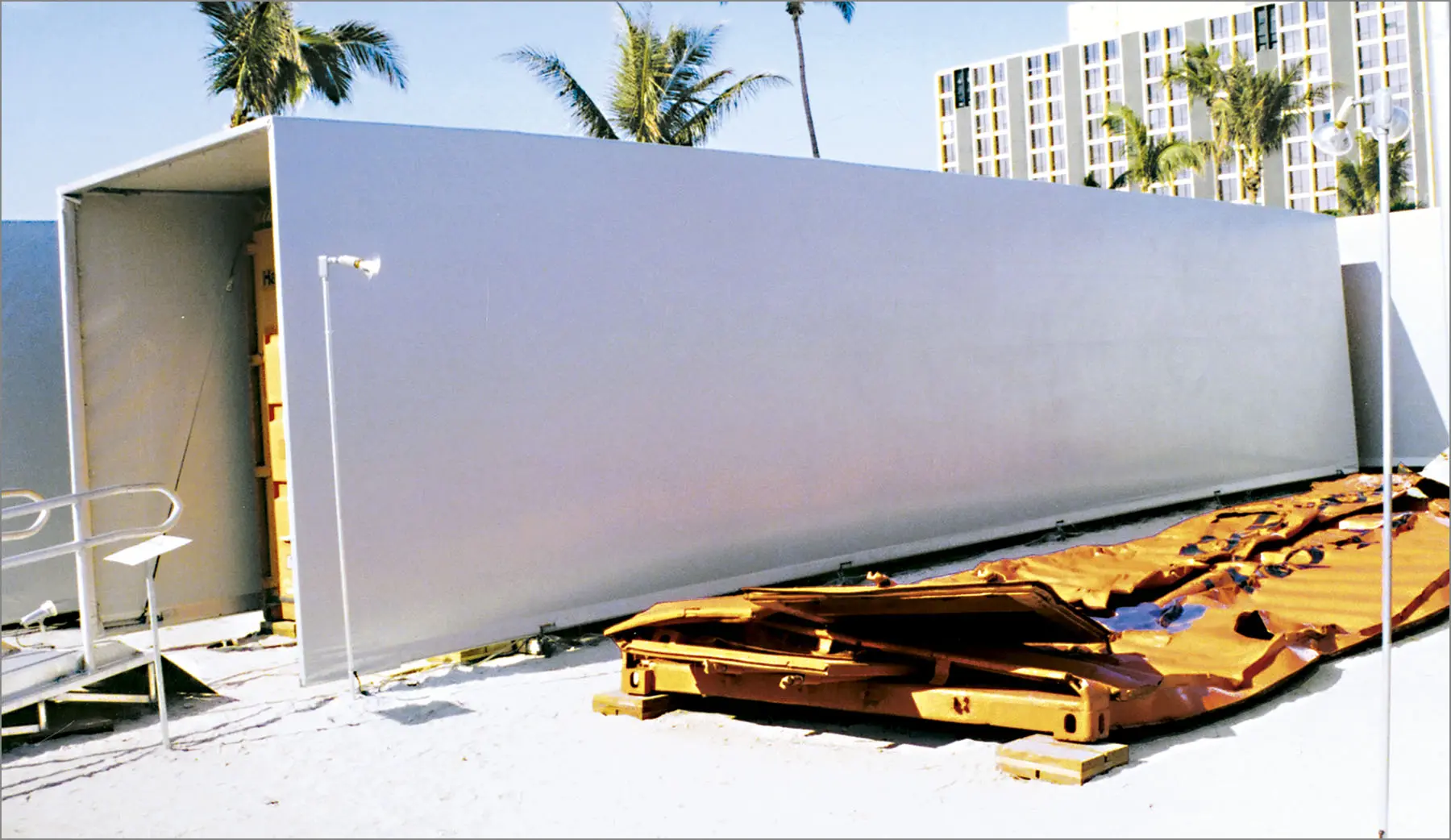
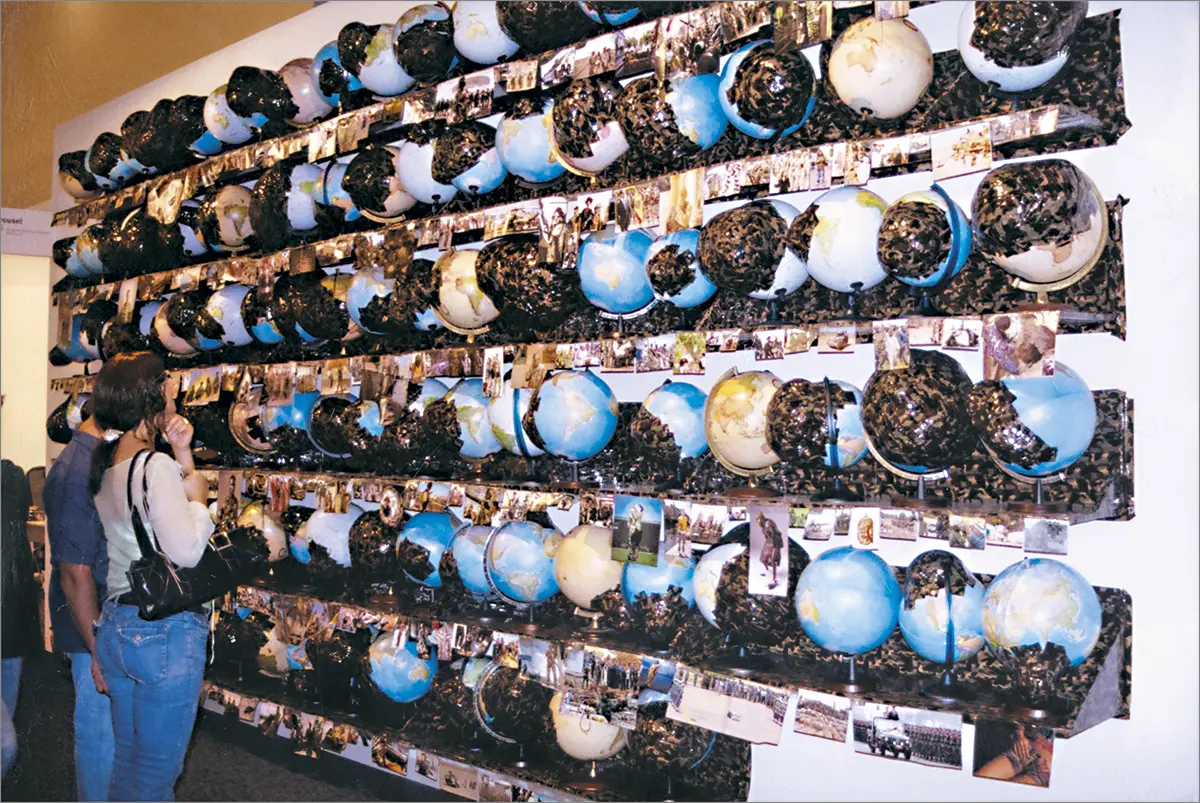
Art Perform, on the other hand, was rather dismal. Jens Hoffman of the London Institute of Contemporary Arts was the curator, and most of the performances tried to engage a degree of literal or metaphorical site-specificity. This is no small feat, for the Miami setting can impose itself to the degree that anything peripherally associated with the city becomes narrative fair game. For example, one artist collected detritus from the beach and archived it like a modern-day Robinson Crusoe; another read from the Scarface screenplay and gave walking tours of the film’s locales; two others organized a face-making competition. The rather superfluous nature of the performances was redeemed only by the collaborative effort of Jennifer Allora and Guillermo Calzadilla. Their piece consisted of hiring a U.S. Army recruiter to work the fair attendees. While presumably no one registered, the action questioned the occasionally smug self-righteousness of art world liberalism with provocative political incorrectness. Not only was this the most impressionable piece in Art Perform, but the same artists also created the strongest work in Art Positions. Because its works were displayed in shipping containers on the beach, Art Positions offered different contextual possibilities in which to work. Allora and Calzadilla exhibited a shipping container that was completely flattened. Most work done in a similar vein was successful; this post-Dada gesture rubbed against the strictures of the fair, consequently setting it apart from the rest of the Art Positions offerings.
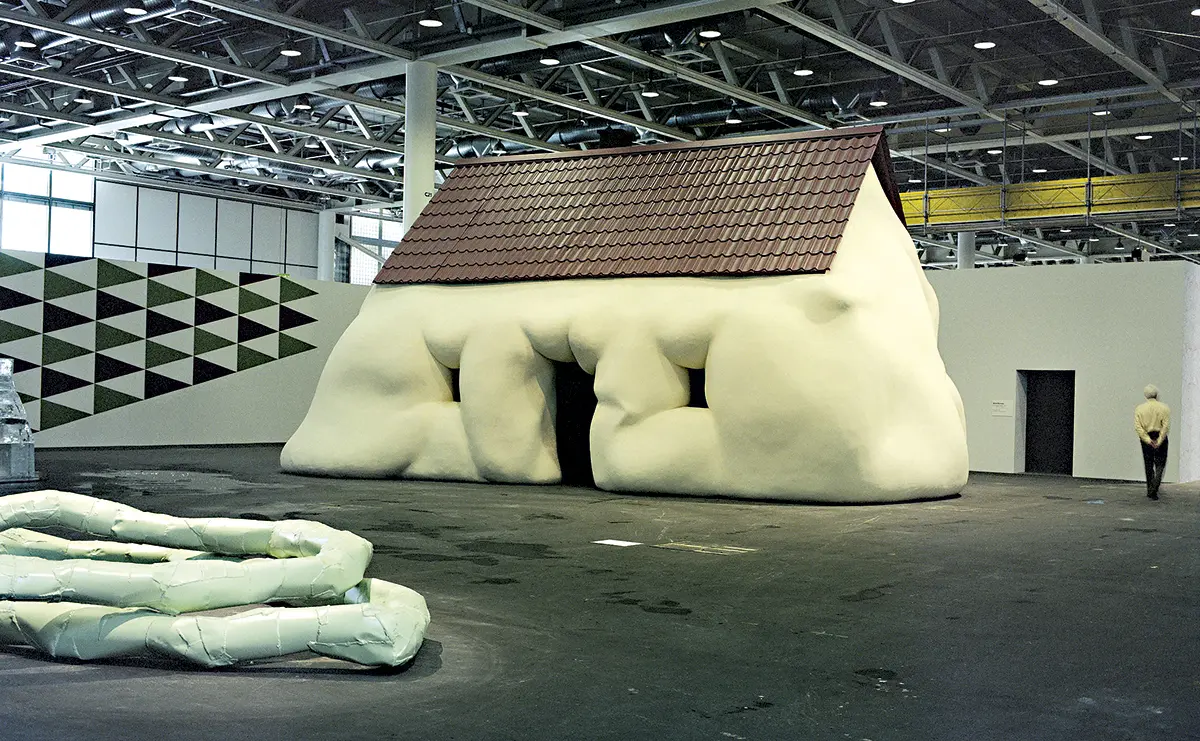
Within the fair itself, there were very strong works in gallery booths as well as in the Art Kabinett and Art Nova sections. A very ostentatious piece by Thomas Hirshhorn—is he ever demure?—consisted of what appeared to be detritus siphoned through a sort of megalithic Romanesque reliquary. Hirschhorn’s ability to combine flotsam and jetsam with a refined elegance has distinguished him from others who work in a similar over-the-top accumulation aesthetic, such as Jason Rhoades. The Austrian Gallery Krinzinger provided two nice presentations. One was a video by Erwin Wurm titled Am I House (2005). This piece parodied children’s television but was quite cerebral and humorous in its monotonic rumination on art’s ontology and the constitution of architecture.
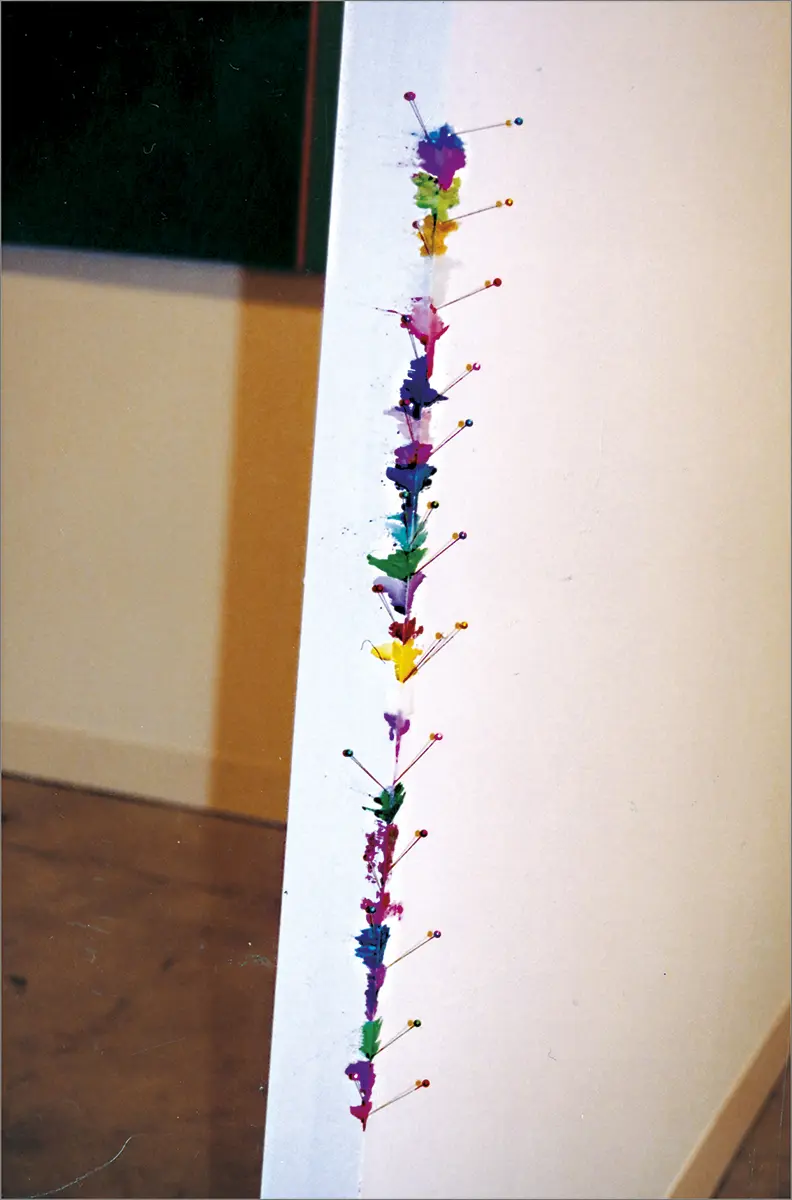
Krinzinger’s other strong display was in Art Kabinett. This section, which was shown in the fair proper, comprised small one-person shows or thematic exhibitions within gallery booths. Krinzinger screened Viennese Actionist films, and it was a rare treat to see key works by these important performance artists. Another highlight was a Latin American geometric abstraction shown by the irrepressible Mary Anne Martin Fine Art. Equally memorable was an exquisite wall piece by the Brazilian Tonico Lemos Aud, exhibited by Galeria Luisa Strina. The piece consisted of semiprecious stones, dressmakers’ pins, and paint. Possibly the most emotionally moving of the Art Kabinett exhibits was an homage to the late Harald Szeemann. The Swiss curator died last year, and the Berlin-based gallery Haas & Fuchs exhibited selections from Documenta 5, which Szeemann curated in 1972. Was this simply paying respect to a historically important curator, or was this the curatorial equivalent of Duchamp’s La Boite en Valise? Certainly, this comparison would sit well with the Szeemann; may he rest in peace.
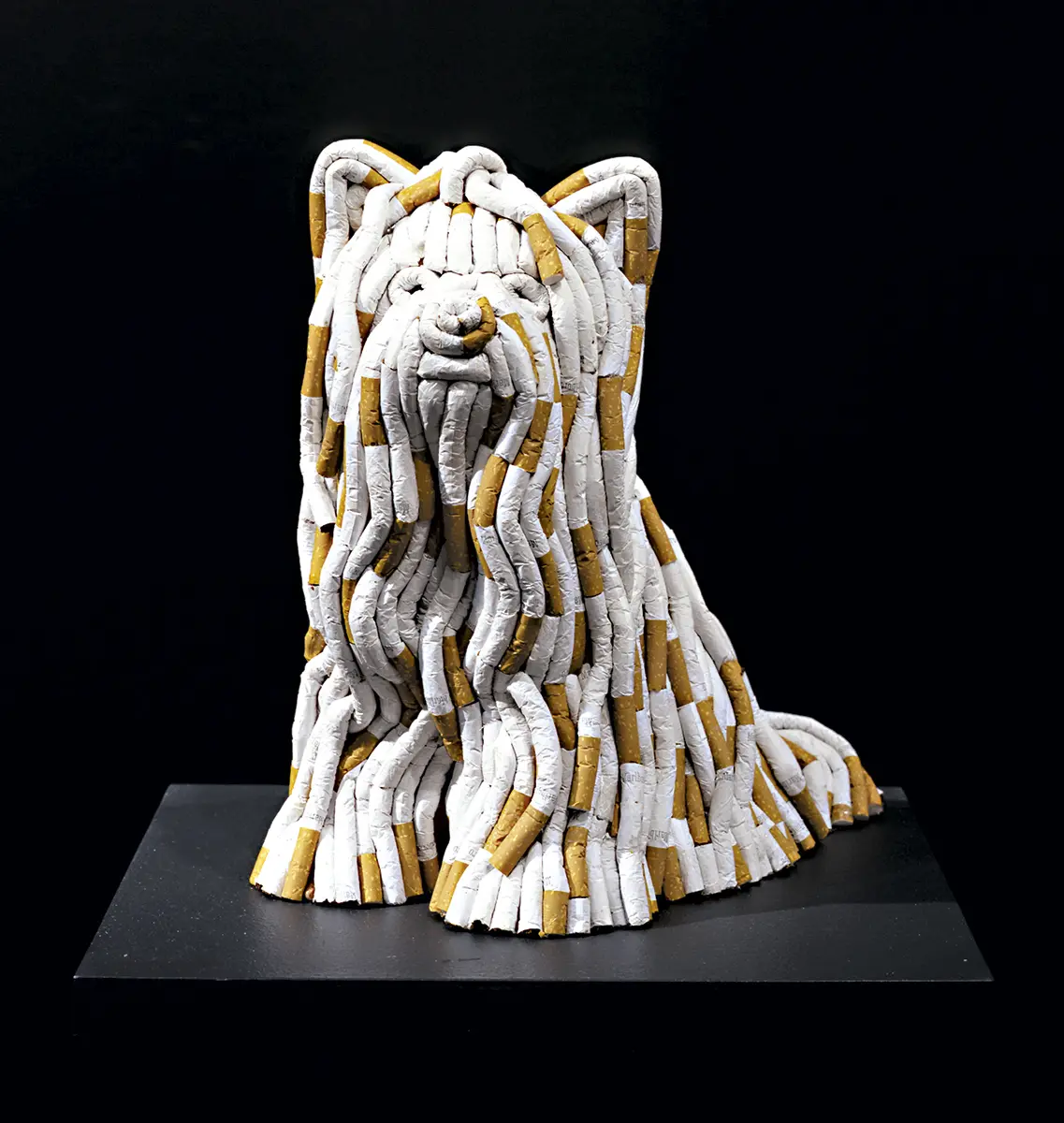
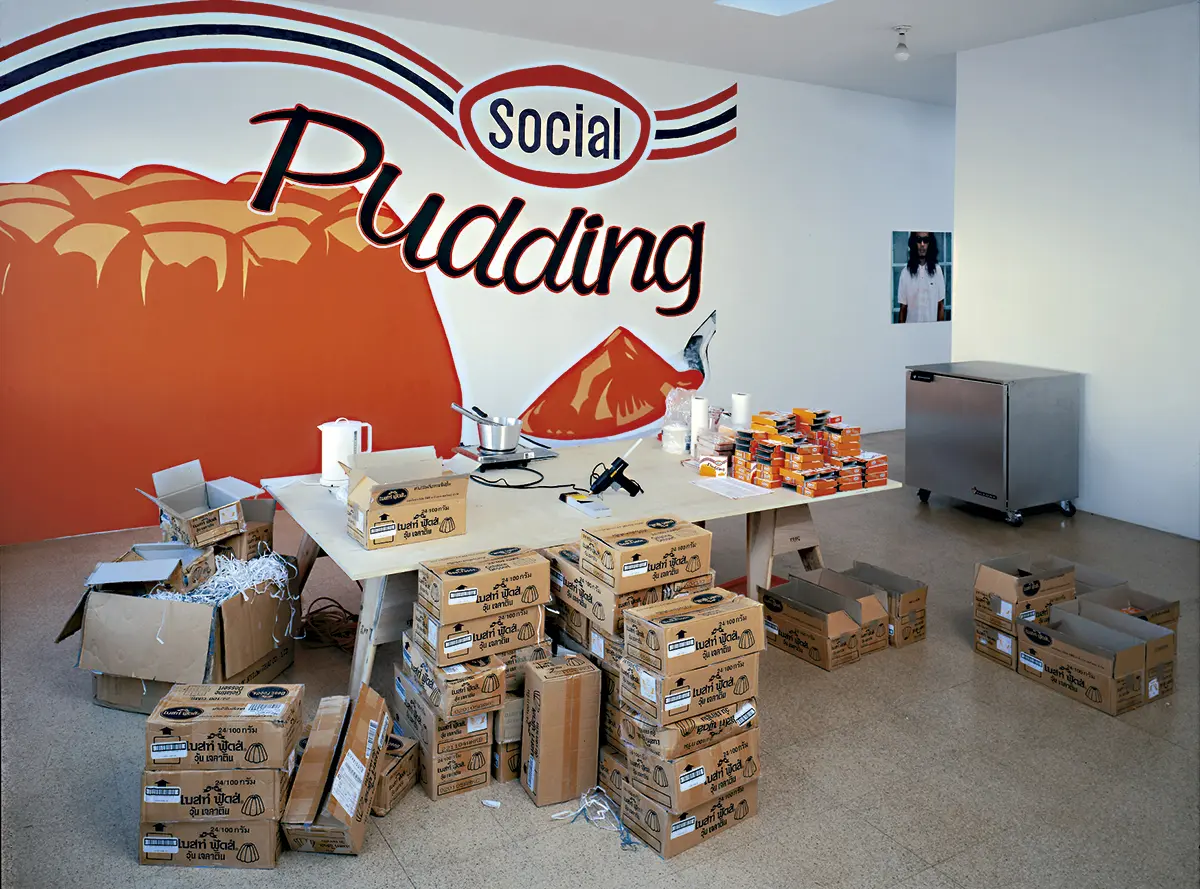
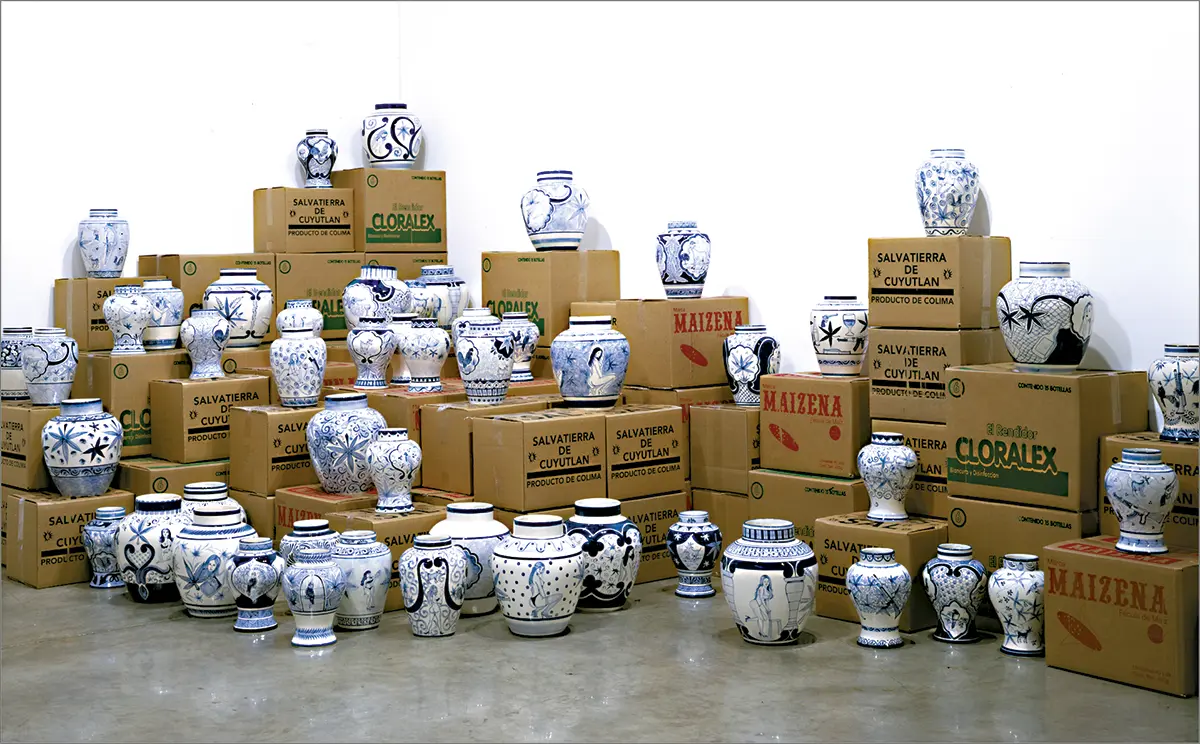
In the Art Nova section, one could find strong exhibitions, including a fine installation of ceramics and wooden boxes by the Mexican Eduardo Sarabia presented by New York’s I-20 gallery. The ceramics, a global palimpsest and a contemporary riff on Mexican Talavera pottery that historically is a conflation of pre-Hispanic, Spanish, and Mudéjar sensibilities, were placed on wooden boxes painted with advertisements of fruit companies. Not only did they have an affinity with Warhol’s wooden Brillo boxes, Sarabia converted his exhibition into an ersatz decorative-museum-meets-flea-market. Also strong was a collaborative piece by Rirkrit Tiravanija and Superflex titled Social Pudding (2004). Their massive installation, incorporating film, sculpture, works on paper, wall painting, household appliances, and pudding for public consumption gelled together aesthetic verve and visual poetics. There were numerous gallery booths that stood out, including a presentation of Sarah Lucas’s work at London’s Sadie Coles HQ. As the famed Miami collector, Don Rubell mentioned to me in a brief discussion of her work, there is a certain naughty ambiguity in Lucas’s sculptures that will give her a work-life beyond that of her British peers.
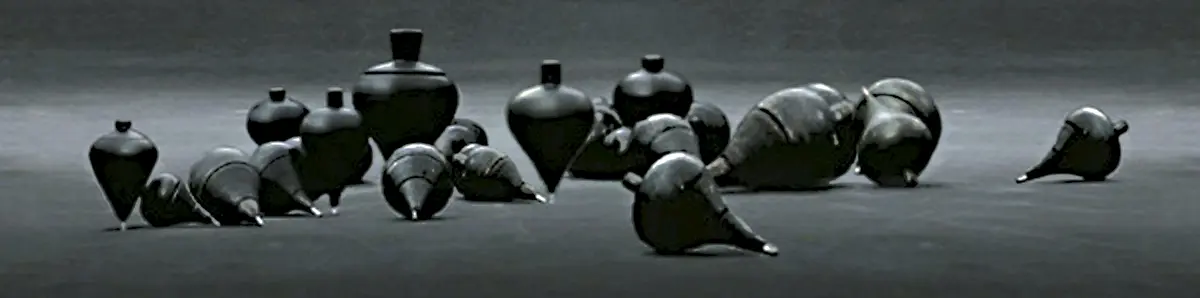
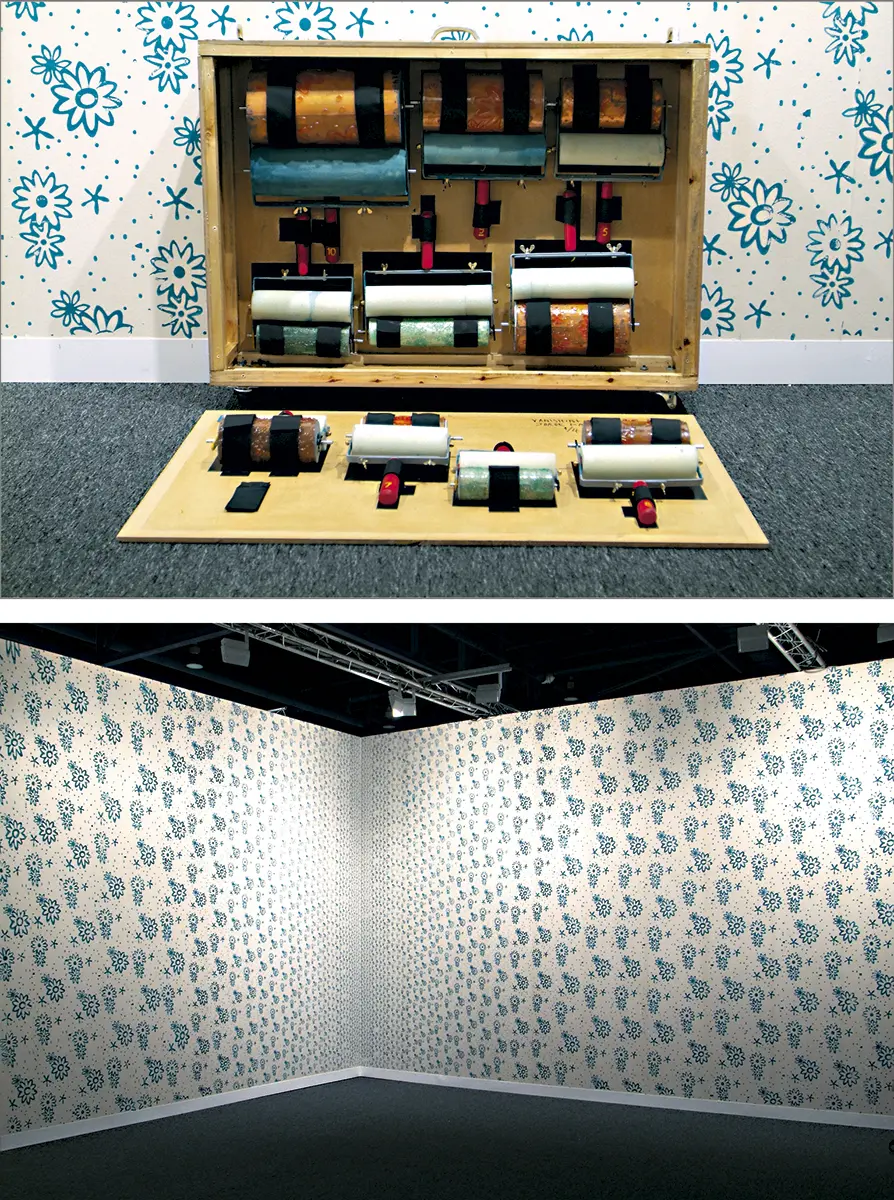
Latin American galleries were strongly represented and there were more showing at the fair than in previous years. Highlights included Jorge Macchi’s hypnotic wallpaper installation at Ruth Benzacar; Atelier Morales’s strong new series of pictures based on the writings of Alexander Von Humboldt, shown at Nina Menocal; and beautifully crisp photographs of Miguel Ángel Rios spinning-tops video installation at Millan Antonio. Usually, video stills are not very convincing as independent works and are created, more often than not, for collectors who cannot obtain the original video piece. But Rios, who seems to have a Midas touch with video after abandoning his famous maps of the 1990s, has created some very good pictures that can hold their own.
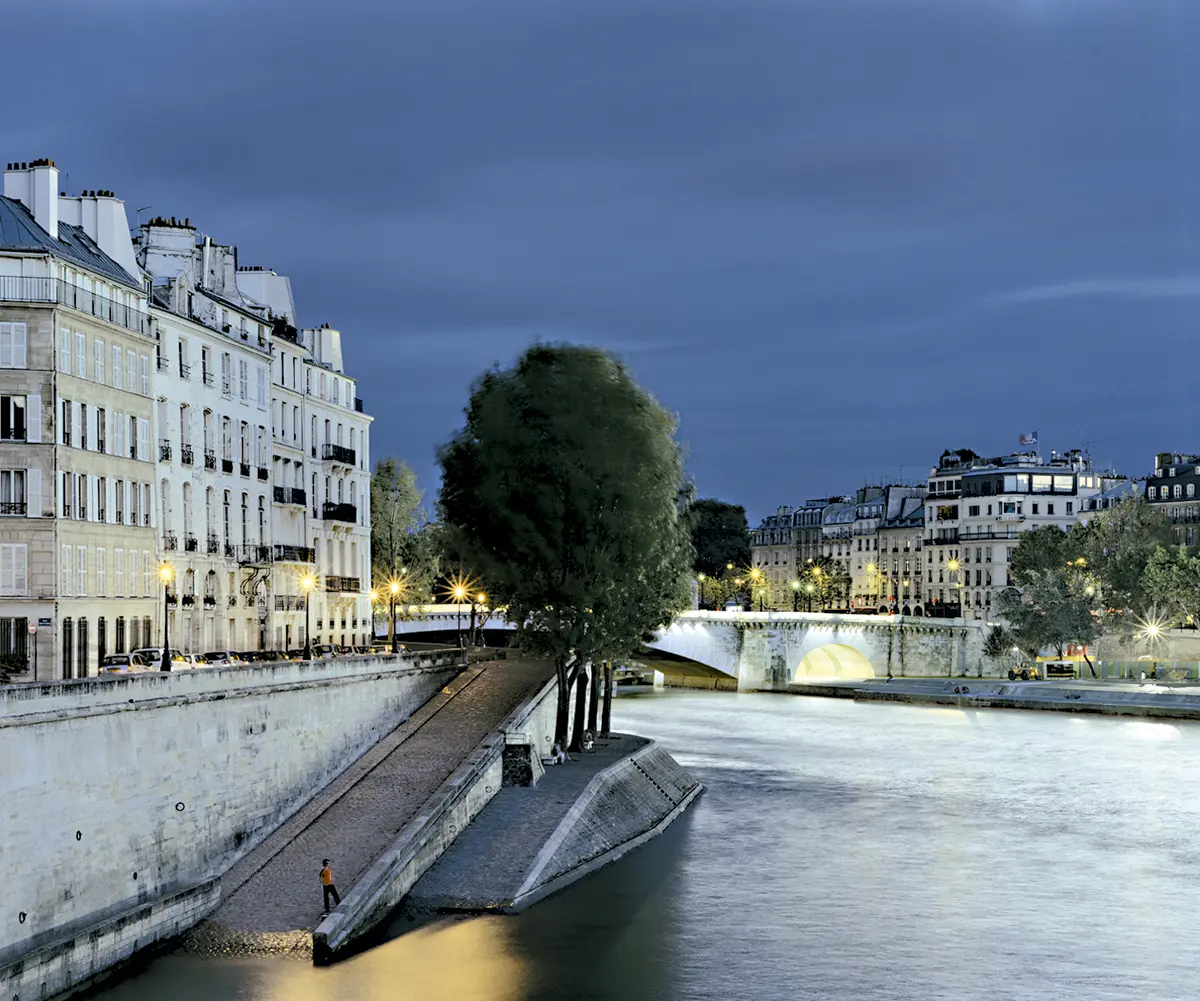
Lastly, there were the local Floridian galleries, including Ambrosino Gallery with a nice exhibition; its strongest artist was the up-and-coming Kevin Cooley. Cooley is a recent graduate of New York’s School of Visual Arts and is an artist with a keen eye for detail. His uncanny pictures with their mesmerizing lighting are rife with existential/theatrical tension and sit somewhere between Jeff Wall, Gregory Crewdson, and Philip-Lorca di Corcia. Collectors take heed: Cooley is relatively inexpensive now, but his prices and appreciation will certainly start rising in the near future.
RAÚL ZAMUDIO
NYC-based independent curator and critic and host of the talk show Art after Dark.