
The sixteenth annual exposition of modern and contemporary art in Miami Beach, Art Miami 2006, promised a new direction and numerous changes, and the result was a show of higher quality and more interesting diversity than in previous years. One hundred twenty-five galleries from twenty-five countries, fifty attending for the first time, participated in an event that included educational panels about photography, collecting, and, most appropriate to its location, the art of the Caribbean—a neglected subject in most art fairs. Numerous galleries from the Caribbean were at the fair, including Diaspora Vibe Gallery of Miami, which was part of the “Currents” section and represented emerging and established artists from the Caribbean (many now living in Miami), and Access Art from Aruba. Other “Currents” galleries, distinguished for exhibiting new trends in cutting-edge international art, definitely showed some of the most interesting works at the fair. At Prometeogallery (Italy), there were haunting photographs by Regina José Galindo, while Carmen de la Guerra (Madrid) exhibited a group of artists working in multi-media wall pieces and small installations, including those of Charo Oquet and Rubén Torres Llorca, as well as provocative photos by Carlos Betancourt and Robert Gligorov. Combinations of media are very much the trend and could be found at Annina Nosei Gallery (New York) in the work of Leva Mediodia and Heidi McFall. María Teresa Trombetta’s elegant glass castings and Jonidel Mendoza’s mixed media works at ArTepuy (Miranda, Venezuela) were also examples of this diversity. The digital prints by Irene Clouthier at Marina Kessler Gallery (Miami) and the strange composite images by Leonel Matheu at Dot Fiftyone Art Space (Miami) represented the local scene well.
The other area of Art Miami that attracts the audience with either group or individual exhibits is Project Spaces. The highlight solo exhibition was by Agustín Bejarano at Nina Menocal (Mexico). The Cuban artist was to demonstrate his unique mixed-media technique that results in fresco-like surfaces on large canvases, but he was refused the visa to attend, so a video had to suffice. Frank Hyder’s installation, Discourse in Extinction at Projects Gallery (Philadelphia), invited visitors into his batik wonderland for the last look at fantasy species.
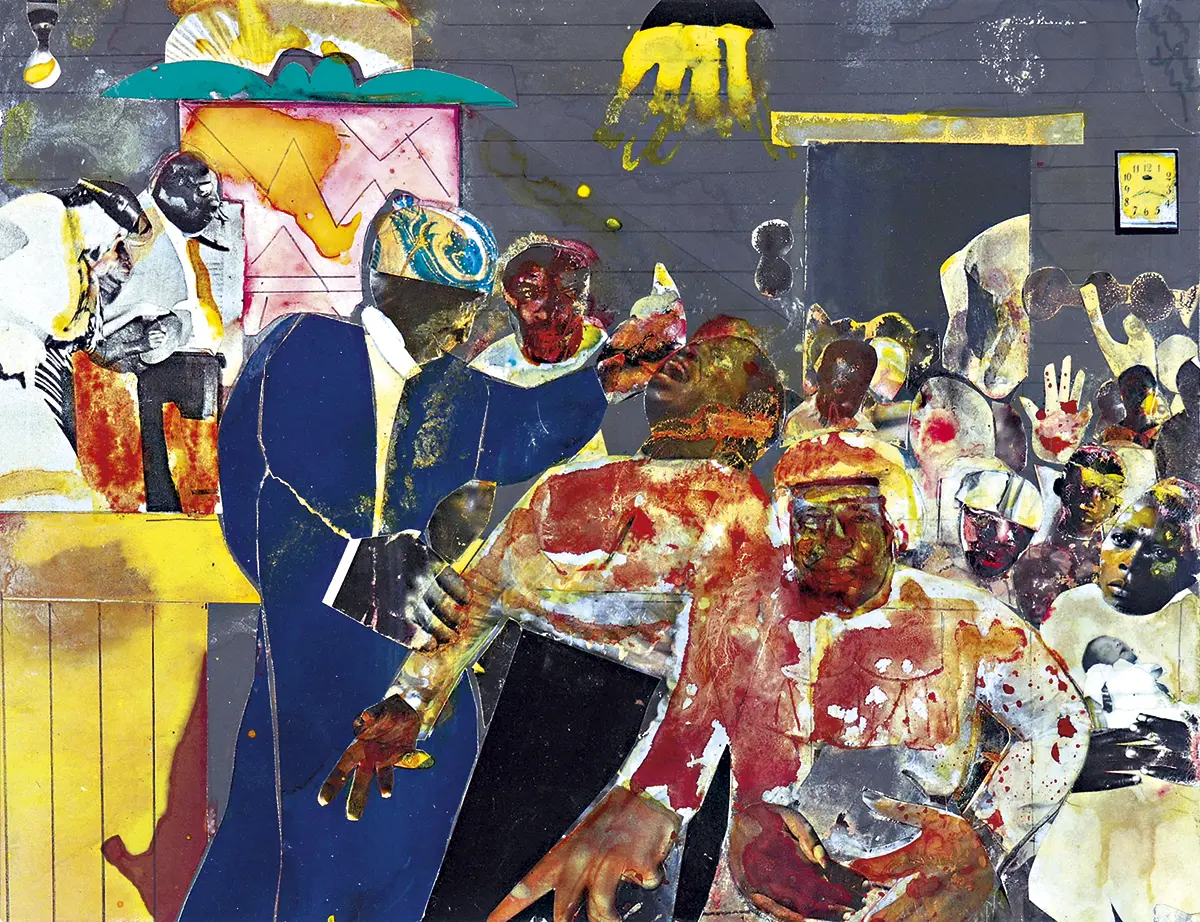
Art Miami has earned the reputation for presenting numerous galleries that feature glass, objects, and unique indigenous and ethnographic artwork. William Seigel Gallery (Santa Fe) must be noted for having the most splendid exhibition of contemporary baskets from the Wounan Tribe of Panama, set against a background of magnificent Pre-Columbian pottery, goldwork, and textiles. A tie-dyed man’s shirt from Nasca-Huari (circa 500 AD) seemed modern in its abstract design, and the over-600-years-old Inca feather textile was a dream of color. There was also an extensive selection of Australian aboriginal art with dizzying patterns at Jinta Desert Art (Sydney), and work from Korea, Japan, and Vietnam offered an Asian perspective. More objects could be found at Marx-Saunders Gallery (Chicago), with numerous examples of cast glass that were strangely surreal in their abstraction and coloration, while the blown and sculpted glass creatures by Jenny Polhman and Sabrina Knowles at R. Duane Reed Gallery (St. Louis) were just bizarre. Heller Gallery (New York) brought paintings on glass by Gregory Grenon that captured the mood of the German Expressionists. Appropriation based on Spanish masterpieces inspired the broken-glass dogs by Marta Kolonowska at Lorch + Seidel Galerie (Berlin). Jerald Melberg Gallery (Charlotte, NC) had a large glass and bronze piece by Brian Russell, among masterworks by Chuck Close, Wolf Kahn, and Robert Motherwell, as well as a jewel-like collage by Romare Beardon.
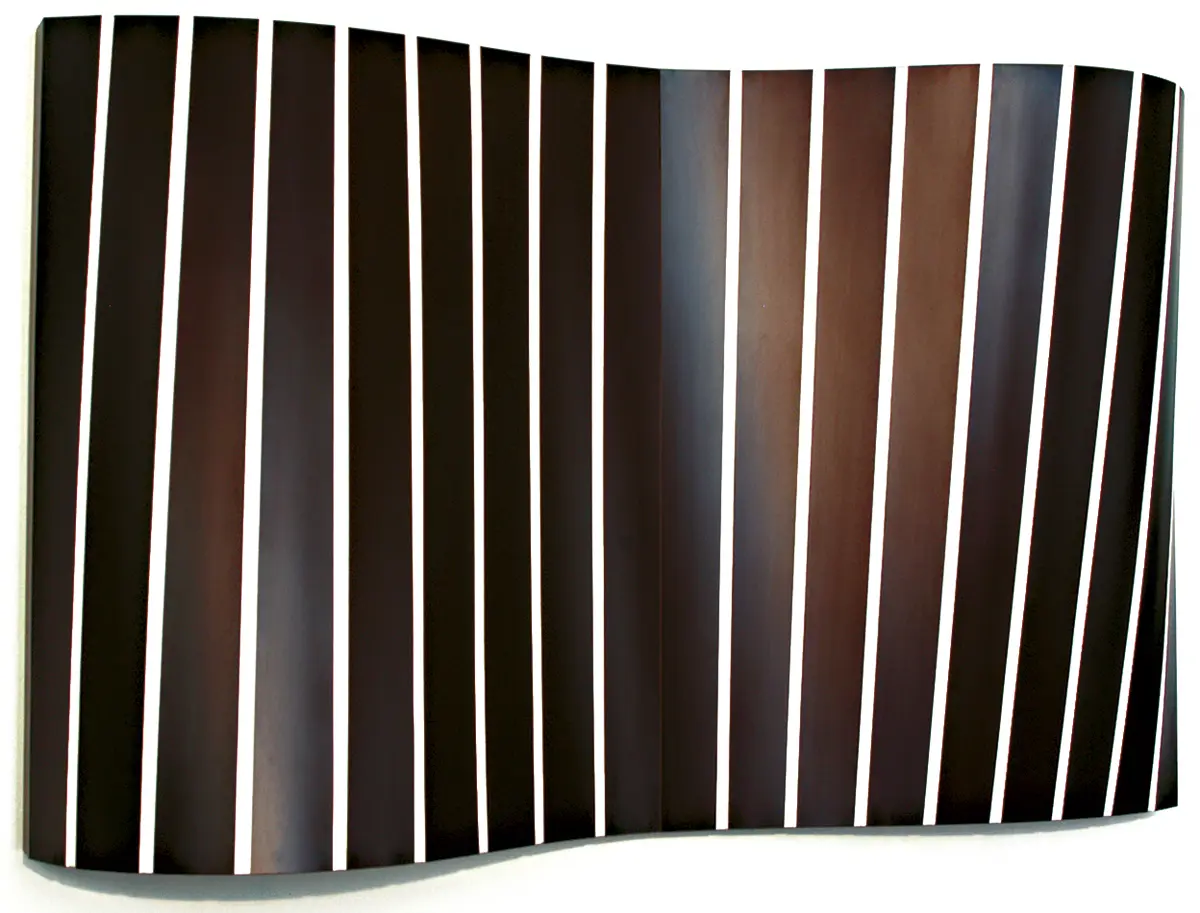
Fernando Bermejo’s forest installation of painted paper and lightboxes was a calming and mysterious presence at Kreisler Galería de Arte (Madrid), which also exhibited bronze sculptures by Elena Laveron and mixed-media-on-wood objects by Urbán. There were unusual Formica-shaped paintings by Silvana Lacarra and small elegant objects at Alejandra von Hartz Fine Arts (Miami), which had a number of Argentinian artists who maintain an interest in abstract constructions. Lucio Fontana’s works at Galerie G.A.M (Monte Carlo) were superb and in the company of Balla, Chagall, Magritte, Miró, Dalí, and others. Salvador Dalí’s sculptures were at ART + Gallery (Coral Gables) and at Aldo Castillo (Chicago), which also displayed gorgeous Pre-Columbian gold ornaments and a fabulous feather poncho for a significant commentary on art from past to present. One of the most beautiful works by Soto was at Juvelis/de la Guardia (Weston, FL), which is always a featured gallery at Art Miami and is appreciated for the high quality of its works. This gallery also had outstanding drawings by Leonora Carrington and Gustav Klimt. Art Nouveau (Maracaibo) also included works by Carlos Cruz-Díez and Soto, and a woven glass and silver piece by Ana María Nava attracted further attention.
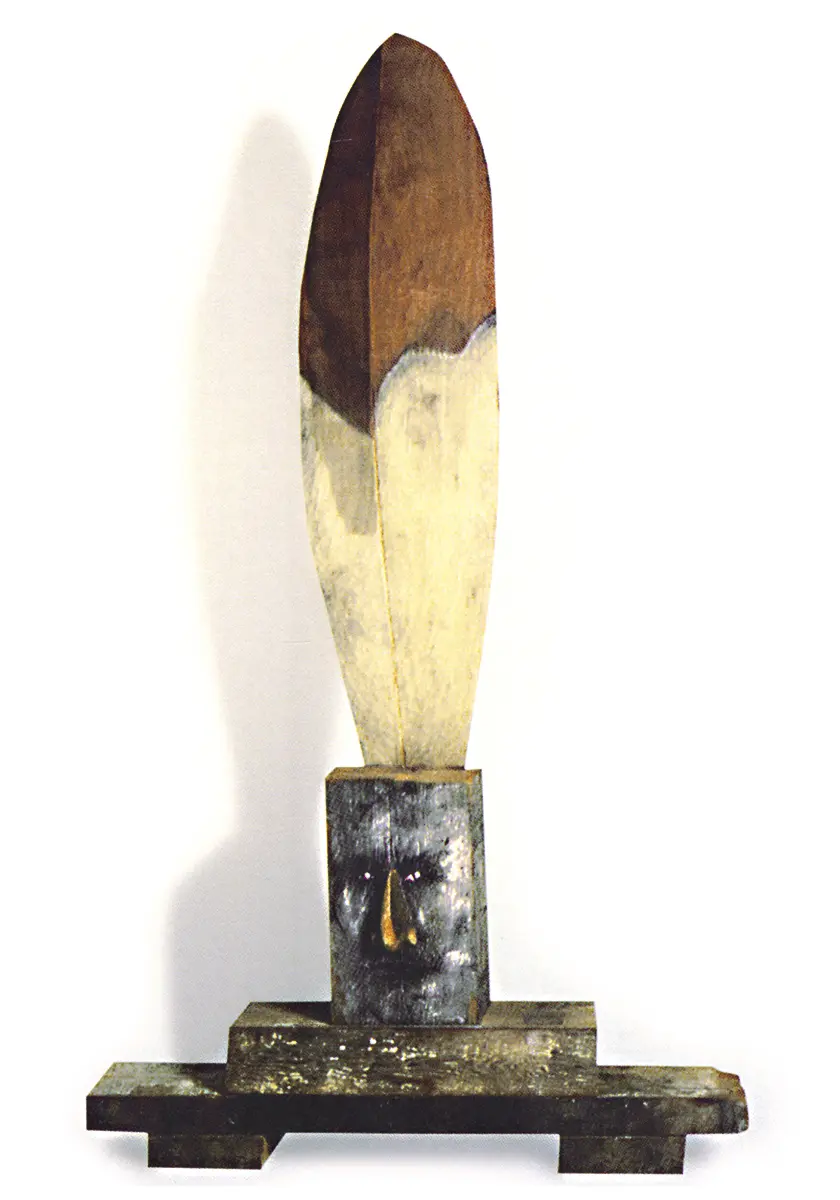
There were numerous works by Cuban artists familiar to fairgoers. Cernuda Arte (Coral Gables) had the largest selection of Cuban artworks, from the traditional and academic to those by young artists on and off the island, including Portocarrero’s Mujer con copa (1945), an early Tomás Sánchez of three crosses entitled Vulture Meat (1975), and numerous works by Wifredo Lam and Mendive. Mendive’s bronze pheasants at Joan Guatia-Art (Palma de Mallorca) were in the company of Soto’s plexi works, Miralda plates, and objects by Dennis Oppenheim, making one of the most eclectic arrangements. León Tovar Gallery (New York) displayed beautiful works by Wifredo Lam, Matta, Tamayo, and Botero in its first-class selection of Latin American artists. The space at Juan Ruiz Galería (Maracaibo) was dominated by Kcho’s objects and impressive works by Marisol, including Long Feather. At the Americas Collection (Coral Gables), Gina Pellon’s brash figurative paintings stood in stark contrast to Sebastián Spreng’s ethereal landscapes. Bronzes by Jorge Jiménez-Deredia were also exhibited at the Americas Collection and in several other galleries, most significantly at Santa Giustina (Lucca); his popularity continues to grow. Santa Giustina showed bronzes by Botero and significant works by Julio Larraz, Sandro Chia, Soto, and others of international fame. Edouard Duval-Carrié’s Coral Man at Galería Lyle O. Reitzal (Santo Domingo) was his version of a wandering tree in silver and typical of his fantasy imagery. María Elena Kravetz Gallery (Córdoba) included bronzes by Elías Toro. Jacques Martínez Arte Contemporáneo (Buenos Aires) featured the work of Pérez Celis, including sculpture and his newest paintings.
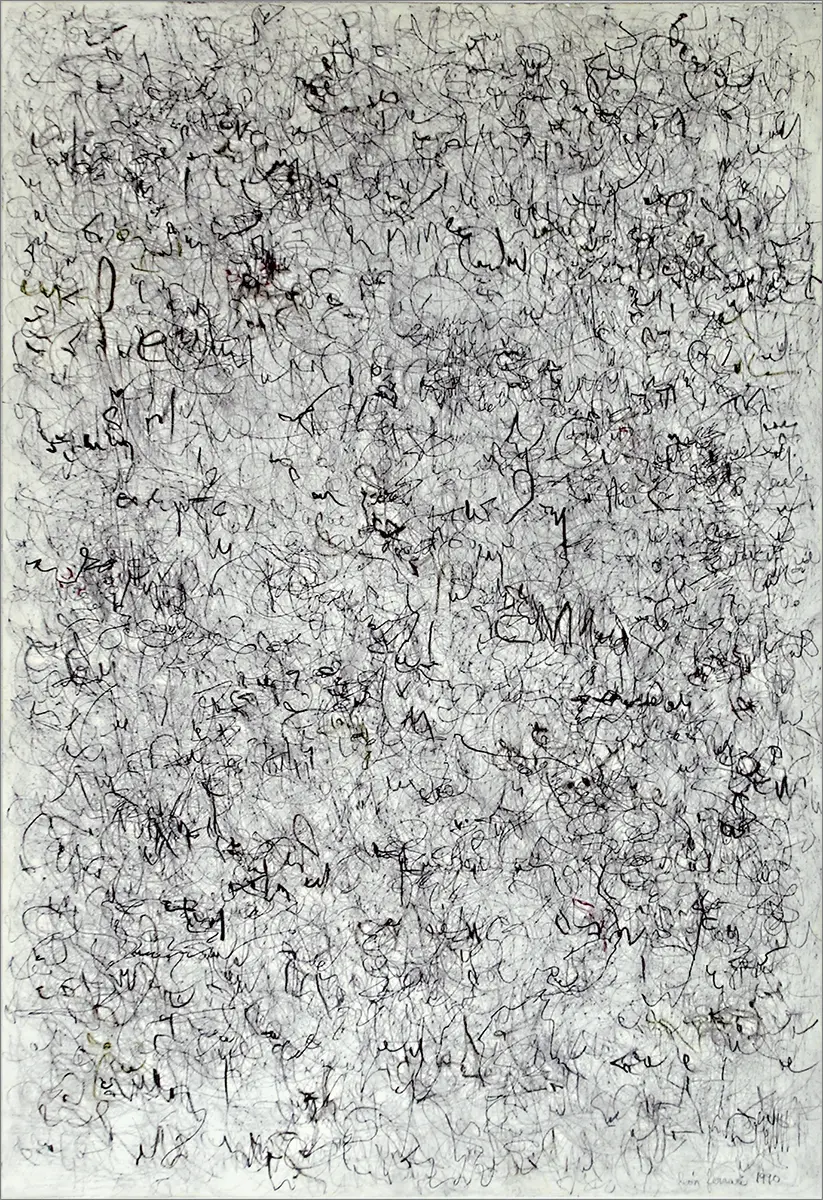
There are always interesting things to see at Galerie Lelia Mordoch (Paris), and this year the popular artist Patrice Girard presented new rope still-lifes and shared the space with the sculptors Daniel Florida and Carolina Sardi. The paintings by Yuki Imamura were also fascinating. At Pan American Art Gallery (Dallas), which always shows some of the most important works at the fair, León Ferrari’s meticulous China ink drawings were particularly intriguing. Pan American also included masterpieces by Lam, Amelia Peláez, Antonio Seguí, and Pedro Figari. Praxis International Art (Miami) brought work by Ignacio Iturría and Mariano Molina. Galería Forum (Lima) exhibited paintings by Tito Monzón and Augustín Barreda, and Galería de Arte Ascaso (Caracas) is always popular with its Carmelo Niño paintings, as is Praxis (Mexico) with works by Santiago Carbonell and Bruno Widmann. Karpio + Facchini Gallery (Miami) represents numerous artists, established and emerging, and its booth included David Rosenbloom’s ultrachrome photographs and notable works by Guillermo Conte and Carlos Quintana. There are always fascinating works at the Gallery of Surrealism (New York), which include prints, drawings, and paintings from every member of the Surrealist circle for a unique and educational experience.
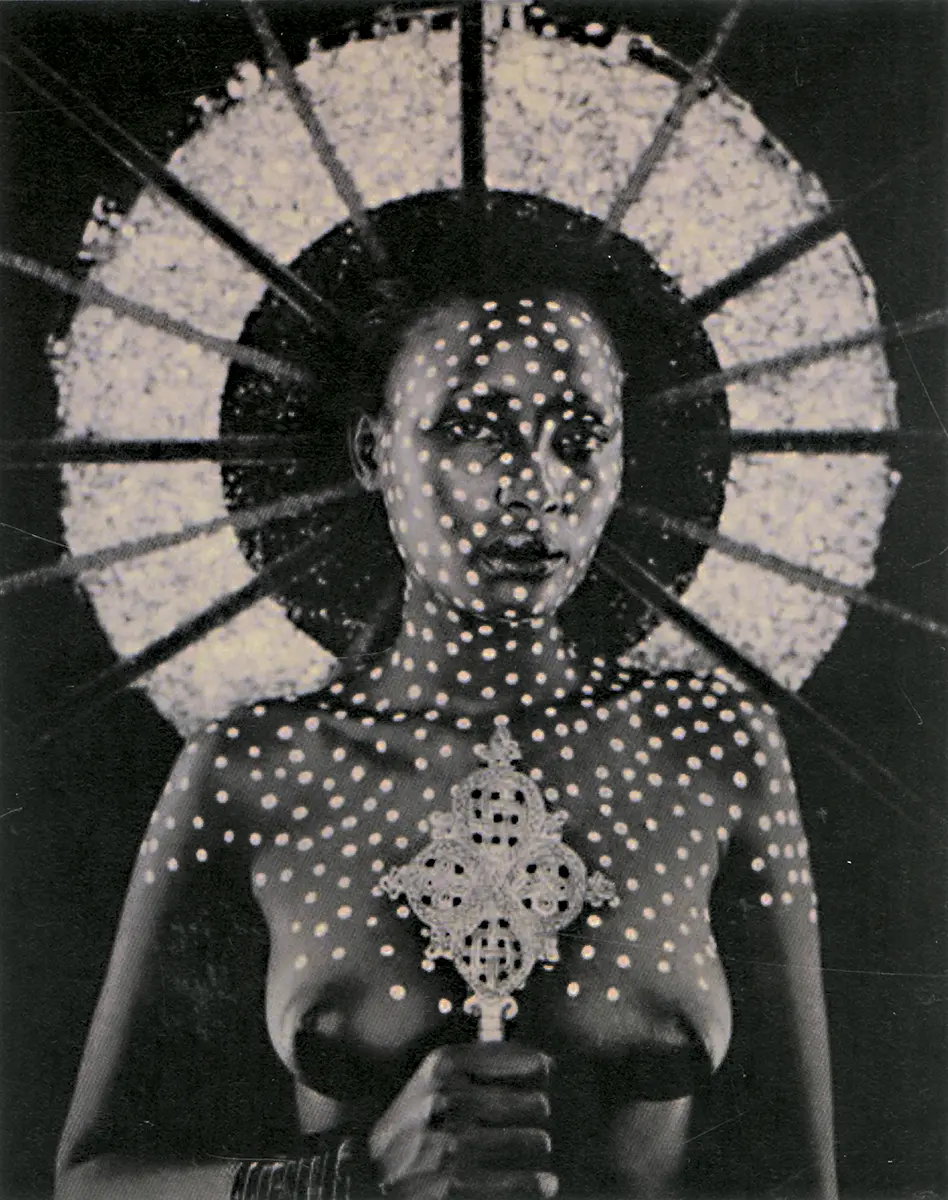
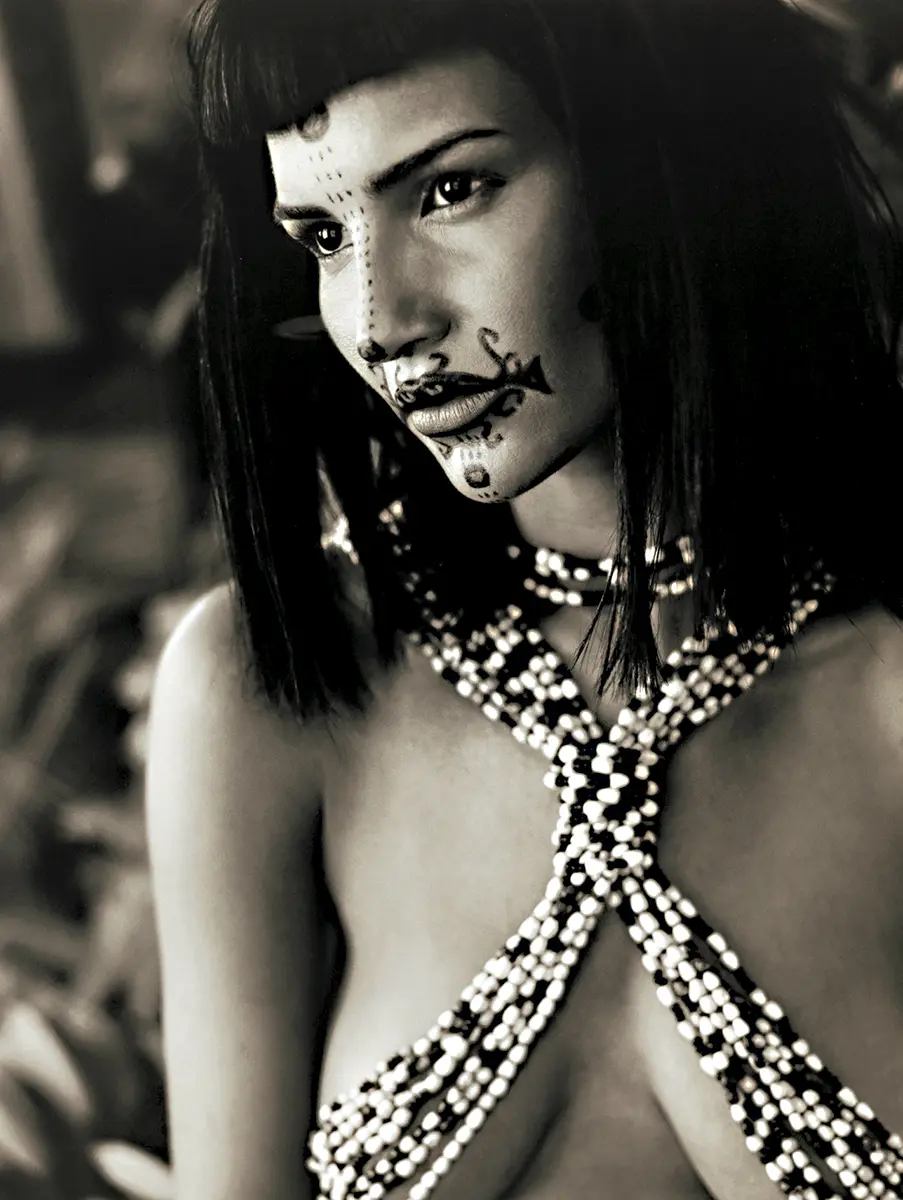
Extraordinary examples of photographs were Liset Castillo’s suburban series and Barron Claiborne’s figurations at Remy Toledo Gallery (New York). Although photography was not particularly dominant at the fair this year, the works that appeared in a number of important galleries were of the highest quality and gave one an opportunity to see a good range of images from the historical to the current. Chelsea Galleria (Miami), well-associated with both Caribbean and international artists, had the most riveting photographs by Daniel Kedar, who's body-painted Haitian figures are as fascinating as they are dramatic, and Hiroshi Watanabe, whose works look at another masquerade. At Coplan Gallery (Boca Raton), Steve McCurry’s haunting images of people from around the world were a counterpoint to selected works by the master photographers Albert Eisenstadt and Henri Cartier-Bresson.
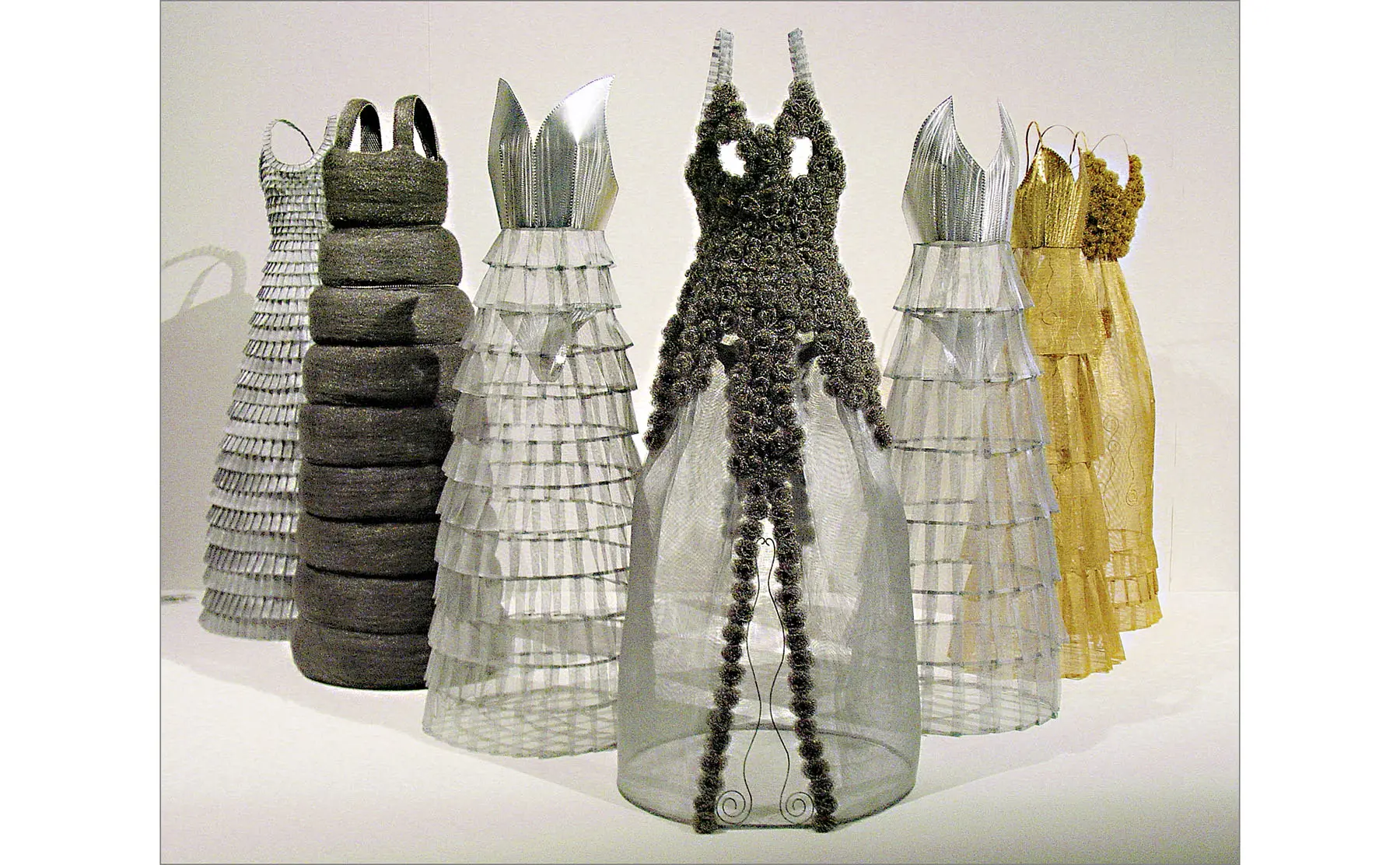
Every year Art Miami honors an artist of renown, and the Cuban master sculptor Manuel Carbonell was celebrated for his long, prolific career and his numerous contributions to the City of Miami and Miami Beach, including the monumental Pillar of History, with its Native Americans and historical figures as guardians of the Brickell Key Bridge that leads to the heart of Miami. His newest work, New Generation, was unveiled as the centerpiece of the fair, along with a selection of his bronzes from Beaux Arts Gallery (Miami). This year’s Director’s Choice, which invites a Miami artist to exhibit one piece or an installation at the entrance of the fair, featured the life-sized wire and metal dresses of Adriana Carvalho. Inspired by women’s clothing, her work presents the contradiction between the beguiling form of the feminine and the danger of the materials. Meet Me in Miami, a photography exhibit, was another new project focusing on the art scene in Miami, undoubtedly one of the most exciting locations for art today. Curated by Carol Jazzar, it featured color and black-and-white prints following the themes People, Places, and Activities and was as contemporary as it was based on the traditions of art photography. The selected artists took the viewer on a journey through a city that runs the gamut from tourist hype and jet-set glitz to uniquely ethnic neighborhoods and urban/suburban contrasts.
This year’s emphasis on a global, international fair certainly represented South Florida and its artists within the mainstream, presenting a broader, more comprehensive view of the art world that appealed to the local community and its visitors from around the world, proving once again that Miami is the place to be and the place for art.
CAROL DAMIAN
Proffesor and member of the Directive Board of the Department of Visual Arts at Florida International University, Miami.