
Cristian Segura: What is the mission of the Smithsonian Center for Latino Initiatives?
Magdalena Mieri: The center’s mission is to connect the Smithsonian with the nation’s Latino community in order to promote pan-institutional, long-range initiatives that foster educational experiences reflecting the contributions of U. S. Latinos to America’s history, culture, and arts.
CS: How did the Virtual Gallery project come about?
MM: The center was created by the Regents (the institution’s governing body) in 1997, and it opened to the public in 1998. The mandate for its creation establishes that it must not form collections or control permanent exhibition spaces. This is why it is not a museum but a center that generates public and research programs. However, it was apparent from the moment the center was created that we needed to have exhibitions since they are one of the best educational tools in the arsenal of any cultural institution.
As we thought over and developed this idea, it became clear that we were not going to just set up a website with images and text, but rather the plan was to create a visual space where visitors can travel through the content of what they see and hear. The goal of the Latino Virtual Gallery is to display the great diversity comprised in the Latino imaginary in the United States.
CS: What is the working dynamic as you produce each exhibition?
MM: We work in teams that include guest curators, academics, designers, educators, and artists in both the visual and literary arts. The team decides as a group on the images to be used, text, sound, design, and also the issues related to the audience and to access. The Virtual Gallery establishes alliances with other Smithsonian units and with Latino museums, cultural centers, and organizations throughout the country.
In most cases, the production team does original research both on the topic of the exhibition and the technology and software that are most appropriate. The permanent team includes Melissa Carrillo, the Virtual Gallery designer who is also a multi-disciplinary artist and served as curator for the first exhibition; Tehani Collazo, who holds a doctorate in education; and myself as conceptual and production director.
CS: In your experience, what are the main challenges in working in this technological environment, and how has the Latino Virtual Gallery met them?
MM: The challenges are different from those of working in a physical space. One is faced with different parameters, information, and languages. Our intention is to offer unique experiences, communicate emotions, and foster reflection. We are certainly constrained by the dynamic development of a new culture.
CS: The Latino Virtual Gallery currently is holding six very different exhibitions. Tell us about Revealing Personal Identity: The Indigenous Vision of Manuel Carrillo.
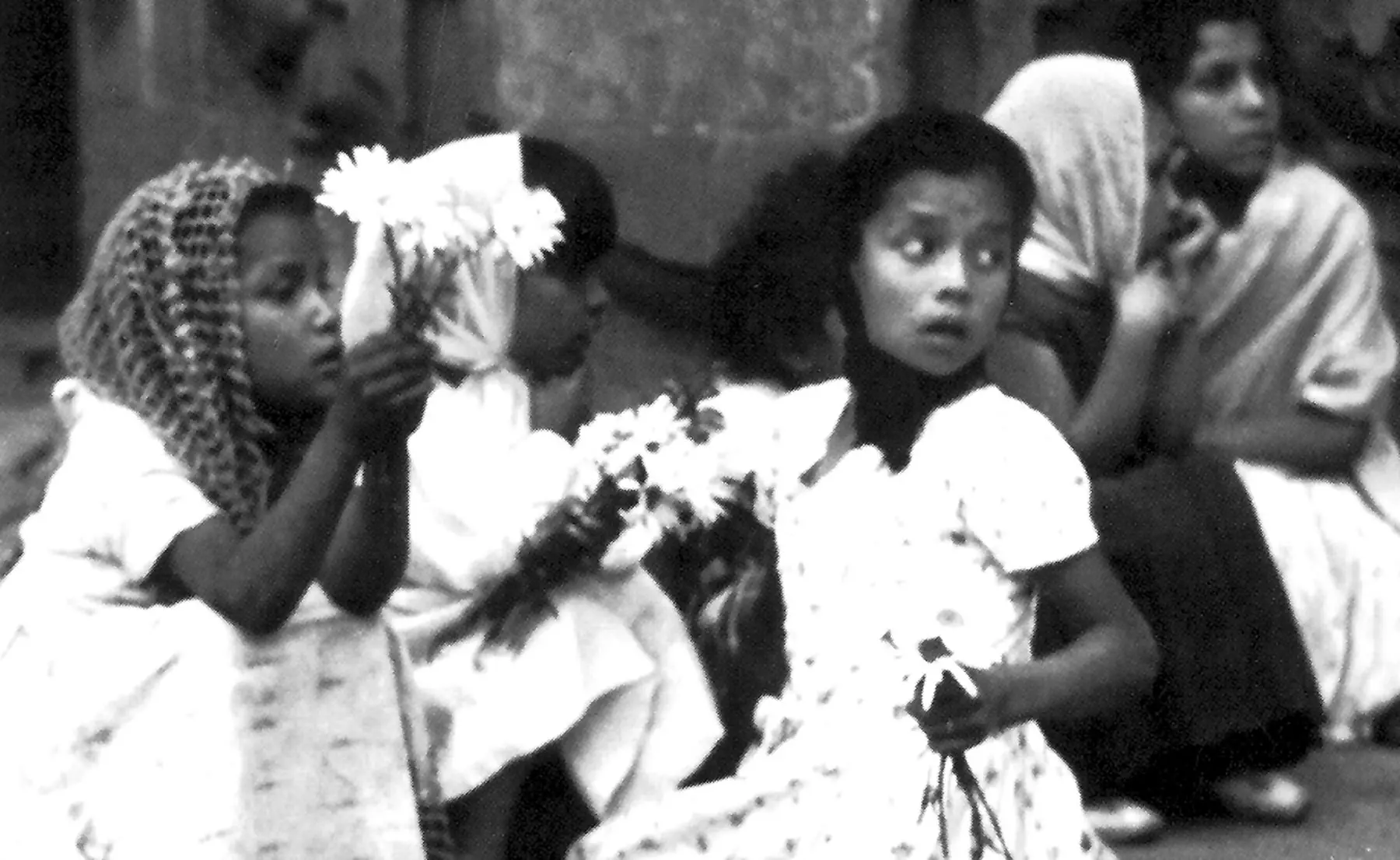
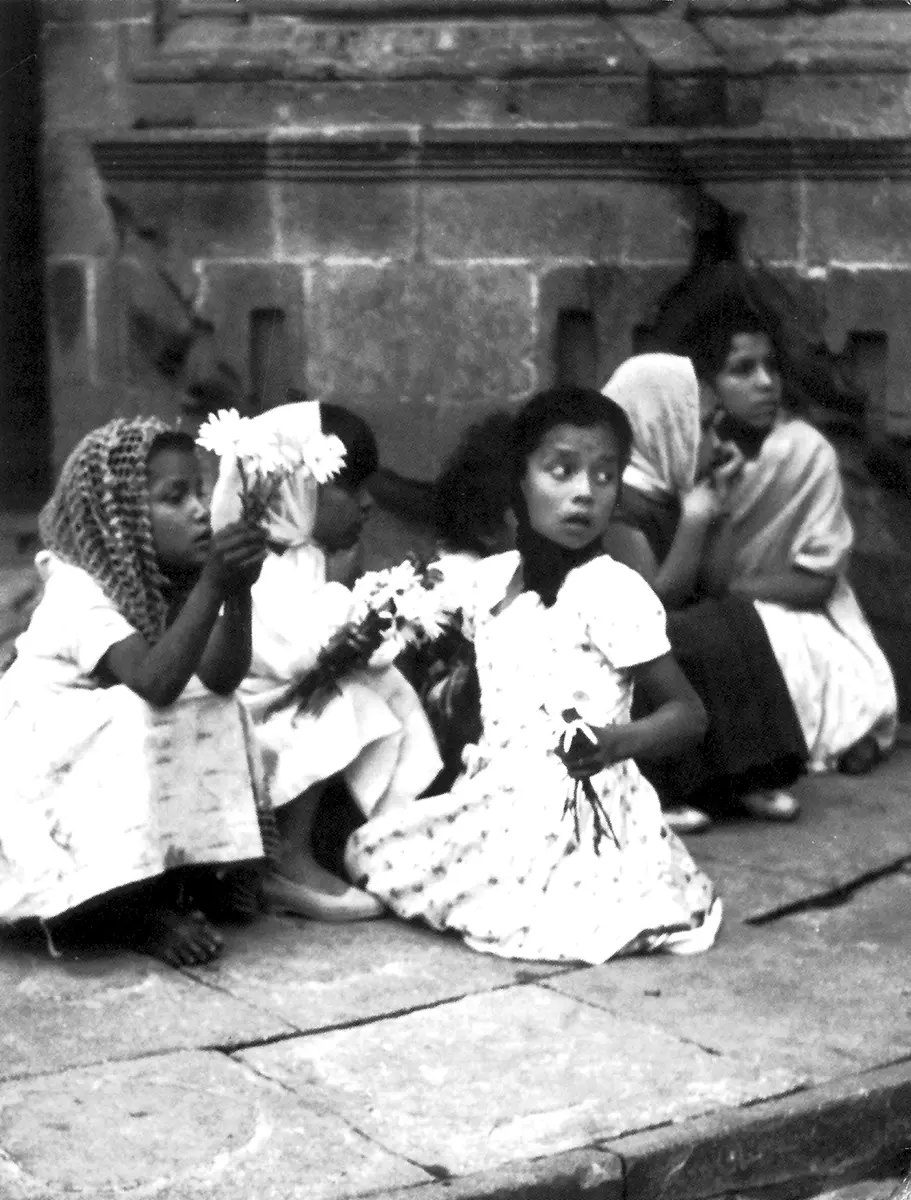
MM: It is about photography and identity. It comprises 28 powerful images presented in a cinematic way, as a tribute to the poetic vision of acclaimed photographer Manuel Carrillo. As a whole, Carrillo’s work constitutes an important social document and an interpretation of Mexican culture that this exhibition tries to reveal not only through his quest for identity but by capturing the culture and historical memory of indigenous groups in post-revolutionary Mexico.
CS: Inside/Out: Growing Old in the United States.
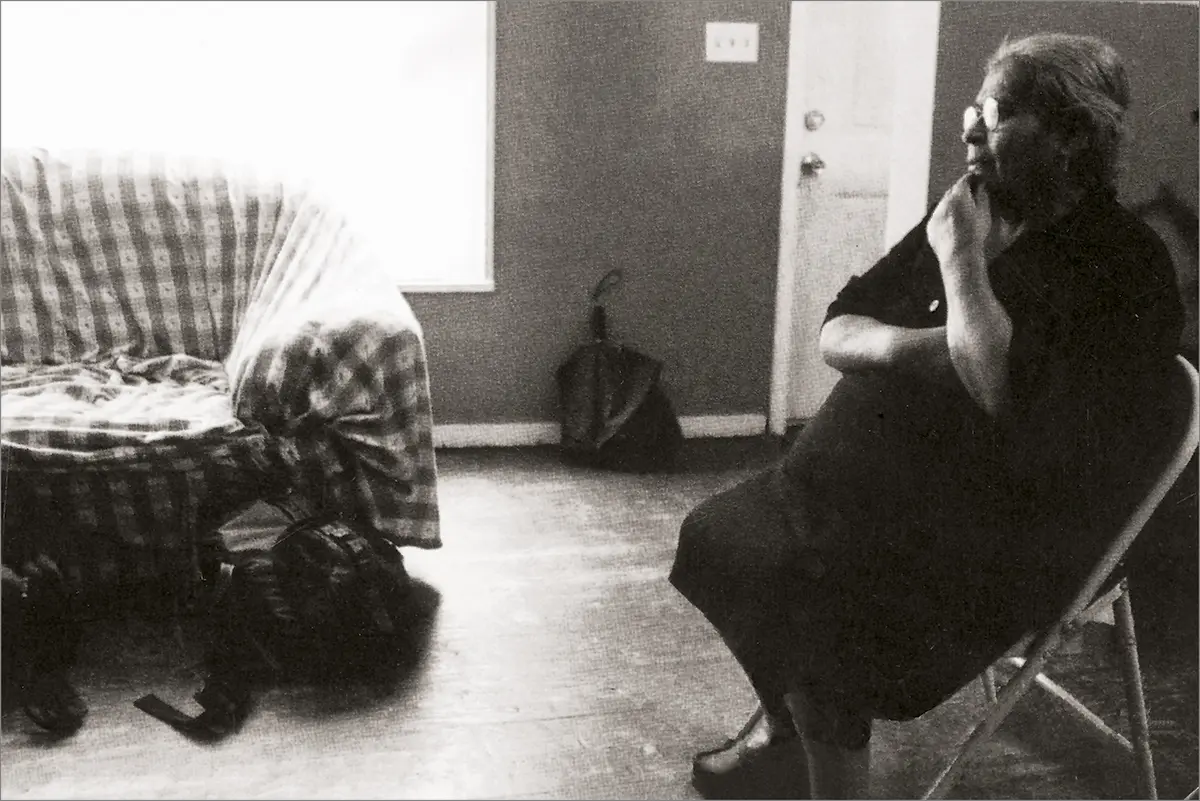
MM: It focuses on issues that are relevant to older Latino immigrants in this country, those who arrived in migratory waves, seeking progress and a better way of life, driven by the “American Dream.” The exhibition was conceived with the idea of raising awareness of the social and cultural conditions that contribute to shaping the life of older Latinos and, at the same time, as a celebration of their legacy, their culture, and the way they face aging. Also, this show is a source of information and research and it highlights personal histories referring to four aspects of welfare: health, income, social connections, and spirituality.
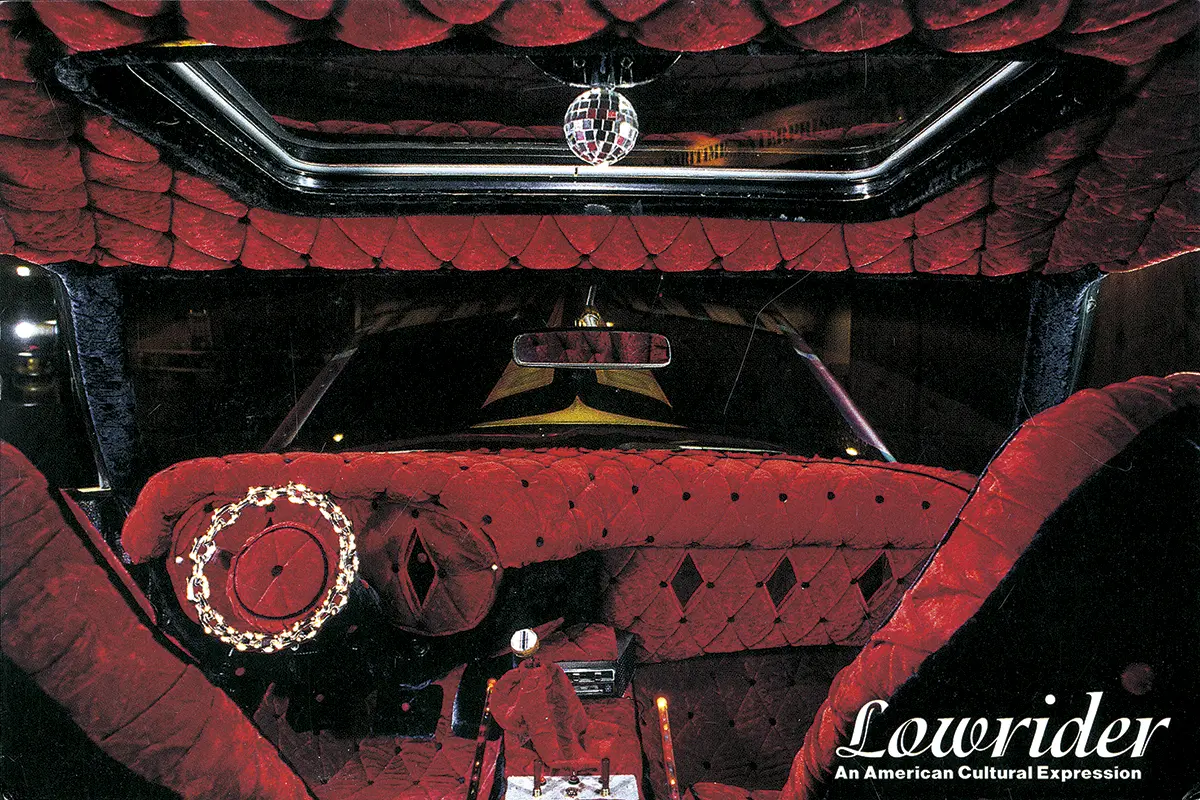
CS: Lowrider: An American Cultural Expression.
MM: This multi-dimensional presentation focuses on the development of lowriding, from its humble beginnings in Los Angeles to the international interest it generates today. In the 1950s, when cruising in cars became fashionable among American youths, Latinos in California, Arizona, New Mexico, Colorado, and Texas transformed their cars and bikes into a form of popular art, art inspired by automobiles, poetry, and music. Through humor, a sense of history, and mechanical skill, these “lowriders” became an expression of pride, creative talent, and love for the American automobile.
CS: Antonio: 25 Years of Creative Collaboration.
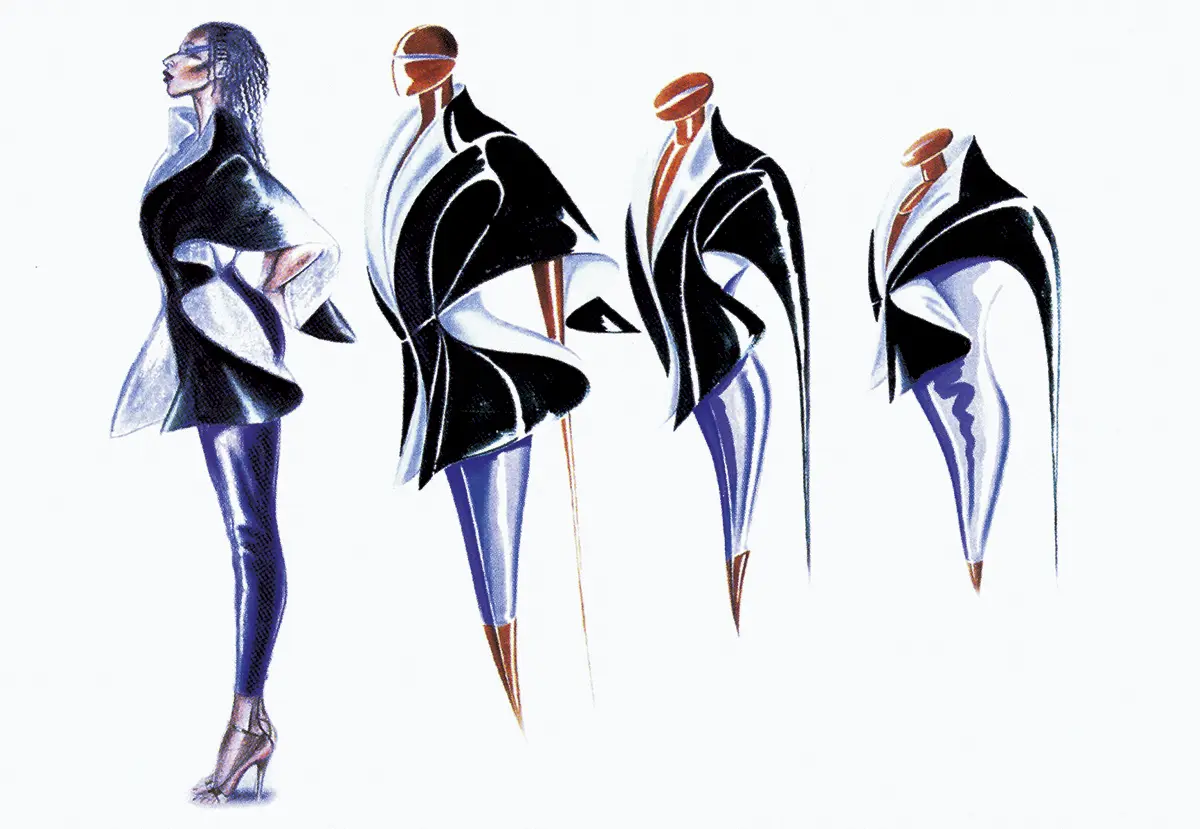
MM: This exhibition brings worldwide audiences closer to the mastery, the vision, and the life of two of the most influential and trend-setting fashion designers of the 1960s and 1970s: Antonio López and Juan Ramos, from Puerto Rico. Working together under the signature “Antonio,” these two graphic artists created a dynamic body of work that defined the essence of the concept of beauty, in art and fashion, for the late twentieth century. The goal of this show is to turn Antonio into a more accessible, better-known figure in the Latino community, and to present exemplary role models to inspire the general public.
CS: Tales of Lienzos.
MM: This show is about the charrería tradition, based on the personal stories of people who practice this Mexican national sport both in Mexico and the United States. These tales subtly emphasize the importance of maintaining and cultivating cultural traditions within the context of immigration and community development. Alongside oral narratives, the show presents video clips of a charreada in Mexico, illustrating the latest skills. Tales of Lienzos (a lienzo is the locale where the charreada takes place) is complemented by images of the rich saddle and garment collections, both private and from museums, as well as music, bibliographies, essays, and links to other websites.
CS: Our Journeys/Our Stories.
MM: This exhibition explores the diversity of the Latino experience in the United States through portraits and stories from men and women who have lived extraordinary lives. Twenty-five recently commissioned portraits to show Nobel Prize laureates, scientists, athletes, entrepreneurs, politicians, activists, and people from all walks of life. The exhibition offers biographical notes based on recent interviews by the Smithsonian Center for Latino Initiatives. These inspirational stories explore how these twenty-five Latinos in turn were inspired by their predecessors and were able to chase their goals, and how they themselves are now an example for others. Navigating this exhibition, visitors will learn about artistic photographic portraiture in an interactive comparative study section. They will also have a chance to listen to oral testimonies, take part in educational activities, and learn about Latino history through essays and informational materials.
CS: Can we say that the Latino Virtual Gallery also works with the idea of being an exhibition archive?
MM: Yes, precisely. The idea is for all the exhibitions we produce to exist at the same time and be linked. The concept of an archive gives it greater permanence and usefulness, in contrast with just presenting one exhibition at a time.
CS: How would you define the audience to whom these exhibitions are directed?
MM: Our main audience is teachers and informal educators. There is a great need to include educational material about the U. S. Latino cultures and their connection to Latin America so that these educators can use them in the classroom.
However, we try to make the Latino Virtual Gallery exhibitions a different and unique experience. Each of our exhibitions has an area with educational activities, in all cases, these are designed to the style of museum education.
CS: Does the Latino Virtual Gallery have any kind of system to register the behavior of visitors to the exhibitions?
MM: We know that the Latino Virtual Gallery gets a monthly average of 180,000 hits, translated into some 1,500 visits per month. We also know that each visitor stays in the Gallery for an average of nine minutes and that most visits are repeat visits.
We recently formed an advisory board, which will meet for the first time on October 30. With them, we will design an assessment strategy. We have been doing focus groups with different people before launching each of our exhibitions. This has allowed us to refine the design in many cases.
CS: Besides spaces devoted to exhibitions, museums have multiple-use areas that foster connections and interpersonal relationships during a visit that constitute an important element in the building of a community. In that regard, and taking into account that a visit to the Latino Virtual Gallery is a private matter, is there any initiative to add to the site, for instance, a Latino forum or chat room?
MM: No, we don’t have anything like the forum you describe. What we do offer is a chance to communicate via email with those of us who create the exhibitions. The kinds of comments we get through this medium are very interesting and very illustrative of the challenges faced by some people to gain access to our exhibitions. In the future, we want to add a chat room that allows visitors to communicate with each other and share ideas.
CS: What strategies do you use to make the Latino Virtual Gallery more widely known?
MM: Once each exhibition is launched online, we send out a press release to all the U.S. media. We also produce a postcard that goes out to some 3,000 people throughout the country. On several occasions, we have had television coverage, in the form of interviews.
CS: While the expansion of the internet has been significant in recent years in some Latin American countries, there is still a large percentage of the population without access due to economic conditions and lack of technical knowledge. Regarding the “digital divide”, what is the current situation in the United States, and especially in the U.S. Latino community?
MM: The digital divide continues to exist, although it is perhaps smaller than when we started the project in 2002. The Latino community is the fastest-growing minority group in the country, yet Latinos lag behind comparatively in terms of owning computers and having internet access. As an alternative to using the internet, in 2003 we produced 5,000 copies of the Latino Virtual Gallery in CD-Rom format, which were distributed free to schools and libraries throughout the country.
CS: What exhibition are you currently working on, and when will it be launched?
MM: This new virtual exhibition is titled Sabor! Salsa Music in the United States. We are developing this exhibition in parallel to a physical exhibition organized by the National History Museum about the life and work of the late Celia Cruz. The exhibition will explore the musical genre: its origins and its relationship to other genres such as jazz and Caribbean rhythms. An important point in Sabor! will be an academic and popular debate about the current status of the musical genre. A number of academics claim that Salsa as such no longer exists, yet it continues to be one of the most popular rhythms, for example, on the west coast of the United States. For this exhibition, we will use a new technological tool through which visitors will be able to compose their own salsa tunes by choosing pre-recorded bits.
CS: In the hypothetical case you had to transfer one of the exhibitions that were originally conceived for the reticulate space of the Latino Virtual Gallery, which one would you choose, and why?
MM: If I had a choice I think I’d like to do the one on lowriders. The variety of objects you can include to illustrate the concept is very interesting.
Something that is a definite advantage of working in a virtual space is that at any point, and almost always at a very low cost, you can change, add, or remove something. It’s a much more dynamic working space than the physical space.
CS: How do you assess these first four years of the Latino Virtual Gallery?
MM: The Latino Virtual Gallery is completely different from what has existed; it is dynamic and also ambitious in requiring behavior from the visitor that differs from what is usual on the web.
The Latino Virtual Gallery is an important contribution in two distinct senses: in content because it presents little-known issues and stories accompanied by a rich analysis, and in form, because each exhibition presents an entirely new and different design. The main contribution, however, is the ambitious idea of creating a virtual space where exhibitions can be appreciated and “felt” as in a physical space.
CRISTIAN SEGURA
Artist and independent curator. Director of the Centro de Experimentación Artística de Tandil, Buenos Aires Province, Argentina, and former Director of the Museo de Bellas Artes de Tandil.