
This year is ARCO’s twenty-fifth anniversary, and it is significant for various reasons. It marks a quarter-century for a project born during a radically different political and social environment than the present, although the evolution of this project has been inescapably linked to the past, and it is the last year with Rosina Gómez-Baeza as the fair’s director. On the day of the fair’s closing, the post was ceded to Lourdes Fernández amid numerous questions and uncertainties regarding the path to be followed by ARCO, the current state of the Spanish art market, and the place that this fair will have in an international context.

This is, inevitably, a year of balances, and at first sight, the results are ambiguous. This does not mean that ARCO lacks importance as a fair or that it hasn’t had a decisive influence in the development of Spanish art, but on this anniversary one must-see thing in perspective and analyze the fair and its goals. With respect to Spain’s art system, ARCO was the product of many years of cultural repression and implementation, and it allowed an entire generation to discover the freedom of the creative realm through a fair as a social event. This festive aspect gave ARCO its peculiar character, especially if one takes into account the virtually nonexistent state of art collecting in Spain at the time. After the twenty-five years that the fair has developed, transformed, and modernized along with the country, there has been a 180-degree turn in the practice of art collecting. Today, there exist numberless modern and contemporary art collections and hundreds of exhibition centers. There is a tacit agreement that these collections and centers are the fair’s main economic support, through institutional purchases and the presence of a nucleus of local galleries.
While this structure was undoubtedly necessary during ARCO’s early years, the consequences were not anticipated. Such a dynamic has hindered not only the fair but also Spain’s whole art system. The commercial aspect of art has been excessively privileged, in detriment to what one could call the cultural side, and this is evident in several ways. Firstly, ARCO is the event that defines the whole art calendar and focuses the attention of the media and the general public, to the point that there are almost more visitors to the fair in six days than to all of Spain’s museums throughout the year. Secondly, the knowledge about art that is disseminated is irreversibly connected to commercial success, and the cultural aspect—the famous roundtables—receives less attention and is a minor product in the context of the fair, next to the social program. Last year, there was a debate in Spain about the structure of university studies, which need to be made compatible with Europe’s over the coming years. The original plan seriously considered eliminating all art history programs. Meanwhile, a large number of private institutions offer master's degrees and courses on art promotion, cultural patrimony administration, the art market, art appraisal, etc. Once again, the commercial aspect prevails over a more complex understanding of the artistic phenomenon. This affects the idea that the general public has of contemporary art; twenty-five years after the beginning of ARCO, there isn’t a better-informed, more critical public, nor is there a more demanding group of collectors or a heightened level in the debate about art or in art itself, with a few exceptions. All of this is, for good or bad, in large part a consequence of ARCO.
In economic terms, ARCO’s results, like those of other fairs, have been tied more to the macro-economic fluctuations of the global economy than to a true growth of the internal market, although it is evident that there exists an objective market. This market is concentrated around a small number of galleries, consultants, and artists who are the beneficiaries of this mutual, rather an endogamic protectionism. The consequences are suffered mainly by foreign galleries that, with few exceptions, find it very difficult to enter the essentially local Spanish market.
All significant sales go to the small group that is only locally considered important galleries, leaving out of the game the important representation of interesting and accessible galleries that make good business in other venues. In this sense, what has occurred with the presence of Latin America is significant. Originally, ARCO appeared as a fair that by virtue of its idiosyncrasy offered a natural bridge between Latin America and Europe at a time when both regions found themselves in very different situations from the present. Spain was still outside the European Community, and Latin America was relatively marginalized in terms of cultural production, although it had strong, long-standing ties to the United States. This relationship was fruitful and could have been much more. But as Spain’s situation stabilized, it chose to look toward Europe and to dismiss a cultural and commercial relationship that today it has lost, as seen in fairs like Art Miami and Art Basel/Miami. These fairs have understood the economic potential of Latin American countries that are now more developed and have growing economies. This is one of ARCO’s great losses, and it is very difficult to revert the situation. The loss is expressed not only in the decreasing number of Latin American collectors coming to ARCO but above all in the number of Latin American galleries—some of the best quality—that decreases every year. The few that continue to come increasingly question the value of their participation since their offerings do not find interest. When they are successful with a given artist, that artist will be represented by a Spanish gallery the following year.
This situation is not exclusive to Latin American galleries. Over the past twenty-five years, some of the world’s most prestigious galleries have at some point come to ARCO, and the majority decided not to return. This is an issue that ARCO’s new administration should face seriously. There are always image shifts, spatial experiments, and indefinable parallel programs, but until they decide what kind of a fair ARCO should be, they will not be able to determine its objectives and its reach. Unfortunately, this is more difficult to do today, when the art fair calendar is full and competition is fiercer than ever.
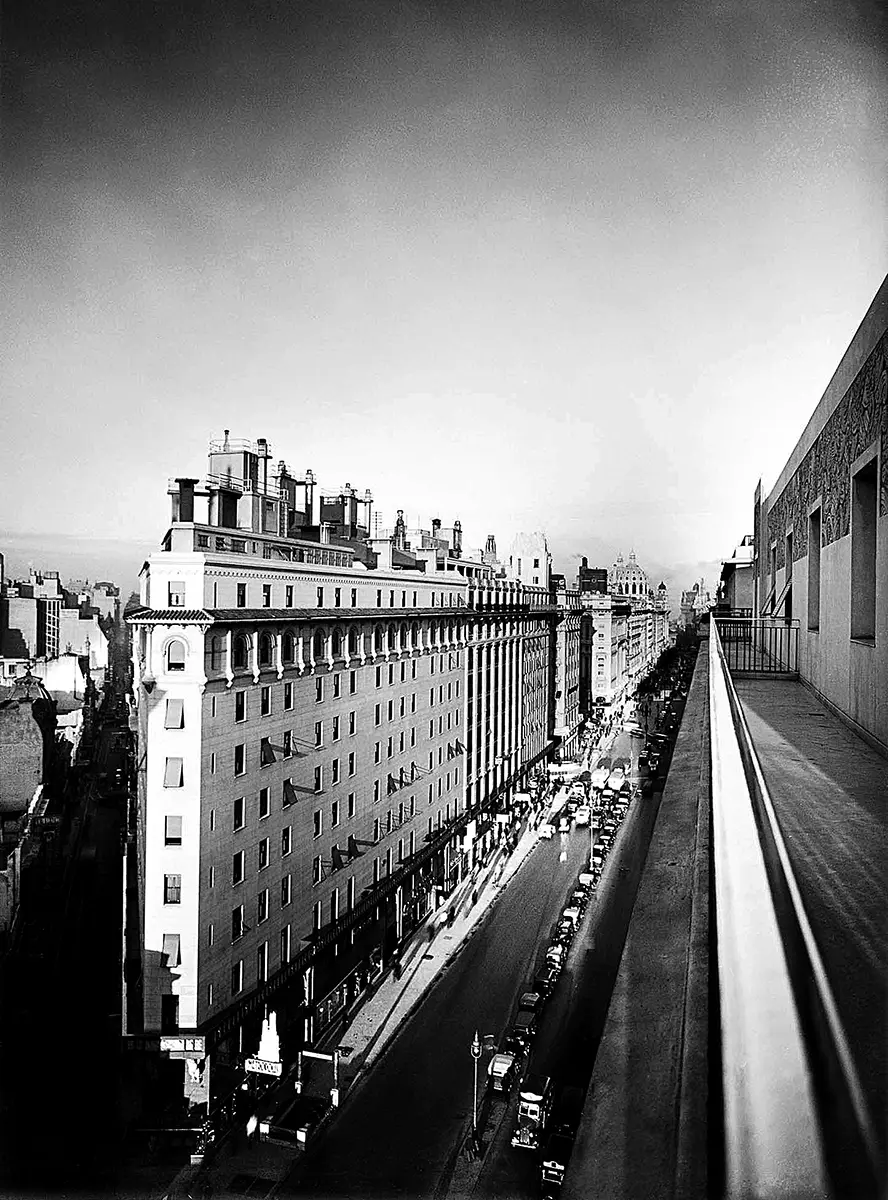
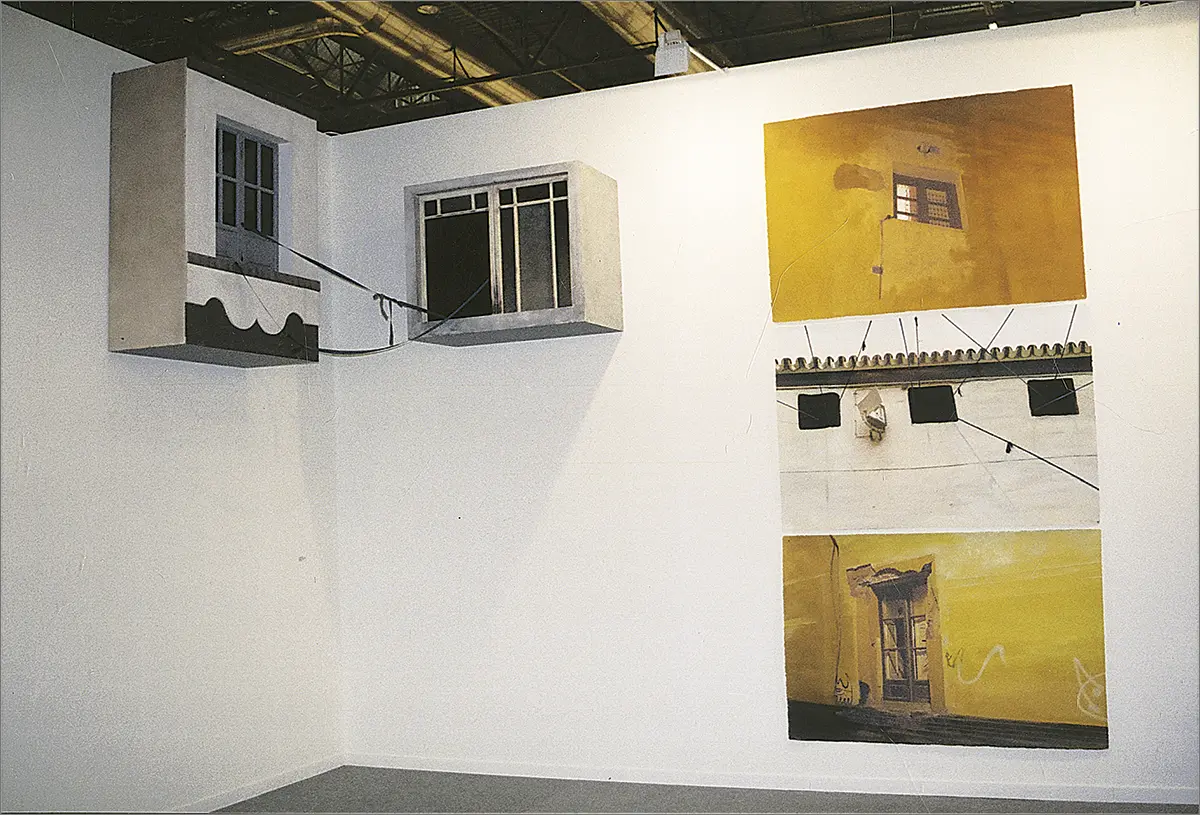
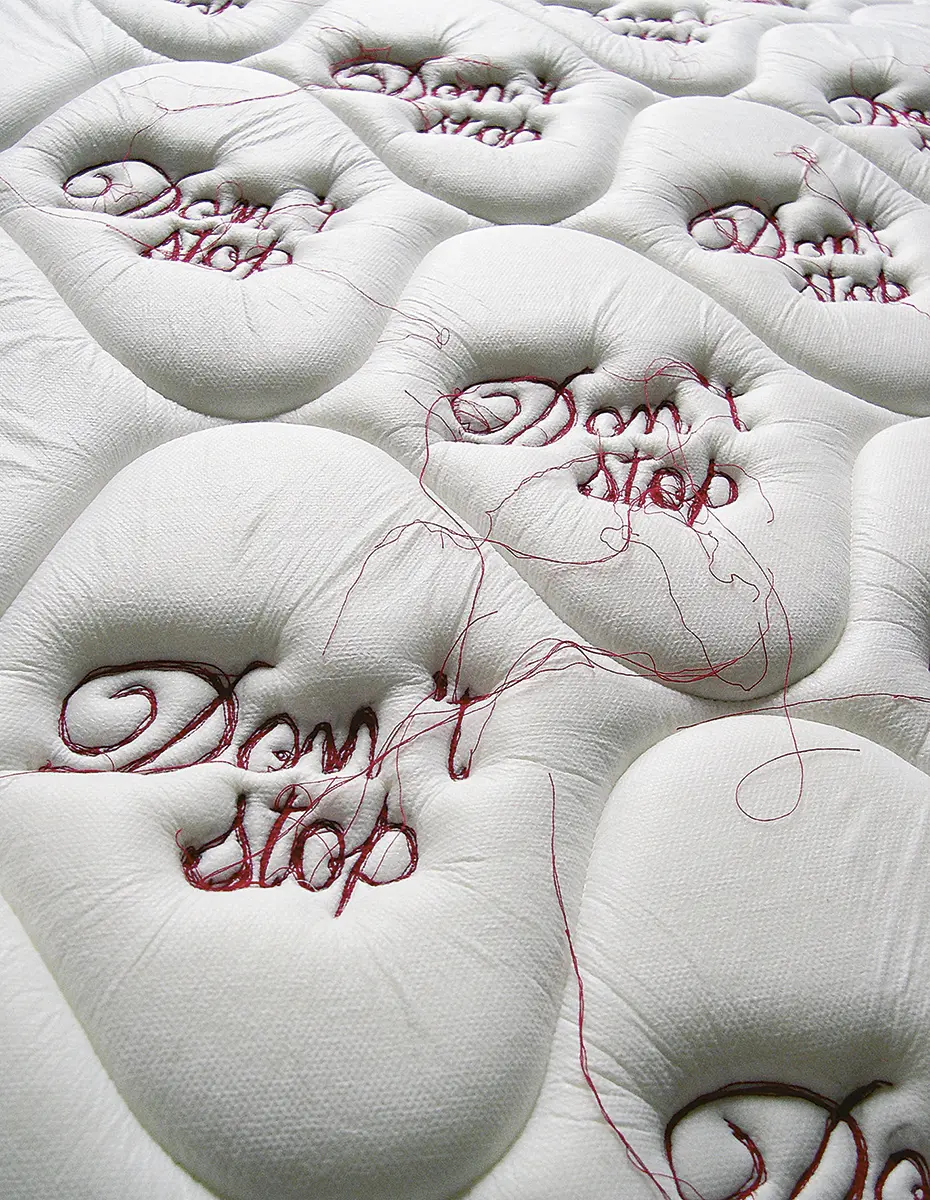
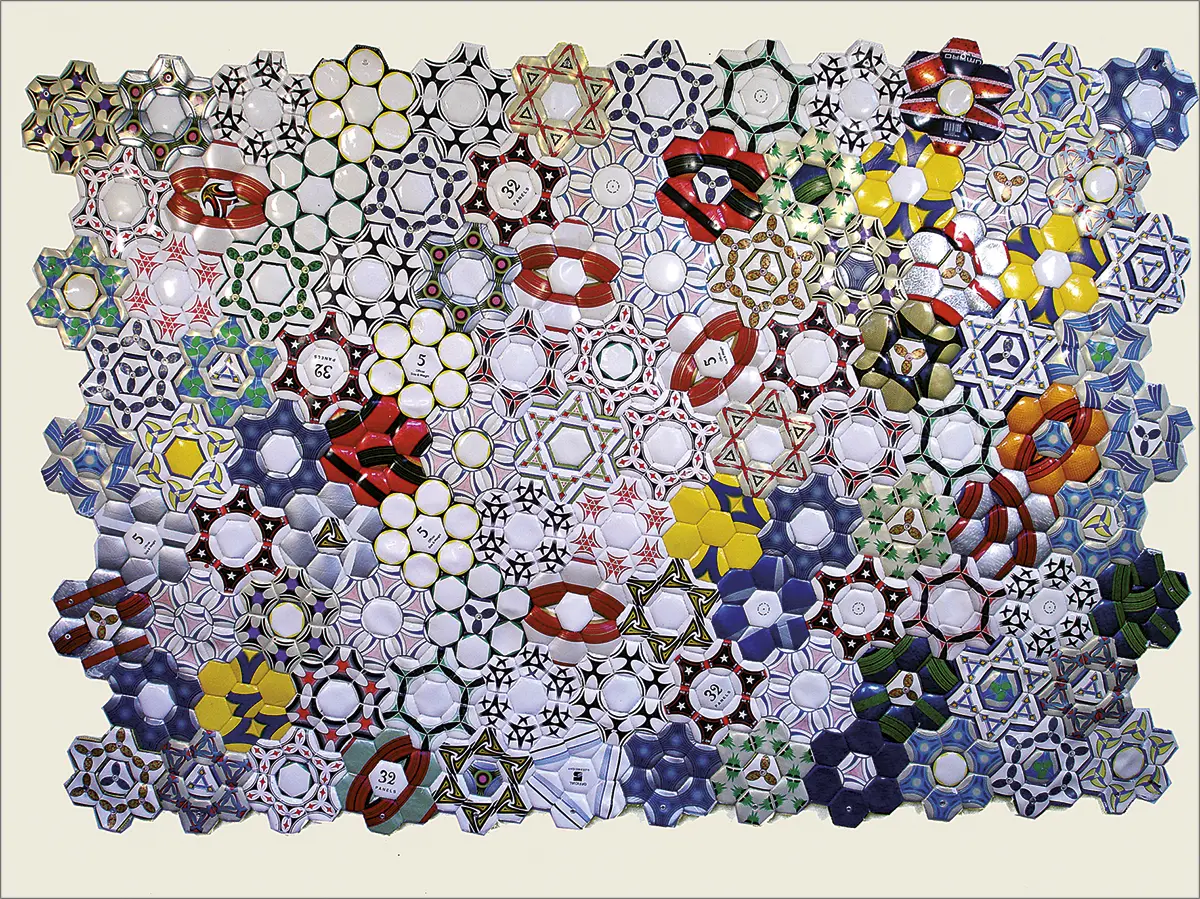
With this in mind, the quality of the Latin American galleries presenting at ARCO is not deteriorating. Brazil’s Baró Cruz had a small but high-quality booth with works by Julio Grinblatt, Lygia Clark, and Lina Kim, and the same was true of Casa Triângulo with Felipe Barbosa’s work or of Marilia Razuk with works by José Bechara. The return of Brito Cimino should be celebrated; this gallery offered works of the highest level, including Caio Reisewitz’s and Rochelle Costi’s excellent photographs and Eder Santos’s constructions. Again this year, Jorge Mara-La Ruche presented an impeccable booth where the highlight was the work of Horacio Coppola, while at OMR one could see Iñaki Bonilla’s very interesting series of enlarged backs of photographs. At Ruth Benzacar Gallery—a safe bet year after year—one had to notice Miguel Rothschild’s photo thoughts and Sebastián Gordin's very beautiful marquetería books. Two Mexican galleries, Emma Molina and Kunsthaus Santa Fe dared to bring fresh works, such as Fernando Montiel Klimt’s photographs in the former and Tania Candiani’s works in the latter. In the ever smaller and oddly located project rooms, there was also an important Latin American presence: Leandro Erlich’s spectacular installation La pared, presented by Nogueras Blanchard and Ruth Benzacar; an excellent video and sound work, Sudor, by Alexandre Arrechea, presented by M:A Contemporary; or Fernando Bryce’s drawing series Food for Peace, presented by Joan Prats and Barbara Thumm. Other art spaces based in various Latin American countries had a rather symbolic presence as part of the Cityscapes program, which could not cover the interesting proposals and trajectories that backed them up. Among these were Galería Leme, Leo Bahia-Arte Contemporânea, and Nara Roesler from Brazil; Alcuadrado from Colombia; Venezuela’s mythic Sala Mendoza; Henrique Faría Fine Art and Centro Cultural Matucana 100 from Chile; and Galería Habana from Cuba.

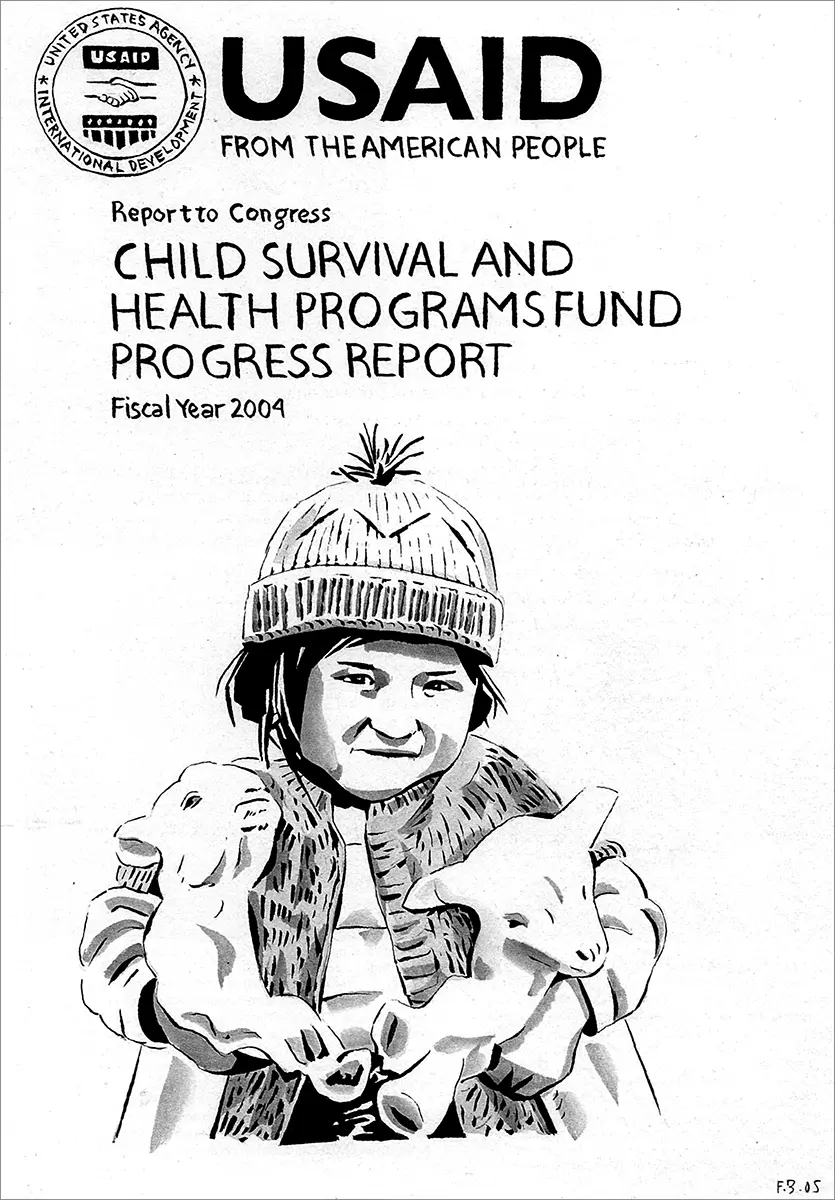
Among Latin American artists with a history of work in Spain were Carlos Garaicoa’s installation and drawing on a wall at Galeria Elba Benítez and Jorge Macchi's excellent video installation, The End, at Distrito 4.
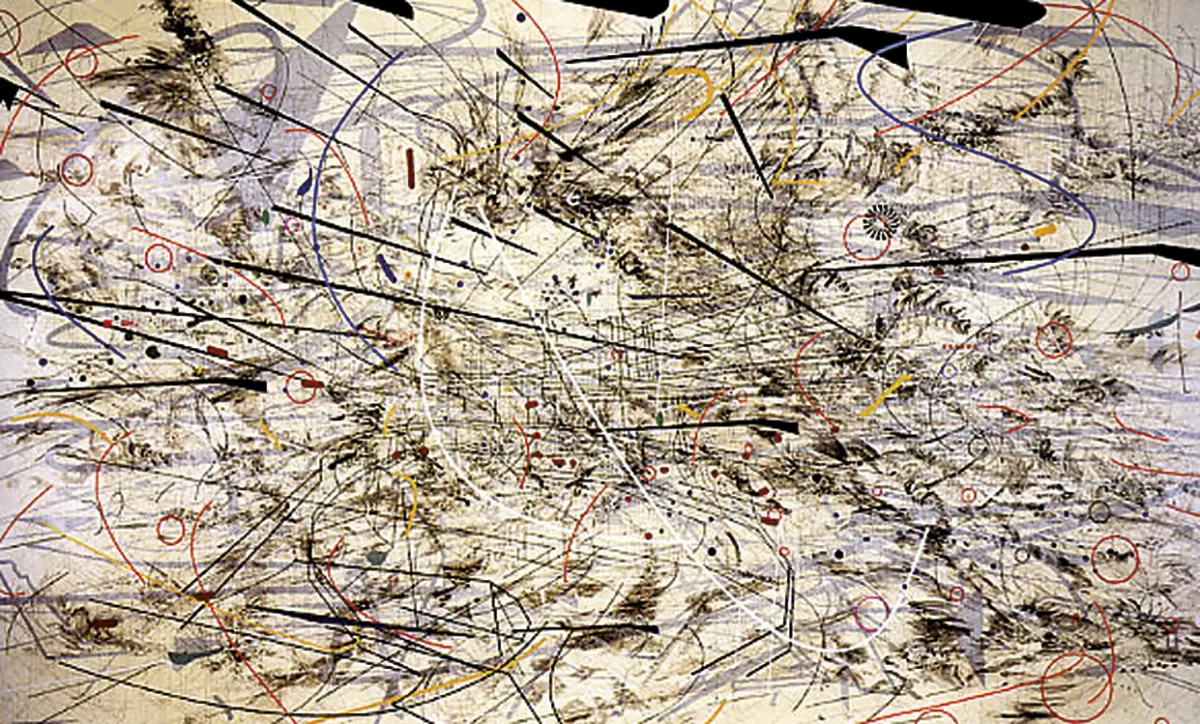
Some works that deserve special mention were: Julie Mehretu’s impressive painting at Carlier/Gebauer; the very interesting works presented by Bitforms Gallery, where technology and artistic intention joined forces with purpose and meaning; Chris Gilmour’s cardboard car at Perugi Artecontemporanea; Pia Fries’s paintings at Distrito 4; Kris Vleeschouwer’s spectacular Glassworks I at Christopher Grimes Gallery; Susan Philipsz’s great sound works at Ellen de Bruijne Projects and Mizuma Art Gallery; and drawings by MP & MP Rosado at Galería Pepe Cobo.
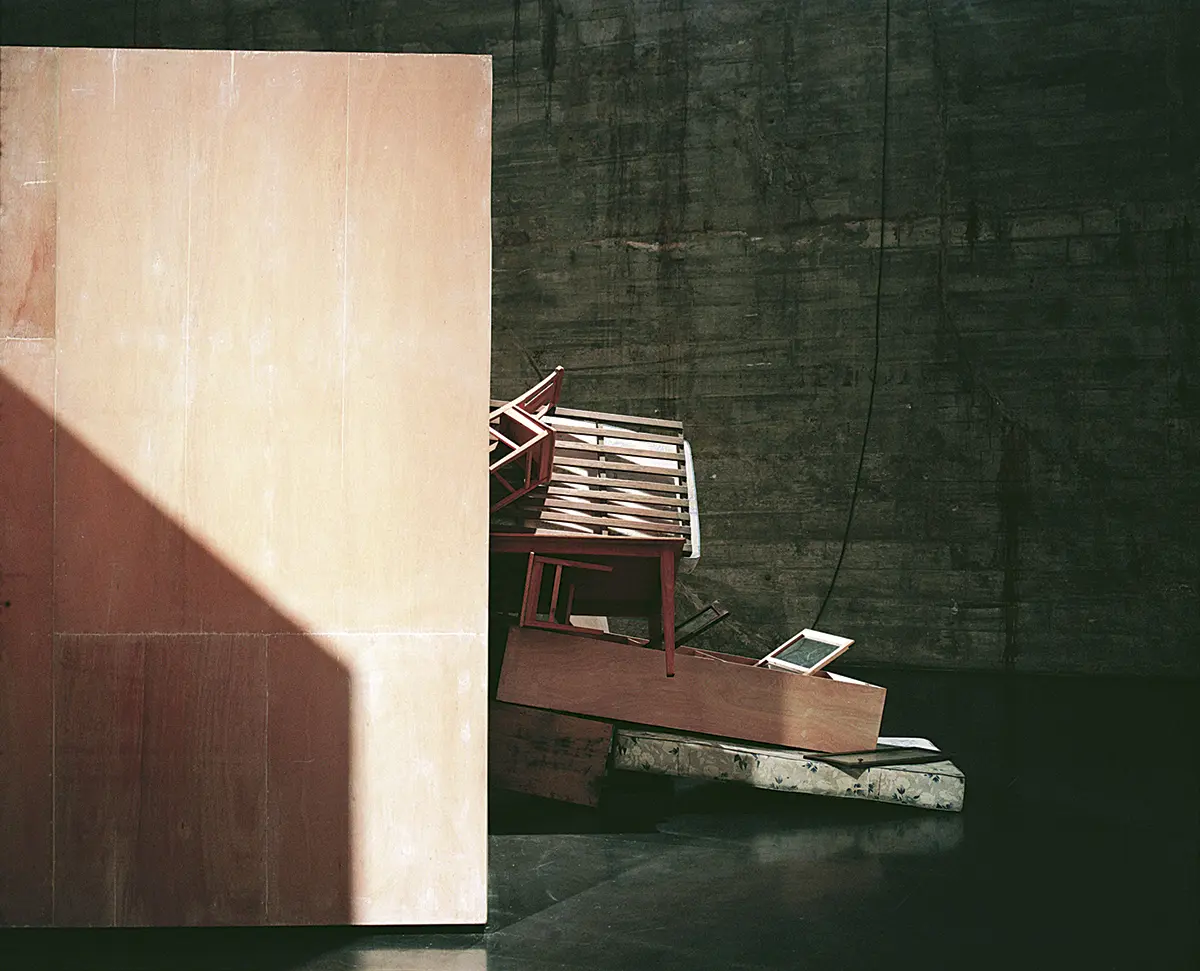
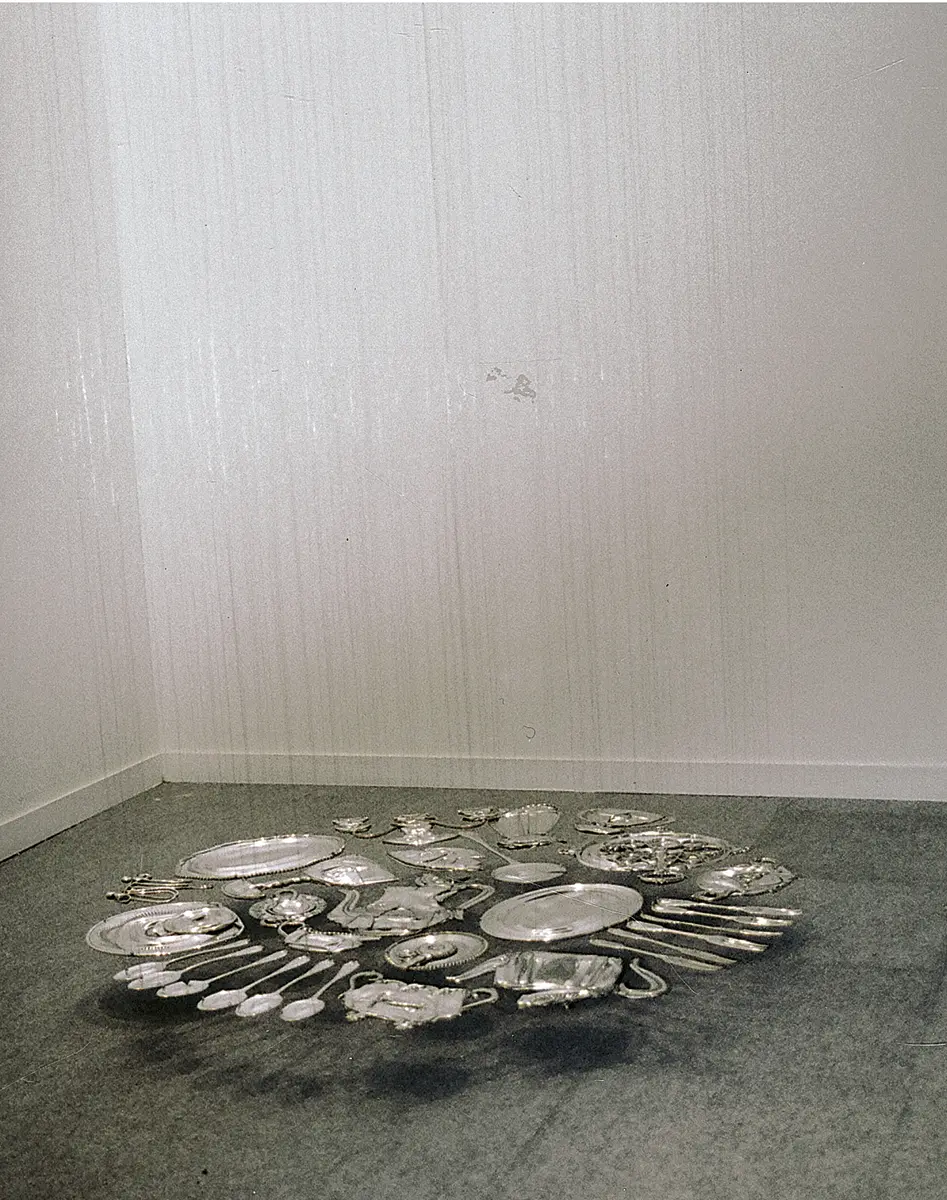
Surprisingly amid the fair’s visual noise, it was possible to find a number of less spectacular, more hidden works that in themselves justified our visit: Cornelia Parker’s installation of hanging silver pieces at Guy Bärtschi; Joaô Onofre’s marker drawings at Toni Tàpies; and two treasures by Robert Rauschenberg, Egyptian Piece at Galerie Karsten Greve and Transfer in Two Parts at 1900–2000. These were all small, simple, and unpretentious works that were nonetheless strongly conceptual, symbolic, or poetic.
In all fairness, a review of ARCO in its twenty-fifth year must be a reminder: if there exists an art market, a social context, and a festive ambiance, it is because art triumphs over all of it. Art must prevail, and in the end, it is an art that will prove the validity of the error of the speculators and the influence-peddlers—the investors in obscure programs paying monthly for works of art they will never see and the “Johnny come lately” who believes that hanging a sign that reads “Art Gallery” is enough. ARCO has the obligation of demonstrating on all fronts that art is not only a business but also, and above all, a reflection of what we are and what we aspire to be. If not, it is nothing.
*Photos: León Birbragher.
ISSA MARÍA BENÍTEZ DUEÑAS
Art historian, a specialist in contemporary art and theory.