
On the occasion of completing ten years of artistic work (1994–2004), Jorge Pantoja reflects on his art and the factors that have influenced his creative process, the main objective of which has been to find a visual or poetic language that allows him to illustrate abstract ideas and transmit them to the public. Although the images that illustrate his first works are clearly autobiographic, his mature work is more archetypical and represents universal symbols. As he revisits the theme of childhood in his most recent exhibit, Pantoja demonstrates that he has a continuity that flows and is nourished by personal references.
As opposed to most of his contemporaries, Jorge Pantoja did not participate in the activities of the group known as the Eighties Generation. He did not have formal academic training or a relationship with the artists who attended the Academia Nacional de Bellas Artes San Alejandro or the Instituto Superior de Arte in Havana. His interest in drawing originated as a child’s game. He remembers that his grandparents so protected him that he was not allowed to play on the streets. Instead, he developed an interest in drawing and a great love for reading.1
With time, drawing allowed him to find his own individual identity. During his adolescence, he discovered the visual worlds of Newton Estape and Rafael Morante’s historietas (illustrated stories). Their sequential element attracted him in such a way that at the age of twelve he discovered that narrative was to be a fundamental element of his creative process. Estape and Morante’s work also connected him with popular culture, a very different world than the pretentious arena of the fine arts. Outside of Cuba, he identified himself with Quino and in particular with his character Mafalda, a curious personage with a peculiar idiosyncratic and ideological personality. He was also interested in Charles Schulz’s Peanuts, which introduced him to American suburbia and allowed him to make comparisons between Latin America and the United States.
All these elements were influential in the creation of the bird “Toti,” a character he created in order to express his own thoughts about human existence. By then, he had met the artist Arturo Cuenca, who suggested he published Toti’s stories. Even though he was disinterested in publishing—due to the official nature of printed media, among other reasons—he listened to Cuenca and submitted his draft to the magazine DDT. Although it was well-received, it was never published and this frustrated Pantoja.
Through his reading, he developed an interest in psychology and particularly in psychoanalysis. Other influential factors were movies by Tarkovski and Antonioni and late works by Albert Camus and Jean-Paul Sartre. Pantoja identifies himself with these authors and shares many of their topics, such as the artist’s role in modern society and the outsider’s point of view. Another author to whom he refers is Samuel Beckett. From a linguistic point of view, Beckett introduced him to issues of translation—Beckett wrote in French and was translated into English—and humanized the intellectual and ideological position of the modern man of post-war Europe. Pantoja identified himself with these authors, particularly in regard to their views of their surroundings.
Formally, his drawings presented a personal style defined by the use of a simple line and the lack of color. Thus, it is no wonder he found common ground with the works of José Bedia when he first saw them at the Castillo de la Fuerza during the third Havana Biennial in 1989. Like Bedia, Pantoja preferred black and white drawings rather than paintings. He also felt that paper was the right media for himself, which explains why he found it rather difficult to accept the challenge of working on canvas—a suggestion from Javier Manjavacas, who in 1992 facilitated his exile together with other artists such as Gustavo Acosta and Heriberto Mora. During his short sojourn at the Casa de Arte Santa Cruz in Ciudad Real, Spain, Pantoja painted some canvases, but these, he confesses today, were just reproductions of the drawings he had made in Cuba and had shown to the art critic Gerardo Mosquera just before his trip.
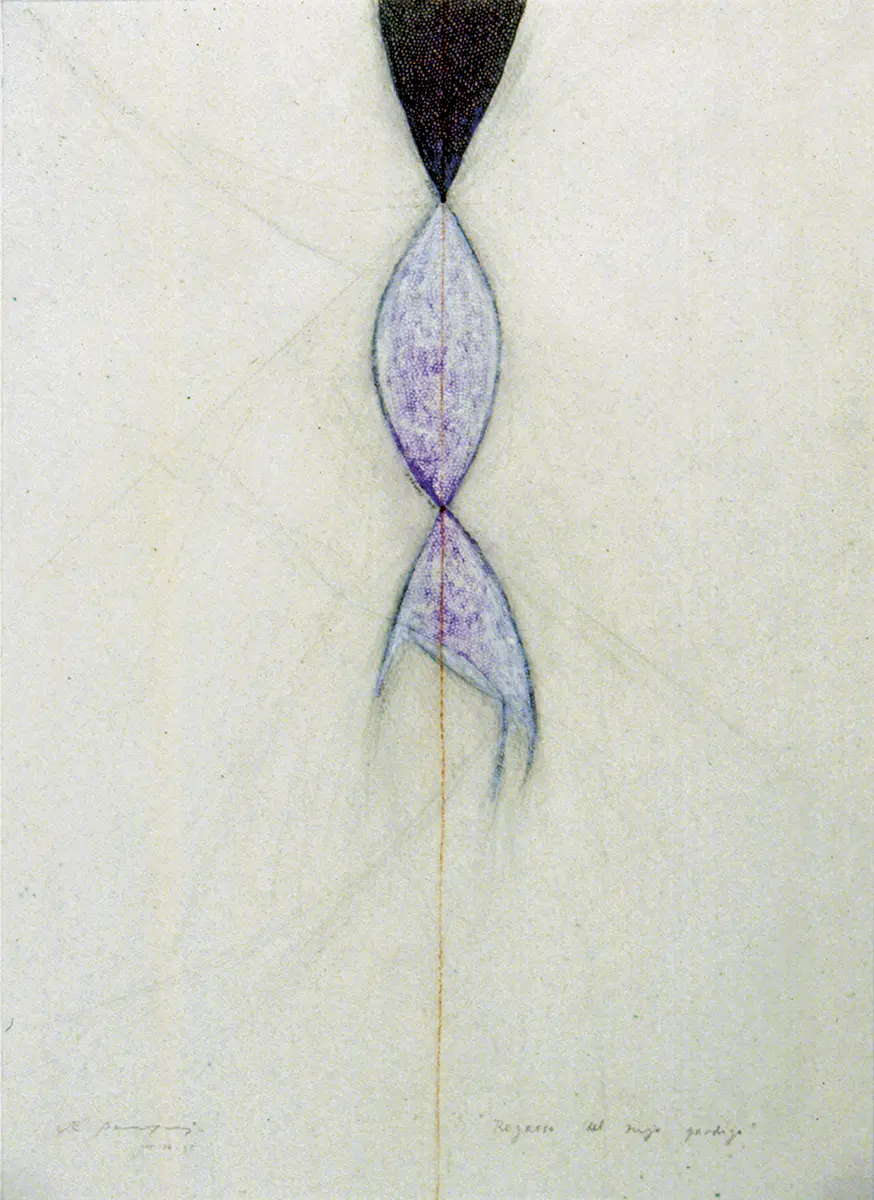
While in Spain, Pantoja worked in a vineyard, gathering vines. This hands-on type of job allowed him not only to share experiences with other workers but most importantly, to survive a creative crisis into which he had fallen. At that time, he created works such as Regreso del hijo pródigo (The return of the prodigal son, 1993), in which he introduced the use of the sanguine to represent blood and wine in the phrase “En sangre vino” (“In blood, he came” or “In blood, wine”), written in the drawing.
Also during his stay in Spain, he was contacted by the former Miami Beach gallery Gutiérrez Fine Arts and was included in a group show called The Last Cuban Show, together with Gustavo Acosta, Arturo Cuenca, Segundo Planes, Alejandro Aguilera, and Ruben Torres-Llorca. The name of the exhibit suggested that although these artists had a common nationality, it was time to consider them individually, based on their artistic merits. Curiously, as Bonnie Clearwater points out, this show created great interest in Cuban artists of their generation and inspired several group shows of Cuban artists in Miami.2
A year after he arrived in Florida, Pantoja presented a one-man show titled Uterodoxias (1995) at the same gallery. By then, his drawings had acquired a complex visual language that included verbal and non-verbal symbols. The human being, the family, and the creation of life were dominant themes. Phrases written mostly in Spanish and combined with visual symbols worked as a hieroglyphic system in these works.
The drawings made of pencil or graphite on craft paper or thin cardboard included organic and geometric forms combined with freehand lines and referred to the iconography he developed in Cuba at the end of the 1980s: the woman, who represented his mother, was a cross; the man, probably his father, was a simple vertical shape; the child was a small man, and the fetus was a sort of bean or a portion of the uterus.
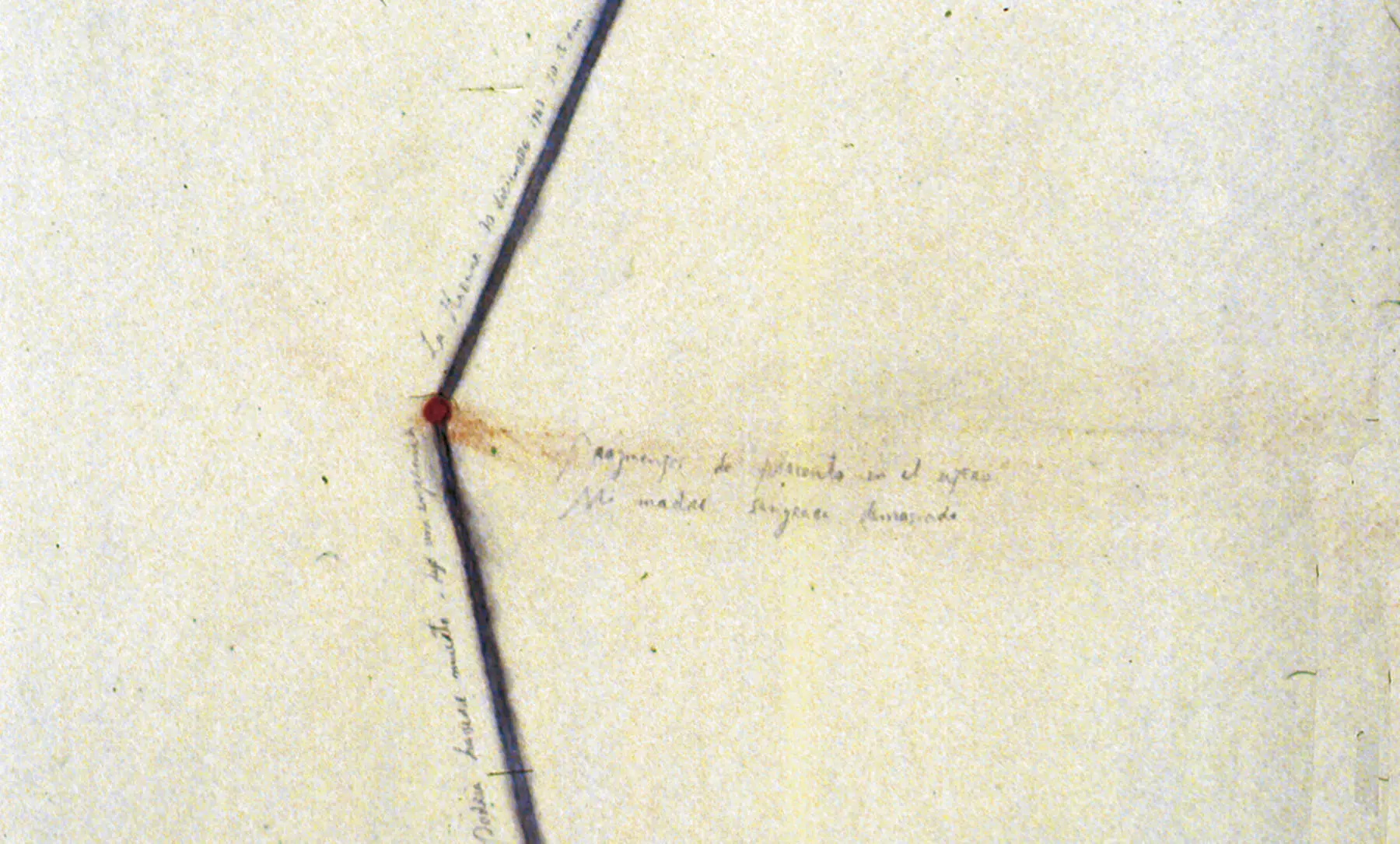
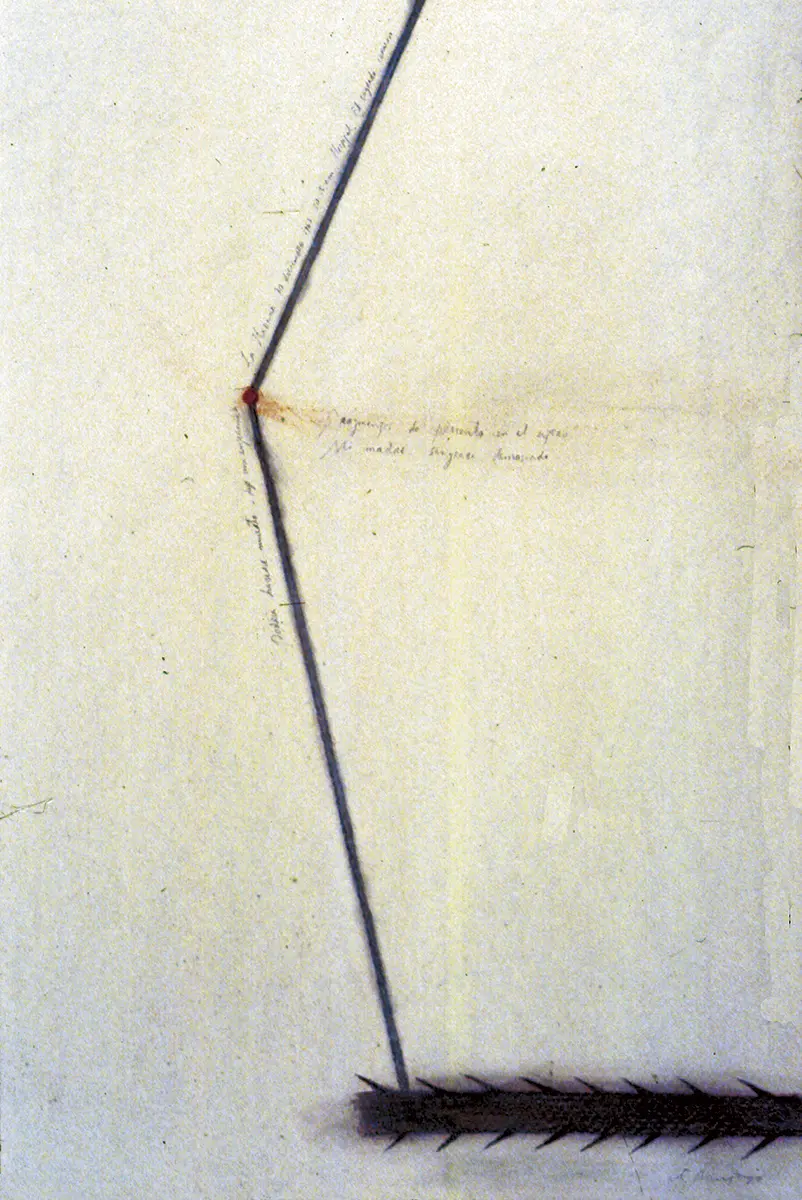
The autobiographical references were obvious in works such as Mi cartografía personal (My personal cartography), which featured a huge uterus with three dots indicating the birth dates of his father, his mother, and himself; and Podría haber muerto (I could have died), in which a torn uterus with a bloody placenta and the phrases “Mi madre sangró mucho” (My mother bled a lot) and “La Habana, Diciembre 30, 1963, 10:15 a.m. Hospital del Sagrado Corazón,” explicitly refer to his traumatic birth. Other motifs were excrement, represented by triangles, and pain and suffering, represented by thorns inspired by Christian imagery. In general, most symbols were humorous and/or ironic, products of a delicate sensibility and a great sense of humor.
Pantoja believes this first exhibit allowed him to articulate in visual and iconographic terms his previous experiences (Cuba/Europe) and the new one (Miami). His drawings reflected a maturing time, both at the artistic and the personal levels, and transmitted through their composition and the use of words his anthropological approach.3
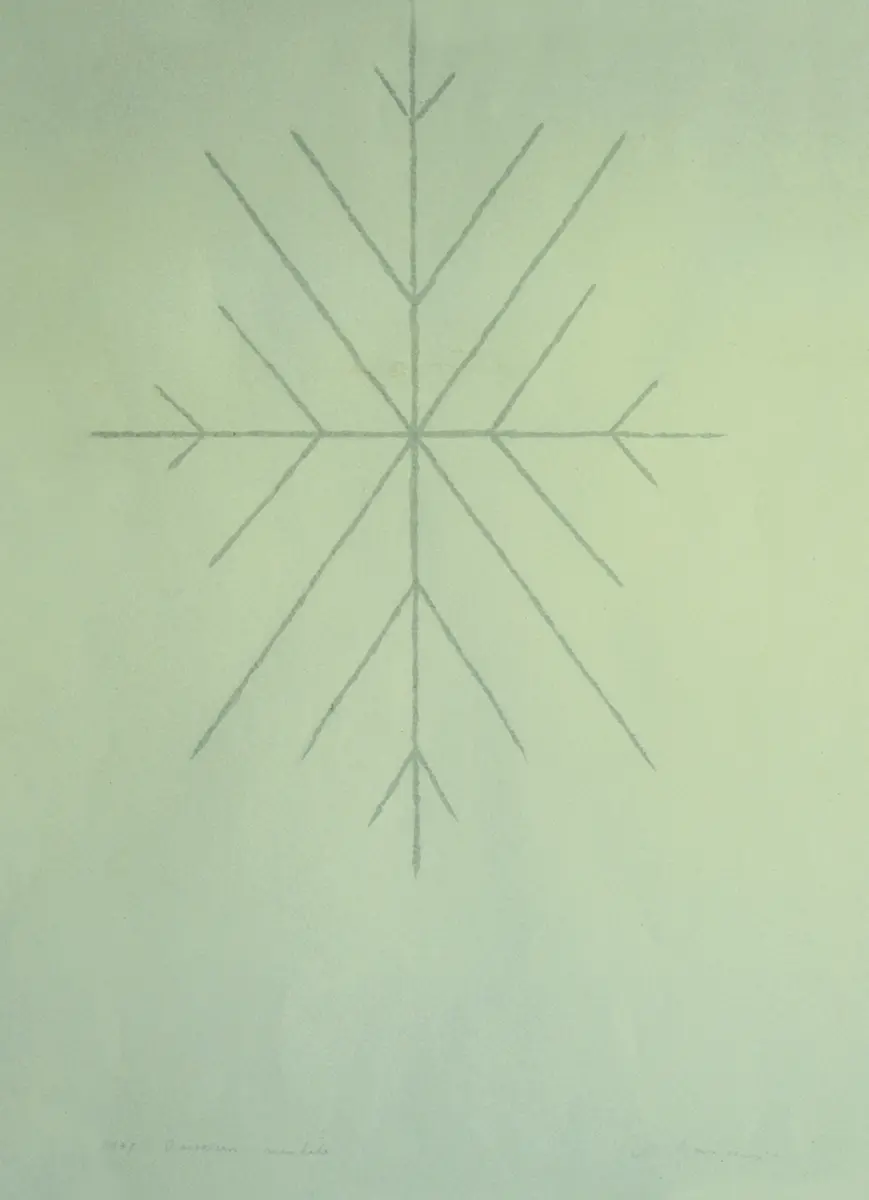
Being a shrewd observer of the human condition and cultural models, Pantoja decided to study Miami and its inhabitants’ customs. His work became a means of reflection and a means to interpret American society. At the same time, he opted for an ascetic way of life and connected with a more spiritual world, wherein his work became minimal compositions with multiple meanings. Gran Mandala Americana (Great American Mandala) is a good example. When you first see it, it looks like a snowflake. Looking carefully the reader discovers the lines are formed by repetitions of “keep frozen,” a phrase Pantoja found on the packages of frozen hamburgers he folded while employed after hours at a Burger King. The drawing shows his capacity of combining two opposed concepts, such as the intellectual and the mundane, and illustrates his curiosity for the concept of frozen food, which he considers an American phenomenon. The snowflake does not belong to the tropical realities of Cuba or Miami. Pantoja confesses he was inspired by a Christmas decoration displayed in front of the Coral Gables City Hall during the month of December.
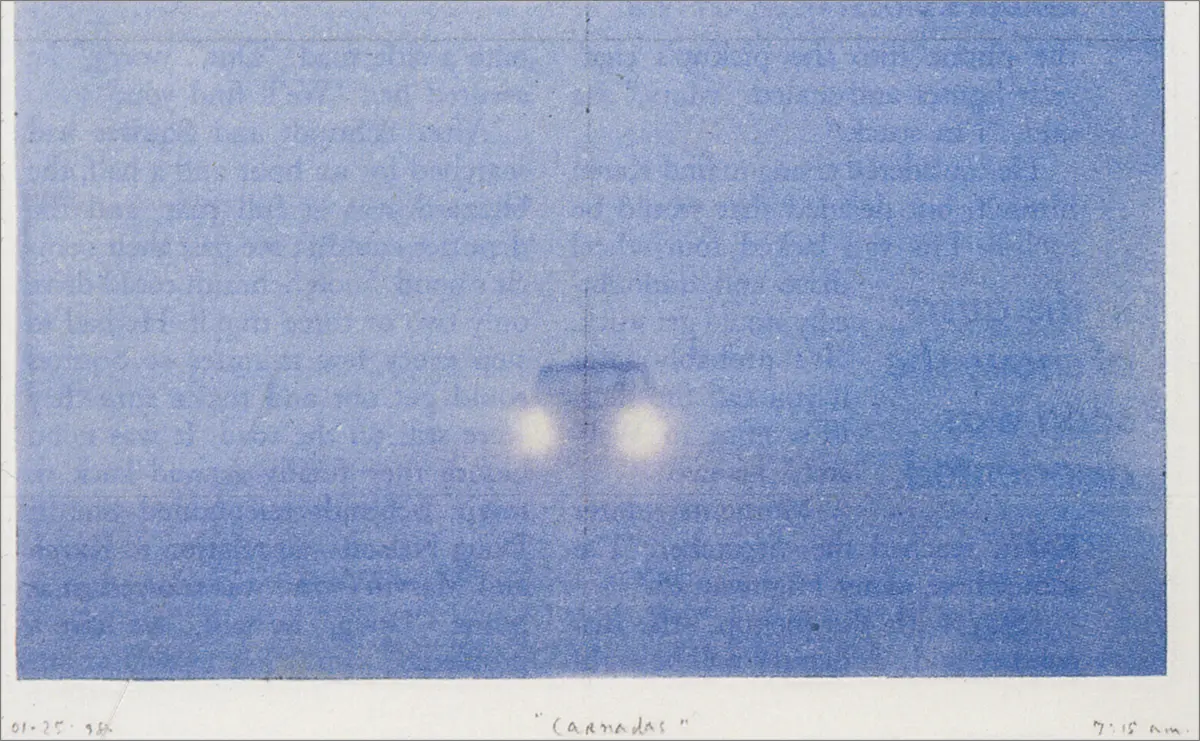
Because of his philosophical vision and his use of poetic codes, it is not surprising he adopted the Japanese haiku as a form of aesthetic expression. The transcendence of time and space are important elements both in Japanese poetry and Pantoja’s work. Time, in particular, plays an important role. Pantoja has said: “Sometimes I imagine myself in a race against time. The pleasure I experience by freezing images in time makes me use drawing as a way to grasp a past that is always avoiding me. My images are not related to a specific space but rather respond to a special temporality that exists outside of the conventional time created by someone’s memory.”4
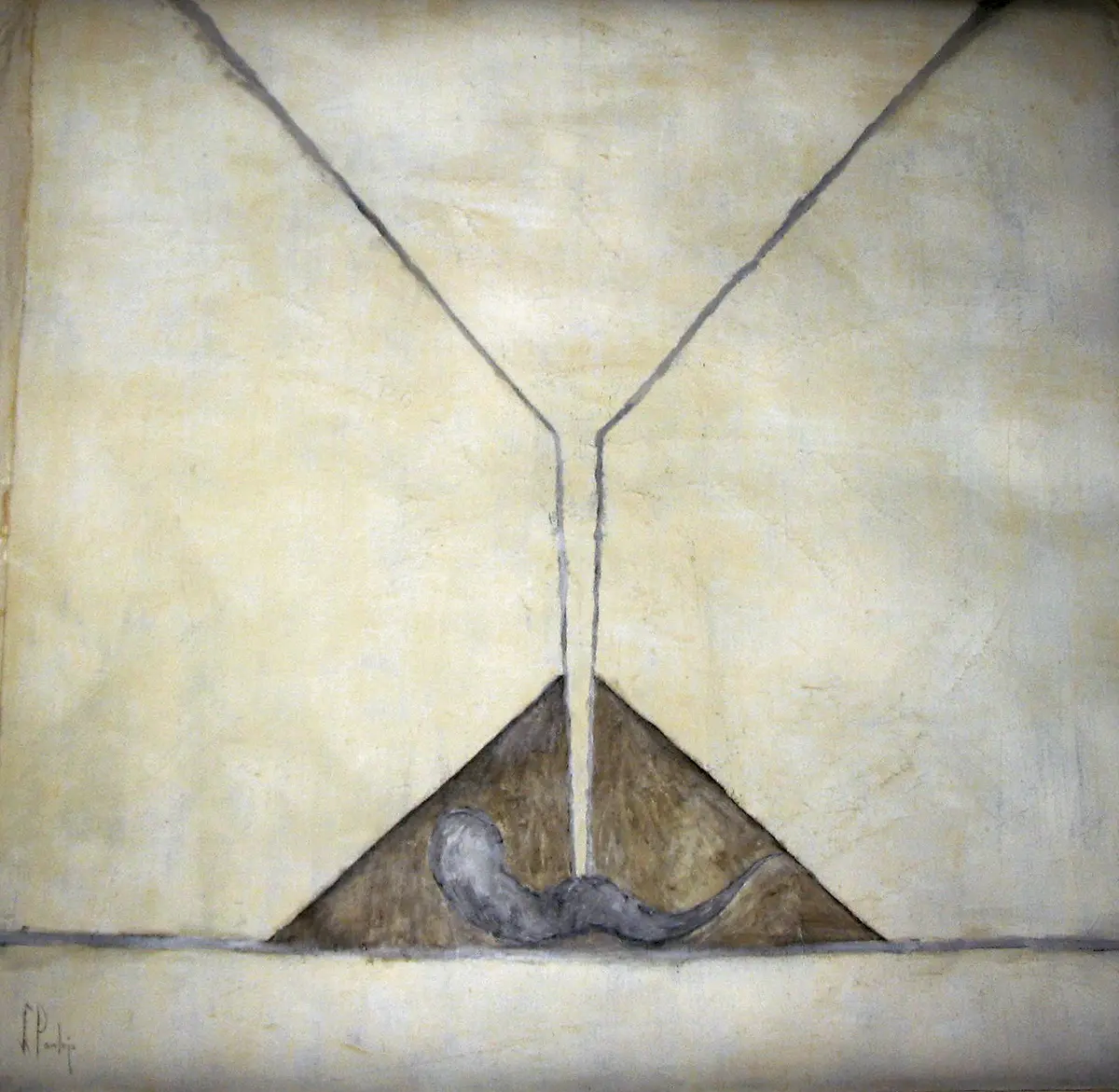
The series One Hundred Haiku, presented at the Museum of Contemporary Art (MOCA) in North Miami (1998), was originally inspired by trading cards. Pantoja first discovered them one afternoon at his cousin’s house. They were all gathered on the occasion of the Super Bowl when he spotted the cards on the Home Shopping Network. Besides reflecting on the meaning and intricacies of their commercialization, he thought of working on a series of drawings made on index cards that could be held and exchanged like trading cards. The small format also allowed him to unify the series and forced viewers to come closer to the drawings in order to really appreciate them.
Pantoja believes his Haiku series is somehow an archive of his own subconscious. Nevertheless, the symbols used in the one hundred cards are so universal that each viewer can experience his or her own thoughts and feelings.
Since his arrival in Miami, he has been looking for a way to build his own reality. Thanks to an acute sense of observation, he has discovered visual elements in the most unusual places, which he has transformed into works of art. Using drawing and collage, he inserts the mundane in a supposedly more sophisticated world, in a process that may be considered absurd and/or paradoxical, according to the artist.
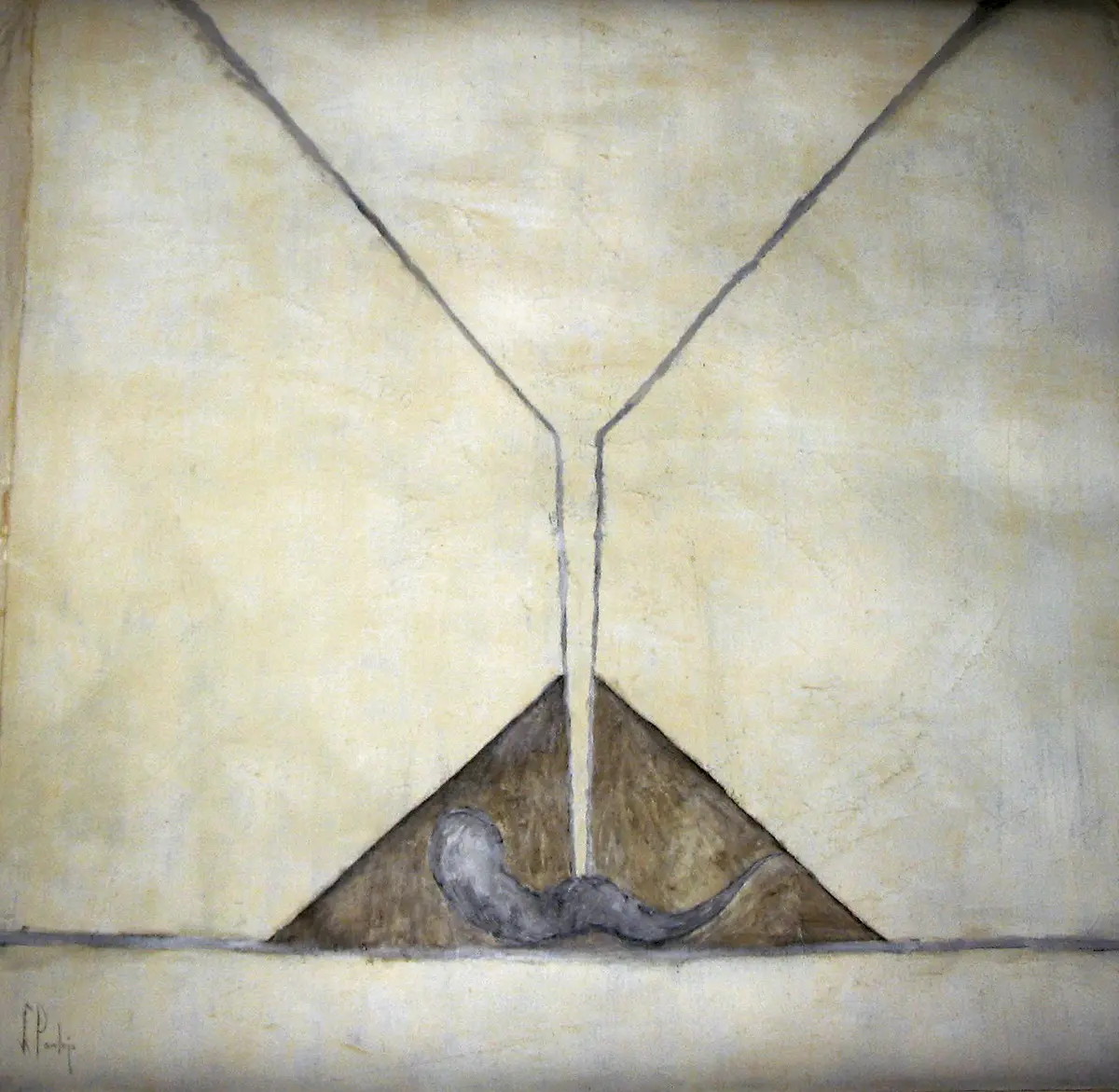
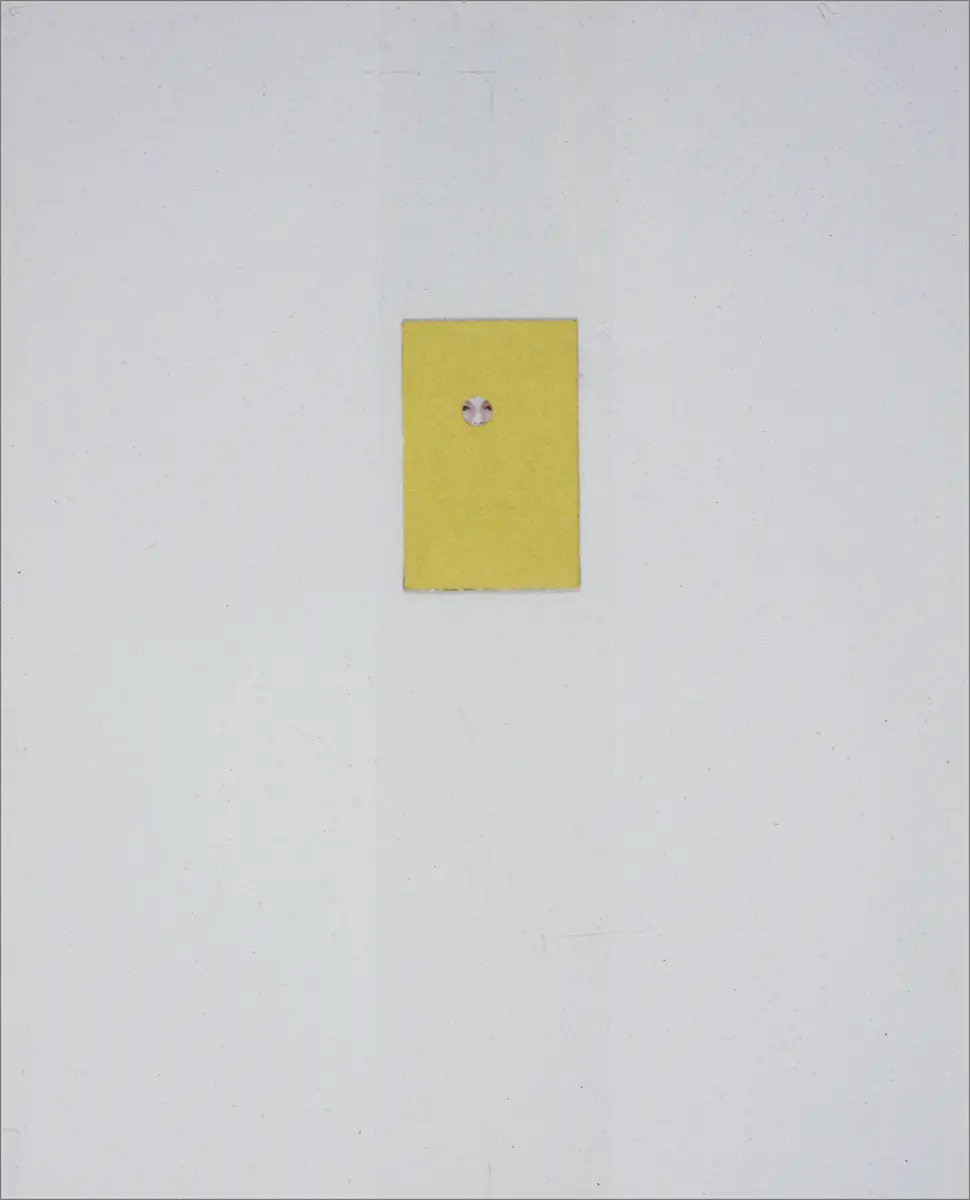
One of the most unbelievable examples, from this perspective, is “The Chinese.” Pantoja first discovered this character on a container of Thai sauce and later used it in a collage from the series Minutiae (1999–2001): a curious little Asian man appears to observe the public from a tiny little hole. Interestingly, this image was not only transformed into the main character of one of Pantoja’s drawings but it was chosen as the cover of an issue of ArtNews dedicated to the world’s top two hundred collectors.5
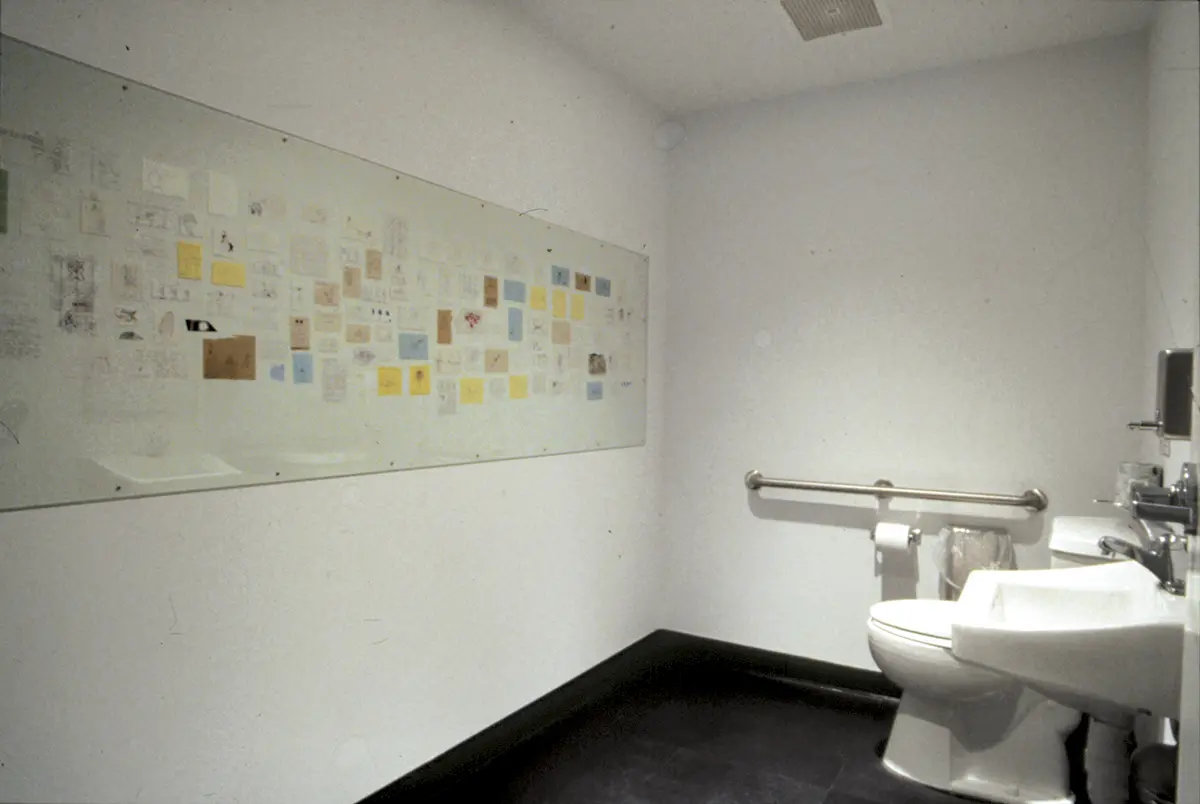
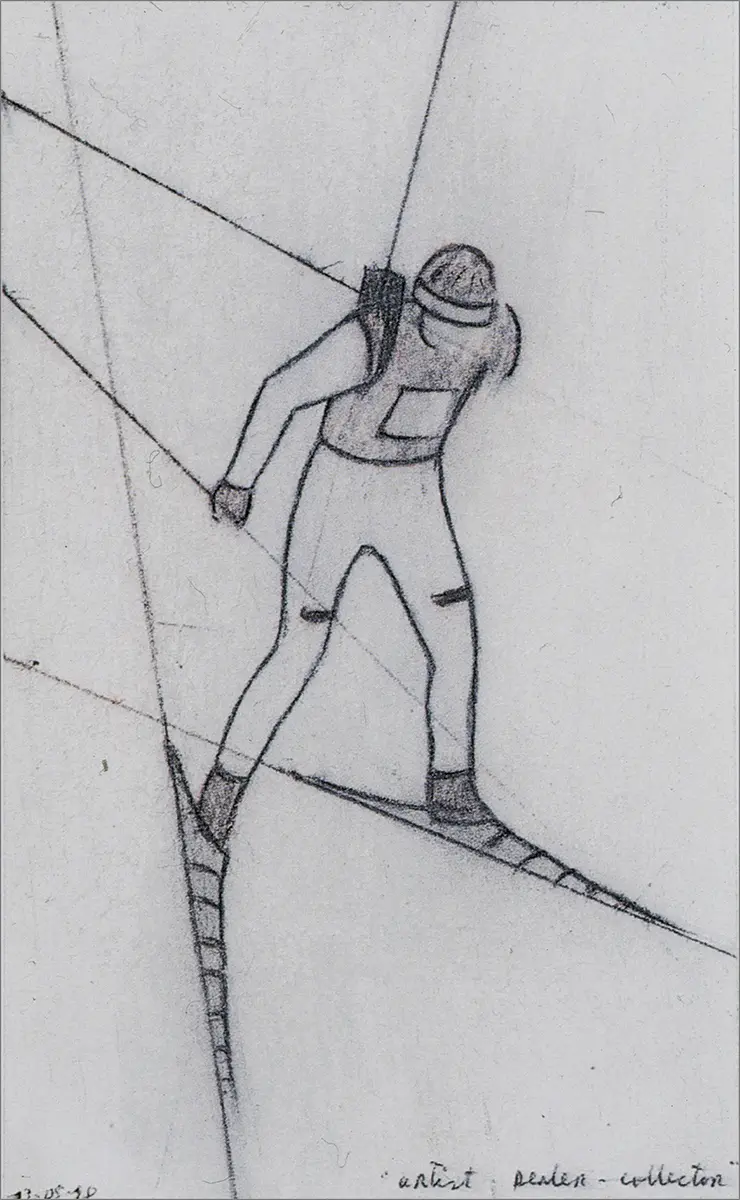
For the past few years, Pantoja has been working in one of the most prestigious hotels in South Beach. His only free time is when he goes to the bathroom. As anecdotal as it may sound, he confesses this is the time he uses to write down the ideas that come to his mind during the day. A selection of drawings from these ideas won Pantoja a grant from the South Florida Cultural Consortium and was shown as part of the exhibition New Art organized at the former Palm Beach Institute of Contemporary Art (PBICA) in 2003. The drawings, made on receipts and pieces of paper found in his wallet, demonstrate the talent he has to articulate his visual poetry in any context and explore the dichotomy that exists between the public and the private realms. An interesting fact is that the PBICA installed Pantoja’s work in the setting it was originally created, the restroom, and not in the exhibition galleries.
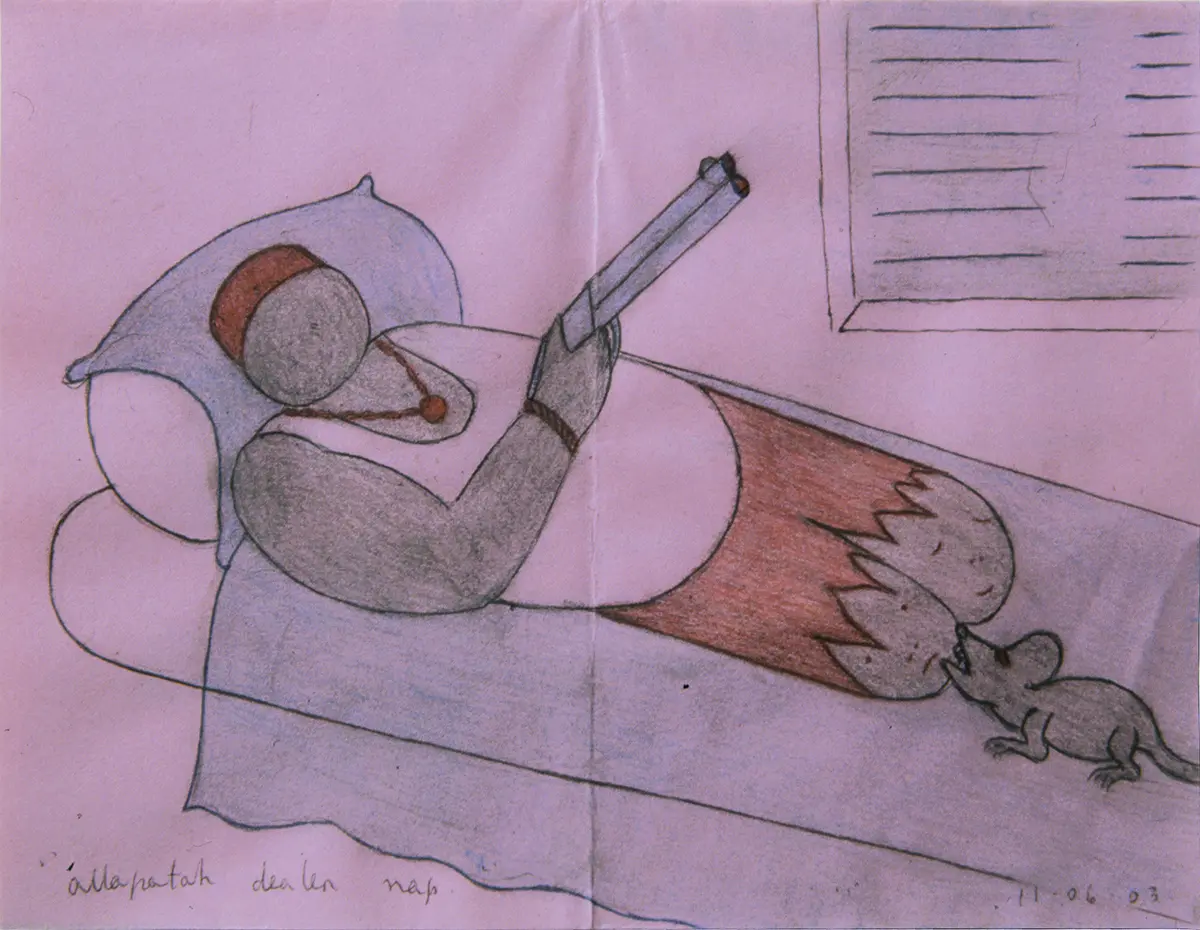
His critical vision of the art world, particularly of its commercial aspect, makes him extremely careful when it comes to choosing an exhibition space. Although his drawings have been shown in galleries, most exhibitions of his work have taken place at museums, universities, and non-commercial spaces. Recently, Pantoja presented a one-man show (2004) at Books and Books, an independent library, the exhibition included a new series of drawings in a small format (4-1/2 by 5-1/2 inches) inspired by literary works and especially children’s stories that remind him of his childhood. This new series introduces the use of color while thematically it closes a cycle by returning to his original references.
A library is perhaps the best space in which to view his work. More than a visual artist, Pantoja is a visual poet. Themes like human weakness, feelings of frustration and abandonment, the lack of values, women as providers and receptors of life, and the vulnerability of the human condition have more in common with the titles of literary or scientific volumes than with most aesthetic proposals by contemporary artists. Nevertheless, it is within a visual arts space that we have the opportunity to observe his drawings—images that translate his experience in this absurd world, a world Jorge Pantoja observes critically as men fail in their human condition and ignore the values that facilitate their own transcendence.
NOTES
1. Interview with the artist. Miami Beach, June 2005.
2. Clearwater, Bonnie. “The Last Cuban Show at Gutierrez Fine Arts.” Art and Auction (January 1994).
3. Interview with the artist. Miami Beach, June 2005.
4. Jorge Pantoja. Artist’s statement.
5. ArtNews (Summer, 2003).
FRANCINE BIRBRAGHER
Art historian and critic. Editorial advisor for ArtNexus.