
Leo Matiz was born in the coastal town of Aracataca, Colombia, on April 1, 1917, and passed away in Bogotá in 1998.
This brief overview of his life and work, with emphasis on the time he lived in Mexico, is a tribute to him.
Leo Matiz was one of Latin America’s greatest twentieth-century photographers. His work—perhaps the largest portion of which is devoted to human activity, in an urban, rural, industrial, or agricultural context—shows with honesty and drama the creative power of hands at work. It also accurately and profoundly portrays many anonymous faces of the region, unknown popular characters, a vast collection of heterogeneous types united by the “family resemblance” that, according to Carlos Monsiváis, characterizes Latin American features. Matiz’s photographs, suffused with tenderness, solidarity, and empathy, show with reverberant whites, deep blacks, and extensive grays the ethnic richness and multiplicity of Latin America’s indigenous peoples and the general ethnic mixture that is shared. They do so in an authentic, rigorous manner, without the rampant romanticism that can fracture and commercially manipulate them.
Matiz had a proverbial proclivity for love—he married seven times—and for travel. His life was a constant movement; he was never tied for long to a single love or a single place, although there were stops that lasted longer than others. Such was the case with Mexico, a country Matiz loved, enjoyed, and suffered as he did everything—with great intensity.
Matiz arrived in Mexico City in the early 1940s, having left Colombia at the age of twenty-one. He passed through Panama, Costa Rica, and San José, where he exhibited a hundred caricatures and fifty photographs, El Salvador, where he exhibited his work alongside the printmaker Amighetti, and Honduras, where he worked as the artistic agent for a piano player. Driving his own automobile, he entered Mexico through Tapachula in April of 1941.
The capital of the Mexican Republic was at the time a benign city of three million people. With the poet Ricardo Arenales, a fellow Colombian whose pen name was Porfirio Barba-Jacob, Matiz shared dangerous and pleasurable expeditions to the seedy side of town.
It was Barba-Jacob who, attempting to describe Matiz, stated that his friend combined within himself “a crazed bacchant and a confrontational satyr” and who introduced him to Gregorio Ortega, the Mexican journalist who was the editor of the magazine Así. For this publication, Matiz illustrated several articles about the forced labor of Mexico City’s seamstresses, the misery of its railroad workers, and its underground commerce, as well as others by famous Mexican writers such as Efraín Huerta, the poet of the passionate Declaración de odio. Drawn from the seven days he lived on the Marías Islands with the writer Luis Spota, Matiz contributed photos to another memorable article titled “Vengo de la isla de los desesperados” (“I Come From The Island Of Desperate Men”), which Así serialized in seven parts. Matiz also created photographs for an article by José C. Valadés about a surprising Russian population in Baja California. Working on this article, he learned to discriminate and select the best images from the vast material collected, fine-tuning the aesthetic sense that led to his recognition at the time as one of the world’s ten best photographers.
Matiz didn’t learn his craft in Mexico, but it was there that he perfected it. Before, he had worked for the Bogotá printing company La Estampa—under another Mexican poet, the author of the extraordinary Simbad el varado, Gilberto Owen—and for the prestigious newspaper El Tiempo, along with other periodicals in his native Colombia.
Another Colombian poet, Álvaro Mutis, equally addicted to Mexico, describes one of Matiz’s jobs as a professional photographer, offering in terse prose an accurate portrait of the artist as he immersed himself in the realities of work: “I owe Leo Matiz my first intense, intelligent, and unforgettable images of Mexico, a country that was unknown to me then but exerted a powerful attraction thanks to its painters, its landscapes, its poets, its vast land filled with surprises. What I never thought was that I would live there for longer than I’ve lived anywhere else. . . . For several years we worked together. Leo offered his services as a professional photographer to the Public Relations department, which I directed, of an American oil company in Colombia... From the very first day, I was greatly surprised by the rigor with which he not only set a price and a series of conditions for his work but also established the standards of respect and professional responsibility that were to guide our relationship. . . . Proof of that is, precisely, Leo’s oeuvre. There isn’t in it the slightest search for effect nor the slightest attempt to make literature with images. . . . In his photographs, he means to say nothing more and nothing less than what the camera has captured. Their basic honesty, their rejection of all effect-seeking rhetoric, of all Baroque simulation, is what makes them so evidently valuable and enduring.”
Being always around journalists’ editing tables, Matiz was a caricature artist in his youth. The visual training from this craft undoubtedly helped Matiz not only in developing the realism and the psychological acuity of his portraits but also in refining the striking sense of composition in his works, which reveal harmonious and well-balanced spaces that surround and frame the models.
In his framing, which generally avoids all centrality or axial tendency, Leo Matiz displayed a preference for a low camera position. Thanks to the perspective that this point of view affords, his figures’ stature is enlarged since the viewer sees them as if looking upward. The peasant images that illustrate this article were captured using this technique.
One of Matiz’s most famous photographs, however, could belie the previous statement. Taken during the early days of his Mexican career and published in mid-1941 in Así, it has a centered composition; to be more exact, the dynamism of the action and the shape of the fishing instrument depicted creates a centripetal feeling. This photograph shows a fishing net as it is flung open, situated at the end of a fragile cayuco, from where it projects into the sea in front of Matiz’s camera, which is located at almost the same level as the graceful and strong fisherman.
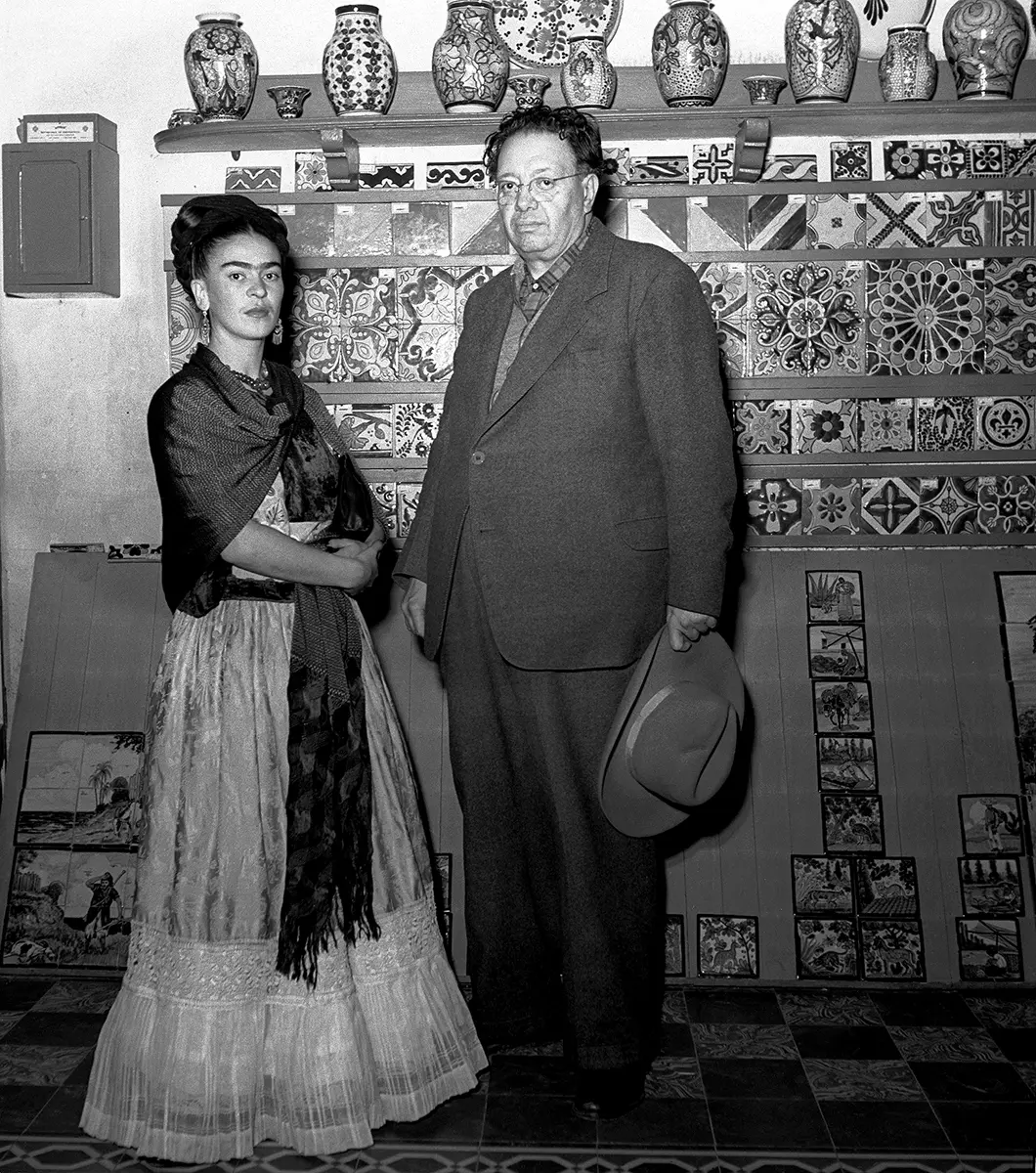
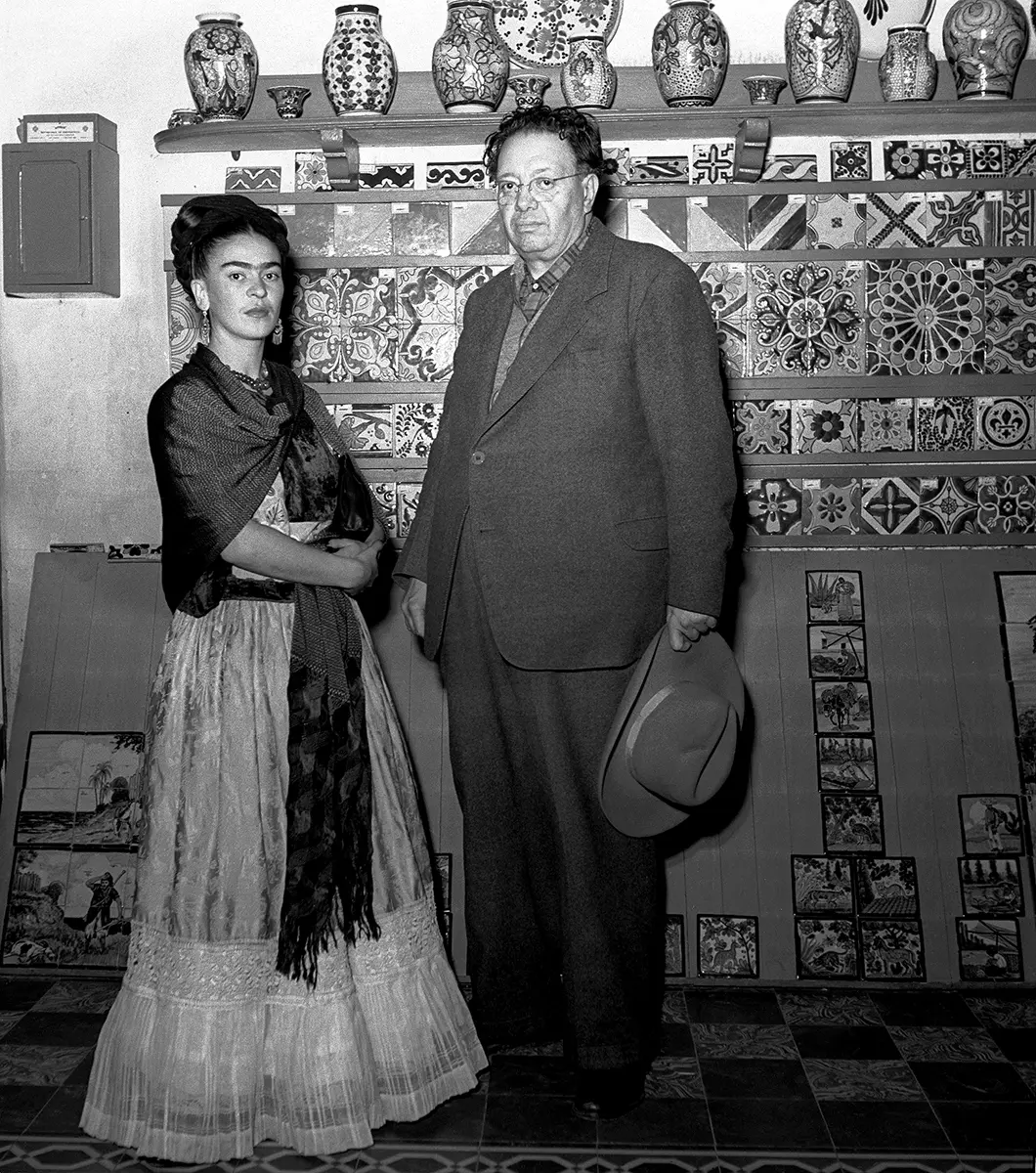
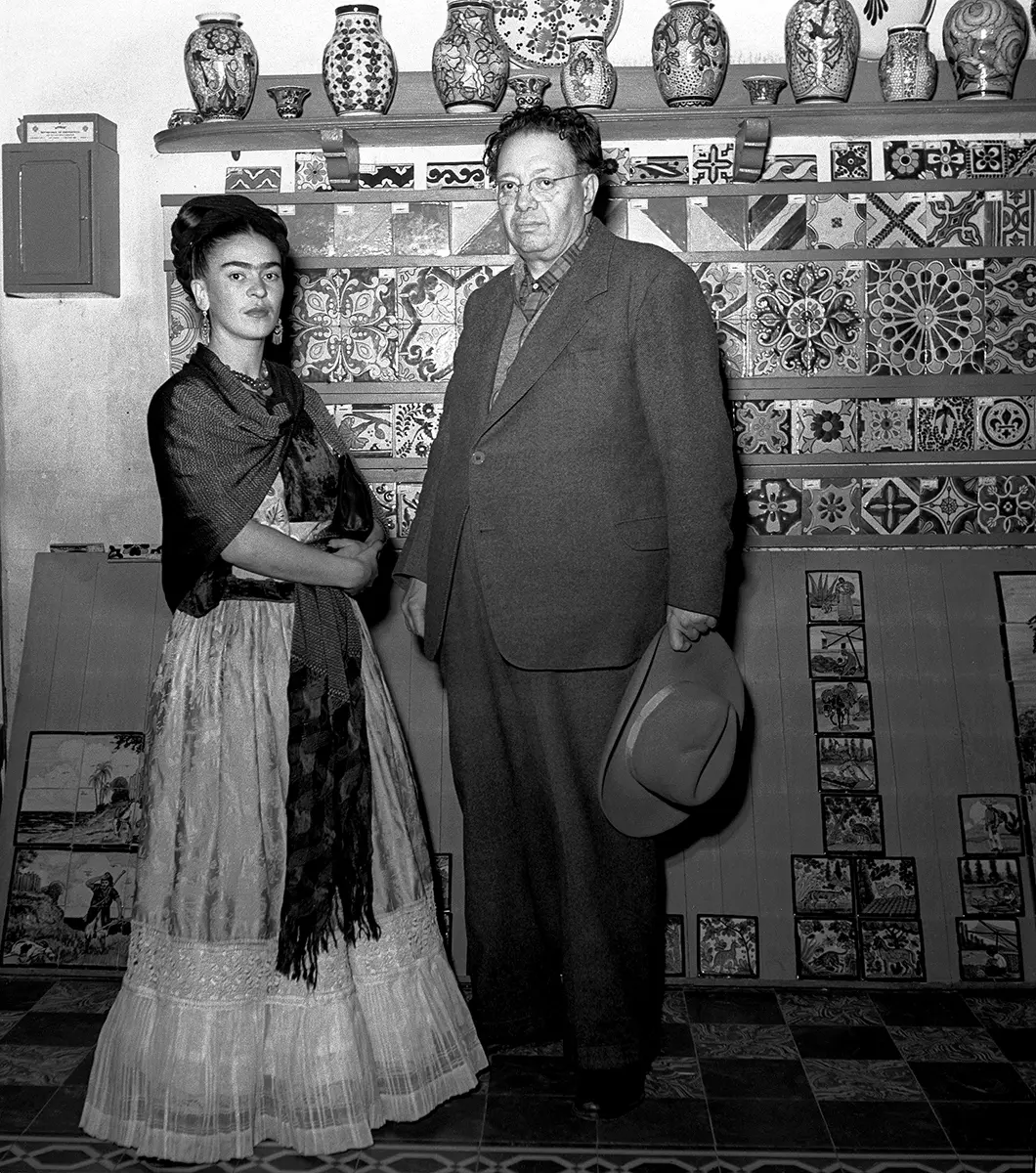
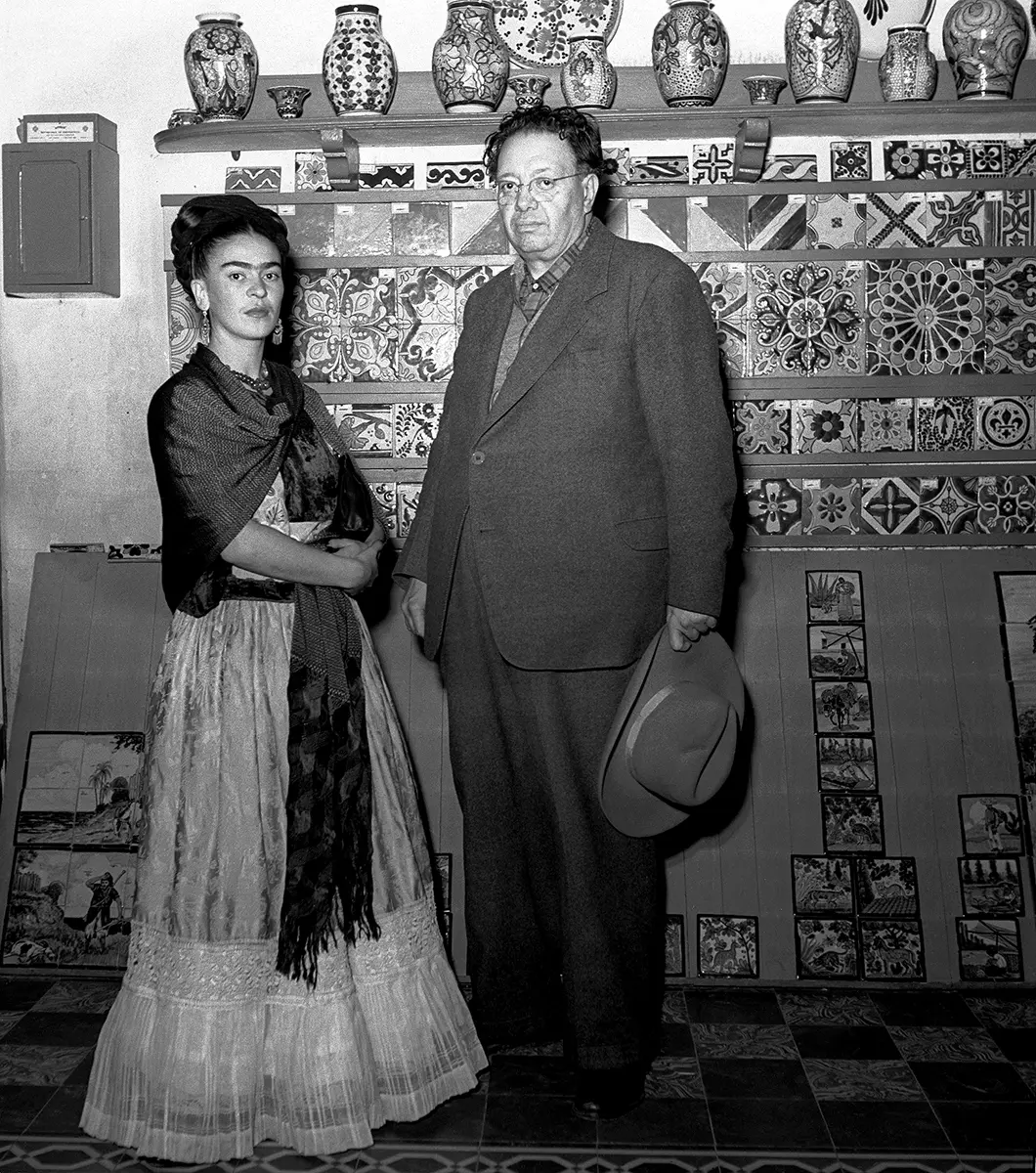
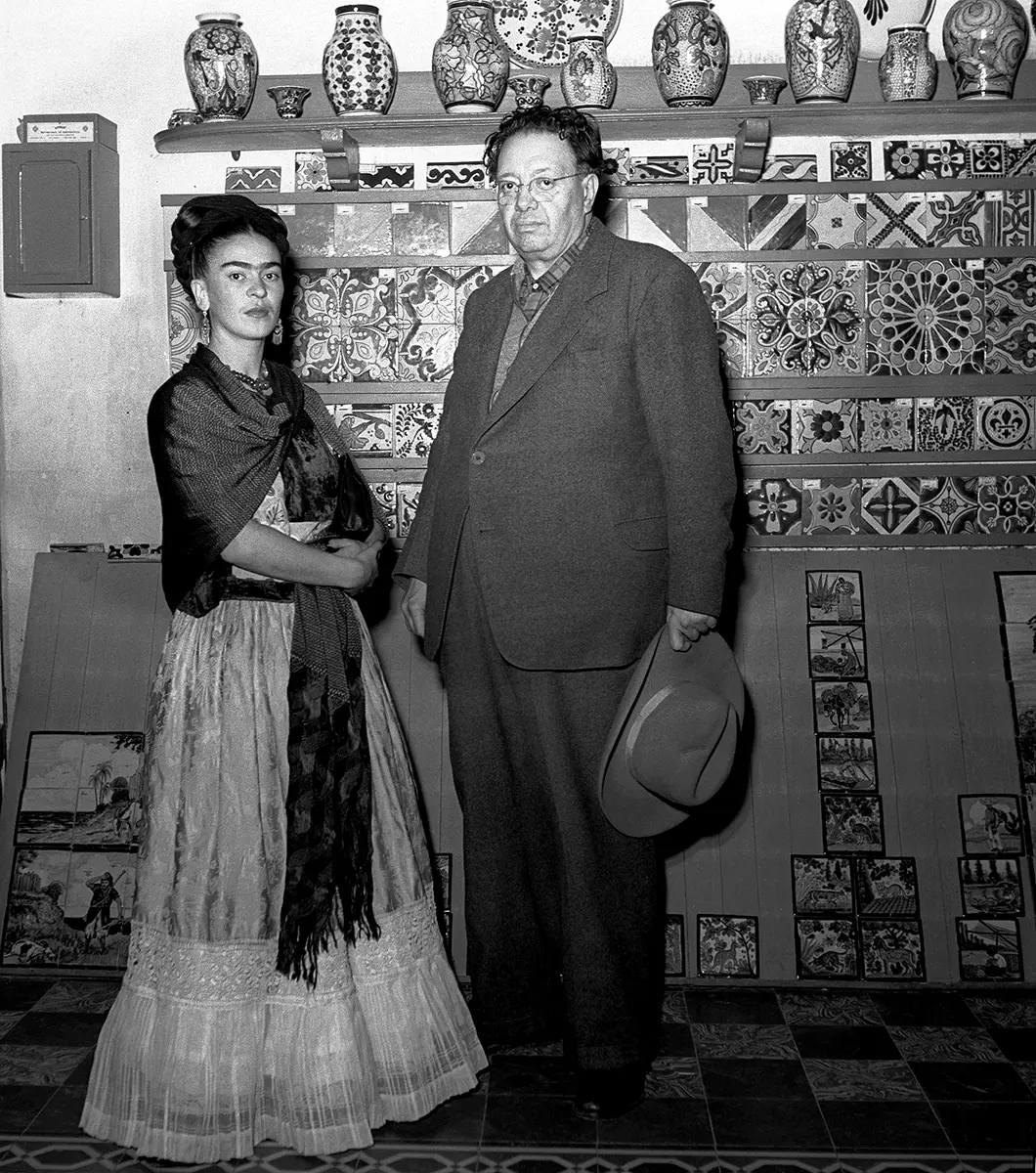
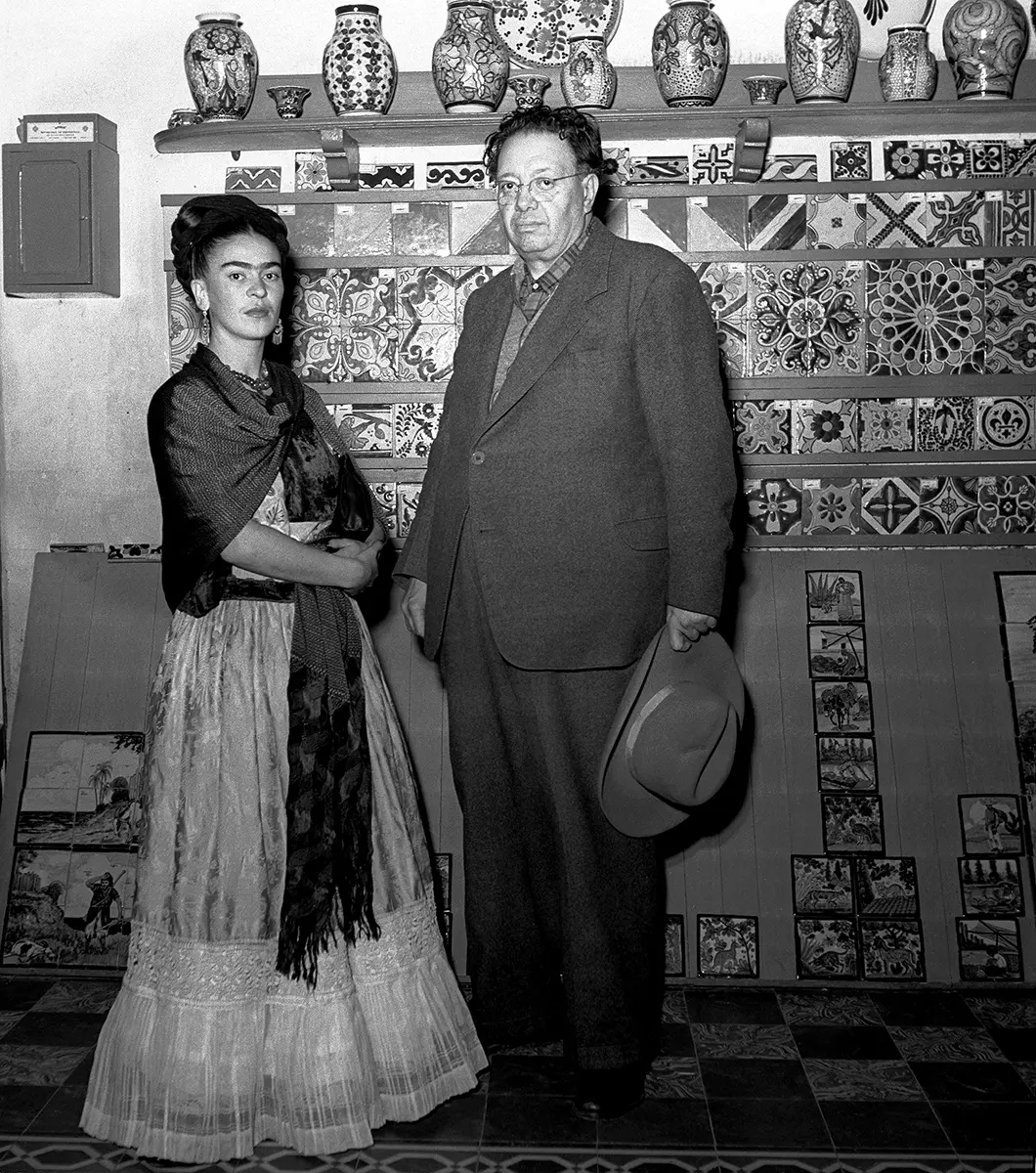
In Mexico, Matiz met and developed friendships with two great photographers, Gabriel Figueroa and Manuel Álvarez Bravo, among others. He quickly joined the roster of artists involved in what is known as the Golden Age of Mexican cinema and developed a fascination with the actress Maria Felix, of whom he did a series of splendid portraits. Enriching this body of work are a variety of images—some posed and others marked by a natural, quotidian simplicity—of someone who in time would also become an internationally recognized figure, the painter Frida Kahlo. She was married at the time to Diego Rivera, whom Matiz also photographed.
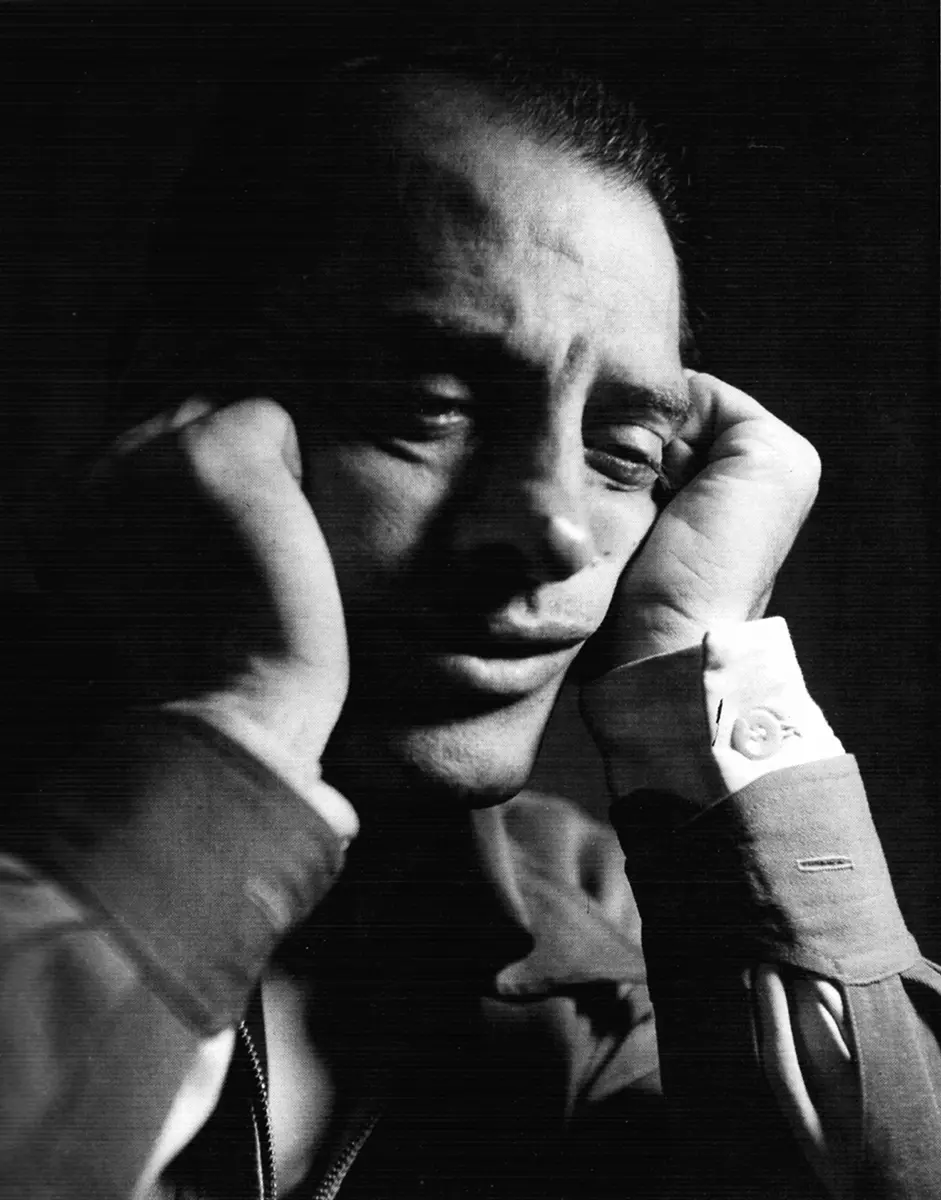
Matiz made artistic creations of remarkable psychological acuity that masterfully captured the likenesses and personalities of our most celebrated Latin American artists, writers, and statesmen.
One of them depicts the surrealist poet and filmmaker Luis Buñuel, whose award-winning and controversial Mexican film Los olvidados was set in the city’s proletarian neighborhoods and owes the drama of its images to the photojournalism of the time, even indirectly. In Matiz’s photograph, Buñuel unexpectedly distorts his facial features with both hands.
Matiz’s compositions are wide panoramas that vaguely recall Russian Constructivism in the configuration of objects. They seem composed almost diagonally, as in an unsettling image of cucumber fields, with rows of ditches on which the still waters glisten and, like mirrors, reflect the series of stakes arranged symmetrically by a group of back-lit, semi-naked peasants who have stopped in front the camera. In this strange landscape, perpendicular lines virtually connect with each other and recede toward a horizon lit by a sunset that, with chiaroscuro, seems to announce a storm.
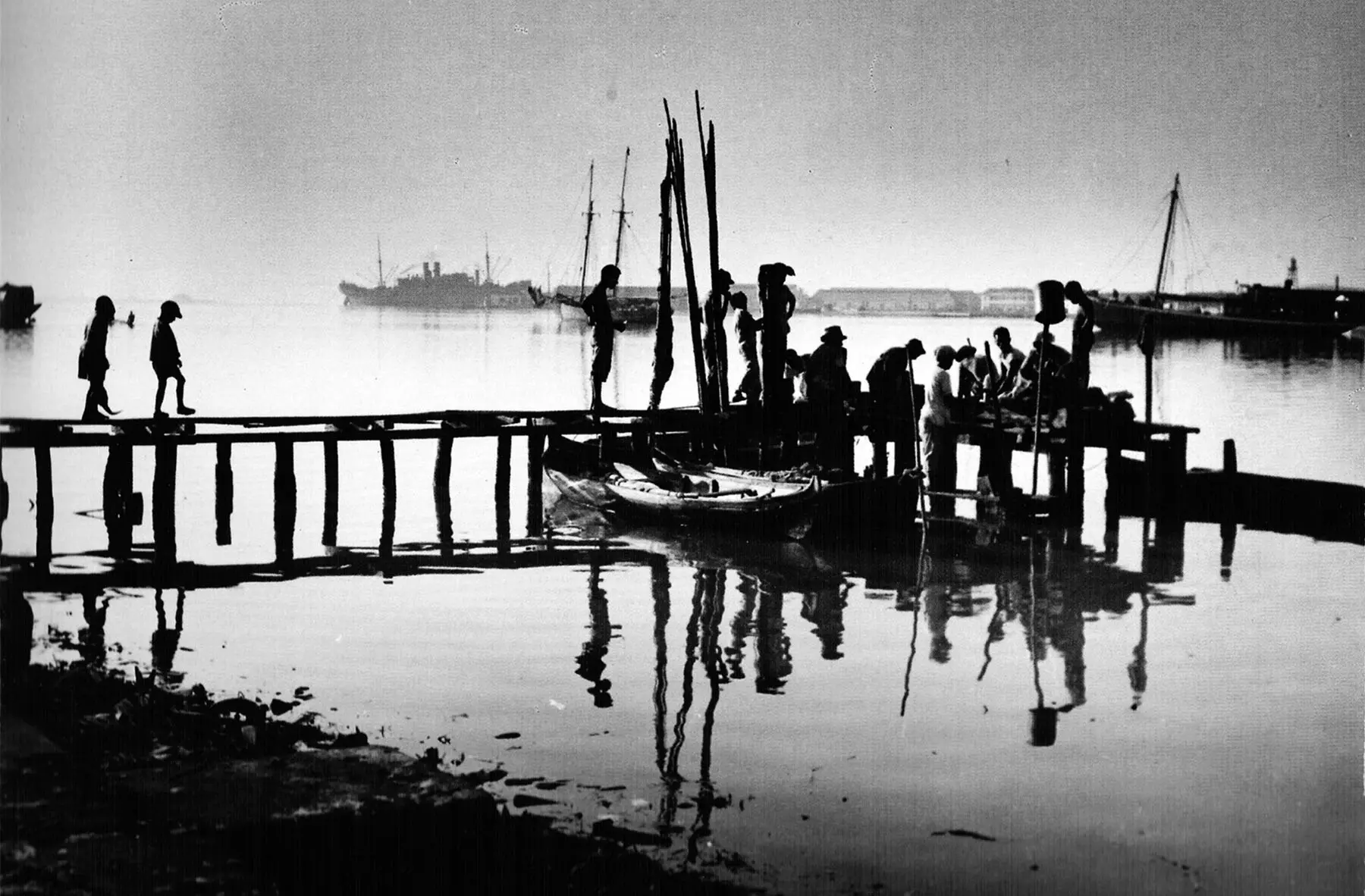
One of Leo Matiz’s most beautiful works also incorporates reflections of water—a seascape captured in Veracruz, where human figures traverse a narrow wooden pier. Captured up close, they display a rare ghostly appearance, a vision emphasized by a ship sailing in the distance where the seas and the sky come together and blur the border of the horizon. The image provokes a sensation reminiscent of Tse Chuang’s fluvial landscapes from classical Chinese painting.
LILY KASSNER
Art critic.