
It Was Fun, But Was It Bankable?
CIRCA 2006, the first international art fair to be held in Puerto Rico, has come and gone almost in an instant; it seemed to hit like a sudden tropical downpour.
When I lived in Miami, I watched a couple of art fairs—Arteaméricas and Art Miami—struggle to become established or simply to survive in the shadow of the unstoppable behemoth, Art Basel Miami Beach (ABMB). My experience of CIRCA was affecting in ways that neither of those smaller Miami events was. Perhaps it was because this fair was so fraught with anticipation, with the hopeful island art world awaiting the opening night, fretting like someone on a blind date, thinking, “All those visiting swells are coming here just to look at us.” It would be more accurate to say that, as it was in Miami during the lean years before the local scene got any traction at ABMB, the out-of-town art mob probably viewed the trip to San Juan mainly as a chance to work on their tans.
Nevertheless, the small cadre of organizers, with its odd mix of inexperience, business-minded gumption, and art-world acuity, put a lot into making CIRCA’s debut a commercial enterprise with a considerable aesthetic punch. In spite of some glaring organizational stumbles and the unforeseen, disastrous intrusion of the island’s latest political and economic crisis, it was an excellent and—for the jangueador with nothing to lose—a very fun show.
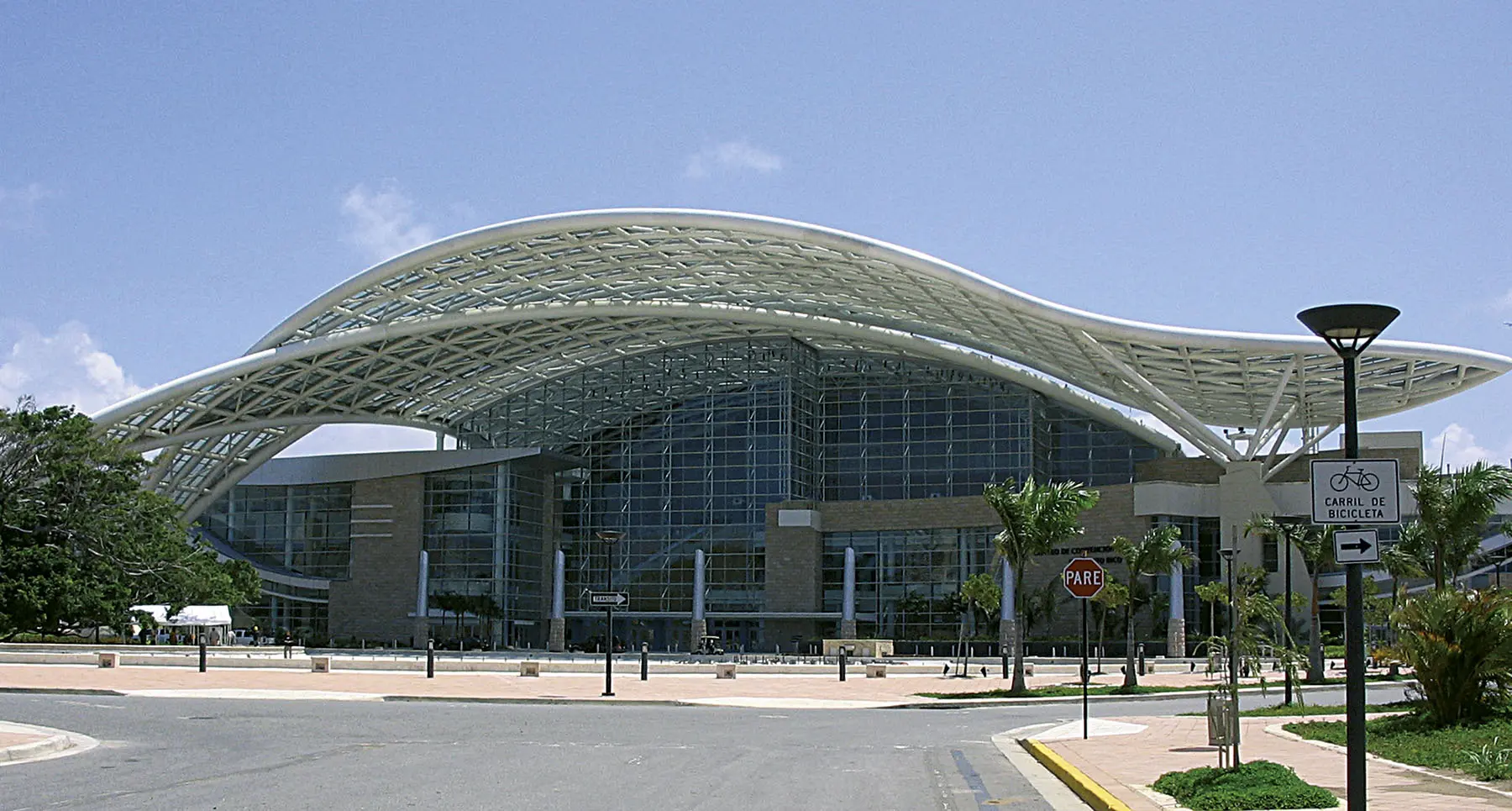
The difference between the smaller Miami fairs and CIRCA is that the Puerto Rican fair managed to integrate well-curated art projects, artist-run- and otherwise not-for-profit organizations, an imaginative selection of galleries, and spirited panel discussions and workshops—one of the best conservators in the business, the Museo de Arte de Ponce’s Angel “Archie” Santiago, gave a demonstration I’m sorry I missed. One of CIRCA’s accomplishments was to infuse the vast maw of the Convention Center with inviting, colorful sociability. The atmosphere was “edgy,” said a visiting artist friend, who is a pretty edgy guy himself. Every fair attempt to achieve this quality to some extent and CIRCA’s drive to be as artistically astute as possible may have cost it dearly in its financial ledger. But those who visited were considerably impressed.
The businessman Roberto José Nieves and the graphic designer Anabelle Lampón conceived the fair and last winter called on Elvis Fuentes, a San Juan-based critic and freelance curator, to help organize the event. They also invited Celina Nogueras Cuevas, a San Juan art administrator and teacher. No one had had much experience with fairs on the scale of CIRCA, although Fuentes had been a curator at last year’s Trienal Poligráfica de San Juan: Latinoamérica y el Caribe. The team hatched a plan-driven equally by commercial necessity and artistic ingenuity, and they pulled it together in less than six months.
The organizers’ labor resulted in the participation of more than thirty galleries, museums, and smaller institutions, mostly from Puerto Rico. A smattering of representatives from elsewhere included Edge Zones, Ninoska Huerta, Diana Lowenstein Fine Arts, Cernuda Arte, Hardcore Art Contemporary, Praxis International, and Bernice Steinbaum Gallery from Miami; Art in General, Magnan-Emrich Contemporary, and Exit Art from New York; Space Other from Boston; Aldo de Sousa from Argentina; Casa Riegner Gallery from Colombia; Art Nouveau and Spativm from Venezuela; Espacio Líquido from Spain; Gallery Schübbe from Germany; Latin Art Gallery from the Netherlands; and even a gallery from Australia called Greenaway Art Gallery. The vast majority of the invited galleries focus on contemporary art, and even those who do business in the secondary market, such as Miami’s Cernuda Arte, brought new work.
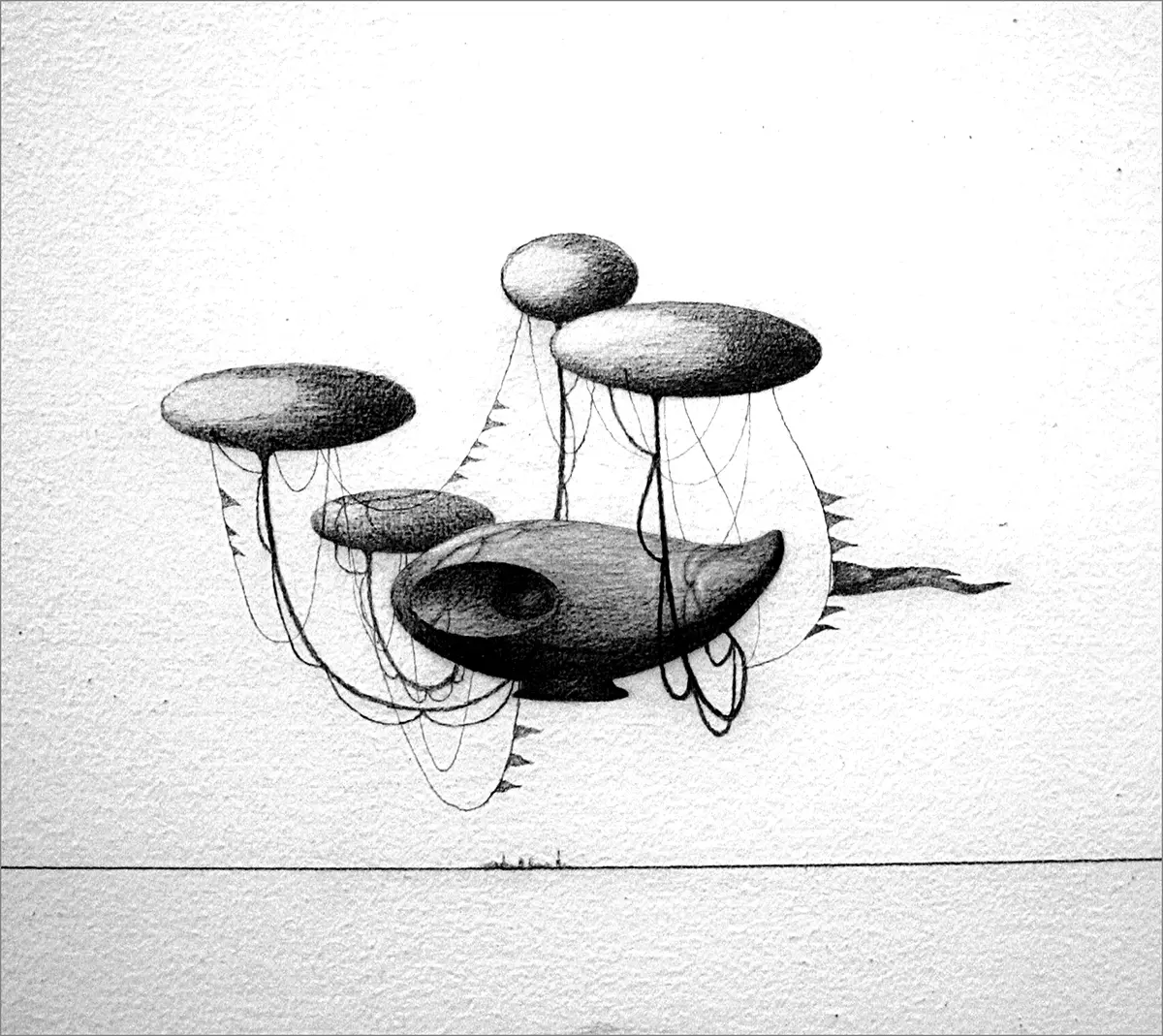
Some of the galleries came partly because one of their artists did an independent project. For example, Glexis Novoa, who is represented by Miami’s Bernice Steinbaum, built a small labyrinth of wallboard and house paint, in which he penciled his signature along tiny horizon lines populated with trussed, balloon-borne objects and figures and hazy islands in the far distance. Novoa was part of a section of artist’s projects called “10 x 10,” which included Andrés Serrano, Antonio Martorell, Charles Juhasz-Alvarado, and Nari Ward, among others. The organizers chose artists whose work they liked, but they also hoped to join each project with a deep-pocketed business sponsor—but this idea pretty much evaporated with the financial crisis, said Fuentes.
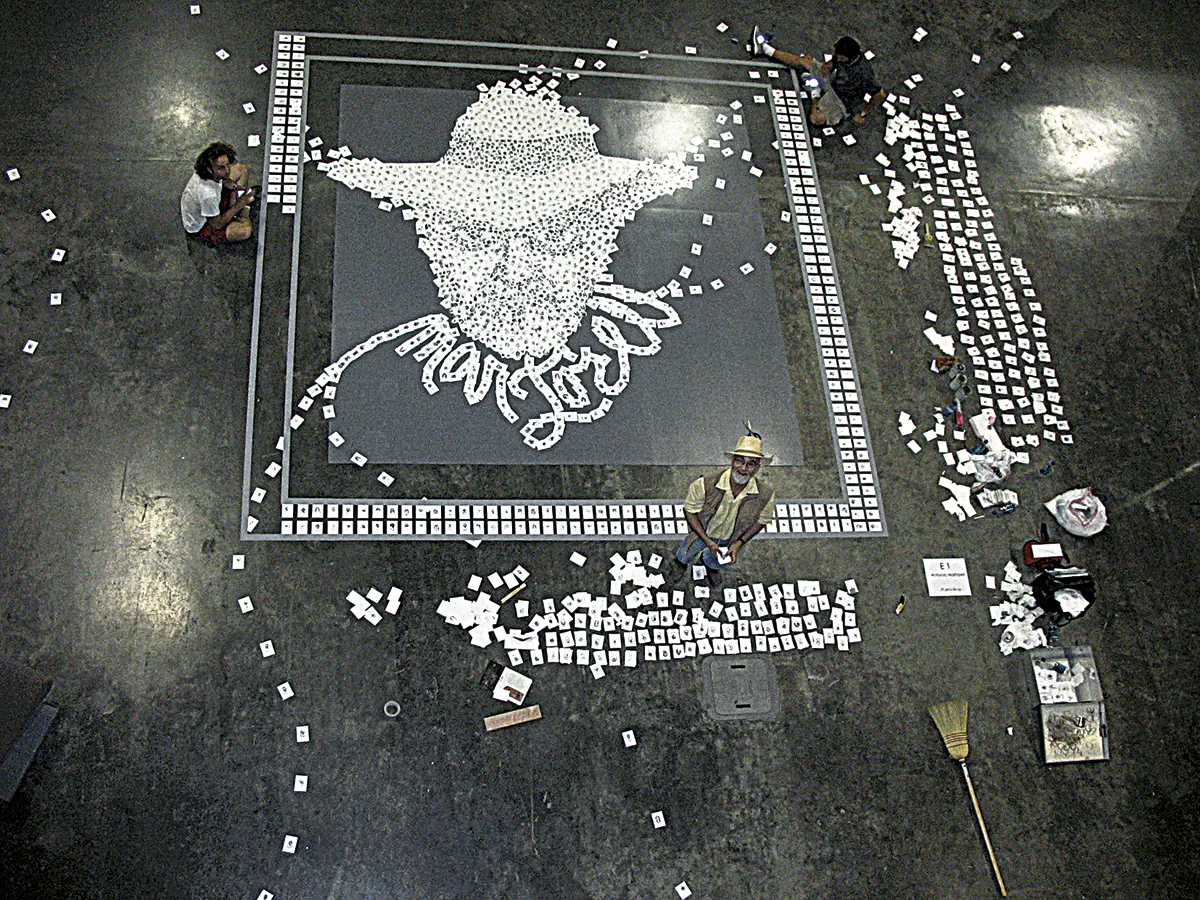
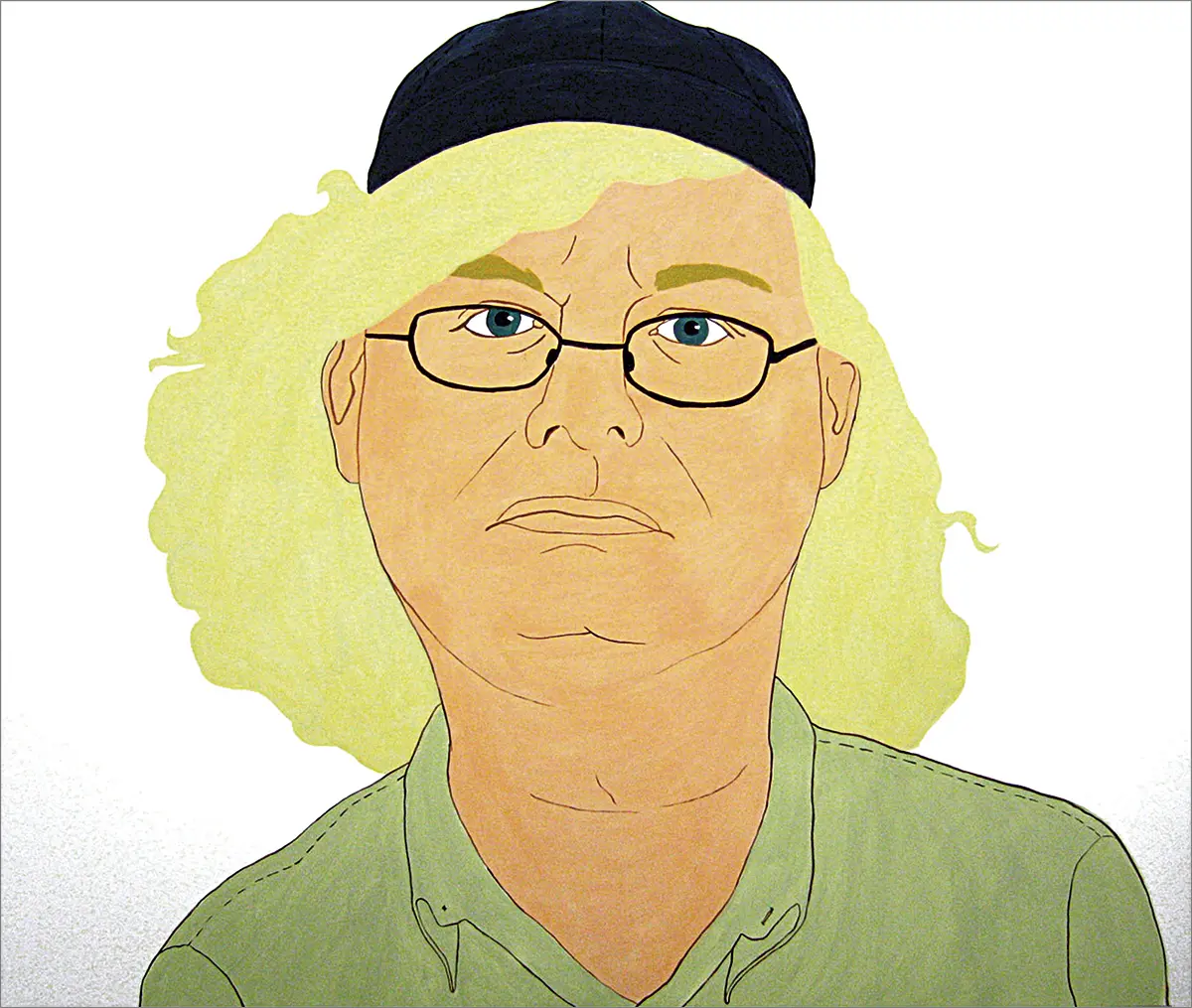
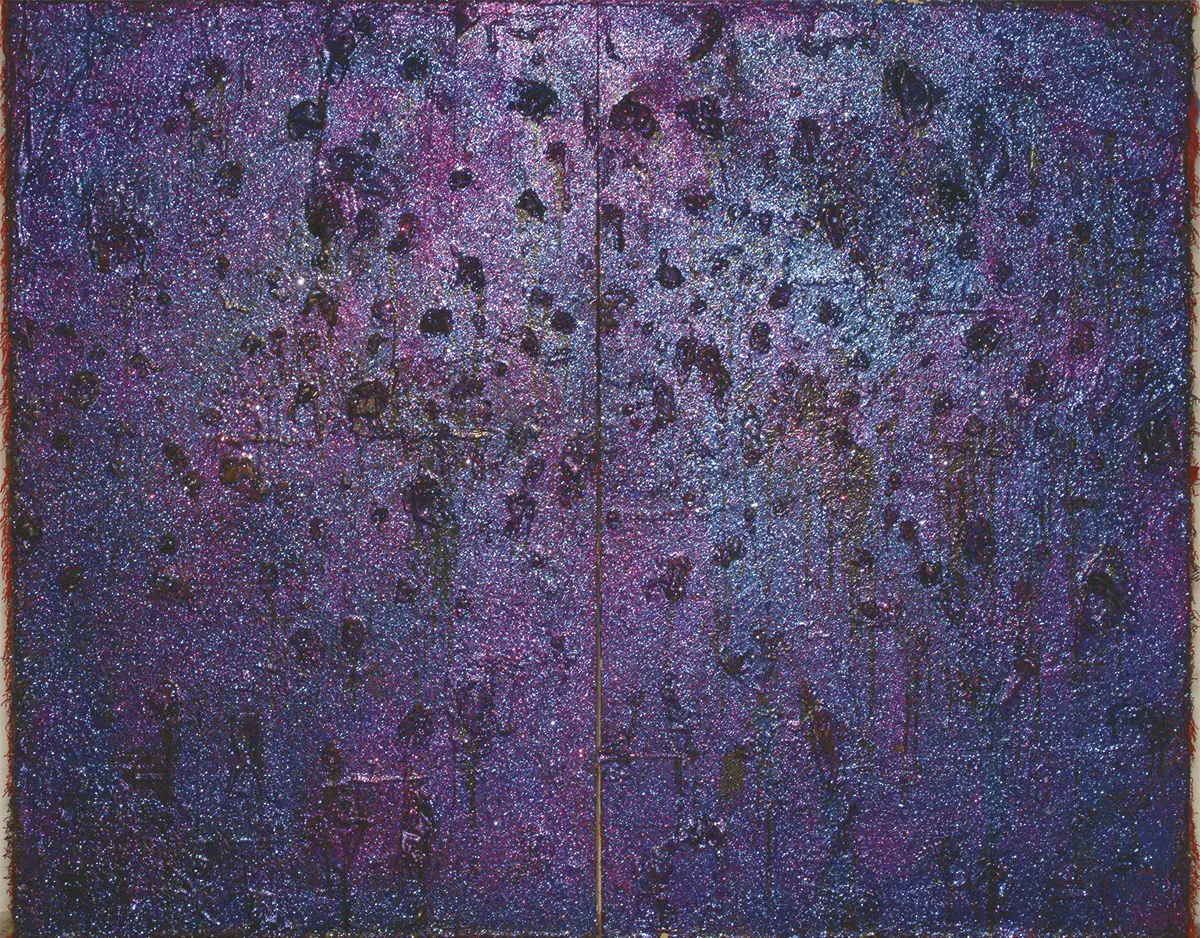
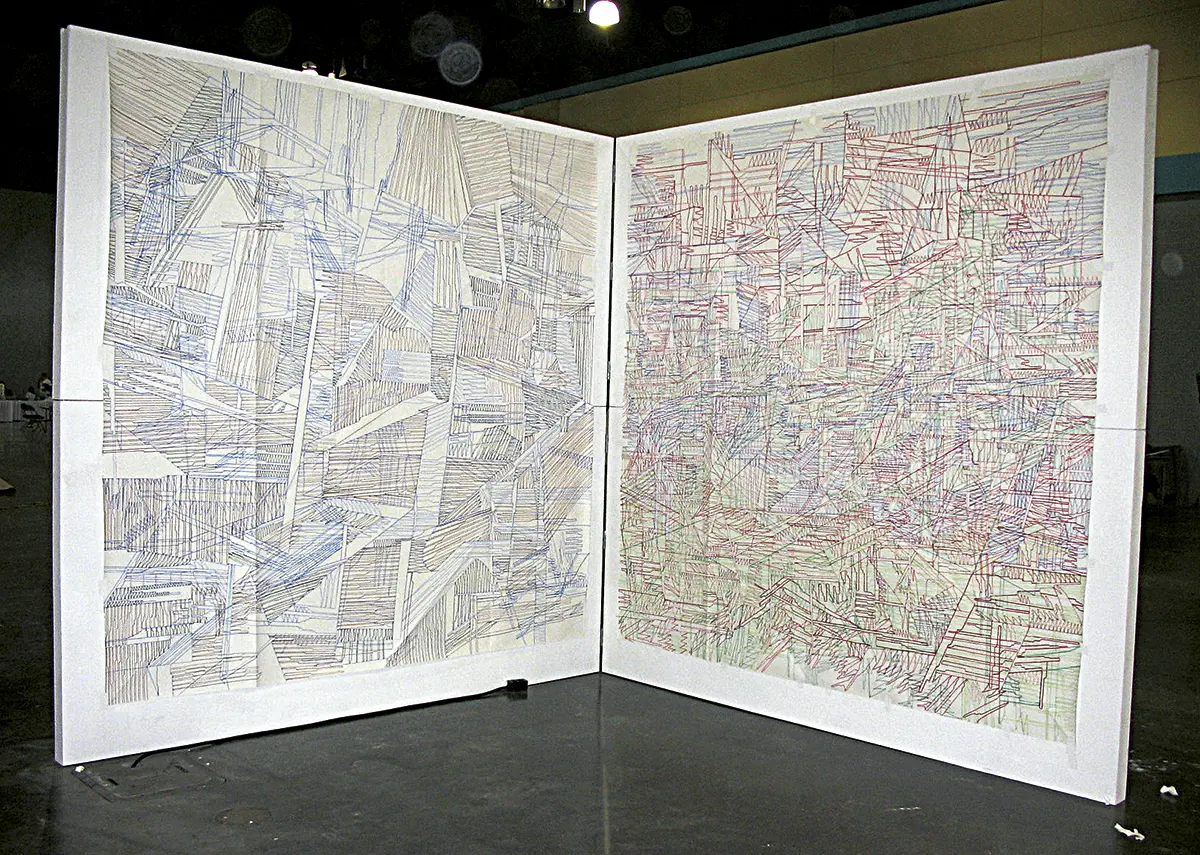
There were two other artist’s project sections, one organized by the Spanish freelance curator Paco Barragán called Estado(s) de anxiedad, which included among its five artist’s projects wall-size drawings by New York’s Rafael Vargas Suárez—who is represented by the gallery Punto Gris, run by Mariely López Bermúdez—and two hefty, glittery new paintings by Melvin Martínez. Also invited for a section called “Solo” were four artists with no gallery representation whatsoever, including Rabindranat Díaz Cardona, whose wall of painted portraits constituted a wry “who’s who” of the local contemporary scene. Included among the portraits were the collector John Belk, Galería Comercial’s driving force; Francisco “Tito” Rovira Rullán; the art writer Manuel Álvarez Lezama; and Puerto Rico’s musical god of the moment, René Pérez of Calle 13, better known as El Residente.
Two expansive local collections of contemporary works opened their doors for public visits during the fair. Diana and Manolo Berezdivin’s Espacio 1414 was available for viewing each night of the fair, and Alberto de la Cruz had a sumptuous reception at his home to show his collection, which included an earlier, multi-paneled painting by Melvin Martínez, with which visitors could compare the artist’s new work.
The fair was generous and clever enough to publicize the numerous openings at local galleries and offered bus rides to cultural points around the island, such as Museo de Arte de Ponce. A really energetic visitor could tour the public art on San Juan’s admirable light rail system, the Tren Urbano, and Sotheby’s María Bonta de la Pezuela gave a basic but rousing lecture at Museo de Arte de Puerto Rico on the workings of an auction house. She encouraged her listeners to stop by the Sotheby’s offices, and the already charmed audience ate it up.
Fuentes estimated that over five thousand people attended the fair’s four days. Compared to the tens of thousands that routinely crowd Art Basel in Switzerland, this is a paltry figure, but Fuentes observed that the crowds were steady, in a good mood, and buying art. I saw one local collector whip out his checkbook, and a highly informal survey suggests that sales were brisk in a few cases and better than anticipated in most others. San Juan’s Walter Otero, who represents the suddenly very marketable Martínez, was almost rapturous about his experience, having sold everything he brought to the fair. The German Gallery Schübbe sold its whole inventory on the opening night. Bernice Steinbaum was less enthusiastic. Her sales were moderate, although she said she enjoyed meeting people and made important contacts. She also ended up donating one of the works she was showing, a Karen Rifas string-and-leaf sculpture, to Museo de Arte de Ponce. Steinbaum is reserving judgment about returning next year.
Certainly, there were nightmares behind the scenes. Customs held visiting galleries’ artworks until two hours before the fair was scheduled to open, and I heard many bitter complaints about such things as the lighting and the unsightly walls used to partition the booths. Fuentes blamed the island’s economic situation for CIRCA’s most serious problems, including the customs snafu. Many sponsors backed out as the crisis deepened, forcing the organizers to cut back on their most ambitious plans, like publishing daily bulletins that would be underwritten by the bureau of tourism. The island’s leading newspaper, El Nuevo Día, canceled plans for a special supplement when it could not sell enough ads, although the paper was lavish with uncritical coverage of the fair in its editorial pages.
But once the public streamed into the Convention Center and bargaining, schmoozing, and simple curiosity filled the air, everyone’s vexation seemed to evaporate. As a marketplace and an exposition, CIRCA 2006 succeeded to a degree few expected. There was not a heavy media presence, but those who came, like Celia Sredni de Birbragher from this magazine and Ben Davis of artnet.com, liked what they saw, and Davis has written admiringly and at length about the fair. The art critic and writer Carlos Jiménez also attended the fair as the correspondent from Babelia, the cultural supplement of the Madrid newspaper El País.
But now that the shimmering future seems within our grasp, what exactly does it mean? Puerto Rico may be just finding this out, but the art world has been drifting into the realm of big-bucks competition and spectacle for some time, and art fairs like CIRCA epitomize this trend. Those of us who once thought we had something important to say—writers, curators, cultural observers, and even artists—now find ourselves being invited to the table for other reasons. We are more like amusing dinner guests, and I suspect we’re there to entertain.
JOEL WEINSTEIN
He writes about art for National and International magazines. Lives and works in Miami.