
The fact that art fairs are controversial events has not lessened the degree of interest they arouse among the public and the specialists; they combine aesthetics and the market, taste, and value, the recognized and the emerging. Galleries, collectors, critics, and artists—each with their criteria and expectations—gather in an arena where material and symbolic transactions are carried out. It is not only a matter of supply and demand but also a whole way of relating and sharing in the midst of what some define as “the art world.”
Fifteen years after its creation, the Caracas Iberoamerican Art Fair (FIA) presented its most recent edition in the Tamanaco InterContinental Hotel from July 5 through 10, 2006. Fifteen years of persistent activity has been devoted to the diffusion of national and Ibero-American gallery activity and negotiating restricted resources and spaces with flexibility, all based on strategic alliances with private institutions, sponsors, and independent organizations. It is a commendable trajectory, especially when one takes into account the present market’s instability and the complex changes within the Venezuelan cultural scene. Kudos to Magdalena Arria, Zoraida Febres de Irazábal, Ana Josefina Vicentini Castillo, and Nicomedes Febres Luces, as well as the team around them, for the feat of leading the event into its fifteenth year at a moment when regional fairs have reached great prominence.

With thirty-four participating galleries, including fifteen international ones, the fifteenth Iberoamerican Art Fair offered a slight increase in the number of its exhibitors as compared to previous years. Galleries from Argentina (Aldo de Sousa, Artime Gallery, Praxis Arte Internacional), Colombia (El MUseo, Luis Pérez Galería, Sextante), Spain (Galería de Arte de La Riba, Joan Guaita Art, Kreisler Galería de Arte), the U.S. (Arévalo Arte, Henrique Faría Fine Art, Projects Gallery), Mexico (KBK Arte Contemporáneo, Praxis Mexico), Peru (Forum), and Venezuela (Altamira, Art Nouveau, Arte Ascaso, Arte Clave/Debbie Frydman, Artepuy, Centro de Arte San Francisco, D´Museo, Díaz Manzini, Dimaca, Galería 39, Graphic Art, Ibarra, Juan Ruiz Galería, Medicci, Okyo, Sala Mendoza, Spativm, Templarios), presented a range of proposals where the most experienced artists coexisted with those just beginning to establish their presence in these events, allowing local visitors and experts to interact with their foreign counterparts. The panorama was enriched by the institutional spaces exhibiting this year: the Cisneros Foundation, with an installation by the Colombian artist Danilo Dueñas, and the Mercantil Collection with works by the Venezuelan ceramist, Cristina Merchán.
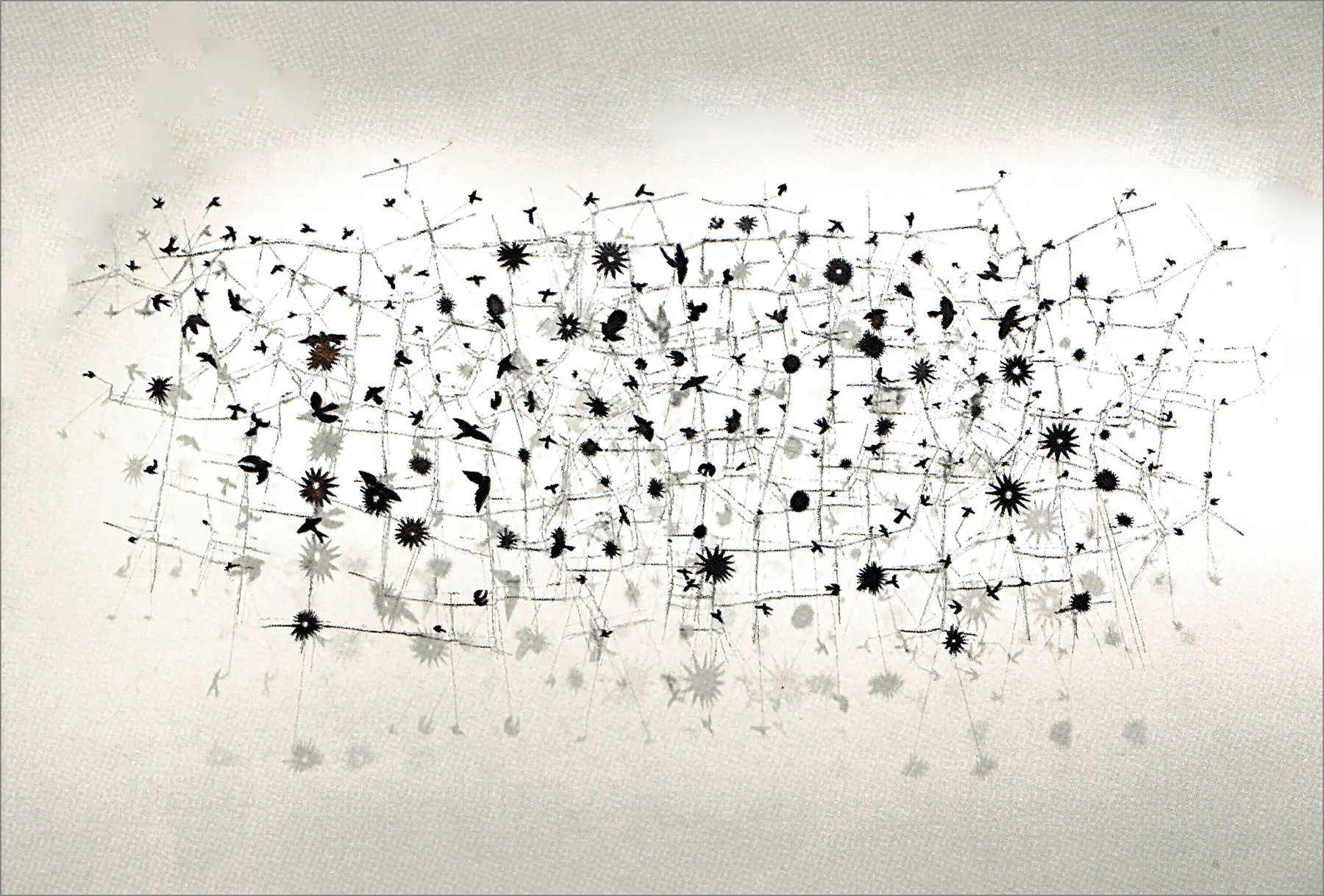
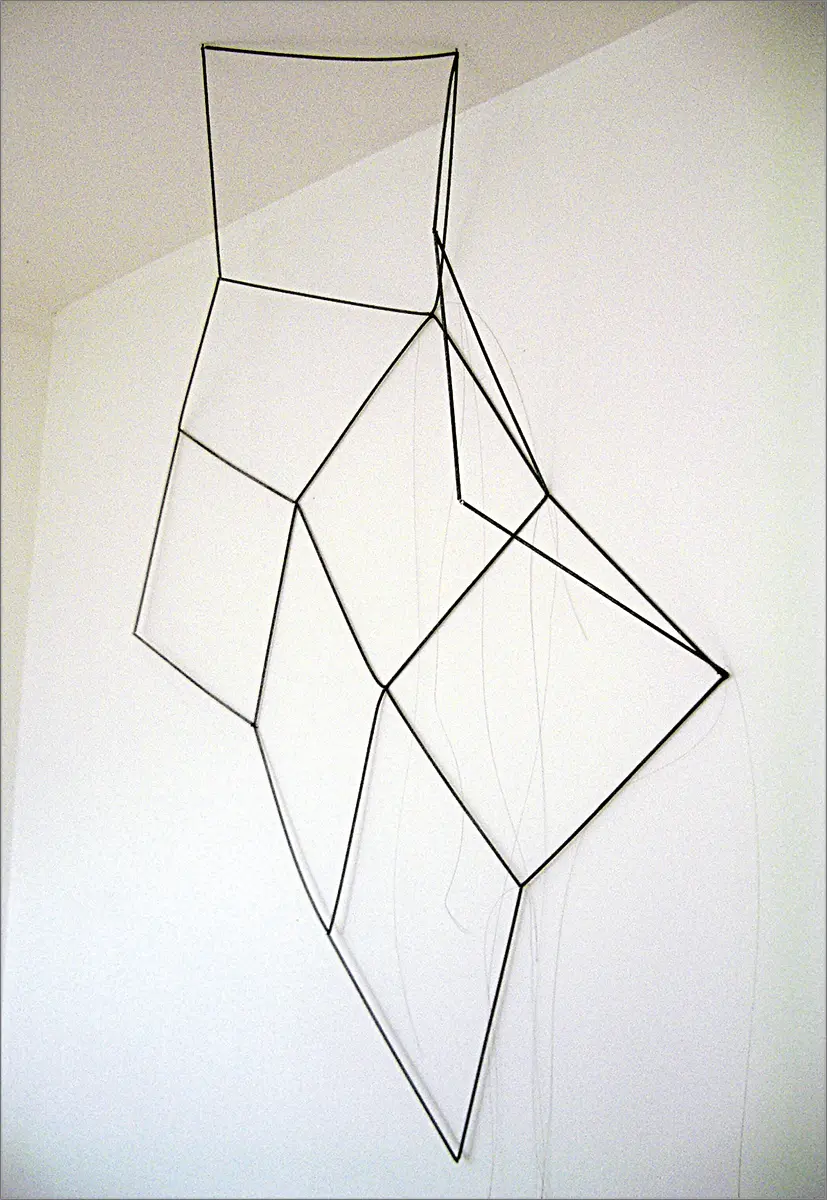
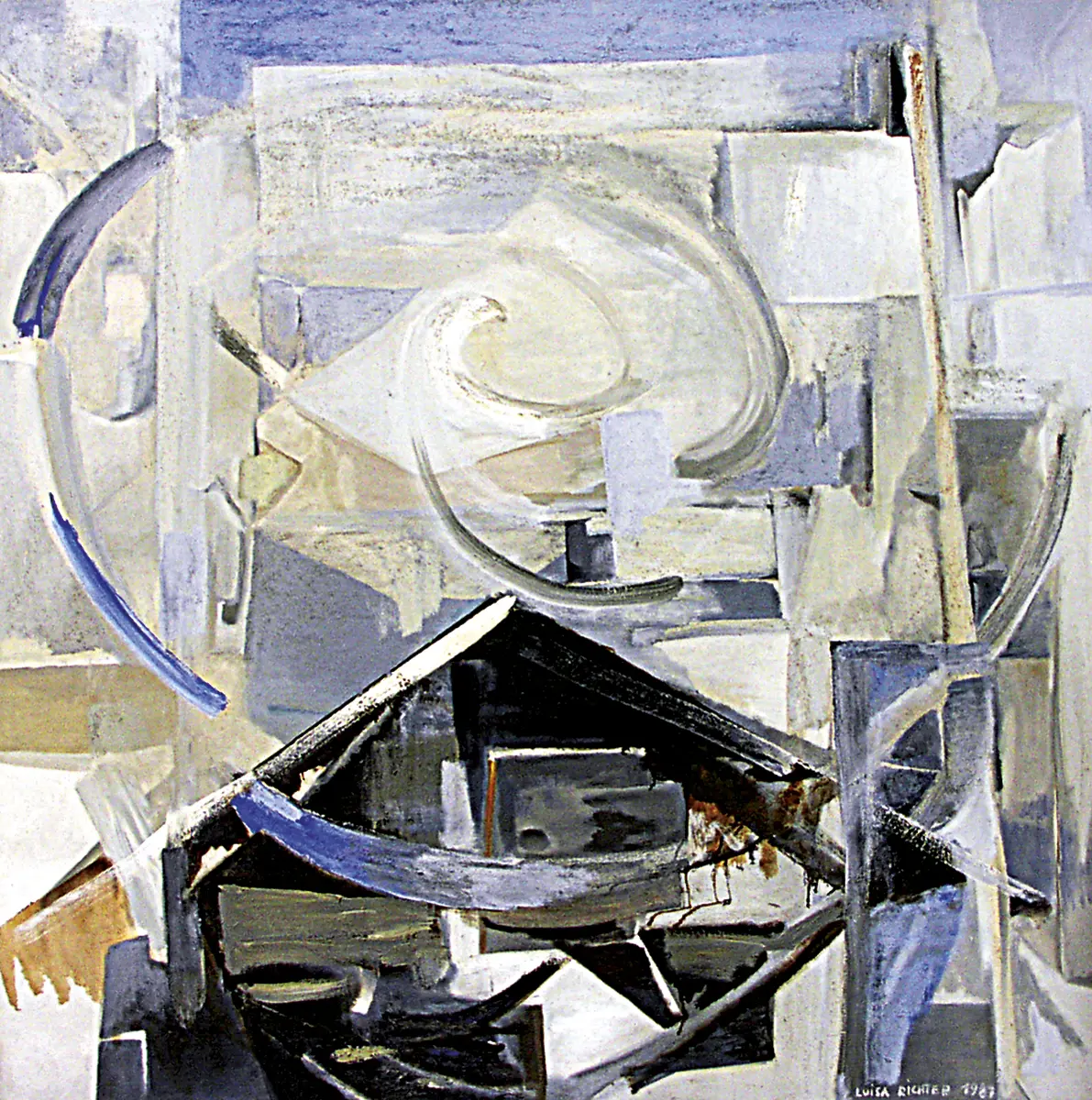
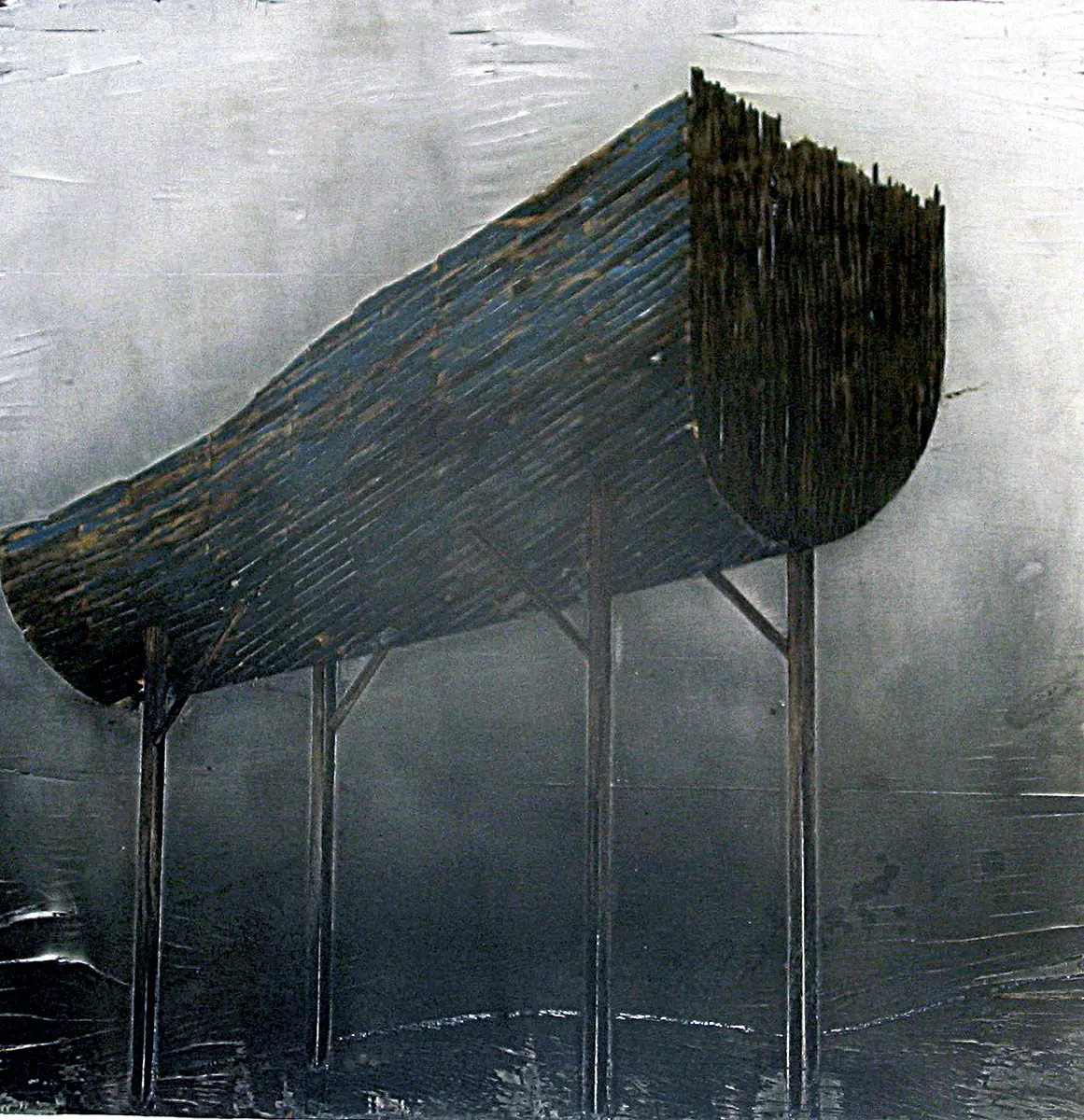
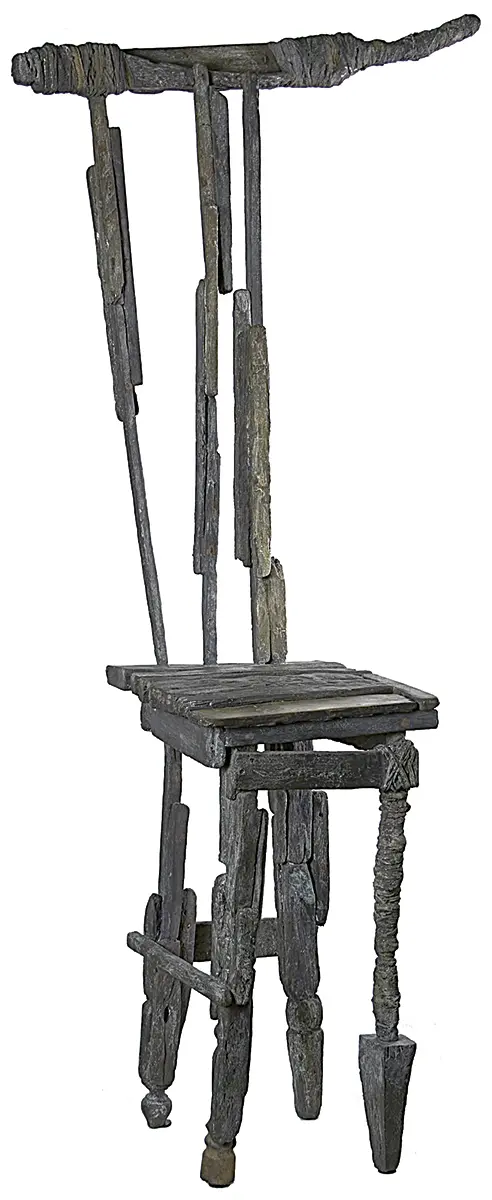
The roster of exhibiting artists was headed by Colombia’s Danilo Dueñas (born 1956, Cali, Colombia) and Venezuela’s Luisa Richter (born 1928, Besigheim, Germany), who were the featured guests. Dueñas, with his characteristic ingenuity, presented a series of structures built of recycled fragments that cleanly articulated an ironic approach between the precarious materials and intellectual sophistication. Richter exhibited a selection from her energetic pictorial oeuvre, which is anchored on rough gestures that expressively and intelligently convey portraits and abstractions.

Once immersed in the fair proper, some surprises were found, and many of them related to the most select of the continent’s artistic tradition. The evidence of this tradition was a panorama, ranging from the earliest constructive stirrings of the Escuela del Sur to León Ferrari’s calligraphic drawings seen at Arte Clave/ Debbie Frydman (Venezuela), and including Ennio Iommi’s Madi sculptures exhibited at Galería Aldo de Sousa (Argentina). Galería San Francisco of Venezuela presented some of the most distinguished works of the local movement from the first half of the twentieth century, including Boceto para mural (1953) by Héctor Poleo, Naturaleza muerta (1955) by Marcos Castillo, and Paisaje de Caracas (1946) by Rafael Monasterios. Equally significant was the presence of works by three artists linked to the geometric and kinetic traditions—Eduardo Ramírez Villamizar (El Museo and Luis Pérez Galería, Colombia), Jesús Soto at Galería D´ Museo and Díaz Mancini (Venezuela), and Carlos Cruz-Diez at Graphic Art (Venezuela). Among the masters of informalism, the highlight was Fernando de Szyszlo, shown at Forum (Peru), while in figuration the dominant presence was Fernando Botero, exhibited by Galería El Museo (Colombia).
This year, new or ascending figures active in the national scene garnered privileged attention from participating galleries. One of the most coherent selections of works was presented by Galería 39, which represents artists that explore a renewed encounter with constructive art from a more sensorial point of view, such as Oscar Machado, Joel Cacique, and Carola Bravo. Meanwhile, Arte Puy supports artists like José Vivenes and Jonidel Mendoza, whose assembled works are provisionally situated within an objectual perspective. Sala Mendoza exhibited a varied series of proposals, with highlights being Daniel Medina’s structures, Emilia Azcárate’s canvases, and Maggy Navarro’s and Luis Molina-Pantin’s photographs. Henrique Faría Fine Art included works by Ramsés Larzábal, who takes advantage of playful constructive elements, and Alejandro Balteo, whose work posits a conceptual revision of the modern tradition. This gallery changed the installation of its featured works several times.
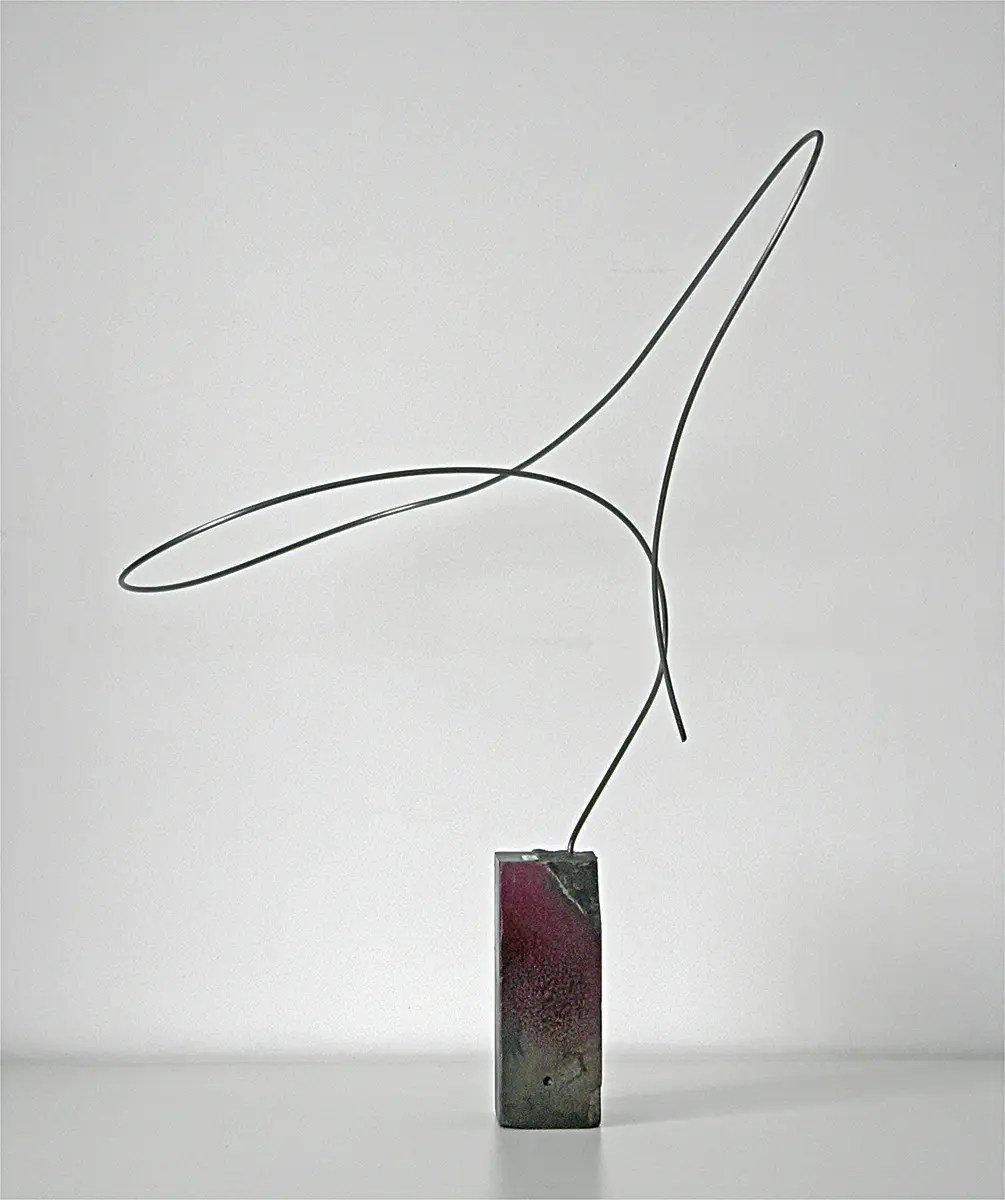
This fifteenth edition of FIA also bore witness to the development and refinement reached by a number of artists like Darío Escobar and Patrick Hamilton, who are both represented by Mexico’s KBK Arte Contemporáneo and who expressed a measured evolution toward new areas of their respective investigations. Supported over time for the plastic virtues of their work, Gabriela Morawetz, Kcho (Alexis Leiva), and Agustin Bejarano was shown by Galería Spativm. At Alternativa Elvira Neri Galería de Arte, it was possible to observe recent work by Carlos Poveda, Ani Villanueva, and Vicente Antonorsi, three artists with proposals of great material richness in different visual languages. Juan Ruiz Galería had highlight works by Kcho and the photographer Patricio Reig.
As mentioned earlier, a fair is not only a question of the market but of sustaining a space of visibility for local artists and the galleries that represent them. The rest depends or has depended, on the will to take risks and the persistence of all involved, including the public. This year, FIA reaffirmed its reputation for inclusiveness and projected itself into other spaces in the city, such as Trasnocho Cultural, the Corp Group Foundation, and the Centro Comercial Tolón. Both at the main site and at the satellites, one perceived the fair’s intention to connect cultural experience and urban environment, particularly in locations reserved for functions that are not specifically art-related. The emphasis on the public was evident in the hallways leading to the exhibition area in the Tamanaco InterContinental, which displayed an intervention project on the Alfredo Sadel de las Mercedes Square conceived by the architect Jimmy Alcock and the sculptor Magdalena Fernandez.
The IX Salon CANTV Jóvenes con FIA, curated this year by Guillermo Barrios, proposed a counterpoint between the works of seven award-winners from 1998 and 2005 and a selection of twenty-eight contemporary artists, as well as two guests, for a total of thirty-seven participants. It was a broader artistic universe than the one presented in the previous Salon but one just as balanced. Impeccably executed structures, videos, and objects dominated the show. The standouts were Elías Crespín’s suspended mobile assemblage, Claudia Bueno’s light installation, and Eduardo Gil’s objects with the brand “bolivarianos.” Also notable was the presence of the performative element, seen in the video works of Marcos Mujica and Federico Ovalles Ar, an award-winner, as well as Lucía Pisani’s photographic series.
At the Trasnocho Cultural, twelve three-dimensional proposals curated by Alberto Asprino defied the complex, unpredictable structure that normally brings together film, theater, visual arts, publishing, and dining. The challenge for the third Parque de Exposiciones FIA Trasnocho was to control the site’s scale and functional singularity, and the best solution was not found in all cases, despite the boldness of the artists. Nevertheless, Isabel Cisneros’s installation with polyethylene sheets, Enrique Moreno’s electro-mechanic work, and José Vivenes’s assemblage was noteworthy.
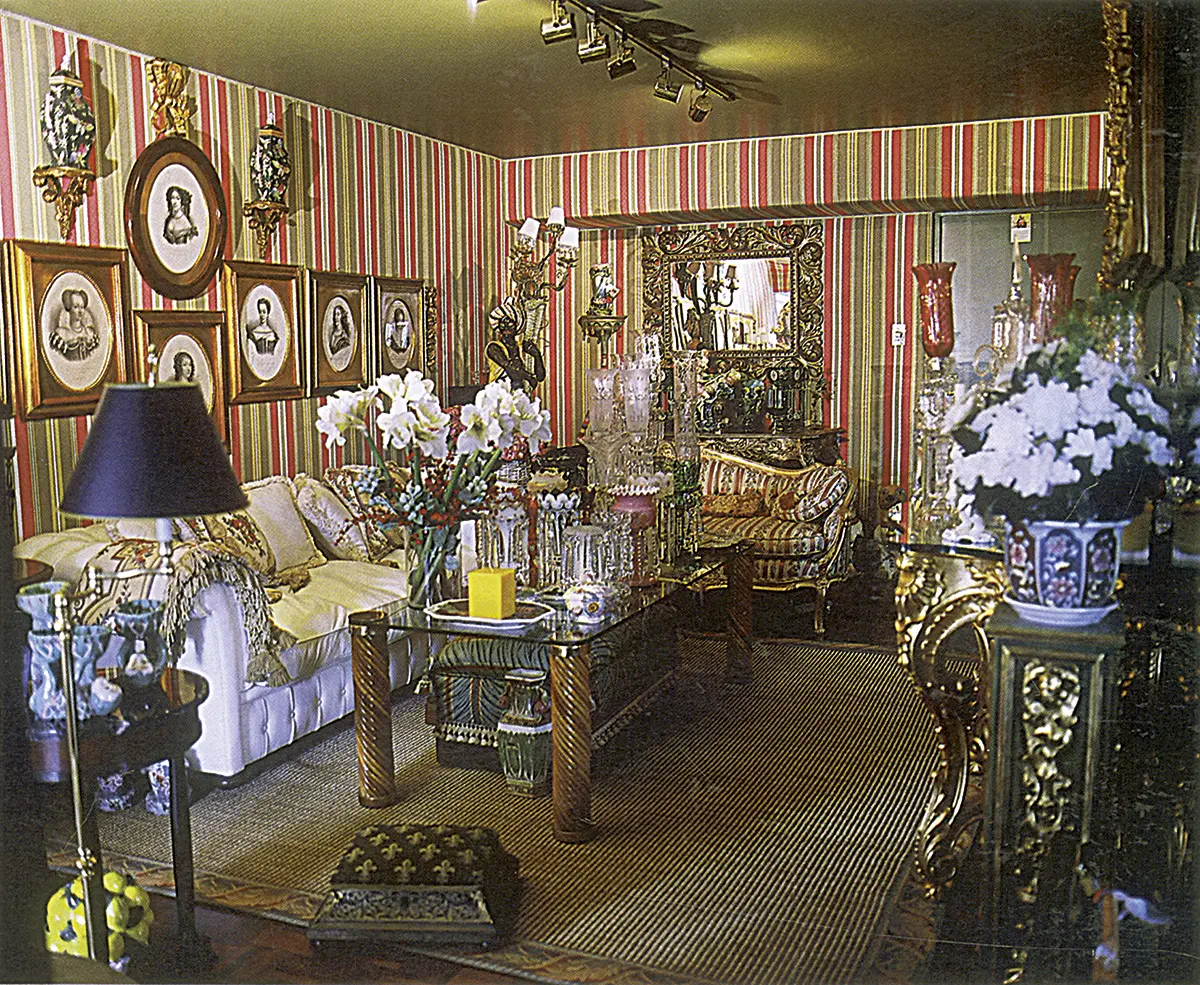
Organización Nelson Garrido (ONG), an alternative space located in Los Rosales and identified in the Friends of the Fair section, presented a show devoted to the photographic image under the irreverent title of Hoy no se FIA, mañana sí. Lively and spontaneous, yet still rigorous, this exhibition brought together fifteen heavily experimental proposals that combined the most disquieting impulses of subjectivity and questioned some collective representational models.
Also significant was the effort by the organizing team and Fundación Mercantil to support the cycle of lectures and forums, La autonomía reformulada. Coordinated by Jesús Fuenmayor and Gerardo Sabarse, this series featured the presence of curators, researchers, and artists like Kevin Power and Carlota Álvarez-Basso from Spain, Ticio Escobar from Paraguay, Inés Katzenstein and Marcela Römer from Argentina, Philippe Pirotte from Switzerland, Danilo Dueñas from Colombia, and Carmen Hernández, Sandra Pinardi, José Antonio Navarrete, and Juan Carlos Rodríguez from Venezuela. The debate that took place about autonomy in art touched on aspects related to the emergence of alternative projects, the relative independence of art, the impact of globalization, management mechanisms, and the role of curatorial mediations.
The fair’s space, the parallel shows, and the debate sessions created a fair that, once strengthened, will expand. This implies even greater efforts and also a critical perspective that might lead to logistical refinement and, above all, to the fulfillment of the programmatic requirements set by this important event. Demand is ever stronger and more knowledgeable, and the organizers should consider building a larger exhibition site, devoted exclusively to the Iberoamerican Art Fair. Here, then, is a new goal for the next fifteen years.
FÉLIX SUAZO
Research scholar and Venezuelan art curator.