

The Latin American sales reached new heights this season. Sotheby’s was the leader with a grand total of $23,001,200, the highest total ever for a Latin American auction, surpassing the prior record by several million dollars. Christie’s total was also impressive at $16,327,520.
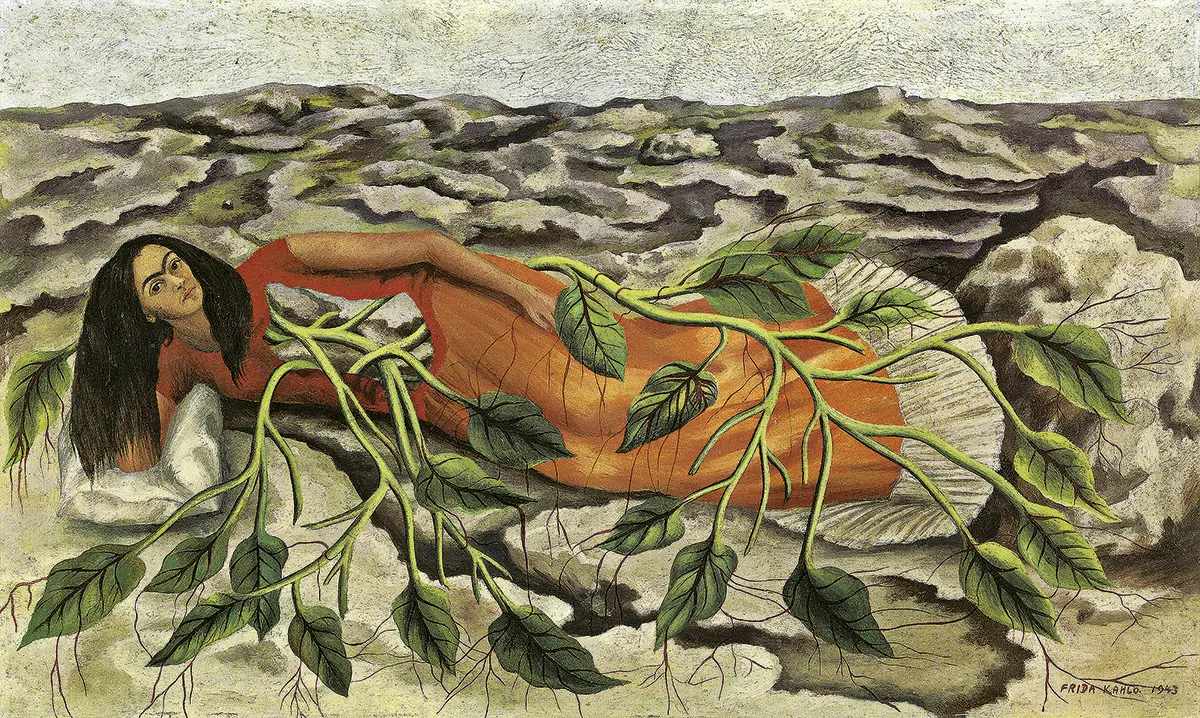
The fact that these results were obtained when the sales were not extraordinary is even more impressive. The selection of paintings was basically what has been seen in past seasons. The only visible exception was that Sotheby’s offered a self-portrait by Frida Kahlo, Roots, which appeared on the cover of the catalog and had an estimate of $5,000,000–7,000,000 and realized a total of $5,616,000. This was a record not only for the artist but also for any Latin American work sold at auction. The painting was exhibited at Sotheby’s premises in London during the Contemporary sales and again in New York as part of the season highlights during both the Impressionist and Modern weeks, which may have helped to attract a collector that was willing to break the past record. The last record for Kahlo dated from 2000: at Sotheby’s, her 1929 Self Portrait sold for $5,065,750. At the time, that figure bought a lot more painting (77.5 x 61 cm) than now (30 x 50.3 cm). But one can argue that Roots is a historically important painting that has an extensive exhibition history and was most recently included at the great Frida Kahlo retrospective that took place last year at the Tate Gallery in London.
Virgilio Garza, head of Christie’s Latin American department stated the percentages of purchasers as 40% American, 26% Latin American, 4% European, 2% Asian, and 28% described as “other,” which indicates that the strong participation from outside the traditional parameters of Latin America has been the primary factor in the higher totals and overall higher prices of the sales.
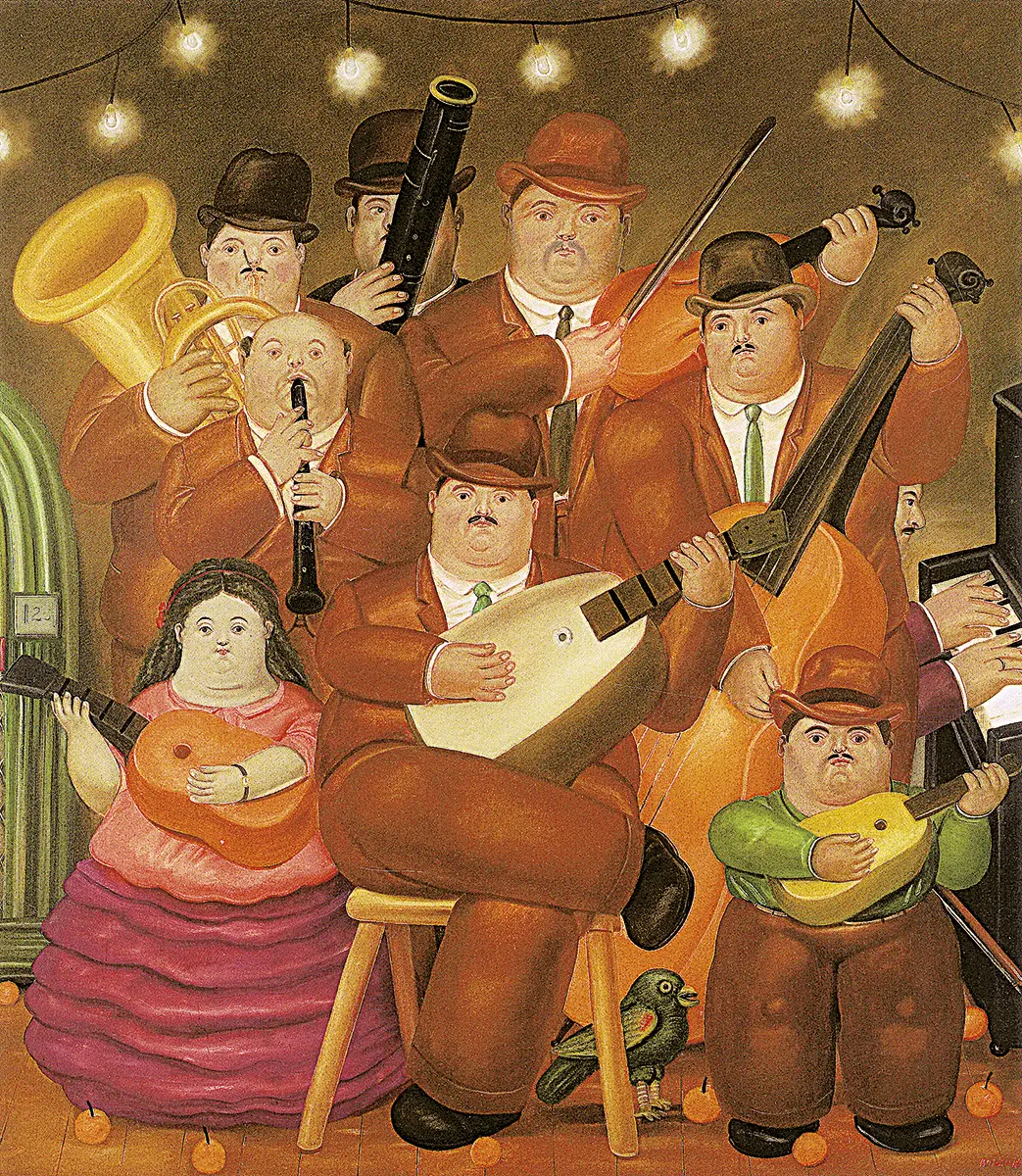
At Christie’s, most of the works sold, and the Wifredo Lam on the cover of the catalog broke the record at $1,304,000 for a work on paper by the artist. Fernando Botero’s The Musicians from 1979 also brought a world record for a living Latin American artist at $2,032,000, a record that was duplicated the following evening at Sotheby’s for a painting with another group of musicians and a dancing couple in the background from 1984. Botero has always been one of the most international of Latin American artists; the Christie’s Musicians went to an institution, and the Sotheby’s piece went to an American collector. Sotheby’s was to achieve another success with the sale of Botero’s monumental bronze Bird, which surpassed its estimate of $500,000–600,000 after a bidding battle that settled at $1,052,000. The casualties of the Christie’s night were mainly working on paper by Francisco Toledo, which had been optimistically estimated but failed to attract buyers, and an early Berni from the 1920s, El torero Calvo. However, the sale was nevertheless a great success, and even works that were not successfully sold at recent auctions finally found willing purchasers. Such was the case with Candido Portinari’s Moçca penteando os cabelos, which had an estimate of $300,000–400,000 and sold at $452,800, and Tamayo’s Tres personajes en blanco from 1971, which had been estimated at $350,000–450,000 and sold successfully at $441,600.
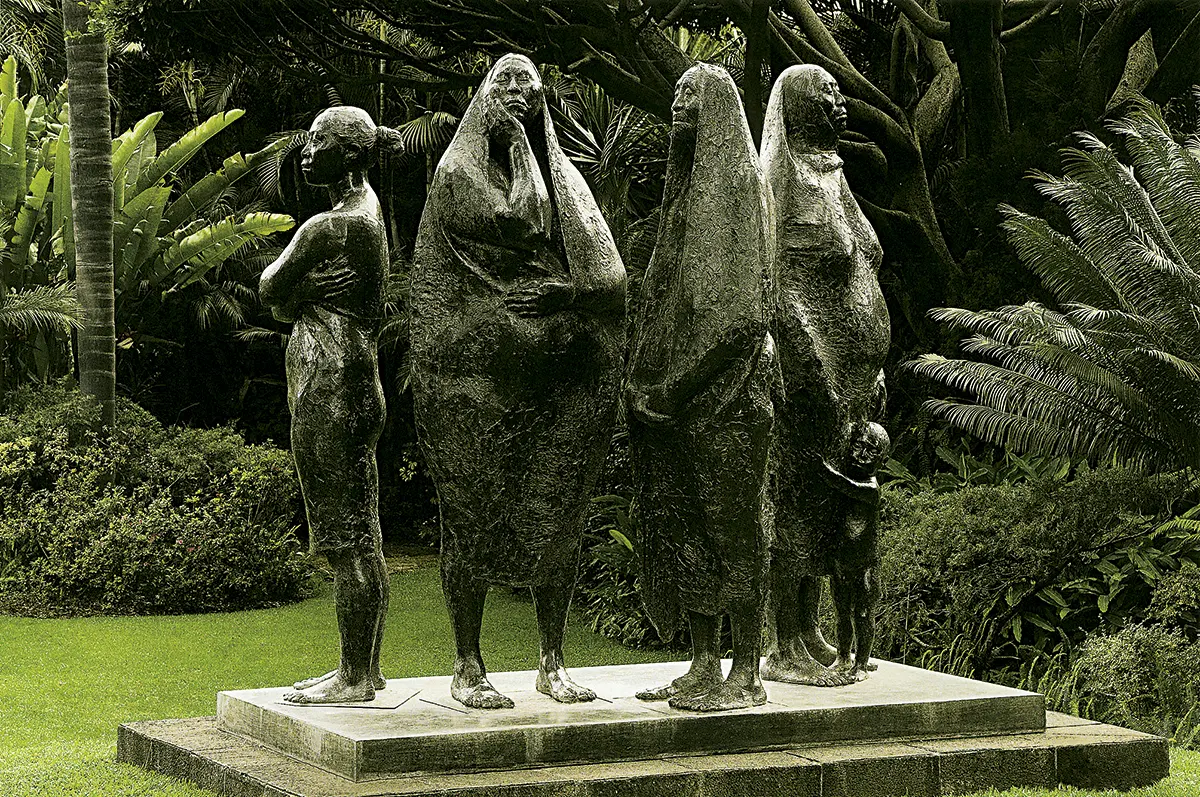
The surprise of the season came at Sotheby’s evening sale when a new world record for Francisco Zúñiga was achieved. His monumental bronze piece, Grupo de Cuatro Mujeres de pie from 1974, had an estimate of $700,000–900,000 that was eclipsed by the high prize realized at $3,712,000, which is also a record for any Latin American sculpture at auction. This price also had an effect the next day over all the Zúñiga bronzes that were offered, all of which sold above the estimated values.
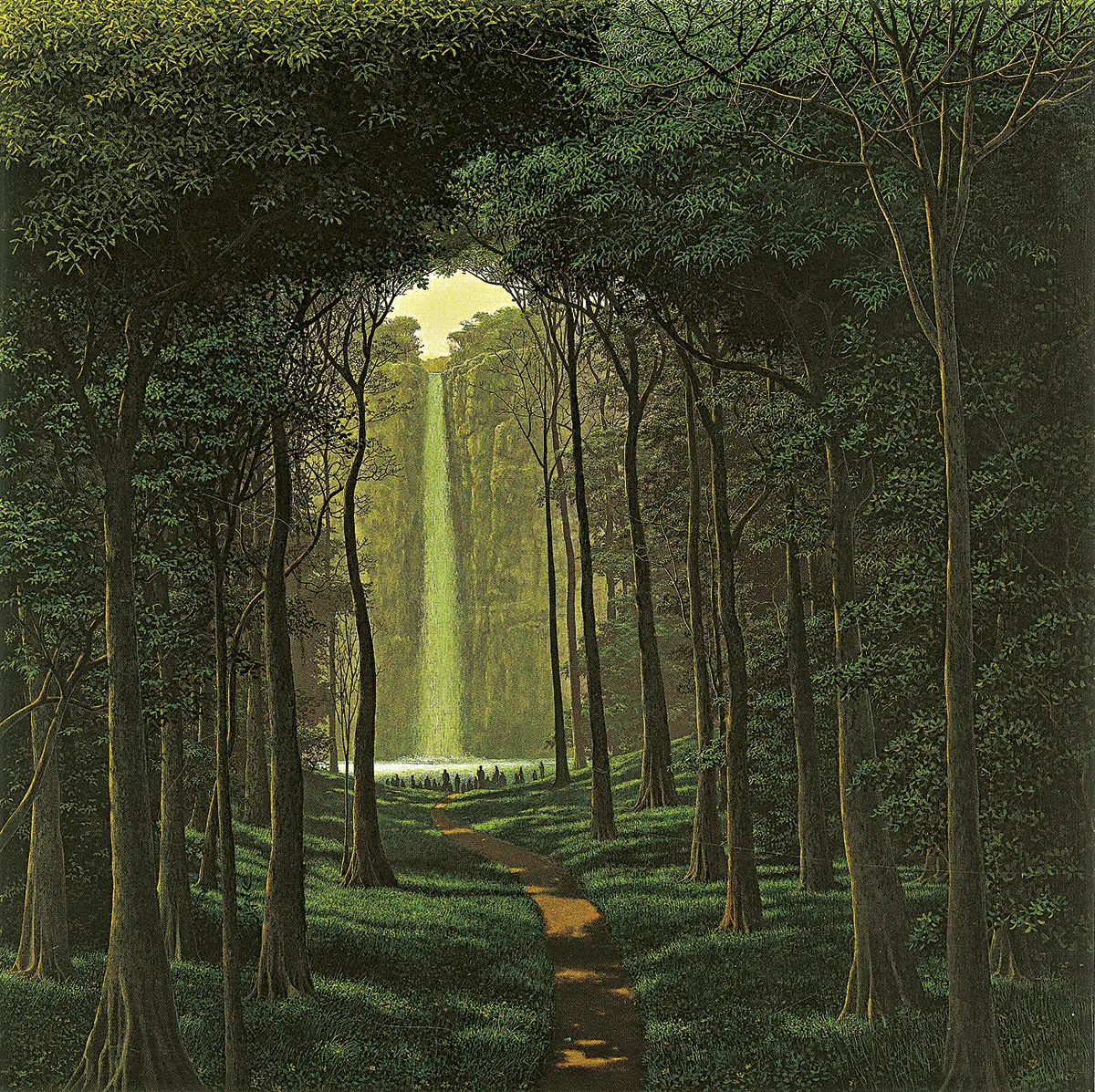
Tomás Sánchez also achieved a new world record this season when his Gracia en la Cascada sold at $363,200, over an estimated $150,000–200,000. Leonora Carrington scored a success at Sotheby’s when her mysterious painting from 1958, Un sueño en el bosque, sold above the estimated $350,000–450,000 for $553,600. Another Mexican highlight was the $132,000 obtained by Gerzso’s Santuario, a small but quite powerful work from the 1940s that had been estimated at $60,000–80,000. There were also two interesting works by Torres Garcia at the Sotheby’s sale. One from 1943, Contrapunto, noted a rare period of his oeuvre; it carried an estimate of $225,000–275,000 and performed very well, selling at $352,000. The other was a work in primary colors from 1943, Planismo; it had a lower estimate at $200,000–250,000 but failed to find a buyer.
The notable unsold pieces at Sotheby’s evening sale were both by Brazilian artists. There was an excellent abstraction by Mira Schendel that failed to find a buyer with an estimate at $125,000–175,000, perhaps because this artist had sold so well at the auctions last fall, and this time there may have been fewer collectors willing to pay the higher prices that had been established earlier. There was also a beautiful wooden sculpture by Maria Martins that carried an estimate of $80,000–100,000 and did not find a buyer. This is not to say that Brazilian art wasn’t doing well; quite the contrary occurred, as demonstrated by the sale of a rather pedestrian portrait of a girl by Portinari from 1956, titled Menina, which managed to surpass the estimated $100,000–150,000, selling at $251,200.
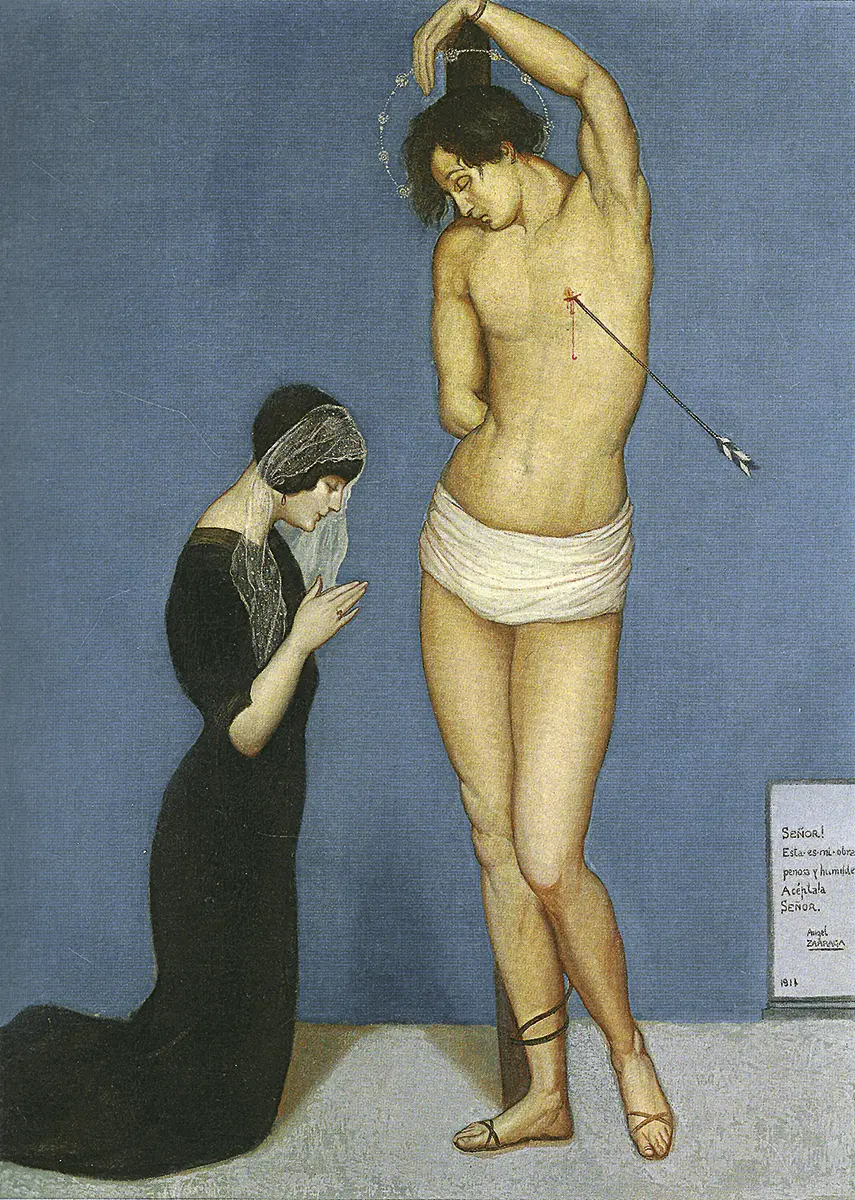
At Christie’s evening sale, two Tamayos from the 1930s sold very well regardless of small format: the first Naturaleza muerta which featured a dominoes game with blue light bulbs had an estimate of $400,000–600,000 and sold for $531,200, while the luscious Dessert (Still life with glasses and strawberry pudding) had an estimate of $300,000–400,000 and sold at $475,200. Christie’s also had a very large work by Mathias Goeritz that covered an entire wall on the first-floor gallery. This beautiful abstraction of gold from 1970 was estimated at $200,000–250,000 and scored a success, selling at $340,800. Other Mexican works that performed well at Christie’s were Angel Zárraga’s erotic depiction of St. Sebastian being worshiped by a demure and veiled young widow, in the taste of fin de siecle decadence, which carried an estimate of $250,000–350,000 and sold for $284,800. A Diego Rivera works on paper from the 40s, El curandero, which strongly resembled the works depicting Pre-Columbian life in his frescos at the Palacio Nacional, surpassed its estimated $120,000–160,000, selling at $284,800. Rodolfo Morales’s Dreams of a Vilage also surpassed it's estimated $80,000–120,000 and sold for $216,000.
Both sales marked the continued success of Venezuelan Op artists. Soto sold his Tres triangulos from 1969 at $102,000, which was in the middle of the estimated $80,000–120,000 at Christie’s evening sale, while his Ocres con negro from 1970 surpassed the estimated $60,000–80,000, selling at $114,000 on the same night. Perhaps it is becoming clear to collectors of 20th-century art that the prices for Latin American abstract and minimalist works are still very cheap when compared to American or European works. This justified the good prices obtained by Brazilian artists at the Christie’s sale, such as Untitled No. 368 by Sergio Camargo, which carried an estimate of $50,000–70,000 but surpassed it, selling at $90,000.
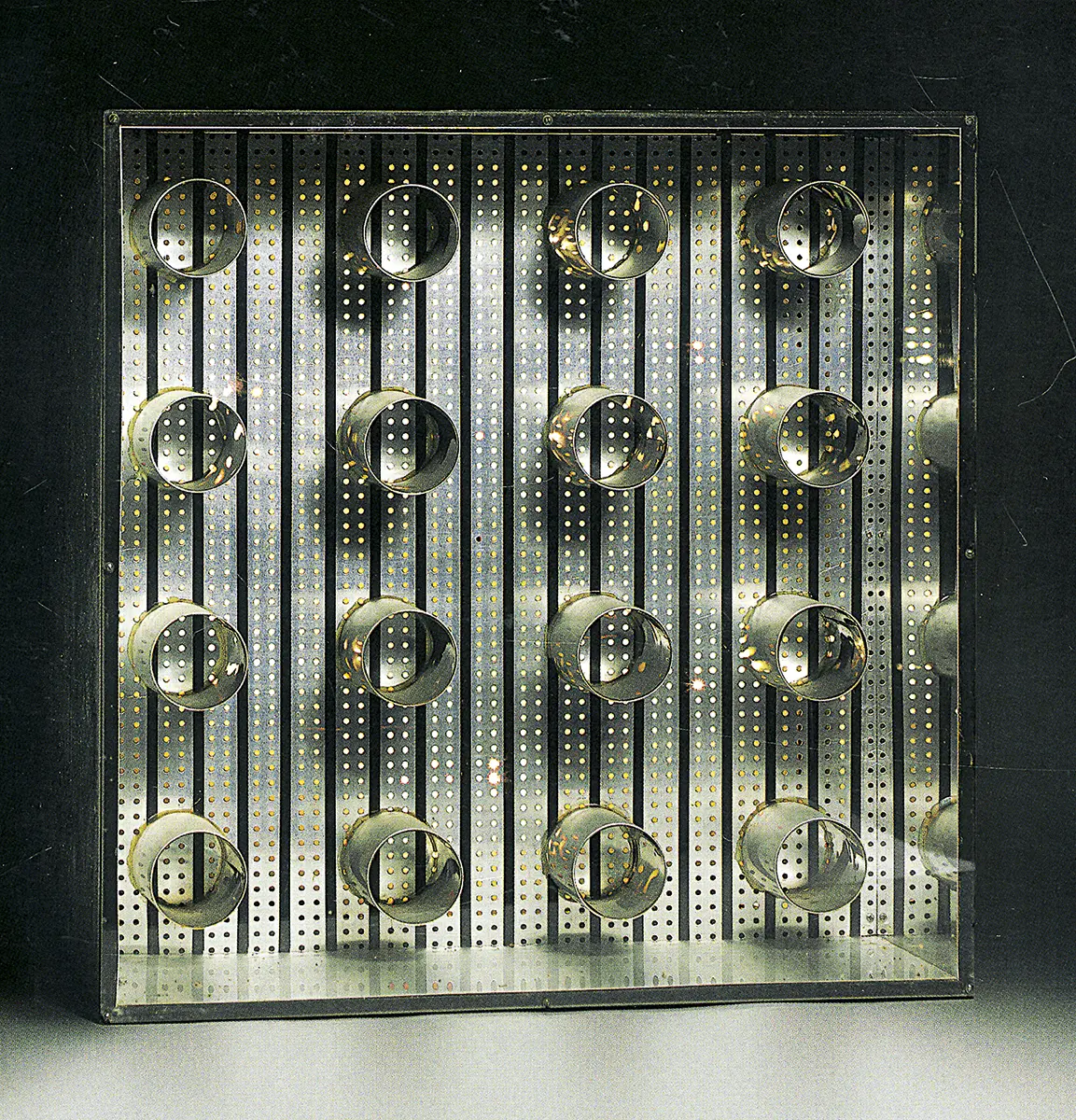
At Sotheby’s, Soto’s Ecriture verte from 1965 had an estimated value of $150,000–200,000, but several bidders pushed the price to $273,600. Another Soto in the same sale, Vibration à droite from 1969, had an estimate of $70,000–90,000, which was also surpassed after spirited bidding, ending at $156,000. A multi-colored Cruz Diez from 1983, Physicrome No. 2084, had an estimate of $30,000–40,000 and realized $45,000. The golden Nueve laminas perforadas y doradas sobre Madera by Mathias Goeritz had been estimated at $30,000–40,000, but strong interest quickly made the price rise and settle at $69,000. The same occurred with a monochromatic abstraction by the Argentinean artist Luis Tomasello, Objet plastique No. 201 from 1968, which had an estimate of $10,000–15,000 that was surpassed at $31,200. While Julio le Parc’s Continuant Lumière avec 16 Cylindres had a pre-sale estimate of $10,000–15,000, it realized $45,000.
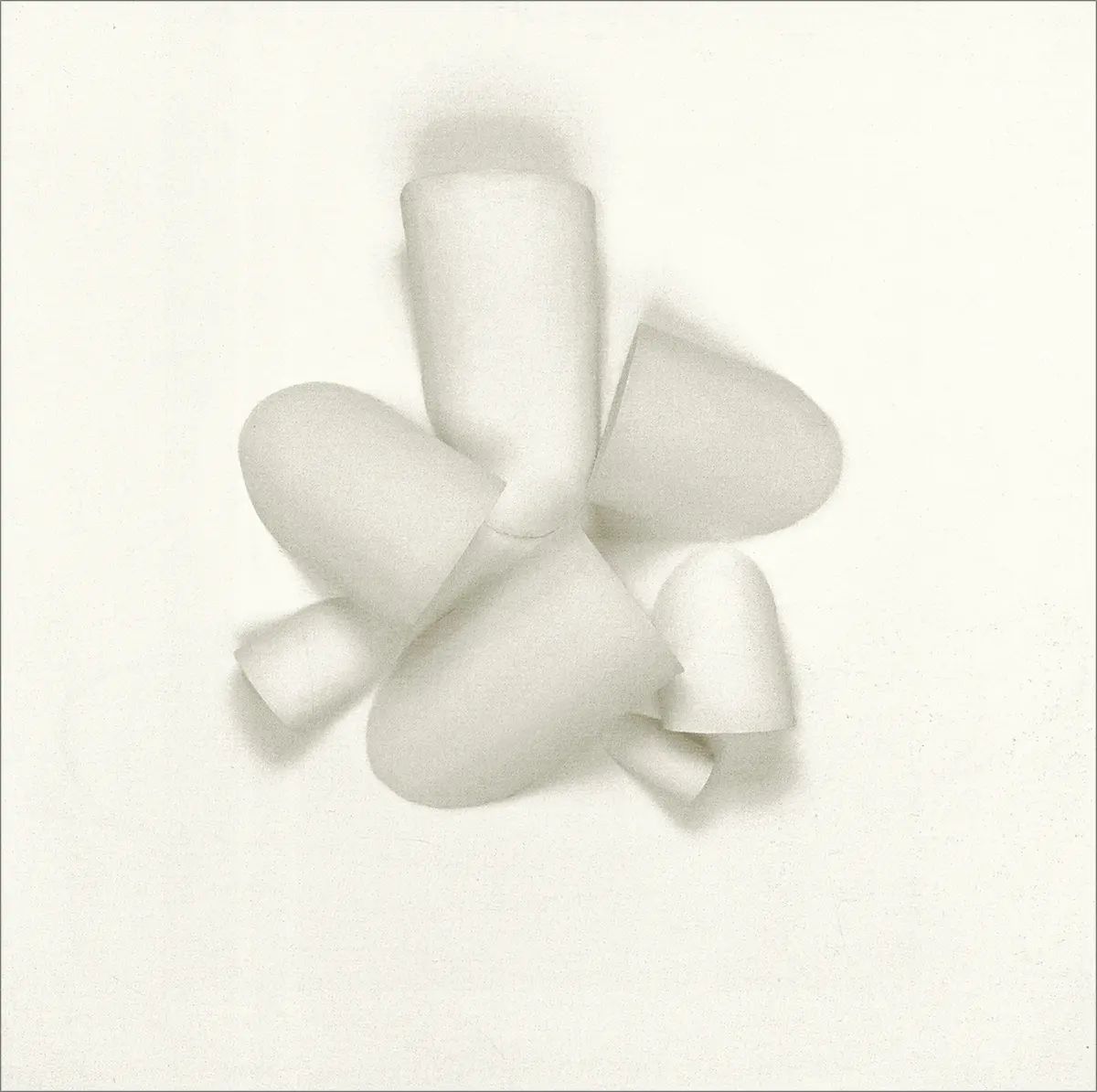
Both day sales were unusually successful at both houses, and Sotheby’s actually scored an evening sale price with Julio Ruela’s symbolist Visión de la Conquista, which had an estimate of $45,000–55,000 and sold for an outstanding $363,200. There was also strong interest at Sotheby’s day sale for abstract works. Hugo Demarco’s Superposition recto-verso sold far beyond its estimated $10,000–15,000 at $45,000, and Martha Boto’s Labyrinthe Cilindrique (Mouvement Lumiere) had been conservatively estimated at $7,000–9,000 but sold at $51,000. At Christie’s, Cesar Paternosto’s Ayamarka II had been estimated at $8,000–12,000 and sold at $19,200, and Roberto Aizemberg’s Pintura also went above the estimate of $18,000–22,000, selling for $31,200. A Soto, Media columna, had carried an estimate of $25,000–35,000 and sold for $45,600, and both Camargos sold at the high estimate or above the high estimate: the first one, Untitled No. 312, had an estimate of $30,000–40,000 and realized $48,000 while the second, Untitled No. 317, had an estimate of $40,000–60,000 and sold at $60,000.
One can conclude from looking at the results of these extraordinarily successful Latin American auctions that as the art market becomes more international and the quality of works of art becomes its barometer for value, Latin American art stands to gain tremendously from the appreciation, and these sales were the first to point in this new and exciting direction.
Sotheby’s total: $23,001,200
Sold by Lot: 84%, Sold by Value: 95.2%, Lots offered: 176
Christie’s total: $16,327,520
Sold by Lot: 70%, Sold by Value: 87%, Lots offered: 265
ALBERTO BARRAL
Art advisor, New York.