
More than an art fair
Many happy expressions and some long faces were to be found at the end of the 15th edition of ArteBA, the Buenos Aires Contemporary Art Fair, presented from May 17 through May 24. The increasingly refined selection of works and galleries and the design of their display contributed to establishing this fair as a pole of cultural and business offerings for Latin American art, which is what the ArteBA Foundation strives for.
Deemed a success by its organizers, the fair took place inside 12,370 square meters of La Rural, with sixty-three galleries and 100,000 visitors, among them directors of international museums, important contemporary art collectors, critics, and representatives of the most influential media outlets in the international art scene; ArtNexus was once again present.

The presence of well-established Argentinean galleries—Ruth Benzacar, Vasari, Zabaleta Lab, Belleza y Felicidad, Palatina, Del Infinito, El Borde, Daniel Abate, Braga Menéndez, Praxis, Rubbers, Vermeer, Sylvia Vesco, and Laura Haber, among many others—was complemented with galleries from Brazil (Leme, Casa Triángulo, Thomas Cohn, and five more), Chile (Animal), Colombia (Alcuadrado), Costa Rica (Jacobo Karpio), Spain and the U.S. (Luis Adelantado), Uruguay (Sur), and Venezuela (Durban Segnini), among others. Those galleries representing emerging artists were grouped around the Barrio Joven section, neighboring the provocative proposals exhibited in the video space, Caja Negra/Cubo Blanco.
Since Buenos Aires lacks a biennial, ArteBA is today the great display outlet for local and Latin American contemporary art. The fair deals with issues that go beyond the merely commercial. This explains the public’s massive response and the enthusiasm of both exhibitors and artists. Indeed, on the whole the art presented to the public maintained a high level of quality, and the exchanges of opinion and experiences debated in the Auditorium program were positive.
Such effervescence tends to blur borders, and it is sometimes difficult to know what is more important: a biennial or an art fair (such as ArtBasel). In general, artists who are invited to the most renowned biennials also have a place in the best art fairs. Even the Louvre rents the Cour Carrée out to FIAC, to set up its tents in that yard.
What about the volume of business? All one can do is guess, as galleries are averse to reveal their revenue, obviously desiring to keep the taxman at arm’s length. This is where the observer becomes an expert face-reader: happy expressions indicate many sales, and long faces reveal few transactions or none at all.
Artists and works
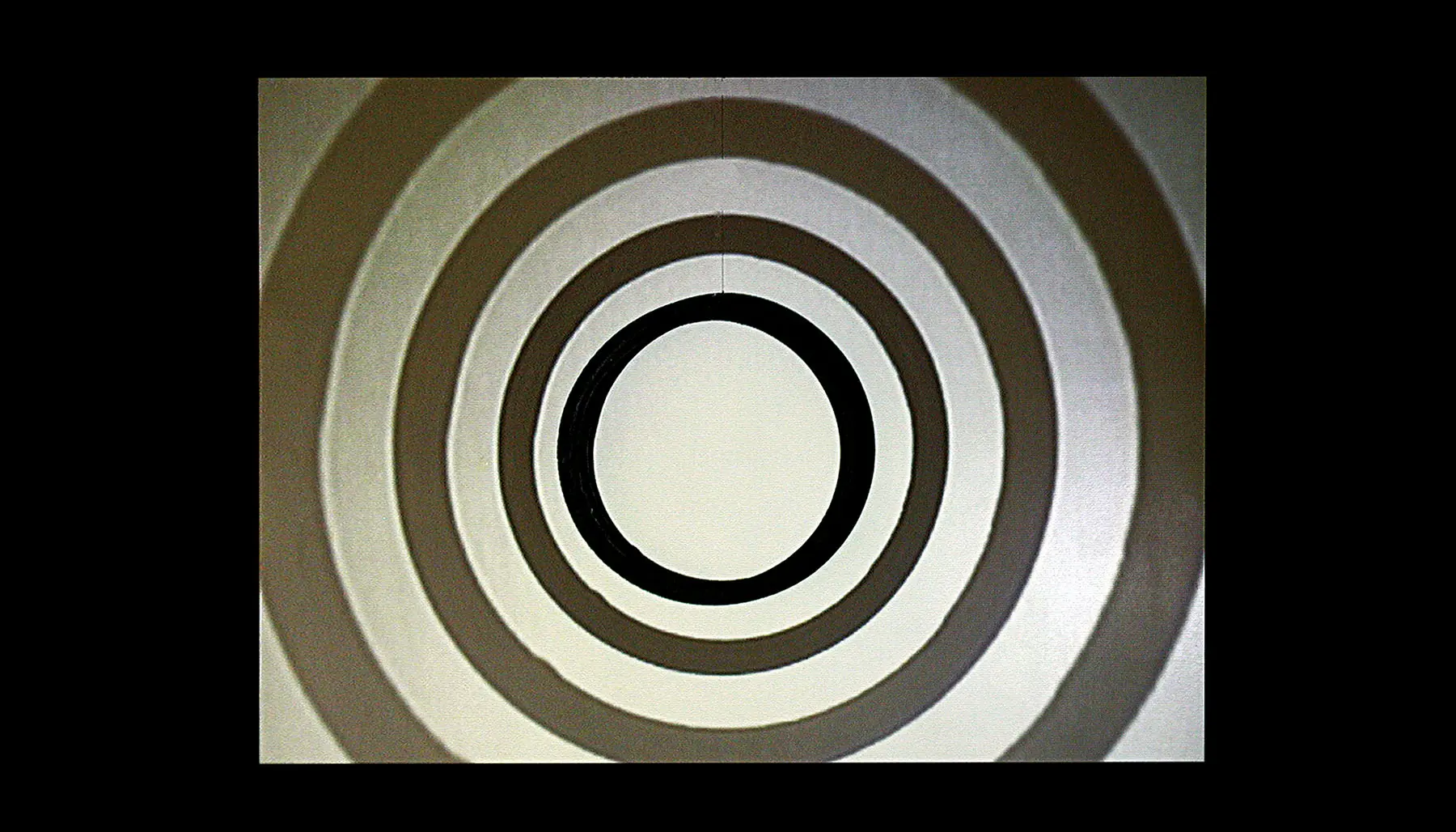
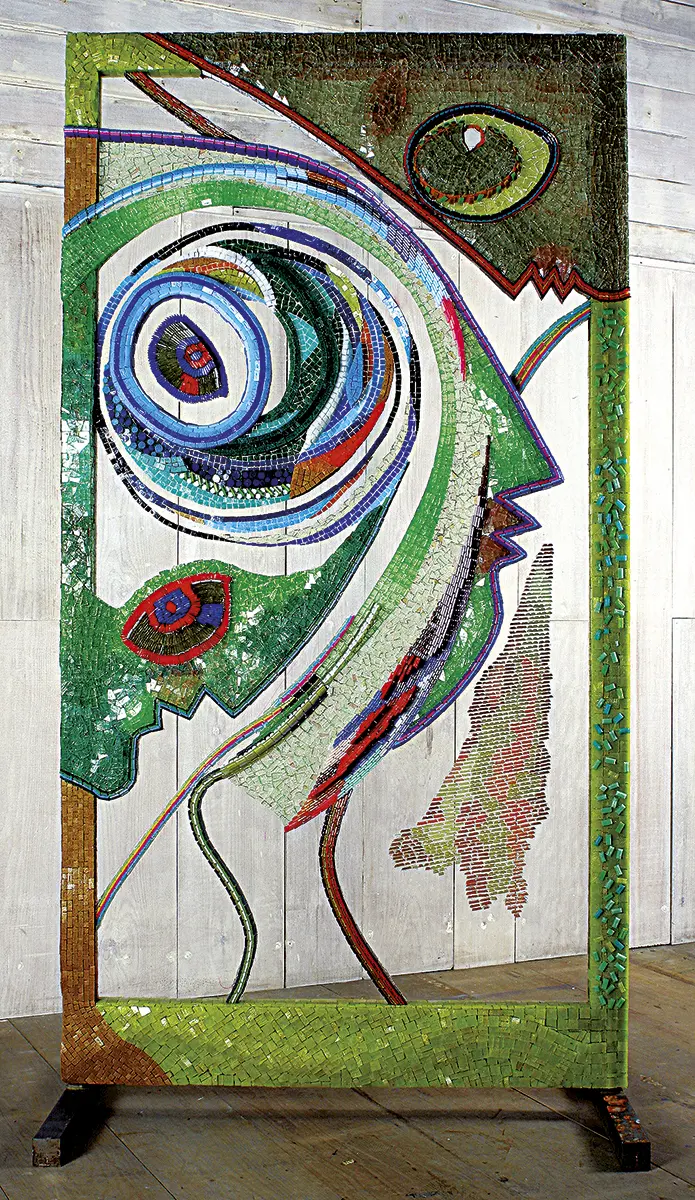
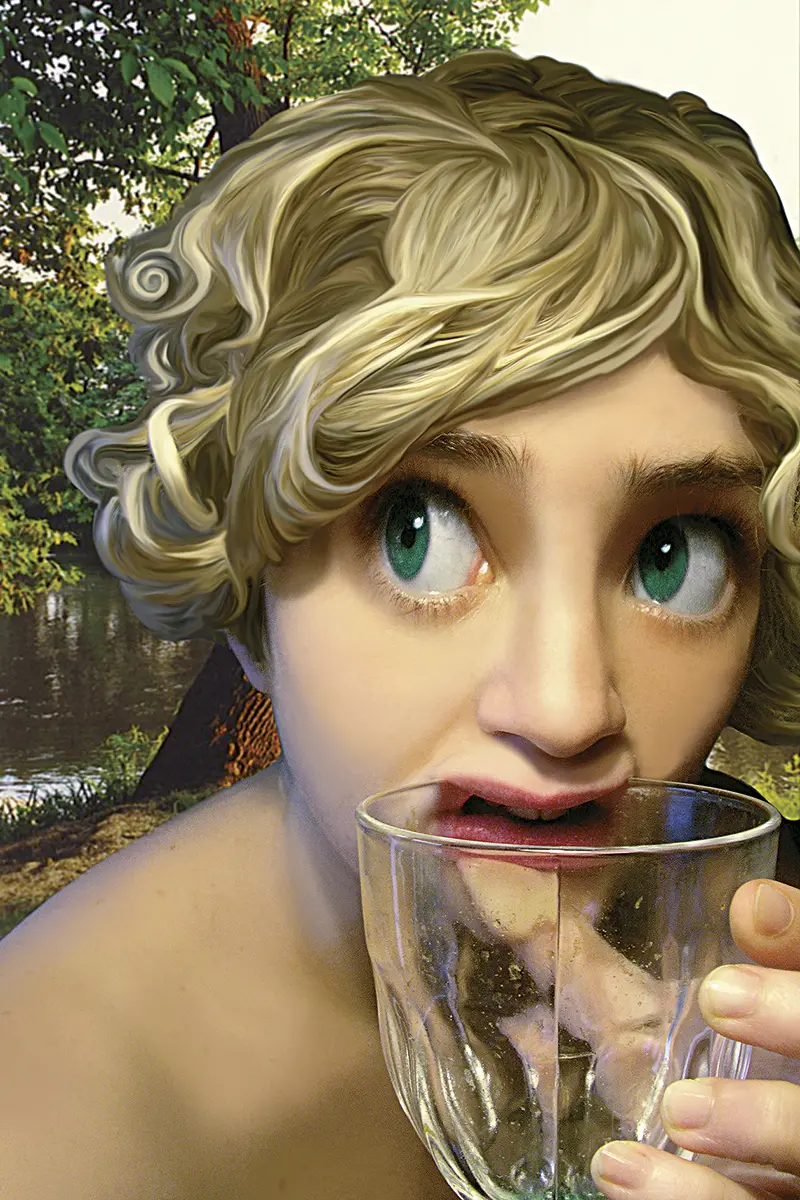
The work of Flavia Da Rin at Benzacar and Augusto Zanela at Praxis exemplified the multiplicity of aesthetics and forms to be found in La Rural. Taking her imagery from the aesthetics of the comics, Da Rin’s digitally manipulated photographs are effective as they move between tenderness and excess. Meanwhile, Zanela’s video-installation offered visual trickery and spatial dislocation, transforming the viewer into a “moving target” by projecting, in real time, the image of a bicycle cover and its shadows along with the image of the viewers and their shadows as they passed in front of the camera.
Horacio Coppola’s vintage photographs and Roberto Elía’s refinement took possession of the La Ruche-Jorge Mara space, which displayed the work of Argentinean informalists of the 1960s. Cecilia Paredes’s startling photographs, part of a longstanding oeuvre that is based on the transformation of the artist’s personal appearance, stopped more than one visitor at Arte x Arte.
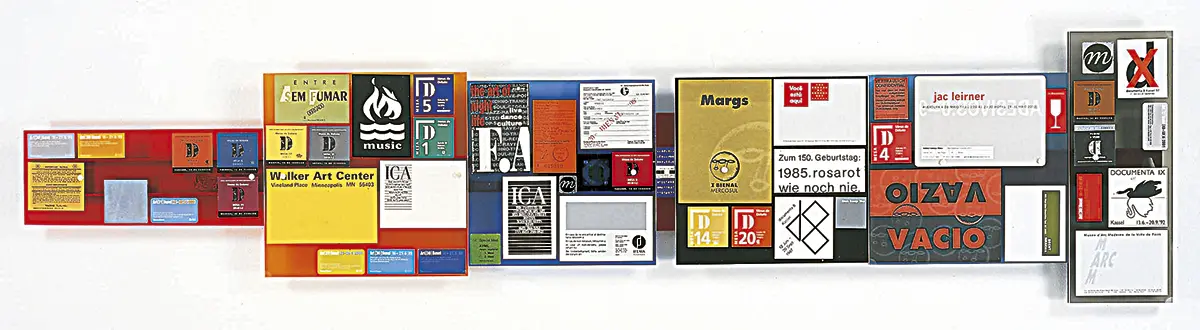
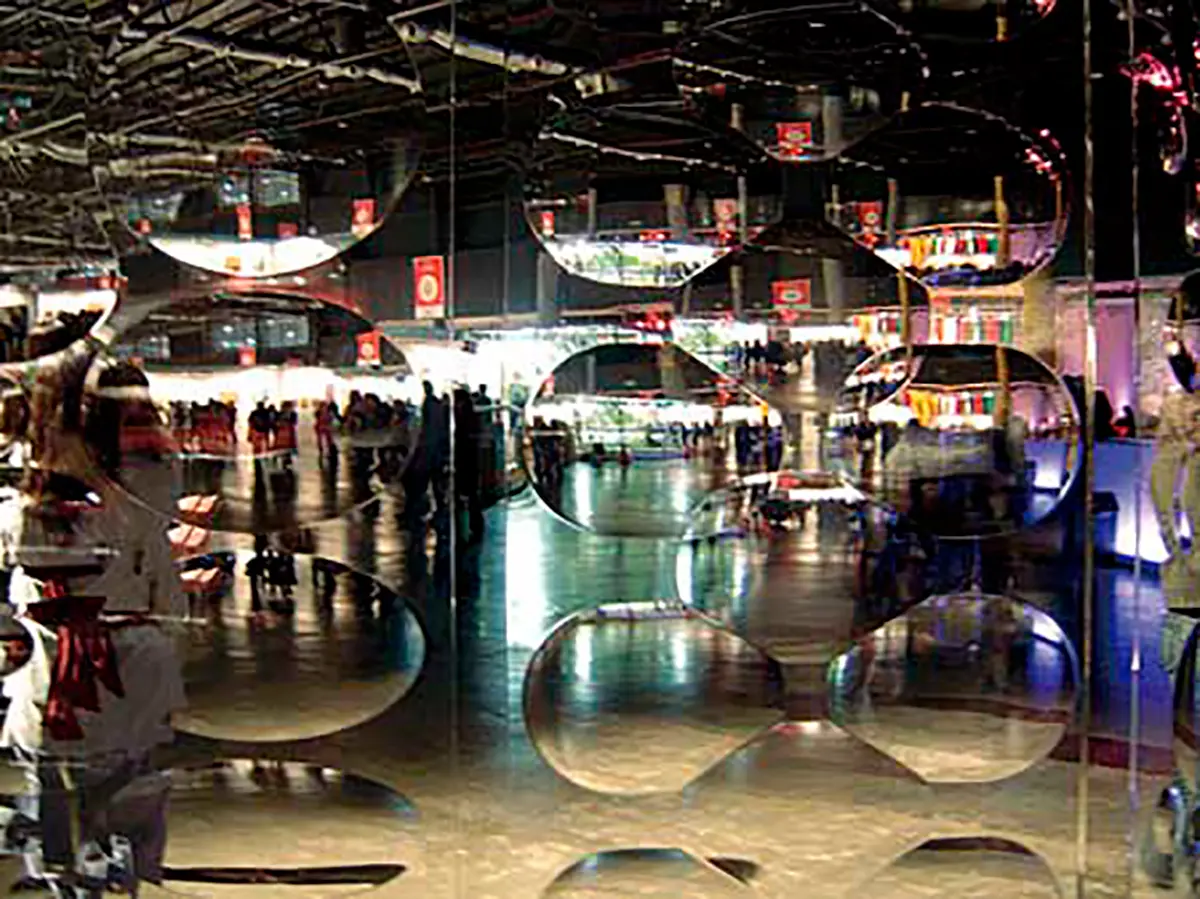
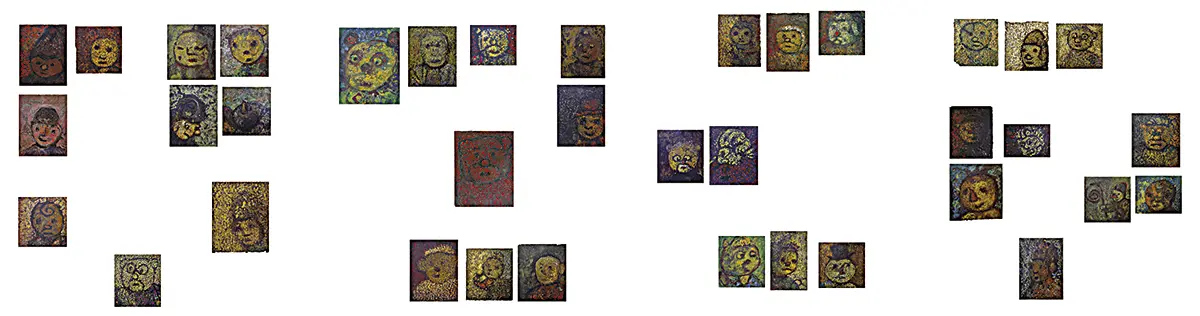
The work of twenty-six artists will enrich the collections of several Argentinean museums, thanks to the matching-funds program sponsored by an insurance company. While the Museo de Bellas Artes de Córdoba took home works from Sol LeWitt’s series Cubes on Color, exhibited at AyN Centro de Arte from Spain, the Malba-Colección Constantini chose Alfredo Prior’s Osos Patchwork, exhibited at Vasari. The curator of the Jack S. Blanton Museum of Austin chose three works for that institution, among them Jac Leiner’s Adhesivo 22 (pares de cuadrados) exhibited at Baró Cruz from Brazil. As part of the International Acquisitions Program, the director of New York’s Museo del Barrio toured the fair with a group of sponsors and selected Tríada at Cecilia de Torres Gallery (U.S.) This work by Venezuela’s Elías Crespín, a mathematician who is also Gego’s grandson, was one of the most popular works at ArteBA; its metal grid, suspended from almost imperceptible wires, seemed to dance for seven minutes, activated by sixty-four small motors.
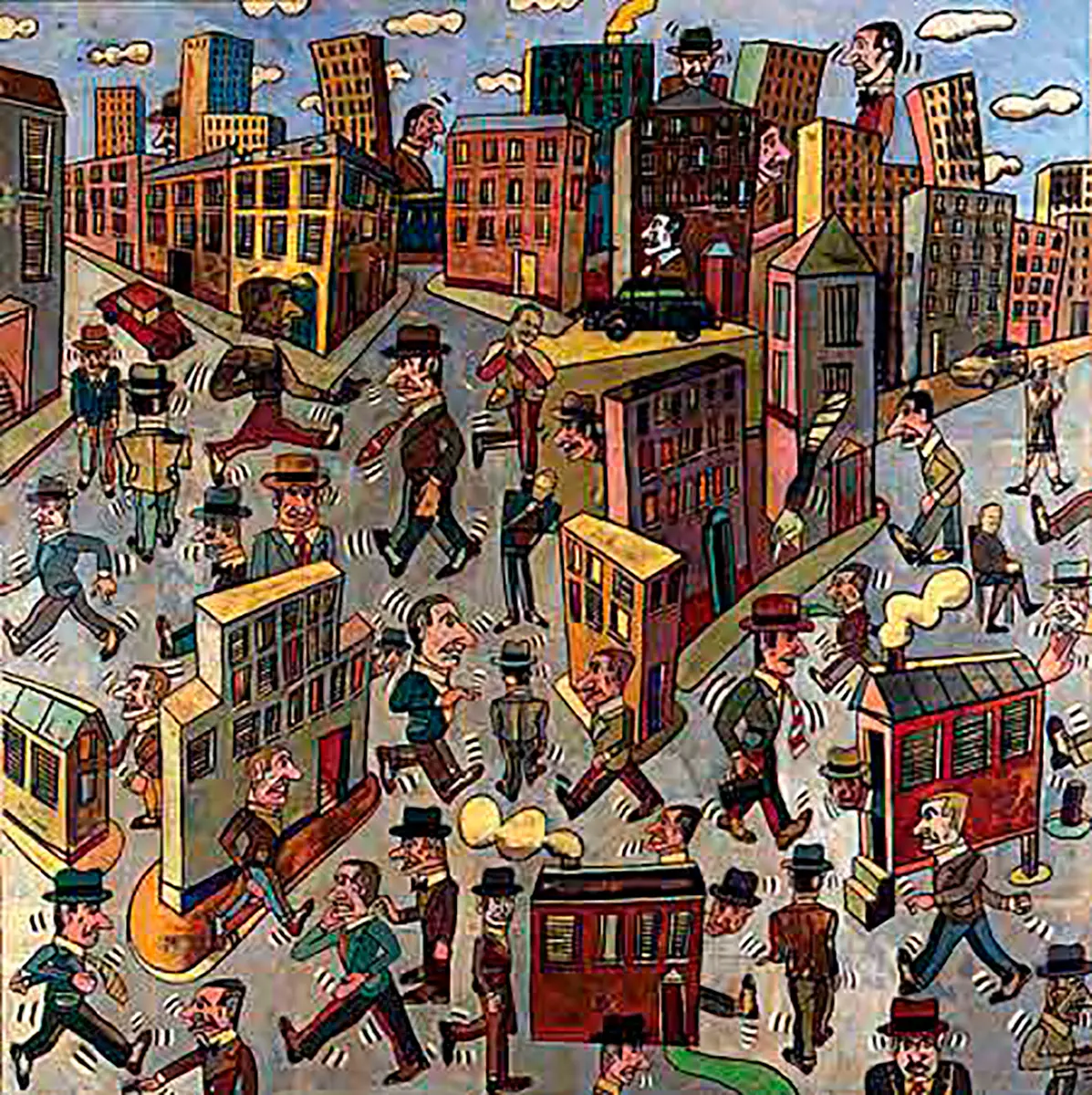
Several important living artists from Argentina’s contemporary art scene who exhibited both current and paradigmatic works—Luis Benedit, Marta Minujín, and Rogelio Polesello y Antonio Seguí—were presented with tributes.

Besides the traditional promotional awards, which showcase sponsors who contribute ideas and money to the circuit, there was for the first time a subscription system for the public to fund—with the support of the Asociación Amigos del MNBA—the acquisition of works for the Museo Nacional de Bellas Artes, a collection that belongs to all. Works selected to enrich the Museum’s trove were Martha Boto’s Plus Helicoidal from GCC Estudio de Arte, which presented a kinetic proposal, and Dino Bruzzone’s Kiss Alive, the photograph, and model with a sound that established his convincing simulations, from Dabbah-Torrejón.
Pablo Siquier, whose abstract images appropriate architecture, street furnishings, and unexpectedly clear fields, turned out to be the best-selling artist; his works were on exhibit at several galleries. His mural 0510 (2005-–2006) of transferable black-on-white vinyl was displayed on an eight-by-three-meter space at Ruth Benzacar, but with variable dimensions, it is adaptable to any wall.
It is a general opinion that the local and Latin American levels of creativity are often more than acceptable and are occasionally outstanding. The same, however, is not true of the region’s art market, which needs expansion and bold, generous, and visionary collectors.
VICTORIA VERLICHAK
Art critic and journalist. Author of Marta Traba. Una terquedad furibunda, among other books.