The third edition of the México Arte Contemporáneo art fair, better known as MACO, was held in Mexico City between April 26th and April 30th. This year, its directors, Zélika García and Enrique Rubio, received a greater number of foreign galleries than in previous editions.
The preponderance of European galleries was interesting. From a total of seventy-two galleries, twenty came from Mexico, twenty-seven from Europe, seventeen from the United States, and only six from Latin America. Although there were those who would have wished for more Latin American firms, and the numbers speak of an unbalanced representation, it was possible to balance the contents between one group and the other.
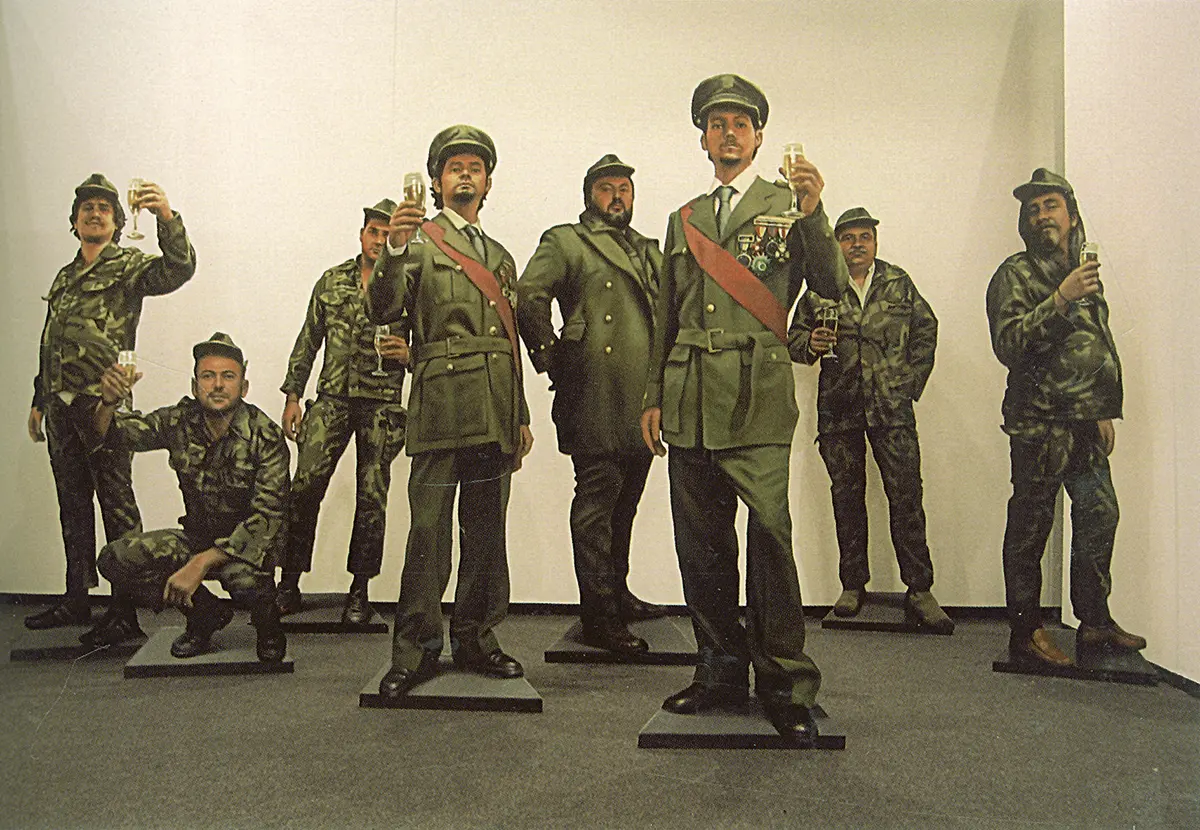
Jeff Mackey, the director of the Houston-based Mackey Gallery, said that they “sell more Latinos in the United States than anywhere else. This gallery places great importance on fairs like Armory and Art Basel,” but he finds that “some of the world’s most important galleries come to MACO; we are here because we are interested in being better known to many museums, and that is why I didn’t bring small works but works in large formats and large scale. If the issue were to seek commercial success, we would not be here. MACO is different; it has great potential.” Therefore, Mackey presented artists like the Clayton brothers from Los Angeles, with Who’s Next, and Roland Morán, from El Salvador. Undoubtedly, one of the works that garnered more attention was Martin and Sicilia’s El Brindis, where one saw life-sized cardboard cutouts of Latin American military men raising their glasses to toast with the public.
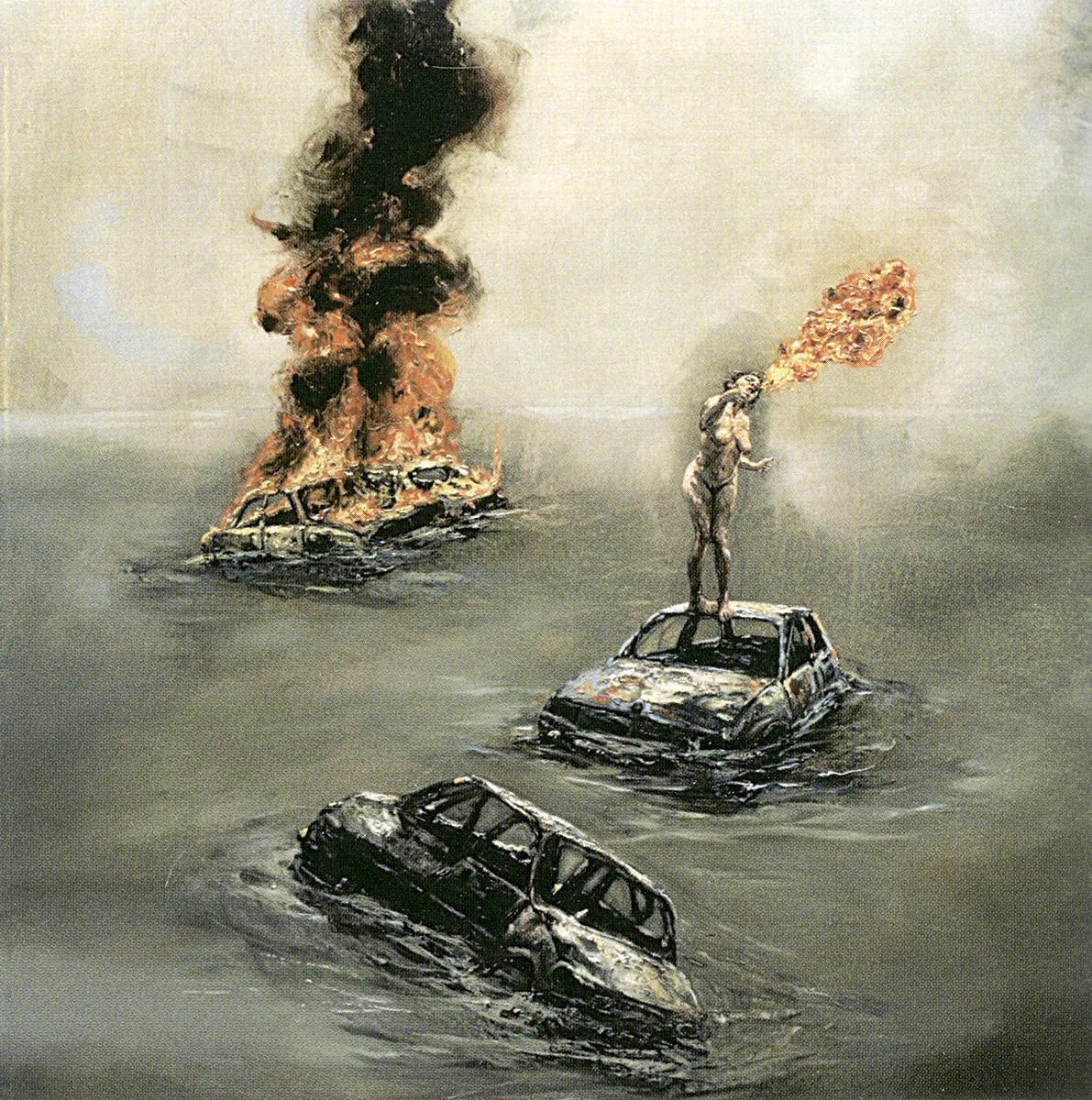
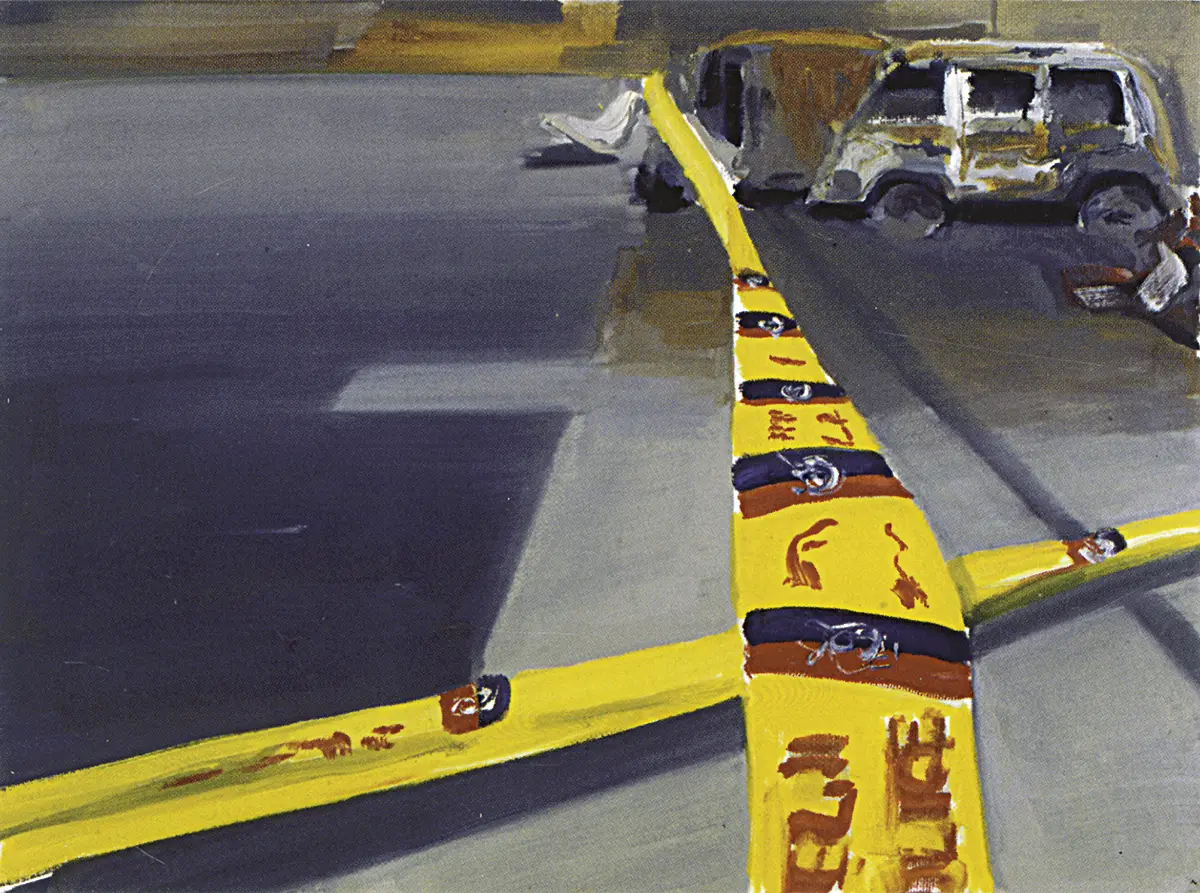
One gallery owner from Brazil was frankly enthusiastic about the presence of galleries from around the world; he expressed his joy in front of the Arndt & Partner booth. With images of crashed cars, firemen, and security cameras, Tim Trantenroth’s very pertinent work confronted the explosive, outsized circulation of images that refer to terrorist attacks with the often questionable means of protection and deployed the gallery’s booth as a space where, as in most cities, an attack can occur at any given moment for any reason.
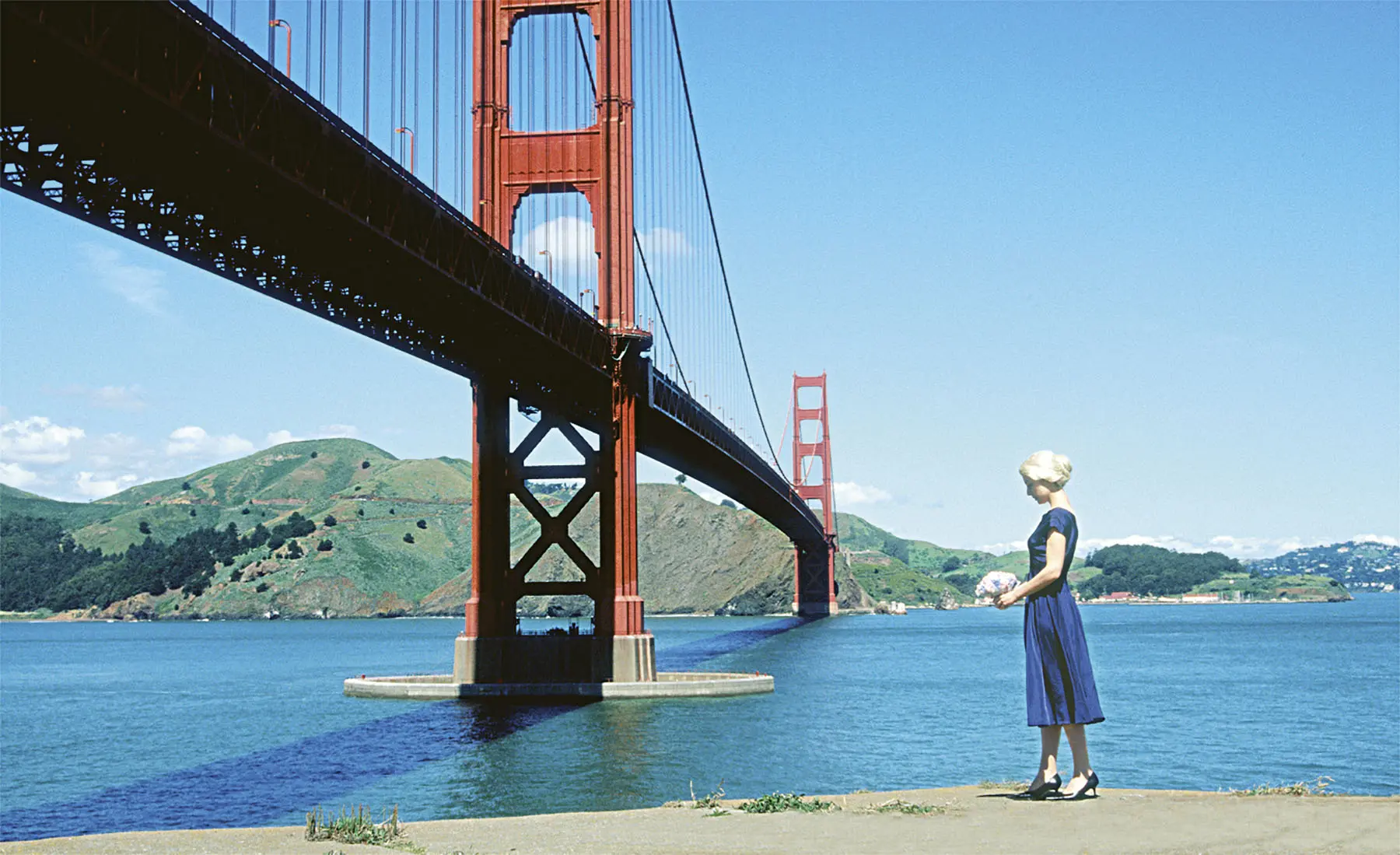
Vacío 9, from Spain, had one of the most spacious booths in the whole fair. Upon entering the large exhibition area, one saw Diana Larrea’s work. One-piece consisted of a portrait of a blond woman standing in front of San Francisco’s iconic Golden Gate Bridge; the artist had dressed as Kim Novak in Alfred Hitchcock’s 1958 film Vertigo. Diana Larrea has been exploring cinema myths and their ability to integrate society. Her work consists of reconstructing film passages and making her own versions of iconic or cult scenes and locations. At MACO, one also saw Retrato (2005), with Larrea’s profile framed by a blond mane, again recalling Novak’s character, Madeleine, in Hitchcock’s marvelous film.
New York’s Klemens Gasser and Tanja Grunert, like a number of other galleries, surprised us by including some paintings in their selection for MACO. “And this is Felguérez?” asked a very elegant lady in front of Elizabeth Neel’s work. It wasn’t, of course, but there was a significant number of two-dimensional works in spaces that tend to deal with objects or even works of electronic media.
Especially appealing at Galería Luis Adelantado was the work of Anthony Goicolea, who presented photographs from his series Shelter, among which Dead Tree Forest was one of the most desired.
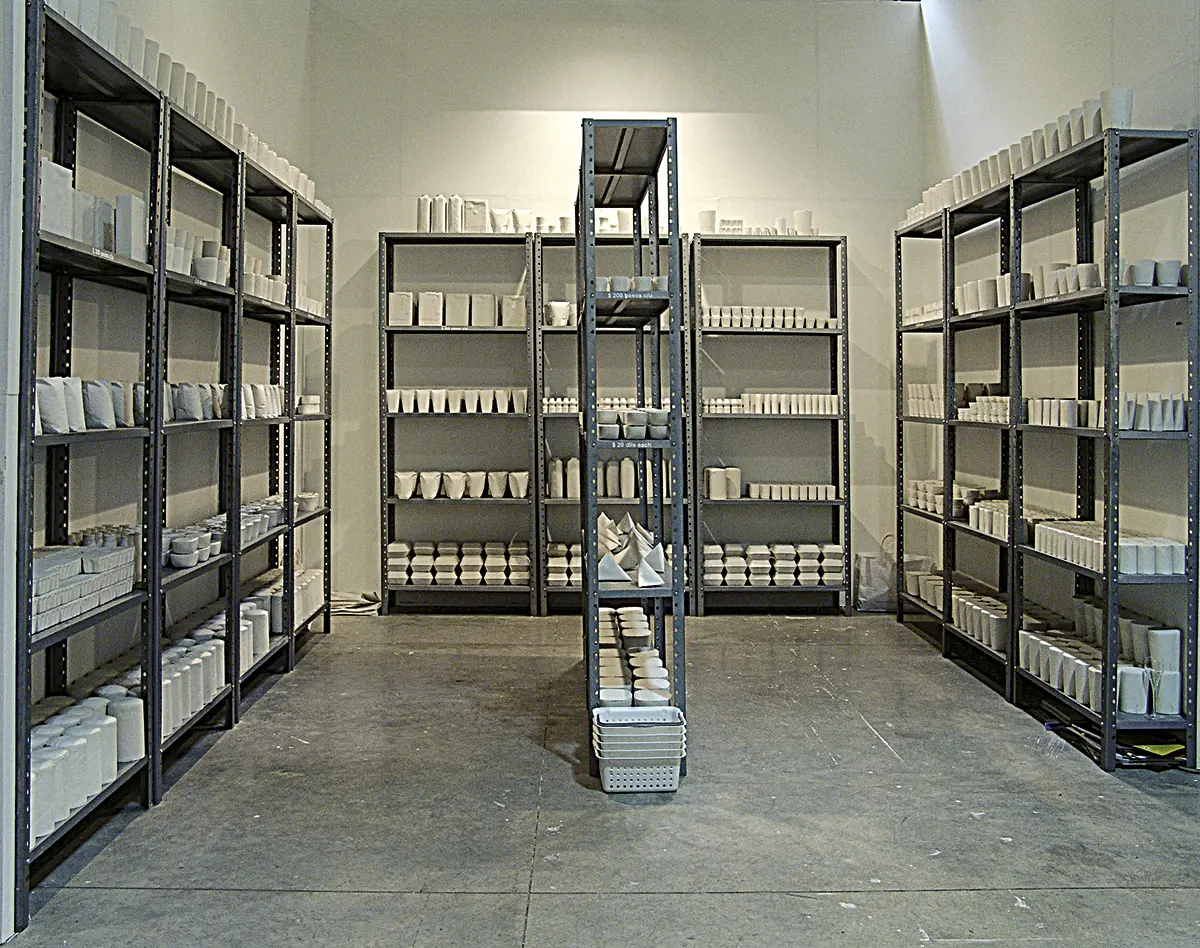
Art & Idea has in its roster two artists who have emerged in recent years as the most talented of their generation: Benjamín Torres and Diego Teo. Of the former, Paulina Lasa wrote: "... while Contenido Neto is a commentary on aspects of the market and the serial production of consumer goods (in this case exemplified by the art market and sculpture as a product for commercial exchange), Derivados leans toward exploring production as a process.” Diego Teo makes some of the strongest art among his generation; some of the most important collections, even corporate ones, have acquired his work.
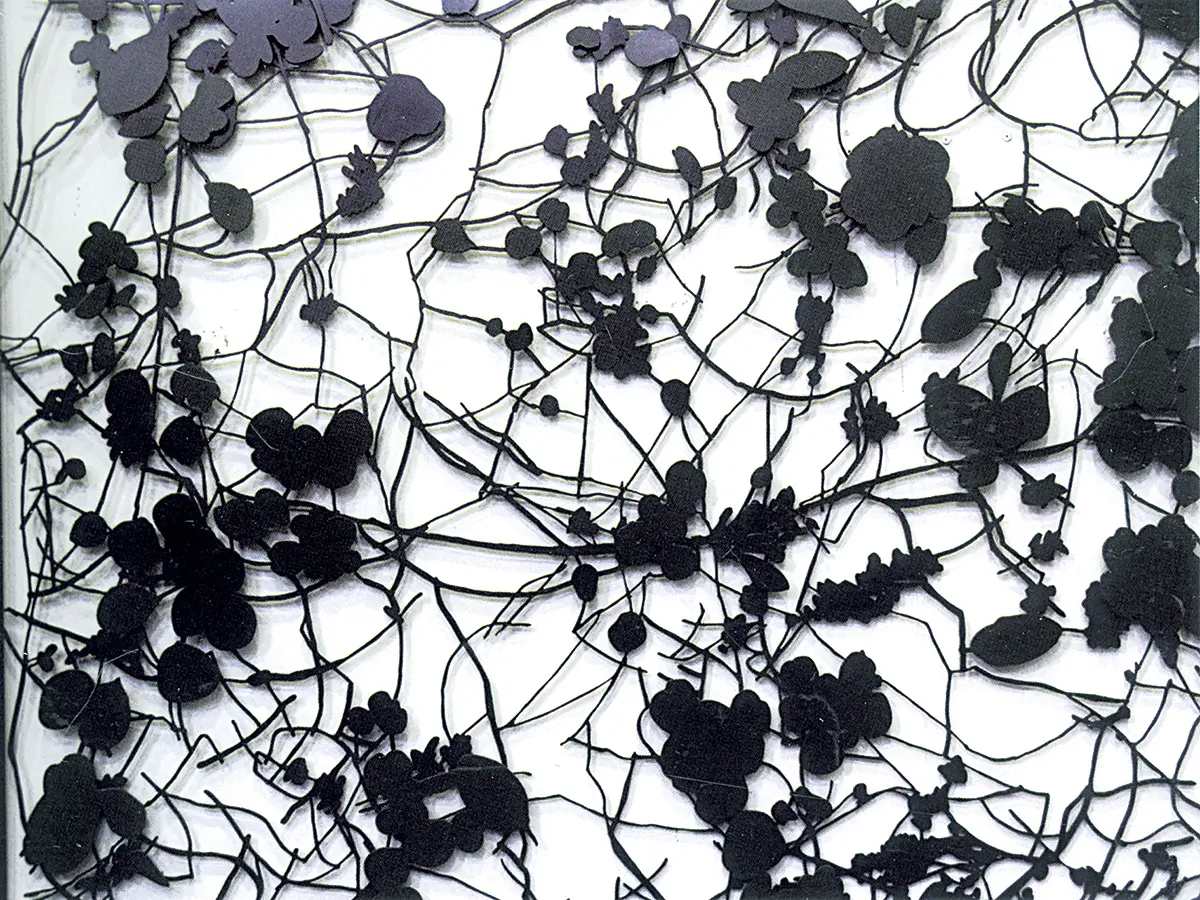
At La Caja Negra, from Spain, the highlights were works by Jan Hendrix and Richard Serra. Hendrix, with works from his series Eclipse, proposed a new look at his already familiar work with silhouettes of leaves, branches, and other natural forms. On this occasion, his works were made with two heavy, laser-cut steel plaques and produced a sensation of lightness that interacted with the wall on which they were placed; transparencies between the steel parts projected shadows that complemented the work.
Kurimanzutto sold an action drawing by Gabriel Orozco for one million dollars, as reported in the press after the fair closed. This 2005 work “that refers us to a distended Pollock, in reality, is the marks left by tennis balls that, painted black, slide over the paper,” noted Blanca González in the magazine Proceso.
Two equally well-attended Mexican galleries were: Myto, displaying the latest disquieting works by Ariel Orozco and Yunior Mariño’s standout photograph titled 23 de septiembre 2005, and the Oaxaca-based Quetzalli, which showed some recent work by Irene Dubrovsky and Sergio Garval. The latter is perhaps one of the most potent creators of his generation and is especially skilled at social observation.
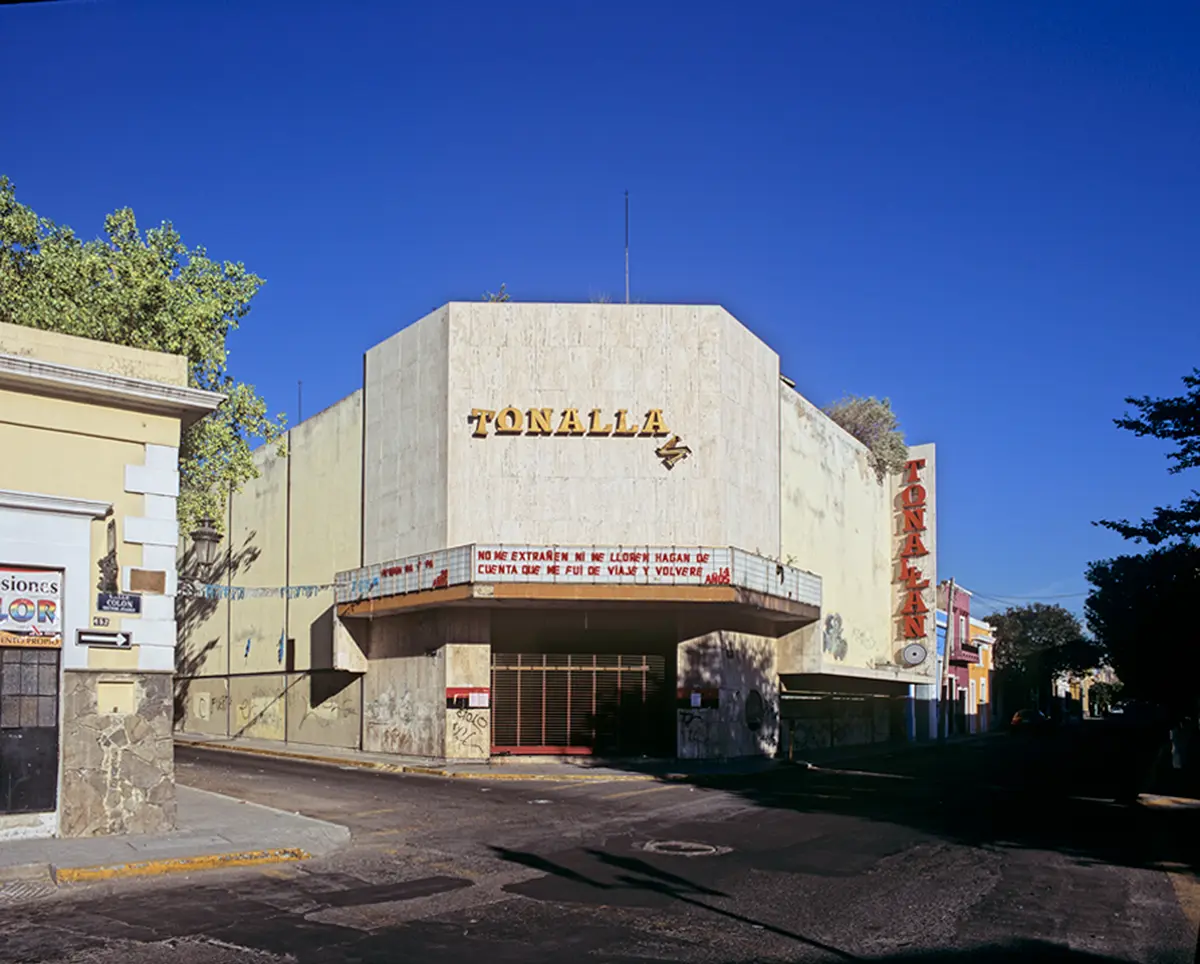
The Peter Kilchmann Gallery featured Teresa Margolles as its sole artist, with some photographs from the series Recados Póstumos. These images document Margolles’s project: on the marquees of abandoned movie theaters, she transcribed messages left by women who took their own lives. The message at Cine Metropolitano reads: “I ask God for forgiveness for not having been a good artist. I ask God for forgiveness for burning my soul with paint thinner.”
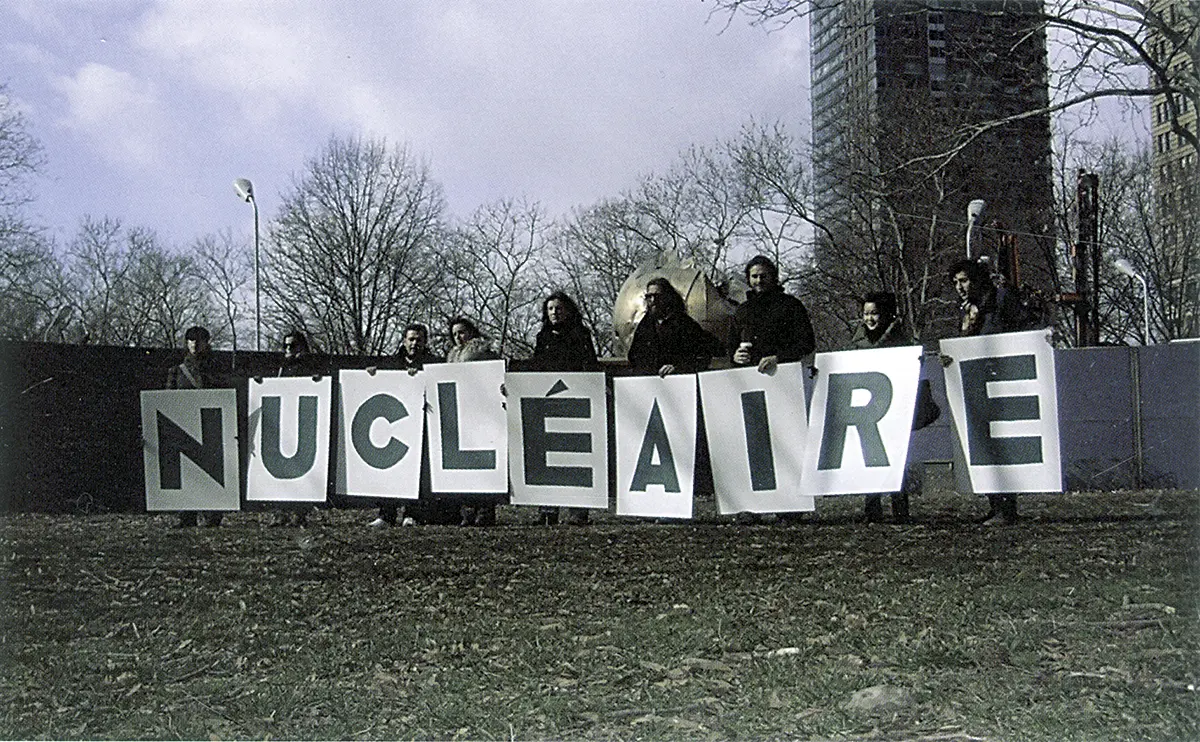
Parisa Kind presented The French Difference by Lucas Ajemian and Jules Bismuth, a photograph resulting from the performance Nucléaire, in New York in early 2006. The title comes from a photo legend in the French newspaper on which they were performing for a couple of hours in lower Manhattan. Each participant was assigned a cardboard letter and the artists remained in position and in different locations for twenty minutes each time to document the work.
What seems to be an increasing habit is some galleries’ reserve regarding prices. This drives away members of the public who are not experienced buyers—precisely those that are supposed to be attracted and transformed into collectors—so that potential, generally younger, buyers looking to acquire their first works feel inhibited and end up making erratic and awkward approaches at the moment of their selection. In contrast, the agility of confirmed collectors and their evidently well-oiled relationships with the exhibitors determine that there are important acquisitions on the part of special guests.
What remains after the fair is the very pleasant aftertaste of an event that not only gives us a view of what is happening in other latitudes but also marks, in its young life, some of the trails to be followed in current art.
SANTIAGO ESPINOSA DE LOS MONTEROS
Independent art critic, Mexico.