
Strange New World: Art and Design from Tijuana, curated by Rachel Teagle for the Museum of Contemporary Art, San Diego (MCASD), is among the most ambitious exhibitions of contemporary Tijuanense art to date. The exhibition, installed at MCASD La Jolla and MCASD’s downtown location is the largest in the museum’s history, containing 150 works by forty-one artists, architects, designers, and filmmakers. Strange New World features works by the first generation of contemporary Tijuanense artists that explore “border issues”—border crossing, drug trafficking, etc.—in addition to pieces by the younger Nortec generation. The name of this group is a conflation of the word for Northern Mexican traditional music (norteño) and “techno” and the works focus on the local economy and urban planning, shifting attention from the liminal space of the border to Tijuana itself.
The primary focus of the exhibition is the Nortec generation, whose artwork can be identified by the combination of traditional and experimental forms and local and foreign influences. This generation emerged in Tijuana in the 1990s, during a period of great socio-economic and cultural transformation. In 1994, the North American Free Trade Agreement (NAFTA) was signed, sparking the construction of factories (maquiladoras) along the border. Culturally, Tijuana’s artists were gaining international recognition through two important films about the border, El jardín de Edén (1994) and Fronterilandia (1994), and via the seminal border arts exhibitions InSite (1992) and La Frontera/The Border: Art about the United States/Mexico Border Experience organized by MCASD and Centro Cultural de la Raza (1993).
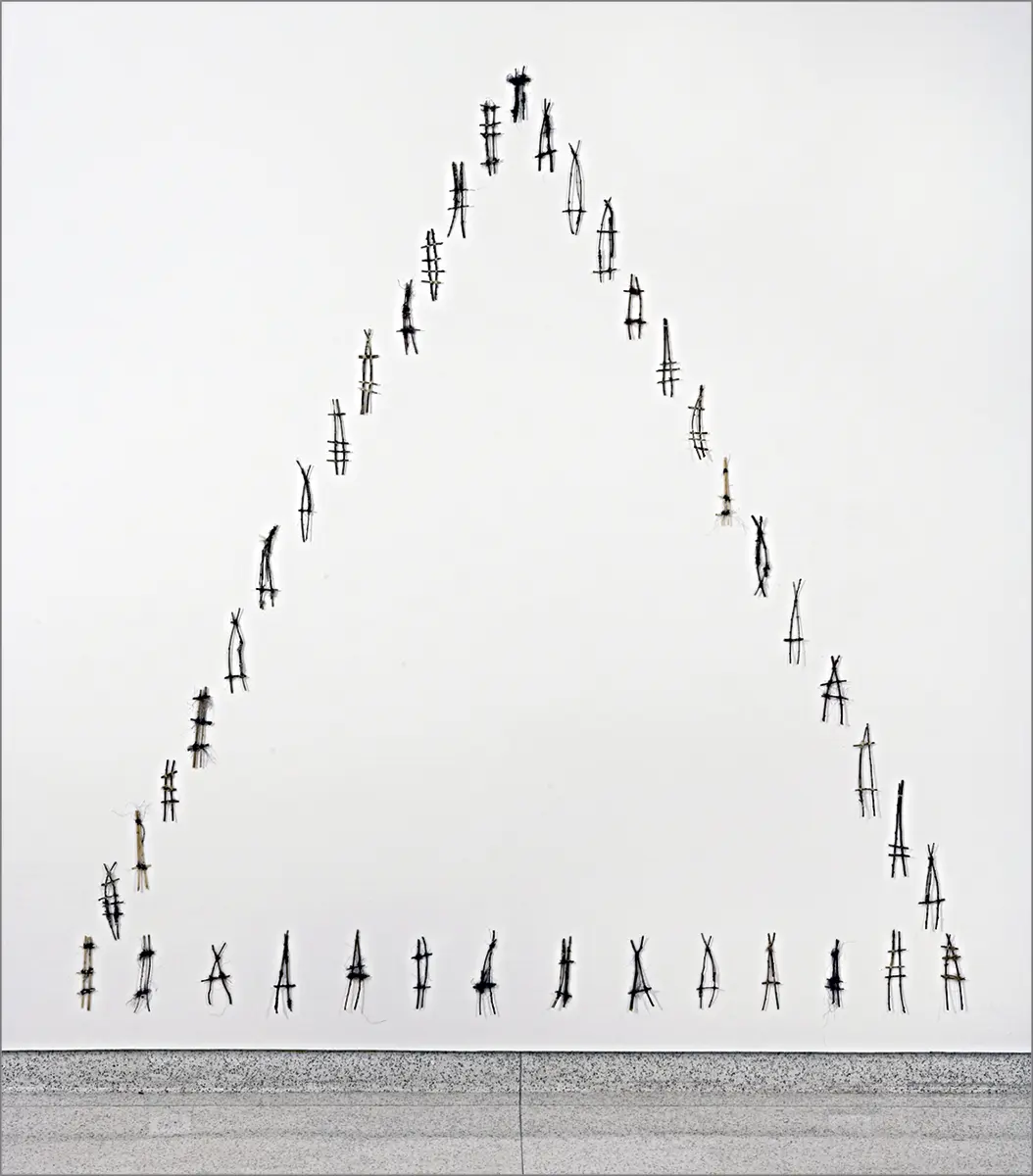
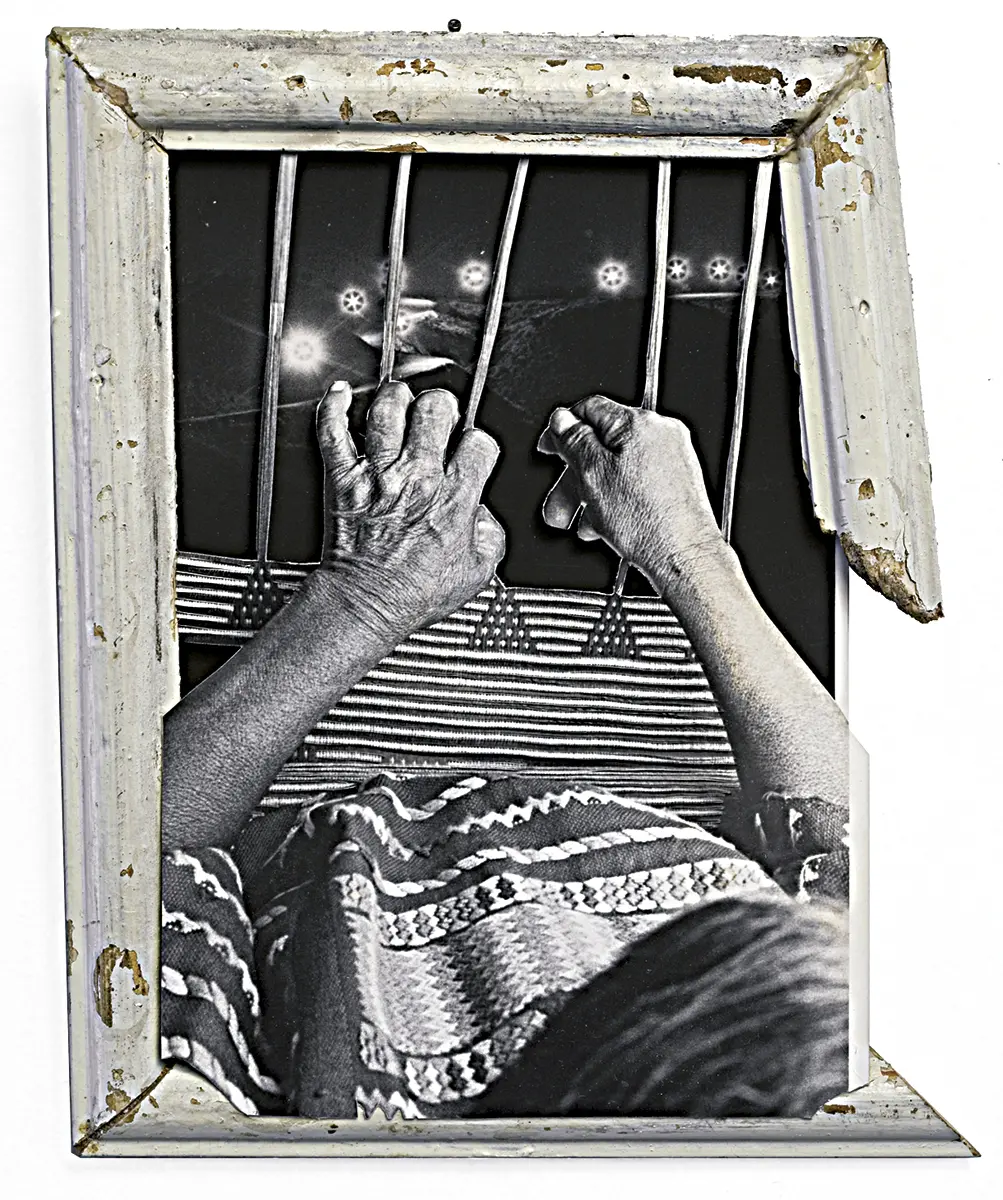
In Strange New World at MCASD La Jolla, both social and political issues surface in the works on view, many by the first generation artists. The Border Arts Workshop/Taller Artístico Fronterizo, a formative collective, created a site-specific installation in which film clips of their works/performances addressing “border issues” are projected. Visitors spin a wheel to select the film clips, and the wheel and projection are installed with makeshift ladders, similar to those used by border crossers. These tools are also seen in Front-era (2003) by Marta Palau, consisting of forty-one small ladders made from twigs and other natural fibers. Carmela Castrejón Diego’s highly politicized photo-constructions, Reconstruxiones (1996–97), combine small black-and-white photographs of women working and of the Tijuana/San Diego border, reflecting on the space of the border from a feminist perspective.
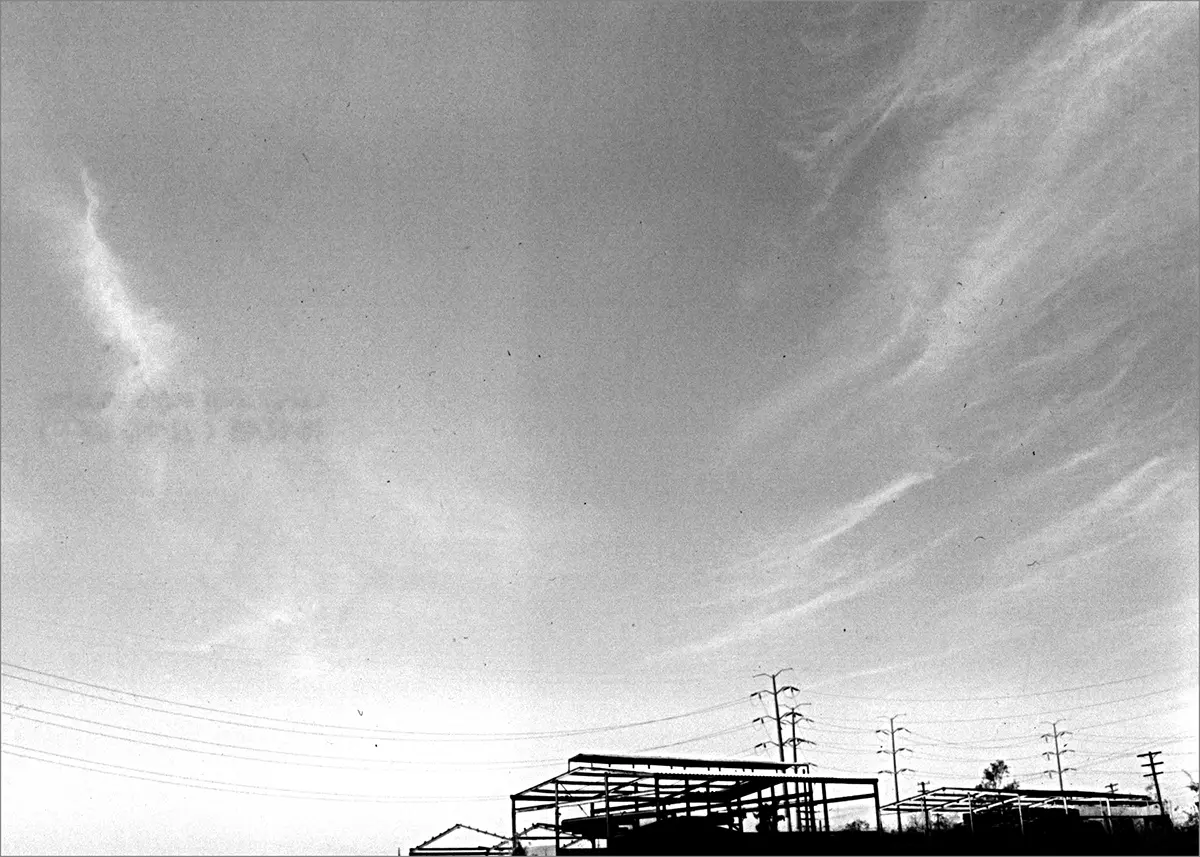
Traditional female roles are also addressed in Lanzadas (2003) by Tania Candiani of the Nortec generation. Candiani sharpens the ends of brooms to a fine point and transforms them from a sign of domesticity and cleanliness into one of defense and/or assault. Sergio de la Torre’s Paisajes series (2000–05)—grainy black-and-white photographs of maquiladoras void of figures—also comments on women’s labor, presenting the dreary industrial parks of post-NAFTA Tijuana.
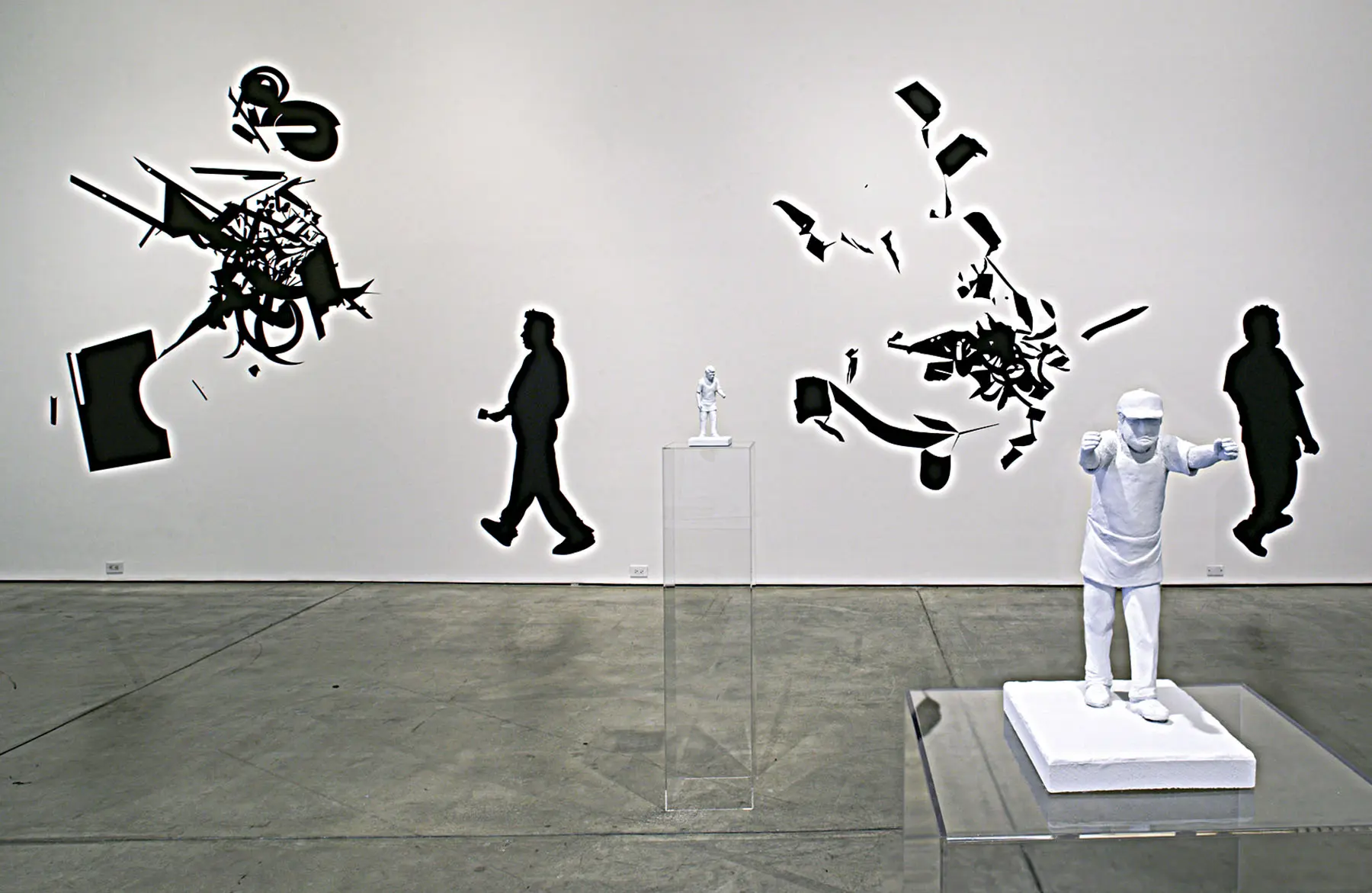
At MCASD’s downtown location, references to Tijuana’s formal and informal economy are more overt, as the gallery space bustles with Nortec-generation multimedia works that emphasize taxis and tourism, street vendors, and factory production. The graphic designer Ángeles Moreno’s music videos depict animated figures loading into Tijuana’s “gypsy taxis” and are displayed on a monitor in the staircase leading visitors to the second floor. There, they are greeted by Julio César Morales’s Informal Economy Vendors (2002), composed of sculptures, paintings, and a video, which highlights the pushcarts that are hand-assembled from detritus and used by vendors throughout Tijuana. Mely Barragán’s aquatint engravings of muffler men (monos mofle) from her series Los guerreros (2003) pay homage to this Tijuana art form, in which mechanics demonstrate their welding skills by producing figures made from car parts. Jaime Ruiz Otis’s Registros de labor (2004), black-and-white engravings printed from polyurethane mats used to cut materials in factories, and Fósiles (1995–2005), readymades found in recycling and maquiladora dumpsters, also point to the factories found throughout Tijuana and the enormous quantity of waste they produce.
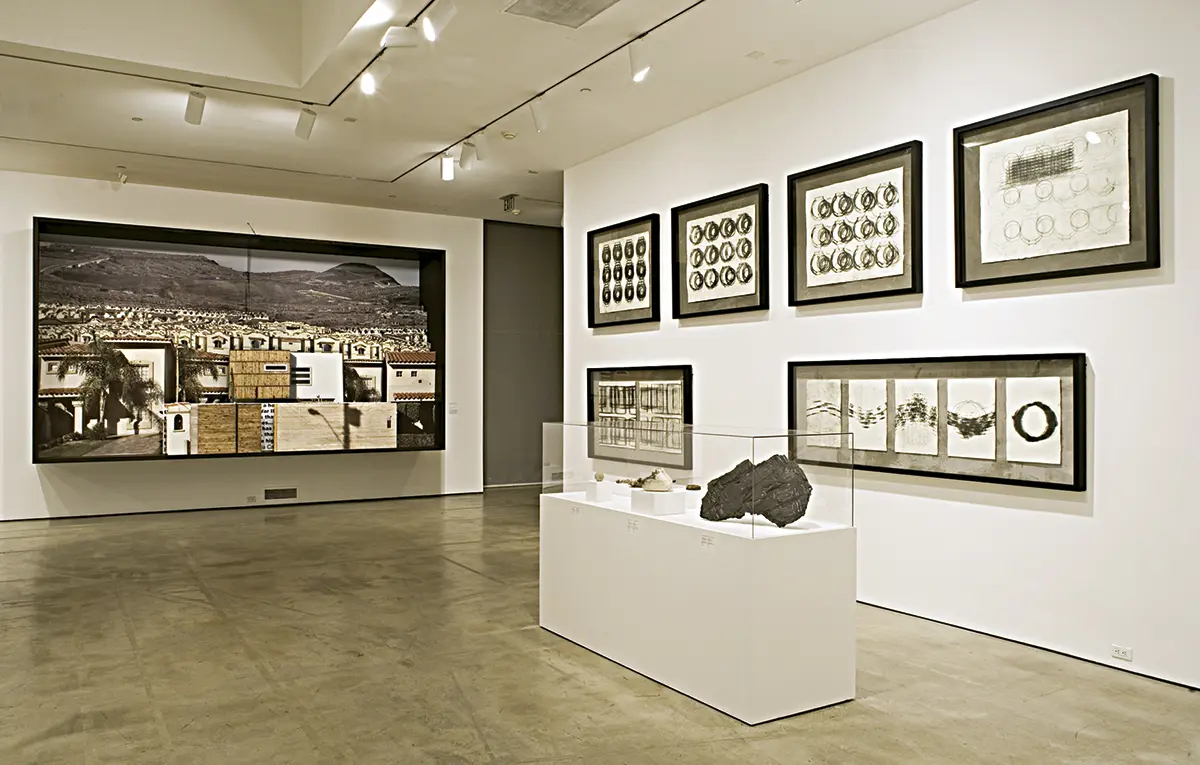
The architects Daniel Carrilo and Omar Bernal of Oficina 3 recycle discards from maquiladoras in their utopian home designs. They are inspired to improve the state of architecture throughout Tijuana. Like the architect and urban planner Teddy Cruz, the architect Jorge García, and the architect René Peralta (Generica), Carrilo and Bernal feature collages and/or plans and models for the city, with an emphasis on cost-efficient prefabrication and recycling. These designs present a contrasting vision to suburban track homes, which Miguel Robles-Durán and Gabriela Rendón (Rhizoma) further critique through their “illegal interventions” in which they design unique modern homes for inclusion in Tijuana’s track housing developments.
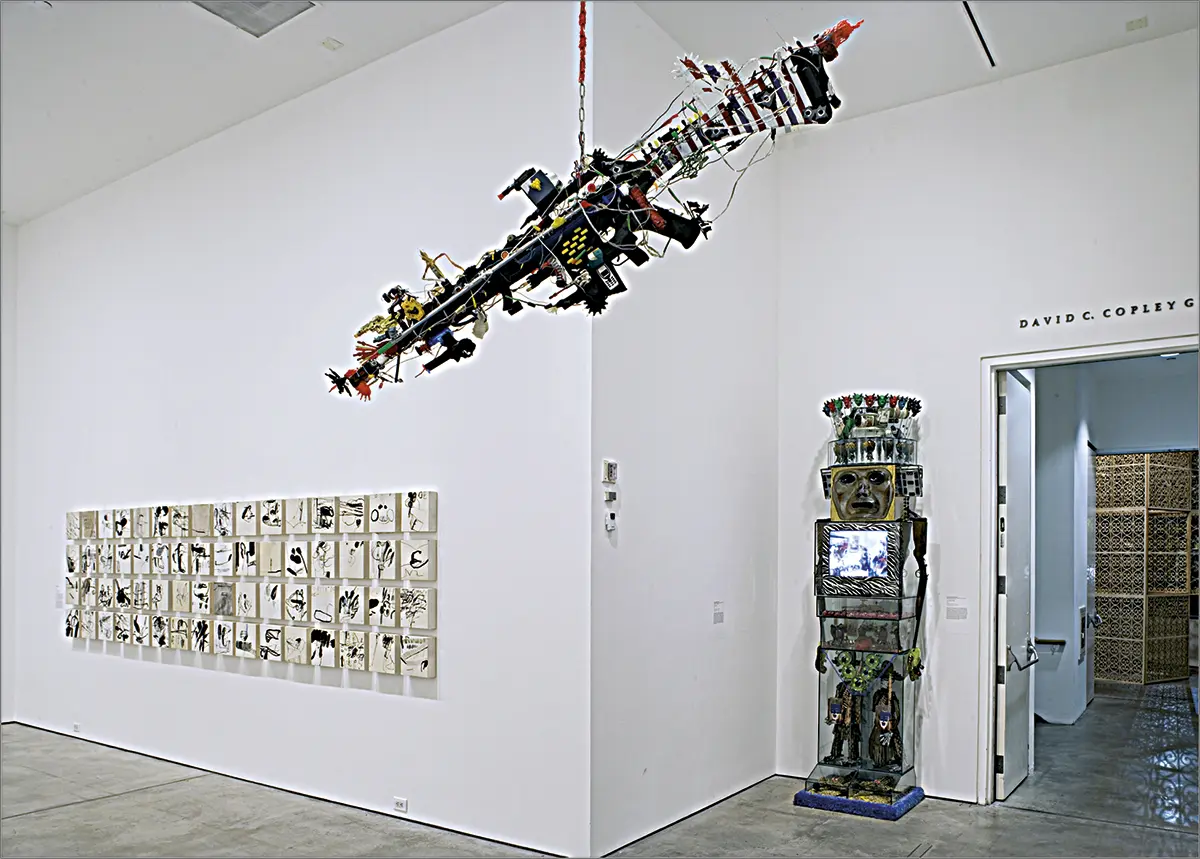
Rather than literally depicting the border, artists of the Nortec generation demonstrate how Tijuana manifests the complications of border life. Local issues appear in the works, such as Bastón de Capitán América (2003) by Daniel Ruanova, a sculpture made of plastic guns, soldiers, and tanks glued together in the shape of a machine gun, calls attention to mass media and video games and the violence that dominates the border region. Charles Glaubitz’s vernacular paintings from 2001 tell the story of El niño burro—a Spanish phrase for dunce—who wears a striped coat like the donkeys throughout Tijuana that are painted to resemble zebras to amuse tourists. Einar and Jamex de la Torre’s Tula Frontera Norte and Tula Frontera Sur (2001) are large glass totems of readymade objects with television sets as breastplates and comment on cultural conquest and hybridity.
The altar-like totems by the de la Torre brothers are similar in many ways to Felipe Almada’s The Altar of Live News (1992) as both use readymade objects from Tijuana to comment on the city/border region. The relationship between these artists, however, is not sufficiently explored in this exhibition. This, unfortunately, allows the inclusion of the mythical and figurative works by Benjamin Serrano, Daniela Gallois, and Raúl Guerrero—all prominent artists from the first generation, on view in La Jolla—that seem out of place beside the conceptual pieces by the younger Nortec generation.
The exhibition is traveling to the Santa Monica Museum of Art and will also be shown at a venue to be determined in Mexico. A 250-page bilingual exhibition catalog designed by Marcela Guadiana and a website, www.mcasd.org/strangenewworld, designed by Ángeles Moreno was produced in conjunction with the exhibition.
BETH ROSENBLUM