
Once again, the Biennial opens its doors to a massive public that gathers in the Ibirapuera Park pavilion. The entrance is free. Some of the activities encompassed in this edition began months ago: the critical seminars, the educational project, and the residencies of a dozen of foreign artists who stayed for several weeks or months in different Brazilian locations, immersing themselves in their particulars and creating specific works for the exhibition.
The title of the Biennial, How to Live Together, was taken from Roland Barthes’s introduction to one of his seminars at the Collège de France, in the 1970s. The seminar sought to explore the reality of specific peoples—for instance, Tibetan monks—for whom cohabitation does not restrict individual freedom. It proposed a reflection about “collective life in shared spaces, about the juxtaposition of differing rhythms in the same physical space.”1 Barthes is an immediate reference to the sociological field. Interpreting that idea, the curators structured the theoretical framework initially suggested by Lisette Lagnado, the general curator. What is the function of art in society? What is the task of the artist? What is the task of the public? What are the exhibition spaces and how do they work? What is the dynamic that rules the relationship between the individual (the artist) and society? How is it possible to “live together”? If the title of the show suggests answers, the exhibition emphasizes the non-answers or at least the negative answers. The governing concepts would have made for a memorable biennial. Yet this isn’t the case, due to the dearth of more significant works.
Inscribed along the lines of Barthes’s thought are the theories and practices of the other two mentors of the Biennial: the Brazilian artist Hélio Oiticica (1937–1980) and the Belgian artist Marcel Broodthaers (1924–1976), the latter the subject of a tribute in one of the seminars and a small presentation on the third floor. Issues like art and life, conviviality and tolerance—or their opposites, discrimination, and marginality—are important interpretive keys as one tour the show. No works by Oiticica are on exhibit within the Biennial, but several important galleries in the city do show them, allowing for a brief approach to the oeuvre of this important Rio artist.
This time around, national delegations were abandoned, in an attempt to erase the tension between “official” artists and those invited directly by the Biennial. Once again—as in the previous edition—traditional, “big name” museographic exhibitions were avoided. Thus, the 118 participating artists were all invited directly by the curatorial team, comprising the general curator and co-curators Adriano Pedrosa, Cristina Freire, José Ignacio Roca and Rosa Martínez. Also, Jochen Volz was invited to coordinate the tribute to Broodthaers. This was a difficult task since the essentially conceptual artist made very few works that can be exhibited. This was the first time that a general curator for the Biennial established a team invested with equal authority to determine the contents of the exhibition. Undoubtedly, what is shown at the Ibirapuera Park pavilion has greater conceptual coherence than what was seen in previous editions. But it is also radically exclusive. The photography and video formats, which used to be called genres, dominate. In coordination with the city’s Cinematheque, film works have a half-month of scheduled viewings. In descending order of frequency, installation art follows. There is some drawing and little painting and sculpture. Naturally, performances are scheduled throughout the duration of the show. Each artist is represented by several works, which allows for a better appreciation of their trajectories, although some works are dispersed among several locations.
A few of the participants are outside Niemeyer’s building: within Ibirapuera Park and in different locations of São Paulo, such as Metro stations or strategic points on various important downtown avenues. The Biennial takes up a huge time and space, and it is very difficult for those who do not reside in the city to apprehend it in its totality.
Special applause should be given to the design of the display at the Biennial Pavilion, which was directed by the architect Marta Bogéa and her collaborators. They were able to generate an unhurried pathway, correctly alternate light, and shade, and accommodate very dissimilar proposals. One misfire is that the space assigned on the third floor to two of María Teresa Hincapié’s videos is too bright and makes them almost invisible.
Three publications are to serve as the historical record. A guide to the participating artists substitutes the usual biographies with interviews newly conducted or taken from previously published sources. The interviews focus, naturally, on the works presented, but this guide does not offer a complete list of the works. A second publication, scheduled for November, compiles texts by the curators and other contributors, including a notebook of images and artist’s projects specifically developed for this book. In December, the annals of the six seminars organized throughout 2006 will also be published: Marcel, 30, Architecture, Reconstruction, Collective Life, Barter, and Acre.
The educational project, led by Denise Grinspun, created five nuclei of debate about contemporary art with the collaboration of the Unified Education Centers in the city’s peripheral areas, along with a dossier of educational material designed for primary school teachers, which was distributed for free. Also, the very large guide corps received strict training during the months prior to the opening. The Biennial wants to widen the range of visitors, usually concentrated among the affluent, and to spark the interest of the less fortunate. What the benefit would be is still undecided.
A general tour of the pavilion’s three floors offers a constant shift from photographs to videos, from videos to installations, and from installations to drawings. The arrangement does not follow traditional criteria such as nationalities, genres, or similarities in language. As usual, larger works occupy the space of the first floor.
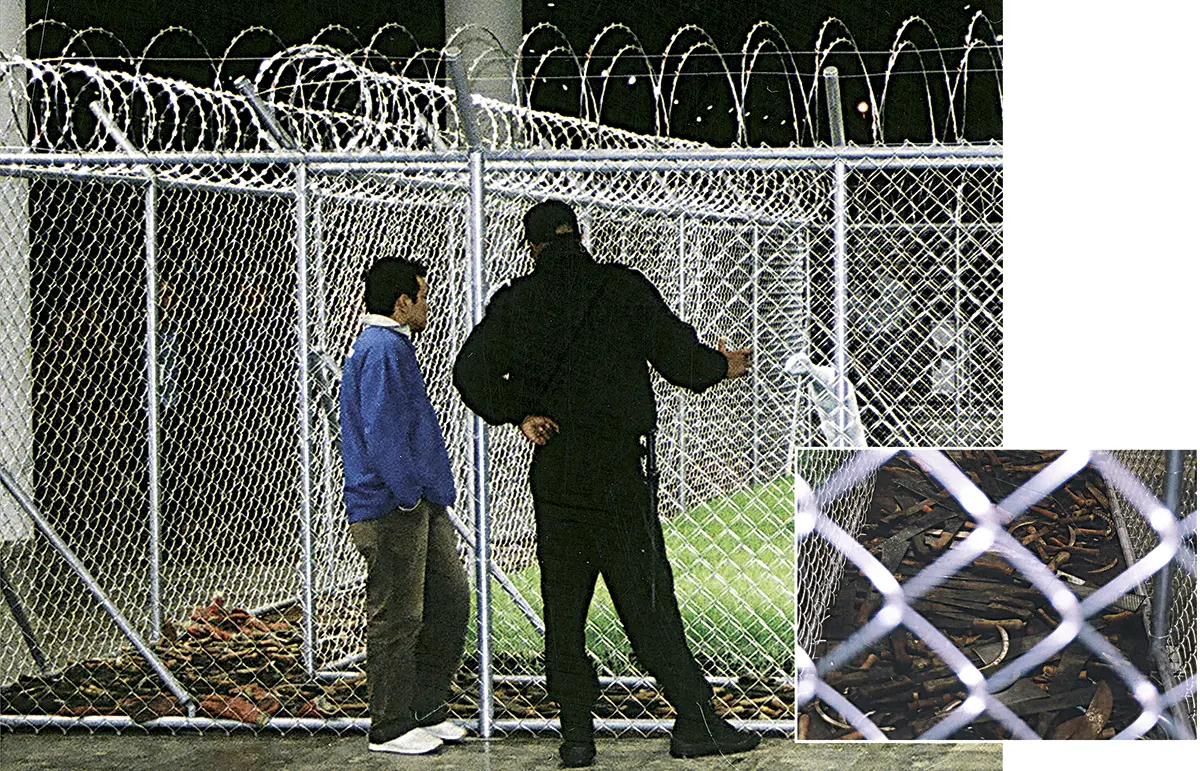
Upon entering, visitors find a moving installation by the South African artist Jane Alexander (born 1959). It is a rectangle of live grass, surrounded by a double wire-mesh wall; between the two walls, the floor is covered by work gloves and sharp tools such as machetes, sickles, and hoes. Four uniformed men guard the installation. Inside, on the grass, there is a strange being—half-man, half gray bird, solitary and mute. The interviewer Steven Matijcio highlights the “undeniable visual quality that fuses horror and seduction.”2 The work is a powerful image of apartheid and of all the ghettos the human race insists on establishing.
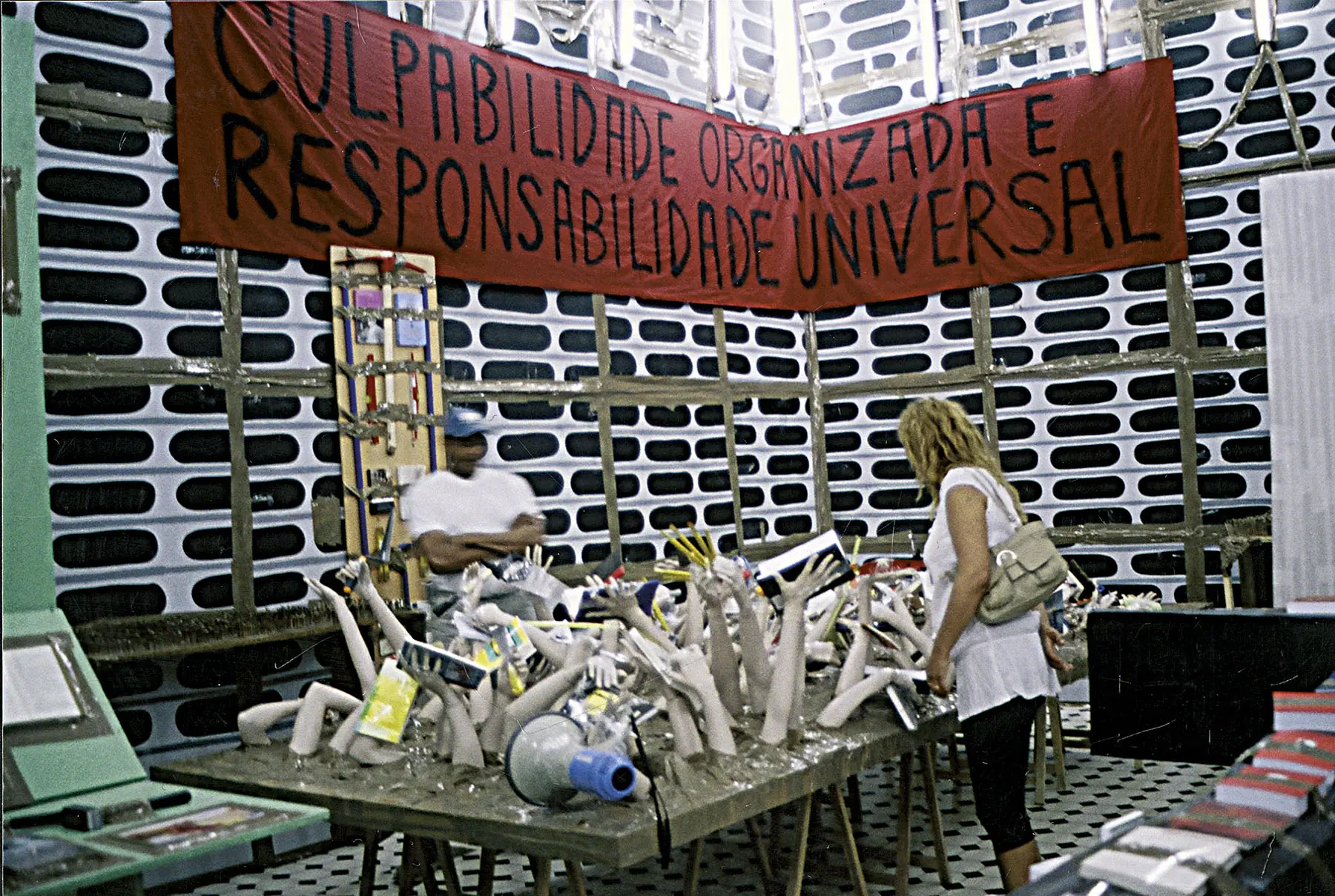
An installation by the Paris-based Swiss artist Thomas Hirschhorn (born 1957) also deals with horror and seduction and is found on the same floor. With an almost unbearable crudeness, Hirschhorn approaches an issue that is inherent to life itself: violence, i.e. the element that makes “living together” difficult.3 A large space formed by tall walls made of pieces of cardboard joined by adhesive tape contains many tables and shelves, filled with books by philosophers and thinkers from Hegel and Kant to Deleuze and Habermas, tied with the same tape that ties a vast number of work tools: hammers, saws, picks, nails, and bolts, as well as video monitors and graffiti; one of the latter reads “Los insensatos.” The overcrowded space almost induces claustrophobia. In each bundle of sealed and thus negated books and tools, there are revolting photographs of corpses, or segments of them, visibly crushed, bloodied, barbarously mutilated. The sealed and useless books, the unused tools, and the photographs trigger a reaction of fascination and horror. Conceptually and visually, this is the most violent work in the Biennial and the one that most radically denounces human beings’ inability to live together.
In comparison, the city of sugar—inspired by the state of Pernambuco—presented by Mechac Gaba (born 1961, Benin) seems like child play; the Germany-based artist asserts that in order to coexist, what is required is harmony, sweetness, and love. Alongside it, the Brazilian artist Marepe’s chains of umbrellas suspended from the ceiling and pyramids of cloth rollers lend an entertaining and harmless note in this section.

Ivan Cardoso, a Rio de Janeiro filmmaker pays direct tribute to his friend Oiticica, both in his short films and in a light table entirely covered with filmstrips. “Whenever I want to see Hélio alive, I see my films . . . In my films he hasn’t died.”4
In the section opposite the entrance and in the middle of the upper level, one finds a number of interesting works. Washing, a beautiful series of seven large photographs literally washed to the point that the images become almost abstract, is presented by Wang Youchen (born 1964, Beijing) along with a real darkroom where the public can develop their own negatives according to old techniques. In his work, the Argentinean artist Tomás Saraceno (born 1973) imagines plastic cockpits as flying, ubiquitous homes. Donald McRonald, a video by the Mexican artist Minerva Cuevas (born 1975), records an action in which an actor dressed as a clown instructs the patrons of a fast-food restaurant about the costs of consuming hamburgers and fries: high cholesterol, weight gain, etc. while asking them for money. On a side wall, Adel Abdessemed (born 1971), a Paris-based Algerian artist exhibits nine large barbed wire circles. Here is another trick of interpretation; this almost minimalist, elegant work contains dramatic concepts about exclusion, forbidden territories, and confinement. Les racines du mal, a metal structure resembling a large insect by the French architect Didier Faustino (born 1968), generates its own space inside the hall, in front of the plastic cockpits; the author defines it as a reunion atoll and declares that “today art has become the laboratory of the world.”5 The space Eloísa cartonera, put together by a collective of Argentinean artists, reproduces a small, artisanal book workshop inside and outside the Biennial. With discarded materials salvaged by the cartoneros (urban scavengers), the team manufactures books with works by Latin American authors. Each book is unique, and some are for sale at very low prices. The members of the group, formed in 2003, see their work as a form of exchange between the artistic function and everyday life.
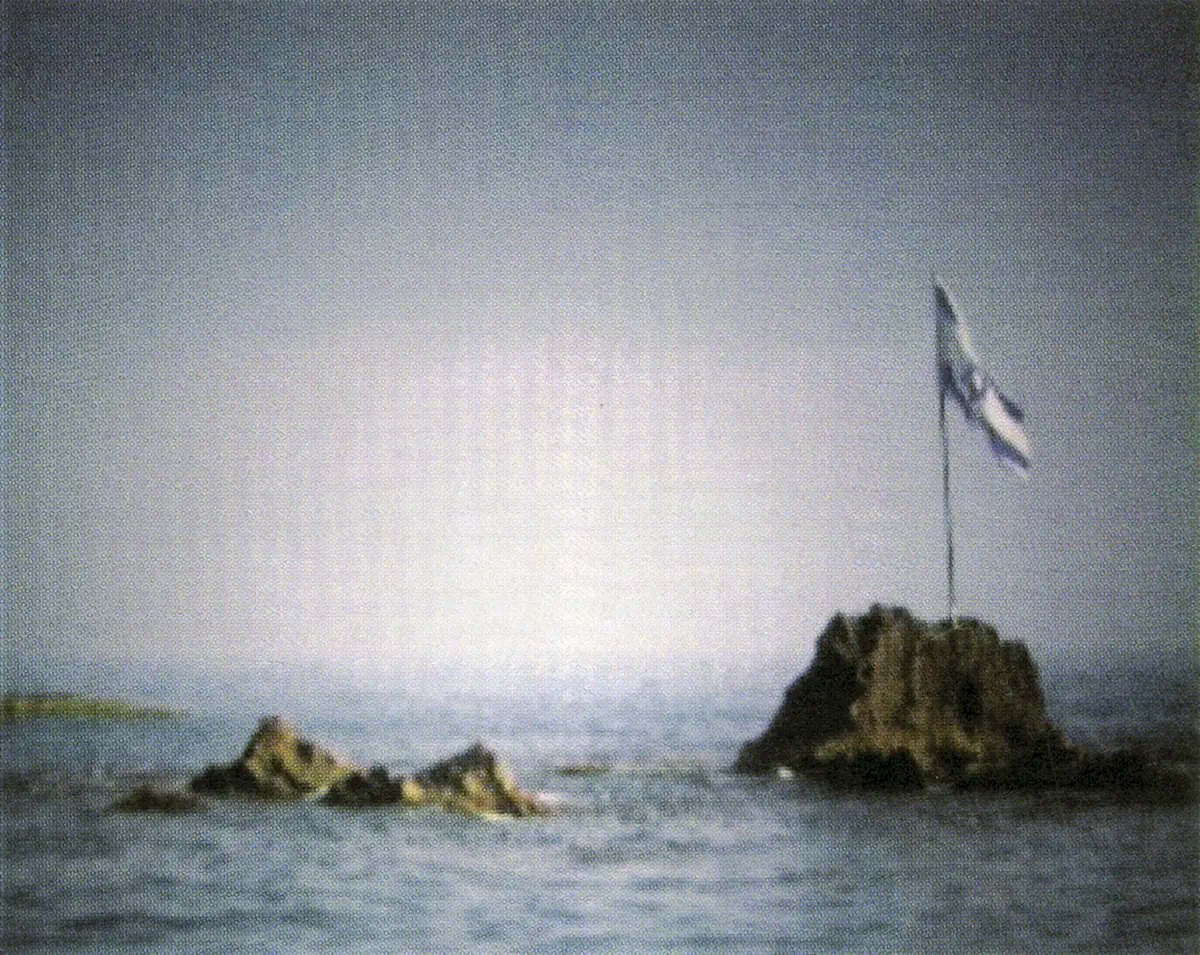
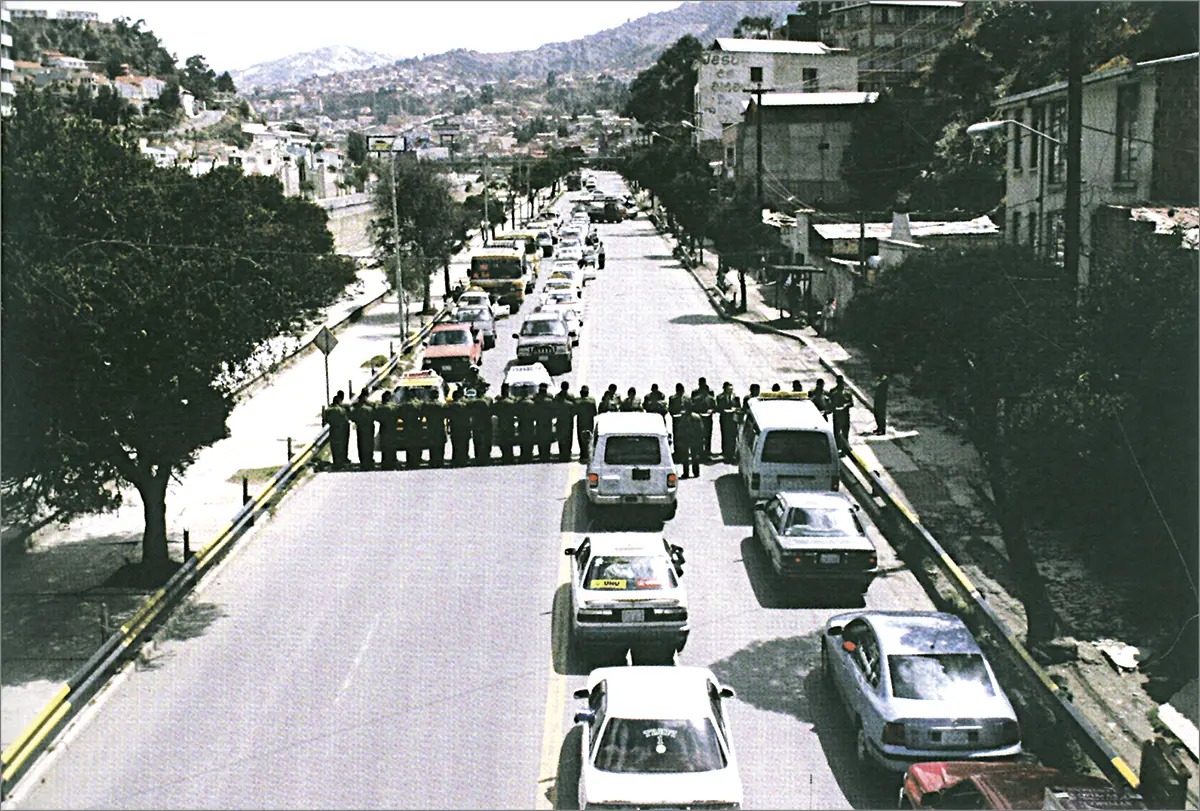
On the second floor, the works of fifty-one artists are exhibited. Fifteen are video installations. Poético is the record of an action by the Amsterdam-based Israeli artist Yael Bartana (born 1970); the action takes place in the Andromeda atoll, in front of the port of Jaffa. A solitary man paddles towards the atoll, crowned by the Israeli flag; the man substitutes the flag with an olive tree, which sways in the wind. Tonto, a video by the Philadelphia-based Puerto Rican artist Pepón Osorio (born 1955), shows a man running with his back to the viewer, never reaching his destination. The screen is behind a makeshift barrier of horizontal wood beams that viewers must peek through to see the image. This is too much like another video, shown two editions ago, by the British artist Willie Doherty, where a man saw frontally and from behind ran without stopping through a London traffic tunnel. A much more entertaining work is Verde Oliva, an action executed and recorded by Narda Alvarado (born 1975, La Paz). In this four-minute-and-thirty-second video, a line of policemen emerges from an urban billboard, blocking traffic on a wide avenue. Each one carries a green olive on a plate. At the sound of a whistle, they proceed to eat the olive, while the enraged drivers protest with their car horns. Afterward, the policemen turn around and march back, single file, into their barracks.
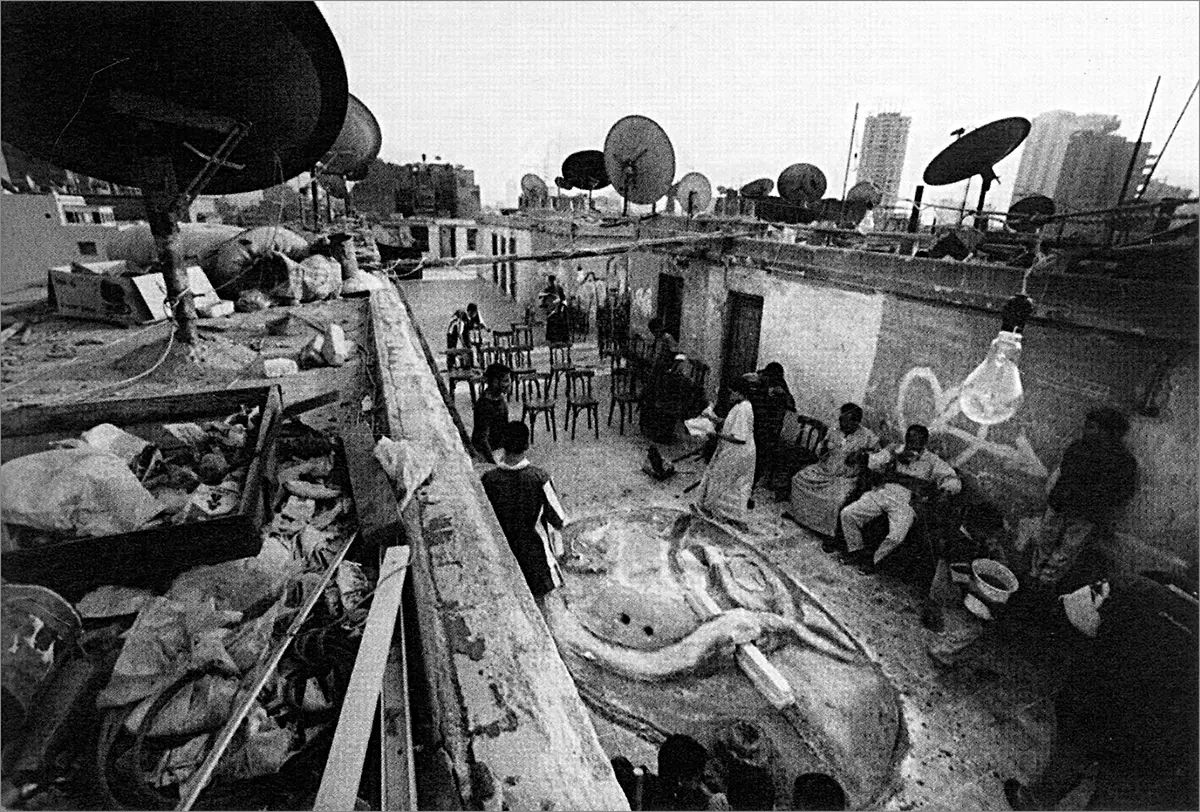
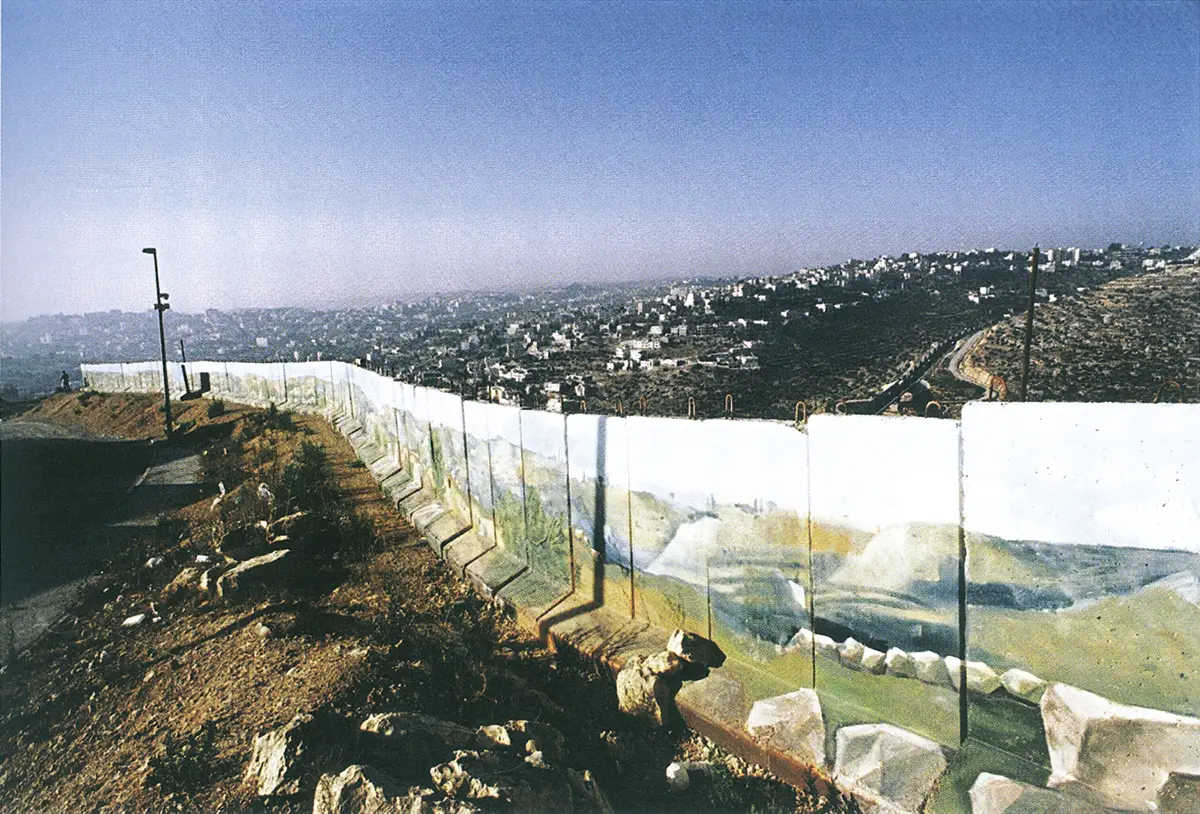
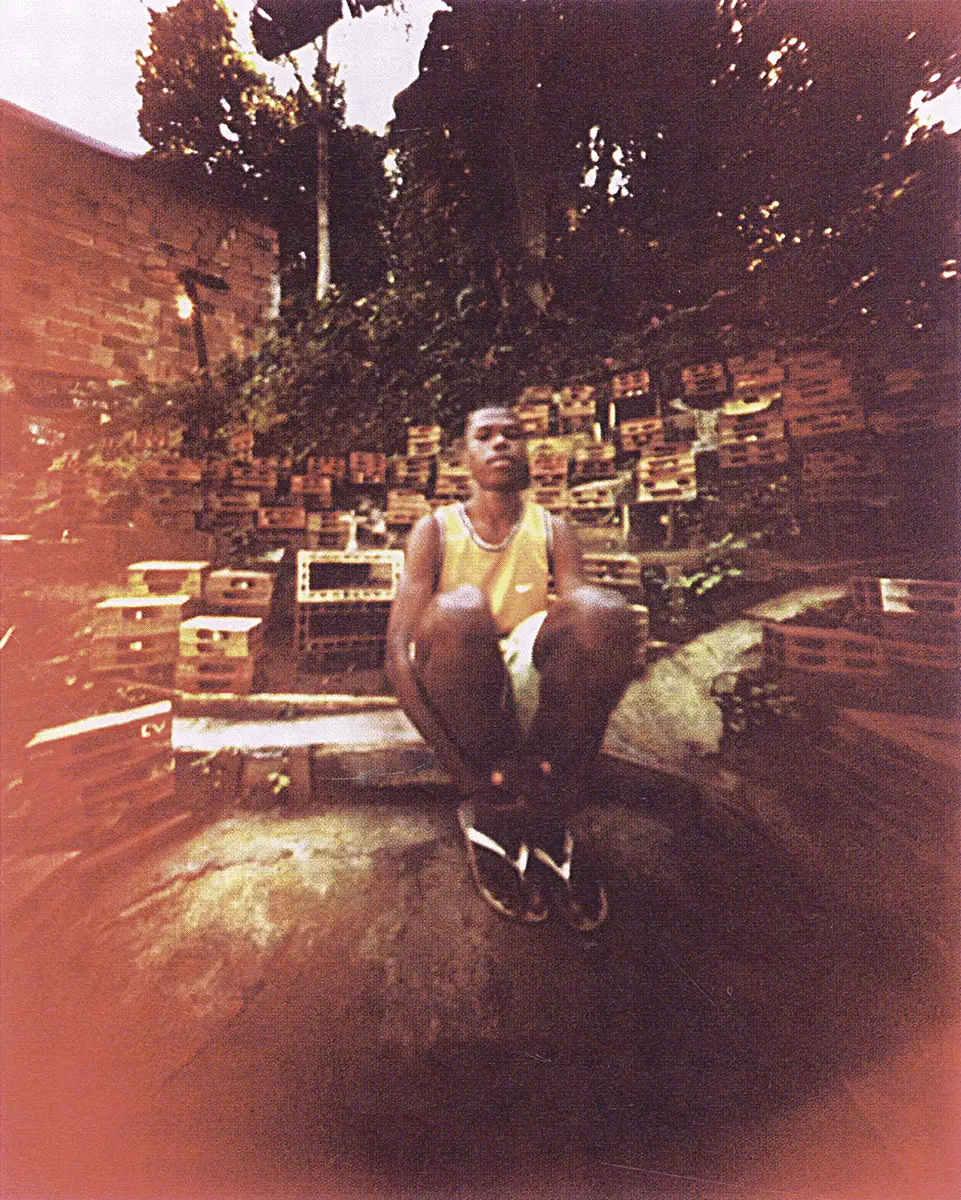
The representation of the photographic genre is more generous and varied, including testimonials, portraits, and simple technology like pinhole camera images using the principles of the camera obscura. Using a simple perforated tin can, the Brazilian artist Paula Trope (born 1962) created a series of images of the fantasies and experiences of a group of adolescents from the Pereirão favela in Rio. With fragments of roof tiles and bricks, pieces of wood, and discarded boxes, the youngsters have created a miniature favela, the Morrinho, which today covers an area of around 300 square meters and has its own population, tensions, and conflicts. Trope gives the spotlight to the authors of the game, who are enthusiastic protagonists of a serious work that pays attention to them. Randa Saath’s (born 1963) very beautiful series, Under the Same Sky, shows the varied and sometimes surprising uses of flat rooftops in Cairo. The Israel-based Argentinean photo-reporter Miki Cartman (born 1959) brings images of the wall separating several Palestinian territories from Israeli ones; on some segments, one or several anonymous artists have painted the view that the wall obstructs. If photographs of walls have such an impact, one can only wonder what the impact is in real life.
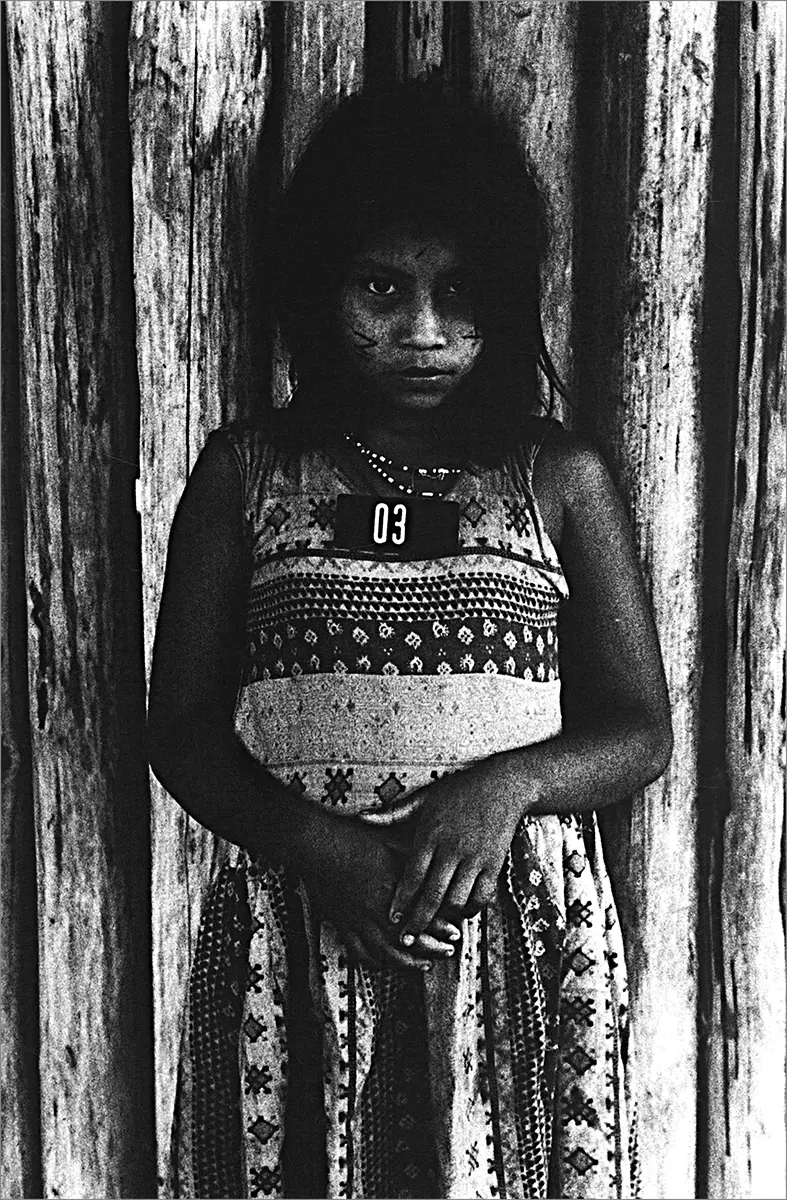
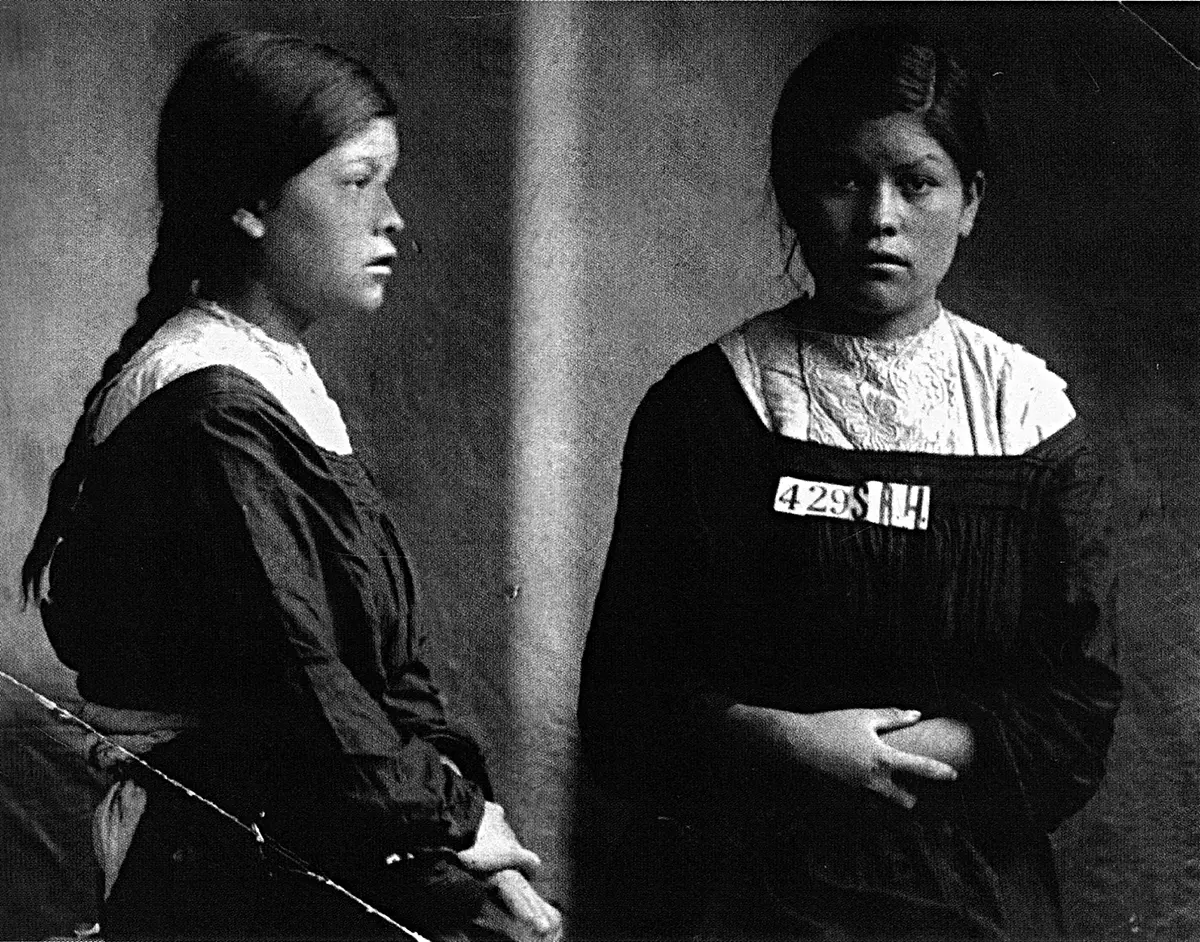
The Bolivian artist María Galindo (born 1964), a feminist linked to the group Mujeres Creando also uses photographs in her installation—not ones taken by herself but those from the archives left by Cordero, a well-known social photographer of the early twentieth century. These are photographs of female prisoners, insurgent groups, and social events that, combined with various manuscript texts, denounce the tremendous social injustice of the period in the Andean nation and the oppression of women and indigenous peoples. The work of the Brazilian artist Claudia Andujar (born 1932, Switzerland) also serves as a historical register. In 1981 and 1983, Andujar accompanied a volunteer medical team as it vaccinated groups of Yanomami Indians, who were highly vulnerable to illnesses brought to the rainforest with Western penetration. Numbers identify her portrait subjects, as in police records; the photographer explains that individuals needed to be identified this way since the people of this ethnic group have no individual names.6 The series is titled Marcados and naturally provokes a reflection about the fate of native Amazonian groups, who are increasingly more cornered by Western encroachment.
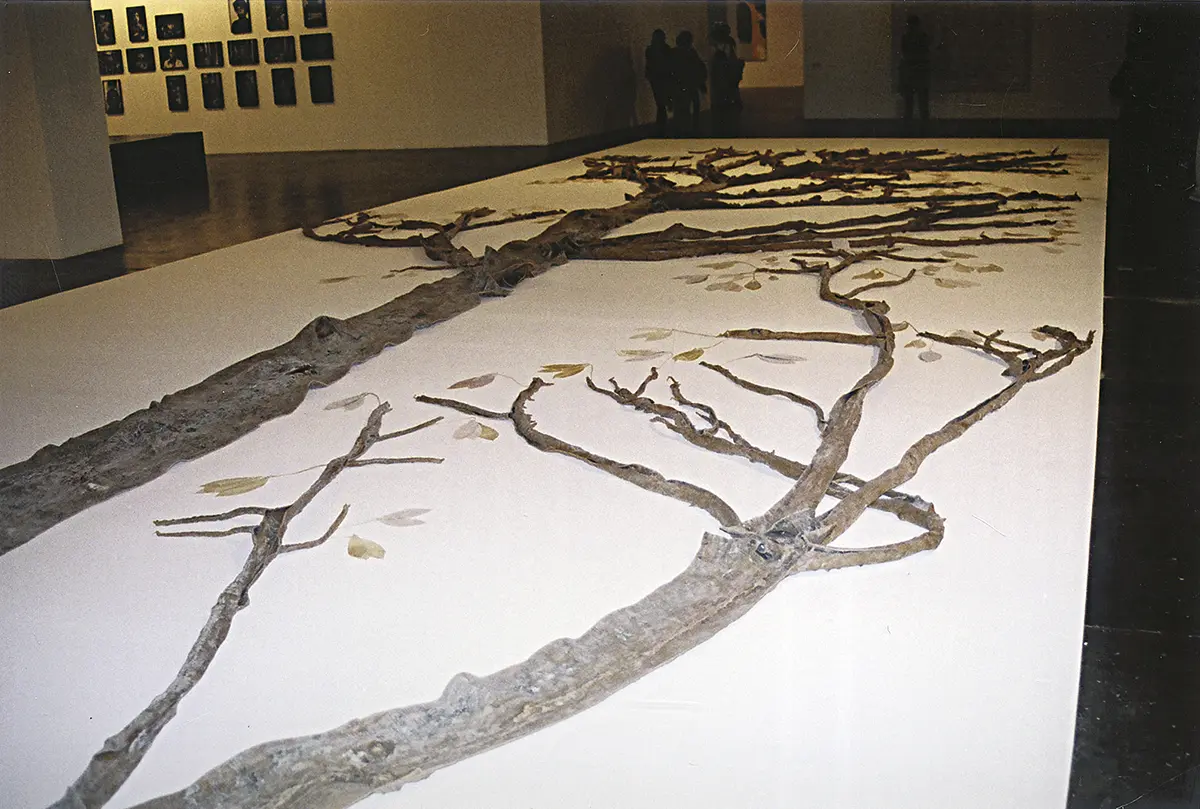
The installation presented by the Bogotá artist Alberto Baraya (born 1968), who participated in the program of resident artists in the state of Acre, brings a breath of fresh air to the Biennial, despite the irony of his commentary. For several years, the artist has worked as a “botanist,” accumulating samples of plastic vegetal material to build a herbarium like those of eighteenth and nineteenth-century naturalists, properly recorded, organized, and sealed. Behind this entertaining mimesis hides a denunciation of the problems that globalization brings with it, “reaching into the world’s most remote locations and making evident a breaking of cultural borders.”7 What is here is not the large rubber tree but a latex mold of its bark extended like an empty skin on a large podium.
The Catalan artist Antoni Miranda (born 1942) also acts as a collector and gatherer. His work-in-process Sabores y Lenguas seeks to exalt food as culture and analyzes similarities and differences between the culinary traditions of several Latin American cities. The information gathered forms an archive for the Barcelona-based Food Culture Museum. The exhibition uses the image of the human tongue as a symbol. Groups of thirty to forty manipulated plates on the floor—“decorations,”8 according to the artist—show how working-class groups experience food in the cities visited by the project: Miami, Caracas, Lima, Bogotá, Havana, and São Paulo.9 Also, the walls of the assigned space, at the back of the second floor, are entirely covered with photographs of popular São Paulo food vendors, from the street cart to the corner boteco. The installation is great fun; one of the plates, from the Havana block, displays the caption painted on a fish skeleton, “And what will we give them if they ask for fish?”
Two on-the-fly researchers, Raimond Chaves (born 1963, Bogotá) and Gilda Mantilla (born 1967, Los Angeles), who lives in Lima, made a portion of their trip to the Biennial by river, from Colombia and Peru to Brazil, and recorded their findings and experiences in drawing. More attractive than the falsely naïve drawings is Chaves’s collection of sleeves for old Latin music LPs, manipulated and commented on by the artist. Several popular music stars are present with their grandiloquent phrases or their double entendres, a reading implicit in all of the continent’s Latin speeches.
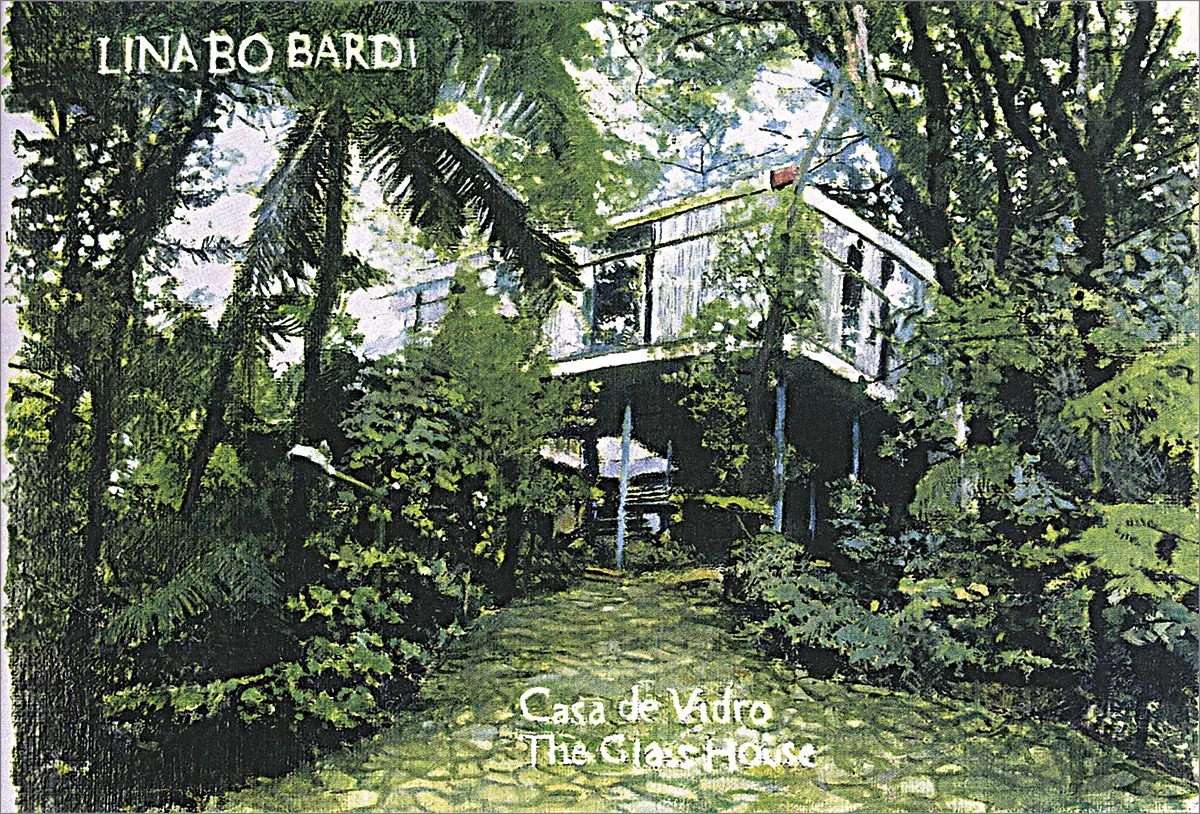
The participation of the renowned Thai artist Rikrit Tiravanija (born 1968, Buenos Aires) seems rather anodyne. His work is a small tin house with palm trees inside, created following the model of a tropical home by Jean Prouvé. The artist explains: “A tropical ailment, the Tropical House is an architectural exorcism of the exotic representation of otherness...”10 “E d’aí?” as Brazilians would say.
The contribution presented by the French artist Dominique González-Foerstes (born 1965) is interesting. She generates a “play space,” multiplying the pavilion’s round pillars and breaking with the false columns of the rationalist order in the interior space. Also intriguing and interesting is the Venezuelan artist Juan Araujo’s (born 1971) painting reproduces photographs or jackets of books about architecture in a highly original inversion of artistic techniques and processes.
Only thirty-three artists are on the half of the third floor assigned to the exhibition. Jarbas Lopes (born 1964, Nove Iguaçu) shows photographs and bicycles manipulated with straw, making a sort of sleeve that makes them fun and unusable. Tader Pogaar (born 1960) from Slovakia takes the viewer to his city’s informal markets in his photographs; such places are utterly familiar in Latin America. The one-hour video presented by the Italian artist Monica Bonvicini (born 1965), Hammering (an old debate), shows a woman’s arm hitting with a large hammer a wall that never crumbles down. The Berlin-based Japanese artist Shimabuku (born 1969) also exhibits videos. In one of them, the repentistas11 (popular Brazilian troubadours) Pereira & Sonhador invent music and lyrics for the story the artist creates with a live octopus.12 From Korea, Sanghee Song (born 1970) presented a moving installation denouncing the oppression of women in traditional Eastern cultures. The entertaining parody of stretching exercises presented by the Czech artist Antal Lakner (born 1966) in his video installation Inners–Elevator Stretching reveals the artist’s interest in mobile public spaces—elevators, escalators, metro or train coaches—and asks how they can be used to greater advantage: by using them for exercising, for instance.
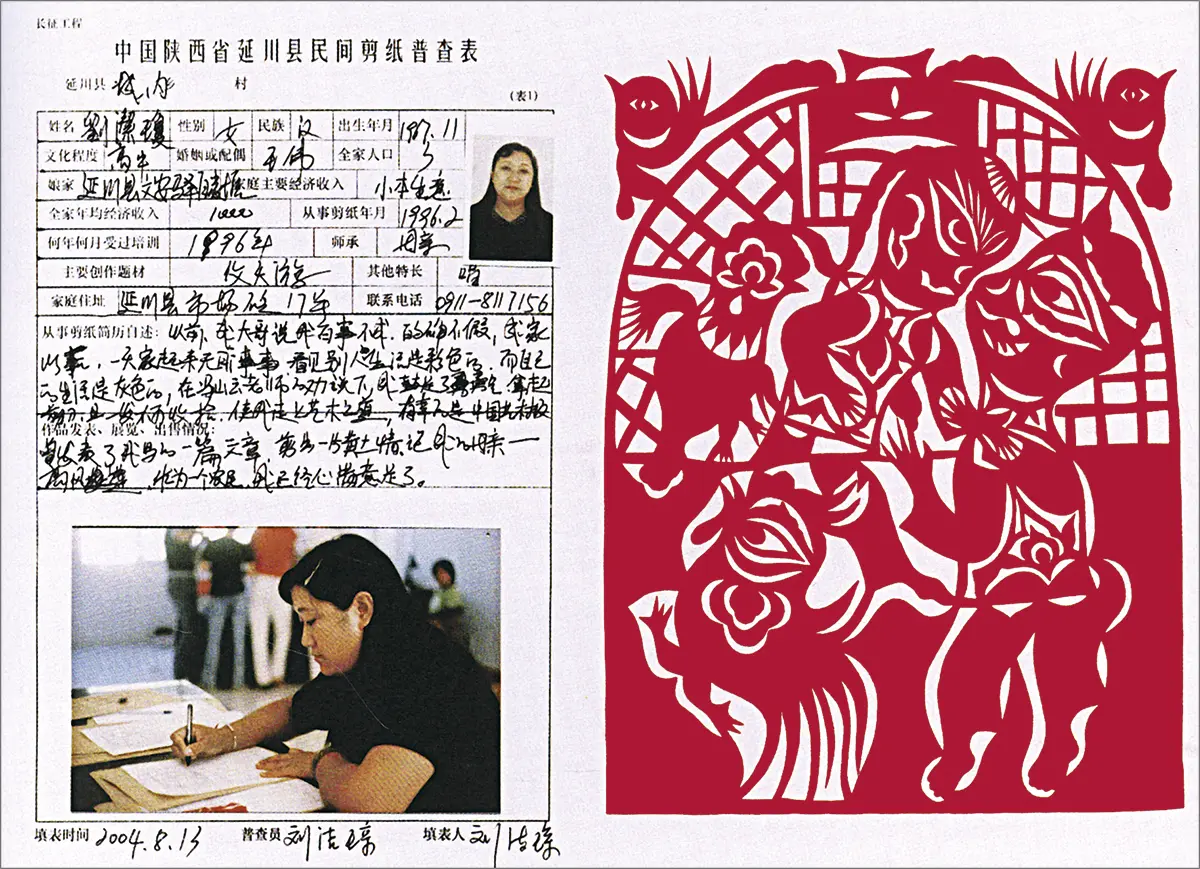
The space around the large ramp ends with a wall entirely covered in paper cut-out—the art of extracting shapes and figures from a sheet of paper—sent by the Long March Project, which started in 1999 in Beijing. “Today, China is once again undergoing a Long March, towards the development...” In the Yanchuan municipality, members of the project, artists, and cultural functionaries interacted with the population, recovering the traditional art of paper cutting. Hundreds of results from this labor are exhibited, all in red paper, each author including his or her picture and a text in Chinese. There is also a catalog and a video showing several cutters in action13.
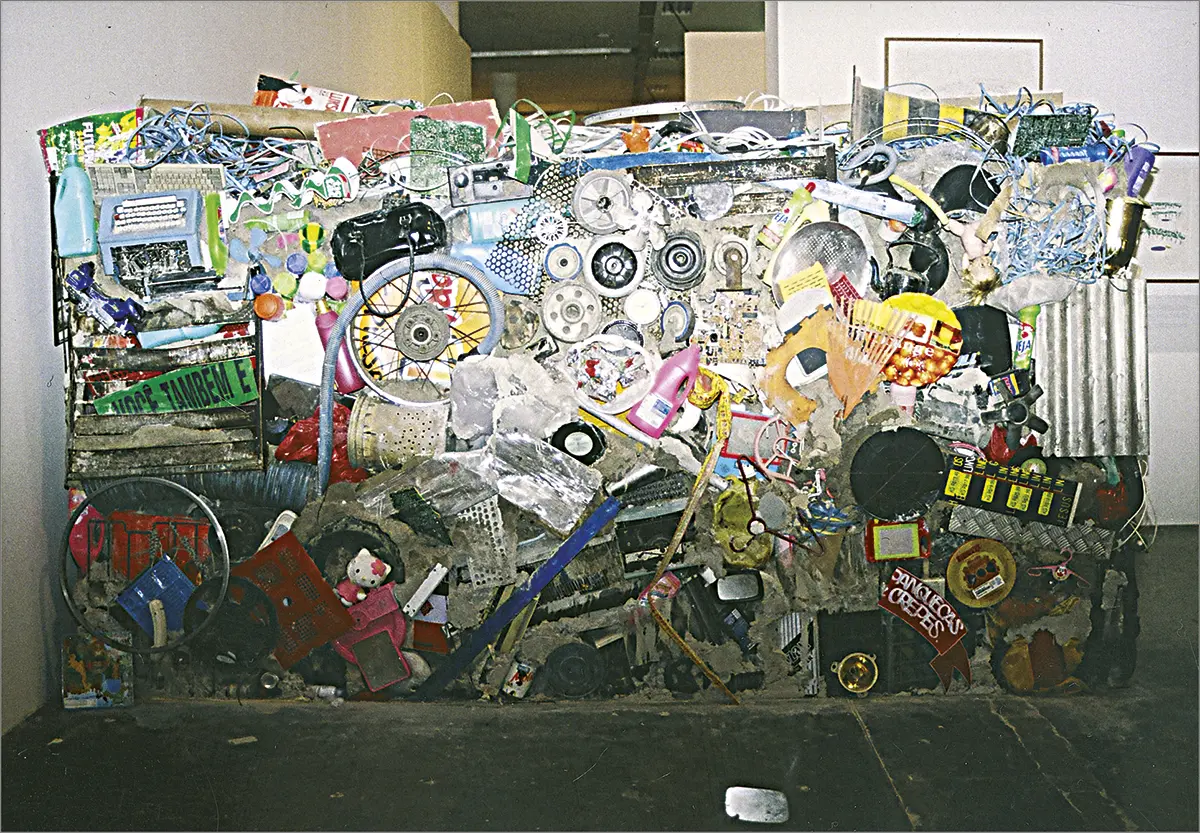
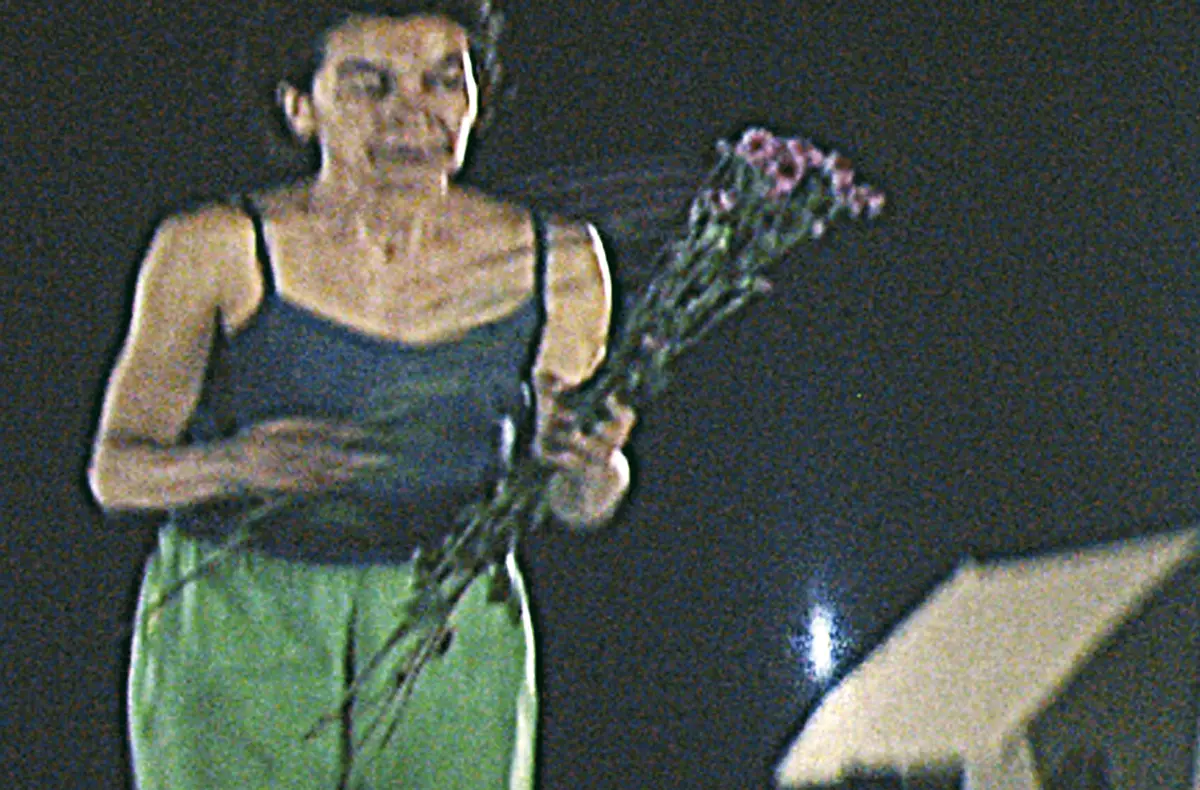
The Cuban-American artist Ana Mendieta (born 1948, Havana—–died 1985, New York) is represented with six videos and several photographic selections. Her well-known actions, performances, and interventions highlight the use of her own body, almost always nude, as a material in search of a radical integration with earth, fire, and water. Seen now, twenty-one years after her death, the images have lost some of their shock value but nevertheless gain in poetic content. Her interview was taken from Performance Artists Talking in the Eighties.14 A little further down, there are several photographs and videos by Gordon Matta Clark (New York, 1943–1978): some of his “perforated” buildings, the underground of the Paris Opera, a large garbage collector with old doors and windows, a sort of risible cockpit. In the end, the relevance of this architect and de-constructor remains unclear. The Yin and Yang pavilion by Dan Graham (born 1942), a sinuous construction of mirrored glass, acrylic, lead, linoleum, pebbles, and water, is much more eloquent.
The first conclusion is that this is not an outstanding Biennial. The heavy conceptual load makes it a stiff exhibition, one difficult to penetrate even for relatively well-informed people. Many of the exhibited works lack the visual quality necessary to put across their message, which makes them boring, heavy, or simply meaningless. Also, many works are by young artists who are just starting to develop their interests and their careers. These are not mature works but steps on a path in progress; they barely give an inkling of where the artistic expression is going. This raises a profound question: What is the use of a biennial like São Paulo’s? Will the curators answer when their texts appear in November?
NOTES
1. Solange Viana, press advisor for the Biennial.
2. Steven Matijcio, Guía, p.102.
3. Children and adolescents cannot enter this space.
4. Ivan Cardoso, interview with A. Leite and C. Starling, Guía, p. 96.
5. Didier Faustino, Guía, p. 62.
6. These are black and white photographs, blown up to a 60 x 50 cm format.
7. Alberto Baraya, Guía, p.24.
8. "Decorados", says the author of the project.
9. The Catalan artist lives between Barcelona and Miami.
10. Rirkrit Tiravanija, Guía, p. 210.
11. Repentistas are the popular Brazilian troubadours.
12. There is wordplay involved: povo, in Portuguese, means both “octopus” and “people” or “population.”
13. It is worth remembering that Mexico and Guatemala have similar crafts.
14. U. of California, 2000.
*Photos: León Birbragher.
MARÍA ELVIRA IRIARTE
Ph D. in Art History and MFA. She teaches art history at the School of Fine Arts, Finis Terrae University, Santiago de Chile.