The Frieze fair is organized by the Frieze Events, a sister company to the magazine of the same name. As in the three previous years, this year it was held at the Regent’s Park in London. The economic bonanza of a strong currency, tax allowances that are better than in other countries, a new generation of young people enjoying good salaries, and the aura that collecting has become chic have turned Frieze into one of the most attractive fairs in the contemporary art market, while exceptional weather, the “Indian summer,” helped raise spirits and bring the public out.
As in previous editions, the fair took place under a tent. This year, upon arriving, one encountered a strange ramp made of unpainted wooden sticks and pressed wood. It seemed like an extra floor had been built. This was an idea developed by the architect Jamie Fobert, who intended it to be an installation and to move visitors closer to the parks’ trees and vegetation as they ascended. The ramp, however, did not achieve the wanted effect because it felt crude and elementary.
Among the 151 participating galleries, the strongest representation came from London with thirty-four galleries. The United States was represented by thirty galleries, of which twenty-five were from New York. Twenty-five galleries represented Germany and there were only two from Latin America, both from São Paulo, Brazil.
The fair’s various programs included: Frieze Project, for the acquisition of works for the Tate; site-specific works; the Cartier Prize; the film program titled “Artist’s Cinema” in collaboration with Lux; and two projects with institutions—the Istanbul Platforma Goranti, whose participation in the fair made it possible to acquire donated books and journals to enlarge its library and the Project Arts Center, which worked with Resonance Radio Booth, basing a project on the word “communism.”
The collaboration between the Tate and the Frieze fair has consisted of the creation of a fund with resources donated by a group of London collectors in order to acquire works by emerging artists. This year, the fund raised 150,000 pounds (US$270,000). The acquisition committee is composed of Douglas Fogler, contemporary art curator at the Carnegie Museum of Art, in Pittsburgh; Eric Troncy, director of Le Consortium, Lyon, France; Anne Gallagher, director of British art collections at the Tate Modern; and Jessica Morgan, contemporary art curator at the same institution. Following the guidelines developed by the latter two, twenty-eight works were acquired, among them Chandelier avec Tetes by Thomas Hirschhorn (represented by Galerie Chantal Crousel); a video by Rivane Neuenschwander in collaboration with Cao Guimaraes, titled Cuarta Feria de Cinzas/Epilogue (Galeria Fortes Vilaça); Sin título by Gabriel Kuri (Franco Novero Gallery); and Fallen Tree with Eyes by David Shrigley (Stephen Friedman Gallery).
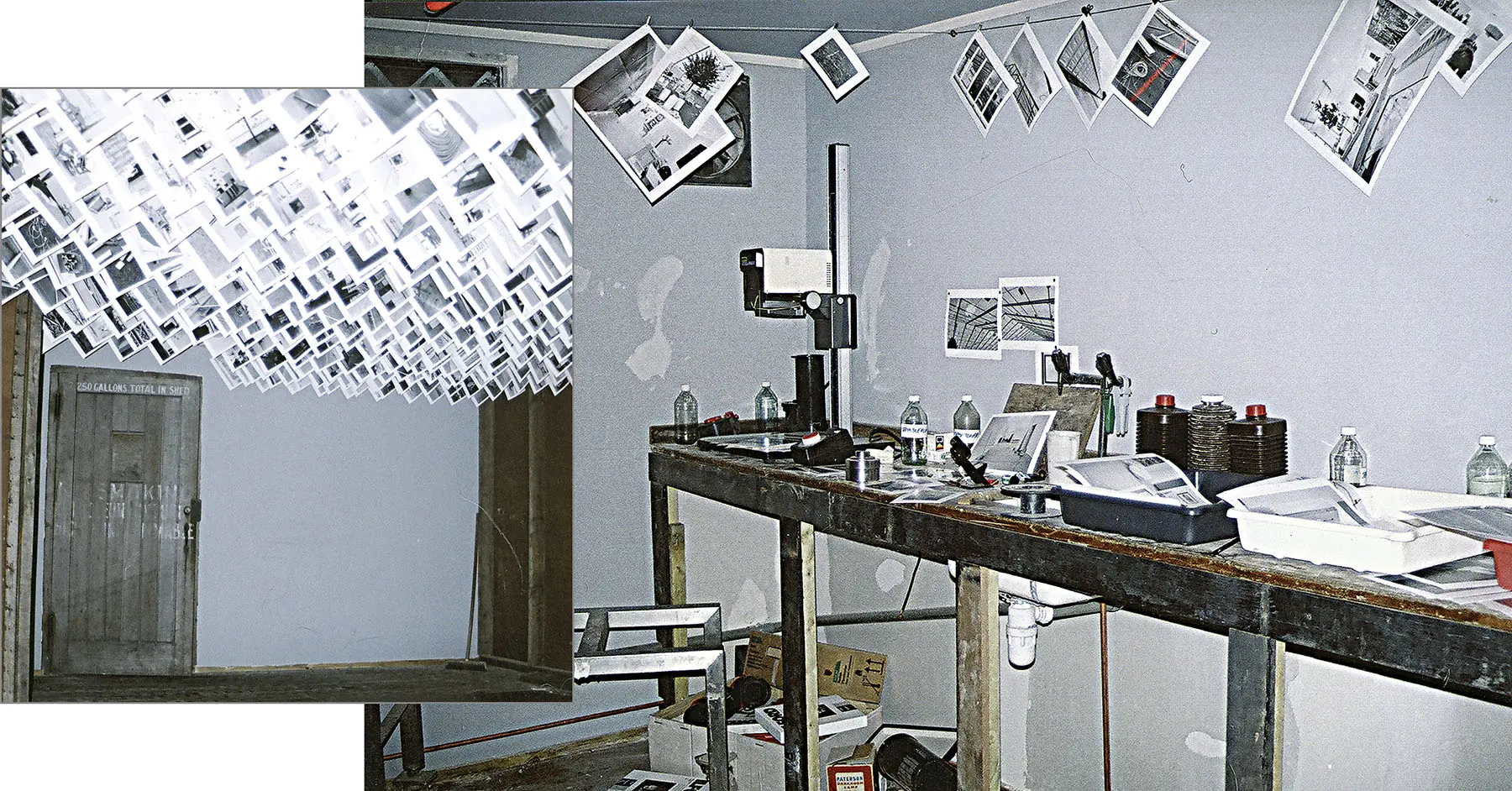
Four artists were selected to create the site-specific projects: Mike Nelson, Loris Giraud, Alara Almaicegui, and Pablo Bronstein. Mike Nelson built a labyrinth behind several booths and a series of rooms, one of them a photographic darkroom; another one contained an installation of many photographs hanging from the ceiling, a relaxed conceptual counterpoint in contrast with the fair’s effervescence. Alara Alceigui made a large-scale panel with a list of the tons of materials used to build the fair’s tent. Pablo Bronstein programmed a bus tour of London’s postmodern architecture buildings from the 1980s and 1990s. His most recent work is Triennial Plaza, for the Tate Triennial in 2006, in collaboration with the architect Celine Condorelly. Loris Greaud and DG2 Research created what they call “nanosculptures,” objects that are visible to the naked eye only through a magnifying lens in a microscopic museum. In comparison with previous editions of the fair, their earlier site-specific works were more ambitious.
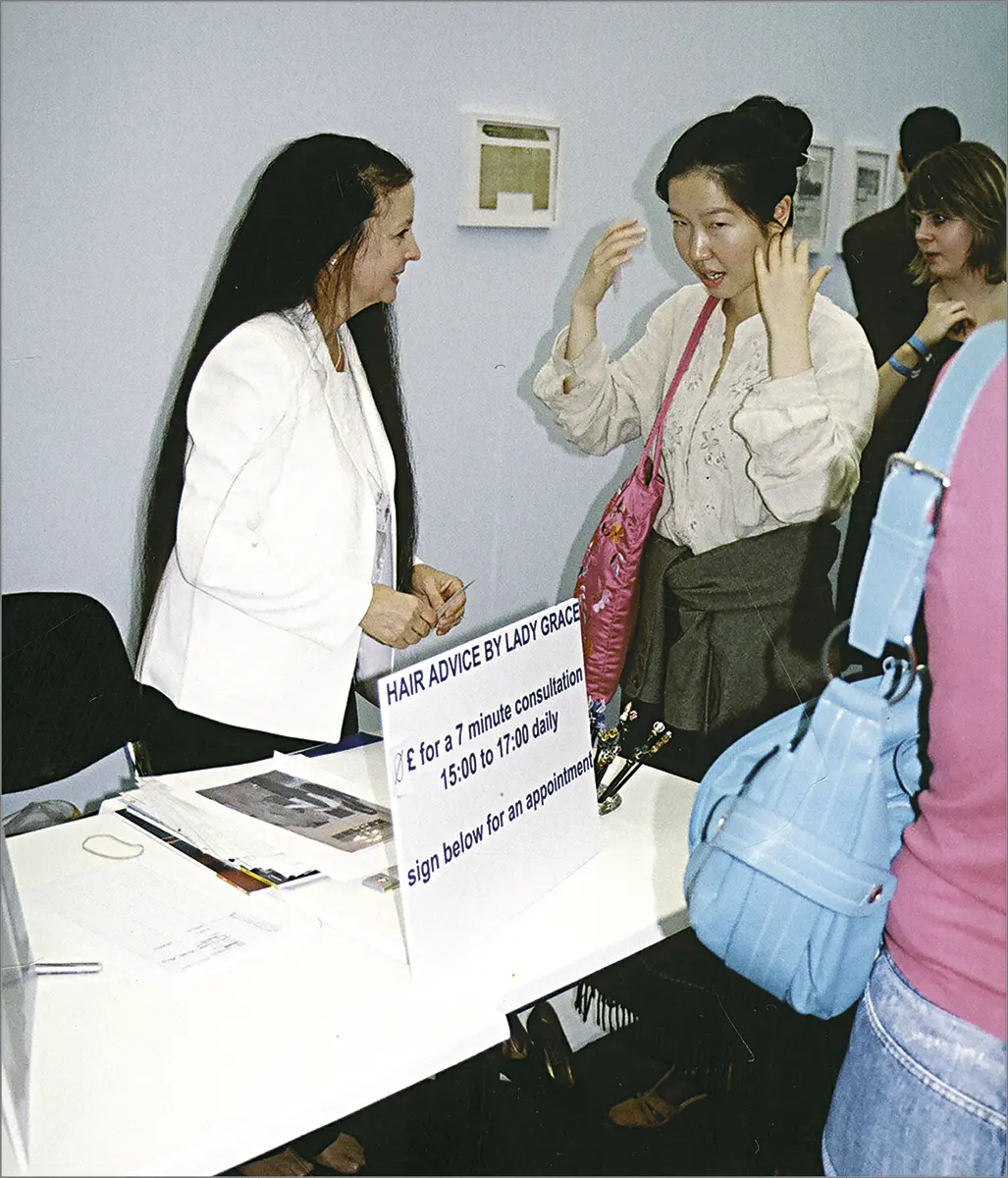
The Cartier Prize for an emerging artist was inaugurated this year in collaboration with the UK Arts and Business and the Delfina Studio Trust. The call for entries is directed at artists who are not based in the United Kingdom and who have graduated no more than five years ago with a Bachelor of Arts or a Master of Arts program. Mika Rottenberg, a New York-based video artist born in Argentina to Israeli parents, received the prize for her work Chasing Waterfalls: The Rise and Fall of the Amazing Seven Sutherland Sisters, a video telling the story of seven sisters at the end of the nineteenth century, who lived in the Niagara Falls area and had beautiful long hair that reached all the way down to the ground. They became famous for selling a cure for baldness. The video’s seven protagonists really have hair that long. During the fair, one of them named Lady Grace gave seven-minute advice sessions, upon appointment, on hair care.
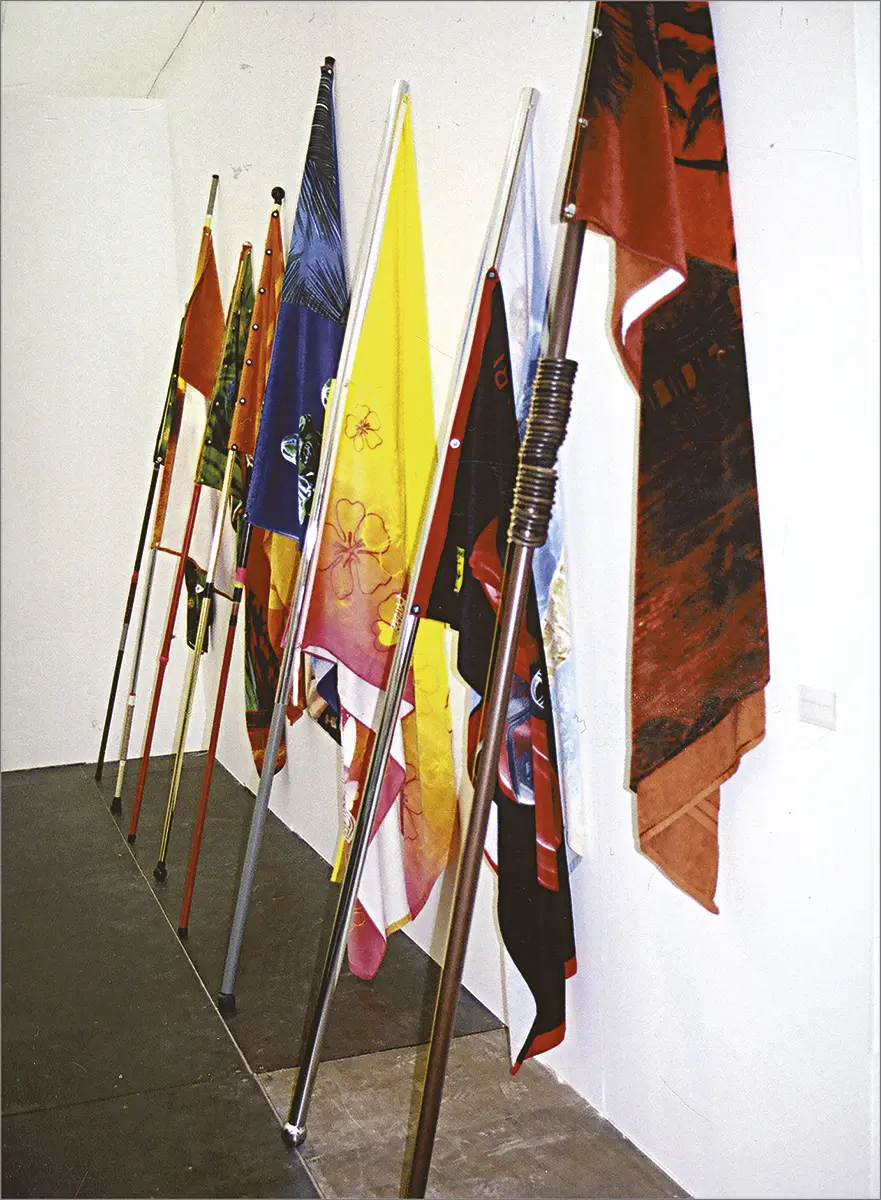
Frieze has developed from being an emerging art event to being a fair for established galleries who frequent the international art fair circuit. Within a broad spectrum of offerings and without much order being felt, the highlights of the thin Latin American presence were Galeria Fortes Villaça and Galeria Luisa Strina from São Paulo, Brazil. The former showed hybrids of objects with humoristic features by Los Carpinteros, such as the installation Huellas adidas, an Adidas-shoe-shaped swimming pool, and a video by Rivane Neuenschwander in collaboration with Cao Guimaraes, which presents an army of black ants carrying colored confetti—the title, Miércooles de ceniza, refers to the last day of Carnival. Luisa Strina presented the work of Alexandre da Cunha, consisting of eight flags leaning against a wall, made of beach towels attached to poles made of curtain rods. Also at Luisa Strina was the work of Carlos Garaicoa—a wooden hand from where threads emerged along with symbols like the Star of David, a smiley face, a swastika, a cross, etc.—as well as Tonico Lemos Auad’s subtle installation of gold chains hanging from the ceiling.
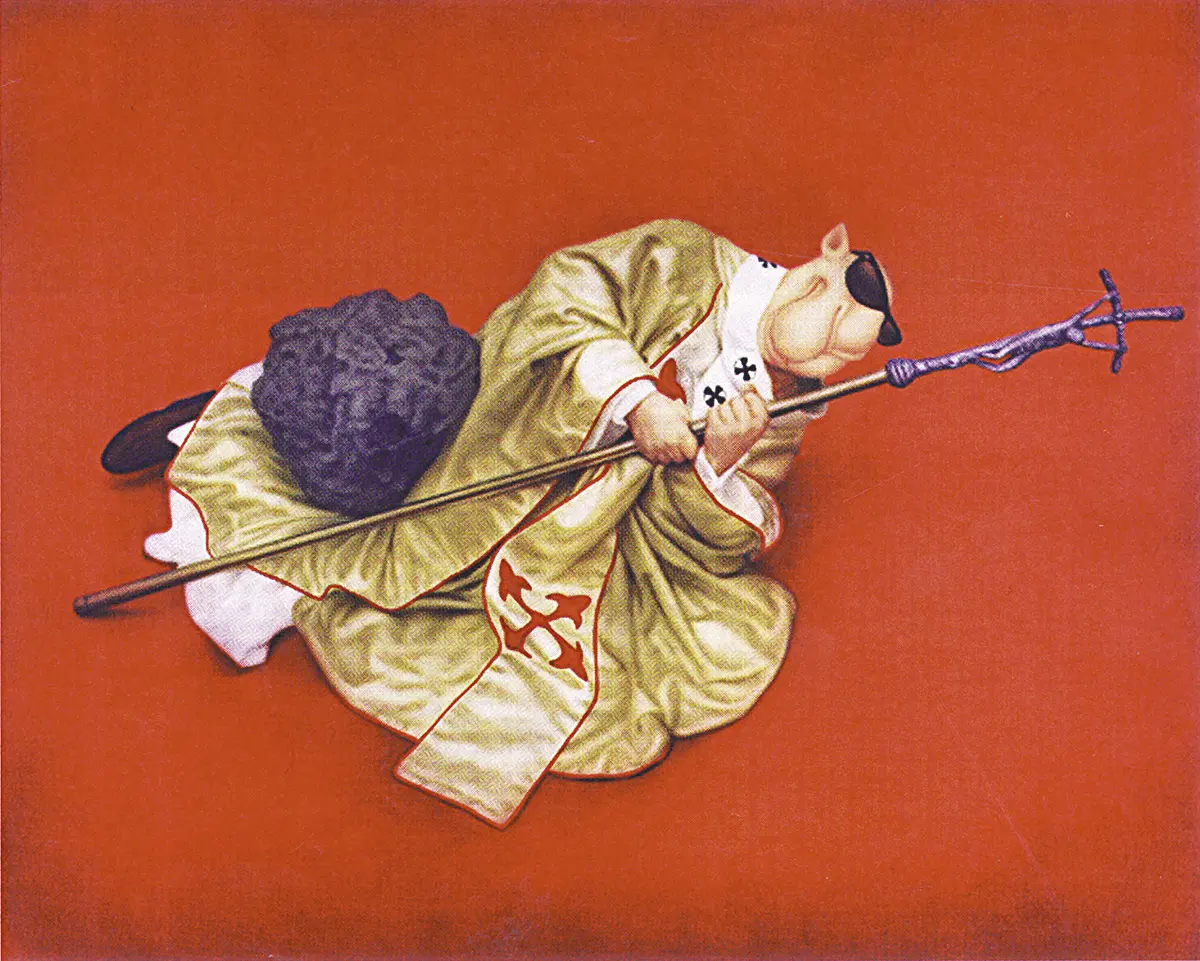
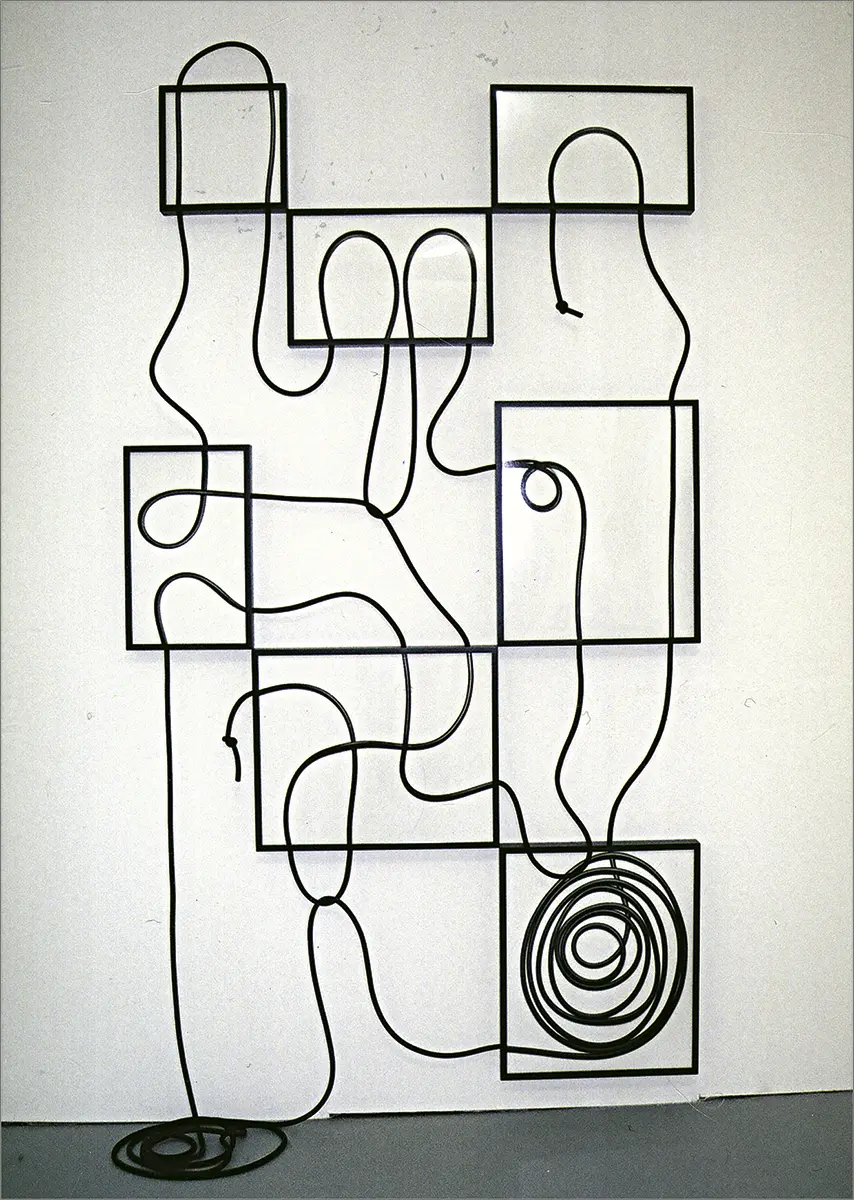
Among the works by Latin American artists, a large painting by Arturo Herrera stood out at the Juana de Aizpuru booth, as did a strange work by Vik Muniz at the Sikkema-Jenkins gallery: on a metallic squares-and-rectangles structure, a cable moves and rolls up, creating arabesques—the 1989/2006 work is a unique piece that was conceived at a time when the artist didn’t have the resources to create multiple works. Peter Kilchmann presented cut-out drawings by Jorge Macchi, a number of beautiful and subtle paintings by Melanie Smith, and, as is now customary, a few drawings by Francis Alÿs, which sell out during the fair’s first hours. There was also one work by Alÿs at David Zwirner, titled The Collector: small geometric dogs made of cardboard boxes, in different sizes and colors, mounted on tiny wheels and pulled by strings.
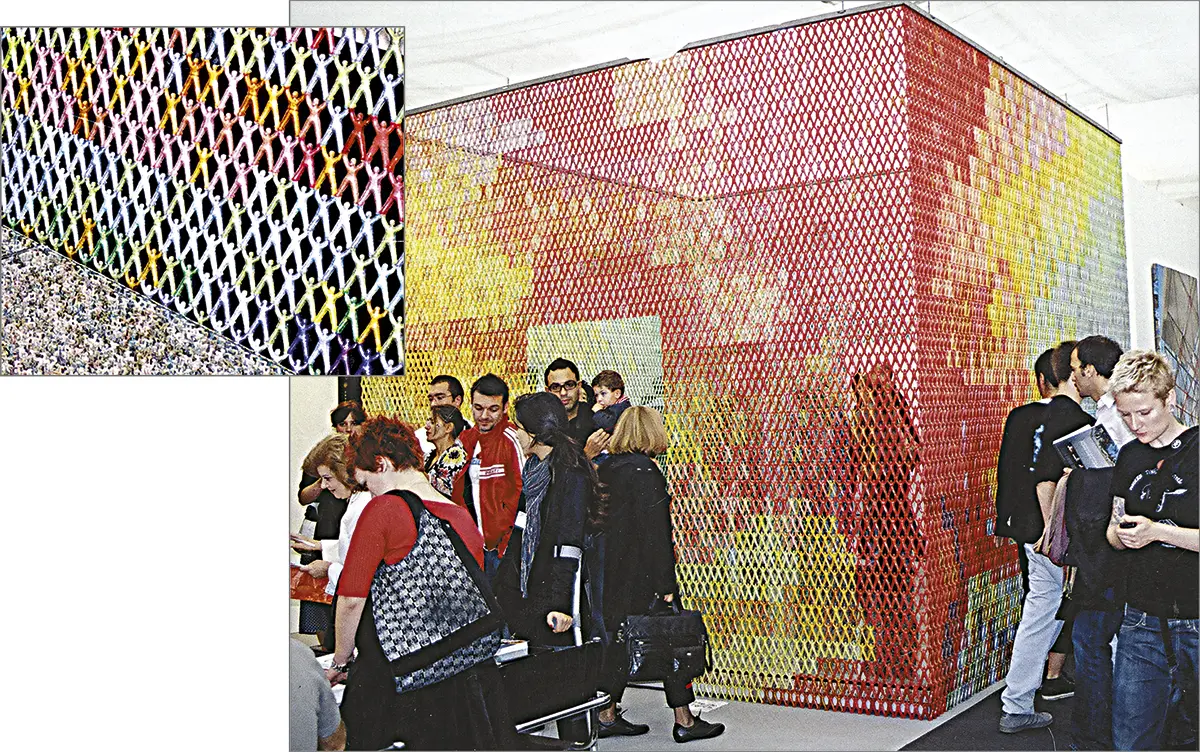
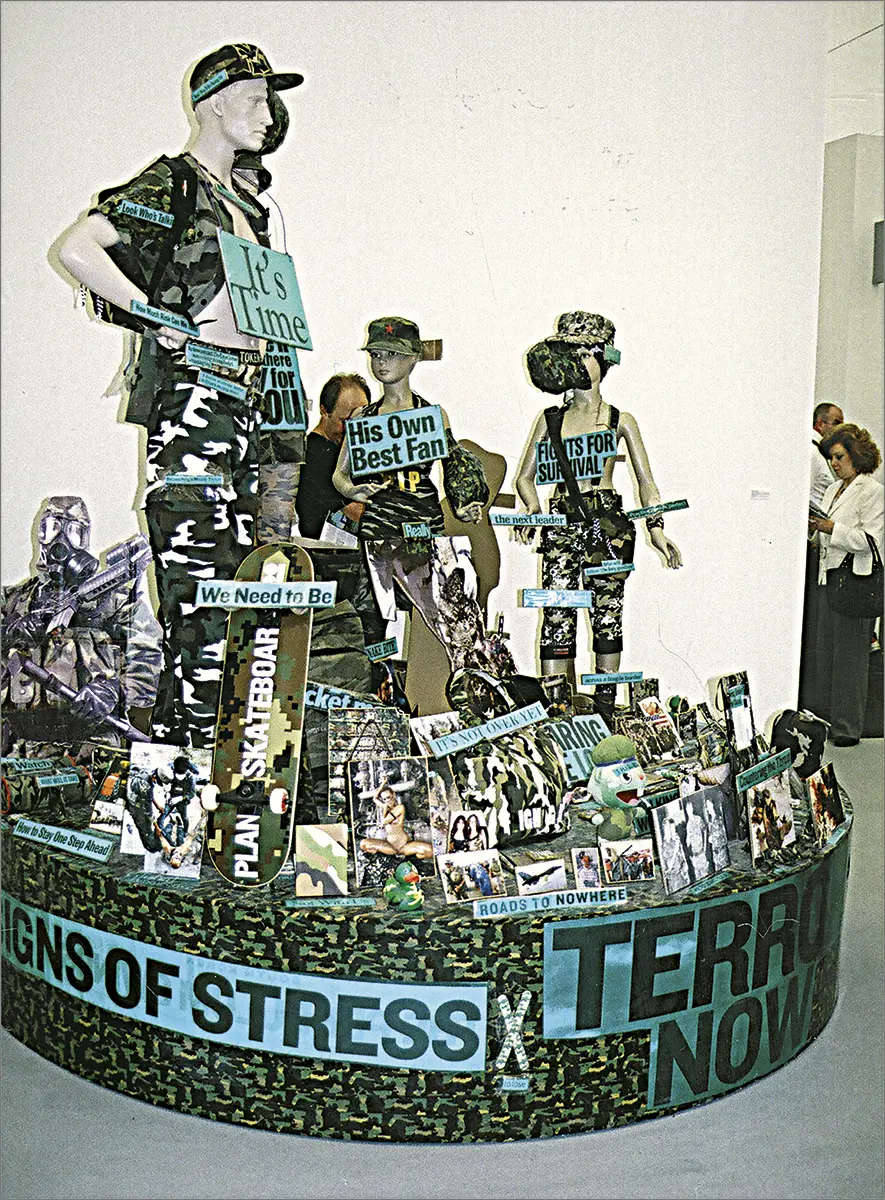
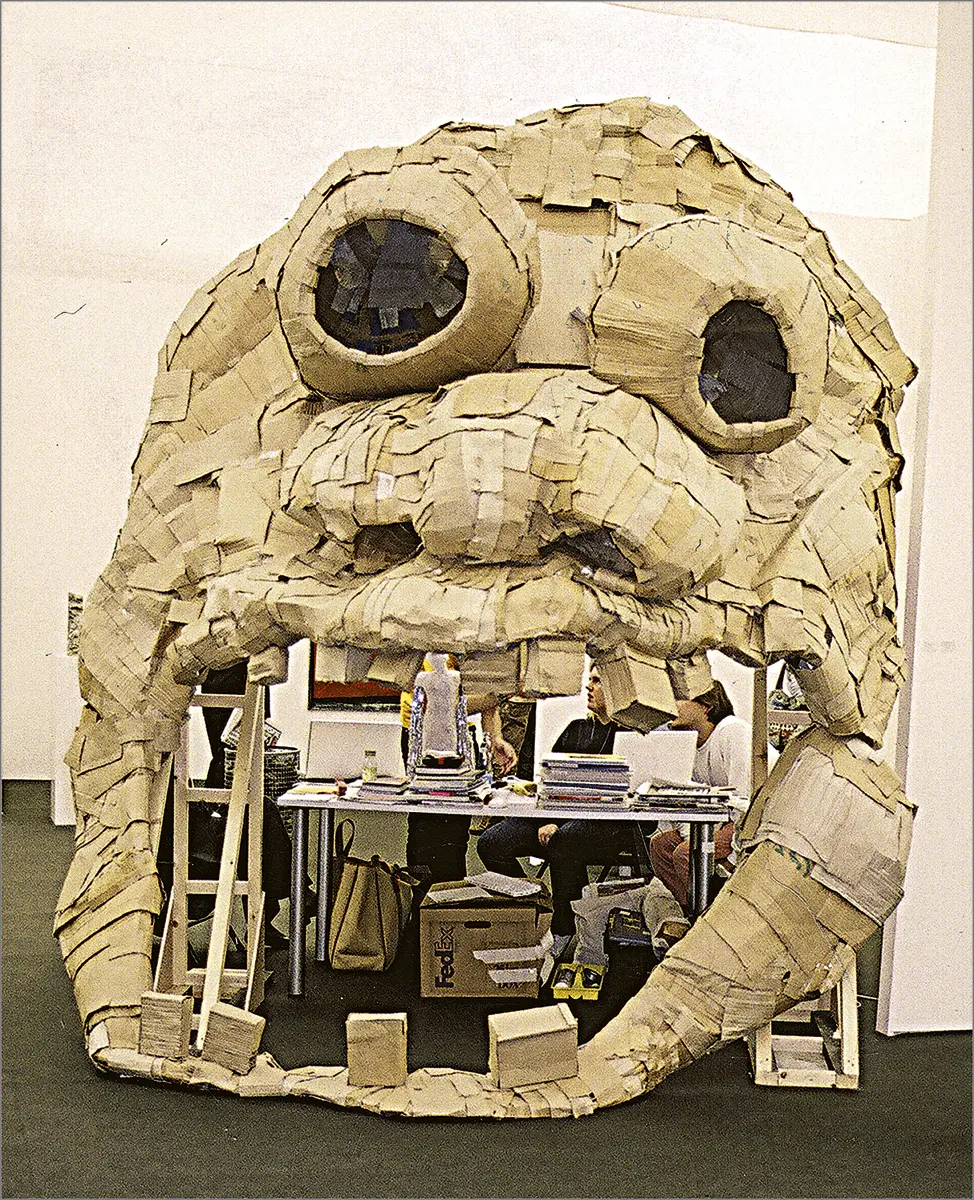
The fair was filled every day with collectors and visitors from all over and had several interesting works. An attractive installation by Do-Ho Suh at Lehmann Maupin comprised a large cube with thousands of little plastic men supporting its glass bottom. Camo Family by Thomas Hirschhorn, at Barbara Gladstone, comprised a family of mannequins dressed in camouflage and mounted on a platform, with clippings from printed texts wrapped in blue adhesive tape featuring statements like “Terror Now,” “Signs of Stress,” and “Road to Nowhere” and photographs of all kinds of violence, a work that was highly contextualized to the current times. The same gallery presented a series of twelve photographs by Richard Prince, from 1983. Milan’s Gio Marconi Gallery installed its works with an exquisite aesthetic sense, as only Italians know, and among them was a large (2.85-meters-long) black relief in wood by Louise Nevelson, titled Homage to the Universe, from 1980; in front, there were three black lamps, Untitled, from 2006, by Jorge Pardo. Alistair Hicks, curator of the Deutsche Bank Collection in London pointed out one of the most promising artists, Chetwynd Lati at the Herald St. Gallery with her work Hell Mouth, a large, strange, and aggressive cardboard head, behind which was a frame like a theater proscenium and small paintings of peaceful landscapes. Particularly surprising was the individual show of works by the Chinese artist Zhou Tiehai at Art and Public Cabinet, with large-format paintings of his character Ego that appropriated elements from the work of well-known artists, such as Frida Kahlo’s little female deer or Jeff Koons’s Cicciolina series, in colors that bring to mind Chinese popular painting. At closing time, all the paintings by the artist had sold.
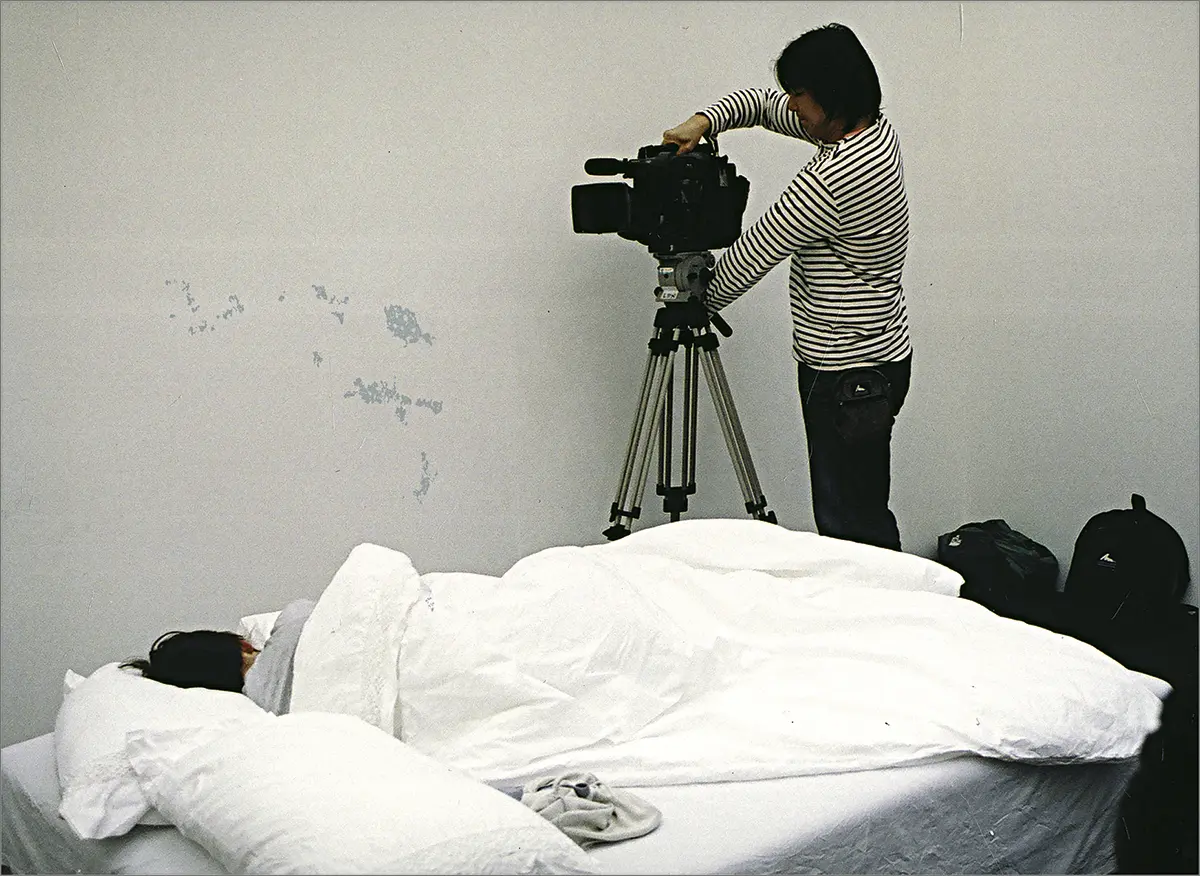
Some works produced as attention-grabbers and curiosity-inducers were also seen, like The Second Solution of Immortality: The Universe is Immobile, which was presented for the first time at the Venice Biennale in 1972. In this work, a boy with Down Syndrome sits on a chair and contemplates a rock and a cube. At the time of its presentation in Venice, this work stirred protests and was only on view for a few hours; today, the proposal doesn’t bother anyone, which was the goal of the Wrong Gallery, an invention of the artist Maurizio Cattelan and the curators Massimiliano Giani and Ali Subotnik. In another work, a young woman took homeopathic sleeping pills every morning, lied down on a bed in the fair’s traffic area and fell asleep while being recorded on video; visitors encountering her were taken by surprise. This work was by the Chinese artist Chu Yun presented by Vitamin Creative Space from Guangzhou, China, has a particular interest in uncommon proposals.
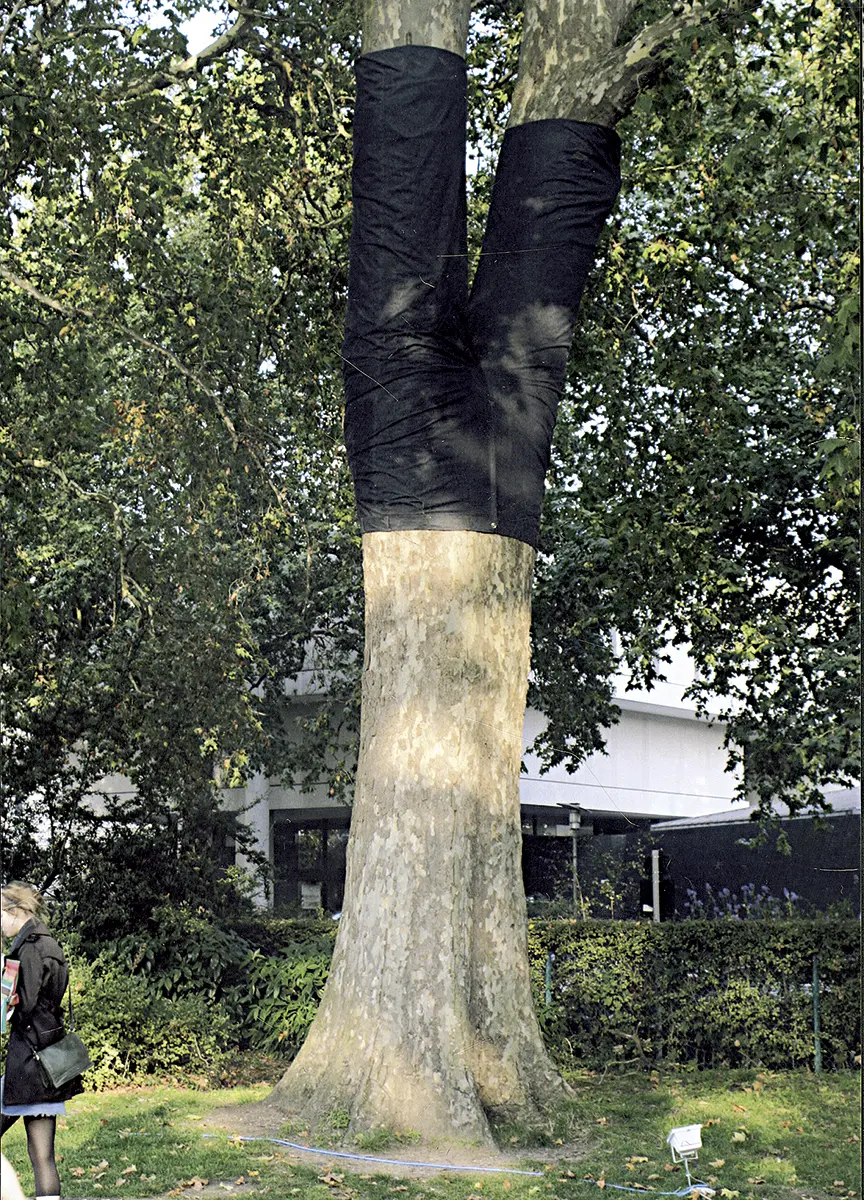
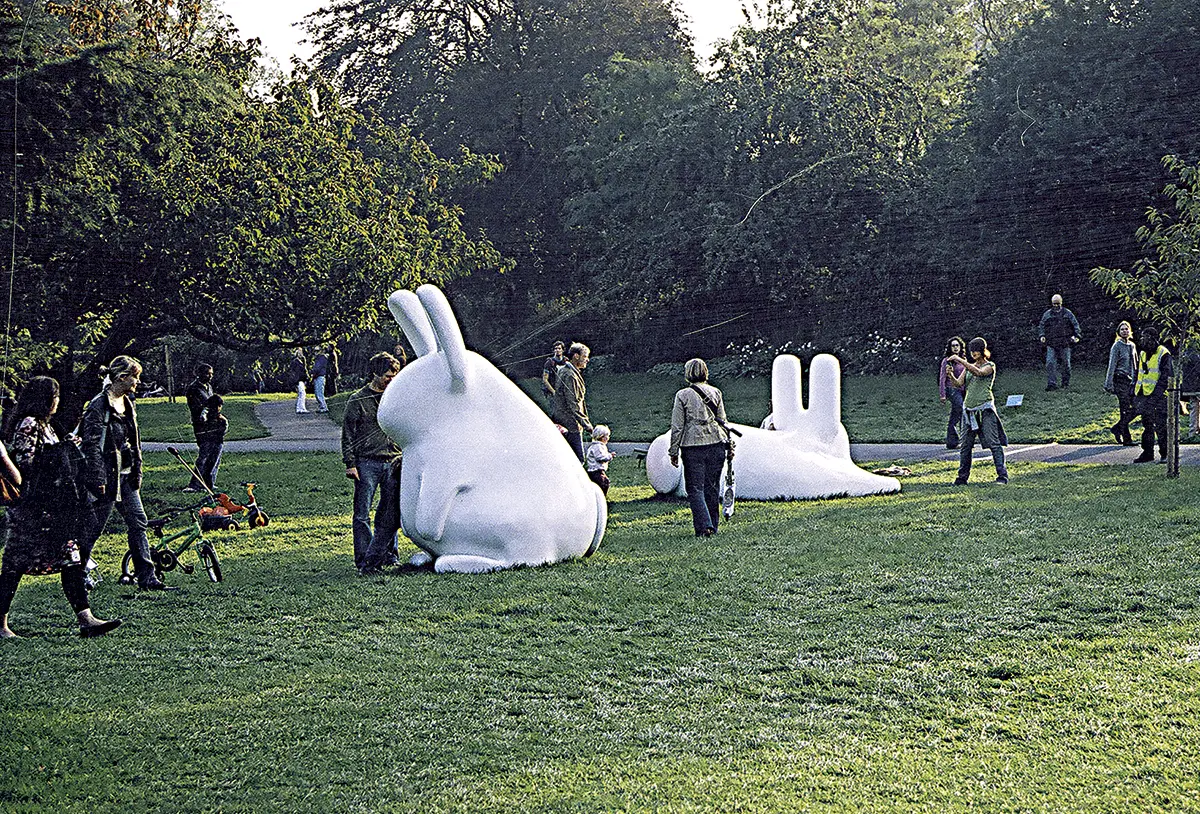
In an area of Regent’s Park not far from Frieze, a group of eleven open-air sculptures made up the Sculpture Park, which was also organized by the fair. Untitled (The Pants) by Peter Coffin, from Andrew Kreps Gallery, was a pair of men’s pants placed where a tree trunk divided in two. Tom Cloasen’s Two Rabbits, consisting of two white rabbits larger than a person and without eyes or mouths, was presented by Fons Welters Gallery. The Man Who Sold the World (2004) by Sarah Lucas, shown by Sadie Coles HQ, was the front part of a blue cargo truck, its inside covered by images of naked women, with a mechanical hand near the steering wheel that moved up and down. Thanks to the agreeable weather that week, the sculpture project became a rest and relaxation area both for the general public and for experts.
Frieze has major support from the Deutsche Bank. Aside from taking care of its clients and the fair’s VIP room, the bank sponsors the Education Space, a pedagogical space for children, and courtesy taxicabs to take visitors to the Zoo Art Fair.
Zoo Art Fair
This fair is a project for young artists and galleries, which are very well presented and well attended by the London public—this year’s figures were 11,500 visitors in four days. It was also held for the third time at Regent’s Park, next to the zoo. Initially installed in a small building, this year it moved to a tent with forty-six commercial galleries that are less than five years old, non-profit organizations, projects, groups of artists, and publications. Of the exhibitors, thirty-two were from the United Kingdom, five galleries were from Los Angeles, three were from Berlin, and four were from Mexico City—Charro Negro, EDS, Garash, and Proyectos Monclava. Besides commercial institutions, this fair is supported by the London Arts Council and several collectors and well-established galleries in the city.
Zoo Art Fair promotes several projects and competitions. The Perrier Jouet champagne brand offers a 10,000-pound (US$18,000) prize to the most promising artist from a list developed by the galleries. This year it was awarded to Jason Fox, an American artist with the Alexander Pallozzon Gallery in London, for his painting Concept for Eternal Happiness. The decision was unanimous by a jury composed of Norma Rosenthal, exhibition secretary of the Royal Academy, the artist Marina Abramovic, and Louisa Brick, correspondent for Art Newspaper. There is also the John Jones Award, an acquisition award for a work on paper, valued at 1,000 pounds (US$1,800) as well as an individual show at the John Jones Gallery; this year’s prize was won by David Lock. The Zoo 2006 Portfolio included the participation of thirteen artists from Latin America, with engravings, photographs, and multiples selected by Adriano Pedrosa. Among the artists represented were Juan Araújo from Venezuela, Sandra Cinto from Brazil, José Dávila from Mexico, and Carla Zaccagnini from Argentina and Brazil.
Scope London
For the last two years, this fair was held in hotels; this time around, it took place at The Truman Brewery, an East End location. While the space allowed the exhibitors to increase the number and format of the works presented and include more galleries, this edition suffered from two problems: it lacked appropriate outside signage, being in an area of difficult access and the display inside seemed disorganized.
The fair opened with a silent auction of works donated by the galleries to benefit the Scope Foundation, with the proceeds to be used for fellowships and acquisition prizes for emerging artists. Among the sixty galleries, Germany was the best-represented nation with fourteen, followed by the United States with thirteen, eight of them from New York. There were seven galleries from England, and the rest came from several European countries, one from Canada, one from China, and one from Mexico.
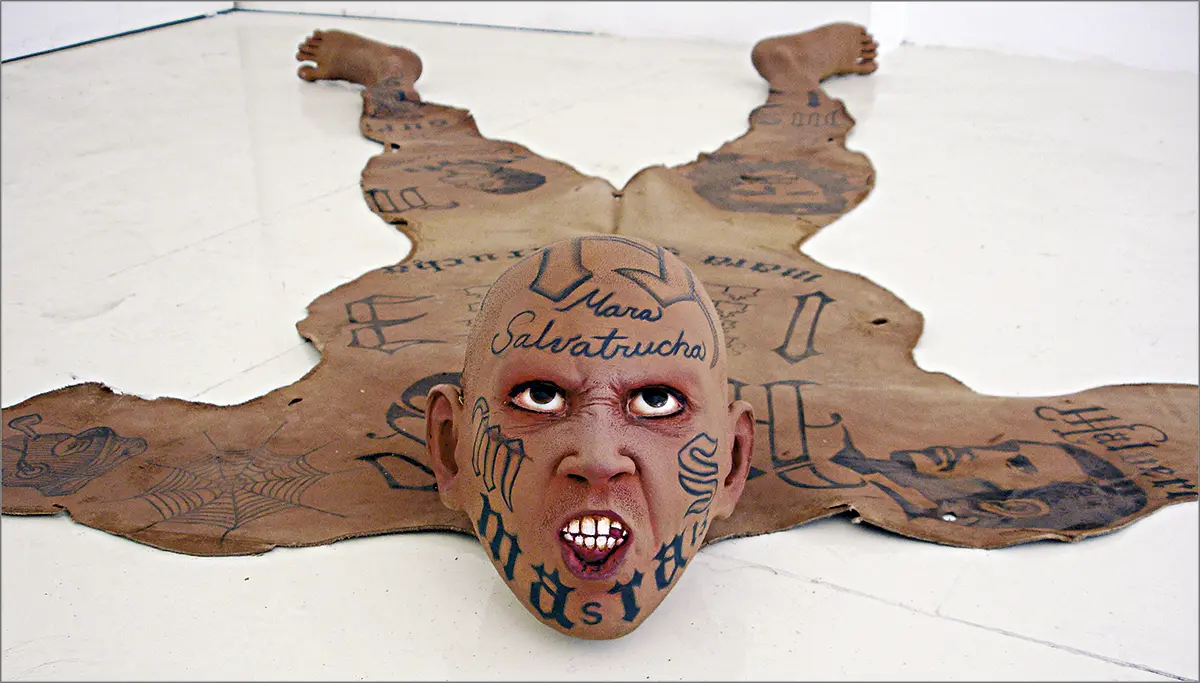
Art & Idea Gallery, from New York, presented the work of Máximo González, an argentinean-born artist who works with the topic of war, building objects with different themes and stories such as Máquinas que producen guerra or Fantasmas que producen la guerra, an embroidered military camouflage shirt. The Nina Menocal Gallery brought Cuban artist Ángel Delgado, with handkerchiefs painted during his stay in jail, Atelier Morales, with his photomontages with gouache from the series Homenaje a Humboldt, and the Martin & Sicilia duet. Light Contemporary Gallery, formerly Luz Osorio, from London, stood out with its beautiful photographs by Luis González Palma, which had been presented at the last Venice Biennale, and Justine Smith’s objects-based works like Absolute Power Machine Gun, a machine gun covered in one-dollar bills.
“The Perpetual Art Machine” is a program of 600 films and videos, 400 of them by emerging artists from sixty countries, organized by Lee Wells, Raphaelle Shirley, Chris Borkowsky, and Aaron Millar. It integrated new technologies, web works, an interactive exhibition, as well as a database.
The comments by many galleries, people were that they preferred a hangar to a hotel, that important collectors had visited the fair, and that they were satisfied with their sales.
Year 06
This new fair was held simultaneously with the ones mentioned above and had thirty-two galleries from Europe and the United States. The fair was organized by Simon Pittuck from Keith Talent Production, with the explicit intention not to include British galleries in order not to compete with Zoo Art Fair. It was a well-organized fair in a restful, calm environment.
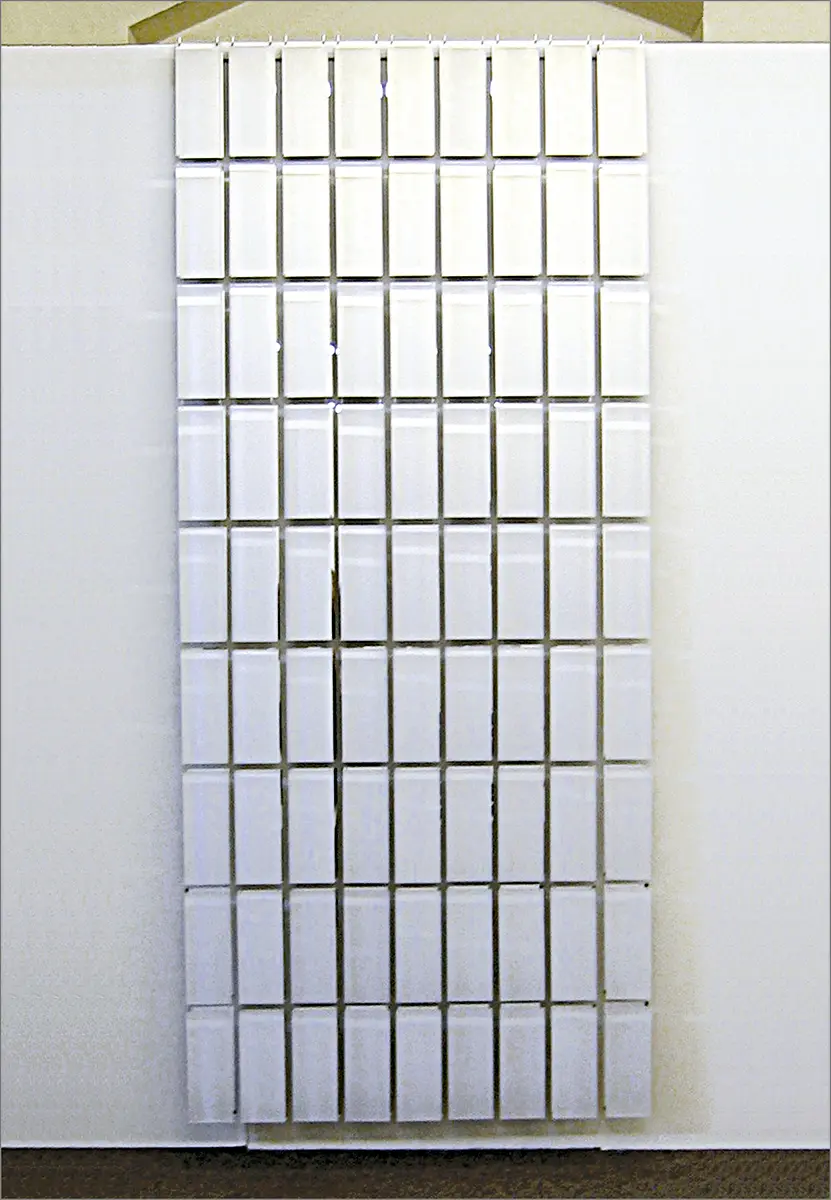
Seven site-specific works were presented, including Jesus Fountain, a bust of Christ that functioned as a fountain in a children’s pool with water and tires around it, which welcomed the public in the front patio of the three-story building that hosted the galleries. Two good works by Latin American artists were seen. At the Chicago-based gallery Monique Meloche, there was an interesting installation by the Venezuelan artist Carla Arocha, comprising eighty-one white matte Plexiglas rectangles lit from behind. And Josee Bienvenu from New York presented the Uruguayan artist Marco Maggi’s beautiful and subtle boxes with paper cutouts.
One of the most-often-heard comments at these fairs concerned the success in sales, not only at Frieze but also in the parallel events.
*Photos: León Birbragher.
CELIA SREDNI DE BIRBRAGHER
Founder and Director of ArtNexus/Arte en Colombia.