
Nine years after its inception, Photo España has become Madrid’s most important artistic and mass media event, with the exception of ARCO, the city’s contemporary art fair. This is due not only to the political skill displayed by General Director Alberto Anaud in bringing together Madrid’s various museums, art centers, and more than one hundred art galleries, despite their collective reticence and mistrust. The decision by Artistic Director Horacio Fernández to incorporate exhibitions, projects, and activities beyond the borders traditionally ascribed to photography festivals—which in Spain have followed the model of the still exemplary Arlés Festival—has also been important in Photo España’s emergence as a necessary crossroads for the city’s artistic activity. Thus, PHE06, this year’s edition of the fair held in June and July, not only saturated Madrid’s art-exhibit geography but did so with significant exhibitions of videos, video installations, film, and experimental music. As Fernández explained in the inaugural press conference for the first edition under his charge, the dominance of the image started with photography but has overtaken it.
Fernández chose the concept of Nature as the theme, or rather argument, of PHE06 to underscore its cultural importance over the last few centuries. From such a complex grid of historical and cultural issues, he chose to focus on the visual aspect, articulated since the time of Ruysdael and other great eighteenth-century Dutch artists around landscape art rather than the landscape as such. The distinction is not a Byzantine one, even if it seems to be so in a European intellectual context given to Byzantine debates. No, this distinction accounts for the fact that from the Dutch painters to contemporary artists, there exists a historical chain of transformations that proves the landscape is something beyond the theme of a painting genre. The landscape is the condensed visual product of a contemplative attitude toward the world, which in the beginning was expressed only through the reproduction of fields, skies, or oceans, but later this attitude was projected over the rest of the world. In that sense, photography as a whole is inseparable from landscape art. Moreover, it was the first in a series of technical revolutions in image production, most recently marked by the computer-generated image, and it has expanded and perfected landscape art as it was first defined in landscape painting. As demonstrated by such different thinkers as Walter Benjamin, Gilles Deleuze, and Susan Sontag, what photography did was what Dutch landscape painting had already done with its own means: assigning importance to that which has none. In photography, any subject can be “the” topic, including the most anodyne, inconsequential, or risible. This is one of the most fertile consequences of the earliest landscape painters’ decisions to focus on the same mountains, skies, or oceans that for other artists were nothing but mere décor, stagecraft in the service of the biblical or mythological episodes that were the true purpose of their paintings. These background elements were to be treated carefully, of course, but that didn’t mean they were anything other than stage decorations.
The expansion of the concept of landscape art and the contemporary proliferation of its realms, media, and resources present problems when one articulates exhibitions around a given theme. Because, if all themes are equal, why choose one and not the other? Why is one theme more important than others? And, even more radically, why choose the works to be exhibited on the basis of their theme rather than their concept or their aesthetic options? In PHE06, Fernández navigated these difficulties with a two-fold reduction: he reduced Nature to landscape and landscape art to landscapes. But this operation was insufficient because of its very reductionism, as was demonstrated by the fact that although the majority of the artists and photographers in the general program focus on the natural landscape, some of the most interesting works go beyond that category, engaging the terrain of the generic landscape art mentioned earlier. The most notable cases in this regard are those of Pedro Meyer from Mexico, Edward Burtynsky from Canada, and Joel Sternfeld, and Chris Jordan from the U.S.
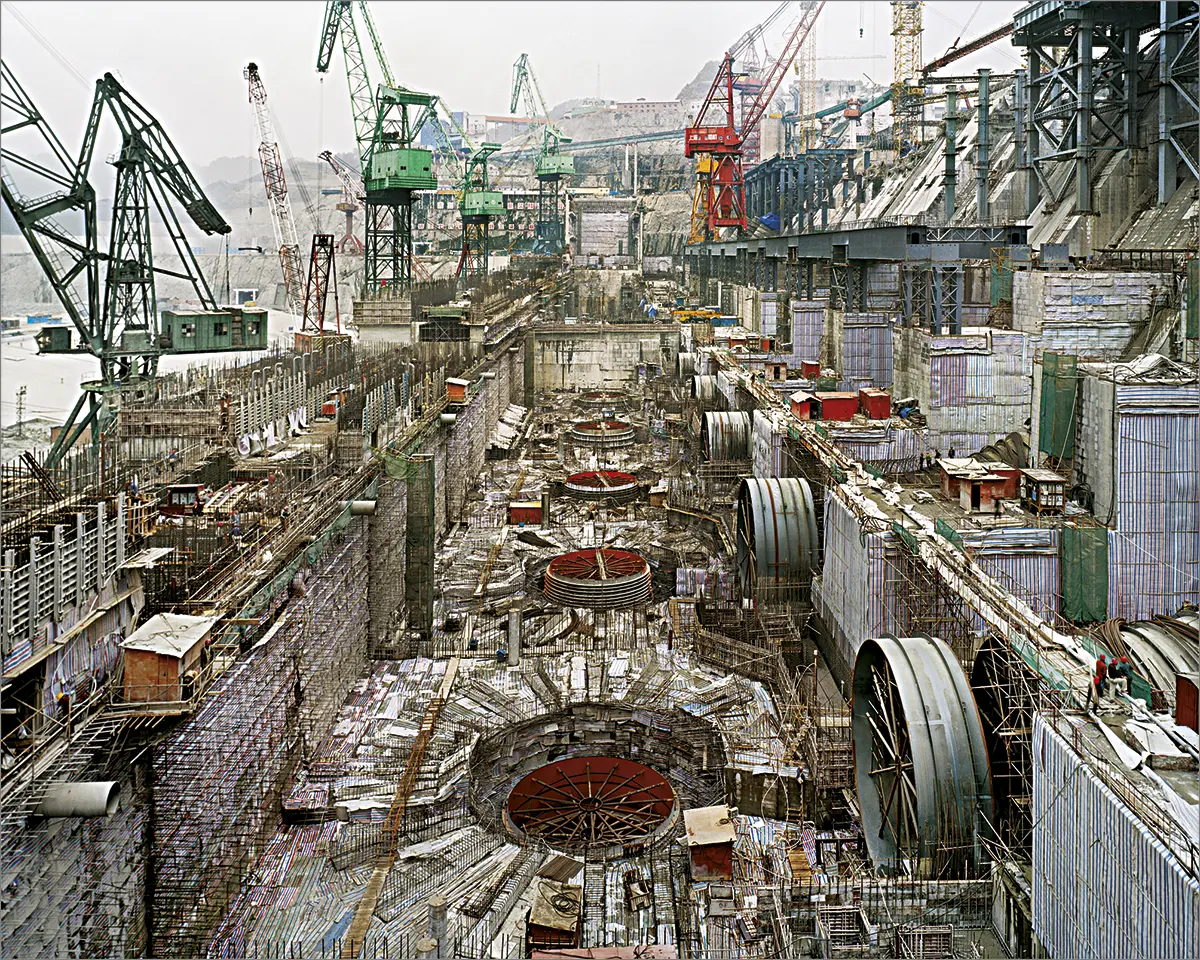
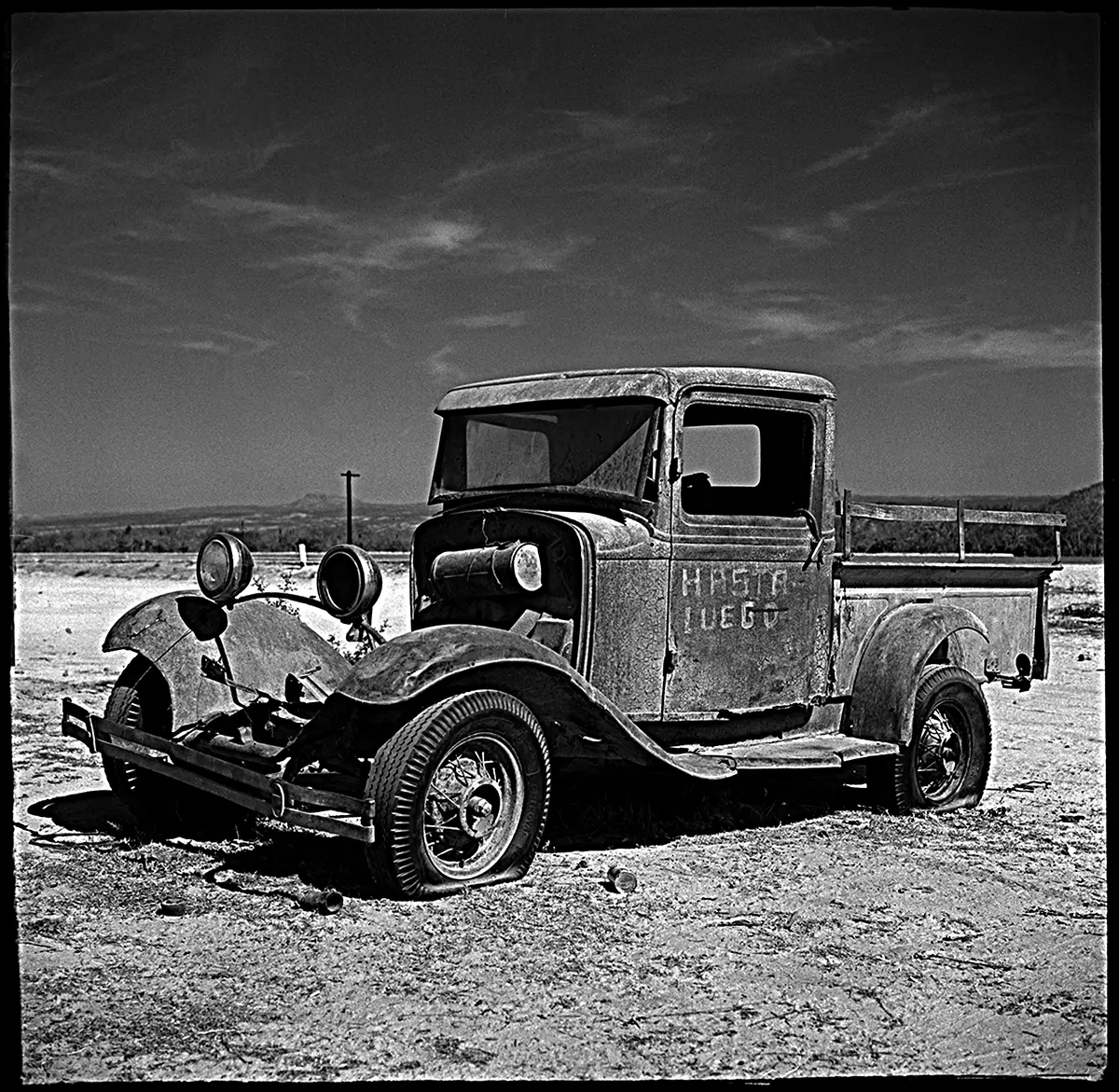
Meyer is a veritable legend in Mexican photography, thanks to both his sustained efforts in developing sufficient means and institutional resources in Mexico to guarantee the artistic status of photography and to his own rich and varied work, which could be seen in his exhibition at Galería Fernando Pradilla. This show confirmed the extraordinary range of topics addressed in the course of a career spanning a half-century and that has oscillated between surrealism, Pop, and Neo-Baroque. Burtynsky is considerably younger, and his work in the Centro Cultural de la Villa’s Madre Tierra exhibition belonged to the extensive photographic series he has devoted to the dizzying process of modernization currently underway in China. At the center of his exhibit were his photographs of the construction of the Three Gorges dam, the largest in the world, which will submerge 600 square kilometers of some of China’s more picturesque and idyllic scenery underwater.
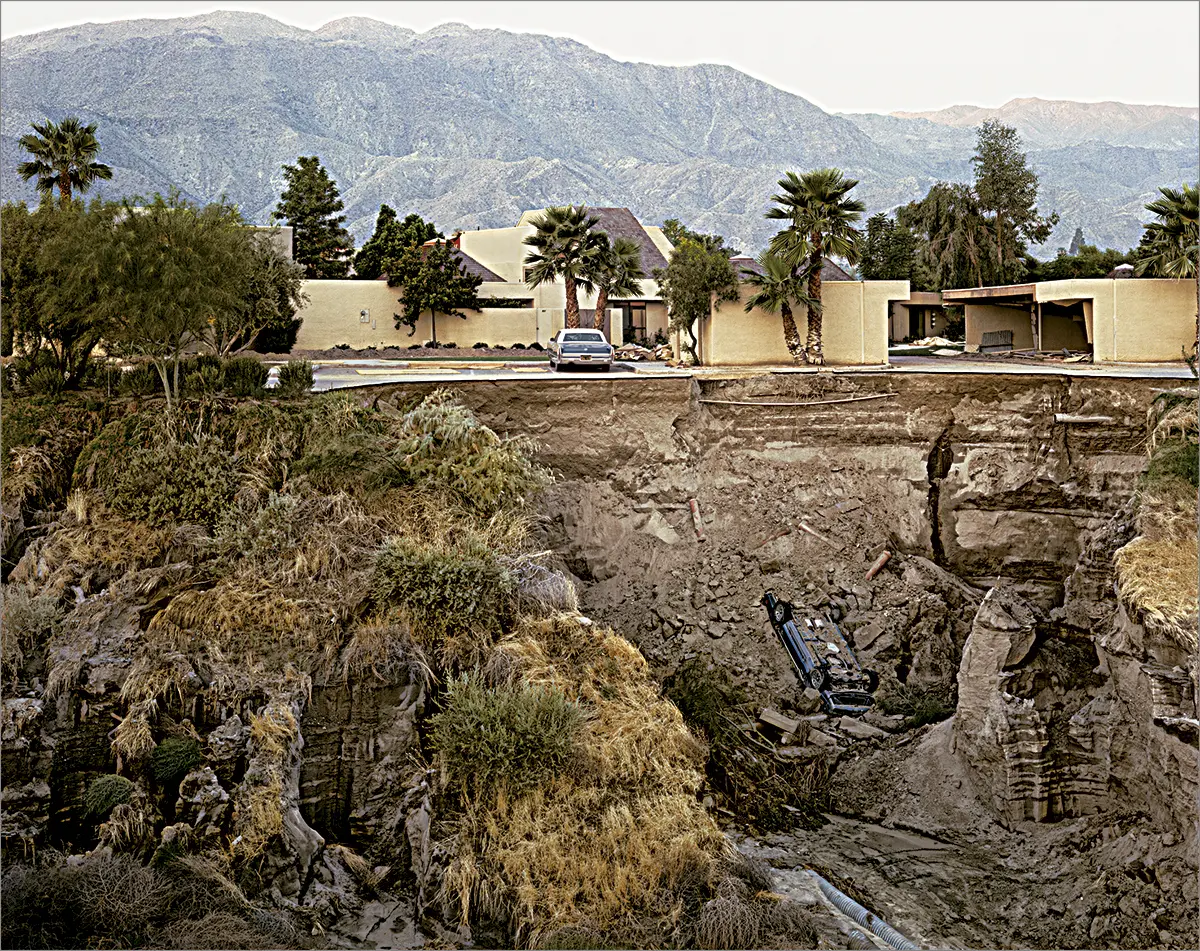
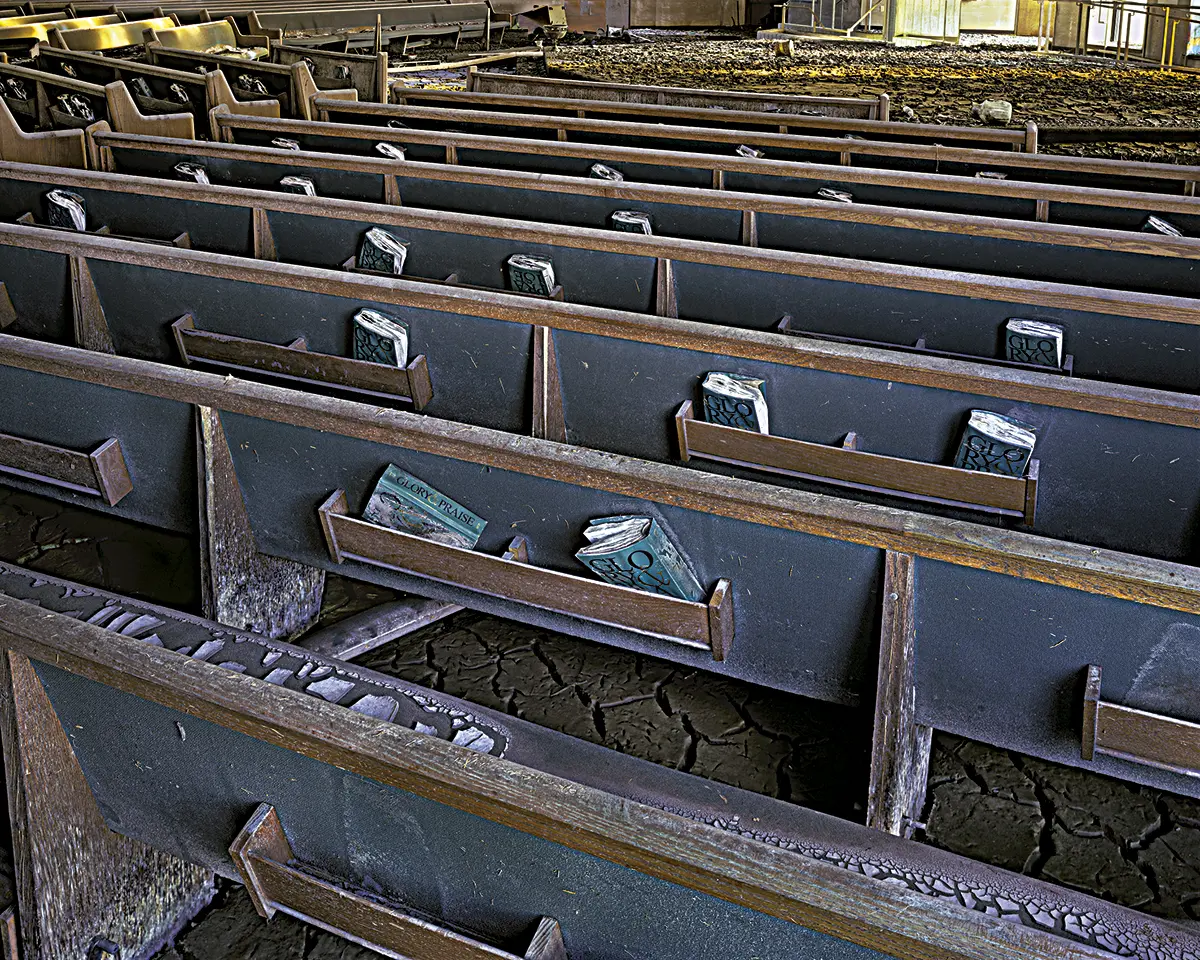
Joel Sternfeld and Chris Jordan are certainly landscape artists but in a very specific way, one that embodies the concept of the social landscape. Sternfeld is a veteran artist who, from his earliest works in street photography to the maturity demonstrated in his American Prospects series has created a continuous landscape of the most prosaic aspects of American life, in which he efficiently weaves ironic and sentimental touches and unexpected details. Jordan is a landscapist of American society, but he is also, a militant ecologist documenting the damage to the environment caused by the American way of life. In fact, the photographs he presented at Madrid’s Círculo de Bellas Artes came from the series titled In Katrina’s Wake, which gives an account of the crushing impact of Hurricane Katrina on New Orleans through succinct images of the incalculable destruction.
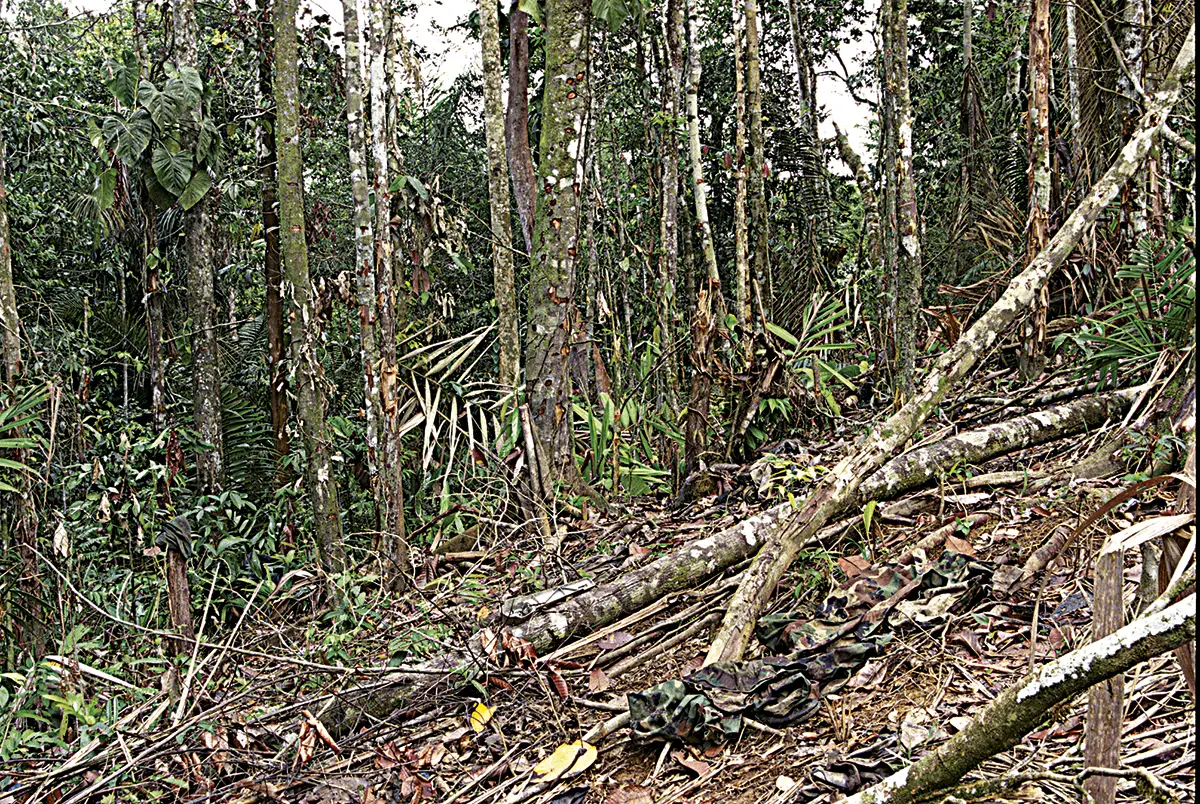
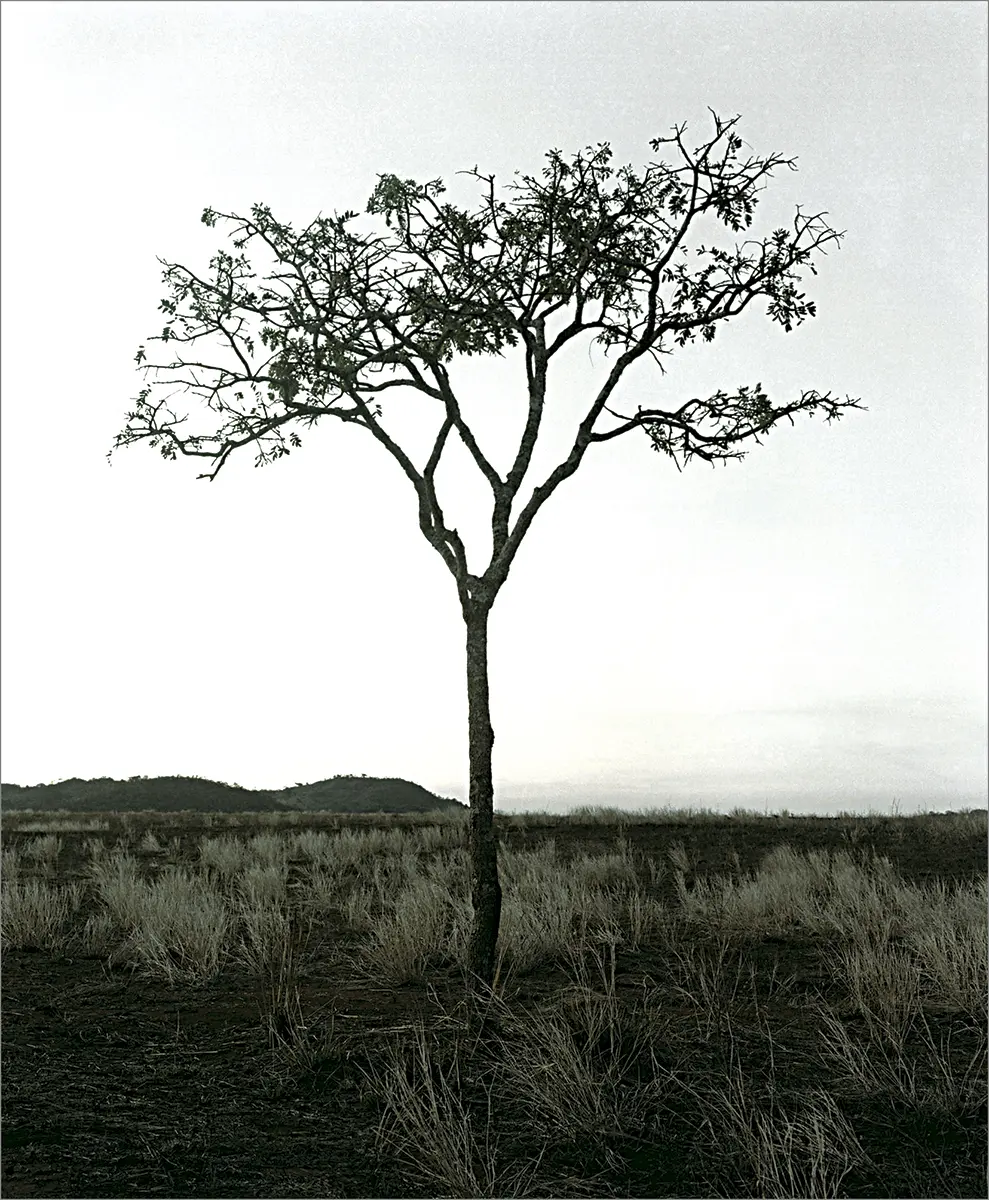
Jordan’s intention to record the damage caused by socially organized human activity is shared by the Colombian artist Jesús Abad and to a degree by Brazil’s Caio Reisewitz. In the group show titled Of Recent Landscape, Abad, a news photographer, presented photographs from his series Departamento del Chocó, which shows the destruction to the rainforest that has resulted from the terrible war being fought there. At Casa de América, Reisewitz presented photographs from his series Reforma Agraria, which uses a similar strategy, showing the grave agricultural and environmental problems facing Brazil through images of its devastated fields and miserable homes.
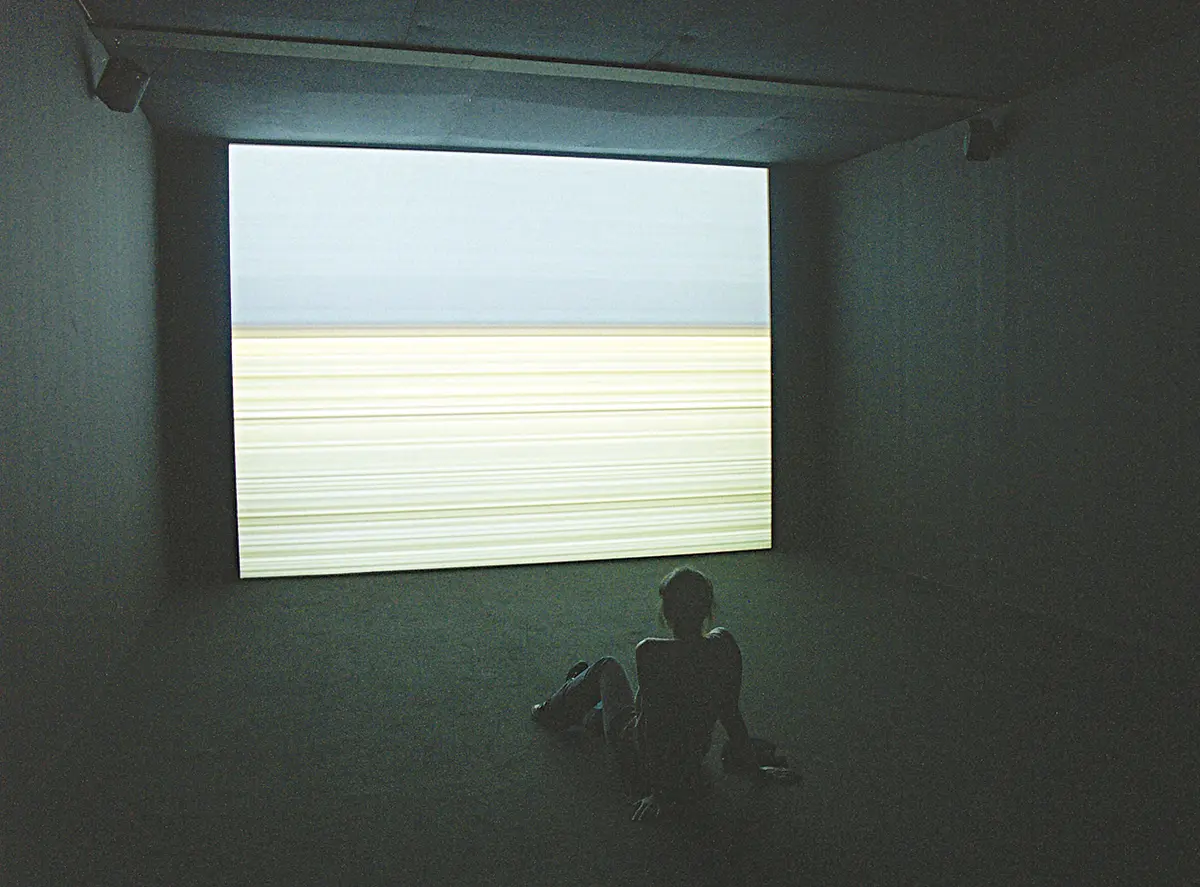
Also of note in Of Recent Landscape was a work by the Brazilian artists Ángela Detánico and Rafael Laín, Flatland, undoubtedly one of the best in the whole festival. This video depicts the passage of a day on the Mekong River, and its slowed-down images possess an incontrovertible beauty. Finally, one must note the presence in PHE06 of high-caliber Latin American artists like Jota Castro, Magdalena Correa, Leandro Elrich, Jorge Macchi, and Yoshua Okón, and the public performances by Antonio Gritón and the collective formed by Cristina Dios, Marula di Como, and Gabriela Roco.
CARLOS JIMÉNEZ
Writer and art critic. Independent curator.