
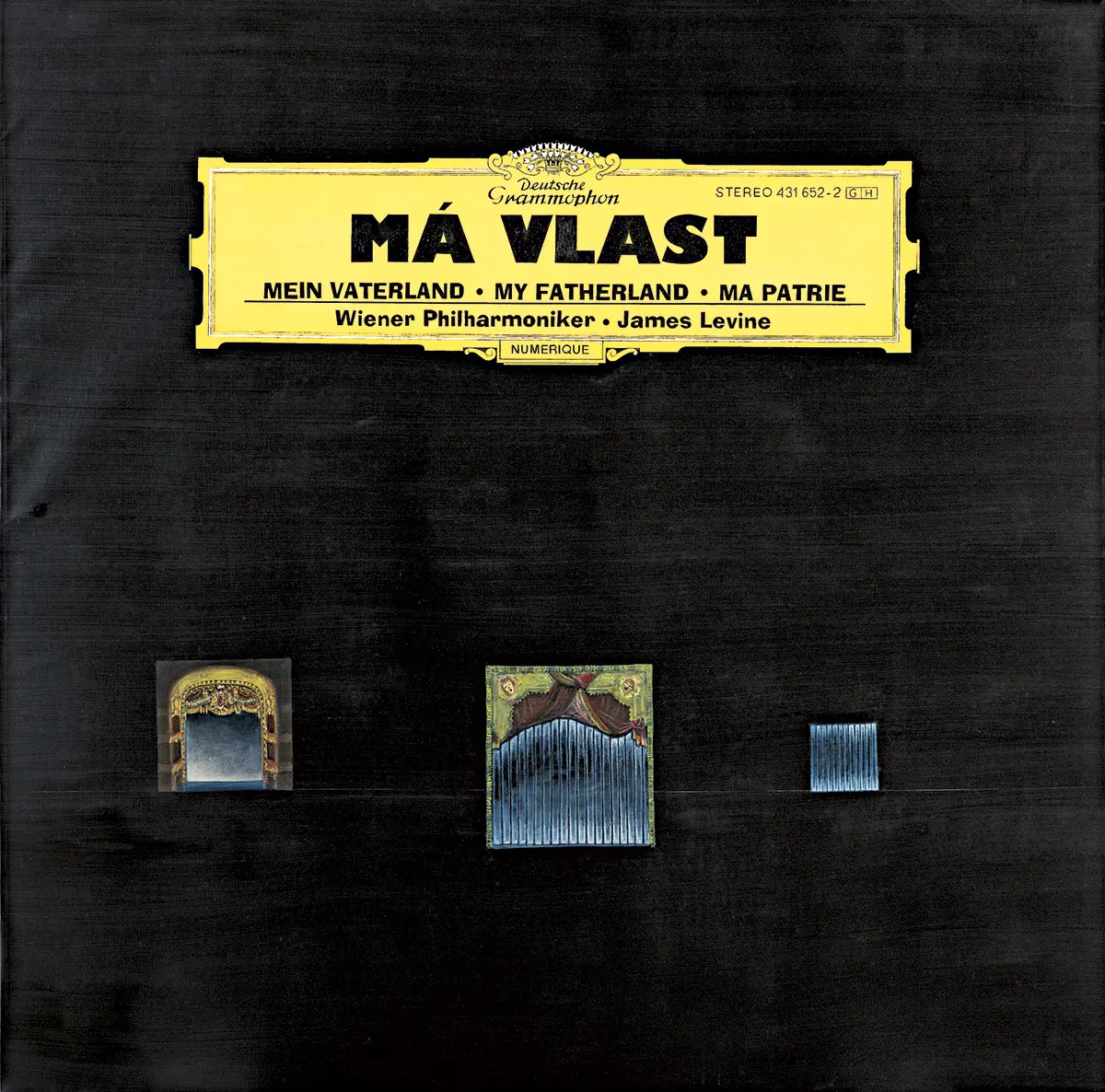
Painting returns, and whether it returns because of fate, commercial calculation, or fashion, is irrelevant. What matters is that it returns, driven by painters as much as by promoters of painting who want to restore it to a central place in the art scene. But the latter, among them Charles (the Great) Saatchi, tends to blithely forget painting’s history and the reasons for its comings and goings. For most of these characters, painting always returns because it has to, as fashions from the 60s and 70s have also returned, or as images from other decades in the last century will return as well. In that context, Guillermo Kuitca’s exhibition in Zurich possessed the great virtue of recovering that past, proposing a certain history of painting of the last two or three decades. Many things happened to paint in those years, and Kuitca’s work helps us to understand it. It is not that he now attempts to paint a history of painting or did before, although it is certainly possible. The matter is simpler and at the same time more potent: all along, Kuitca has worked very closely on the issues that affect paint as he approached and experienced it. One never paints in vain, and Kuitca is no exception. From the beginning (when he attempted, at a delirious fourteen years of age, be the most precocious of all painters), what he wanted was not only to make a good painting—those are made every day. Instead, he wanted to make paintings that dealt with problems and posed new difficulties, paintings that were more questions than answers, paintings exposed more to uneasiness than to celebration. And when he made the first paintings that actually satisfied him, they represented succinct, somber, and menacing theatrical scenes, which we didn’t know whether to relate to the theater of cruelty or the theater of poverty. This indecision was also mixed with uncertainty because at the time Kuitca made those paintings, many of us believed that the issues of representation had been definitively resolved in Theater of Cruelty and the Closure of Representation, Jacques Derrida’s seminal article that, reassessing Artaud’s legacy, attempted to think through the ungovernable newness of the happening. For those of us who read it, the matter was solved: the curtain falls and the scene is closed forever; representation, both that which is specifically social and that which is generically social and political, becomes an issue of the past—it’s over. In response to this, Kuitca said no, the curtain rises again, and the “atrocious farce continues.” We hated him for that. Yet today, how could we criticize his move? Precisely today, when everything is the scenery, when everything is like the Nature Theatre of Oklahoma imagined by Kafka, where, according to the demand that so delighted Karl Grossman, “whoever wants to be an artist has only to show up! Our theater can employ them all, each in its role!” Big Brother is the cipher of the unlimited theatricality that today passes for our time. In fact, in the Zurich exhibition, there was one painting that could be clearly interpreted as the conclusive allegory of this seemingly unfixable confusion between life and theater. It was titled Má Vlast and comprised a portion of the title of Smetana’s symphony, as designed for the sober German record label Deutsche Grammophon. The painting was completed by a sequence of three images, representing the open mouth of a scene of an Italian-style theater, its unfurled curtain, and a detail of the curtain. With the translation of Má Vlast, “My Fatherland,” the painting seemed to reveal the fact that all we still have of the fatherland is its theatrical representation.
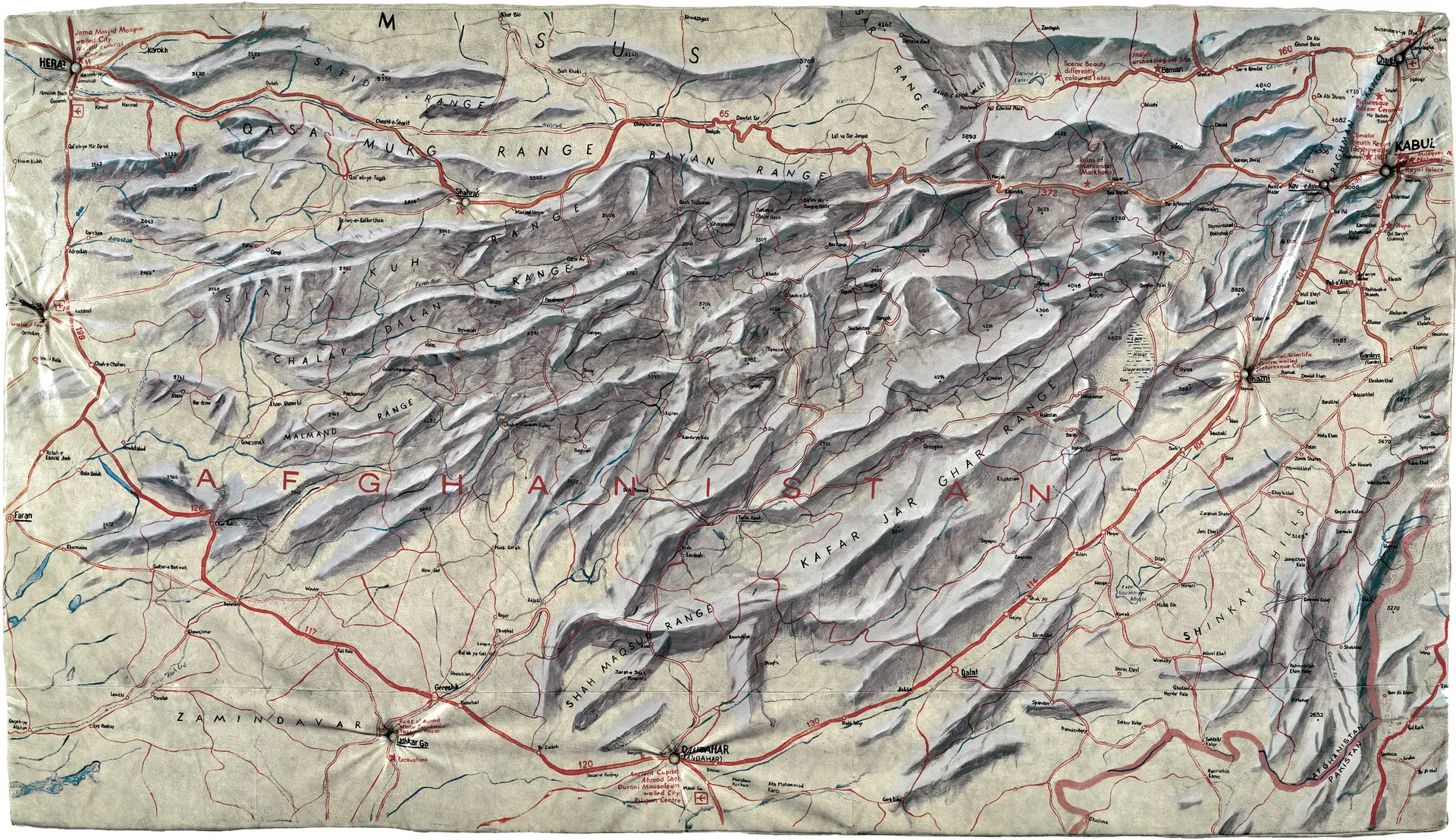
But Kuitca has not limited himself to painting astounding scenes and sets. He has also painted plans for domestic architectures and many maps. And he painted the latter on supports as surprising as mattresses. Here, another passage emerges in the history of painting, where it connected with an interest in cognitive maps (as Jameson would say), offered as a remedy for the difficult return to individualism at the same time that a renewed impetus of globalization exposed individuals to a world subjected to the whim of the most abstract and impersonal market forces—the most enigmatic and ungovernable. The world once again lost its meaning and in order to seek it, recover it, or produce it, Kuitca gave himself the task of tracing plans and maps, subverting the codes of cartographic composition and readability with the purpose of making clear that if we needed maps, it wasn’t those maps that we needed. In his maps, the lines that usually signify streets, squares, and blocks have been replaced by human bones or needles—expressions, perhaps, of everything menacing and terrible behind the affable visage of all big cities. And something similar occurs with his floor plans for apartments and buildings that, with their deliberately schematic character, compose images of the anguish that so often stalks our domestic life.
CARLOS JIMÉNEZ