
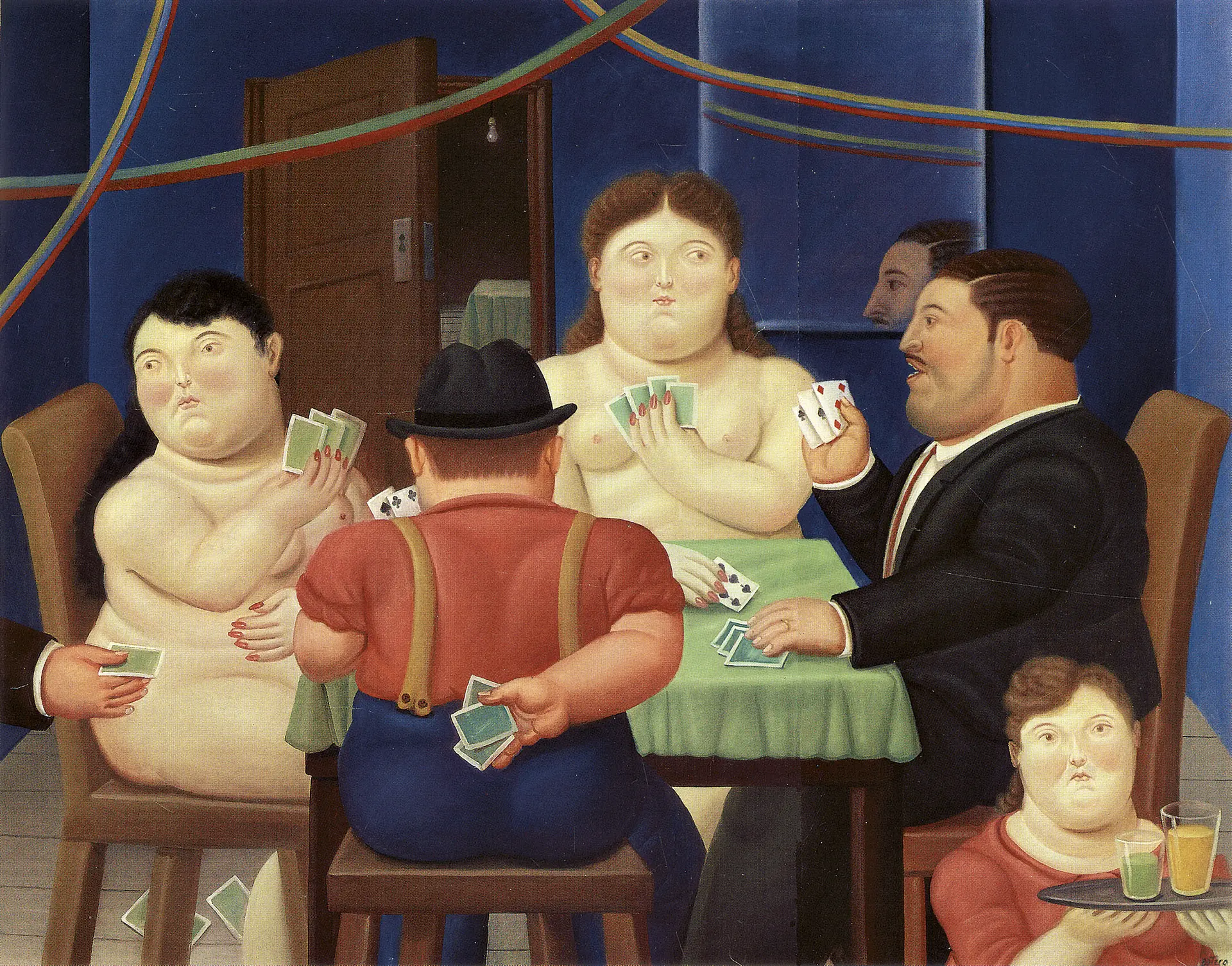
The November auctions of Latin American art were a resounding success at both houses, surpassing expectations and continuing to show market strength and growth in this collecting category. It was also a season that saw the wide recognition and desirability of works by Fernando Botero by international collectors and places him in the category of the most important living artists in Latin America.
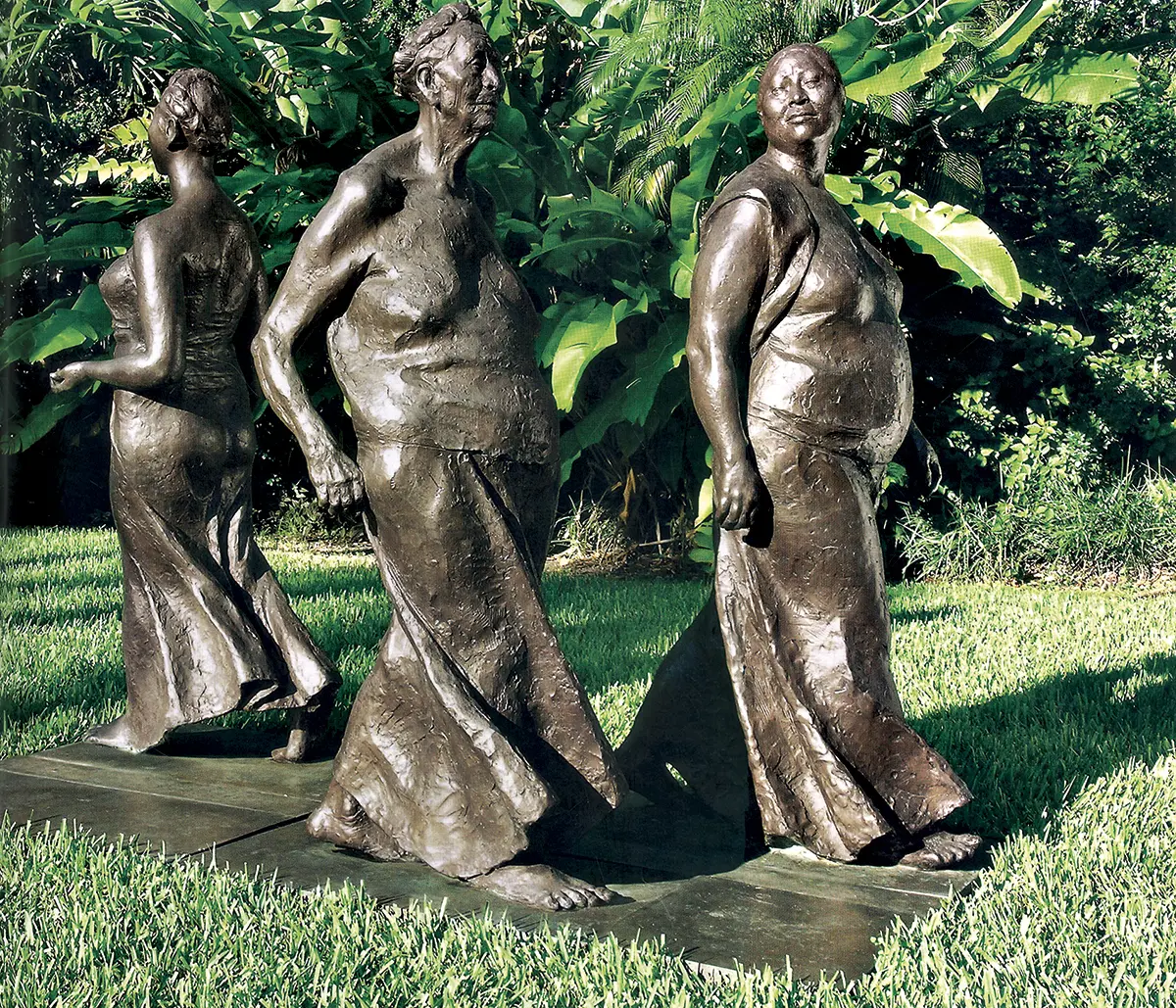
The first sale was Sotheby’s, which scored a great success with the sale of Zúñiga’s Tres Mujeres Caminando, which sold for $1,024,000 and was the first great price achieved in the sale. Another sculpture by Zúñiga, Desnudo de Virginia, in light onyx, attracted considerable competition and rose from the estimated $90,000–120,000 to achieve $688,000. The next success of the night was the beautiful Gerzso from 1957 that had attracted a lot of attention during the viewing for its great quality. The estimate was set at $225,000–300,000, but the painting attracted the furious bidding of four collectors, one of which finally triumphed at $620,800, doubling the high estimate and bringing a new world record for the artist. The expert-in-charge Carmen Melian expressed her views after the sale: “Sculpture performed particularly well at this sale. We also see solid international participation in the field, where non-Latin buyers accounted for roughly 50% of the evening sale.”

The cover lot, Jugadoras de Cartas, was a painting by Botero from 1989 that turns the well-known image of Cezanne’s card players into a joyous depiction of a nude courtesans and ruffians, more akin in spirit to the characters in Caravaggio’s paintings. The picture sold at $1,696,000, a huge price considering the late date, which is indicative that the price of important works by the artist has consistently risen across the board, drawing in collectors from all parts of the world. A new Asian client base was actively bidding for the Boteros in these auctions by phone via the Asian representatives at both houses. Due to a large amount of works by Botero presented at both sales, one can ascertain that the success of the auctions depended largely on the performance of this particular artist. The Botero sculptures in the sale all performed well: Adam and Eve carried an estimate of $500,000–600,000 and sold for $576,000; Man with cane sold above the estimated $225,000–275, 000 for $408,000; the hedonistic Woman with Cigarette achieved $464, 000; of the two smaller sculptures, Little Bird sold above the estimated $150,000–200,000 for $216,000, as did the smaller Seated Woman, which had the same estimate and realized the same price at $216,000. All of this brought a total of $1,664,000 for Botero sculptures. There were two other paintings by the master that did very well. The first to follow the cover lot was Naturaleza Muerta con Cafetera, which had an estimate of $400,000–600,000 and sold above the high estimate for $744,000, and a small reclining nude from 1998, Reclining woman, surprised everyone by selling for more than twice the estimated value of $90,000–120,000 at $419,200. A pastel on canvas, Bailarines, estimated at $150,000–200,000, sold for $240,000. This brings the total for Botero paintings to $3,109,200; this added to the sculpture total results in an impressive $4,773,200, or more than one-quarter of the entire auction at Sotheby’s, even including the totals of the day session. However, there were two early paintings that did not sell and attracted no interest: El Niño de Vallecas from 1960 is a melancholy reinterpretation of the Velazquez depiction of a court dwarf of the Spanish Hapsburgs, and the other, Niña a Caballo from 1961, also failed to find a buyer, which clearly indicates that the new collectors are not appreciative of the early work, even if it can be acquired for a quarter of the price of what the classic Boteros bring.
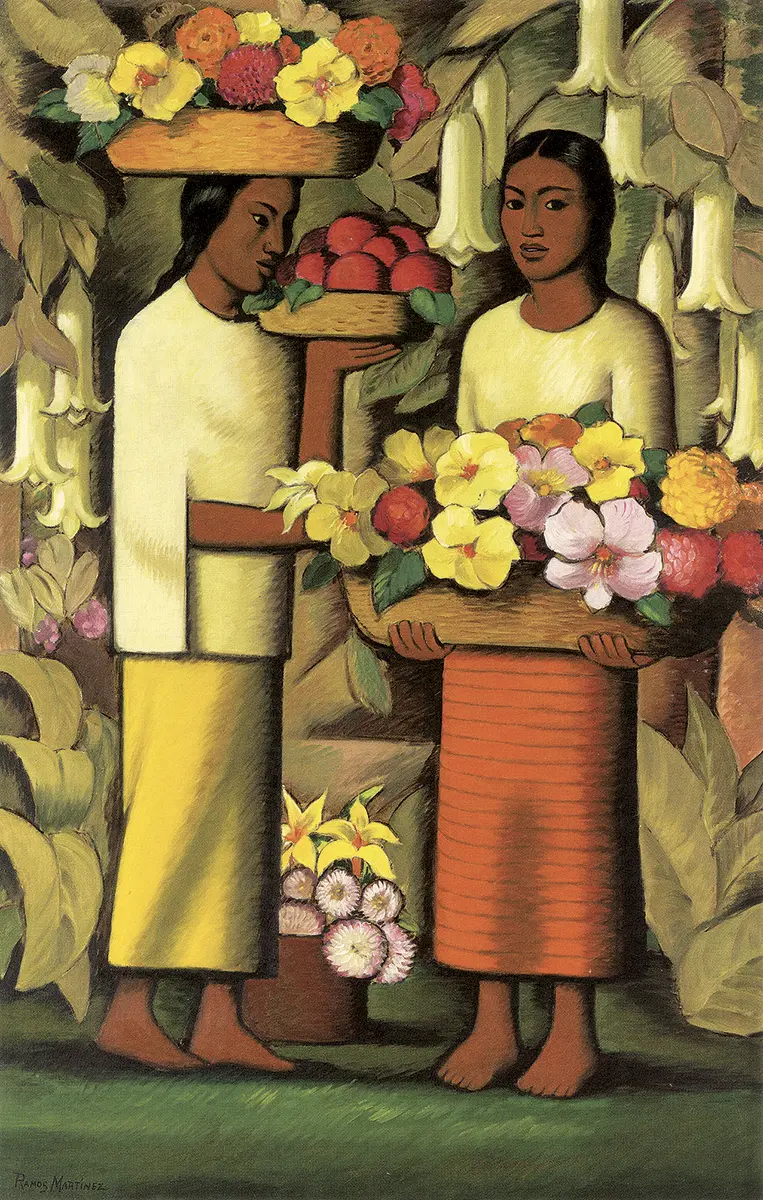
At Christie’s, the cover lot also had a great success. Ramos Martinez’s colorful flower offerings and Indian beauties were reminiscent of Gauguin’s paintings of the tropics, and this fact was certainly an incentive for the collectors who pushed the selling price from an estimated $350,000–450,000 to an incredible $1,800,000, which brought a new world record for the artist.
Another great success for Mexican art was scored with the sale of Juan O’Gorman’s El reino vegetal es un pais lejano that had been estimated at $40,000–60,000 and settled at $240,000, more than tripling the high estimate. Leonora Carrington’s beautiful Surrealist labyrinth, Ulu’s Pants, was sold at $296,000, surpassing its estimated $200,000–250,000.
Again at Christie’s, the triumph of Botero brought high totals. The first work by Botero offered, El Infierno, is a religious scene of the sort that is usually avoided by collectors, yet it managed to surpass the estimated $120,000–180,000 and realized a solid $240,000. This was closely followed by Dancers, the first sculpture of the evening, that easily surpassed its estimate of $500,000–600,000 and sold for $632,000. The next Botero of the evening had been at auctions several times in the past: Los Amantes is an attractive and ironic picture where the huge body of the woman completely eclipses her sleeping male partner; it carried an estimate of $800,000–1,200,000 and realized $1,080,000. Shoeshine followed in the chain of Botero successes, and even though it was painted in 1989 and had an estimate of $350,000–450,000, it sold for $912,000. Woman in Profile from 1992 had an estimate of $150, 000–200,000 and sold for $180,000. Donna sul leto, the second sculpture offered, was estimated at $550,000–750,000 and sold for $542,400, is the only work offered by Botero that sold below the estimate. The last work offered was Self Portrait in Costume as Velazquez, another work that would have been difficult to sell a few months ago, but it easily surpassed its estimated $400,000–500, 000, selling at an incredible $1,057, 600. Virgilio Garza, head of the Latin American department at Christie’s stated after the sale: “Botero is a great ambassador for Latin American art. We see lots of clients that start out in the field by buying a Botero and then realize there is so much more, and that comparable quality will cost much more in a Modern sale.” The totals for Botero paintings were $3,469,000 and $1,174,000 for sculpture, which added up to $4,643,000, slightly above one fifth of the total sale. The sum of Sotheby’s and Christie’s sales of Boteros, in the evening sales only, accounts comfortably for one-quarter of the entire Latin American season in sales, or a very impressive $9,416,200. This makes one think that without his solid success, the auctions would have been dramatically different indeed. These results place the artist in a very privileged and unique position in the market, for this accomplishment has come without breaking a world record or steering the market with a masterpiece or a single owner’s collection. It shows a deep and solid collecting base that supports new price levels for the artist’s work.

Christie’s also scored a great success with the sale of Zúñiga’s monumental sculpture Juchiteca de pie, which carried an estimate of $220, 000–280,000 and sold for $475,200 as well as a new world record for Agustin Cardenas with the sale of Le Grand Oiseau, which realized $251, 200, far surpassing the estimated $140,000–180,000. Tomás Sánchez achieved another world record at the sale, when his Oir las aguas sold for $620,800 surpassing the estimated $220,000–280,000.
Colonial and nineteenth-century works performed very well at both houses. Sotheby’s sold Egerton’s A view of Aguascalientes, Mexico for $441,600, above an estimate of $200, 000–300,000, and Paisaje de Venezuela by Bellerman also performed very well, selling for $156,000 (est. $100, 000–150,000). At Christie’s, Arturo Michelena’s Firma del Acta de la Independencia, which carried an estimate of $500,000–600,000, realized $688,000, and a Colonial painting from the circle of Nicolas Enriquez, El Parián, sold for $352,000 (est. $300,000–400,000). Due to Christie’s success with the pair of pistols that belonged to Bolivar sold not too long ago in an evening sale, another pair appeared for this evening sale, this time from a famous Argentinean patriot, General Manuel Belgrano. The pistols had a pre-sale estimate of $200,000–400,000, and spirited competition brought the hammer down at $374,400.
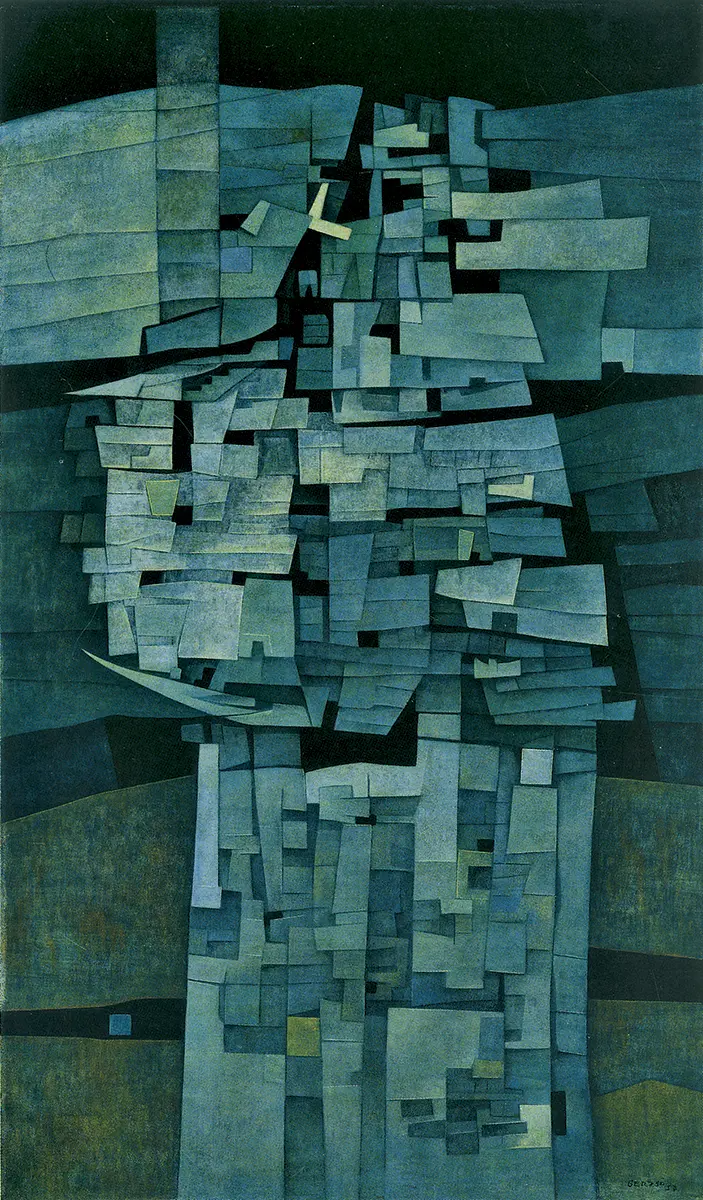
Christie’s offered a great abstract piece by Mathias Goeritz that was very closely related to the one that sold last season; both panels had originally been installed at the same location. The first panel, which achieved a world record for the artist last May, sold at $340,800. This one carried an estimate of $200,000–250,000 and sold for $307,200, still above the high estimate, validating the strong interest in Latin American modern and contemporary works that are attracting buyers seeking quality from other areas of collecting. All of these factors have made Latin art a “hot” and very desirable collecting category.
Sotheby’s total: $17, 324,000; sold by lot: 68.5%; sold by value: 87.3%.
Christie’s total: $21,784,880; sold by lot: 74%; sold by value: 87%.
All prices quoted and the totals include the premium.
ALBERTO BARRAL
Art advisor and private dealer, New York.