
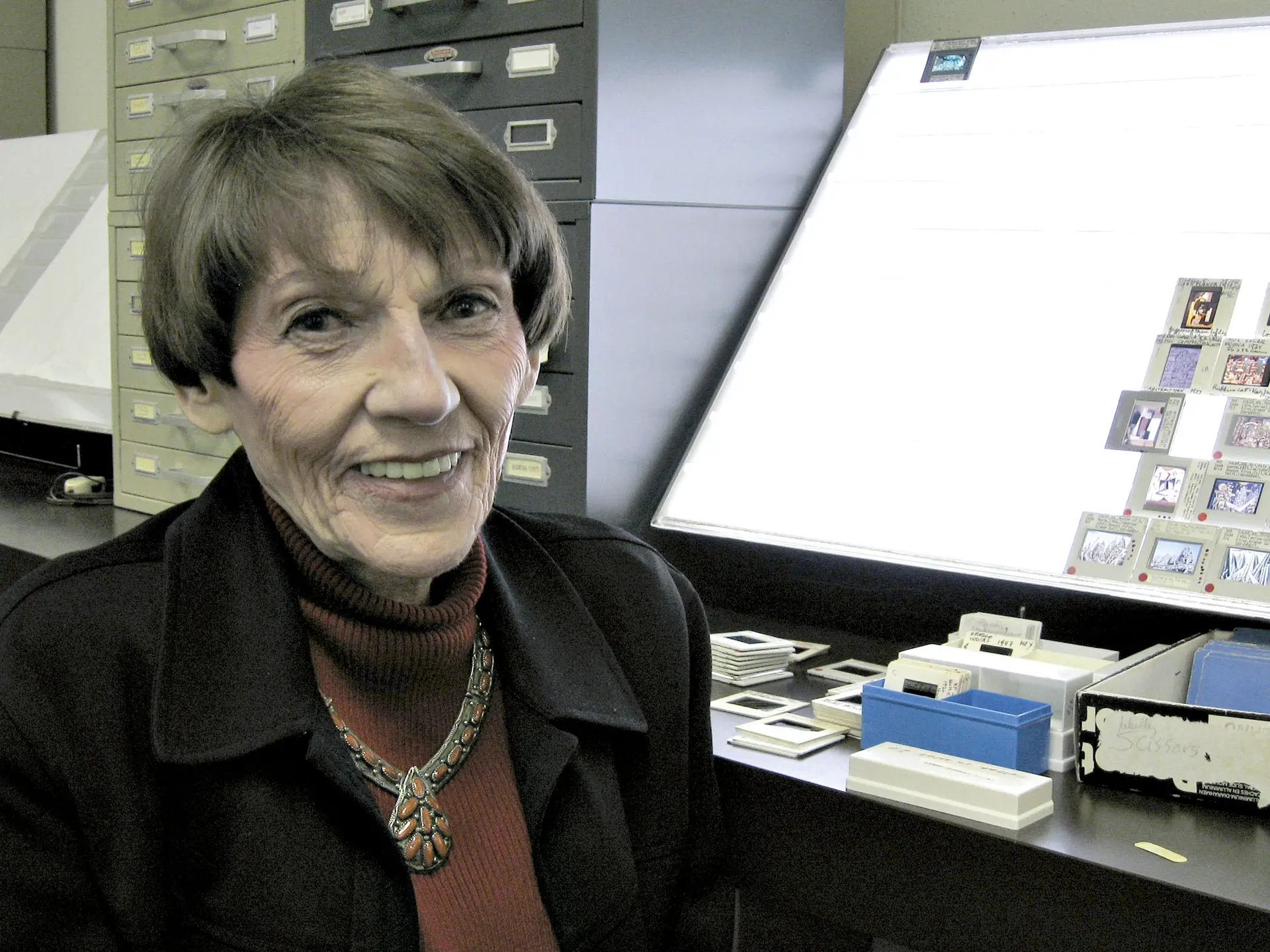
Michael Wellen: How did you first
become interested in the art of Latin America?
Jacqueline Barnitz: It happened while I was living in New York, around 1960. I started to meet many Argentines who were there on Guggenheim fellowships for a year and ended up staying two years, or ten years, and subsequently met artists from other countries.
MW: Were you a college student at that time?
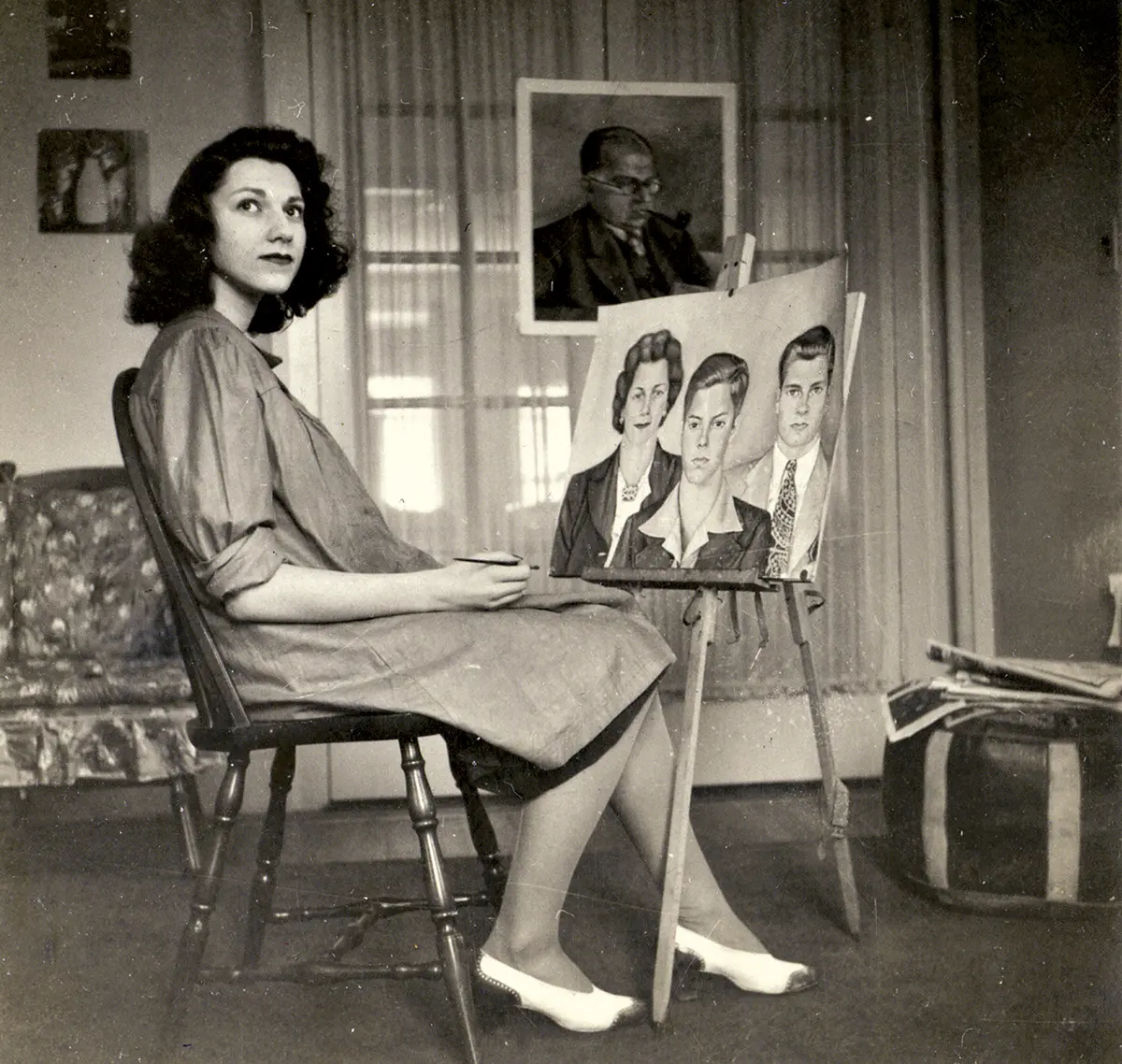
JB: No, at that time I still thought of myself as a painter. Initially, I had trained as a portrait painter in Europe, but by the late 1940s in New York, I had given that up and took up Abstract Expressionism. (Laughing). My father was beside himself. He wanted me to be a successful portrait painter. I started as a professional in Latin American art after I went to Buenos Aires in 1962 with some Argentine friends and was impressed by what I saw there. I found a dynamic art scene. In New York, there was a lot of interest in Latin American art during those years for all the wrong reasons. After 1959 when Castro came to power, this country (the U. S.), fearing the spread of communism in Latin America stepped up programs for cultural exchange. There was ample funding for exhibitions in Latin American countries, especially Argentina, and New York. Nestor García Canclini discusses this phenomenon in his book La producción simbólica of 1979. These exhibitions (Magnet New York at Bonino Gallery in 1964, The Art of Latin America Since Independence at Yale and the University of Texas, Austin in 1966, and The Emergent Decade at the Guggenheim, New York, in 1966, for example) gave me the chance to familiarize myself with the contemporary art scene, and I started to write for Arts Magazine.
MW: How, then, did you come to teach art history?
JB: I did everything backward. In 1968, the chair of the art department at The State University of New York at Stony Brook called me. He had read an article that I had written for Arts (“The Question of Latin American Art: Does it Exist?,” Dec.–Jan. 1967) and wanted me to come and teach Latin American art there. When he asked what academic credentials I had, I could only say “Very little.” I had none, not even an undergraduate degree. I could have gone to college earlier, but, as a painter, I just wanted to hang out in the cafeteria of the Art Students League where I studied for a while and discuss art. By the time I received that call, I was already interested in art reviewing. So, when the chance to teach came, I thought I’d better do something about it in a hurry. I signed up at Brooklyn College, got my undergraduate degree, and then did my graduate work at the CUNY Graduate Center. I taught at Stony Brook for seven years while attending college. I came to Austin in 1981 before finishing my dissertation. But I think my going into the field and taking a job before completing my studies was doing it backward. Well, you could do that in the 1960s and early 1970s, but you couldn’t get away with that today.
MW: The other day, while I was rummaging through your library, you showed me a letter you had received from Hélio Oiticica. Were you friends with him in the 1960s?
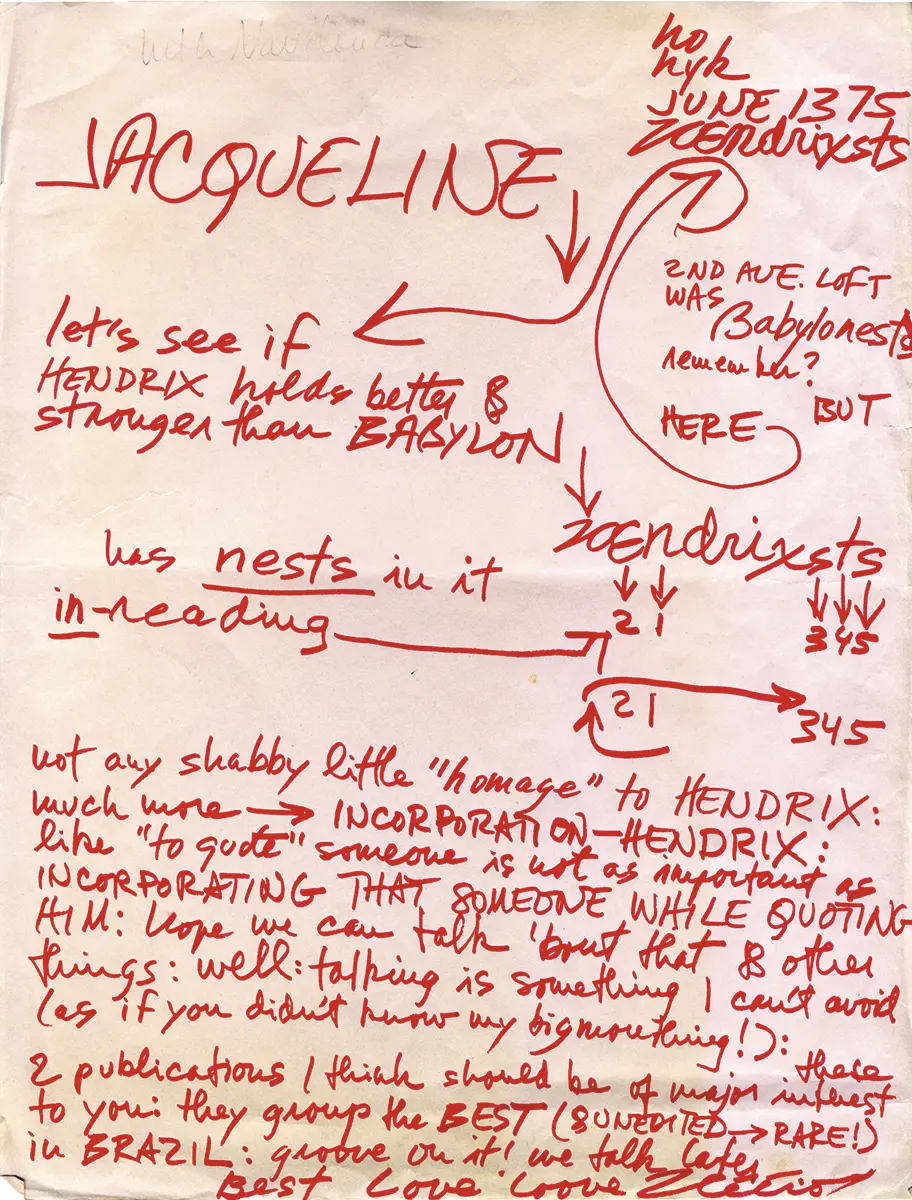
JB: He came to the U.S. in 1970. Brazilians came to the U.S., especially to New York, in increasing numbers after 1968 because of the strict censorship Brazil’s military government had imposed that year. That is when several Brazilian artists and theater people like Oiticica and Augusto Boal went into exile. In New York, I got to meet them. I saw Oiticica on several occasions and even had dinner at his loft once. At the time, he was living a sort of secret life and wasn’t exhibiting much because he opposed the commercialization of art. He refused to do anything the same way twice to avoid being co-opted. Nonetheless, he did carry out a small number of projects, including an installation at the Rhode Island School of Design (Rhodislandia, 1971) with the help of students. But he worked mostly in his loft, which he divided up into what he called “nests.” They were stacked individual spaces so that friends could come and stay and have their own nest and some privacy. The other day, while cleaning out some files, I found a copy of a letter I wrote for him. I think it was around 1977, when he wanted to extend his stay in the U.S. He had asked me to write to the immigration authorities on his behalf. But the letter didn’t do any good—he had to leave the following year and returned to Brazil.
MW: When did you decide you wanted to write a survey of Latin American art?
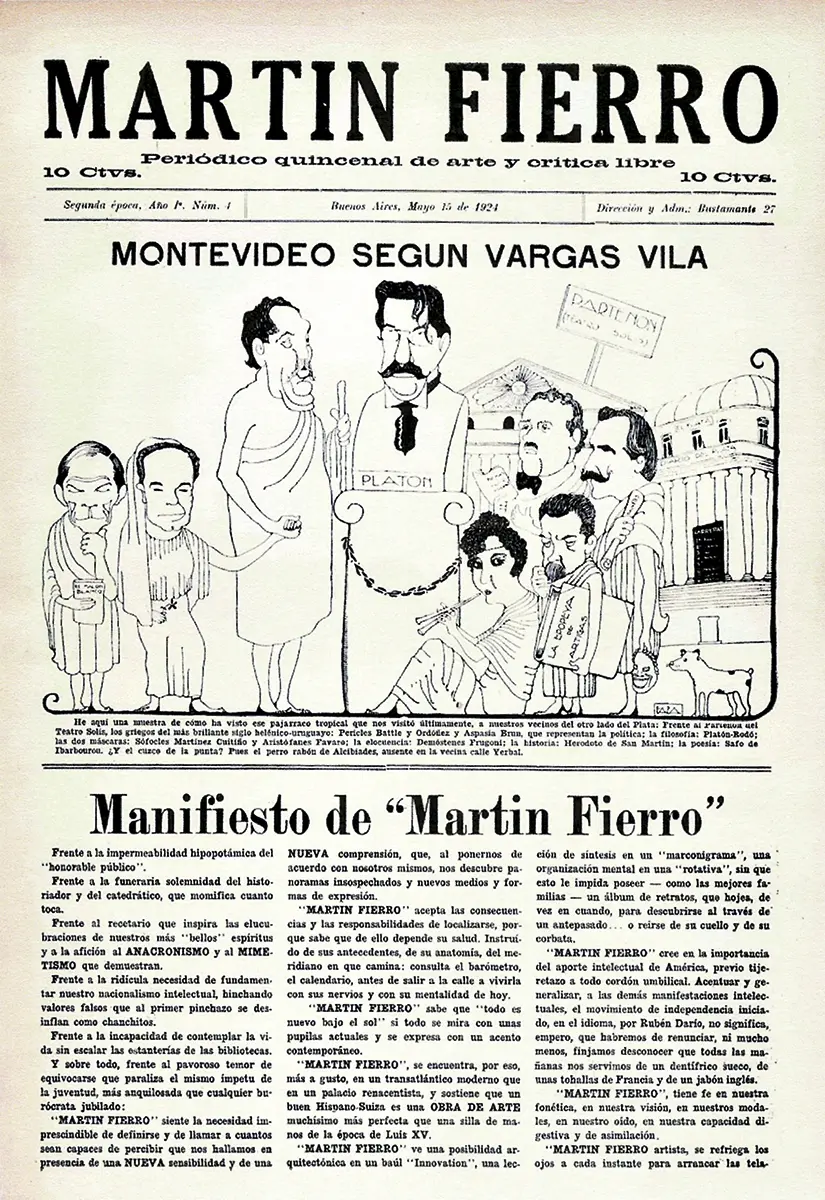
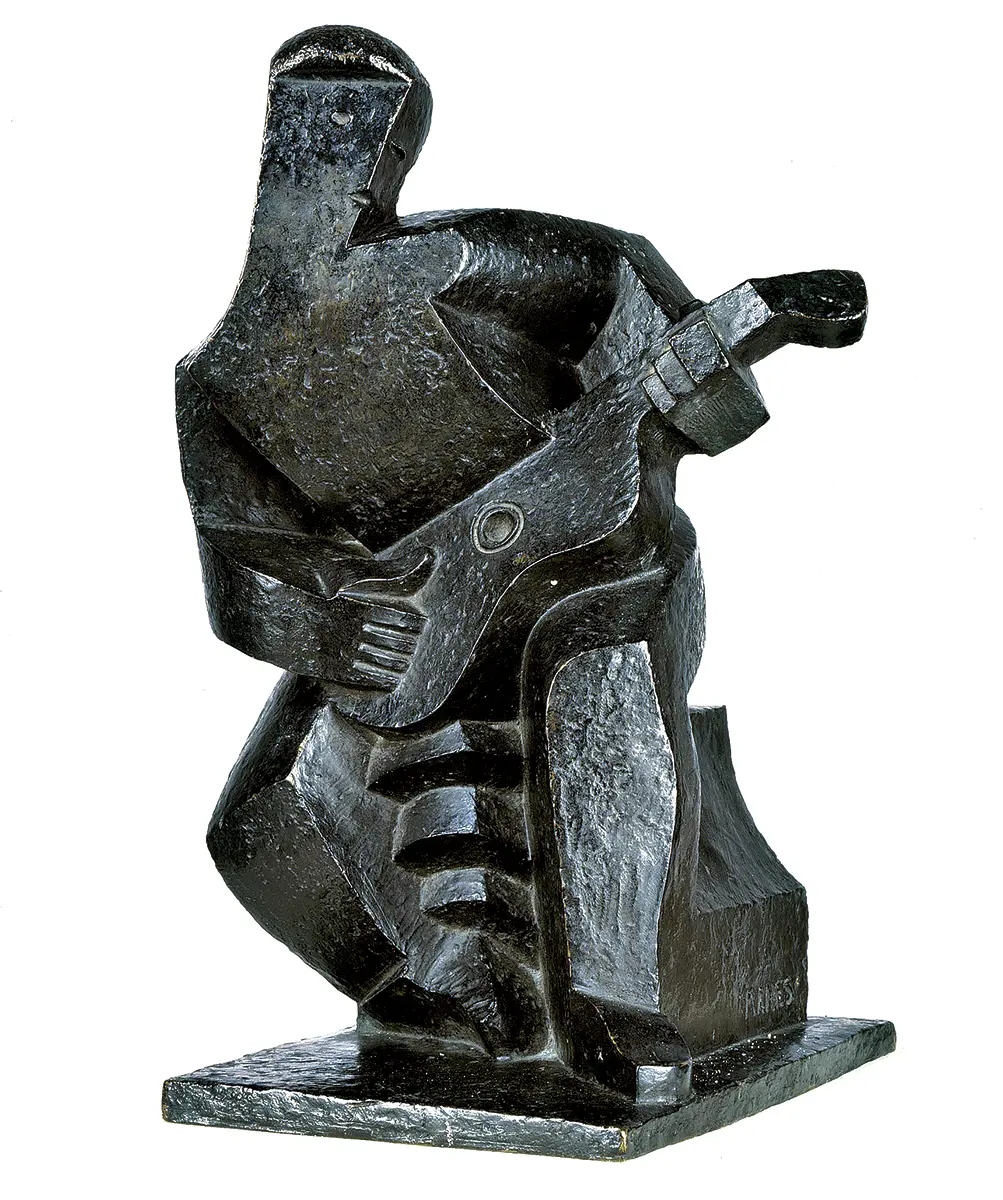
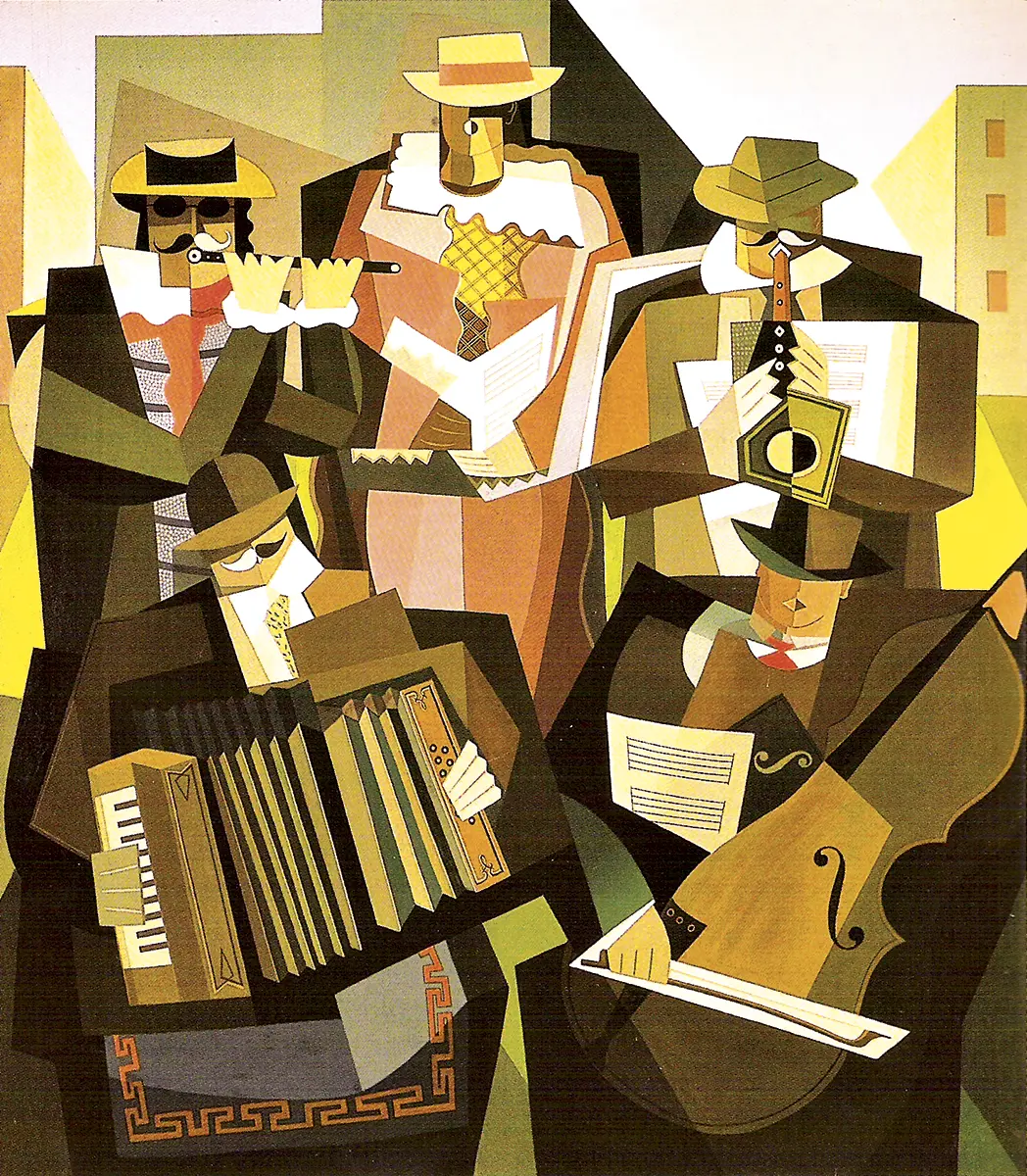
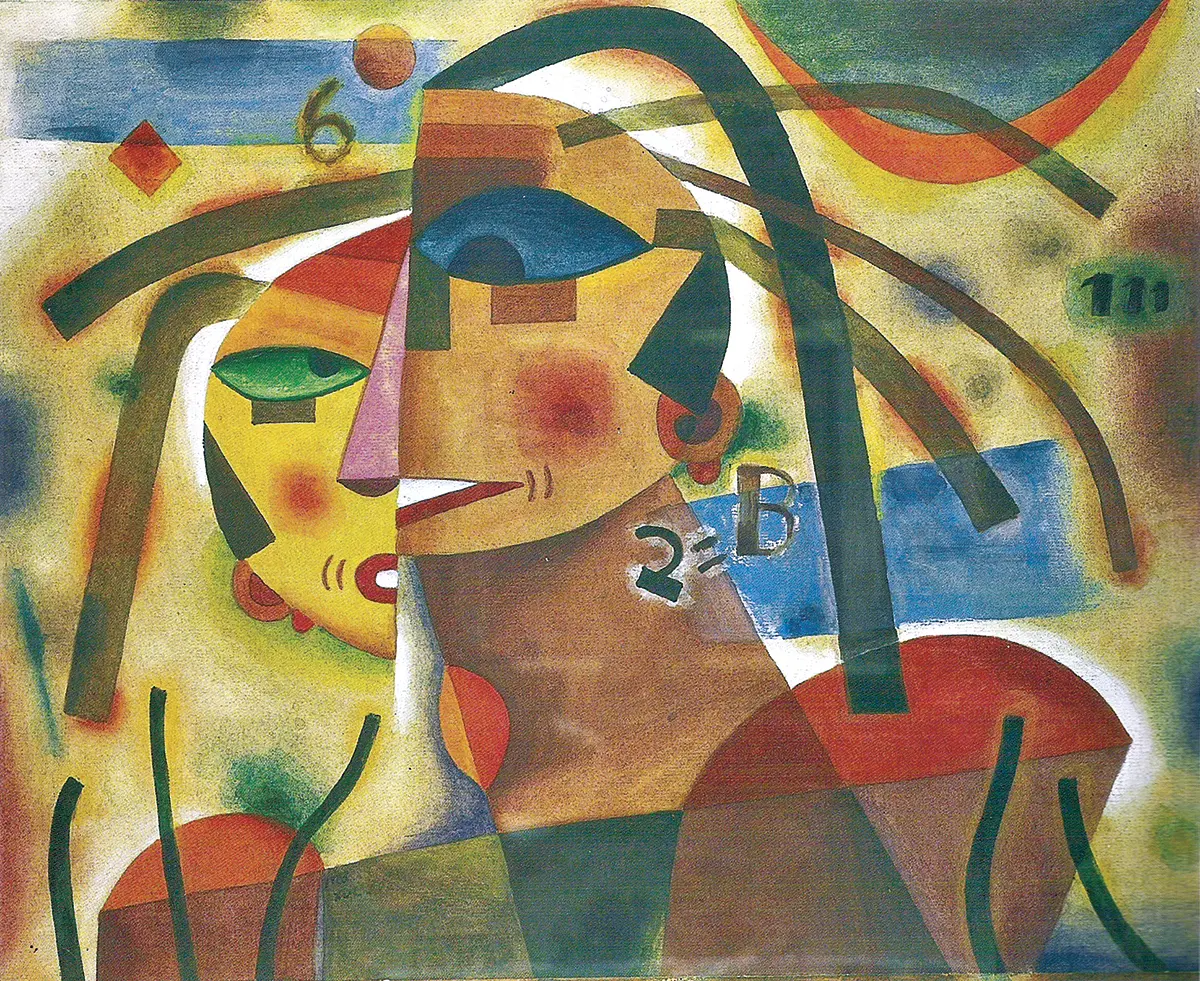
JB: That was something that I had wanted to do since the 1960s. I especially felt a need for it after I started teaching. I couldn’t do it as a dissertation topic because it was too broad. For that, I decided to pick what for me had been a problem to explain in a classroom. I chose to write about the Argentine avant-garde of the 1920s. Argentine art looked too “European” to students, and I needed to find a way to explain it to them. So, I chose to study the literary journal Martín Fierro (1924–1927) and four artists—Emilio Pettorutti, Xul Solar, Curatella Manes, and Norah Borges—affiliated with it. This research also served me later for my book on the twentieth-century art of Latin America. But it wasn’t until the 1990s that I began to seriously work on it.
MW: What kinds of difficulties did you face in producing your book?
JB: The book was the result of numerous trips to Mexico, South America, and later, Cuba. Doing research in some countries, especially Argentina and Chile during the military dictatorships, was nightmarish sometimes. For instance, my 1980 stay in Buenos Aires was very difficult. I was staying in a friend’s apartment, not a hotel, so I was treated like an Argentine. The census bureau people came to my place to check on who was living there. I felt perpetually oppressed and there was a lot of miscommunication. Yes, it was surreal...
MW: How so?
JB: Well, one time I had made an appointment with a sister of Pettoruti’s to interview her and see photographic archives. I arrived at her apartment at the agreed time, but the guard at the front door insisted that no one lived there and that they had died three years ago. I told him someone was waiting for me upstairs but he refused to let me pass. The downstairs bell didn’t work. Ultimately, I called her from an outside payphone to verify our appointment, and, yes, she was waiting for me on the third-floor landing. The guard still didn’t believe me, but finally, after more arguing, he let me go up and see for myself, and there she was waiting for me. That kind of experience was typical during most of my trip.
MW: In your graduate seminars, I remember catching little glimpses of these experiences. Once, you mentioned that you had been in Chile a week before the coup.
JB: Three weeks. I was there in August, three weeks before the September 11, 1973, coup. I was continuing my research for the book. That’s how long it takes you to complete a book: thirty years. (Smiling). I had already been to Brazil, Uruguay, and Argentina. When I arrived at the airport in Santiago, Chile, the taxis were all on strike and although I knew people there, there was no one to meet me, as gasoline was in short supply. I sat on the pavement with my luggage, feeling dejected. Then one of the taxi drivers took pity on me and offered to take me to the hotel, but I had to sit in the front seat, pretending to be his wife, so they wouldn’t stone his cab. The whole time I was in Santiago, people knew something was going to happen, possibly a civil war. There was something ominous in the air.
MW: What do you find happened to art communities in post-dictatorship Latin America?
JB: While what some artists were producing following the end of the dictatorships did not always indicate a radical change in their conceptual premise, the artists’ ways of explaining or talking about the work did. Sometimes it became more of a linguistic change than a factually material one in their words. But then this is a generality. In Chile, for instance, there were and are differences now. There is a revival of creativity that is different from the art of the 1980s and earlier. They are still concerned with the potential of the materials themselves to convey meaning, but these meanings are no longer metaphors for a political situation.
MW: What are your thoughts or concerns about the current state of Latin American Art?
JB: My biggest concern is that the field of modern “Latin American” art—I don’t like the term “Latin American” due to its reductive connotations, but for the sake of convenience one must use it—as a field of study in the U.S. has been short-lived. It didn’t start as a serious field until the late 1960s and then only in very limited ways. It was taught at the University of Texas although there was no official faculty position at the school until I went there in 1981. I left Stony Brook in 1977 when the whole Latin American Studies department was disbanded. During my four years between Stony Brook and the University of Texas, I taught it as a roving Latin Americanist at most universities in New York City and one semester in Pittsburgh, Pennsylvania. But outside of the classroom experience that only reaches a very limited audience, people got to know the art of Latin America from exhibitions—many of them in galleries in the 1960s and 1970s—and in blockbuster museum shows from the 1980s onward. Their understanding of this art was of course determined by the whims of the curators of those exhibitions. The teaching of university courses in the field did not really take off until the 1990s in other universities. Then this subject came to be fused with Latino and Chicano art, that is, artists of Latin American descent but who are in fact U.S. artists who have been denied mainstream status. On the other hand, some Latin Americans managed to gain international status. As far as university courses are concerned, there now are several major universities that offer courses -in California for instance, and in New York (the Institute of Fine Arts, the CUNY Graduate Center)- and other smaller universities are developing programs in the field. So I would say the expansion of this area of study on a visible level dates to the 1990s. However, since the turn of the new century and talk of “multiculturalism” (another term I dislike) and globalization, Latin American art is now being seen in general exhibitions without the geographic identity it had depended on for international attention during the 1960s. That in some ways is a good thing and surely appreciated by the Argentine artist Luis Felipe Noé (author of Does art from Latin America need a passport, of the 1980s) and the Cuban critic Gerardo Mosquera (author of Goodbye identity, welcome difference, from the 1990s). In other ways, people who have little knowledge or understanding of the art of Latin America and its individual contexts have little to go on without its history. This art is now getting watered down by being merged with everything else, at least in exhibitions.
MW: How do you feel about exhibitions such as the Blanton Museum’s new permanent exhibition America/Americas, which combines art from Latin America with art from the United States?
JB: There’s a good and bad side to that. The good side is that this exhibition desegregates Latin American art, taking it out of the ghetto that fed the colonialist mentality. But the problem is that this art still needs more visibility because there are still many people out there who don’t know anything about it. Nowadays, you could go to the Blanton and see some nice paintings, but you will have some difficulty understanding them within their own historical context. Everything has the same value. Nothing stands out except for Cildo Meireles’s Missão-Missões (How to Build Cathedrals, 1987), which has its own space.
MW: Even so, in your view what would be the best way to exhibit the art of Latin America today?
JB: I don’t think there is a best way. There is no nice, unified way to present this art in a survey format. Rather, it would have to be thematic and selective. What’s most important is to think contextually. The best exhibitions place works together to reveal refreshing and meaningful connections that go beyond formal similarities. In my graduate seminars, we discuss this issue by looking at the concepts and problems behind certain key exhibitions of the twentieth century, such as the Indianapolis Museum’s Art of the Fantastic (1987), MoMA’s Latin American Artists of the Twentieth Century (1993), and more recently, Inverted Utopias: Avant-garde Art in Latin America (2004). And we often agree that the best exhibitions allow the art to radiate in many directions, offering models other than that of a survey, but especially those that dispel stereotypes like exoticisms and notions of victimization.
MW: Recently, at the Blanton’s1 Sin Título symposium, you mentioned how scholars have had to work against the onslaught of “Frida Kahlismo” since the 1980s. Could you talk a little more about this term and your thoughts on Kahlo?
JB: Well, I came up with “Frida Kahlismo” as another way to describe the Frida mania. The issue is not about Frida herself. She wasn’t a bad artist; in fact, she was very clever. Quite apart from that, a painting of hers recently fetched $5.6 million at auction, even topping Rivera. But it’s about how she has been treated by the media. Her life and art together have been sentimentalized. I don’t believe that art history needs to be so soupy, so titillating to be interesting. In my undergraduate classes, I warn the students that if they took the class to write about Frida Kahlo, they should drop the course. I can’t tell you how many bad papers I’ve read about her. Students tend to write about Van Gogh in a similar way; they write impassioned papers about their favorite artist filled with biographical descriptions of their personal suffering.
MW: What do you enjoy most about teaching?
JB: The exchange. The intellectual stimulation works in both directions; I’ve learned a lot from my students. And one of the challenges that I really enjoy is that every year or two there is a totally different generation with whom you cannot use the same frames of reference. About fifteen or twenty years ago, practically all the hands in the class would go up when I asked if they knew of Caetano Veloso. In the last three or four years, however, maybe one or two hands would go up. It’s really a great point of interest to me: how each student’s frame of reference is so different from my own and yet we may be doing the same things, looking at the same things.
MW: So it seems, with teaching, you have to change your tactics every two years. With writing, is there a sense that the work will be timeless?
JB: Well, timeless—I don’t know. But one thing I try to do is avoid buzzwords that tend to date work. For instance, I remember that sometime in the 90s there was a year when about every conference paper had the word “power” in its title. When such overused terms emerge, I try to avoid them.
MW: What do you consider your most important contribution to the field and what, if anything, do you regret or would have done differently?
JB: The only thing I would change is that I would have given myself twice the energy, so I could do twice the work. My biggest concern is that I didn’t produce as much as I would have liked. And, unfortunately, I don’t anticipate being in my prime in my nineties. But, I feel hopeful about where the field has gone since I started in terms of course offerings and the level of students taking them. Teaching was a process for me that really needed to develop. And I was able to make most of my mistakes early on at Stony Brook. I am happy to see that my former graduate students are doing very well; they are teaching and are productive scholars. That is a source of great satisfaction.
MW: What are your future plans?
JB: After some travel, I hope to work on two projects. The first will be a sort of sequel to my survey book. It will cover contemporary artists in Latin America from the mid-1980s onward. The second will be in the form of case studies exploring different ways that art history is taught in some Latin American universities, as compared to the U.S. schools. The purpose is to determine how each culture looks at art and how different approaches to teaching affect how one thinks about art. Is it an object or a means of communication, a language? These are questions that require more thought. Even though I’m retiring, you won’t catch me playing bridge.
NOTE
1. Sin Título 2006: An International Symposium on Latin American Art in the Global Context (April 26–April 29, 2006) was organized by the Jack S. Blanton Museum of Art in conjunction with the grand opening of the museum’s new exhibition building. Dr. Barnitz participated in a panel discussion entitled “Teaching Latin American Art” along with the art historians Tadeu Chiarelli, Valerie Fraser, Andrea Giunta, and Edward Sullivan.
MICHAEL WELLEN
Doctoral student at the University of Texas at Austin. He has written for Artpapers magazine.