
The second edition of Seville’s International Art Biennial (November 2006–January 2007) was perhaps more politically committed than its predecessor, which was directed by Harald Szeemann shortly before his death; this is understandable. Throughout his career as an extraordinary curator of exhibitions, Szeemann was never a stranger to political turbulence, nor was he a stranger to the artists that explored, shaped, analyzed, and interrogated it. But the situations or contexts lived by Szeemann are now distant because the threats that were then incubated—as in Ingmar Bergman’s The Serpent’s Egg—have exploded into everyday life in a rather frightening way. This is at least what Okwui Enwezor thinks; after directing Documenta X, Enwezor, who is from Nigeria, took charge of the new edition in Seville. He is so concerned about these times of “demented terror/ when an animal/ stalks my guts,” as the poet Roger Tauss said, that he didn’t hesitate to the title “his” biennial The Unhomely: Phantom Scenes in Global Society, itself such an unhomely title. Or such an inhospitable one: in the Spain of the Orthodox there has been a debate about the proper translation of the English term “uncanny” and the German unheimlich, terms to which Enwezor’s notion of the contemporary world in designing this biennial seems to refer.
The issue of the “phantom scenes,” on the other hand, is less context-specific, less tied to current events because the phantoms seemed to belong to a different time, to Gothic-period or nineteenth-century England. Or at least that’s what we thought until a few years ago, when Jacques Derrida offered a memorable cycle of lectures in California, in which he defended the idea that the phantom that stalked Europe (according to Marx in the Communist Manifesto) continues to stalk us. On this point, Enwezor was also right: a good portion of the despair caused by the most despair-inducing works and interventions presented in this biennial were rooted in the convocation of the ghosts that drive an ever more phantasmagoric, globalized society.
The terror-causing event of our times belongs, undoubtedly, to this phantasmagoric condition: the war that, although it is there and threatening all (even those of us who for now are only its spectators), is nevertheless phantasmic. This is not because of the abundance in the media of deathly images but because the war takes on a phantasmic character with its definition as an “unending war” against such a ubiquitous, the ungraspable enemy as “terror,” which is really a predicate transformed into a subject. And where is the subject? The subject, in this case, is a Freudian ghost. The spectral figure that gives face or shape to that which in reality is ours comes back to stalk us, to threaten us, as if it were hostile and unredeemable alien.
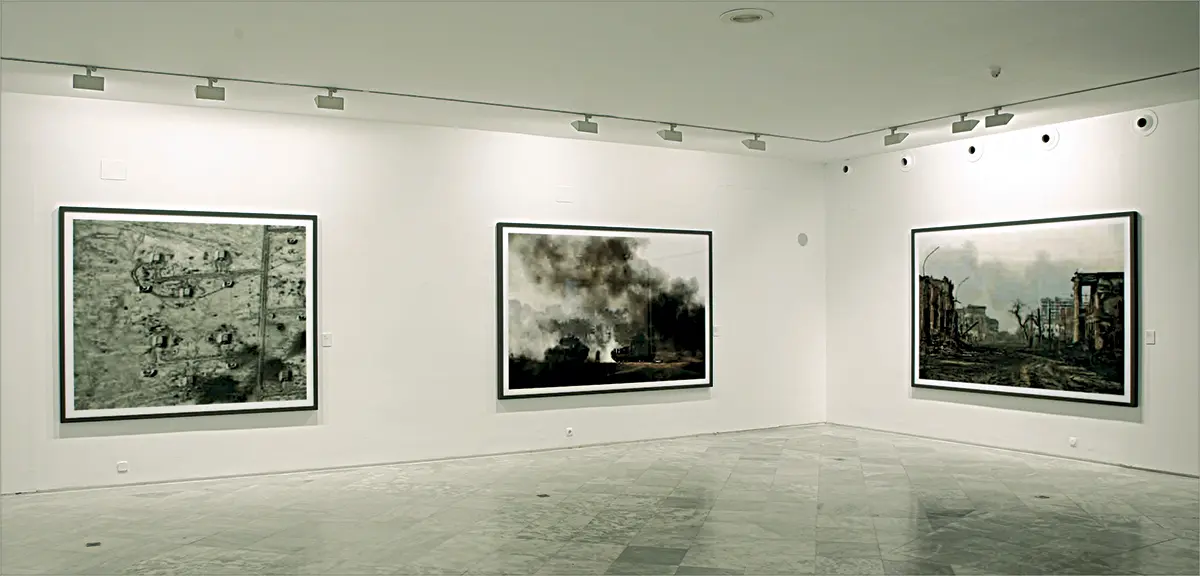
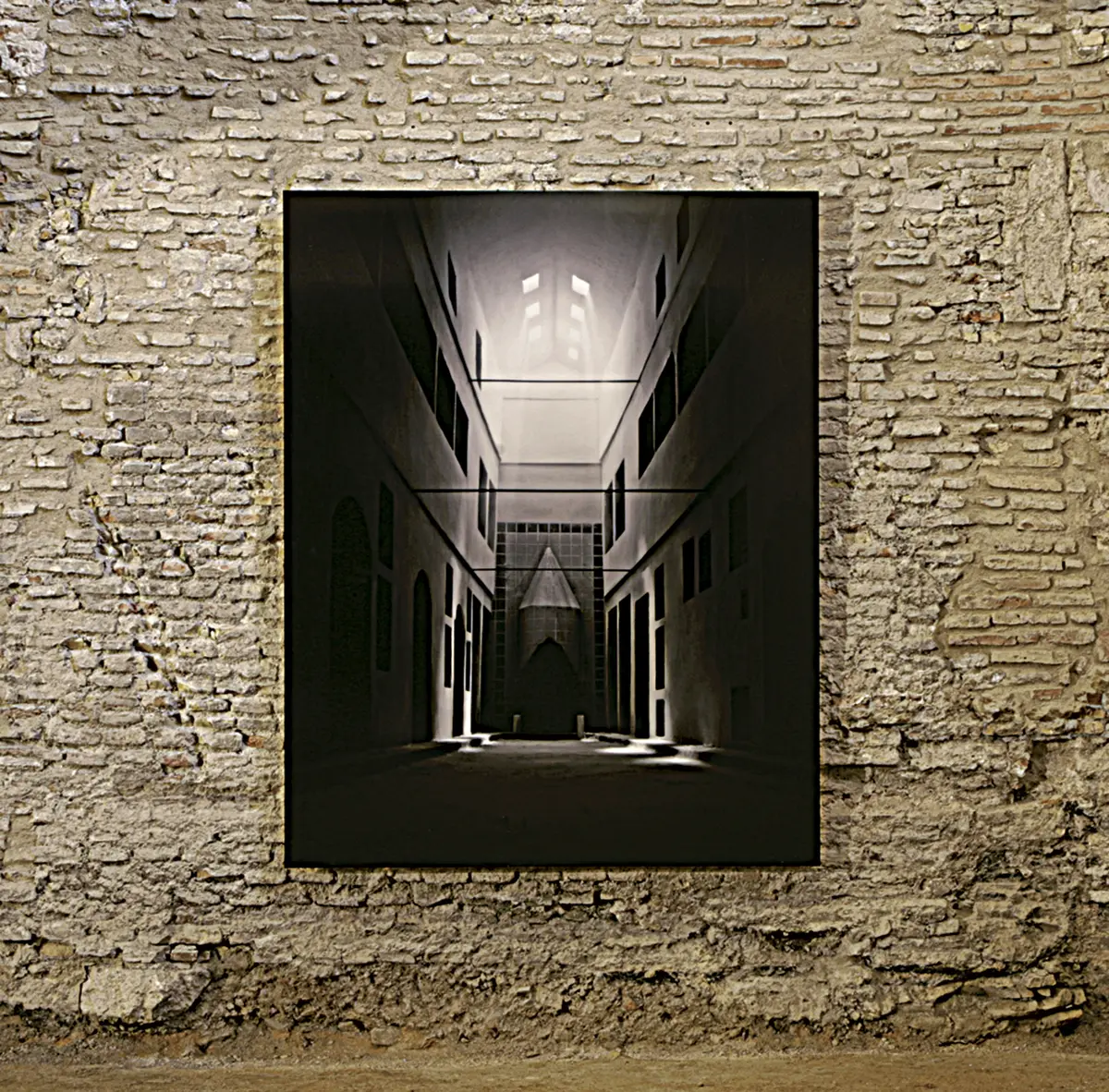
This phantasmic stagecraft found its best form in the work of James Casebere, with photographs that altered scale and accentuated the livid lighting of models for an architecture that was at once familiar and strange. But perhaps its most intense expression was achieved by Thomas Ruff with a sequence of manipulated digital photographs printed at large scale and referring to the Iraq war, in which the war lost its material consistency, its unquestionable content of “sweat, blood, and tears,” and became an exclusively visual event, a virtuosic formal exercise in high technology, to which we were free to abandon ourselves with extremes of indifference or distraction. The counterpart to Ruff’s de-territorializing was work by Retort, who exhibited black-and-white and color photographs that, rather than being distant from their themes or models, seemed to come closer, to the point of fusing into them (an impossible mission). Analog or digital photography can never free itself wholly from uncertainty—even if in its fidelity to the instant it rejects the vast array of possibilities for after-the-fact modification opened up by Photoshop. The most documentary-like photograph is still the image of what perhaps was. Even so, Retort’s photographs brought us closer and involved us more than Ruff’s in the crimes, the horrors, and the suffering caused by the invasion of Iraq.
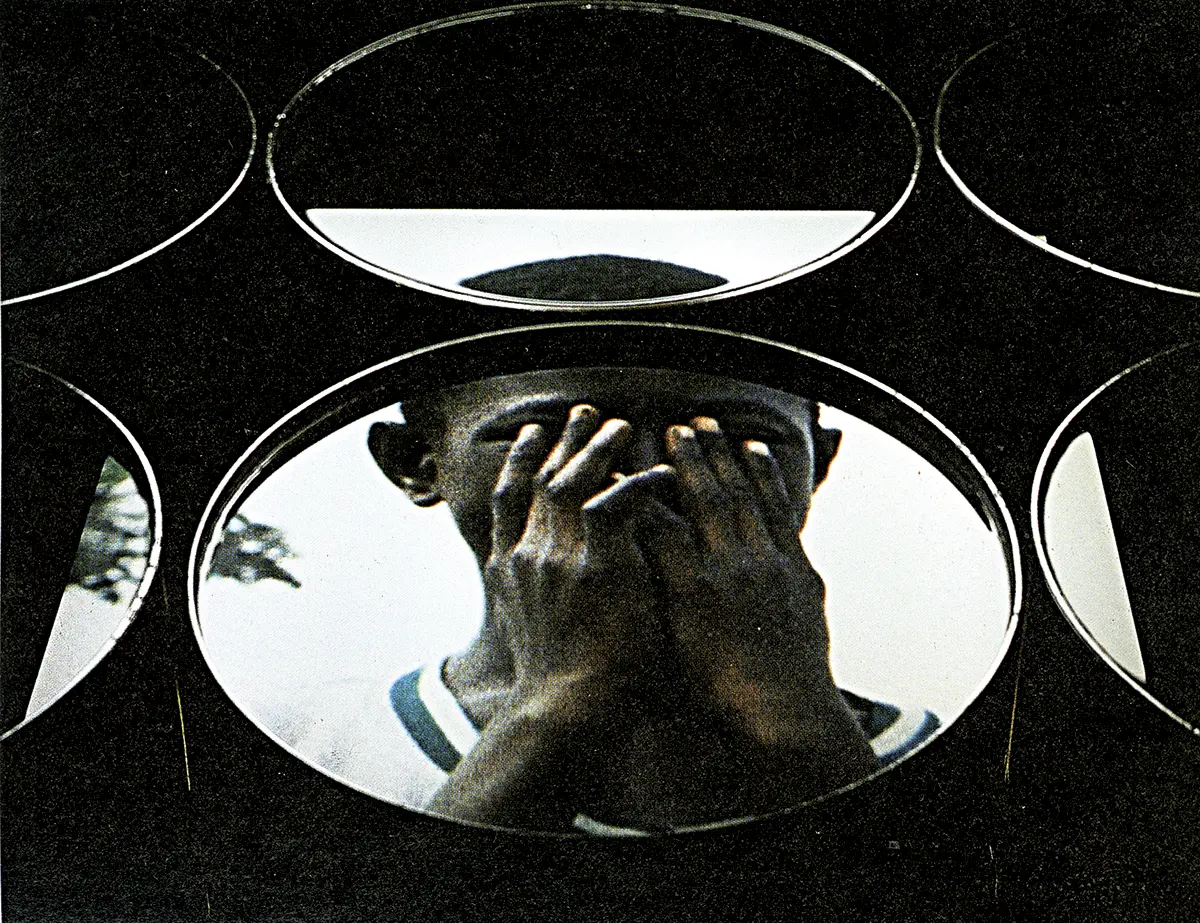
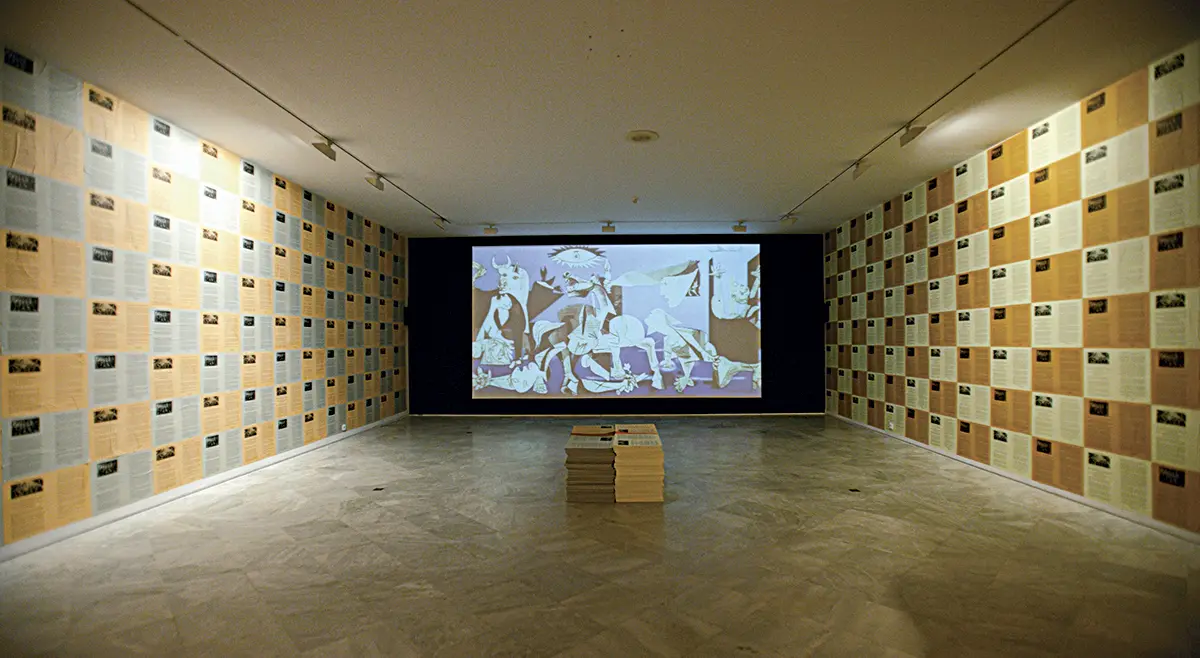
Alfredo Jaar presented an installation titled Geography: War, an extension of his sustained interest in cartography. It consisted of a collection of barrels filled with oil; images of dark-skinned people, presumably Africans, were projected on the reflective surfaces. Suspended over the barrels were light boxes with images of similar individuals, openly frightened.
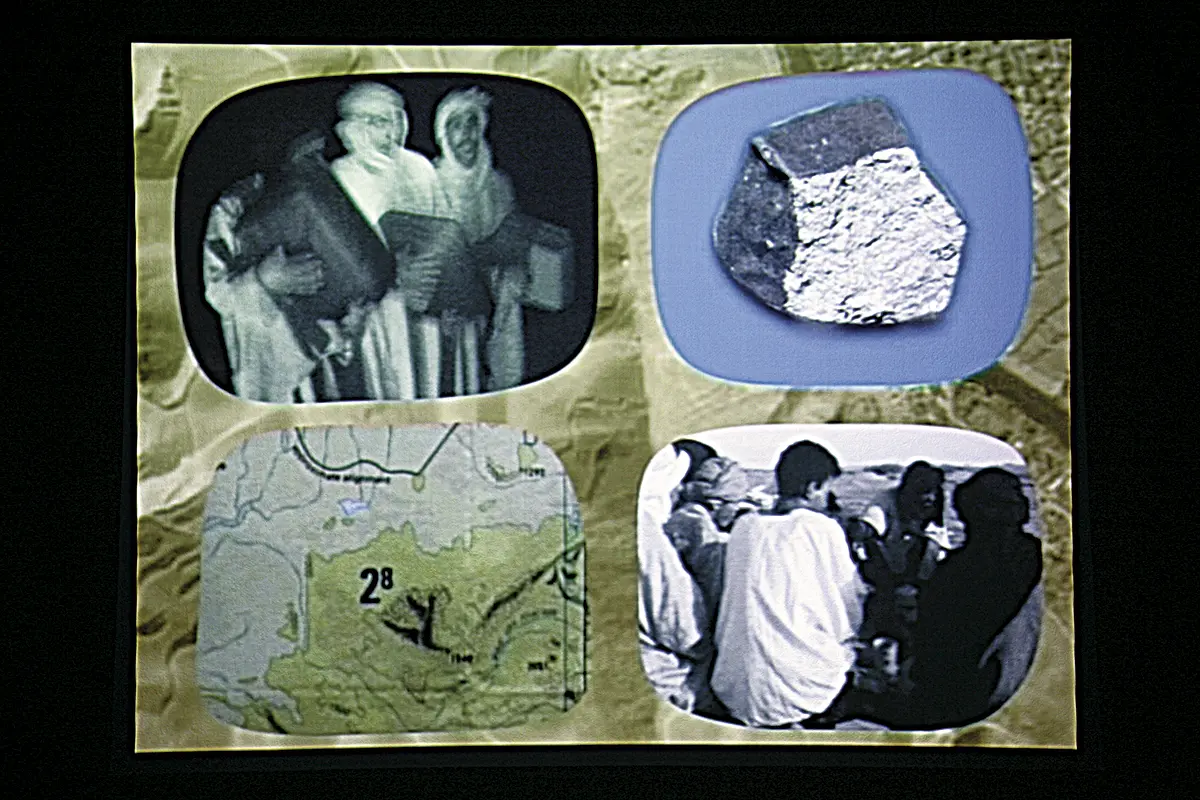
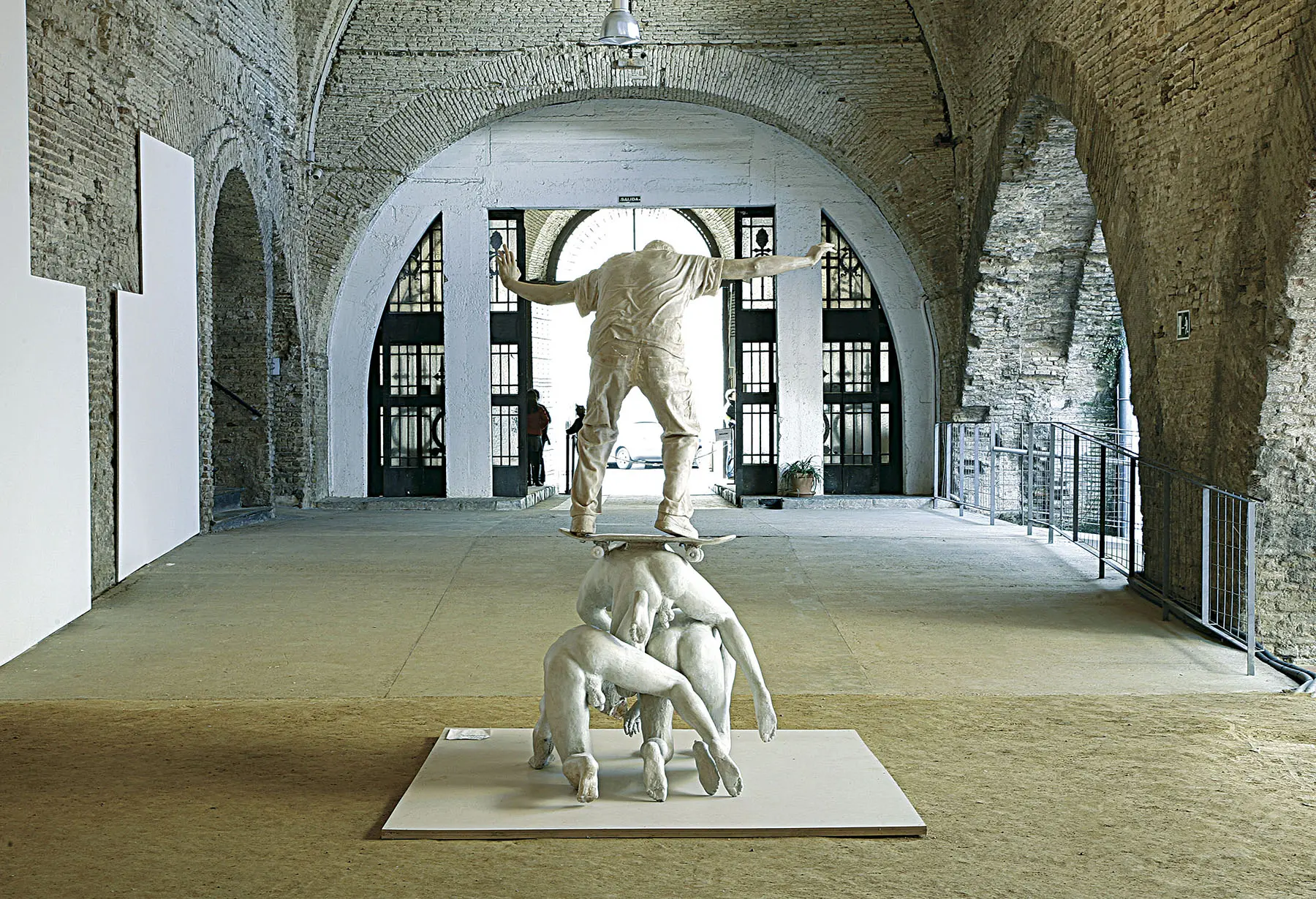
El Perro, a Spanish artist collective, also dealt with the Iraq war. Their work began with some of the photographs taken by the military personnel that served as guards and torturers in the Abu Ghraib prison outside Baghdad. But instead of underscoring the horrors of torture, the collective chose to confront it with the “banality of evil.” This phrase was applied by Hannah Arendt, as the envoy of a U.S. publication to the trial of Adolf Eichmann in Jerusalem. Arendt discovered that this author of the Nazi plan for the extermination of the Jews was nothing more than a bureaucrat, a common functionary who could not be transformed into a hero even by the high-command uniform of the S.S., which he wore with vanity and pride. Eichmann was a bureaucrat who fit like a puzzle piece into a vast and sinister extermination plan subjected to what Theodor Adorno deemed “instrumental rationality.” In this vein, the Abu Ghraib soldiers were presented by El Perro as a bunch of worry-free skaters. Evil was pure entertainment.
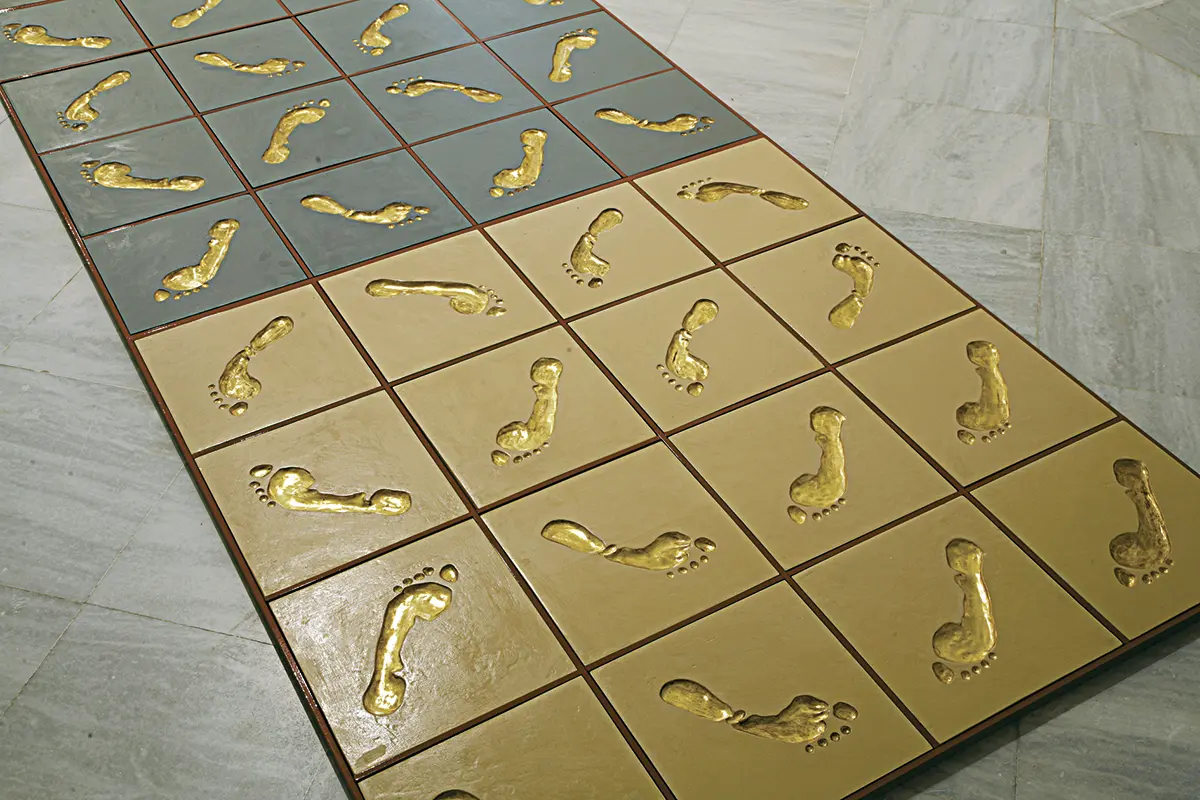
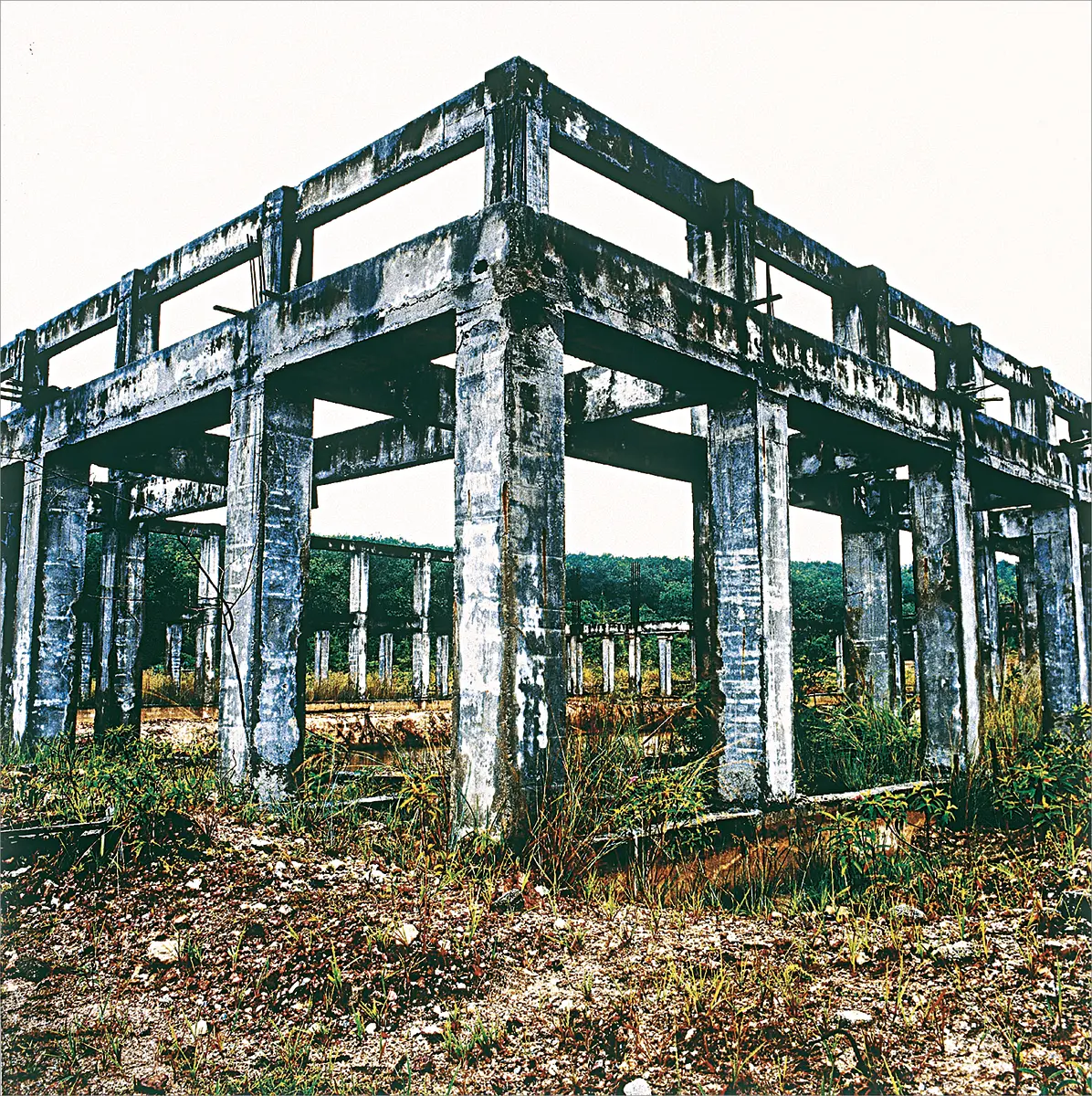
But not all works at the biennial involved images of the war. The contemporary era might be more unsettling and inhospitable than any before it, but it is not absorbed entirely by war. In a sense that must be ultimately clarified, it is not a totalitarian world (at least not entirely), and this essential state allows artists to address many issues that are apparently or truly not related to the war. Such is the case of the Spanish artist Lara Almarcegui, who presented documentation of some of her projects. In the manner of certain urban works by Gordon Matta-Clark, these were intended to recover the dead interstices that inevitably intertwine with the dense weave of real state properties. Symrin Gill, from Singapore, explored in his photographs yet another anomaly of patrimony; Standing Still consisted of images of ruins bearing witness—as Carlos Garaicoa has done in Cuba—to the end of architecture originated in dreams or deliriums of order, rationality, and progress in the Third World (or what is left of it).
A number of African artists included in the biennial emphasized the documentation of the context in which their lives unfold or which they left behind after moving to London, Paris, or Berlin. Exemplary cases were Zayna Odunski, T.Y. Bello, and Uche James Iroha, Nigerian artists whose color photographs offered convincing images of how people are in their countries today. Melik Ohanian did something equivalent with Today and Tomorrow, a color film made in an African shanty that so clearly and in so many ways resembled those surrounding the cities of the Caribbean or the South American Pacific. With a multimedia installation titled Estrecho complex, the Swiss artist Ursula Biemann approached the knot of hopes, conflicts, and tensions known as the Strait of Gibraltar, the point of both convergence and repulsion between Africa and Europe.
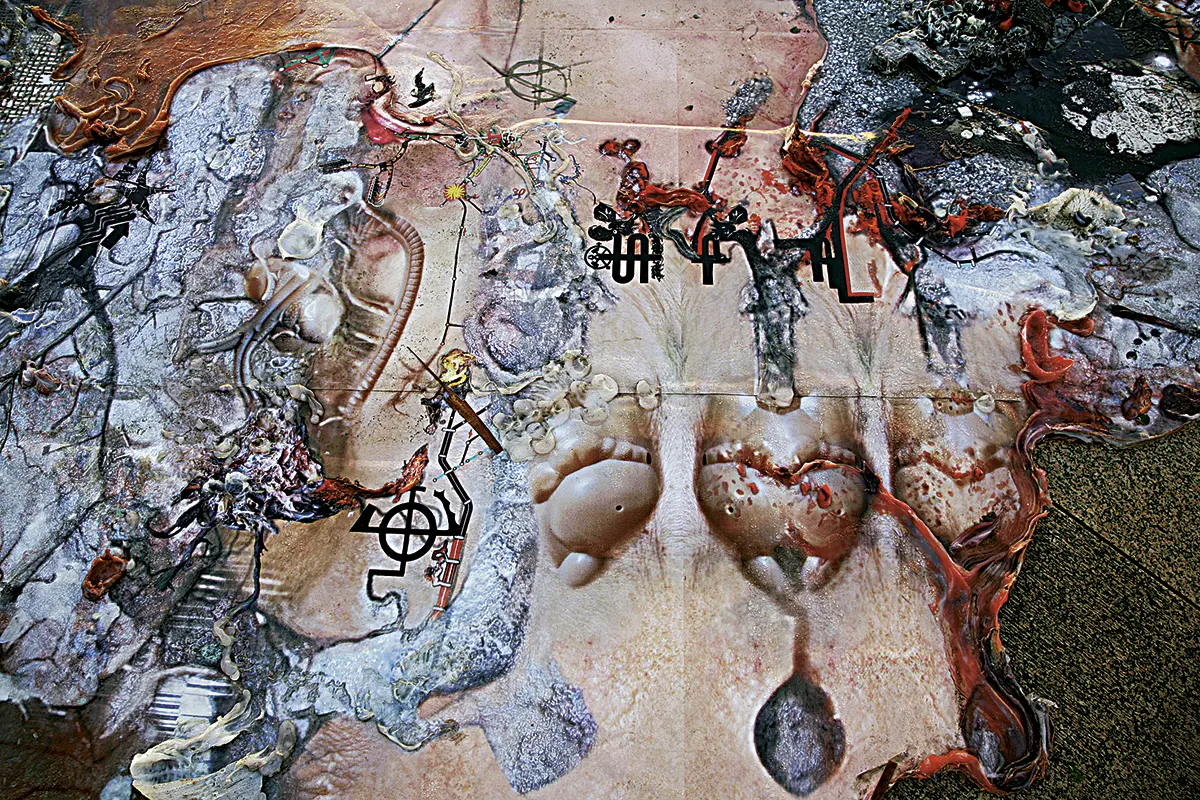
The biennial also admitted other readings, such as that the event granted importance to classical media such as drawing and painting. In drawing, the highlights were the works of Julie Becker, Django Hernández, Marcia Kure, Julie Mehretu, and Dan Perjovschi & Nedko Solakov, as well as the rather surreal drawings by Wangechi Mutu, a Kenyan artist who lives and works in New York. In terms of painting, the works of the Cuban artist María Magdalena Campos Pons and the American Kojo Griffin were notable, as were the colorful curtains presented by the German artist María Eichhorn and Topographical Painting, a large mural by Fabian Marcaccio from Argentina, which was dense, diverse, and intense. It was pure painting in an expanded field. Also on exhibit was a series of paintings by Gerhard Richter. The California artist Pamela Wilson-Ryckman created extraordinary watercolors that existed between drawing and painting; the lyrical, elegiac series was devoted to the damage caused to New Orleans by Hurricane Katrina.
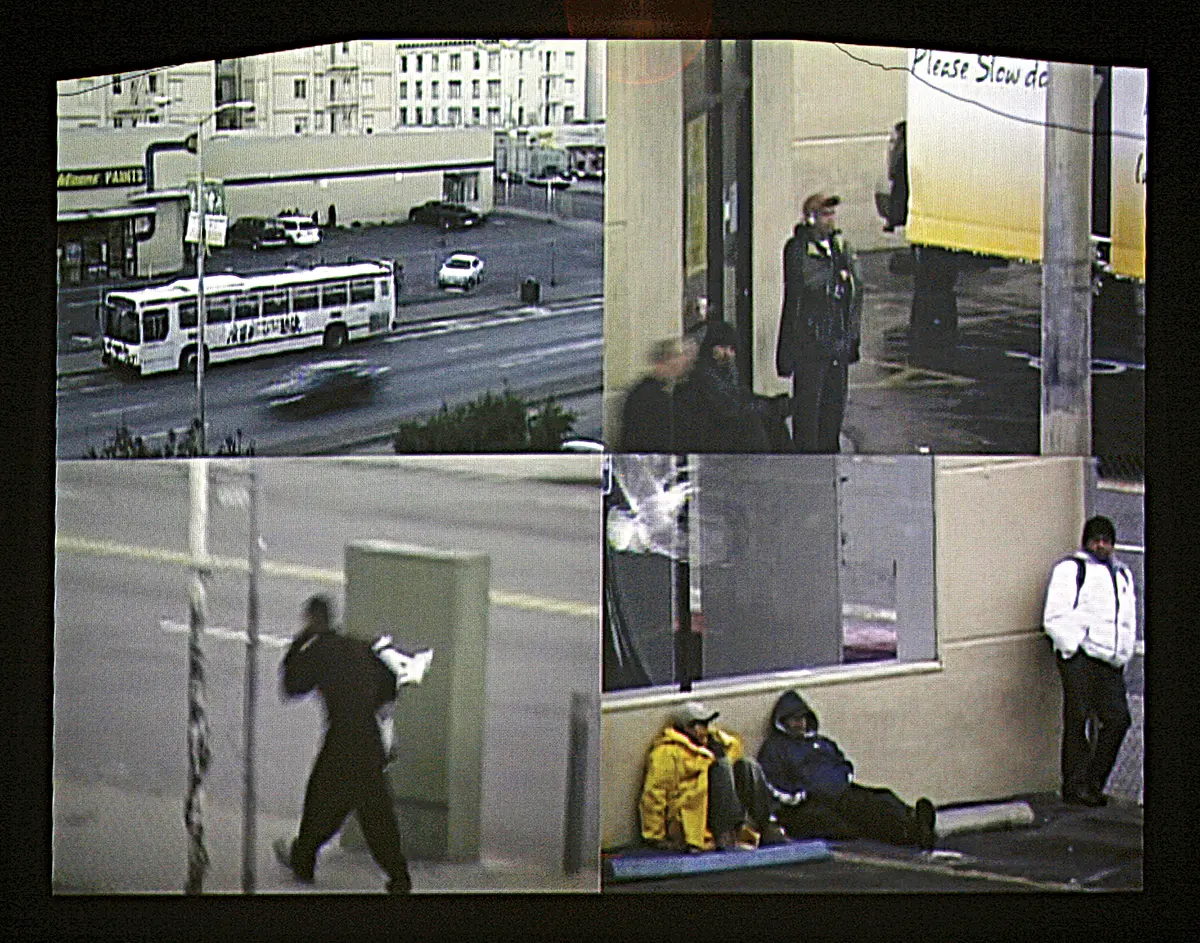
The roster of Latin American artists at the second Seville biennial was completed by Tony Labat, a San Francisco-based Cuban artist, who presented a two-channel video projection titled Day Labor: Mapping The Outside. Its theme of the omnipresent system of surveillance cameras in U.S. public spaces was unsettling and revealing.
CARLOS JIMÉNEZ
Writer, art critic, and independent curator.