
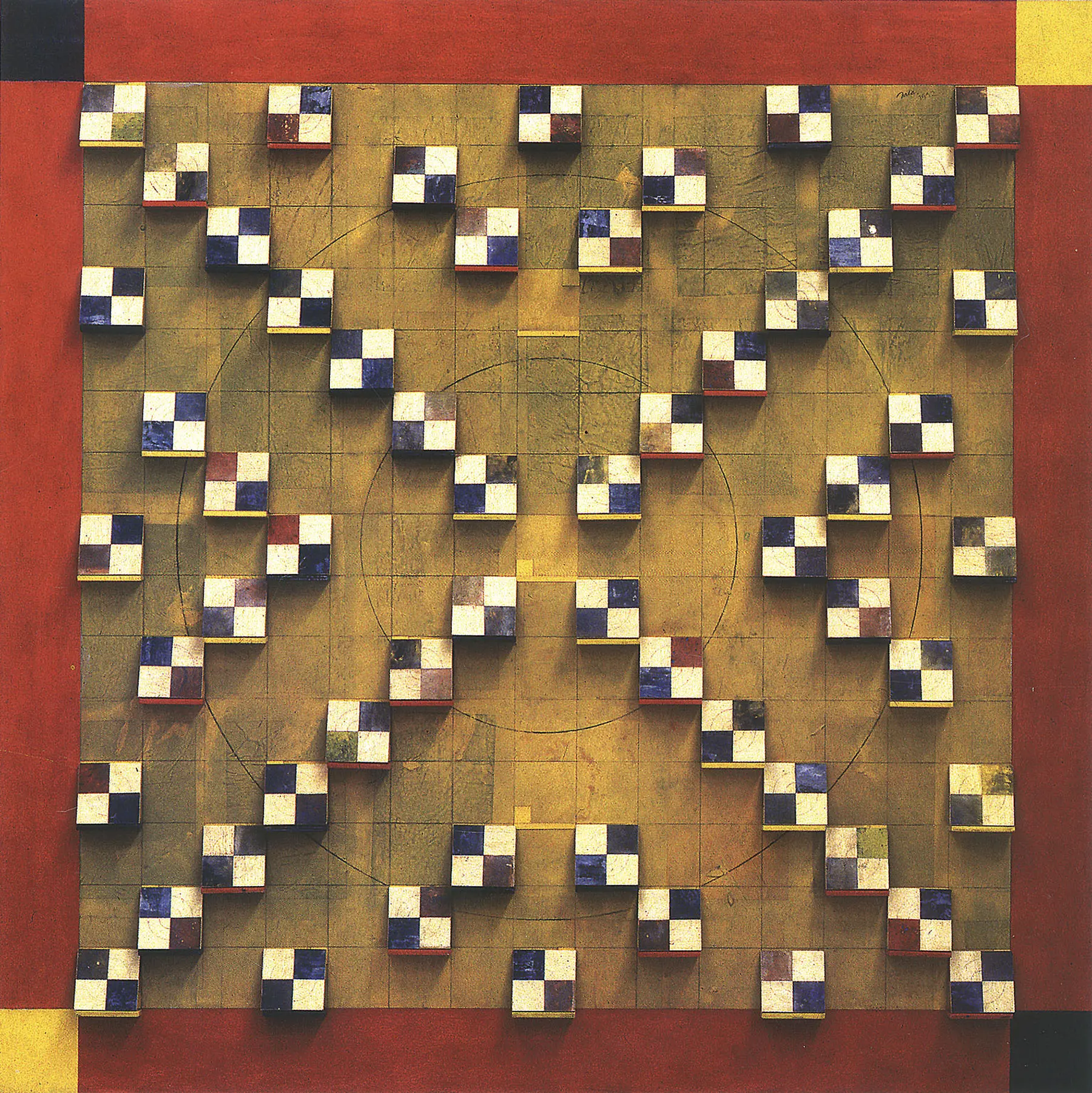
Exhibitions are never neutral affairs; they actively present histories and attempt to curtail any alternative versions. As an exhibition limited to the production that took place within a determined geographic location and time frame (and by one gender), an approach that removes any cross-national or infra-national dialogues and squashes any unorthodox readings of the subject, Geometric Abstraction in Colombia predetermines the horizon against which the work can be viewed. The conceptual backdrop of this exhibition is so tightly controlled that the only option left is to face the overdetermined narrative it presents—a narrative of antipodes, of divergences, of positions and counter-positions.
Unsurprisingly, the seminal figures here are Eduardo Ramirez Villamizar and Edgar Negret, and each represent one of two tendencies that geometric artists in Colombia have followed. Negret is the tribal head of those interested in employing geometry toward illusionistic and even emotive ends, while Ramirez Villamizar leads those interested in anti-mimetic concreteness, in material factuality. Their differences can be discerned in how each employs support structures. Negret’s supports are non-thematic and unincorporated; he merely appends sculptural objects to monochromatic squares and rectangles. This lack of interest in the materiality of the support in Negret’s work is accompanied by a desire for illusionistic space, which geometry in art is supposed to critique and supersede. We see this clearly in a work like Aparato Magico (1957). In fact, the constant reference in Negret’s titles to oracles, magical objects, dolls, and masks makes one think that he is continually struggling to put abstraction into a kind of folkloric-literary world such that it seems awkward.
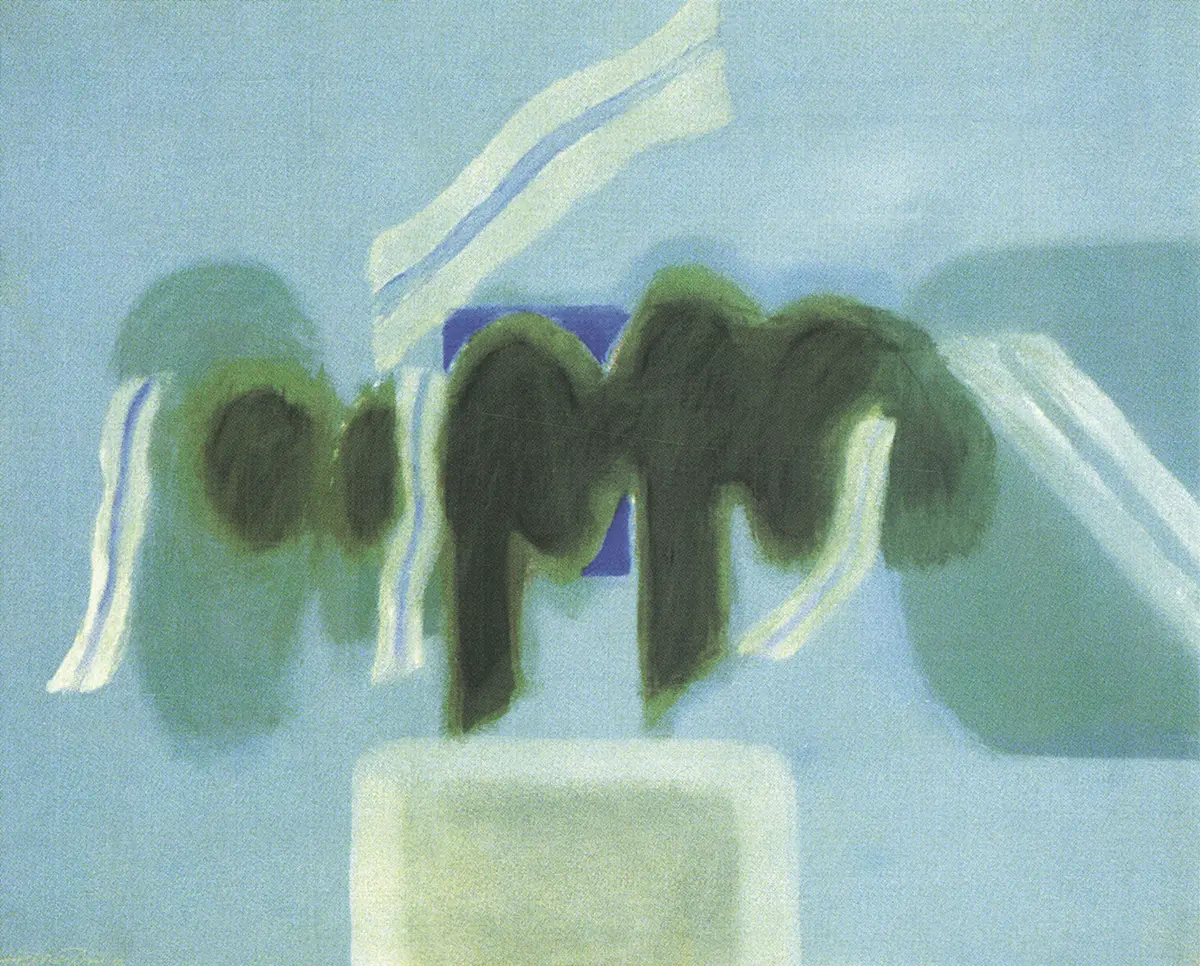
Ramirez Villamizar, on the other hand, understood how to approach and break down the constitutive aspects of his medium. If he begins with paintings that flatten space in the late 1950s, he quickly moves on to the reliefs that literalize the space he is manipulating. The shift is subtle, but it involves overcoming painting's seemingly natural mimetic impulse. And it is not only a move into relief but also a doing away with color that helps Ramirez Villamizar to engage a complex understanding of planarity as the foundation of his visual production. In his hands, even the support structure becomes a plane and thus a constitutive part of the composition. It is in the complex interaction of planes, in how they play with conjuncture and disjuncture, and perhaps more importantly in the anti-illusionistic space that we find Ramirez Villamizar’s most important ideas of the early 1960s.
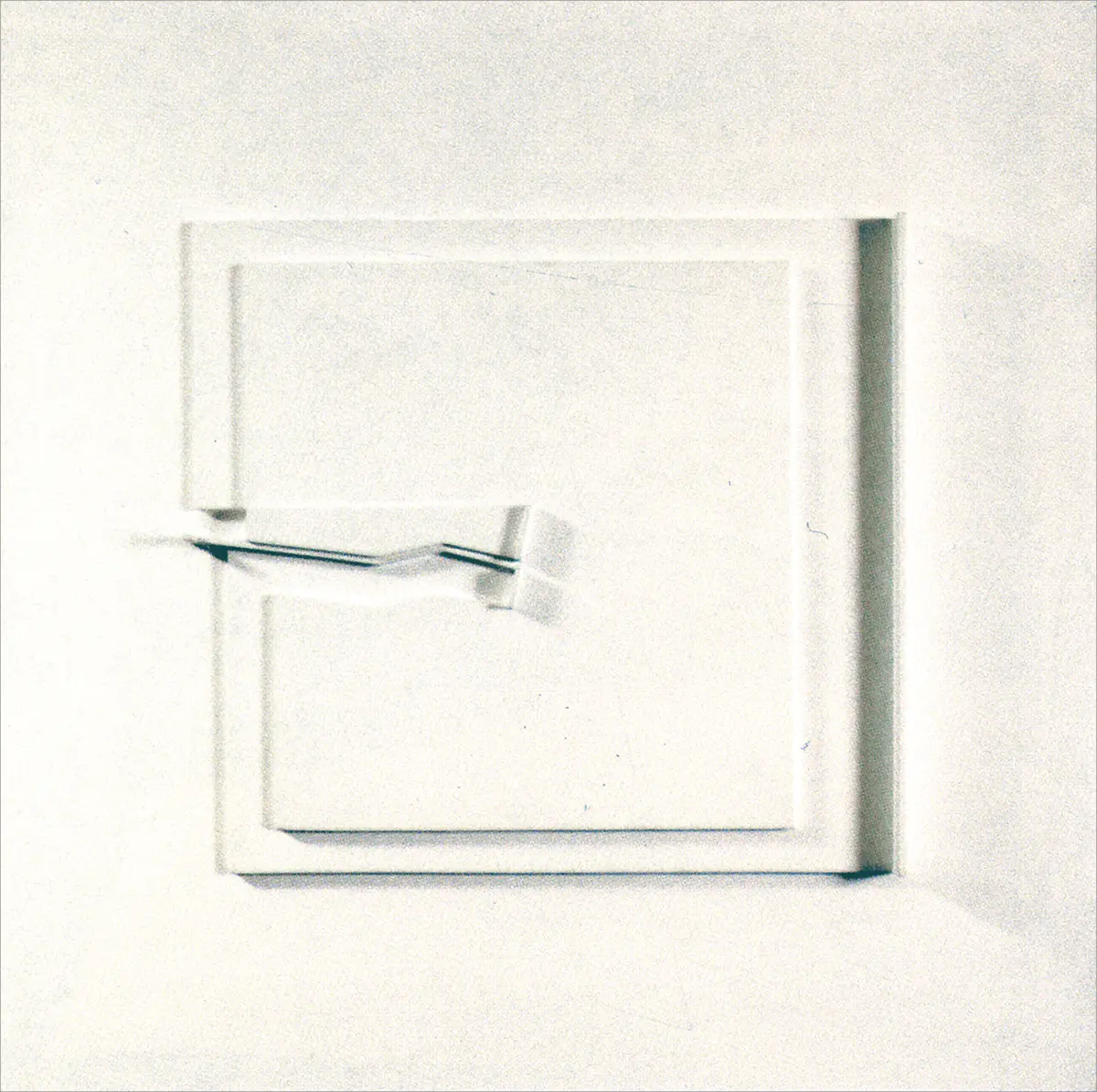
Pitting Carlos Rojas against Manuel Hernandez may provide a good example of how these contrasting tendencies are found in subsequent generations. While Hernandez employs geometric shapes, he works paradoxically against the anti-representation that informs so much geometric abstraction. He reintroduces authorial presence and his forms are those of the mythologized humanist subject. His gestural brushwork signals a low-intensity expressionism. In Rojas’s work, by contrast, the subject is evacuated. Even when he deliberately employs colors used in rural architecture or copies the patterns of indigenous textiles, Rojas’s paintings never activate their space with illusionistic traces. In fact, they highlight their two-dimensionality. The material rigor of Rojas is unmatched by the others in this exhibition, with the possible exception of Manolo Vellojin. Rojas’s Serie Cruzados (1980), a small canvas with a metal structure adhered to it, not only engages space literally but allegorizes this engagement by “encasing” the painting in a very defined space within its sculptural appendage.
Like Rojas, Vellojin explores the “thingness” of paintings. The ironically-titled Monalisa (1971) is a tiny canvas dominated by two red Xs and the bands that run along the bottom and top edges. The X is, of course, both a basic compositional element and a sign of negation. In a single gesture, it can organize and block space. And that is precisely what it does here while making the viewer aware of the surface on which it is working. More than any other work in this exhibition, Monalisa emphasizes the unequivocally flat space of the page or the printing bed. The mark on it, rendered in precise graphic style, becomes a sign, a literal mark on a surface, introducing semiotic concerns into the painting and giving it an analytical edge.
Contrasting Vellojin to Omar Rayo further draws out the differences between the tendencies. While he produced paintings of black and white bands in his later work, making the fold one of his on-going themes, Rayo is represented in this exhibition by a series of paintings from 1962 and 1963 in which he is still figuring out how to place geometric forms in space. It seems that Rayo, here and in later works, does not understand painterly space as strictly flat. Although space is divided into planes, they are always superimposed rather than contiguous planes—an idea closer to landscape painting (even if, granted, it’s something like aerial landscape painting) than to a mathematical understanding of space. Shapes, colors, and planes are markers of different spaces for Rayo. The radical flatness of Vellojin is foreign to him. He trades in illusionism, even if he does so with reserve. In Two White Cups (1961), a series of planes add up to still life. It isn’t just the title that suggests this but also the way in which the forms are arranged. Perhaps it’s telling that Rayo’s “flattest” and least illusionistic painting in this exhibition is titled Tyranny of the Last Idea (1962).
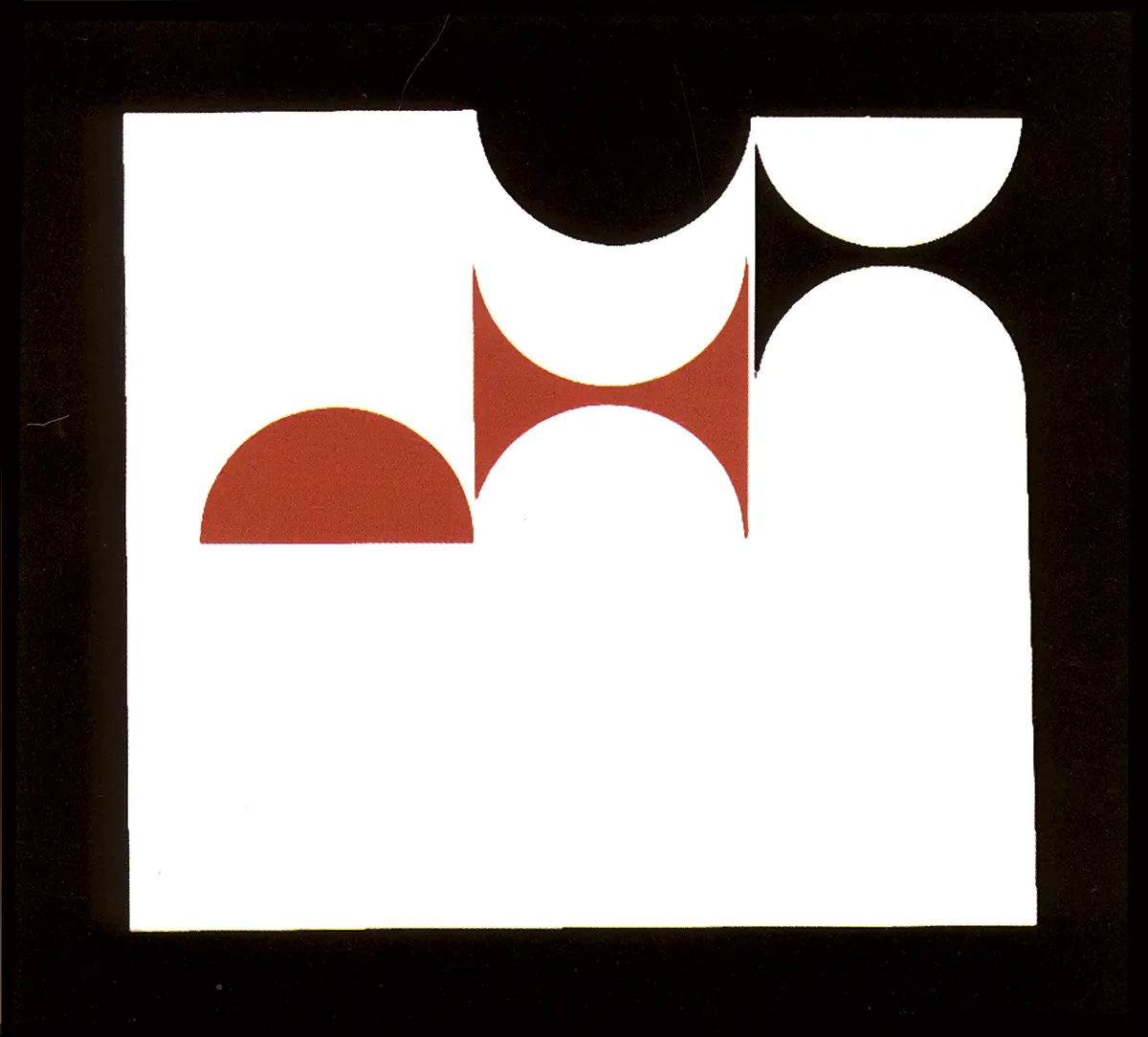
Although the youngest artists in this exhibition introduce new concerns—an engagement with architectural tropes from German Botero and interest in satire from Carlos Salas—the two tendencies continue. Even if this exhibition comes down on the side of the illusionists, representing them with more substantial works, it’s clear that there is an ongoing exchange or struggle in Colombian geometric abstraction, that such a relationship is what defines it. Caught between formalism-as-subject and rigorous materialist concerns, Colombian geometric abstraction is characterized by its unresolved dialectic, the historical construct as presented by this exhibition.
GEAN MORENO