
Lourdes Fernández promised at the end of the previous edition of ARCO that ARCO 2007 would be a transitional event, one that would bring closure to the project that Rosina Gómez-Baeza led for twenty years, in order to present a renewed fair in 2008 to coincide with the inauguration of new pavilions at IFEMA and the presence of Brazil as the guest country of the fair.
The insistence on the idea of a transitional edition, one in which large-scale changes were supposed to occur, helped ameliorate any anxiety about the expected results and began to outline the direction that the new administration—which indeed made a confident entrance—will follow.
Generally, one noticed a general air of housecleaning more than specific changes. This was evident in the architectural plan (wider and less hierarchical hallways), in the absence of superfluous elements (no more thematic rest areas, no more of those infamous “chill-outs”), in the redistribution of institutional pavilions (which not only seemed to be fewer in number but also were located clearly apart from the general program), in the noticeable shrinkage of the panel and lecture program, and, lastly, in the prominent placement of the booths devoted to the invited country, all in the central area of Pavilion Seven. Also minimized this year were the parallel projects, centered on a series of commissioned projects, and The Black Box space, which was devoted in principle to video art and new technologies. Although this last space continued to appear fuzzy in its meaning and content, the fair otherwise certainly gained clarity.
Paradoxically, once cleansed of the paraphernalia and the spectacle that had clung to it over the years, ARCO could be seen for what it was, beyond directives; that is, responsibility for the content passed, as is normal, to the galleries and their exhibition projects. From this perspective, the challenges facing ARCO, in a global context that is ever more competitive and atomized, became clearly visible. The Spanish galleries that are a fixture at this fair offered rather average presentations, and a large number of them—including the most renowned—barely rose above mediocrity with outdated proposals, recycled artists, and second- or third-rate works. One of the pending assignments for the fair’s new administration will be to restructure Spain’s gallery map, at least during the event, in order to grant greater importance to galleries that have a less established tradition but bring fresher and more interesting proposals that so far have remained under the radar or outside the “big” local galleries. The critical reception of Spanish art can change radically if projects such as Travesía 4, Projectes D, Vacío 9, or Nogueras Blanchard are emphasized, to cite only a handful of galleries with young proposals that seek interesting artists and develop their own well-founded programs and are able to shift the often-negative perception of art produced on the Peninsula.
In terms of foreign participants, the new administration made a great effort to bring fifty galleries from all over the world to ARCO for the first time. Among them, the crown jewel was New York’s Pace Wildenstein Gallery, which presented a good selection of works by contemporary female masters. Another achievement was the presence of a considerable number of young galleries that have been active in the international circuit at different levels. Among them were the proposals of Lisbon’s Vera Cortês Agency, Zurich’s Nicola von Senger, Josée Bienvenu from the United States, and Berlin’s Kicken, a gallery with a somewhat longer history. The growing presence of Asian galleries should not be ignored. After a polemic over the political censorship and subsequent resignation of the curators originally in charge of selecting the Korean projects, the four galleries invited from Korea—Arario, Duru Art Space, Gana Art Gallery, and Kukje Gallery—captured great public interest by presenting a large selection of works noticeably for their hand-crafted appearance; these precise and surprising constructions with materials worked in great detail were perfectly finished, albeit somewhat uneven in their conceptual underpinnings. The Chinese galleries present at the fair also had their peculiarities, in part for the way that they have adapted to a Western art market fully integrated to a voracious capitalism and in part for the potential held by their country as a market for the West. This is food for thought: of the five China-based galleries present at ARCO, two have a European origin. If the art market is indeed as globalized as capital, the question of the relevance of the origin of a gallery project arises, especially when the tendency leans toward handling artists who themselves have different origins.
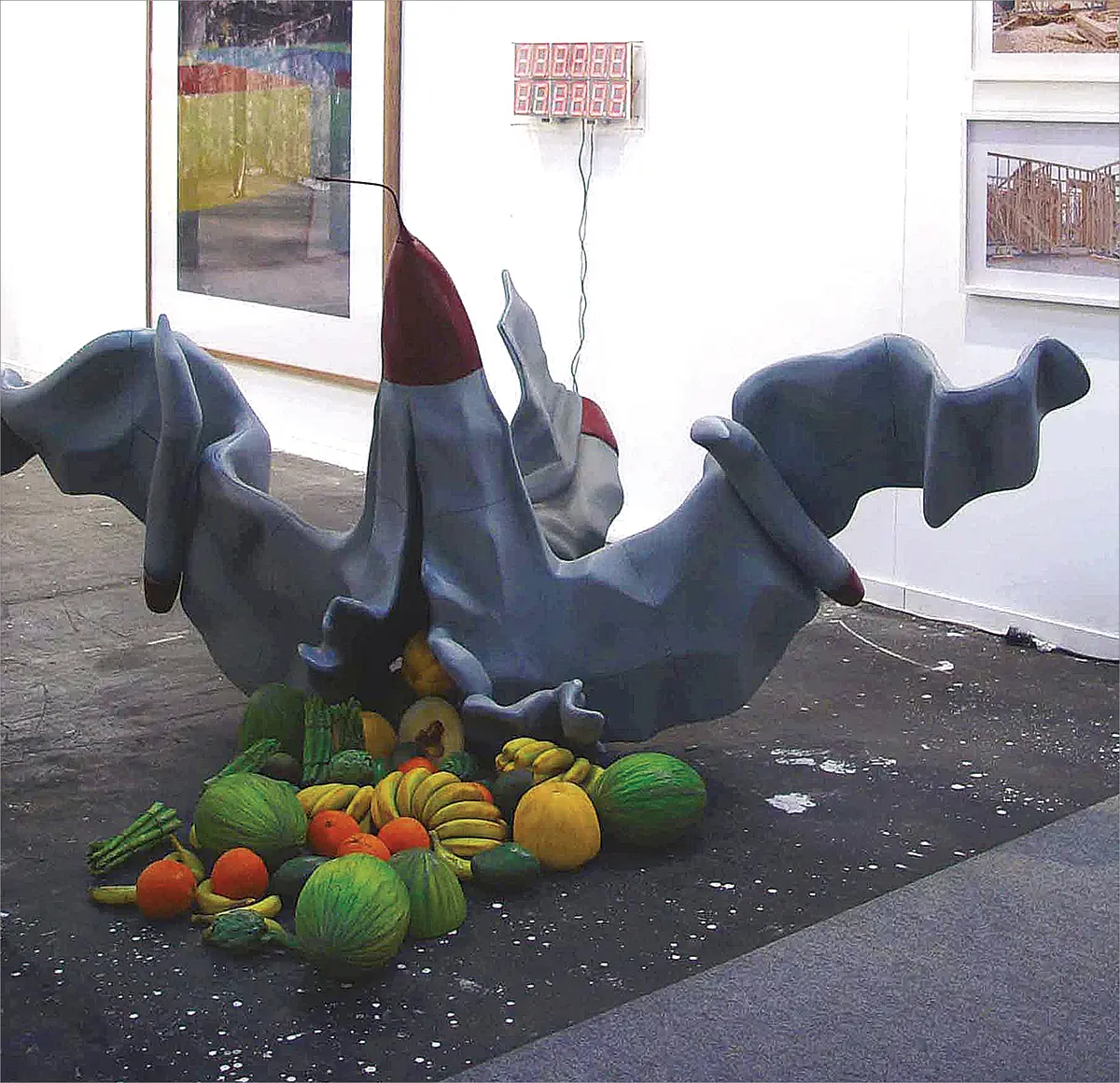
In the end, this is truly the weakest link in the art fair system as it has taken shape in recent years. The inevitable trend is seeing the same things everywhere; currently, it is difficult to give a fair a personality of its own, a differentiating element that could attract an ever better-informed public with increasing feelings of déjà vu. It was not by chance that last year ARCO found itself challenged by a local competitor, Art Madrid, which undoubtedly took advantage of the conceptual ambiguity ARCO has been suffering in recent years in order to position itself as an alternative for those segments of the public that are more accustomed to the conventional (which is the majority here). What was launched as a “rejects” fair seems to work by catering mainly to a vast demand for traditional media—painting and sculpture, mainly—and for classic local names (Miró, Tàpies, Barceló, Saura, etc.) that represent the most real and broadest art market in today’s Spain. For a fair of this kind to attract those visitors who either didn’t attend ARCO or only did it as part of a cultural tour (even to simply marvel at the very weird things to be seen in a contemporary art fair) is symptomatic of the deficiencies and disparities of the Spanish art world, mainly illustrated by an excess of banal spectacle and a lack of truly informed and informative criticism. It is yet to be seen how the public for both fairs will be established in the future and whether it will be possible for them to work as a complementary pair.
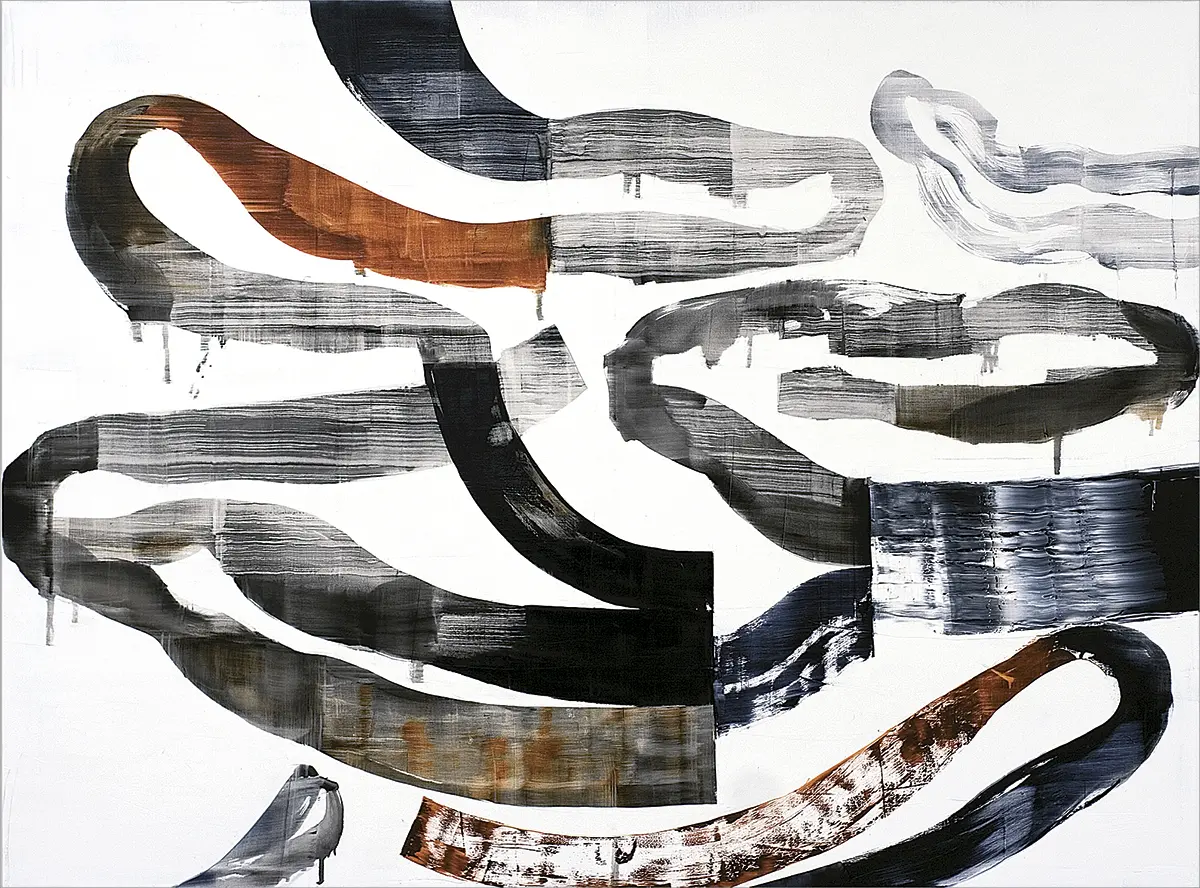
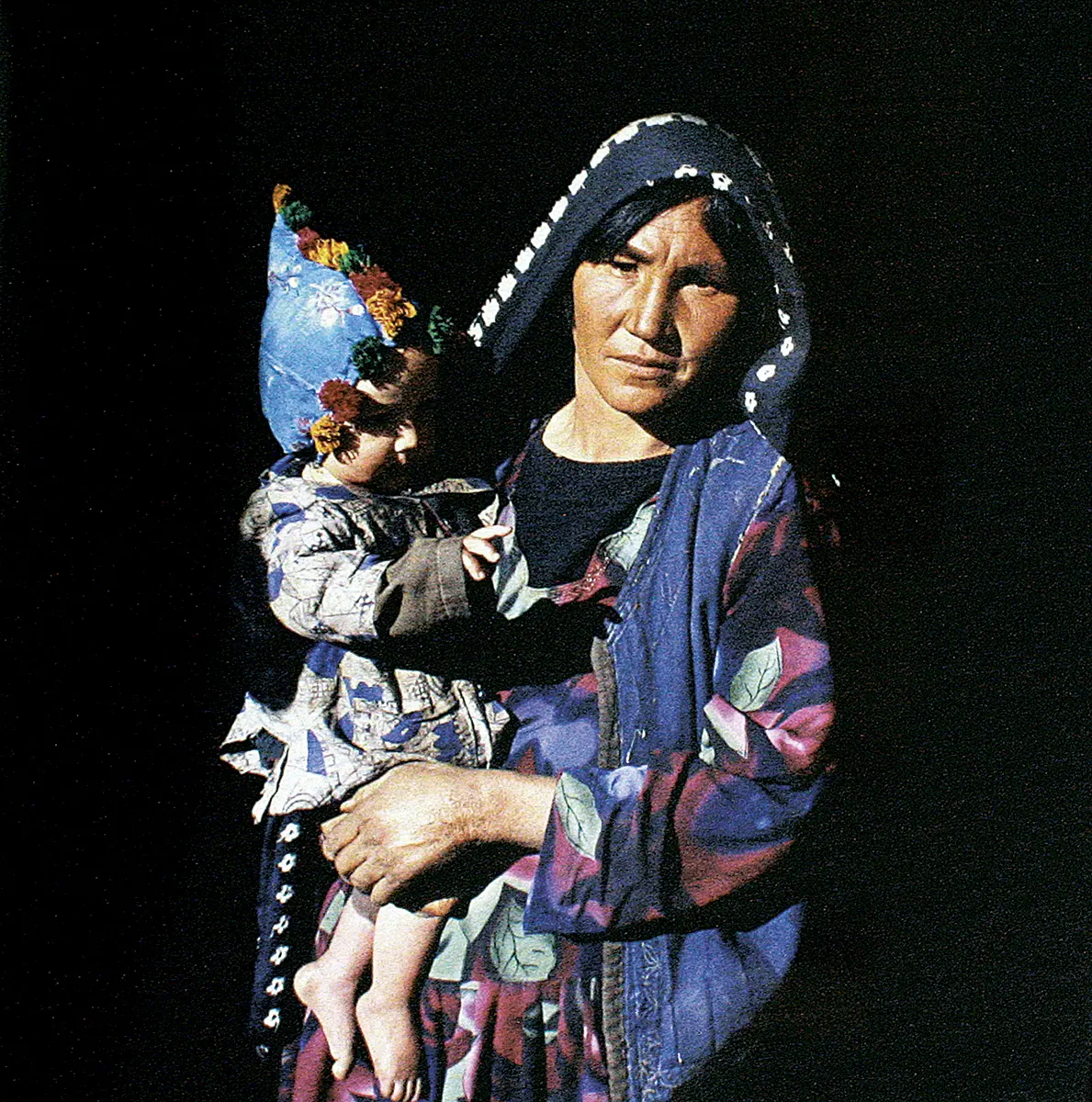
In her attempt to give ARCO specificity within the context of art fairs, Lourdes Fernández clearly expressed her decision to recover the privileged relationship that ARCO used to have with Latin America; for years, this was what gave the fair its particular character but was never crystallized to its full potential. The perspective of Brazil as next year’s featured country was already noticeable in this year’s edition, especially after the presence of Brazilian and Latin American galleries decreased considerably in recent years. In addition to the presence of well-established galleries such as Baró Cruz (with works by Jac Leirner, Alberto Simon, and Lina Kim), Casa Triângulo (with works by Nazareth Pacheco and Assume Vivid Astro Focus’s multimedia collective projects), Laura Marsiaj (with a display of Eduardo Kac’s Project GFP Bunny), or Brito Cimino (with a good selection of works by Rochelle Costi, Caio Reisewitz, Leandro Erlich, Nelson Leirner, and Regina Silveira), the curator Ricardo Resende selected four more galleries for the Projects program: Leme (with works by Felipe Cama, Fernanda Chieco, and Sandra Gamarra), Nara Roesler (with Arthur Omar’s photo installation Madona do Raio), Ybakatu Espaço de Arte (which proposed the work of Debora Santiago), and Leo Bahía (which presented Pasiagem submersa, a project by Joâo Castilho, Pedro David, and Pedro Motta). The last two galleries are located outside the dominant Sao Paulo–Rio axis. Among the newest additions were Novembro Arte Contemporánea, Toulouse Gallery, and Virgilio Gallery, not forgetting the consistent and serious presence of Dan Gallery, where one can always find small jewels of artwork, among which were two works by Soto, Mira Schendel’s drawings, and Lygia Clark’s small sculpture objects. As a whole, all of these galleries offered a rather complex and varied panorama of Brazil’s very rich artistic activity, thus reinforcing expectations for their presence at the fair next year.
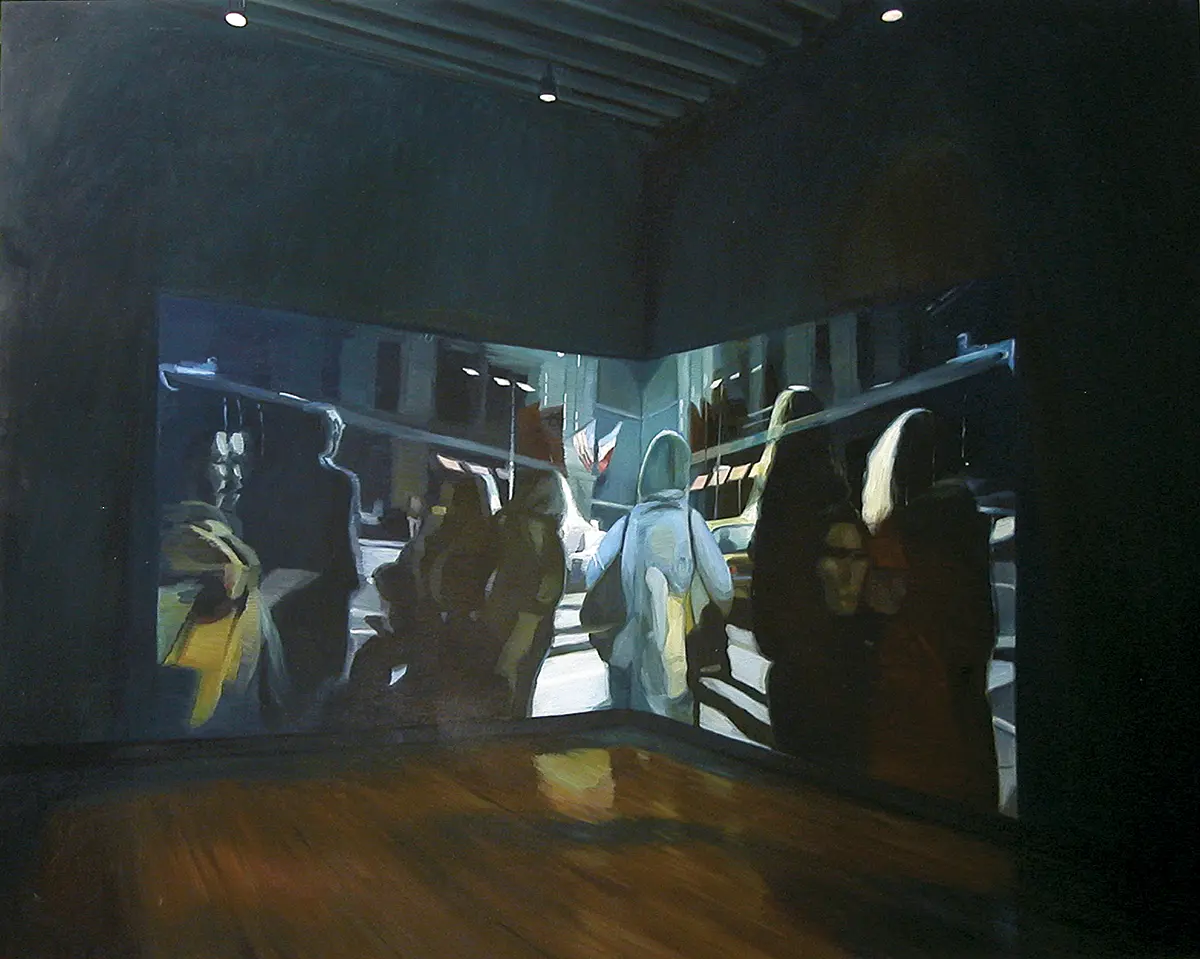
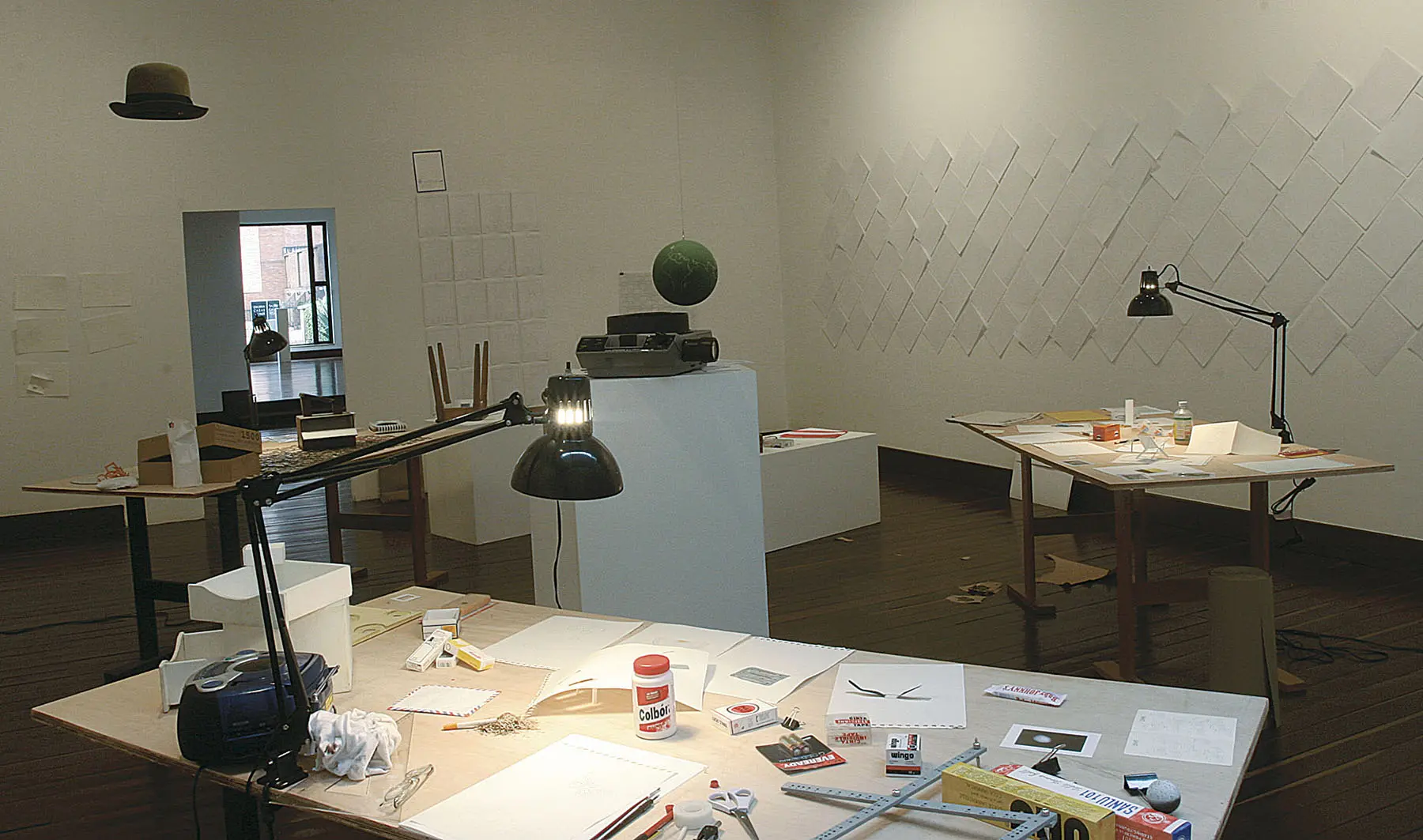
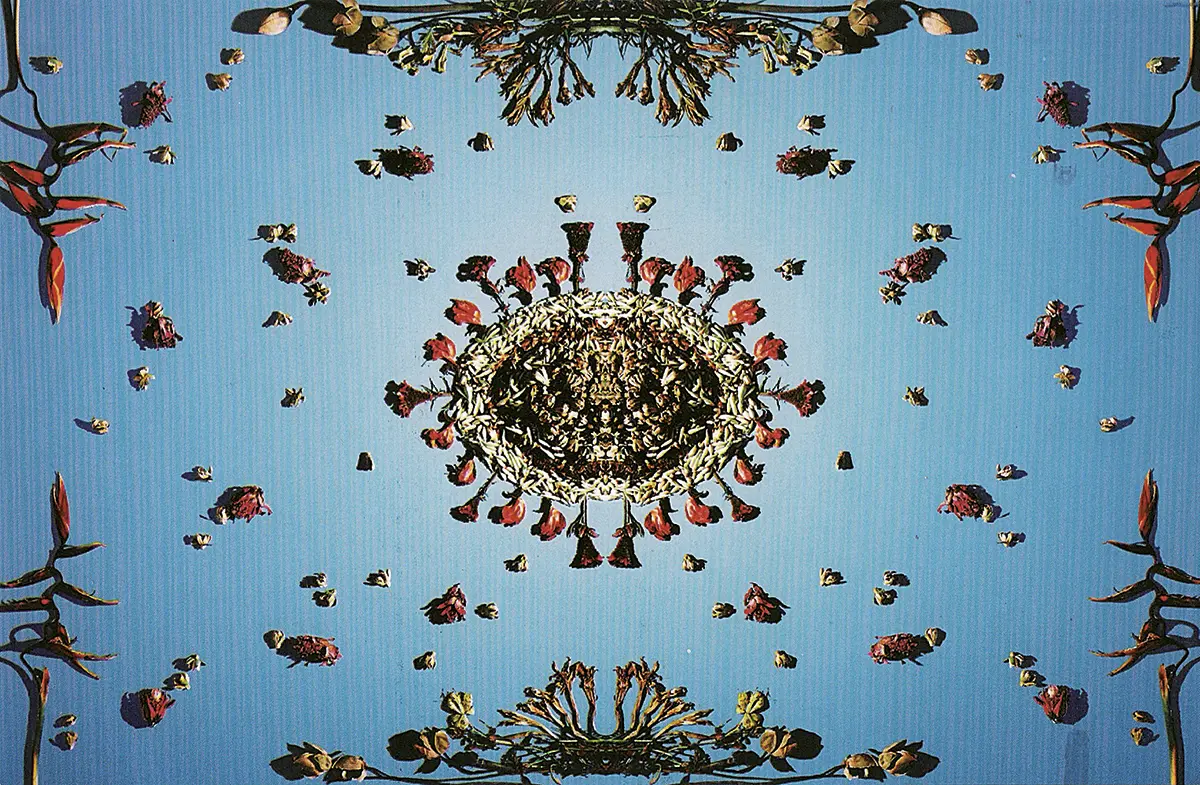
While it is true that the Brazilian presence was clearly dominant, there was no lack of representation from other Latin American countries, from OMR with a selection of its usual artists as well as a photographic project by Mauricio Alejo, to Ruth Benzacar, to less-established or plainly new spaces. These included Daniel Abate from Argentina, KBK, and Emma Molina from Mexico, Hilario Galguera Gallery, which caused a great media sensation with a pretentious display of works by Damian Hirst (another argument in favor of the de-localization of global galleries), and the always inquisitive Art & Idea with an installation by Diego Teo. Returning participants were Jacobo Karpio from Costa Rica (with works by Yamil de la Paz, Lucía Madriz, and Joaquín Rodríguez del Paso), Havana and La Casona from Cuba, and Sur from Uruguay. Debuting with more than acceptable results were the Ecuadorian gallery DPM (with works by Pablo Cardoso and Manuela Ribadeneira), the Lucía de la Puente Gallery from Peru with the works of Sandra Gamarra, and Casas Riegner from Colombia, with particularly outstanding works by María Fernanda Cardoso, Johanna Calle, and Mateo López.
In general, this latest edition of ARCO worked as a kind of blank slate from which the fair can be rebuilt. No doubt, there are surprises and novelties waiting for next year. It seems that the new team did what needed to be done so far. Whether the participating galleries will rise to the occasion will remain to be seen.
ISSA Mª BENÍTEZ DUEÑAS
Art historian specialized in contemporary art and the theory of art.