
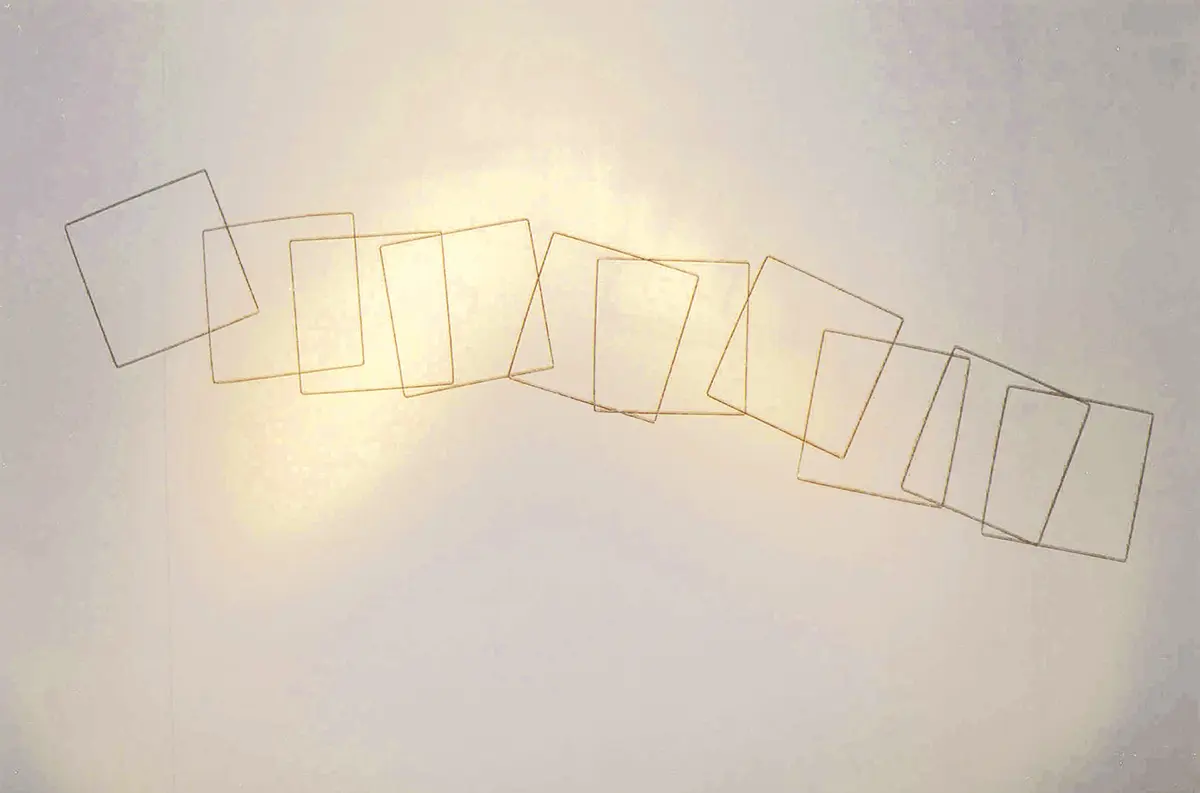
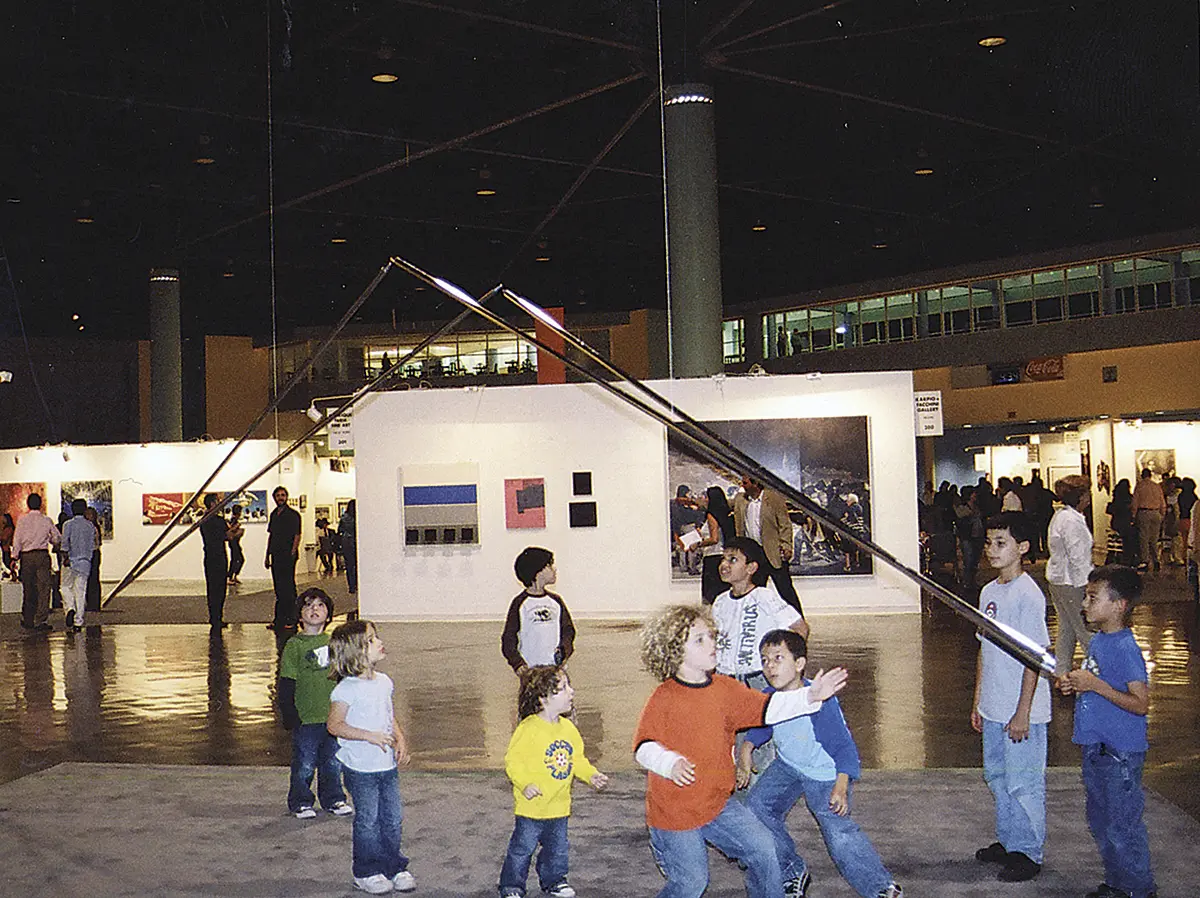
The fifth edition of the Merrill Lynch Arteamericas fair was held at the Miami Convention Center for the first time. Welcoming visitors in the lobby was the work of Magdalena Fernández, thanks to Henrique Faría Fine Art. This work, part of the Trends section, was a geometric figure of aluminum tubes that constantly moved and encouraged viewers to interact with it.
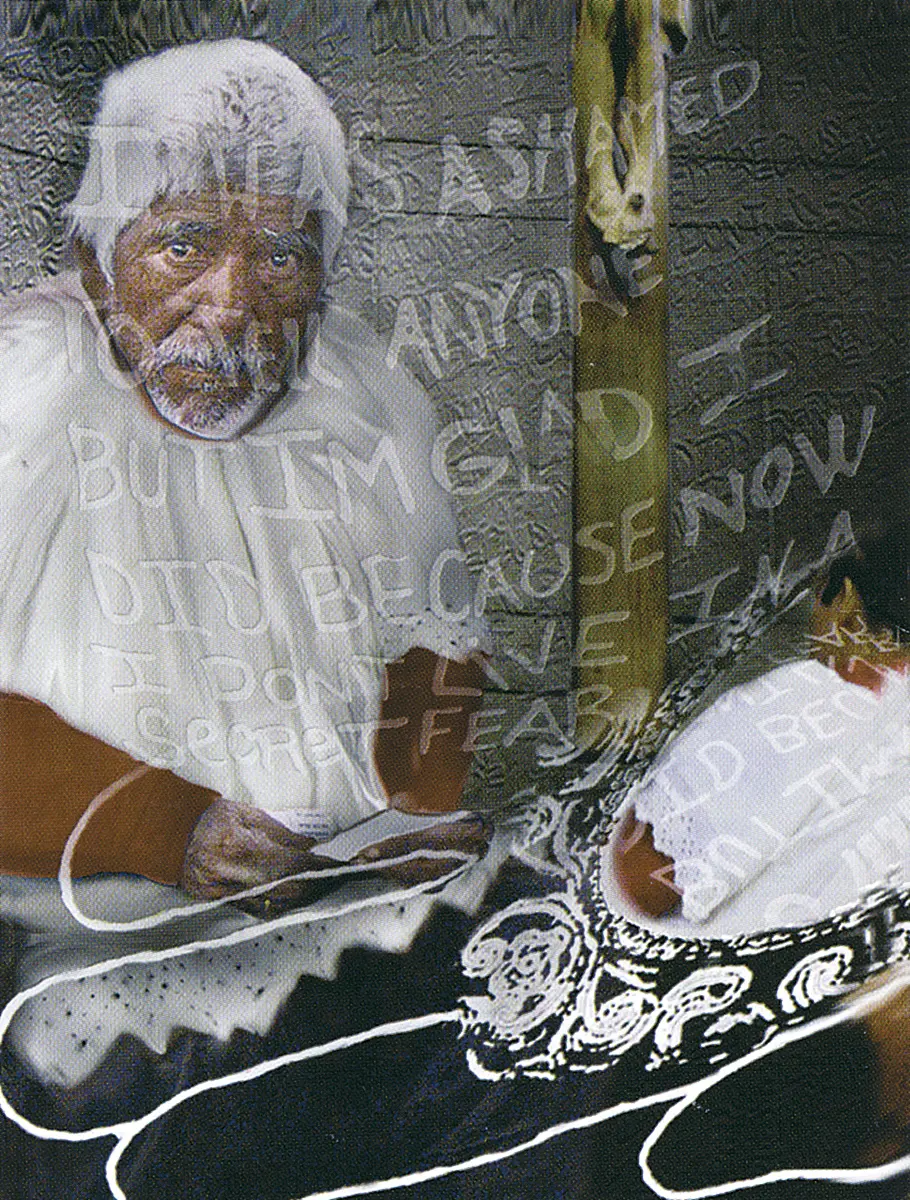
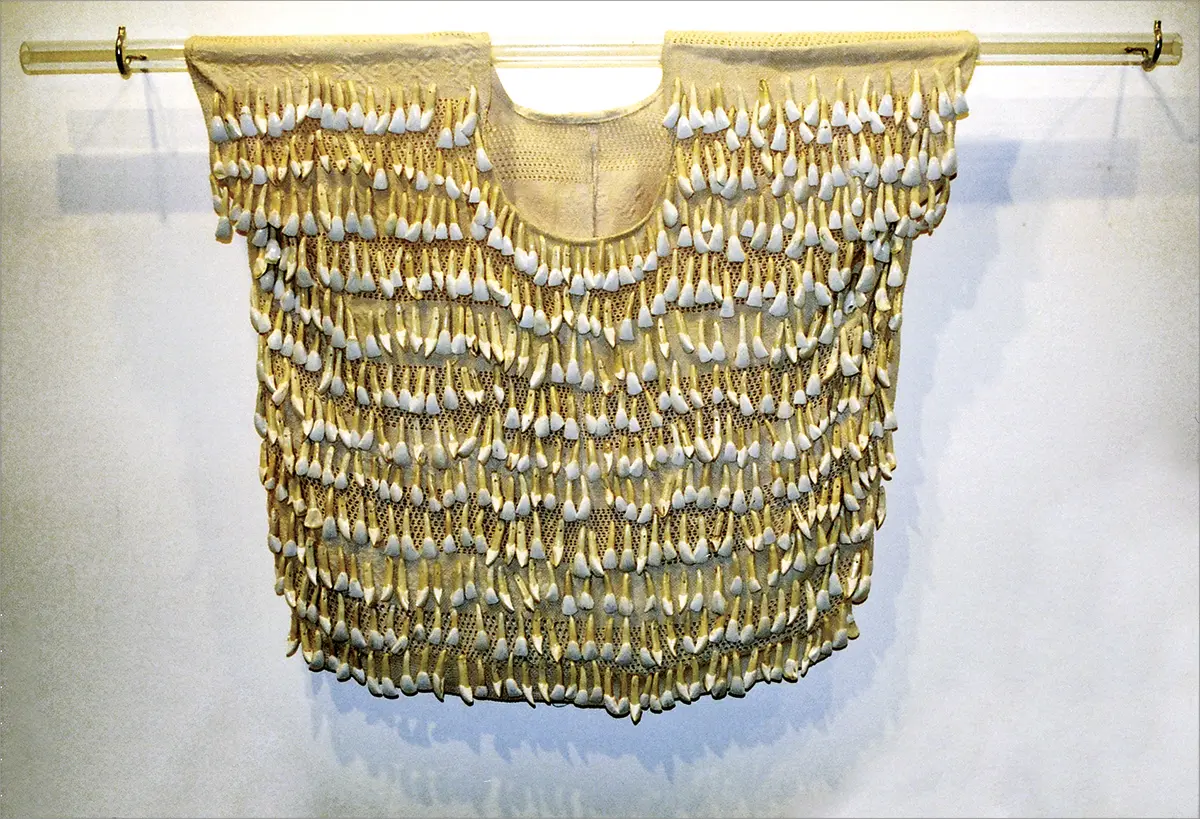
Curated by Milagros Bello and Pedro Vélez, Trends brought together fifteen works exploring themes and aspects of contemporary art. One of the highlights of this group was the work of Aisen Chacin, of Hardcore Art Contemporary Space. This work presented the story of an elderly man who suffered sexual abuse as an altar boy; at some point in his life, he disclosed the events and freed himself from fear. Aldo Castillo Gallery presented another work in a social vein, Adriana Carvalho’s Not yet satisfied she was digging the gold, in which a metal dress was crushed by a strong box. For many years, Carvalho has made works about women’s issues, exploring topics such as social pressure, sex, and social relations.
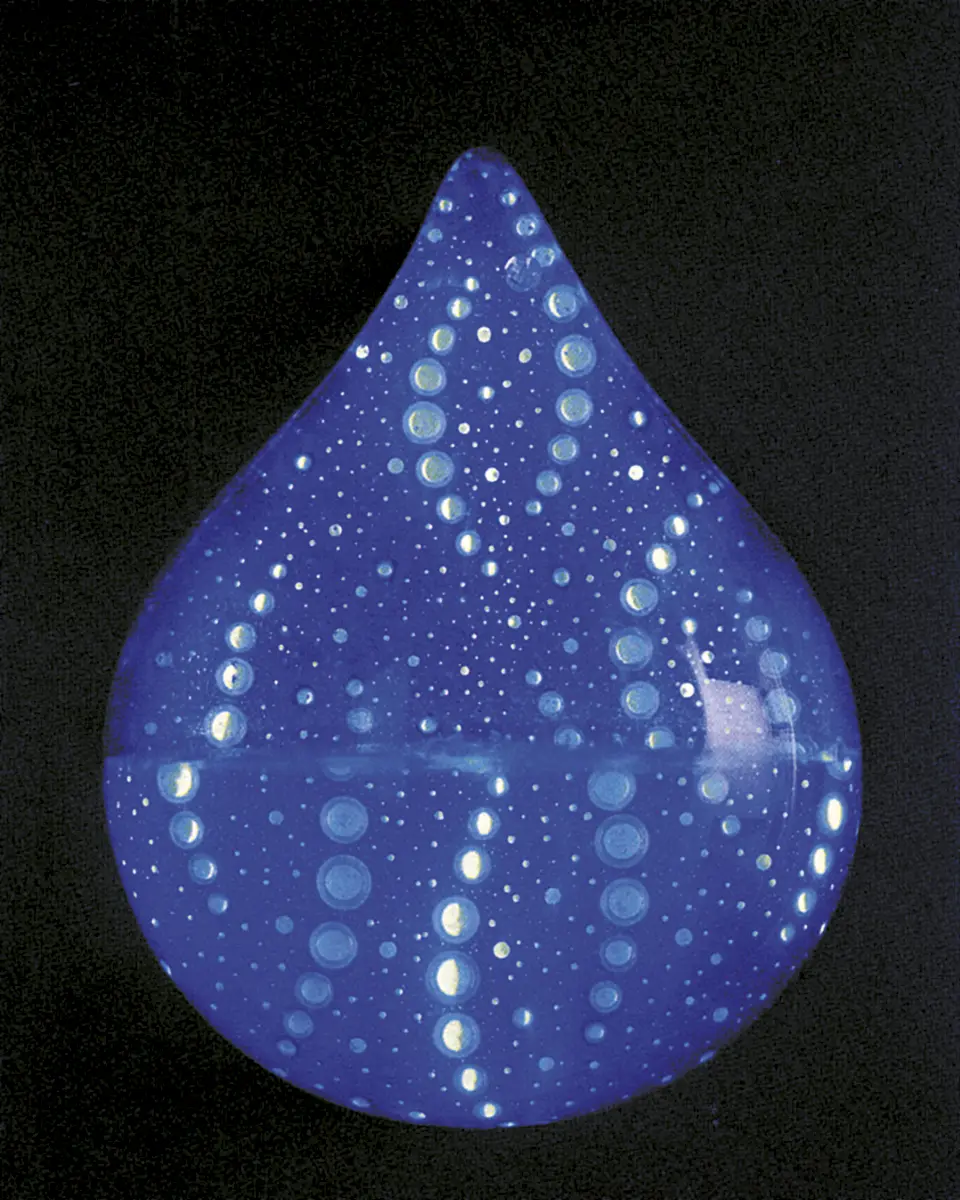
The fair devoted space to its special guest, Gyula Kosice, an Argentinean artist of Hungarian origin and one of the founders, proponents, and theoreticians of the Madí movement. Aside from the opportunity to view of an important group of his works, Kosice’s presence in a discussion with the critics Álvaro Medina and Bélgica Rodríguez was especially valuable.
Along with this panel, the fair prepared a series of debates and book presentations involving several important institutions in the field of Latin American art. For example, the Americas Society exhibited the book A Principality of Its Own: Forty Years of Visual Arts at the Americas Society, devoted to tracing the institution’s history and its efforts to exhibit and document art in the Americas. Also interesting was the debate about “The Space of Latin American Art in the U.S.”—with Rafael Romero (director of the Patricia Phelps Cisneros Collection), Cecilia Fajardo-Hill (director and chief curator of CIFO), José Luis Falcón (Latin American Art Curator at Harvard University’s Rockefeller Center for Latin American Studies), Marisol Nieves (from Sotheby’s Latin American Department), the collector Gonzalo Parodi, and Vivian Pfeiffer (vice-president and regional director at Christie’s)—and the discussion on video art in Latin America with Félix Ángel and Irma Arestizabal, who also presented a booth at the fair.
That space was devoted to the Third Inter-American Video Art Biennial, organized by the Inter-American Development Bank’s Cultural Center, one of the few events devoted entirely to video art. Exhibited at the booth were several of the biennial prizewinners, such as the Venezuelan artist Zeinab Rebeca Bulhossen’s Las Colas (which won first prize). This work alluded to the long traffic jams common in Latin American countries with ingenuously carousel-like, rolled photographs that resembled long caravans of cars; the artist began with a Venezuelan saying: “Una cola es un rollo.”
Along with the spaces conceived and curated to enrich the fair, there were important museums present from the United States and Latin America—such as the Museum of Latin American Art, El Museo del Barrio, The Blanton Museum of Art, the Frost Art Museum, the Museo de Arte de Puerto Rico, and the Centro León, and others—that have devoted their efforts to promoting Latin American art.
Noticeable in this edition of the fair was the absence of important galleries that had been at Arteaméricas since its inception, such as Brito Cimino, Mary-Anne Martin, and Ramis Barquet. However, the fair was able to include galleries that are cornerstones of Latin American art, ones that exhibited high-quality works in measured and ample displays that allowed viewers to interact with each work. Among these galleries were Aldo de Sousa Galería de Arte, Del Infinito Arte, Leon Tovar, Diana Lowenstein Fine Art, Galería Thomas Cohn, Sammer Gallery, and Lyle O. Reitzel.
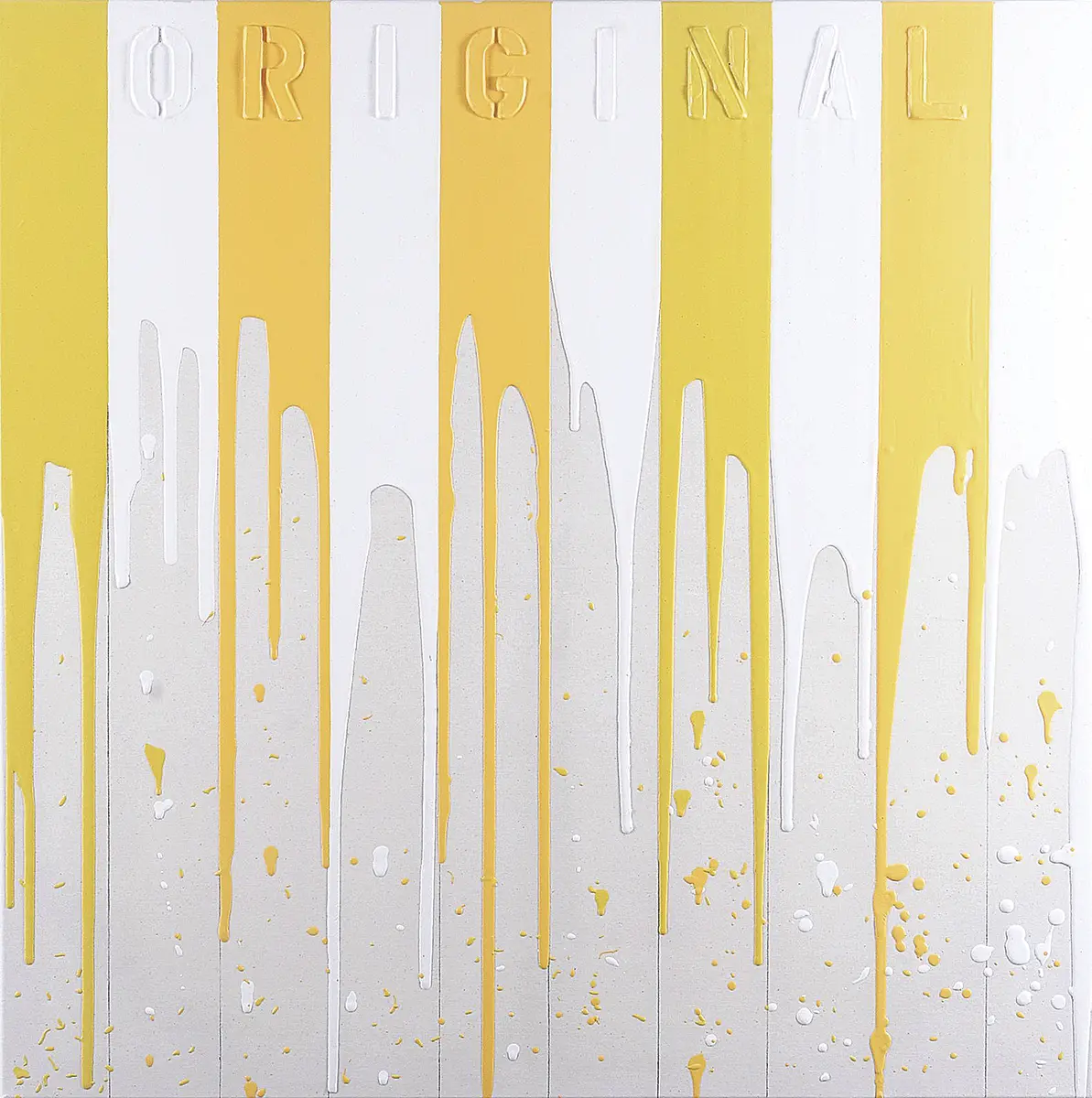
Given the high quality of the works in the majority of galleries, it is worth mentioning some that stood out for their artistic, conceptual, and aesthetic values. One of them, Red and White, a small 1976 work by Julio Le Parc at Alejandra Von Hartz, resulted from the artist’s experiments with contortion, with dynamics that perpetually changed due to a motor that shifted the shape of the central piece. The movement, color, and scratched background gave this piece the basic elements of Le Parc’s kinetic idea. In Grey and Grey and Original, Sigfredo Chacón used paint to construct the works at Arte Puy, with drips and different ranges of color as the structuring elements. Recreating Goya’s masterpiece about the firing-squad executions on May 3, 1808, the photography of Luis Barba at Karpio+Facchini Gallery appropriated the famous work of art; the artist added several elements, such as a young woman with a dove placed next to Goya’s main character and an elderly woman and a girl with a camera that observed the scene like tourists. Barba, who has been recreating famous works of art in this fashion for some time is obviously interested in calling attention to the general public’s approach to works of art.
This year, the fair had new participants, such as the Puerto Rican gallery Carmen Correa Contemporáneo, which brought works by young artists like Iván Girona and Jason Mena to promote these young talents, and Ruiz–Healy Art, Inc., which presented a project curated by Graciela Kartofel and included Florencio Gelabert, Ángel Rodríguez, and other artists to join dissimilar moments of creativity through different media.
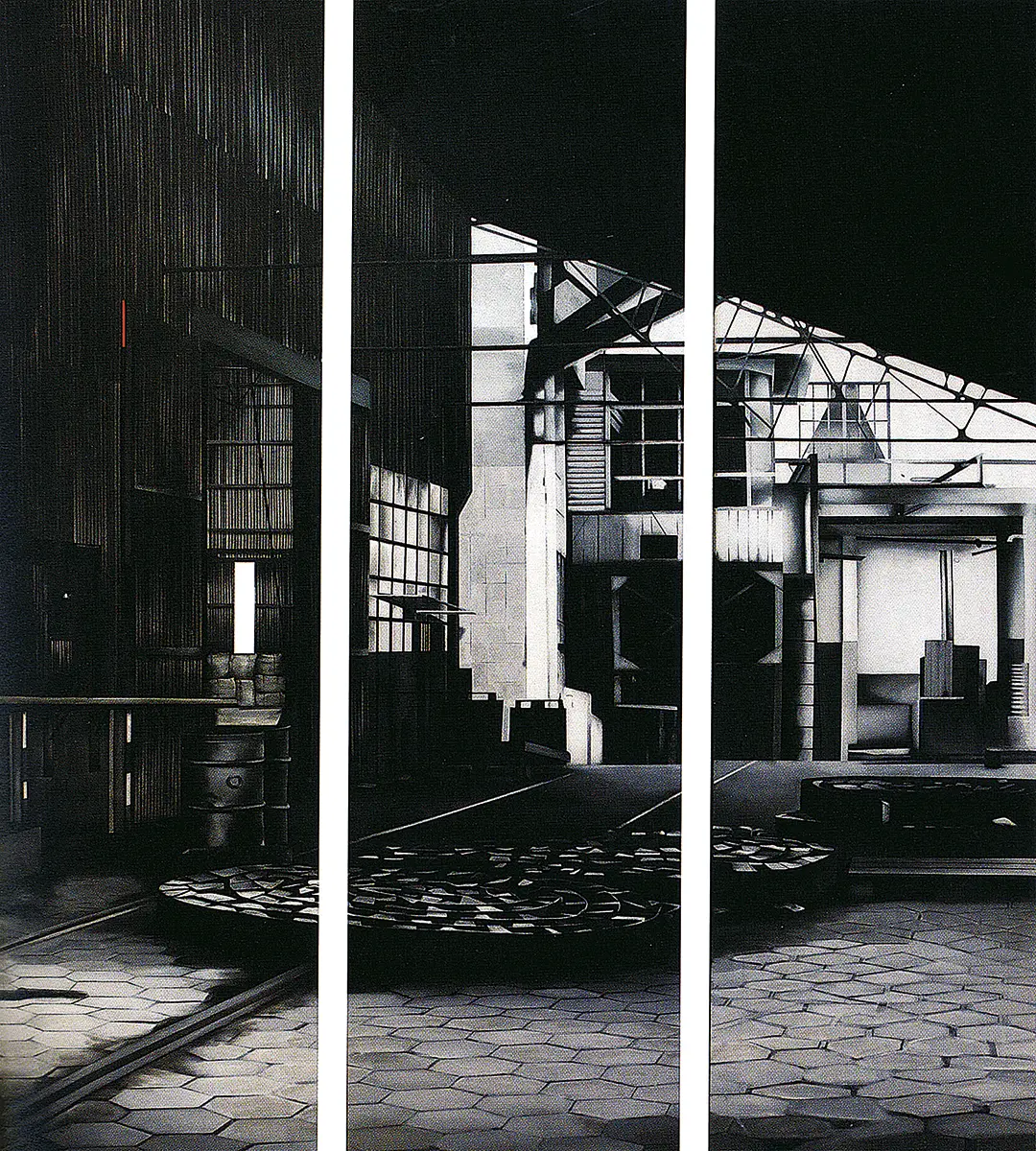
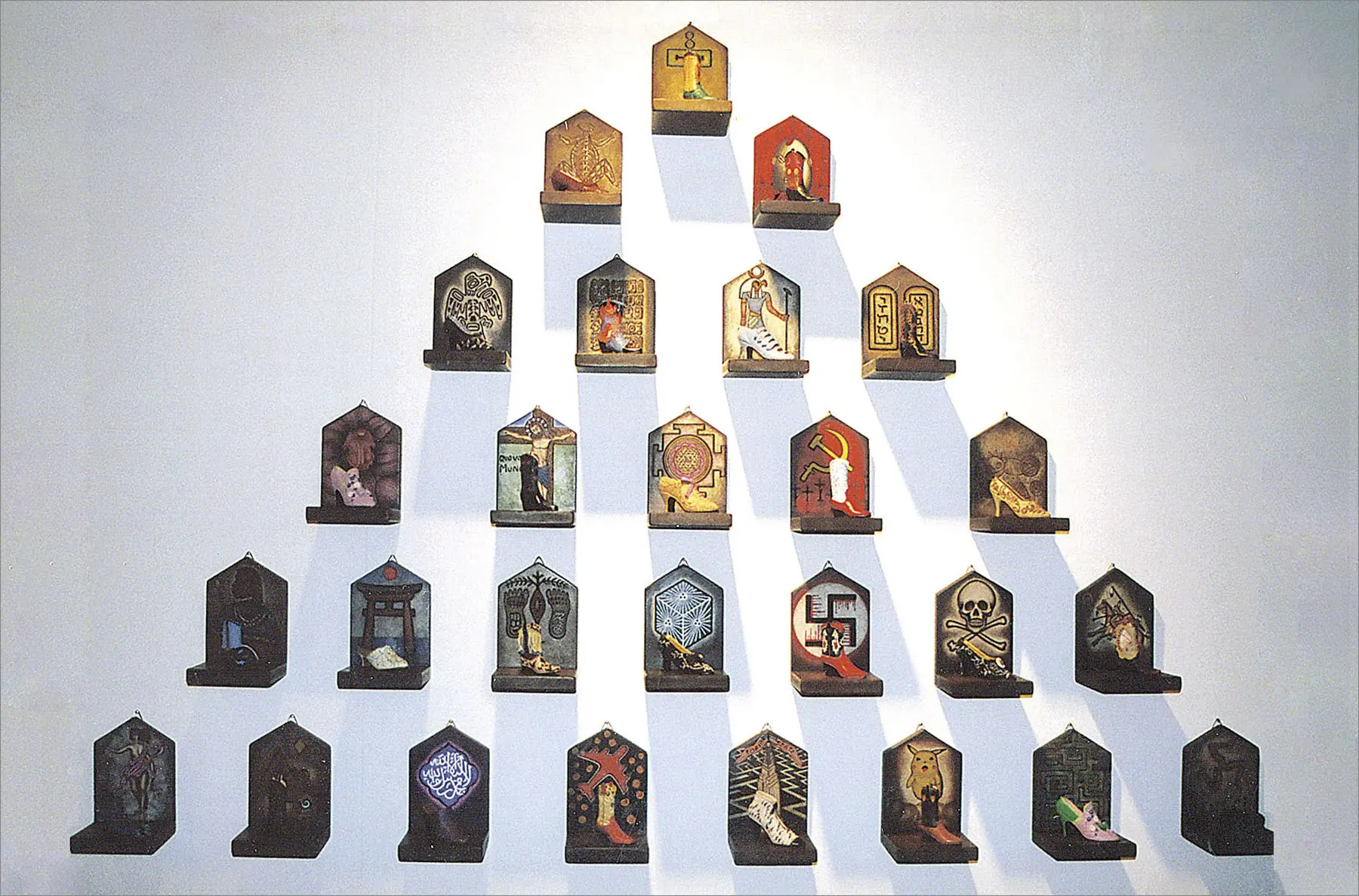
Arte x Arte presented interesting works by Cecilia Paredes, whose insinuating photographs and three-dimensional pieces are highly suggestive, possess great visual beauty and make graphic allusions to the animal world. Impeccably executed, the works presented by Viviana Zargón at Arteconsult, Aleman, and Grimberg recreated interesting architectural environments in a hyper-realist fashion. Another highlight at the same space was the work of the young artist Gabriel González: abstract paintings with great chromatic force. At Cecilia Torres’s booth, the Venezuelan artist Elías Crespín presented several works marked by the confluence of austere science and an artistic sense. Hardcore Art Contemporary Space presented an interesting selection of works, such as a sculpture by Antuan representing a staircase with shoes for steps. Also taking shoes as his central theme, Carlos Pérez Vidal presented a small and delicate installation titled Twenty-Seven Chosen and One Herran; it was in the shape of an altar, at which shoes represented the traces left by time and by civilizations.
With its conferences and debates, the special space reserved for Kosice, and the participation of museums and collections, this year’s Merrill Lynch Arteaméricas sought to integrate and enrich its possibilities, to provide a forum not only for showing Latin American art but also for discussing topics related to its development and its place in the context of contemporary art.
MARISOL MARTELL
Assistant to the Director of ArtNexus.