
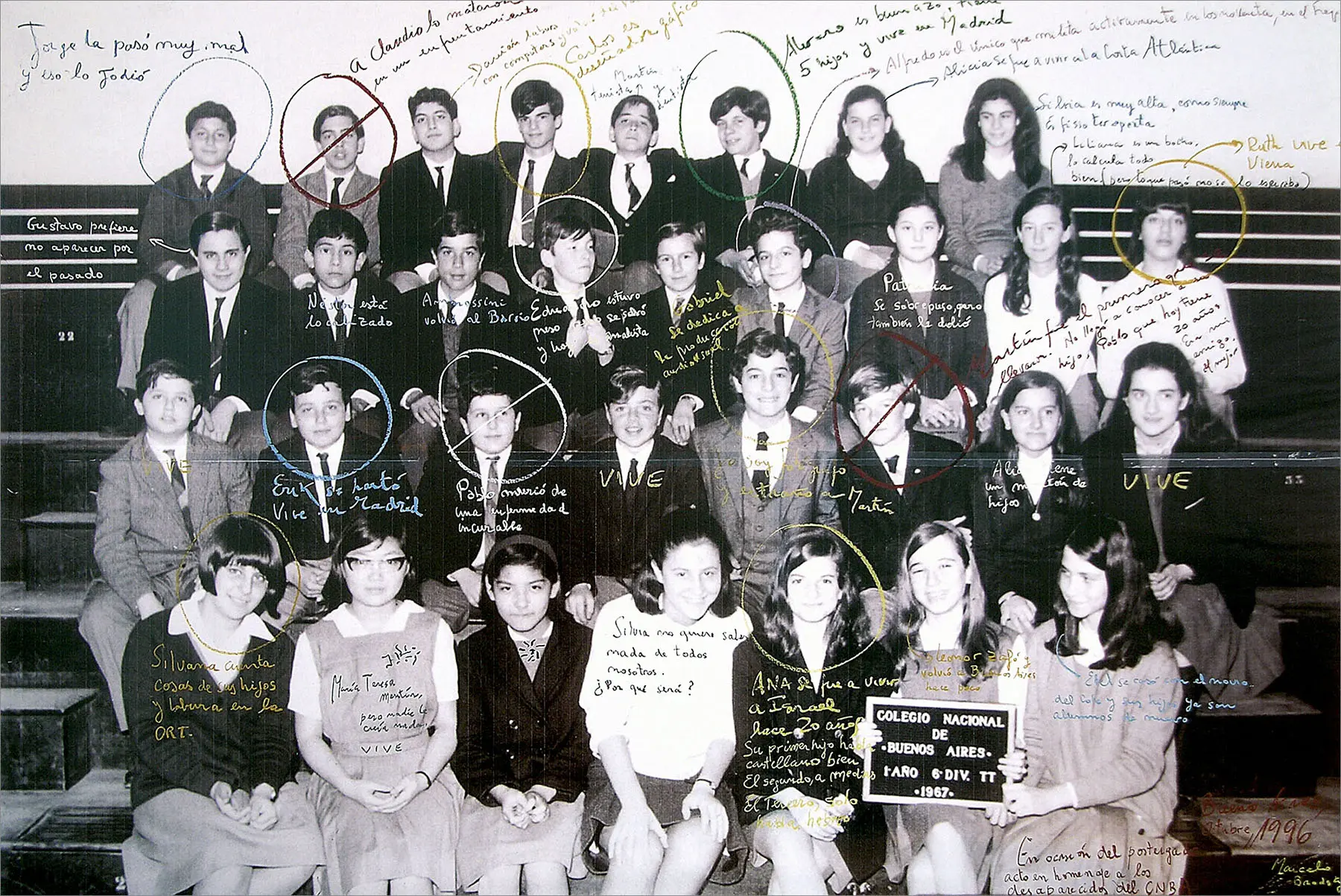
The strength of an exhibition like The Disappeared is also its danger. Who is not outraged by the historical facts that spurred the exhibition: the disappearance of tens-of-thousands of individuals, entire families, from seven countries in Central and South America (Argentina, Brazil, Chile, Colombia, Guatemala, Uruguay, and Venezuela) during the late-1950s to the 1980s? To compound the anger, who in the U.S. is not outraged by our national complicity in supporting the repressive right-wing military dictatorships that the U.S. government decided were part of the price of doing business with those countries? But that is also one of the problems; we speak to ourselves and few others are brought into the conversation. We need to speak to others, but how do we speak? That question leads to the second strength/danger, the art itself.
“To disappear” is a euphemism that makes the violence and horrors of abduction, torture, rape, and murder more palatable—what we call the “inexpressible” and acknowledge as “unspeakable” in any language, verbally or through images. Yet, when confronted by the unspeakable, our primary responsibility is to present facts because we have nothing else to assert and counter the absence in the midst of our insistent and helpless hope of return. Lists of faces and names allow the missing to momentarily return, an act as important and humane as it is haunting. Documents are witnesses to prevent history from disappearing. But isn’t the visual world more capable, more powerful than facts that fail to convince people to act against the insanities of power? Shouldn’t art witness as art and, if so, what are the differences between facts and art? The artists and clearly the curator in this exhibition want it both ways, resulting in a split decision.
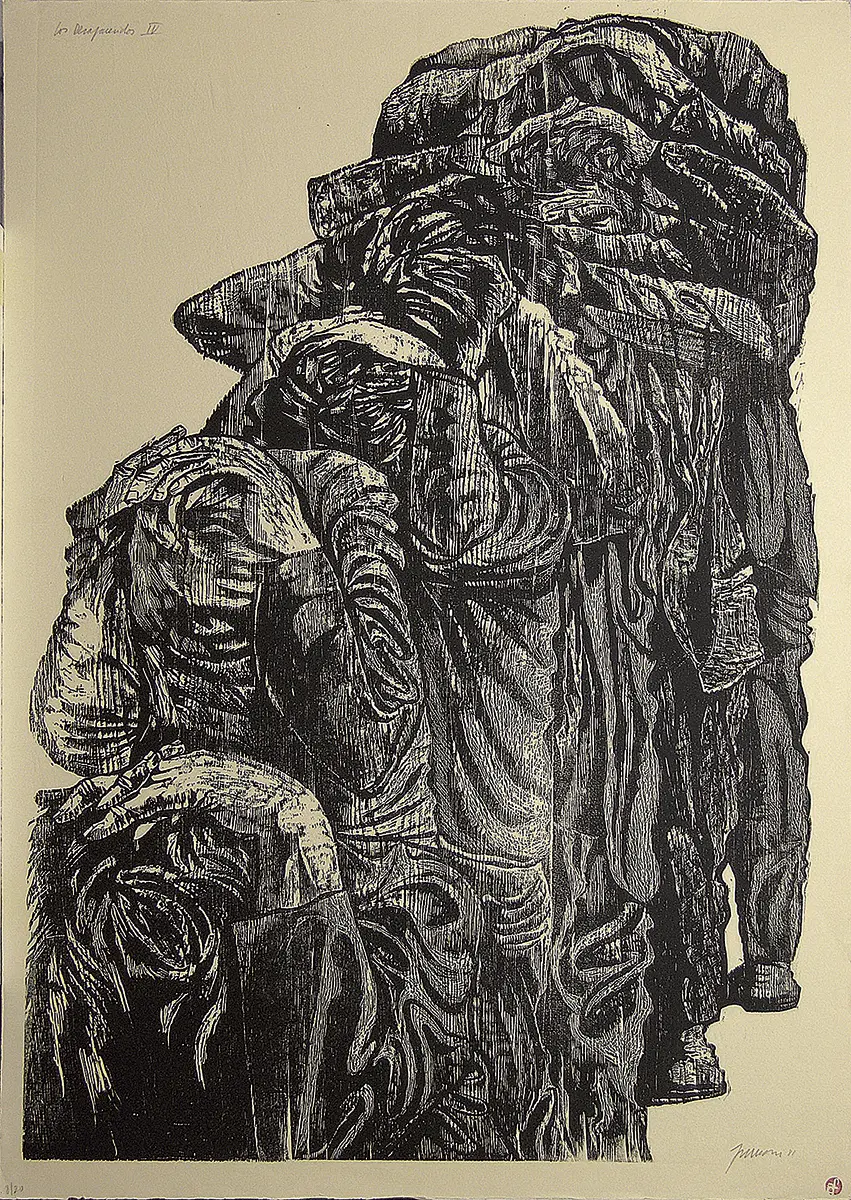
Marcelo Brodsky (born 1954, Argentina), a trained economist, presented the pictures and names of the disappeared in three of his five installations and videos (made with assistance from Rosario Suarez and Sabrina Farjil). The work was most effective with the most personal images, such as the photographs of Brodsky’s older brother Fernando who disappeared—the word is both a verb and a noun—at age twenty-two. But many others were not identified and were less effective. Antonio Frasconi (born 1919, Uruguay) used the same approach, with relatively direct portraiture and lists of names, in his forty-eight monotypes. These large woodcuts from his series The Disappeared were more effective because they presented specific moments through an expressionist aesthetic that exploited art’s generalizing power.
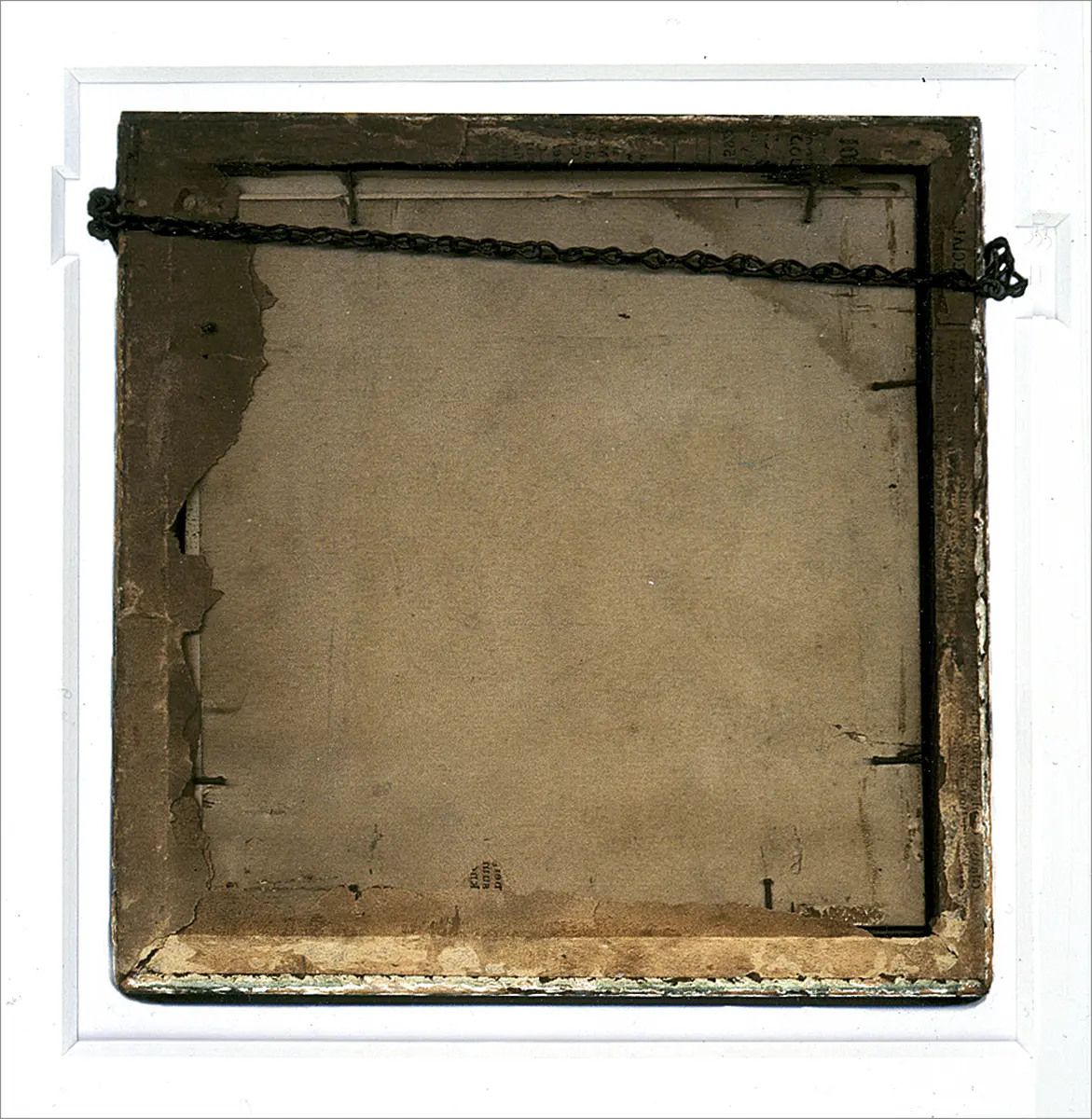
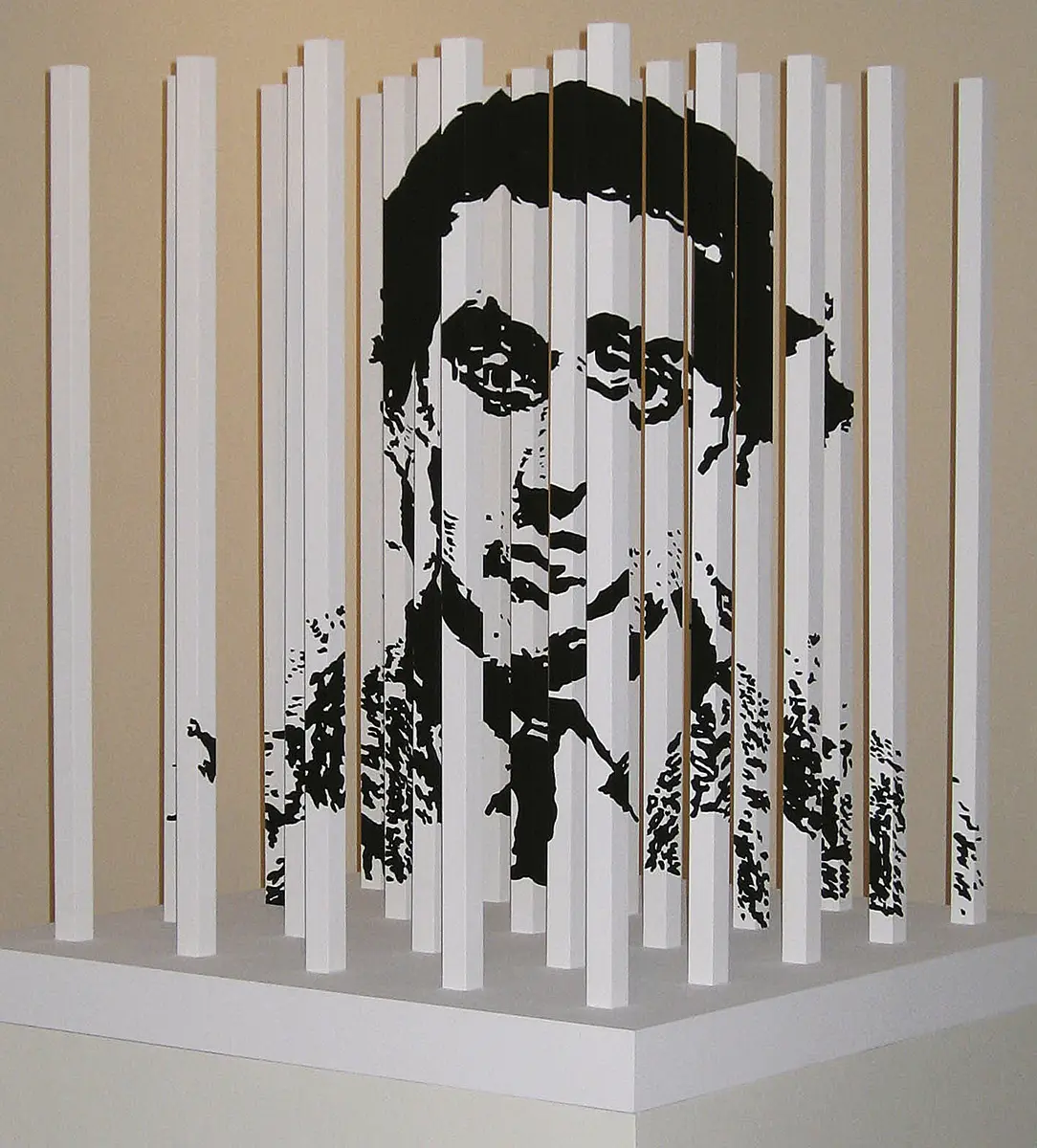
Overall, a conceptual approach to portraiture of the missing was better than the aforementioned because the artists of these works have long ago confronted the distinction between data and art. As Luis Camnitzer argues, they open space for the viewer. Ana Tiscornia (born 1951, Uruguay) divorced signifier from signified by presenting thirteen blurred digital portraits (Portraits, 1998); here, the viewer’s strained looking was akin to the need to identify the persons. In Portraits II (2000), Tiscornia acknowledged the impossibility of representation and simply displayed the backs of framed digital photographs, interspersed with texts that were both factual and interior monologues. Nicolas Guagnini (born 1966, Argentina) projected and then painted a picture of his missing father across twenty-five separate, vertical white stakes in 30,000 (1998–2005). The separations between the stakes divided the portrait into segments that shifted as the viewer moved. Here, the process of viewing a missing loved one corresponded to that of recalling a memory, appearing and disappearing.
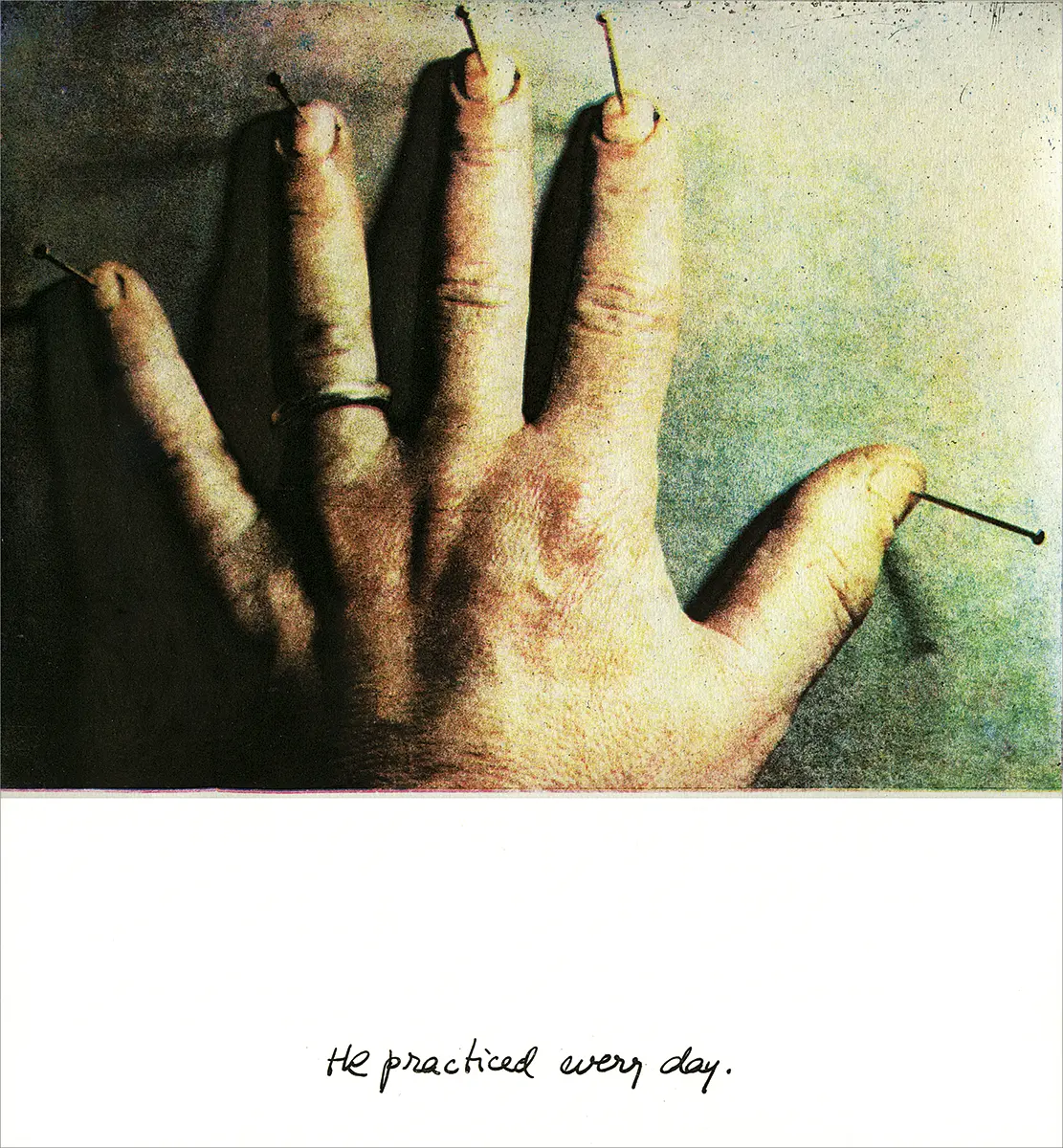
Luis Camnitzer (born 1937, Uruguay) presented thirty-five photo etchings that walked the very difficult line between the irrelevancy and importance of the poetic in the face of carnage. He combined images of everyday objects, including his own hand, with snippets of obliquely related text. The viewer could relate text and image only by thinking through slightly disjointed fragments of ideas and by feeling through the empathy of context. The point was not that empathy is dead as a faculty but that it is insufficient by itself because the representation of any kind is situated within a vast communication system and requires the creation of gaps for the living.
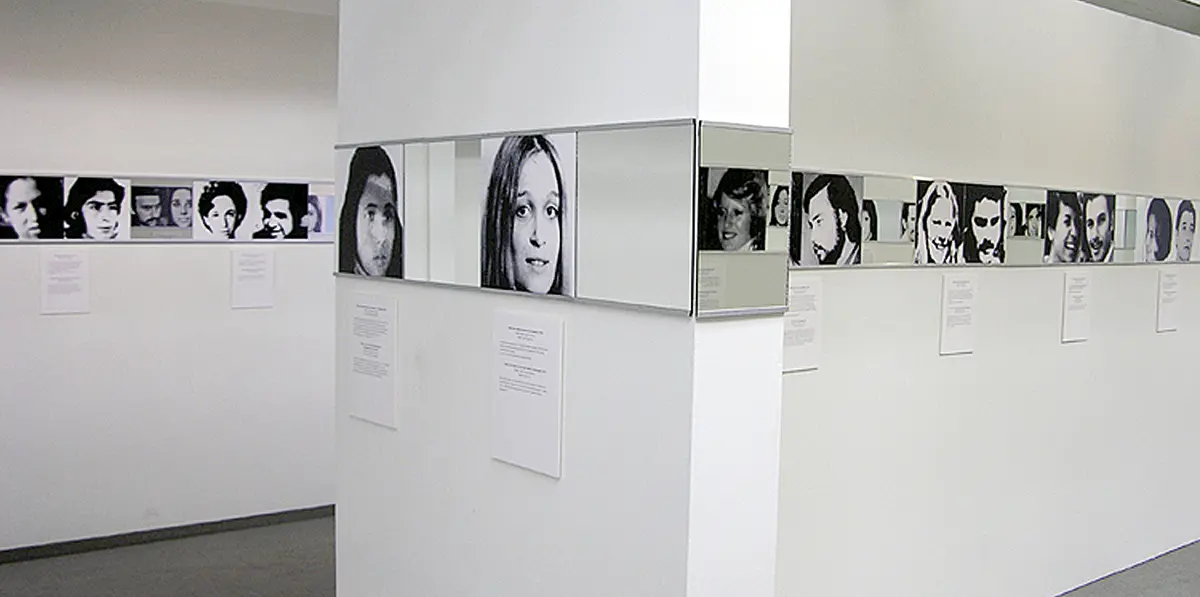
It may sound harsh to suggest that we edit our approach to the dead when the goal is to speak to others through art. One of the most impressive aspects of the exhibition was that many of the artists did exactly this, yet in different ways. At the conclusion of the exhibition, about 230 linear feet of the wall held 125 identified pictures of the disappeared. This project, called Identity (1976–83), was begun during the last Argentinean dictatorship when grandmothers searched for missing children and grandchildren. Thirteen Argentinean artists collaborated to develop the project, in which literal representations and names—a genealogical archive—remained as more-or-less literal facts. At the head height, the portraits were alternated with mirrors, such that the viewer’s image appeared alongside one of the missing, making the viewer’s existence seem more fragile. The artists also commingled the literal with the concept of disappearance beyond the mirrors. They chose one style and format, conformed to it, and withdrew their often-famous names, editing themselves out of their art, for the project to function on behalf of others.
RICHARD LESLIE