
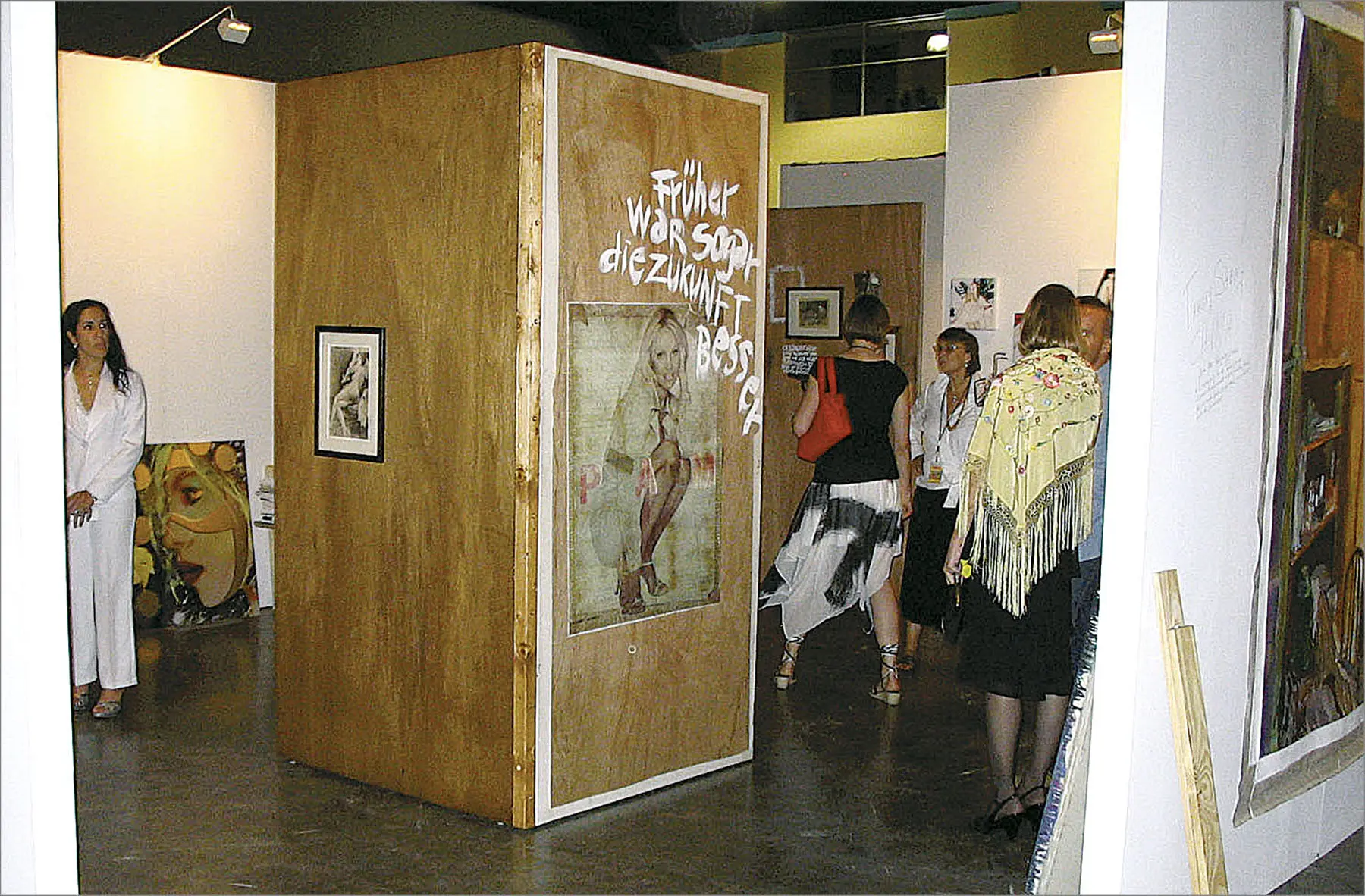
After only two years, Puerto Rico’s own international art fair, CIRCA, appears to have found a rhythm. The 2007 version of the fair drew keen interest from just about everyone on the island, from artists and galleries to art institutions, collectors, and hangers-on. It is a hyper-speed version of the international art fair phenomenon in Miami, where the local scene finally gained some traction amid that mighty typhoon of art fairs, Art Basel Miami Beach. There, however, the process took four or five years to unfold.

This accelerated development is partly a symptom of an era in which the art fair has become a dominant force. Like their counterparts everywhere, Puerto Rican artists and dealers are in as much of a hurry to get to the next fair abroad as to have a local exhibition, where the work is seen by only a handful of family, friends, and the same circle of opening-night habitués. At CIRCA 2007, the opportunity to rub elbows with art dealers and curators who decamped from the U.S., Europe, and Latin America brought in the crowds. Outside the fair proper, there was a frenzy of independently organized auxiliary exhibitions all over San Juan: The DAMS 2, a sprawling survey of the islands young and restless was put together by Pedro Vélez at the Universidad del Sagrado Corazón; Abdiel Segarra and Tony Cruz mounted a likewise iconoclastic show, Segunda/Tercera Planta was mounted in the rooms of the Casa Candela lodgings in Viejo San Juan with the help of Candela owner Pablo Rodríguez; and Angora, an ultra-lively collaboration between art students at the Universidad de Puerto Rico and La Escuela de Artes Plásticas took place in the suburb of Caguas.
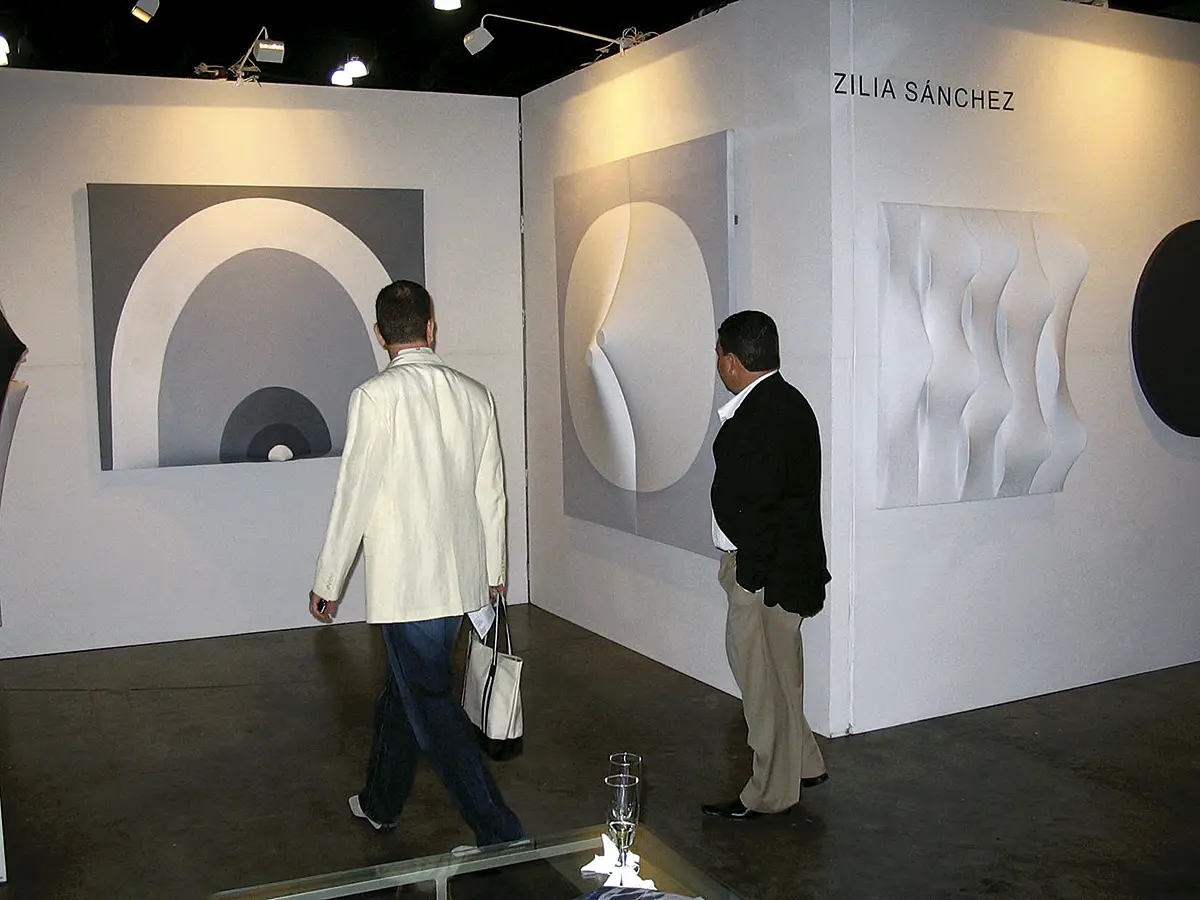
But credit for CIRCA’s growth must also go to the fair organizers, Roberto Nieves, Celina Nogueras, and Spanish curator Paco Barragán, who built on their past experience with acuity, hunches, and good hunches and luck. The fair’s initial outing had a noticeable flair: an abundance of curated artist’s projects with some large, very good installations by the likes of Vargas-Suárez Universal and locals Rabindranat Díaz and Melvin Martínez as well as many alternative and non-profit spaces providing continuos action on the periphery. As Rafael Vargas-Suárez noted, it looked “very edgy” for an art fair.
On the other hand, the organizers made a lot of mistakes, ones you might expect from novices in the game, and they were further burdened by an unprecedented economic crisis that gripped the island just as the fair got underway. Sponsorships fell through, publicity expected from the local press evaporated, and, worst of all, customs retained artwork shipped by out-of-town galleries almost until the hour the fair opened its doors. Many of those dealers were outraged by the delays and the makeshift booths and lighting, and they swore never to return to the island.
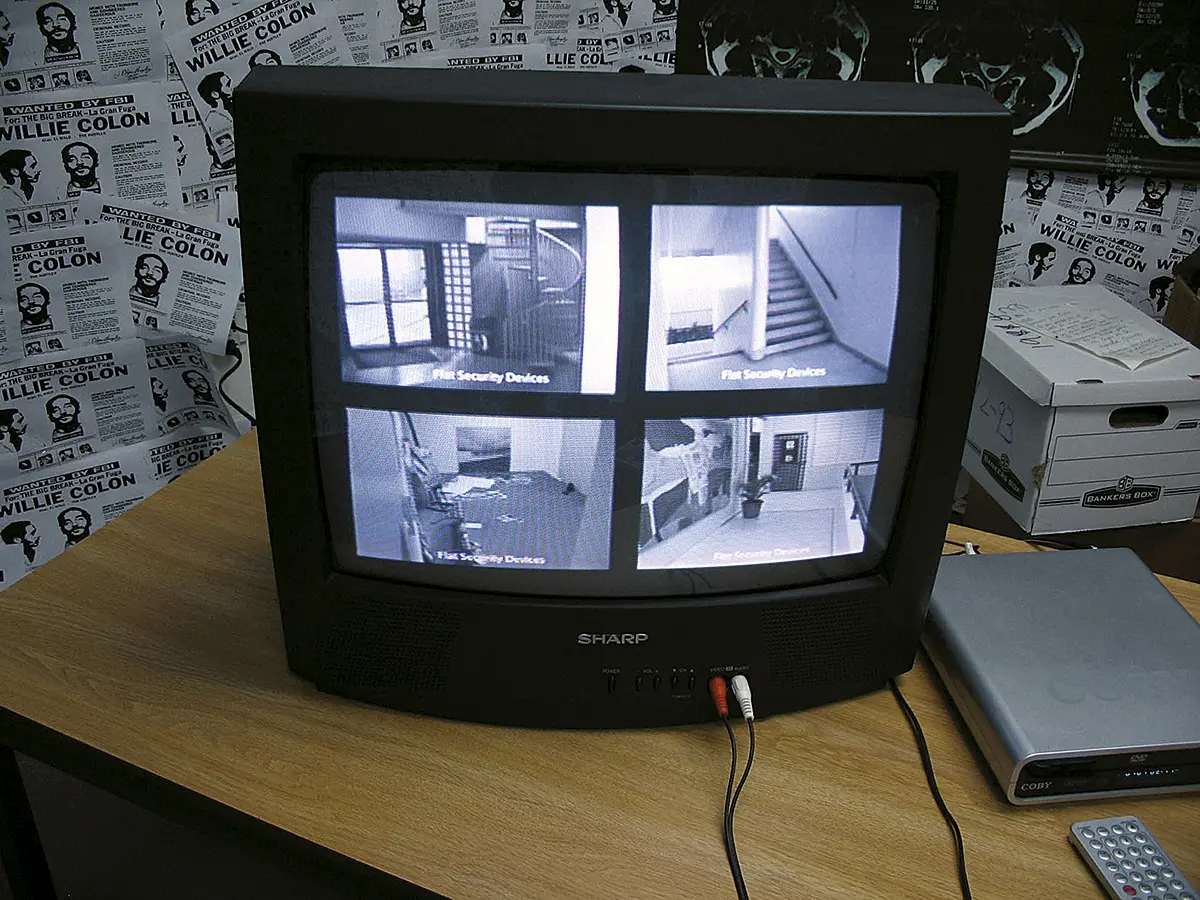
Some did return, however, and what they found was a considerably more compact and more business-like affair. CIRCA 2007 moved to a smaller venue in the Centro de Convenciones, and this year’s emphasis was definitely on buying and selling. Though the fair lost a few galleries to the previous year’s snafus, there were actually more dealers in attendance this year and they came from a broader range of countries. At the same time, there appeared to be a sharper focus on contemporary art. Miami’s Cernuda Arte and Carmen Correa’s San Juan operation… De Museo Galería de Arte still brought their secondary market wares, but in general, what one saw was the here and now.
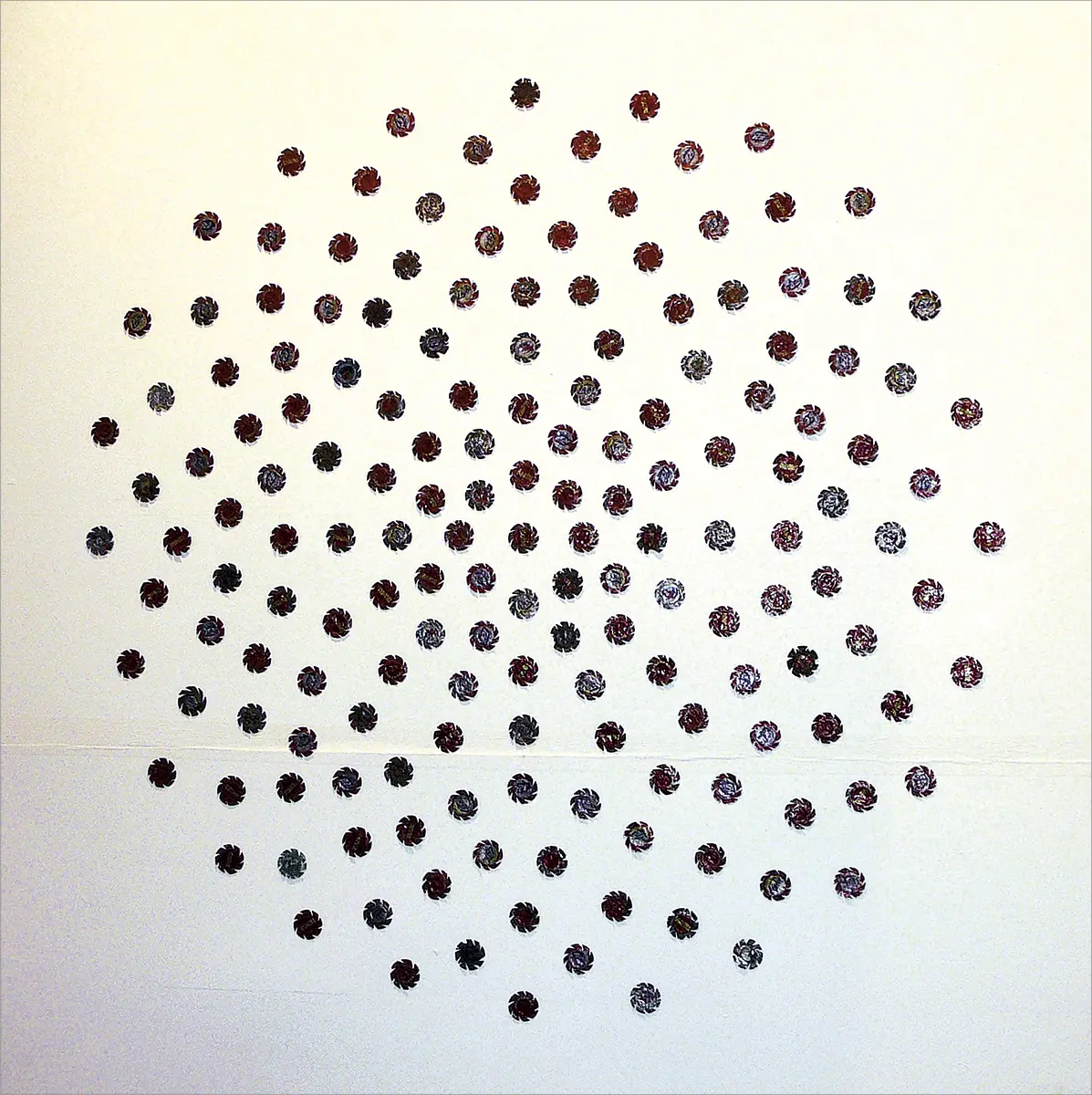
According to Nogueras, CIRCA 2007 gained significantly in both attendance and sales over the year before: 12,000 people came through the door and spent a total of $3.5 million dollars in 2007 as opposed to last year’s figures of 8,000 attendees and $2 million dollars in sales. Even alternative spaces and institutions found unexpected benefits in the fair’s more buttoned-down atmosphere. Last year, the Museo de Arte de Ponce (MAP) the booth offered demonstrations by the museum’s renowned conservator Ángel Santiago as a way to promote itself in the island’s distant capital, San Juan. This year, there was money to be made. The MAP chief curator Cheryl Hartup expressed surprise that the museum managed to sell over a dozen subscriptions to the institution’s recently inaugurated artist’s editions program, Círculo del Arte, at $1,500 each.
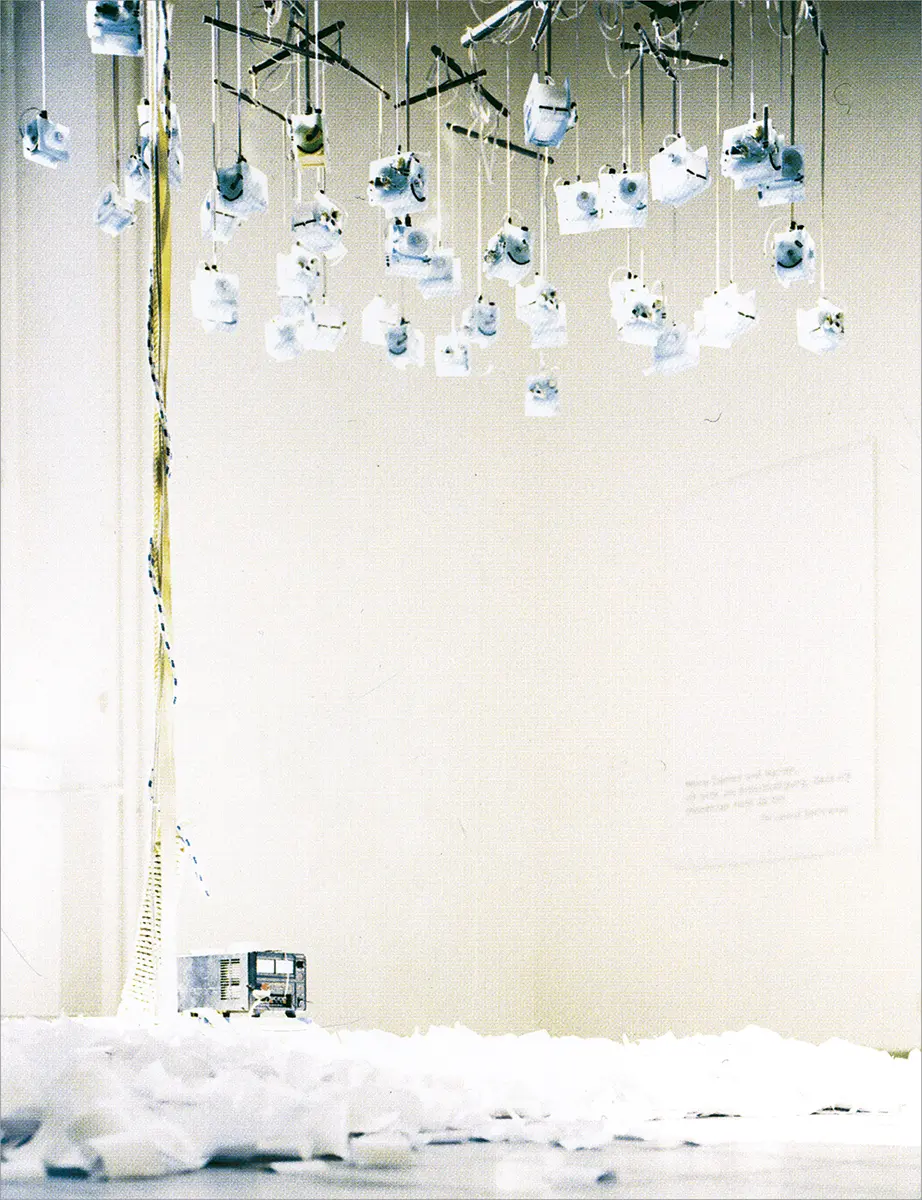
Obviously, some art dealers did very well. As usual, San Juan’s Walter Otero was ebullient over his sales, as was the German dealer Christa Schübbe of Galerie Schübbe Projekt in Düsseldorf, Germany. Catalina Casas, the owner of the Bogotá gallery Casas Reigner, was almost one of last year’s casualties but finally decided to gamble on CIRCA 2007, and it paid off. She had nothing for praise for the fair. Her sales were decent, she said, and “good pieces went to good collectors.”
The legendary Jacobo Karpio, who has galleries in Miami and Costa Rica arrived quite late to the fair but he was chortling, as usual, saying that he sold only one work but it was a big, expensive one.
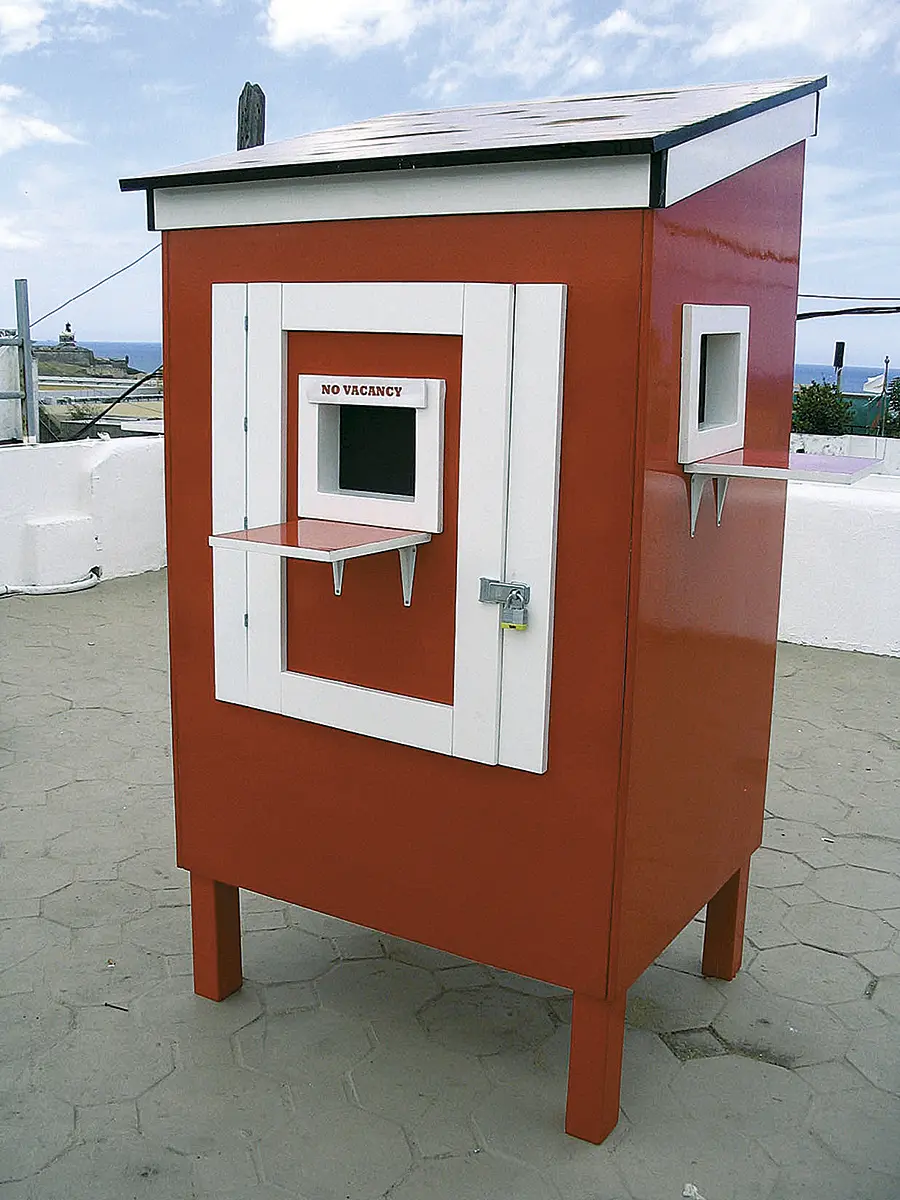
Even dealers who did not do well monetarily were sanguine about their experiences. Henrique Faría, an independent dealer who works out of New York and Caracas, Venezuela said that sales figures were not as important to him as establishing a presence in the art fair circuit, and he thought that being in Puerto Rico was an investment in the future. Pablo Dona, from Praxis Gallery’s Miami outpost, was a glummer. He was disappointed by the lack of an action at his booth and said that the fair was going to have to attract more out-of-town collectors to assure its future, although he, too, understood that CIRCA is a work in progress. In over a dozen conversations, only Gustavo Arróniz, representing Arróniz Arte Contemporáneo in Mexico City, was thoroughly disgusted with what he perceived as the fair’s listlessness and vowed he would not come back. This is unfortunate since the works in his booth—cut paper drawings by Daniel Alcalá based on street maps of Mexico City and Guadalajara and canny, dimensional abstract screen-prints by Omar Barquet—were among the most interesting works at the fair.
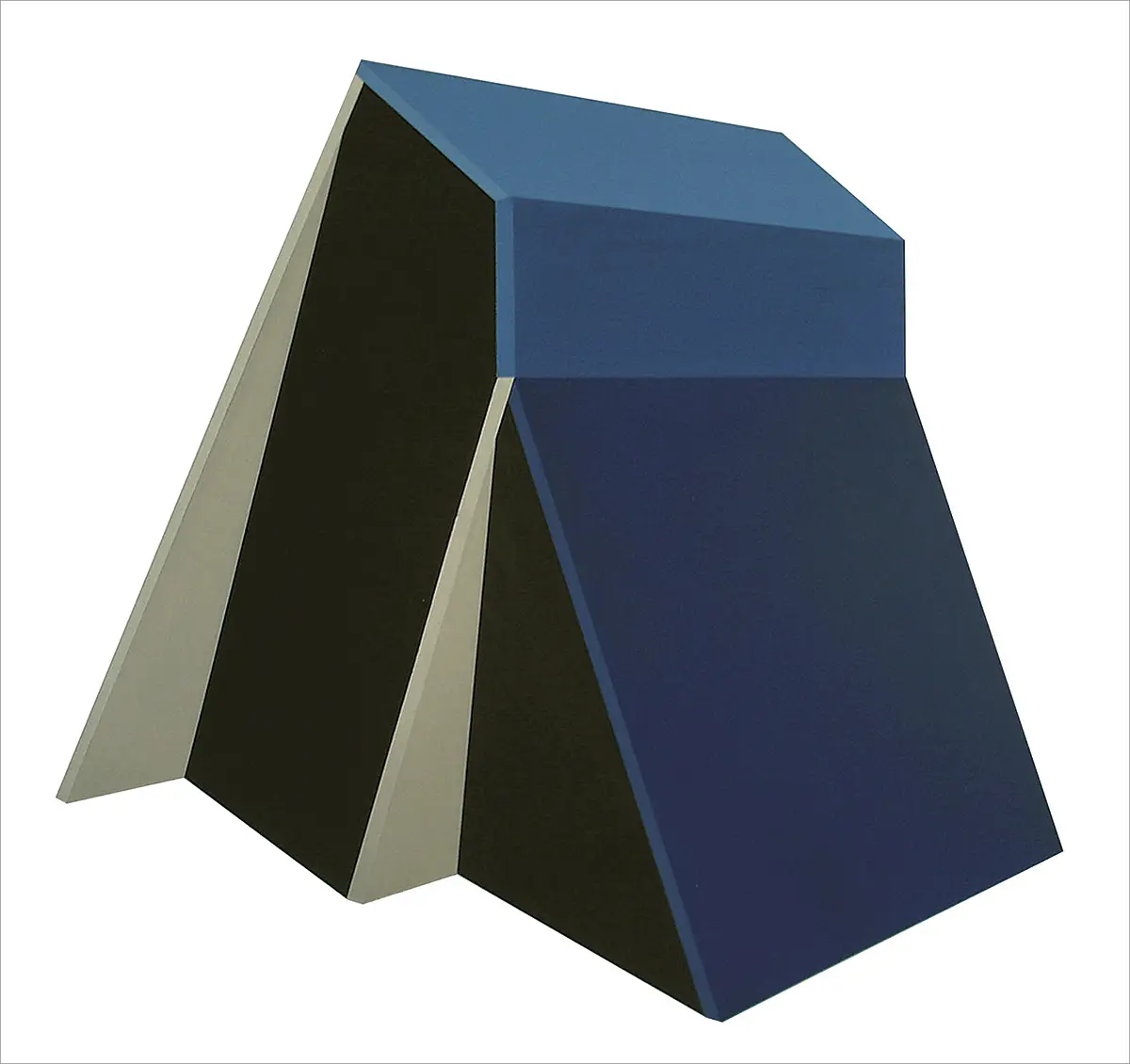
Aside from Otero, local dealers were generally satisfied. Michele Fiedler—who in a very short time has fashioned a dynamic exhibition program at San Juan’s Galería 356 with a mix of promising young artists and very good older ones—put together a booth which smartly reflected the range and vibrancy of the gallery. Fiedler had the good sense to bring many of her friendliest artists to meet and greet the public, and she said that overall, she was happy with her first-ever art fair experience.
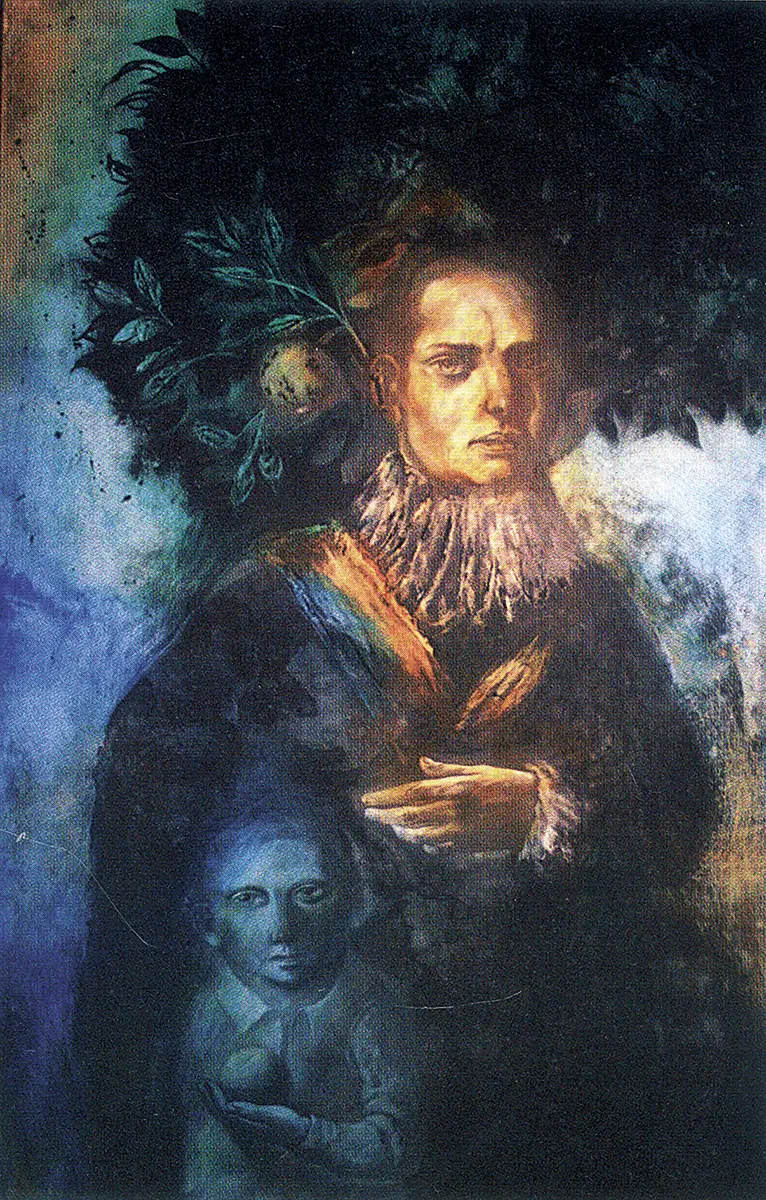
There were only a handful of artist’s projects in this year’s CIRCA, and the space for this kind of activity was less integrated than before. Several artists remarked that they missed the prominence of this purely aesthetic element in the fair: last year, a towering installation by Charles Juhasz, featuring a nearly twenty-foot-tall wooden trumpet stood at the fair’s epicenter. Barragán tried to make up for the shift in focus with a new feature called In the Spot, in which two attending curators, Amanda Coulson and Sylvia Karmen Cubiñá, chose works from among the fair booths and then created a new installation each day on a free-standing wall. This approach to curation struck some observers as something of a gimmick to dress up the purely commercial motives of the fair with a little intellectual ornamentation, but it did provide the public with a rare opportunity to watch first-rate curators improvise in public.
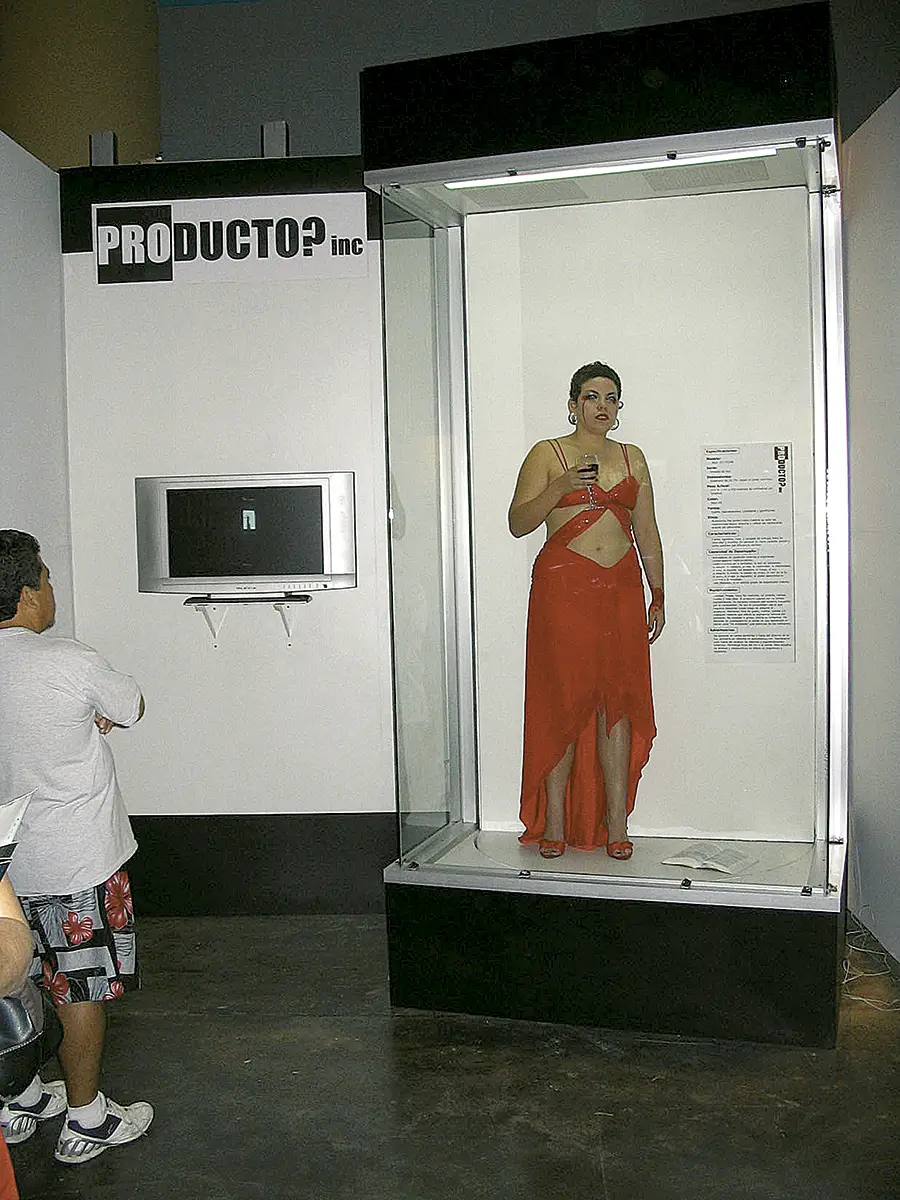
CIRCA 2007 had several symposia with usually and at times highly articulate personnel, dealing with topics like “Collectionism [sic] Today” and “The Curator’s Role in Art Fairs.” However bland, such exercises always draw a crowd and you might even say they raise the overall tone of an event that is supposed to be, at its heart, about money exchanging hands. In the case of CIRCA, where the organizers are still struggling to distill the right mix of art and mammon, the panels, the artist’s projects and even the curator’s wall offered new evidence that art fairs increasingly resemble biennials, which in turn are becoming entertainments like the massive spectacles of the biggest, richest art fairs. Curiously, almost in spite of themselves, the CIRCA crew has invented something—due partly to scale and partly to the luck of place—that many fair veterans find unique and appealing. More than one dealer remarked on the warmth of the people who visited their booths and the savvy and genuineness of Puerto Rican collectors. Some believe this is the key to CIRCA’s future. Shübbe said, “You’re going to laugh. I think Puerto Rico could be the next Miami. Big art fairs are money-making machines, showing the same galleries and the same artists. Who wants to see the same thing everywhere you go?”
JOEL WEINSTEIN
Lives in Puerto Rico and writes about the art scene for various international journals. He publishes the online magazine Rotund World.