
Art fairs are at their peak, and some of them (like Maastricht and
Art Basel) have even become more important than some biennials due to the
financial values in circulation and the personalities in attendance. With the
international art market pushing ever-upward, with breathtaking amounts like
the $140 million paid in 2006 for a Jackson Pollock painting (#5, 1948), or the $3.3 million paid in
2007 for an Andreas Gursky photograph, this seems to be the time of the
collector, who, if the trend continues, will end up replacing the curator in
importance. Perhaps due to a trickle-down effect or the growing tourism around
Argentina, there is something similar in the air in Buenos Aires.
The organizers of the sixteenth edition of ArteBA, the Buenos Aires contemporary art fair, saw it as an unqualified success. Presented at La Rural over four days, it saw many sales; although gallerists lauded these successes, they were not forthcoming with sale figures, arguing due discretion for the new owners of the artworks.
More than 113,000 visitors walked through the fair’s 18,000 square meters, which hosted seventy-six contemporary art galleries from Argentina, Brazil, Costa Rica, Spain, Ecuador, the US, Mexico, Peru, Uruguay, and Venezuela.
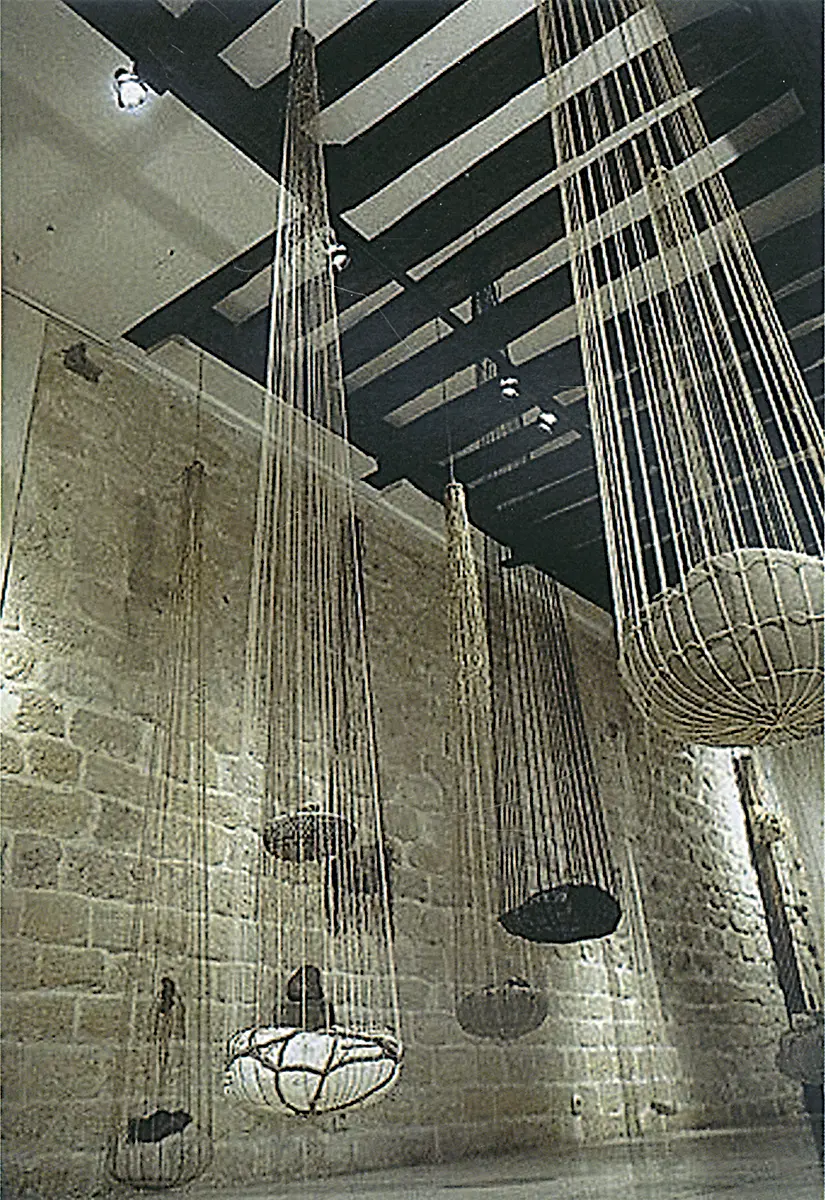
ArteBA organized the exhibition of works around five nuclei: the central, well-designed space with established galleries; the Barrio Joven Chandon; video art in Caja Negra Cubo Blanco; the Petrobras Award; and Open Space. In the last area, some galleries financed the installation of special works by their artists, such as Daniel Joglar’s captivating and subtle quasi-abstract installation (brought by Dabbah-Torrejón, Buenos Aires) or the Venezuelan artist Milton Becerra’s metaphorical line work (from Durban Segnini, Miami). Institutions and commercial sponsors also had a presence in specific areas, as did eighteen contemporary-art publications, including ArtNexus.
The Auditorium Program included book presentations and a symposium called Latin American Circuits/Art Collectors’ Circuits, with the participation of collectors, curators, and national and international museum directors such as Estrellita Brodsky (collector, New York), Luis Pérez-Oramas (MoMA, New York), Eduardo Costantini (MALBA, Buenos Aires), Gabriel Pérez Barreiro (Blanton Museum, Austin), Hans-Michel Herzog (Daros Foundation, Zurich), Juan Carlos Verme (MALI, Lima), Ariel Jiménez (Cisneros Collection, Caracas), Abaseh Mirvali (Jumex Collection, Mexico City), Justo Werlag (MERCOSUR Biennial, Porto Alegre), among others.
At least two great masters stood out at this fair. One was León Ferrari, who, tireless at eighty-seven years of age, presented recent work from his series Músicos as well as other works in various galleries. The other one was Roberto Aizenberg, who received a living tribute at ArteBA in 1995; his life and work were celebrated in a book presented this year, with 250 photographs of his work, forty images from the artist’s archive, and an essay by this author. In her introduction, Dawn Ades says that “Roberto Aizenberg was one of Argentina’s great artists in the twentieth century, a part of the country’s history; but that should not be the sole recognition he gets. He has a place in the global history of art in the century.” In fact, one Aizenberg Painting from 1974 was one of the first works sold at Ruth Benzacar.
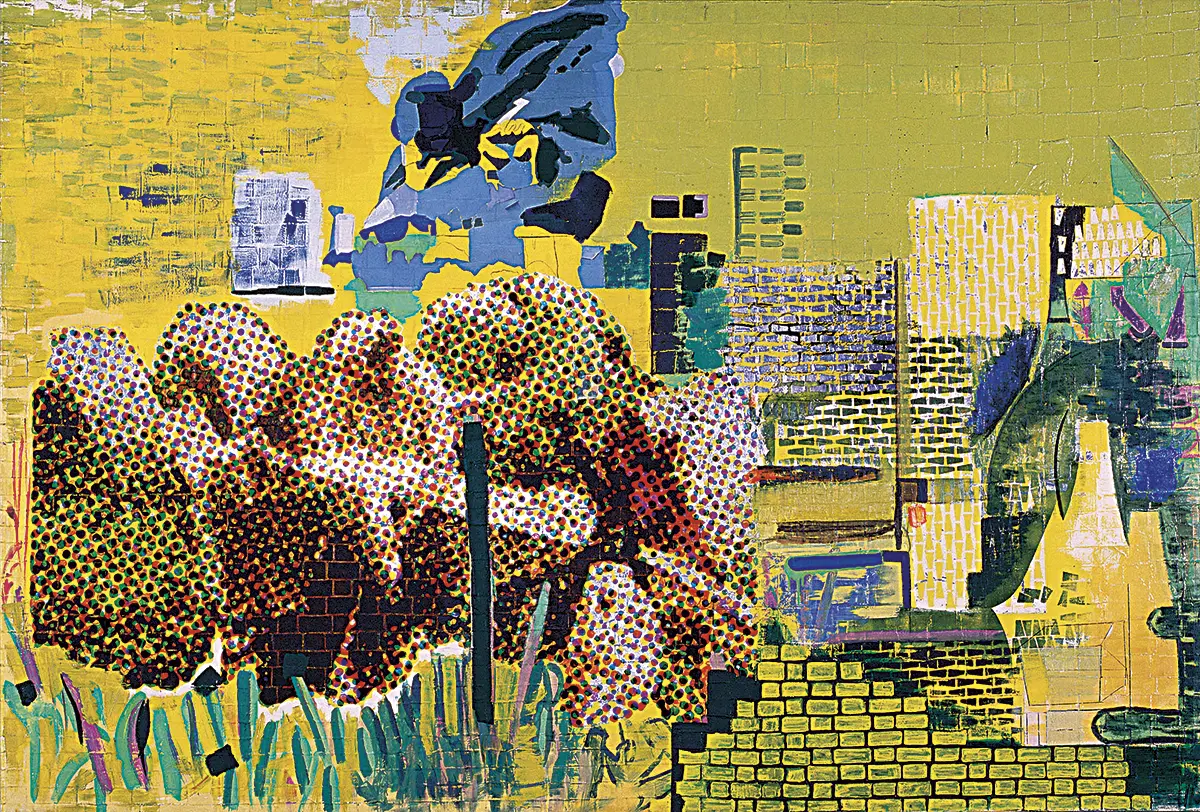
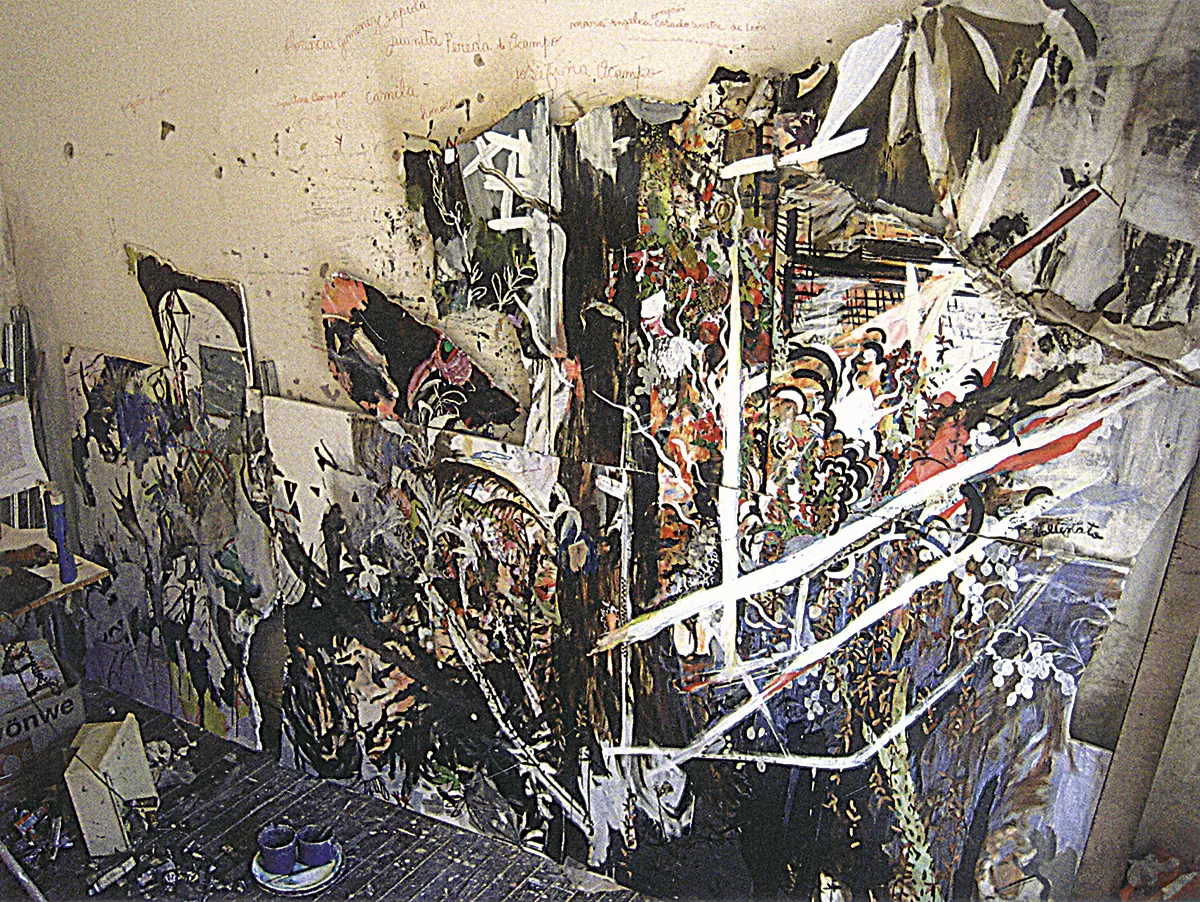
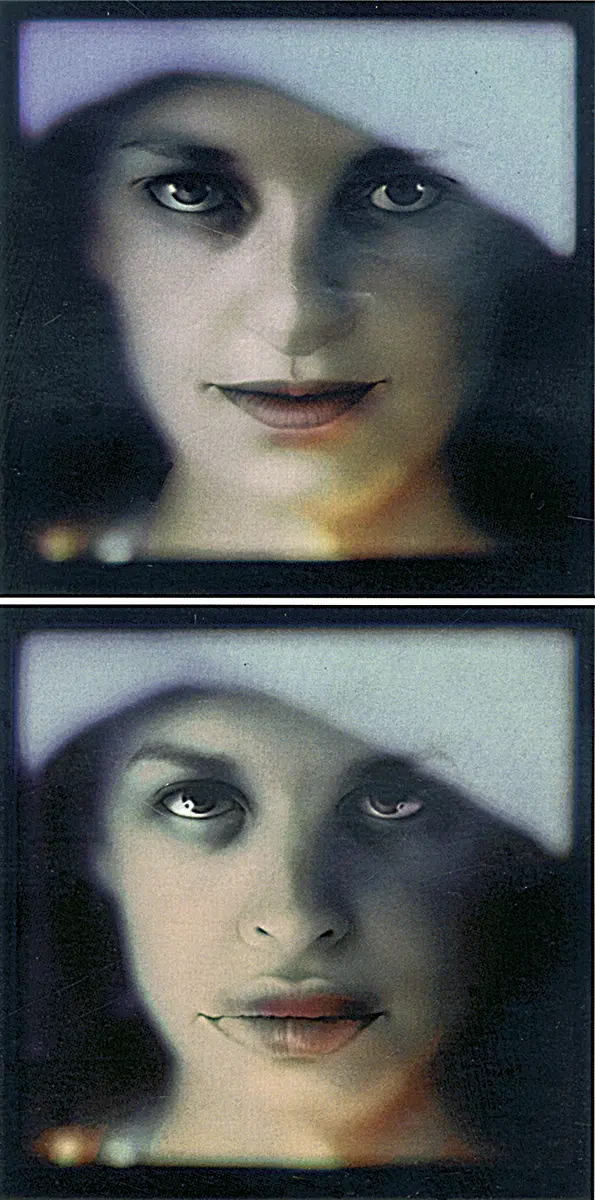
In the gallery areas, it is always a pleasure to discover or re-discover the works of Noemí Di Benedetto, Annemarie Heinrich, and Juan José Cambre (at Vasari); Horacio Coppola, José A. Fernández Muro, and Sarah Grilo (at Jorge Mara); Silvia Gurfein, Mauro Giaconi, and Sergio Bazán (at Zabaleta Lab); Leandro Comba, Beto De Volder, and Esteban Lisa (at Palatina); Eduardo Medici, Luis F. Noé, and Alejandra Padilla (at Rubbers); Fernanda Aquere, Mariano Molina, and Augusto Zanela (at Praxis); Manuel Ametzoy, Javier Barilaro, and Sebastiano Mauri (at Braga Menéndez); Martín Reyna, Cristina Rochaix, and Matilde Marín (at Del Infinito, which sold several editions of Marín’s beautiful photographs, like Under Water); Dino Bruzzone, Sergio Avello (who sold the three editions of his light work Bandera), Adriana Salazar (whose stylized machines had a great impact and achieved sales), and Manuel Esnoz’s suggestive large-format paintings, all at Dabbah-Torrejón.
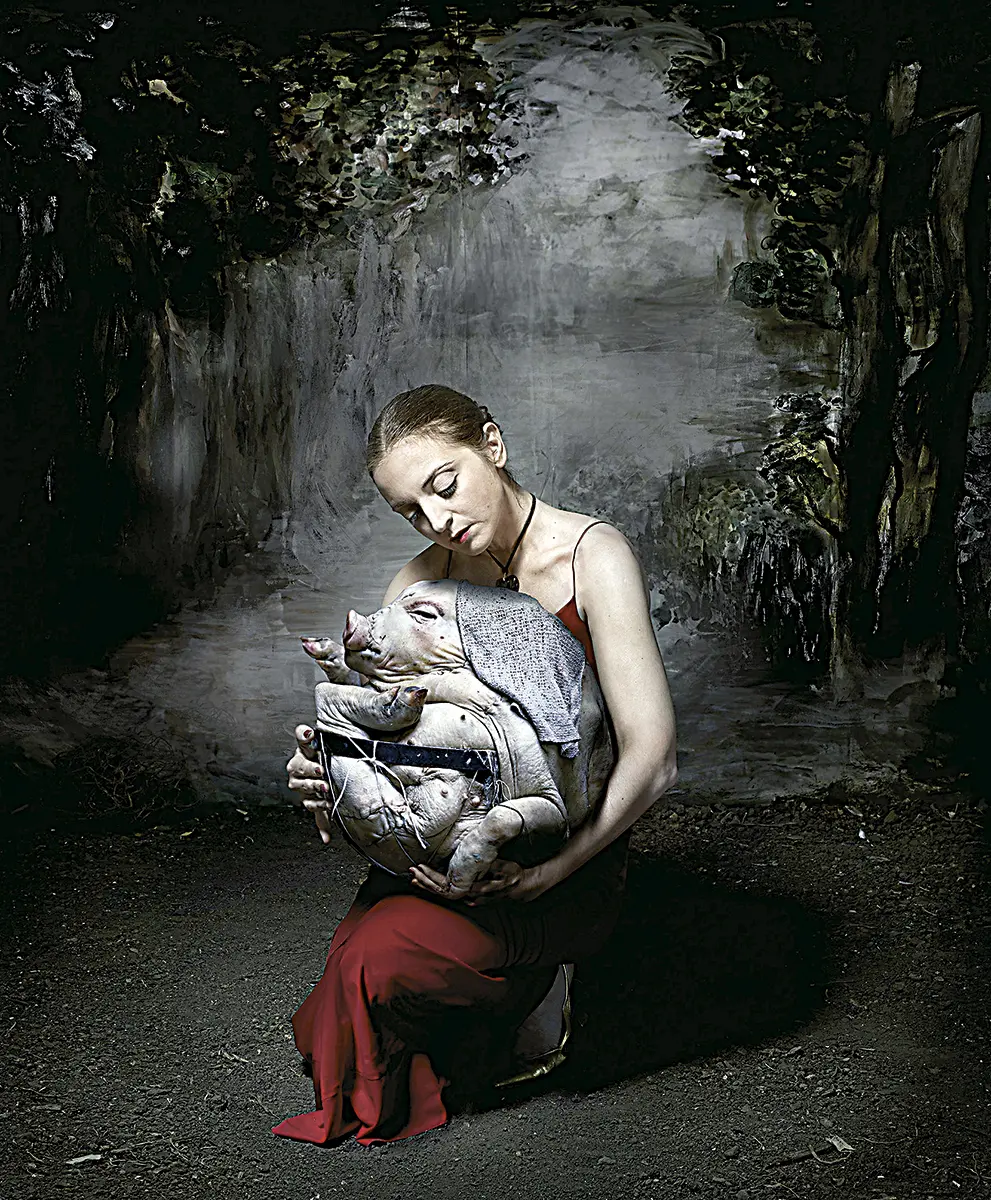
Meanwhile, many foreign galleries incorporated works by Argentine artists into their selections, perhaps because the distance makes transportation costly and customs formalities difficult. Thus, Nicola Constantino’s photographs centered on the perverse were shown and sold at Madrid’s Blanca Soto (which also exhibited work by Arturo Prins and José Luis Serzo). Daniel García’s exhilarating paintings were at Santiago de Chile’s Animal Gallery (with works by Patrick Hamilton, Arturo Duclos, and Luis González Palma); Marcos López’s hallucinatory photographs were seen at Madrid’s Fernando Padilla (along with work by Salvador Díaz and Carlos Salazar Arenas). Among the most assiduous gallerists were David Pérez-MacCollum, heading DPM Gallery of Guayaquil and Miami (and showing Eugenia Calvo and Pablo Cardoso) as well as Jacobo Karpio from San José de Costa Rica (showing Lucía Madriz, Darío Escobar, and Víctor Florido) and Thomas Cohn from São Paulo (with works by Gordon Cheung, Carlos Gorriarena, and Thales Pereira). These well-established galleries are present year after year in Buenos Aires.
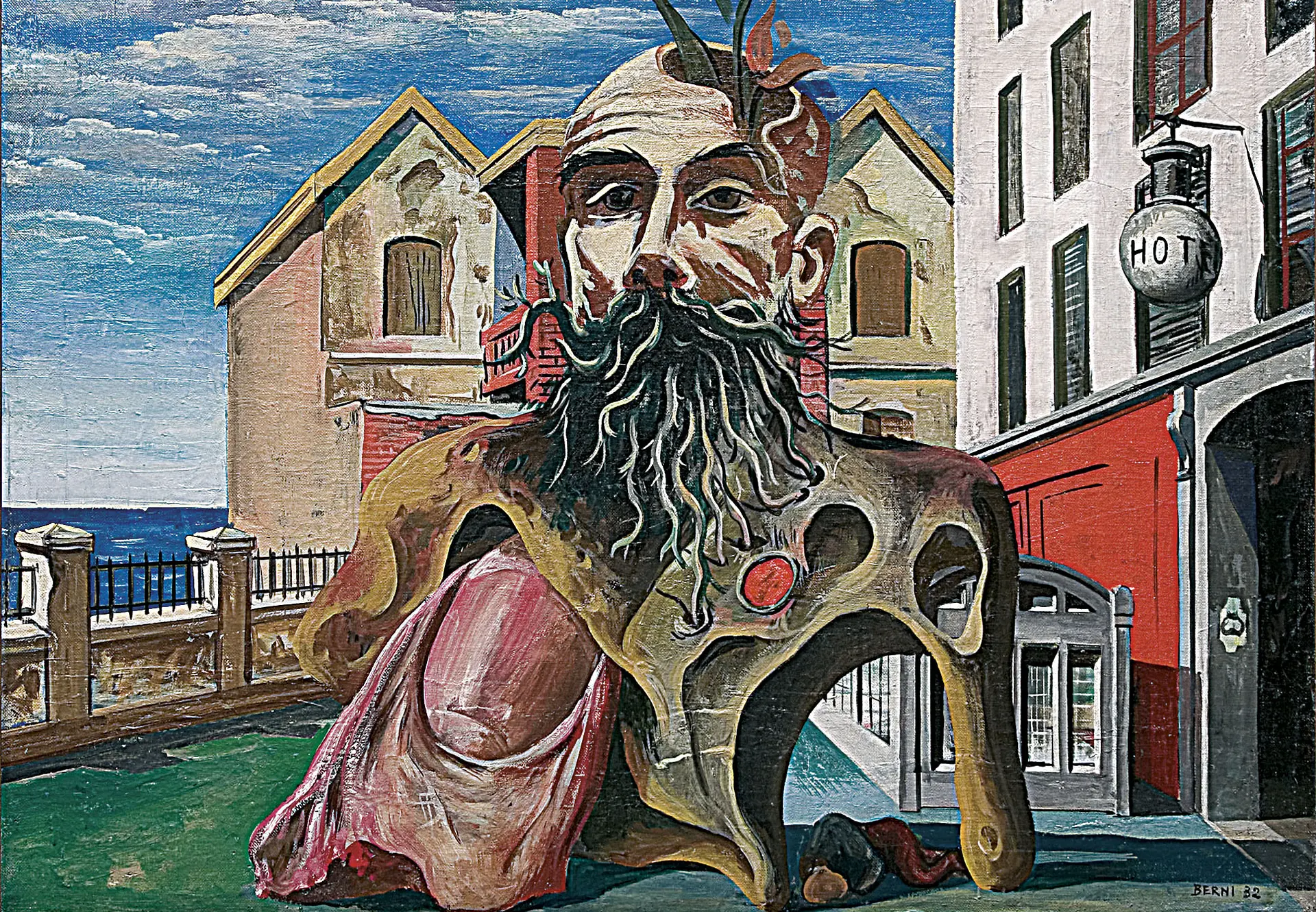
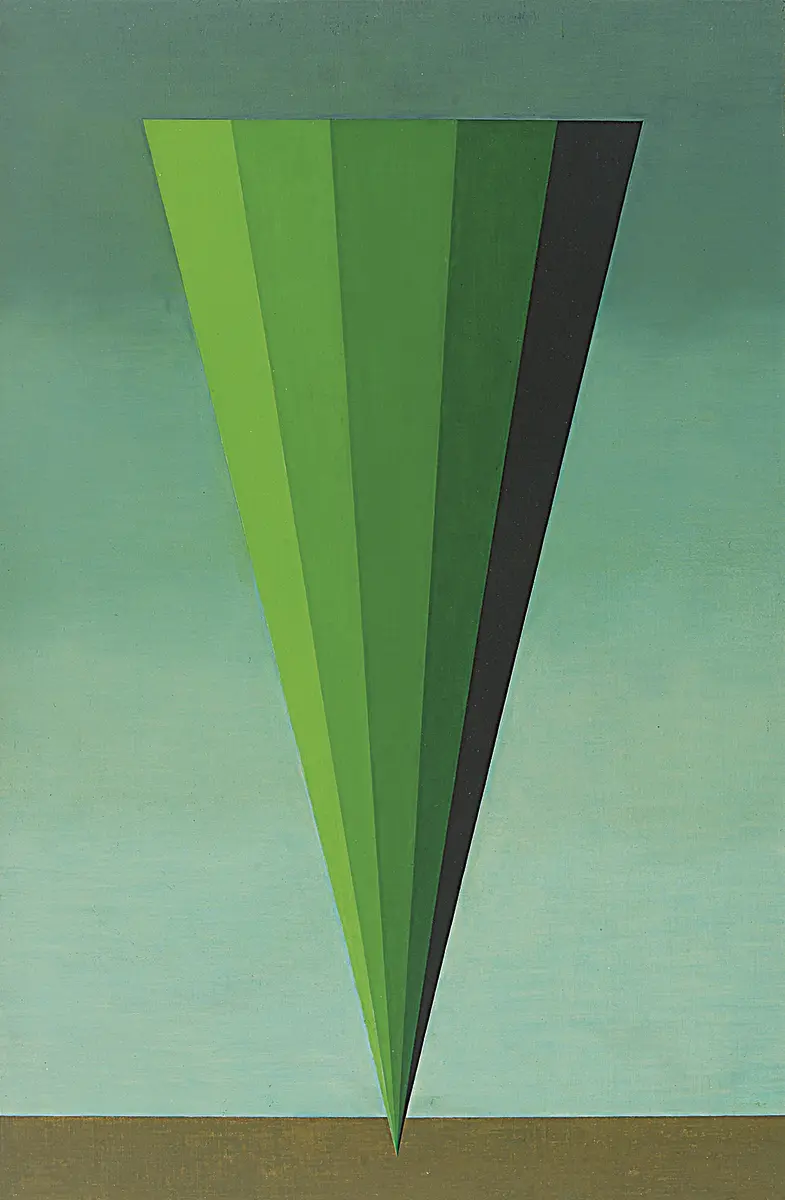
Jorge and Martín Castillo from Uruguay’s Sur gallery have also been present at the fair from the early days. Besides the exquisite works by masters like Joaquín Torres García and José Gurvich, this year they exhibited outstanding paintings by Antonio Berni and Alfredo Hlito, from Argentina, with musical, inspired metaphors of the visible.
Eight Brazilian galleries were sought for their presence at the fair: Baró Cruz, Casa Triángulo, Leme, Virgilio, Nara Roesler, Bergamín from São Paulo, the pioneering Thomas Cohn, and Murilo Castro from Belo Horizonte. With the consistent cooperation of the Brazilian embassy, the participation of these galleries consolidated the necessary cultural and economic alliance between the geographically close countries, Brazil and Argentina.
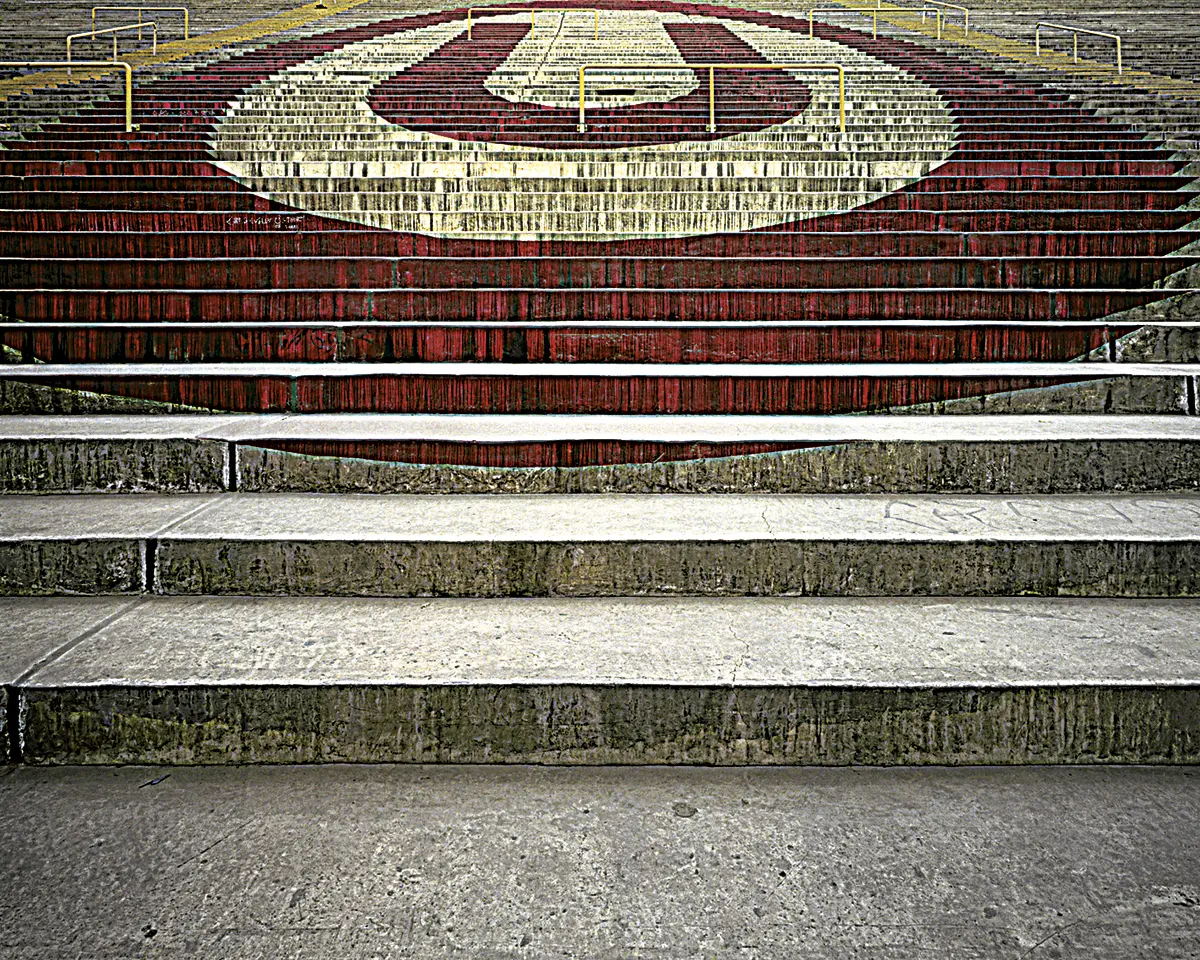
Similarly, it is important to note the Chilean presence of thirty-four artists (including Jorge Aceituno, Patricia Israel, Cristian Salineros, Paz Errázuriz, Pepe Guzmán, Nortón Maza, Karen Pazán, Rodrigo Opazo, Roberto Matta, Samy Benmayor, Tomás Rivas, and Iván Navarro) and six galleries: Matucana 100 and Galería Traschi in the Barrio Joven Chandon, and Animal, Artespacio, Espacio 1305, and Galería AFA. The last was devoted exclusively to photography and presented the work of Philippe Gruenberg with an outstanding series on sports arenas emptied of people. These galleries’ journey to Argentina had the support of the Chilean Foreign Relations Ministry, through ProChile, and the Cultural Affairs Directorate at the country’s chancellery. This was an important step because, although Argentina and Chile are neighbors, exchanges between their respective artistic scenes are rare due to the Andes Mountains in between them.
The Barrio Joven Chandon, with sixteen experimental galleries provoked great interest. It was an enriching and entertaining experience (“almost like having a small booth at a shopping mall”) for novice gallerists (mostly artists themselves), and it was an adventure for experienced collectors, who were the first to look at the available works in order to “fish” the newest talent. All of the spaces in this section sold many of their works, such as the local Appetite, Germina Campos, Jardín Oculto, and La Guarda, as well as Terreno Baldío from Mexico. Kiosco (from Bolivia) represented five artists: Douglas Rodrigo Rada (drawings and paintings), Roberto Unterlaedstatter (mixed-technique works), Alejandra Alarcón (watercolors), Alfredo Román (Pop Art objects) and Raquel Schwartz (plush and coat-like objects and accessories created using recording tape). At the Rosa Chancho space, adding yet another attraction to the roster of artistic incentives, the popular Venezuelan actress Catherine Fulop gave the Rosa Chancho Award for the Visual Arts—a parody of the big awards, presented with complete seriousness in front of 400 spectators—to Kuki Benski’s work quoted Berni’s fictional prostitute Ramona.
Slated for the youngest artists, the ArteBA-Petrobras Award section exhibited eight financed projects, from among 301 proposals received. Catalina León and Diego Bianchi won the award, but the area with selected finalists made it possible to discover other emerging artists, such as Adrián Villar Rojas, who explored “the territory of the intimate and the excessive” and created the immense, moving installation Pedazos de las personas que amamos; this work presented instants and objects of a life seen by someone on the verge of terminating it by his own hand.
Marina de Caro “visited” the pressroom with
soft sculptures and textile sculptures commissioned by the Proa Foundation, and
Margarita Paksa presented Ultra real
in the Faena Group’s space. This surprising multimedia installation won the F
Award 2006 with a project originally from 1967, executed this year by Leandro
Cairola. In the work, two women (dressed in black and white) played checkers in
real-time, and a third one acted out a metaphor for the passage of time. This
playful activity was also seen as a succession of films on a screen, which
followed the movement of the checker's pieces, emphasizing the duality of
pleasure and desolation, joy and violence. (The new call for the F Award 2007
is for art projects by artists from anywhere in Latin America, with an
international jury and generous financing. To apply, see www.lea-fgroup.com.)
VICTORIA VERLICHAK
Journalist and art critic.