
Reviews of contemporary art in Mexico have been characterized by
their lack of historical context or a view that provides a counterpoint to the
work of art. Alternative responses to institutional proposals or to the most
visible manifestations of artistic expression have been dismissed and, in some
instances, made invisible. This is why it has become necessary to provide a
critical recapitulation of current contemporary art in Mexico. The show La era
de la discrepancia (The Era of Discrepancy) was the answer to that overwhelming
need, to the valiant efforts of voices that found no echo, to a quiet yet
insistent clamor. The historical skin of an entire community resides in memory
and its expressions.
La era de la discrepancia: Arte y cultura en México, 1968-–1997 (The Era of Discrepancy: Art and Culture in México, 1968–1997) was a group show presented to the public as an interdisciplinary view, as a sinuous exploration between the margins of the institution and the limbo of “dissent.” It was not a homogeneous show. But in its heterogeneity one found tension between the objects that created a unique, previously inconceivable and naturally harmonious whole. The University Museum of Science and Art (MUCA) became a drifting ship, the key to dissidence. In the university museum, lacking the budgets and the bright lights of the big galleries and the artistic mainstream, one found the largest show of contemporary Mexican art ever seen in the country.
What made such a divergent and eclectic exhibition a cohesive whole, free from contingent gaps or ideological contradictions? Or what was the show’s strength, if not an overwhelming panorama of the contemporary art produced in Mexico in recent years? The answer was the curatorial effort. The selection of works and the curatorial direction, led by de Olivier Debroise, Pilar García de Germenos, Cuauhtémoc Medina, and Álvaro Vázquez Mantecón, did not place artists atop pedestals but rather within equitable contexts that gave the works meaning and a sense of belonging. The curators’ achievement was giving each work a unique character but also a role as a link in a greater chain. The one in favor of the collective—in a holistic view, individual names are irrelevant. The transcendence of the exhibition resided in this.
Without dismissing the individual works, or separating them from their contexts, the show’s greatest value was its narrative—“discontinuous, selective, episodic, interdisciplinary, and multiple”—of recent contemporary art. The curators said:
This is not a panoramic of all the currents and trends that emerged during these three decades, but it attempts to introduce transversal sections in order to highlight moments in which artists of different generations and from diverse cultural horizons sought to transform, formally or politically, the meaning of producing art. The show focuses on artists who dissent from traditional uses of art and are critical of their own practices, which drove them to question the legitimacy of traditional supports, the historical functions of art, and the abuse of iconography.
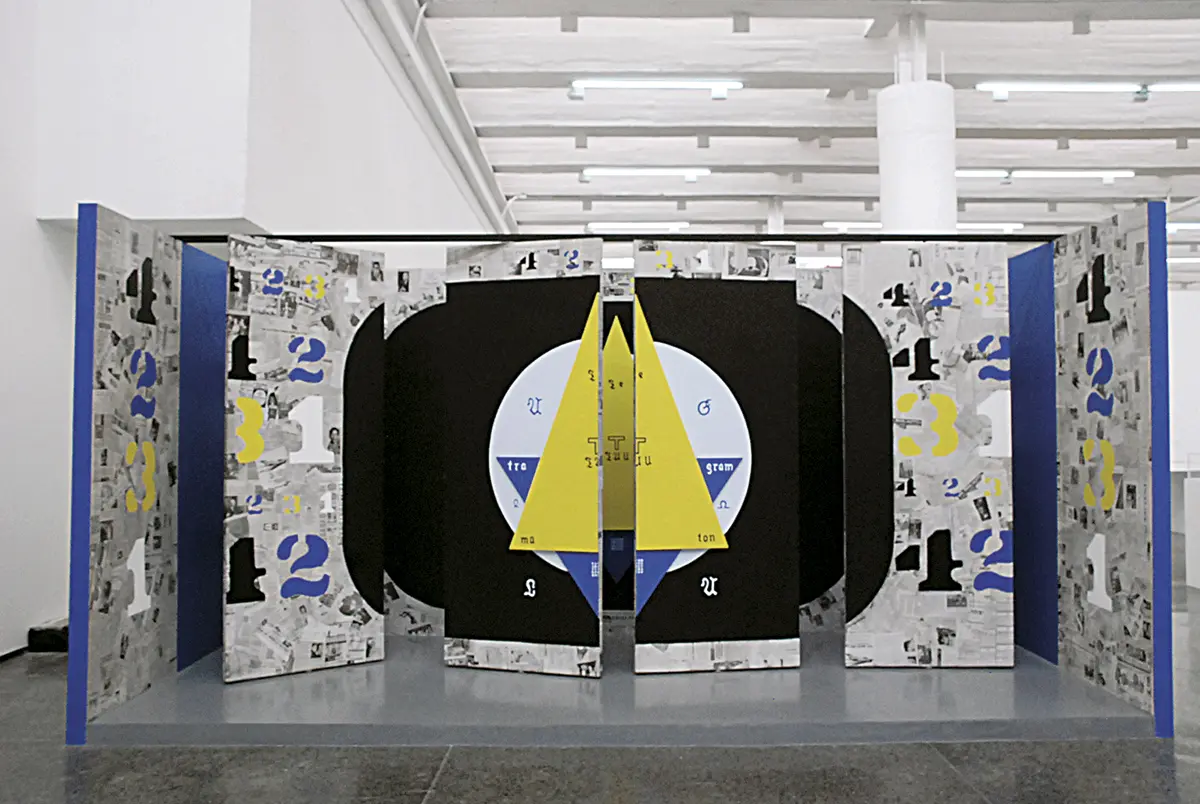
In dissent, the margins of the institution were exploded, and dissonance gloried in itself.
The show was organized into themes and created a dialog between them. Nine sections described affinities within a possible genealogy of contemporary art in Mexico. The sections were named Salón independiente (Independent Salon), Mundo pánico (World Panic), Sistemas (Systems), Márgenes conceptuales (Conceptual Margins), Estrategias urbanas (Urban Strategies), Insurgencias (Insurgencies), Identidad como utopia (Utopian Identity), La expulsión del paraíso (The Expulsion from Paradise), and Intemperie (Intemperence). Their force resided in the terse transition from one to the next: a succession of sins without penance.
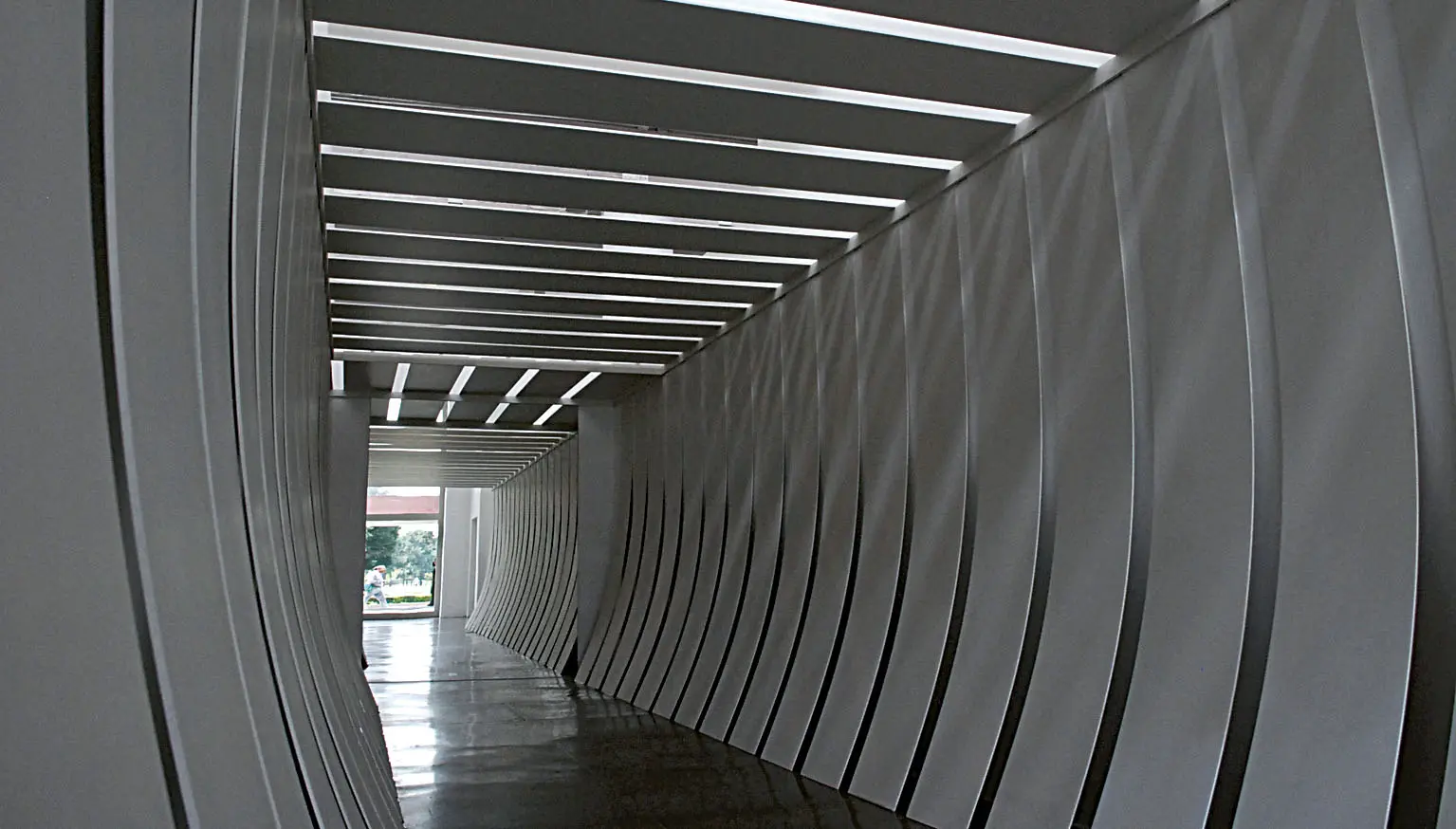
The first thematic section concerned an attempt at dissidence toward the institutional structure of art and a way to criticize and confront authority. In 1968, an association of artists reacted to the official imposition of the Salón Solar organized by INB (a convocation for artists to collaborate on a show for the 1968 Olympic Games). This group of artists included Vicente Rojo, Helen Escobedo, Alberto Gironella, and Manuel Felguérez and was known as the Salón Independiente. Among other works, there was a reconstruction of Escobedo’s White Corridor (1969, lacquered wood and cardboard), Arnaldo Coen’s Torso (1969, acrylic on fiberglass), and a copy of Marta Palau’s Alchemy Ambientation (1970, wood, newsprint, and vinyl paint).
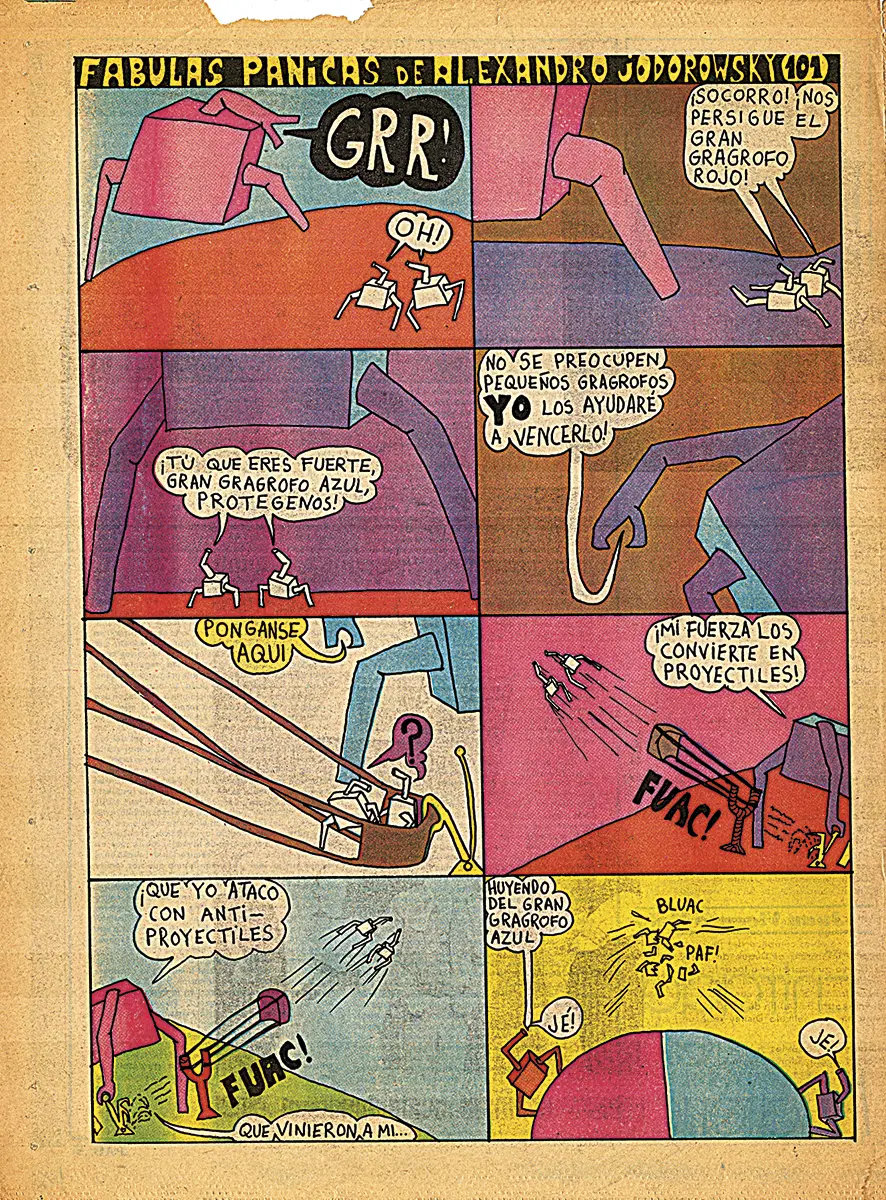
The section Mundo pánico was inspired by countercultural forms that were questioned when they were made in terms of their value as works of art. In particular, these were manifestations heralded by Alejandro Jodorowsky and his Movimiento Pánico founded in Paris in 1973. In the recent show at MUCA, one found works by Pedro Friedeberg (Tantric Pajamas, 1972, acrylic on paper on wood), Jodorowsky (Panic Fables 10, cultural supplement to El Heraldo de México, no. 184, March 18, 1969), and Gelsen Gas (Autogelsen, 1971, oil on canvas). There were also fragments of film, magazines, and drawings.
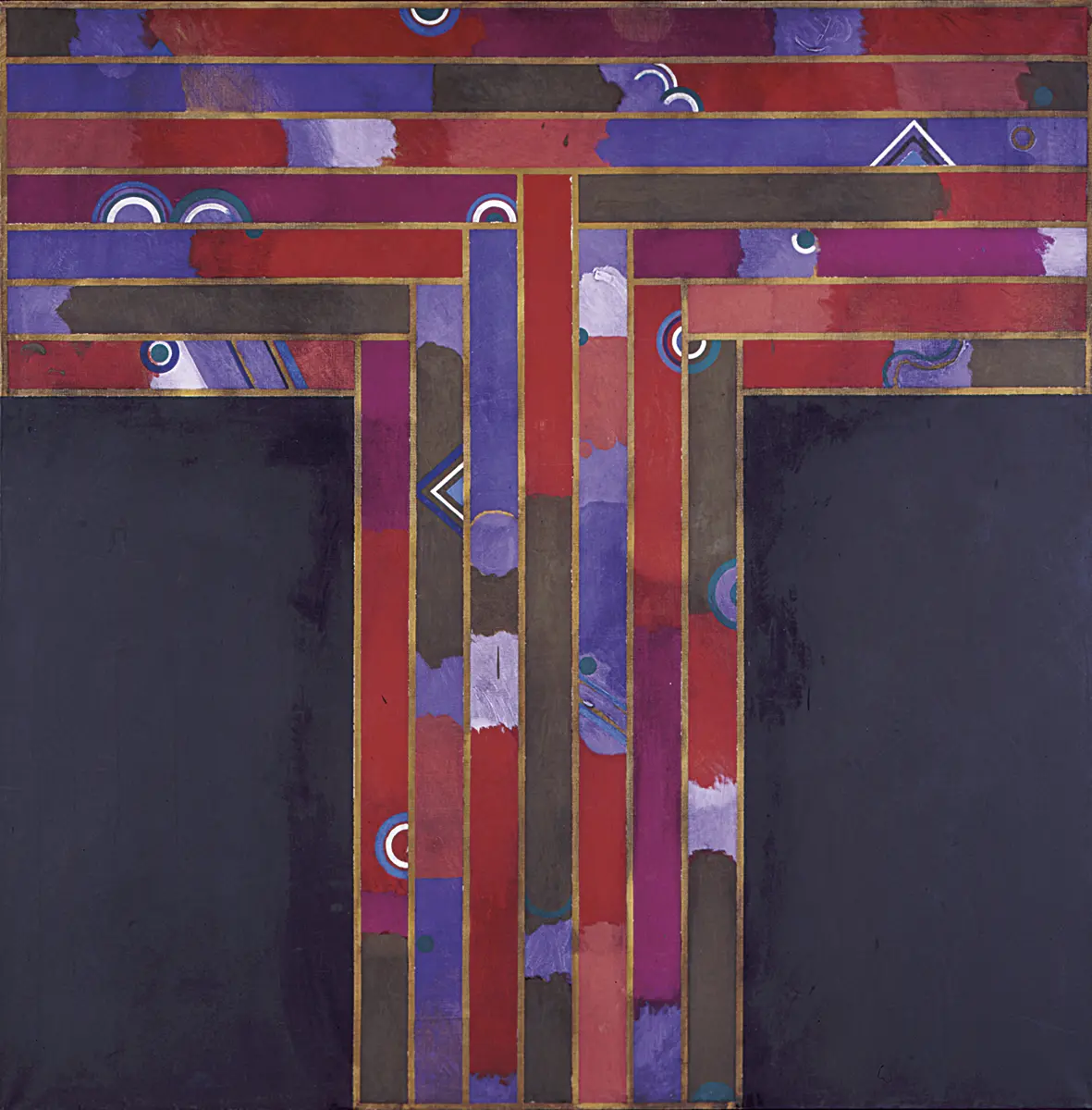
Systems suggested a re-reading of Mexican Geometrism developed in the late 1960s and early 1970s. This movement featured a significant level of experimentation, in many cases with series, and especially with the presence of other arts such as music and literature along with the visual. To this was added the evolution of cybernetic systems and the eventual use of emerging alternative media. Sistemas presented works by Vicente Rojo (Negación 1A, 1973, mixed technique on canvas), Kazuya Sakai (Aus Den Sieben Tagen [K. Stockhausen], 1976, diptych, acrylic on canvas), and Manuel Felguérez (The Energy of Point Zero, 1973, copper and polychromous iron), among others.
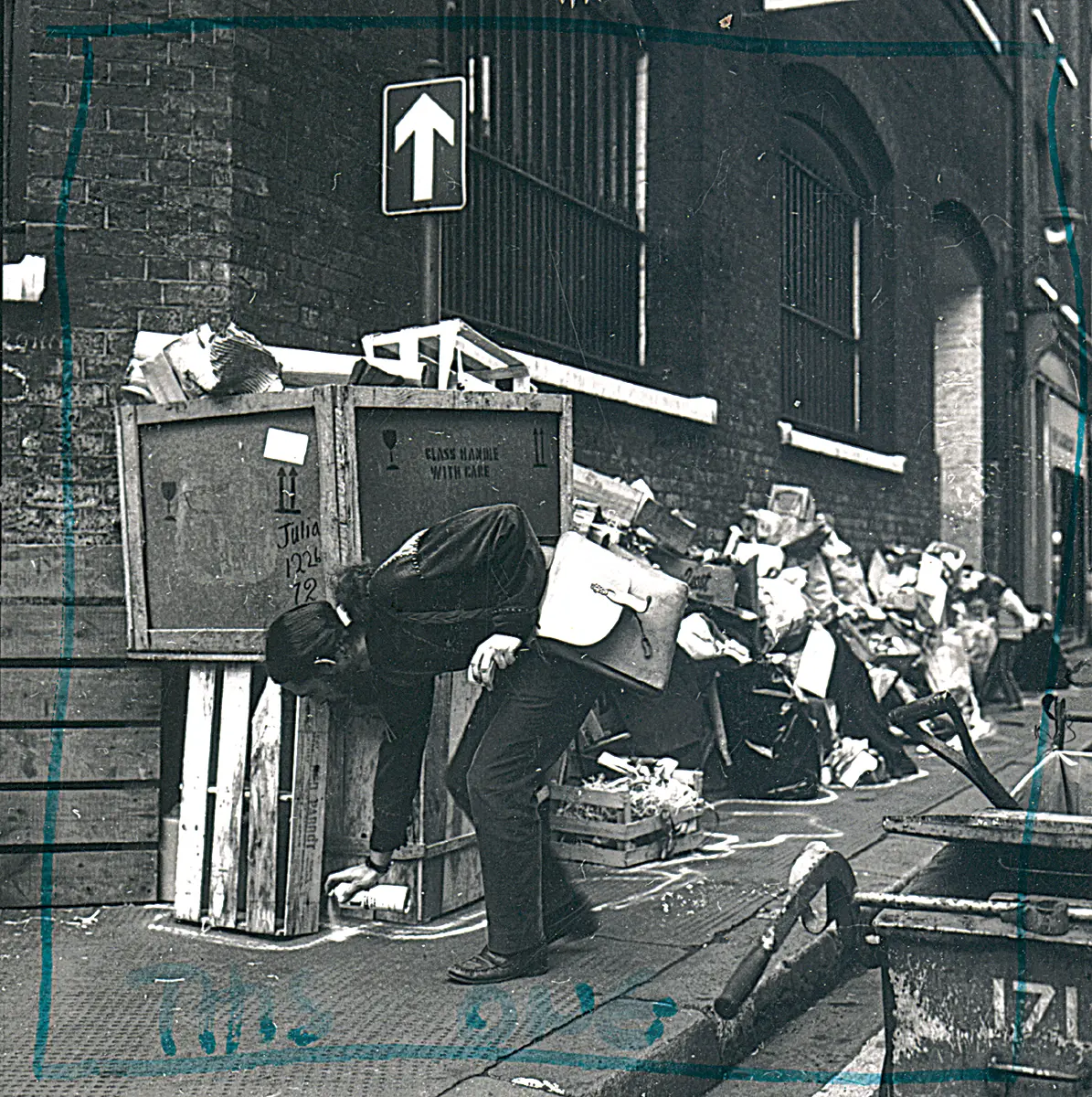
The fourth exhibition section, titled Márgenes conceptuales, included forms of non-objective art closely connected to the emergence of conceptualism. These artists shared the idea of creating works of art as means for activism. Some examples were the many series of book objects, as well as the work of Felipe Ehrenberg, Martha Hellion, and Ulises Carrión. One work that stood out was Ehrenberg’s photographic series Garbage walk (1971, documentation of action in London during a garbage strike, silver gelatin prints), as did Ulises Carrión’s The death of the art dealer (1982, digital video transfer of 16mm film, 19 min. 57 sec.).
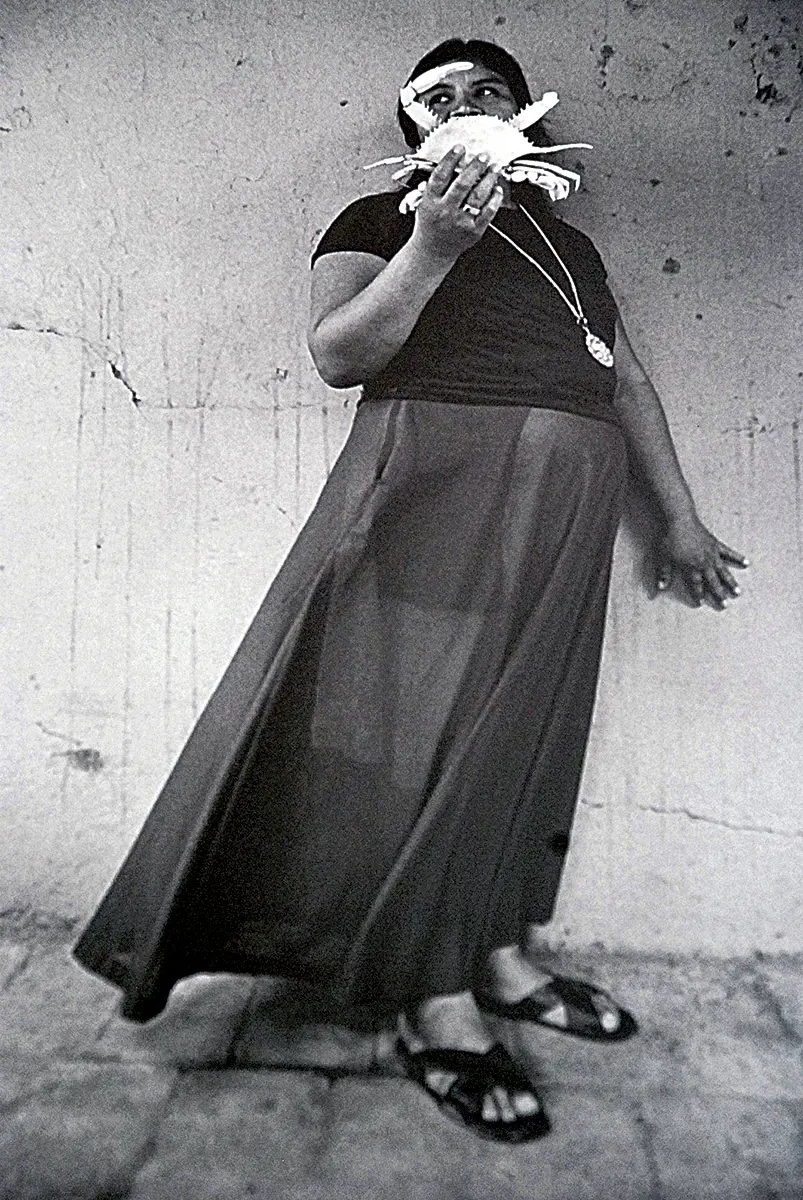
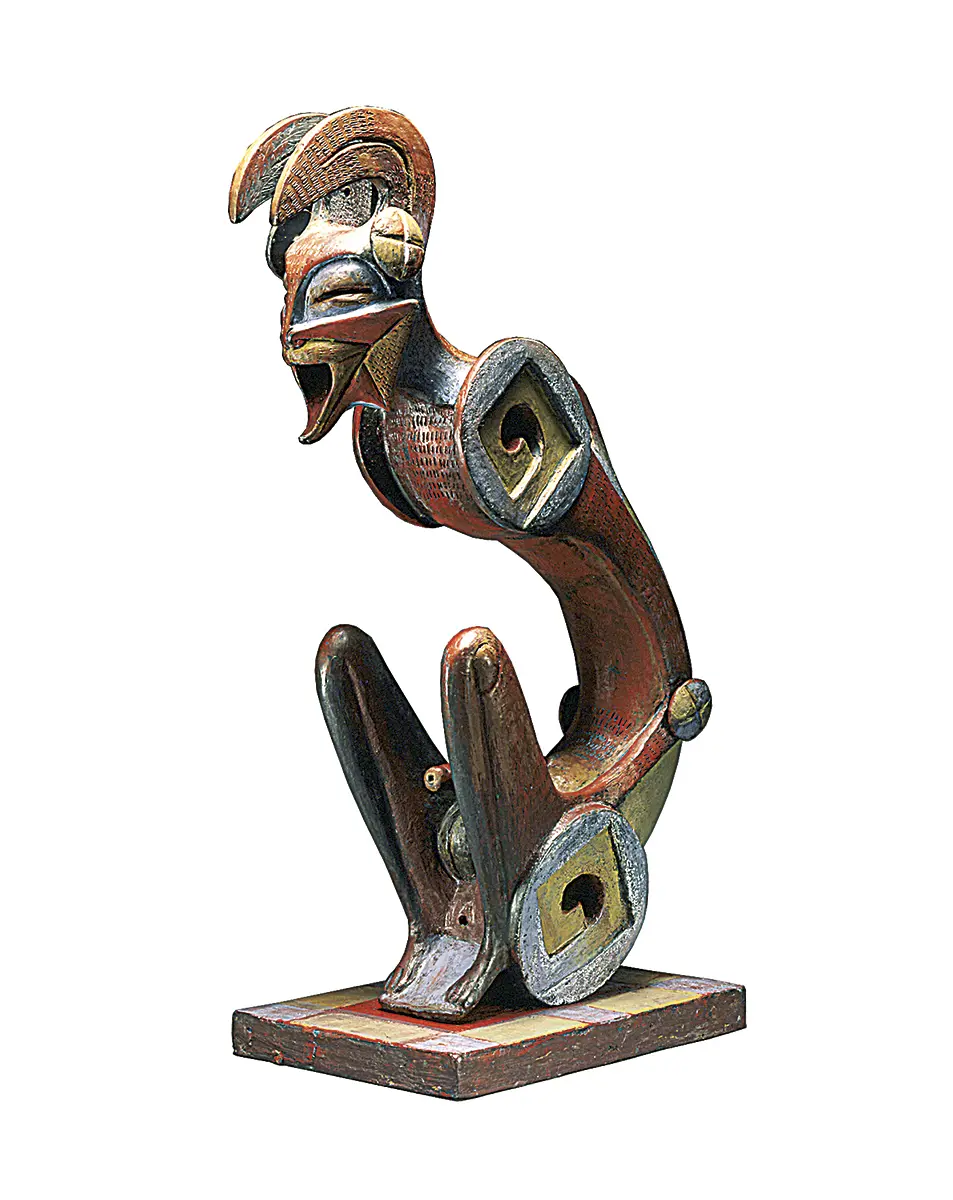
The sections Estrategias urbanas and Insurgencias comprised little-known manifestations of artistic expression. The former reviewed the public activism of art groups and their strategies for political participation in cultural practices to resist institutional restrictions. Here one found the work of collectives such as the Suma group (active 1972–76) with The Unemployed (1978, a print reproduction by Mario Rangel Faz based on original plans for an action at Mississippi and Reforma in Mexico City), the Março group (active 1979–1982) with Urban Poem (July 15th 1979, Polaroid documentation), and the No group (active 1977–1983) with Prodigious Son (digital video transfer of three-hour Super-8 film). Insurgencias restated the importance of documentary photography as a necessary approach that broadened artistic creation and that the role and the work of the artist was not alien to the immediate situation built on new and tragic contexts. The section included recovered images both of the guerilla war in Central America and of social activists of so-called minorities (of different sexual identities, indigenous groups, etc.). For example, one saw Francisco Toledo’s unsettling The Bunny That Sat Down to Tell His Life (1983–88, bronze and encaustic), Andrés Garay’s photographic work (Sin título, Lázaro Cárdenas Central Axis, Mexico City, silver gelatin print), and plaques by Graciela Iturbide (Crab Woman, Juchitán, Oaxaca, 1985, silver gelatin print).
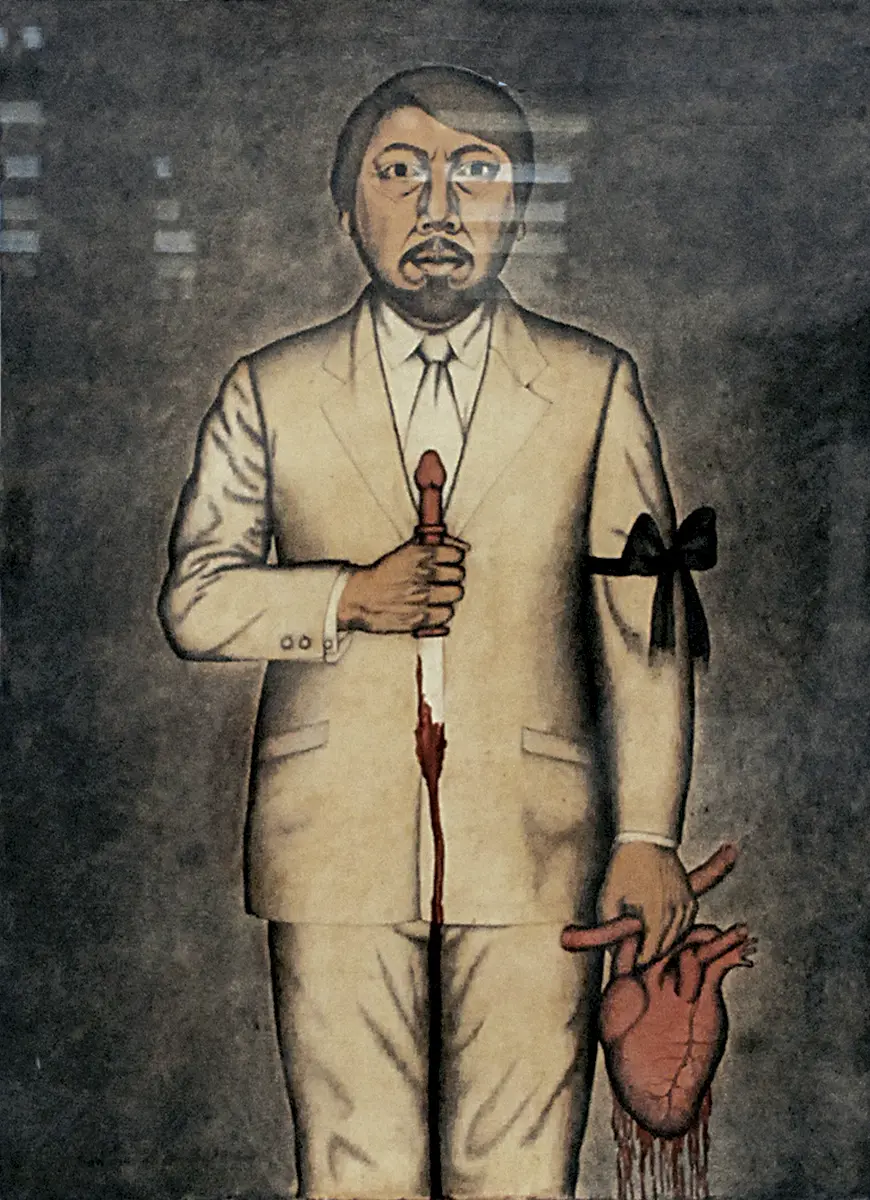
The section titled Identidad como utopia was perhaps the most critical from an ideological standpoint. These works suggested a broad and insistent reflection on the transformations of the labor of art and the crumbling of Mexican myths such as nationalism. In the 1980s, many artists posited the crisis of modernity and a severe and forceful critique of the idea of national identity; also, this era was characterized by the growing emergence of gay and feminist groups. Thus, the body was the site of symbolic strategy during this period, one very aware of Foucault’s construction of the body and of how the processes of cultural resistance are intertwined with a discourse of power. In this period, social fragmentation based on overwhelming symbolic moments (such as the 1985 earthquake), barefaced mocking of national symbols, and distorted and playful allusions to the pre-Columbian past was ever-present. Exhibited in this section were works by Rubén Ortiz Torres (The End of Modernism, 1986, acrylic on canvas), Ulf Rollof (Untitled, from the series 19.9.85, 1985, six of the work’s thirty-eight photographs, audio 12 min. 37 sec.), Pola Weiss (Cosmic Flower, 1977, digital video transfer of analog video), Adolfo Patiño “Adolfotógrafo” (Portrait in Life and Death: Self/portrait as Xipe-Totec and Self-portrait at Mictlán, 1985–86, wooden boxes with objects), Nahum B. Zenil (Murderer, 1989, mixed technique on paper), and Javier de la Garza (Cuauhtémoc, 1986, acrylic on paper on canvas).
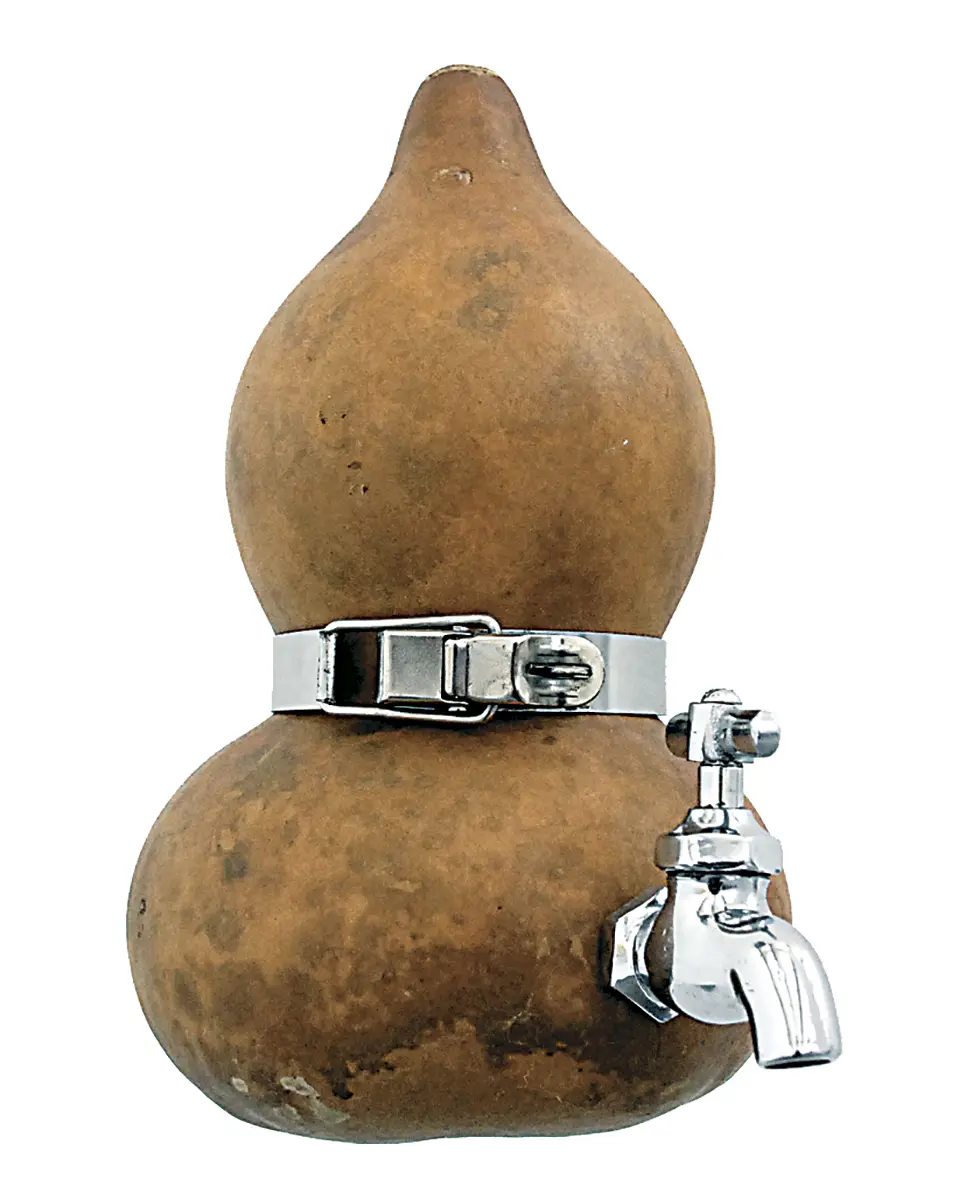
The last two sections included works from the 1990s. The title “La expulsión del paraíso” was inspired by a work by Silvia Gruner (Exile from Paradise, 1993, adaptation of an installation at the old Tepoztlán convent; soap, tepalcates, sugar, cloth, wood, hair) and expressed a moment of confluence in which many artists from other countries settled in Mexico, such as Cubans, Brazilians, and Americans. It was the moment of the critique of universalism, based on the rise of post-colonial theory. In addition to Gruner’s installation, there were also works by Gerardo Sutes (Tonolámatl, from the series Códices, 1991, carbon on cotton paper reprint) and Jimmie Durham (Cortés, 1991–92, cottonwood, polyester, metal, watercolor), among others. The last part of the exhibition titled Intemperie explored the displacement of artistic creation by other means of expression; a mimetic process occurred between place and work—an art dense with possibilities and capable of going beyond aesthetic convictions. From this, experimental sites emerged, such as La Quiñonera, Temístocles 44, or La panadería, which appeared in the context of the insurrection of the Zapatista National Liberation Army (EZLN.) Exhibited here were works by Thomas Glassford (Fountain, 1990, gouache and chromed water tap), Melanie Smith (Fluxus, ca. 1991, plastic, rubber, and metal), Eduardo Abaroa (Red Portable Obelisc [for mobile markets], 1991–93, metal, plastic canvas, documentary material), and Carlos Amorales (Interior vs. Exterior, 1997–2003, 46-piece C-print polyptych).
The title of the exhibition was taken from a speech by Javier Barros Serra, President of UNAM in 1969, one year after the Tlatelolco student massacre: “Long live dissent!” In that vein, this show, with more than 300 works, was not only a critical summation of contemporary art in Mexico but also an insistence on the fact that artistic expressions cannot be isolated from the vicissitudes of public life.
CARLOS ANTONIO DE LA SIERRA
Writer and literate.