
Despite problems that arose from its relocation, Mexico Contemporary Art Fair (MACO) proved that the local market continues to ascend and that sooner or later Mexican art will be incorporated into the global, avant-garde art instituted and legitimized by the marketplace.
MACO was held this year in a regrettable location, an unfinished building in the residential part of western Mexico City, one of the capital’s most posh areas. Despite the oppressive heat, the dust, and the lack of air conditioning and parking, more than five thousand people packed into the two underground levels on opening night in order to learn what was happening in Mexican art and, to a lesser extent, in the international art world as well.
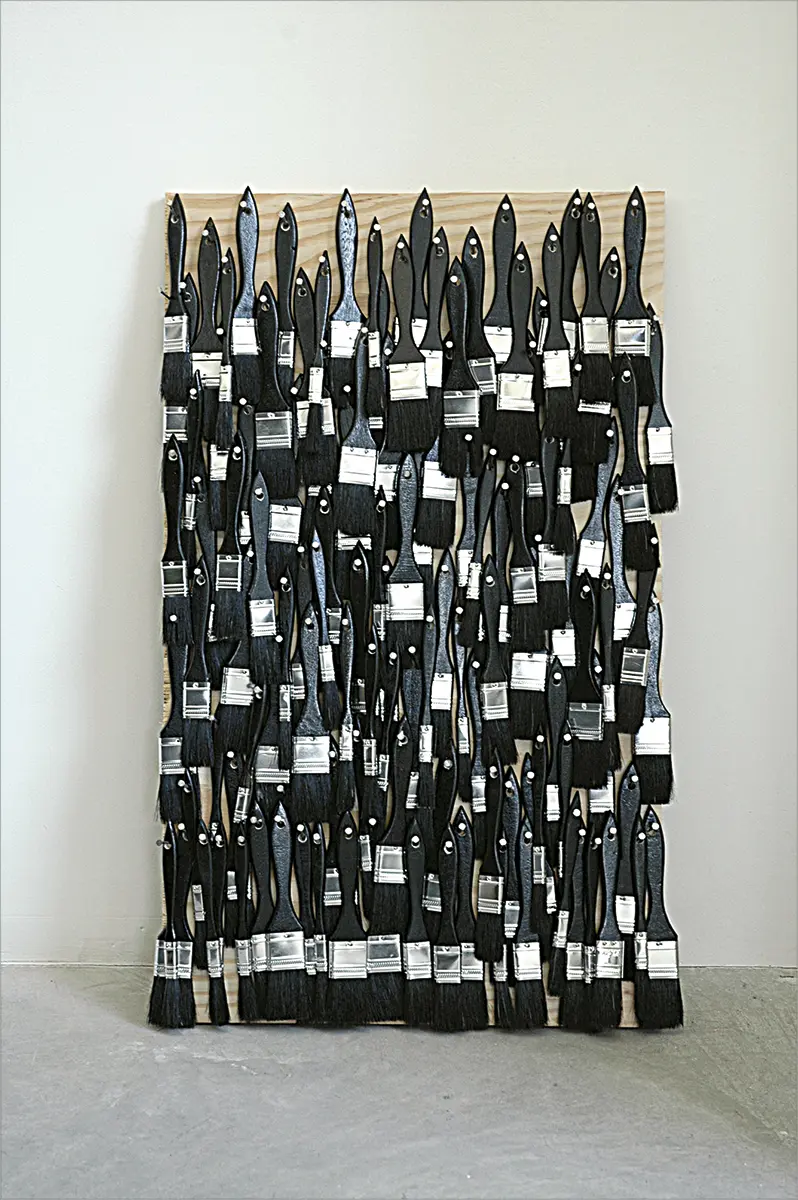
The fair was divided into two sections. The
first section, on the upper level, was devoted to emerging galleries. Therefor
the first time were Mexican galleries like Charro Negro and La Refaccionaria.
The Estación, from the northern state of Chihuahua, consolidated its position
in this fair, its third appearance at MACO. Rocío Infestas, an artist and the
gallery’s co-director, did a great job selecting and presenting recent
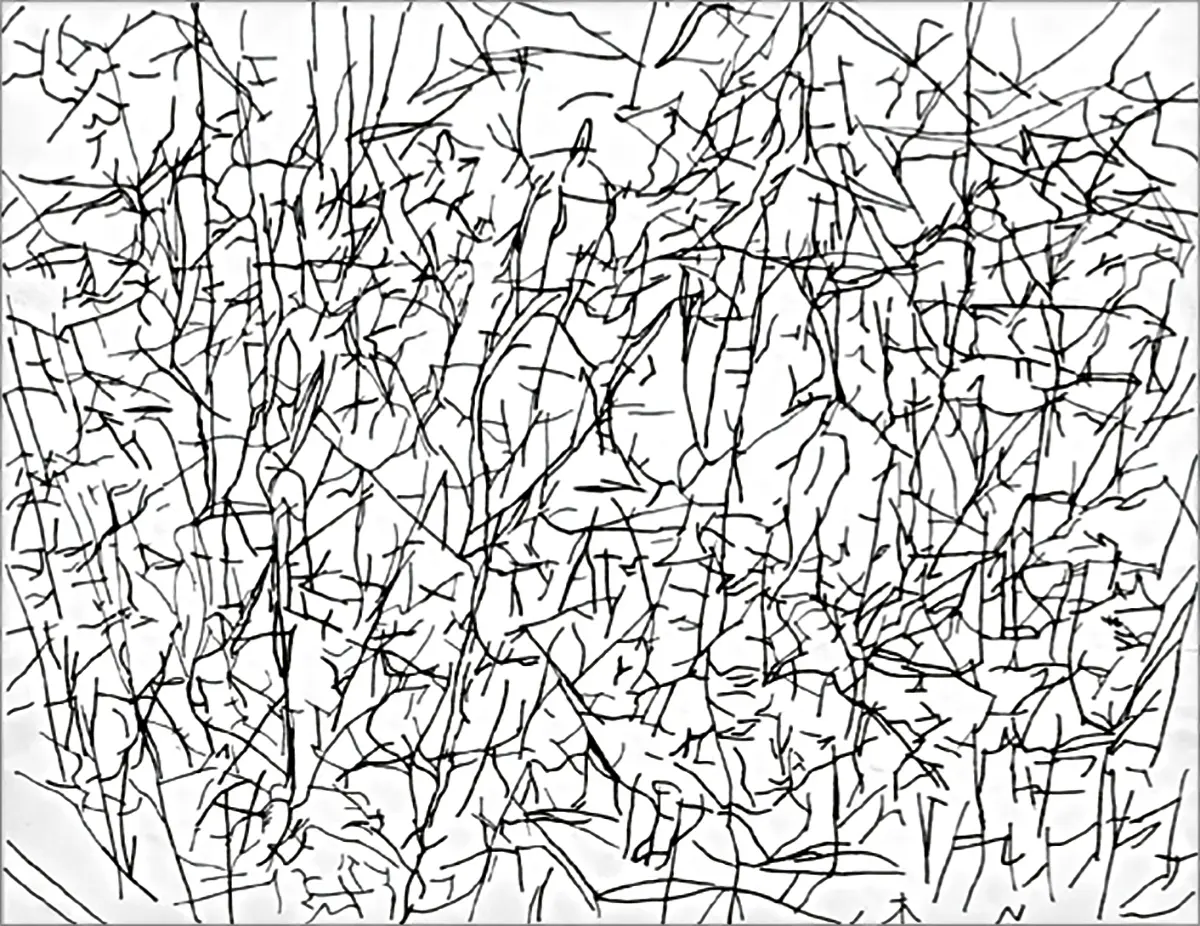
graduates from the La Esmeralda art school. Aníbal Catalán’s paintings
resembling architectural perspectives were especially interesting for their
mixture of styles and the use of painting in combination with drawing software.
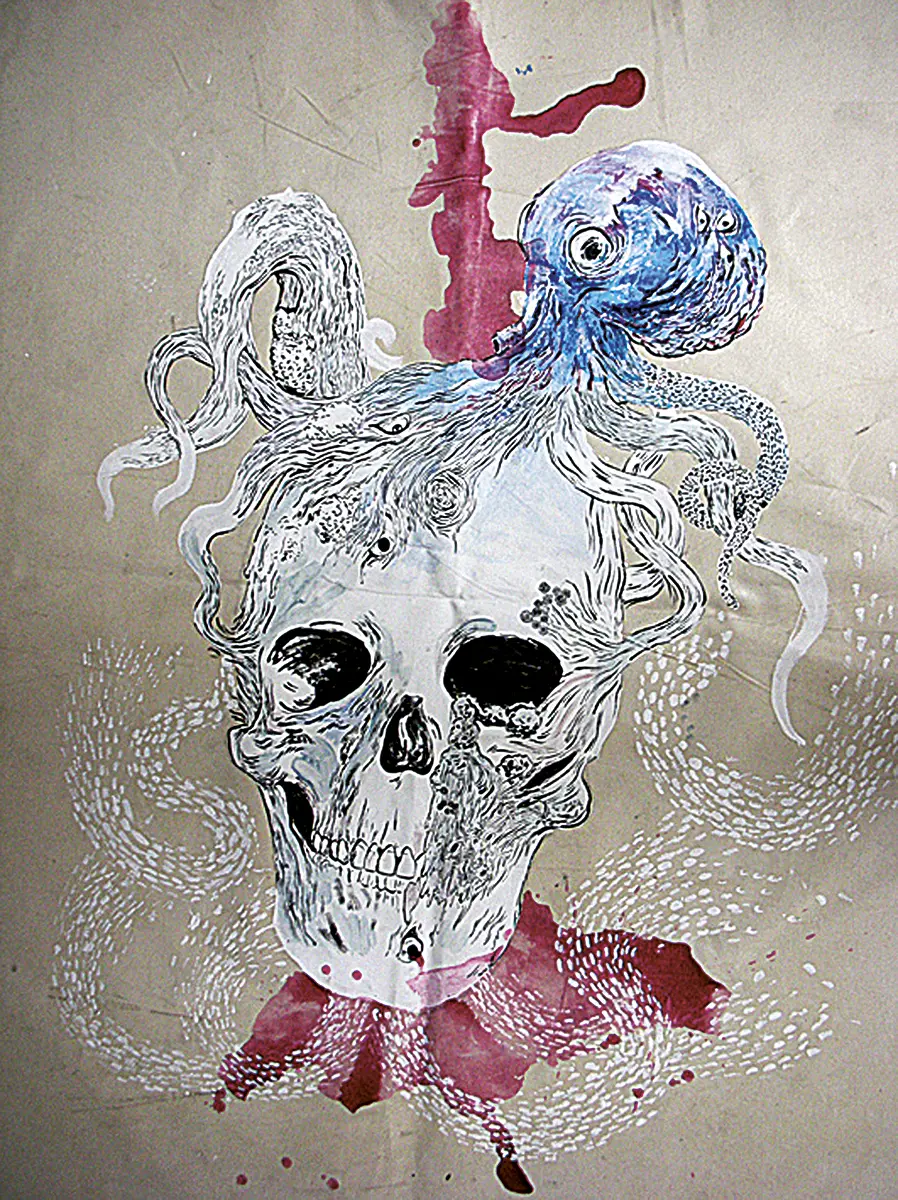
Proyectos Monclova, a new Mexico City
gallery, presented drawings by the Fierro group, young artists collective
that summarize the aesthetics of current art. Alejandro García presented
ceramic sculptures and drawings inspired by the Star Wars saga, reflecting an interest in incorporating film
iconography into art.
Elizabeth Díaz, another new gallery that is
beginning to make its mark, presented works by two young artists: Renato Garza
and Joaquín Segura. Both have entered the professional realm with highly
eclectic and ironic work, such as the effigy of the critic Cuauhtémoc Medina
transformed into a plaster Buddha and sold as figurines and keychain fobs.
Garza also presented a number of photographs representing homeless street
people with holes cut out where viewers could insert their own faces.
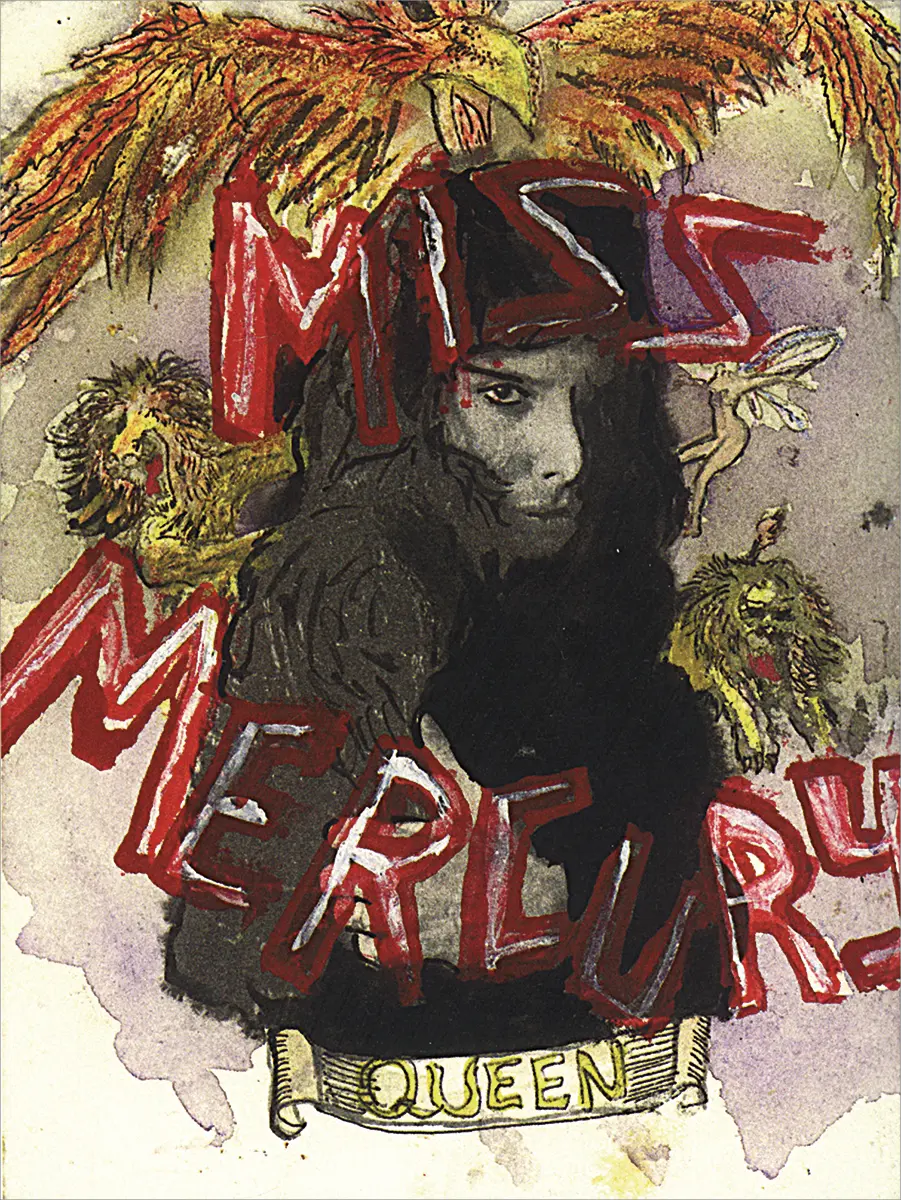
One surprise was the presence of Gerardo
Contreras, one of the most versatile Mexican art promoters in the 1990s, who
returned with Pyner-Contreras, a nomadic gallery that presents exhibitions by
well-known artists in temporary locations; the works presented at MACO included
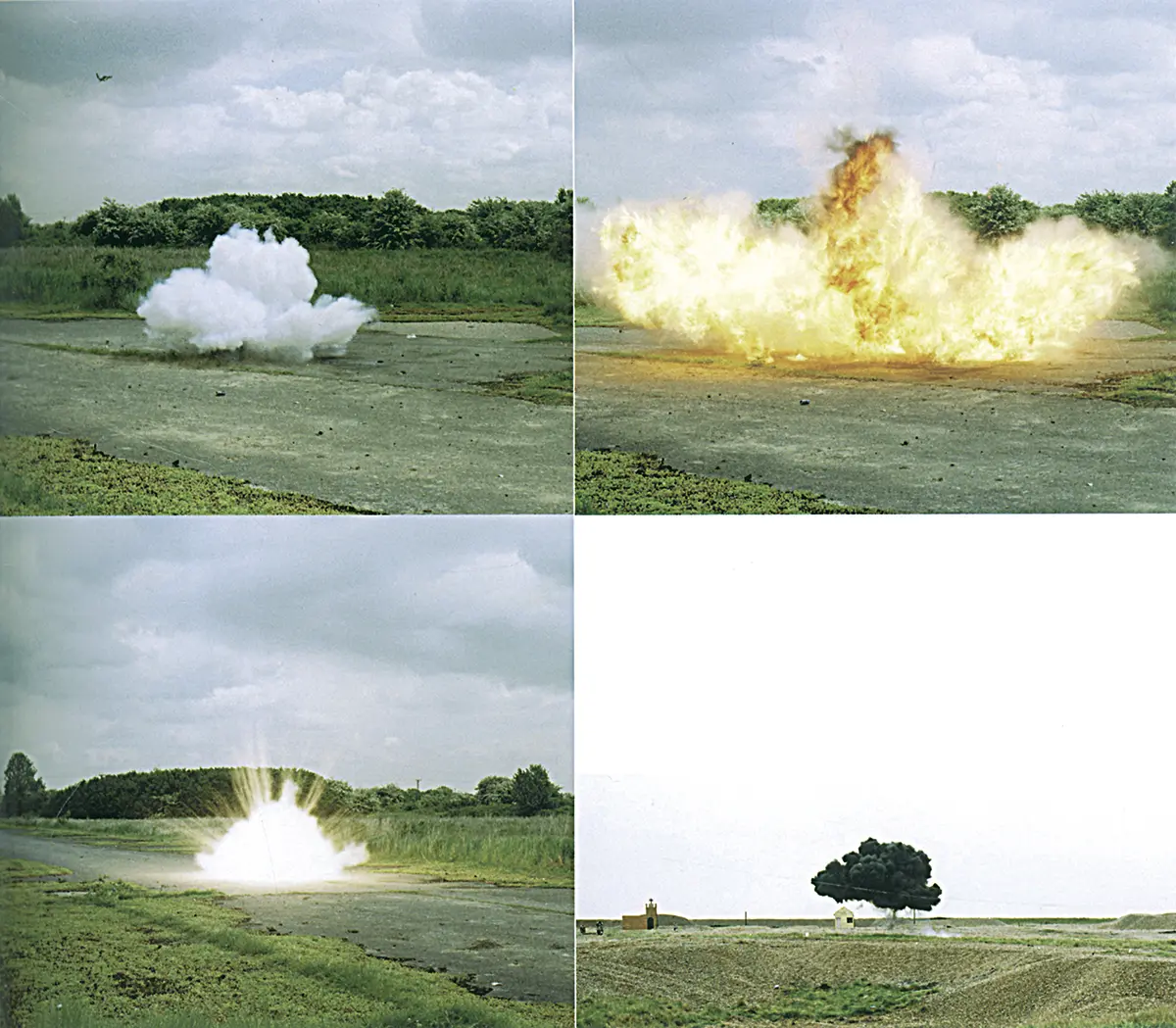
the British artist Sarah Pickering’s photographic simulations and the
Mexico-based Argentinean artist Máximo González’s recycled objects and images.
The other surprise was Bejamín Díaz, known in the 1980s for presenting the
vanguard of Mexican art in his gallery. He has reappeared in Toronto as Díaz
Contemporary, with equally risky proposals, like Ricardo Rendón’s process
objects and Georgina Bringas’s video installations, which worked along more
post-conceptual and less iconographic lines, differing greatly from Mexico’s most
recent artistic trends.
On the second level, where there were larger
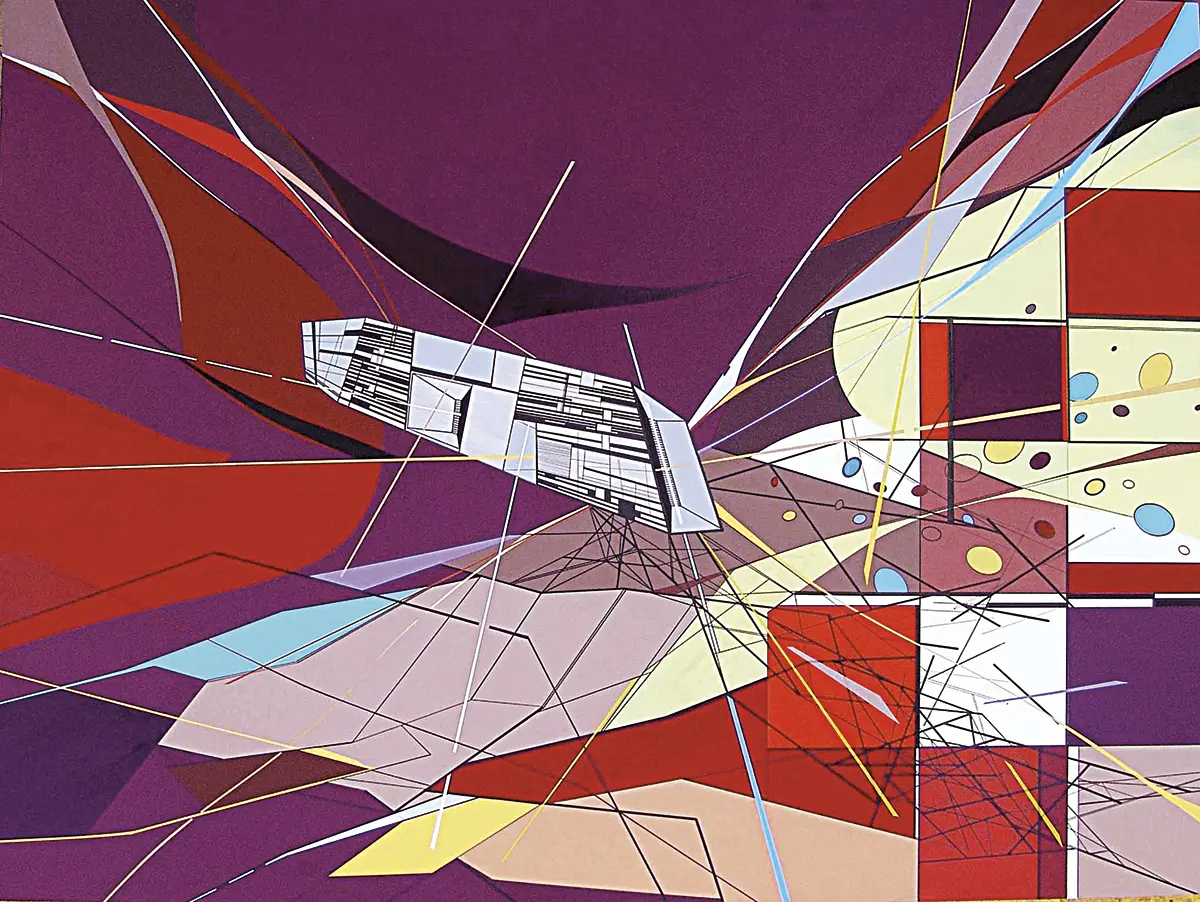
exhibition spaces, one standout was Myto Gallery, specifically the proposal
presented by Ariel Orozco, a selection of recent photographs that document
performances in Cuba and France. In a short time, Orozco has gained a
respectable place in the Latin American art scene with works that reflect how
his provocative, autobiographical proposal has matured. The documentation
showed his actions in the streets of Mexico and Havana, where he switched
clothes with passers-by in order to become a man without a fixed identity, a
feature of our times.
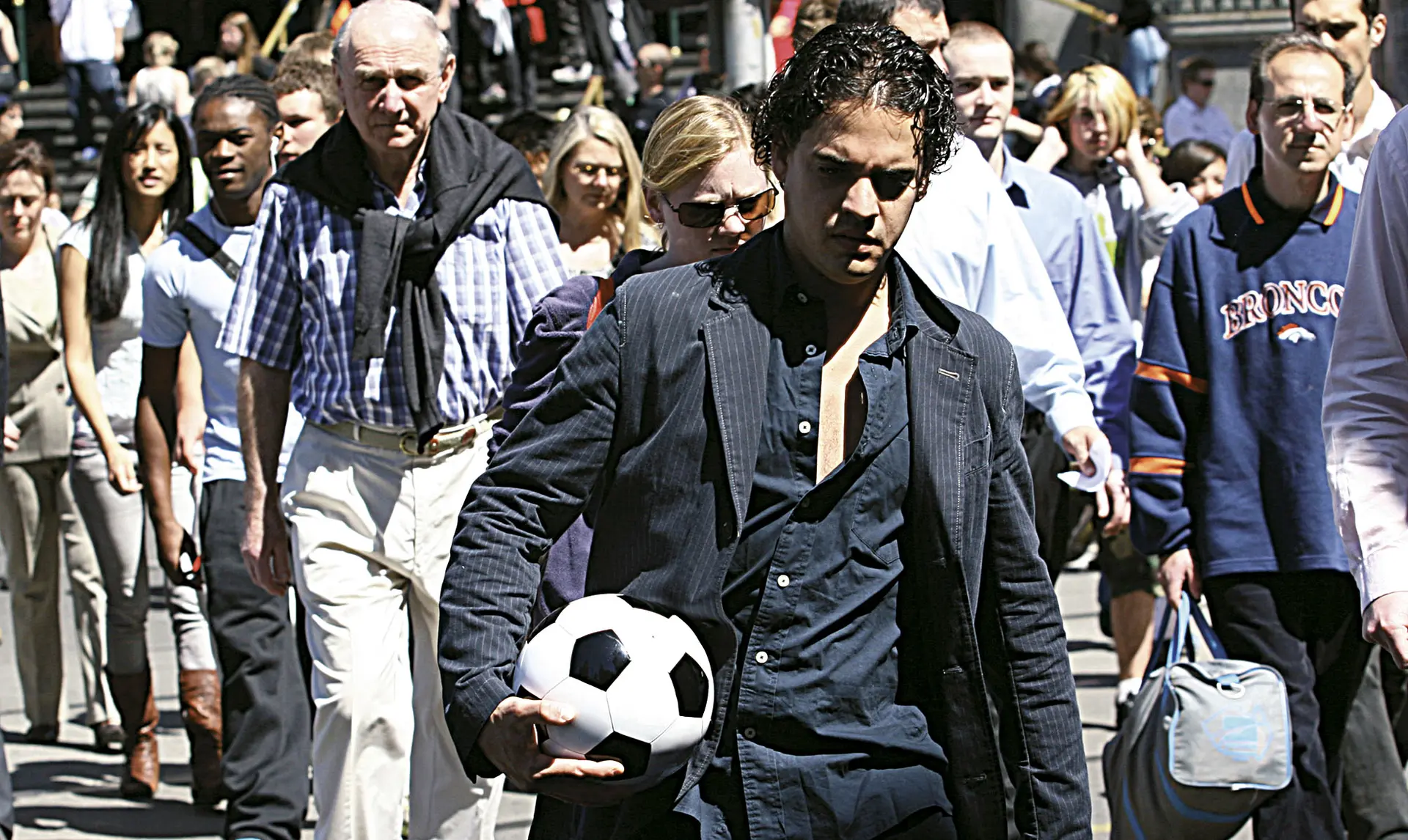
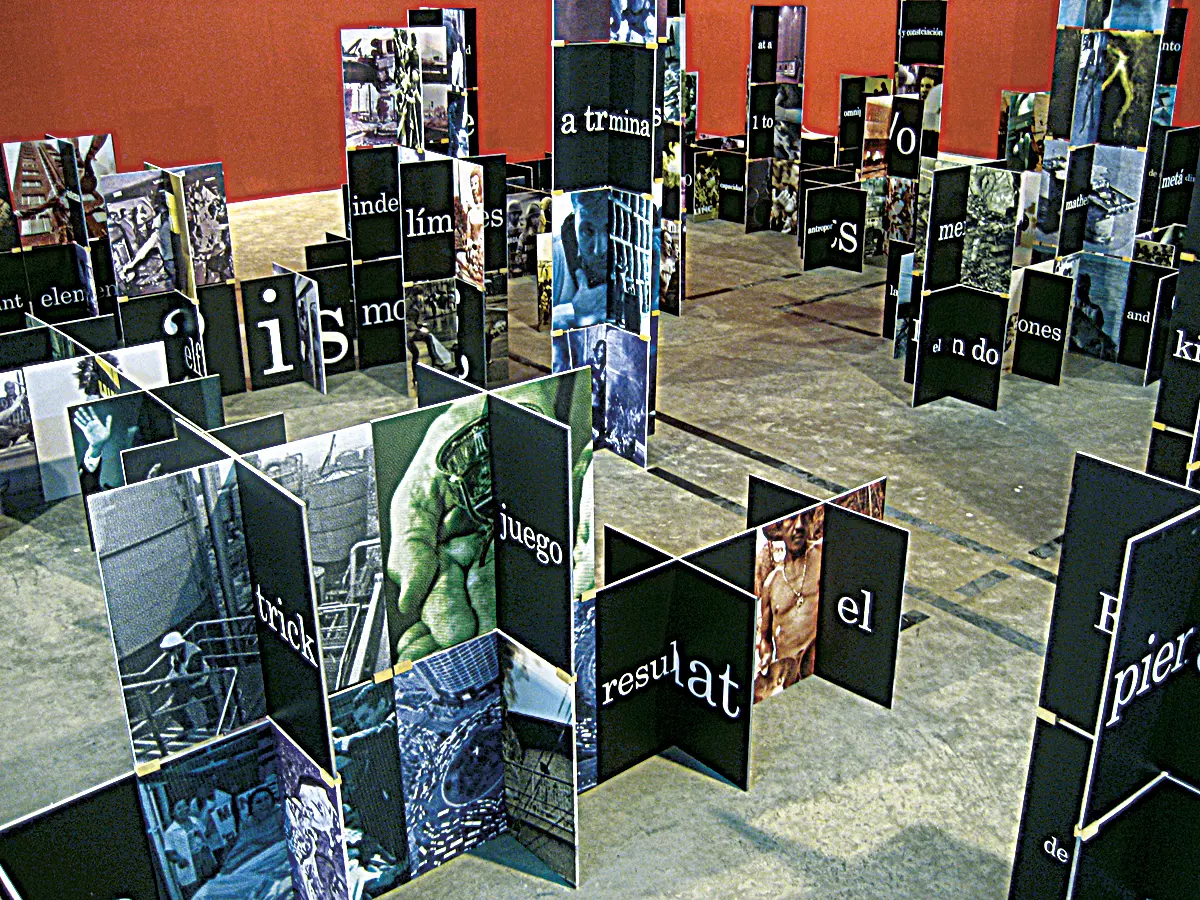
Erik Beltrán was present at OMR Gallery with
a large installation that was constructivist in form, combining photographs and
texts culled from the media to reveal how interpretations of reality are
constructed. The texts were mounted on a structure of small panels composed
according to the logic of Legos or a game of Scrabble, in which images and the
mechanisms of semantics were confronted.
Luis Adelantado Gallery (Valencia and Miami) presented one of the fair’s most eclectic booths, including works by Marcos Castro, a new Mexican artist who has quickly gained notoriety for his skilled draftsmanship and implied themes of nature, disasters, and animal life. The another notable artist in this gallery was Emilio Valdés, who also uses an expressionistic drawing style to reveal aspects of pornography and desire with a touch of humor.
The number of visitors and galleries, as well as the sales recorded at MACO reflected a surprising level of growth in supply and demand, despite the recession currently affecting the local economy. Despite its logistical problems and its nomadic location, this fair still proved to be one of the most attractive events for the region’s contemporary art. It demonstrated that the presentations by local and regional galleries found a response from a new generation of collectors guided by fashion and those who seek out new talent for investment.
JOSÉ MANUEL SPRINGER
Artist and writer. He lives in Mexico.