
BaleLatîna
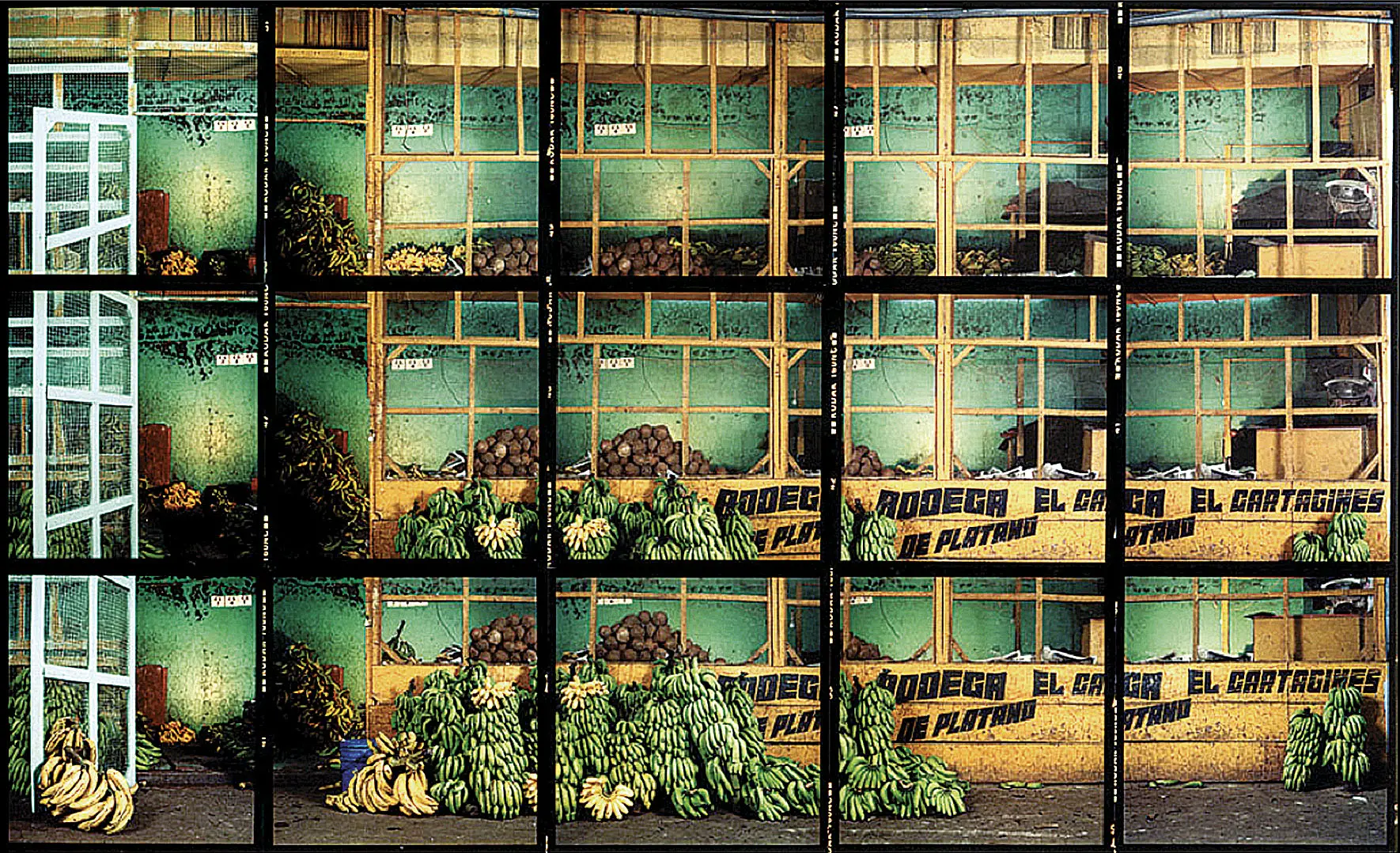
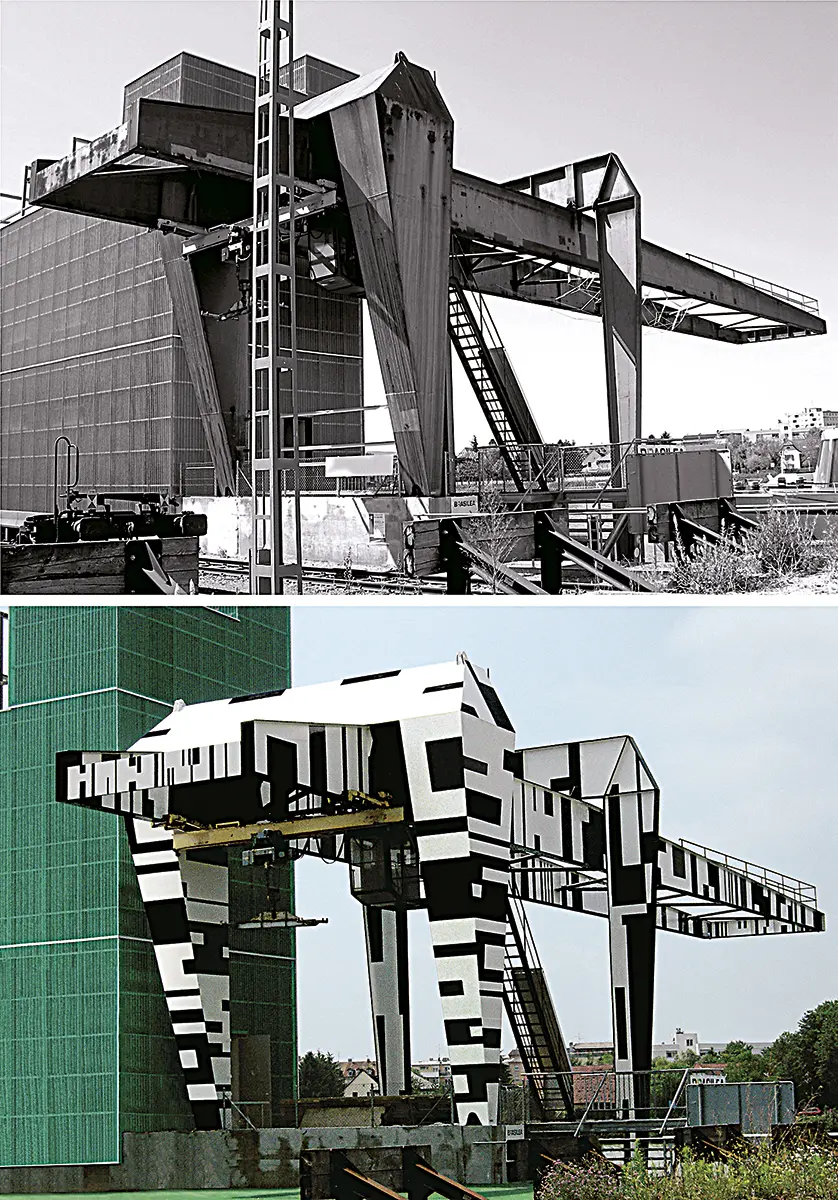
For the second consecutive year, the BaleLatîna fair opened its doors overlooking the Rhine at the port side building of the Brasilea Foundation; the bridge featured an intervention this year by the Mexican artist Raymundo Sesma. With the presence of over forty galleries from Mexico, Argentina, Brazil, France, Portugal, the United States, Italy, and Spain, among others, and 110 artists selected by the curator Osvaldo Sánchez and a committee composed of Marilia Razuk (Marilia Razuk Gallery, São Paulo), Margarita Sánchez (Distrito Cuatro Space, Spain), and Genaro Ambrosino (Ambrosino Gallery, Miami), along with Ruth Estévez as Artistic Director, the fair presented interesting proposals in terms of exploring both classic figures and promising emerging artists in Latin American contemporary art.
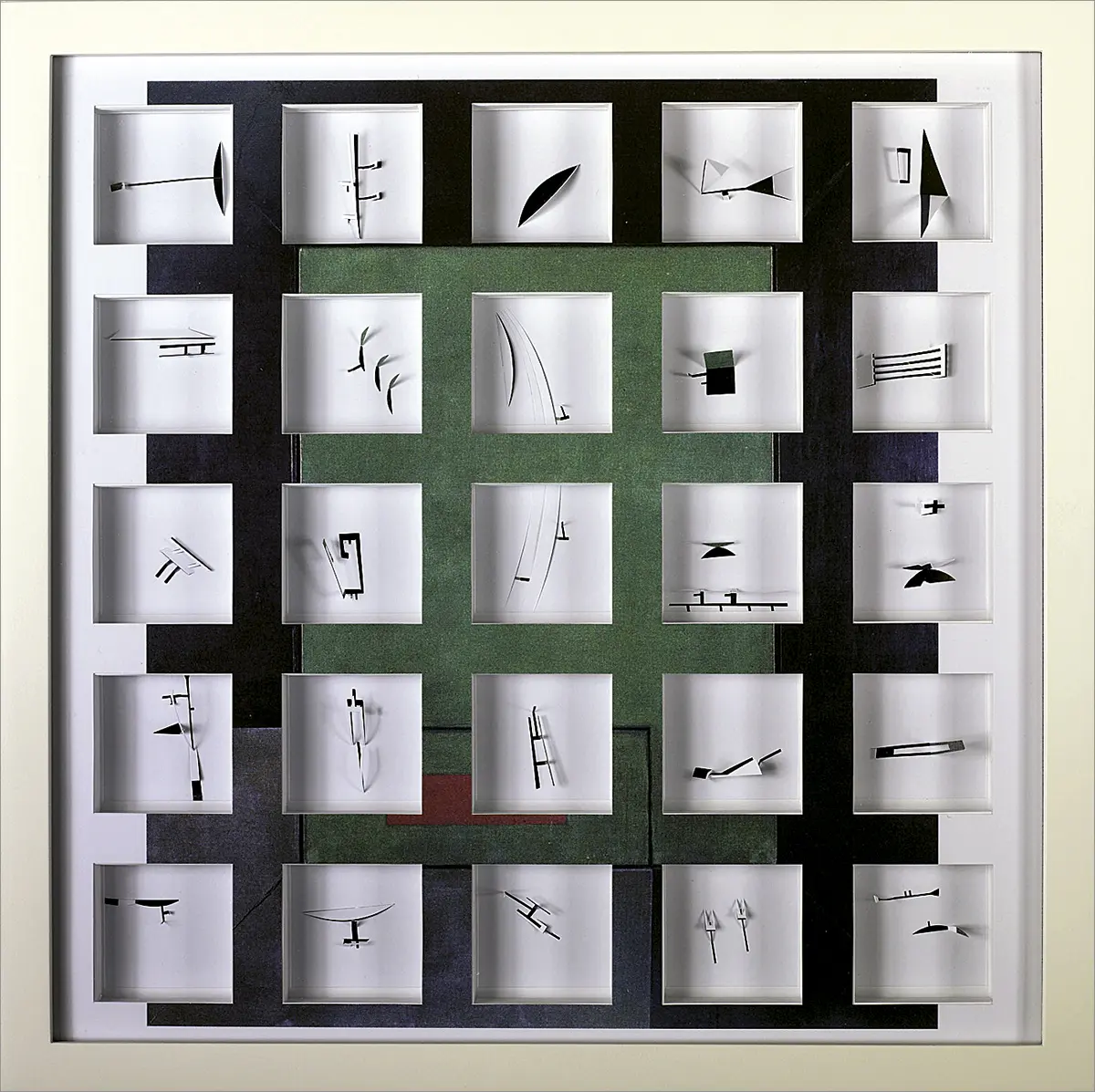
Present once again this year was galleries like Diana Lowenstein (Miami), Juan Ruíz (Venezuela), Daniel Abate (Argentina), and Fúcares (Spain). Following a policy of presenting a historical view that is nevertheless relevant to the market, the Ipanema and Latincollector galleries, which shared a booth, successfully displayed a museum-quality space with historic works by abstract geometric artists from Brazil (such as Helio Oiticica and Waltercio Caldas, members of the country’s Neo-Concrete movement) and Venezuela (such as Gego). The presentation of these works in an international context was not a matter of chance. In recent years, the work of these artists have been recovered thanks to the sustained interest on the part of collectors, gallerists, critics, and curators, who have collaborated to develop significant international exhibitions. Abstraction remains an important artistic trend in Latin America, with repercussions in younger generations of artists who continue the tradition yet evolve it into a more sensible, less programmed geometric representation. Examples of such proposals were presented by Miami’s Alejandra Von Hartz Gallery, with works by the Venezuelan artist Eugenio Espinoza, and New York’s Josée Bienvenu Gallery, exhibiting the Uruguayan artist Marco Maggi’s paper cut-out constructions (First Latin American incubator—Incomplete coverage of Lygia Clark, paper and plexiglas, 2006).
Also presented in this fair were works by young artists who keenly question the viewer in terms of the work’s creative and rational process. At Blanca Soto Gallery, the Spanish art collective known as PSMJ, formed by Pablo San José and Cinthia Viera, presented the work Asia Project, which consisted of an installation of lightboxes with five multinational-company logos inscribed with texts that teased out the “hidden identities” and interests of these firms in the context of capitalism, the exploitation of Asian workers for the benefit and interests of these megacompanies. Marilia Razuk Gallery exhibited twelve paintings on canvas of oversized blank letters from a series by the Pernambuco artist Paulo Meira called Mon cher ami. With simple details such as the color of the envelope’s edge or the postage stamp, the artist subtly appealed to the nostalgia of a form of communication no longer in widespread use. At Prometeo Gallery, Regina Jose Galindo (winner of the Golden Lion to the best young artist in 2001 at the 51st Venice Biennale) presented her self-inflicted flagellation videos from 2006 that denounce violence and abuse against women in the unequal socio-political context that characterizes Latin America. Highlighting the same issues, the Brazilian artist Beth Moysés (at Valu Oria Gallery) presented photographs from her series Reconstructing Dreams that documented performance by abuse victims who processed in wedding dresses through the streets of Seville, Montevideo, and Brasilea. An instant—and at the same time programmed—action was seen in the gunpowder residue found on the works of the Argentine artist Tomás Espina at Pan American Art Projects.
Other highlights were the paintings of the young Peruvians Fernando Bryce and Sandra Gamarra at Lucía de la Puente Gallery. From Miami, Diana Lowenstein Gallery exhibited recent photographs and digital prints on plexiglass from the M2 series by Artist Graciela Sacco as well as the young Puerto Rican artist Melvin Martínez’s mixed-technique neo-Baroque landscapes. The Zurich-based Havana Gallery, devoted to the representation of Cuban artists, presented works by Carlos Estévez and Yoan Capote.
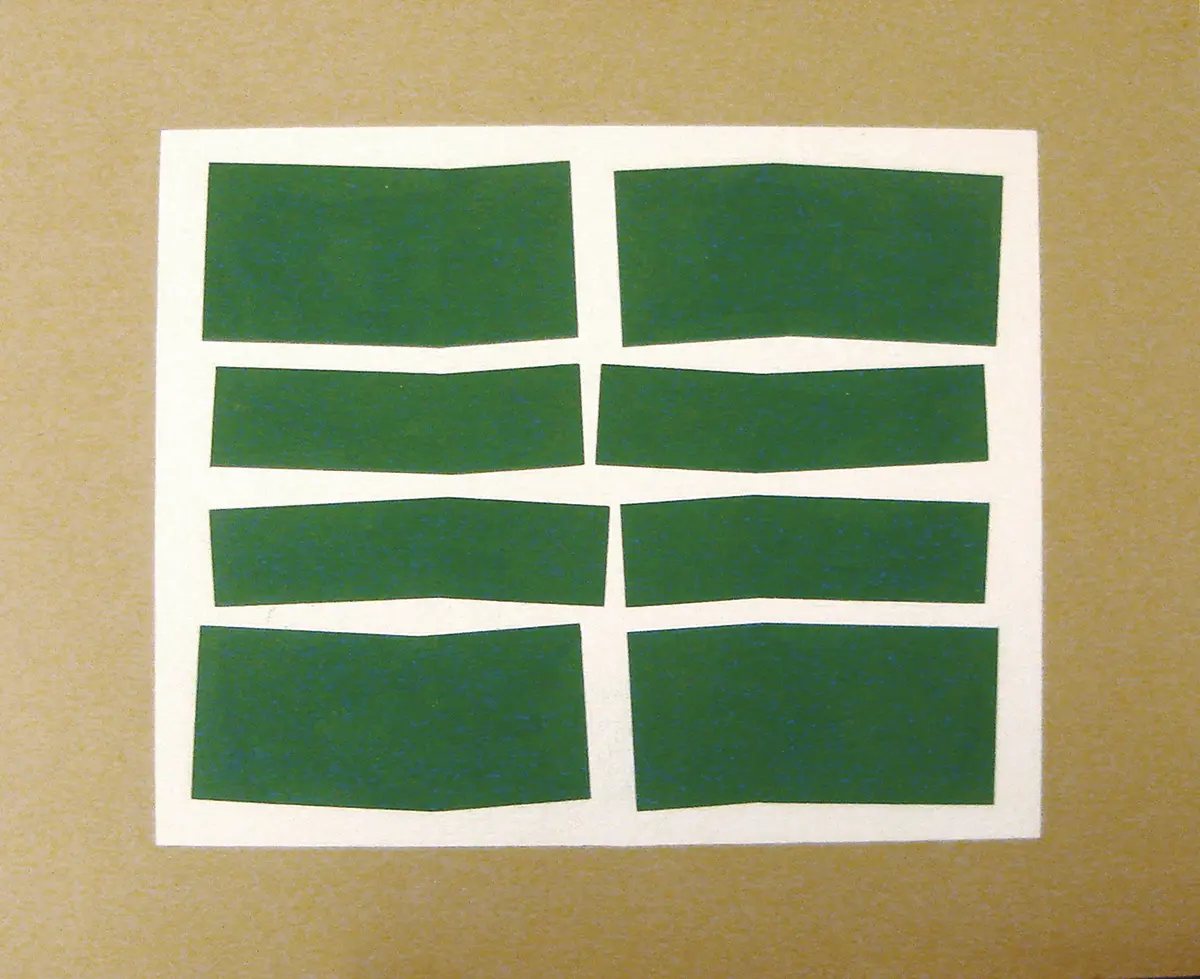
Emphasizing the participation of young artists, Jacobo Karpio Gallery of Miami showed works by Cinthia Soto, and Prometeo Gallery exhibited works by Ronald Morán; these artists represented Costa Rica and El Salvador, respectively, at the Italian-American Institute in the 52nd Venice Biennale.
This year, a tent was attached to the Brasilea building, which enabled it to add forty spaces for galleries, giving them more room and better lighting. Unlike last year, artists and galleries from countries like Spain and France were invited, thanks to the “Latina” label that was added by the fair’s curators. The consistency in the galleries’ proposals and the number of high-quality visitors once again proved the interest in this segment of contemporary art, and, in consequence, the fair’s great potential.
Volta
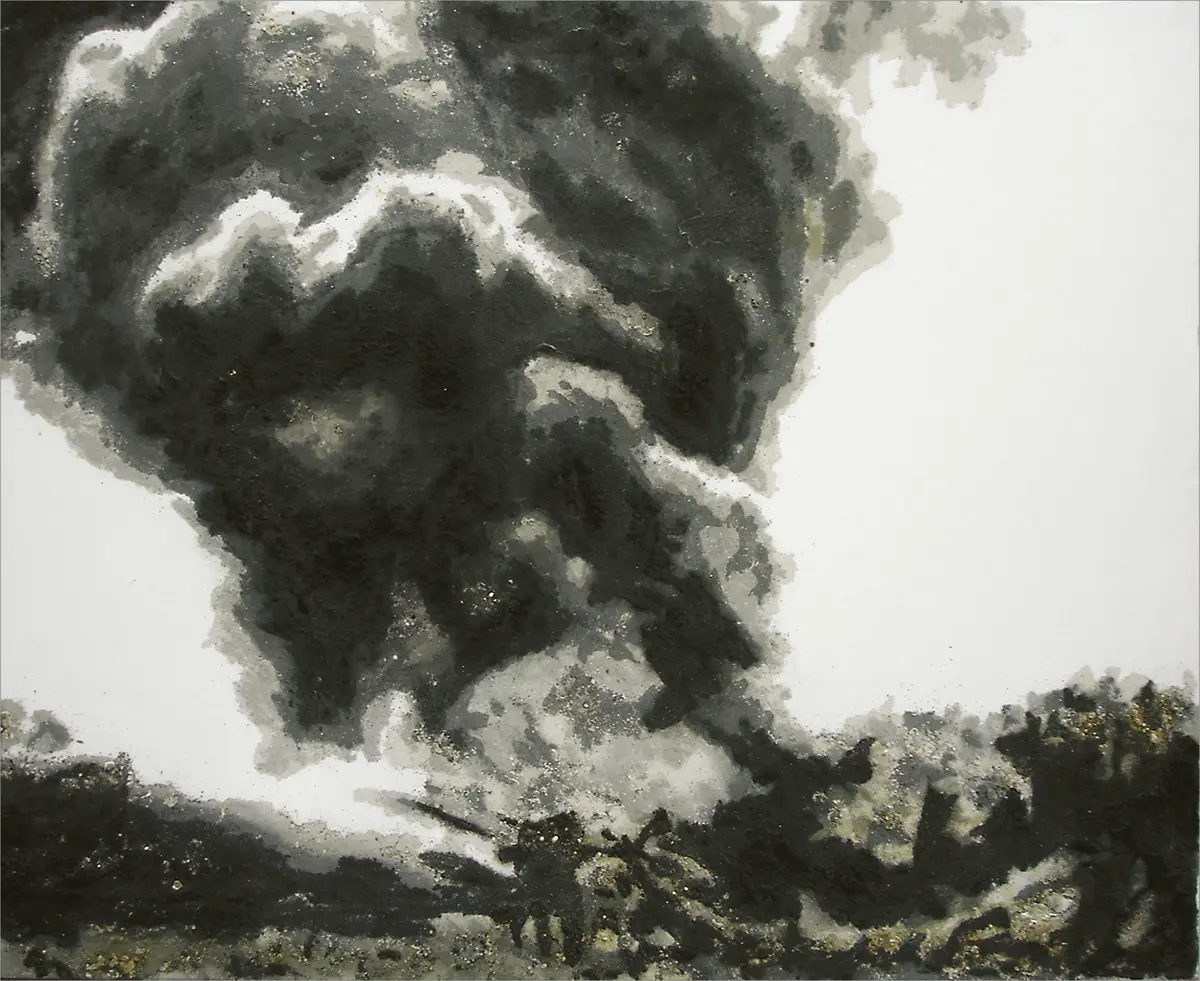
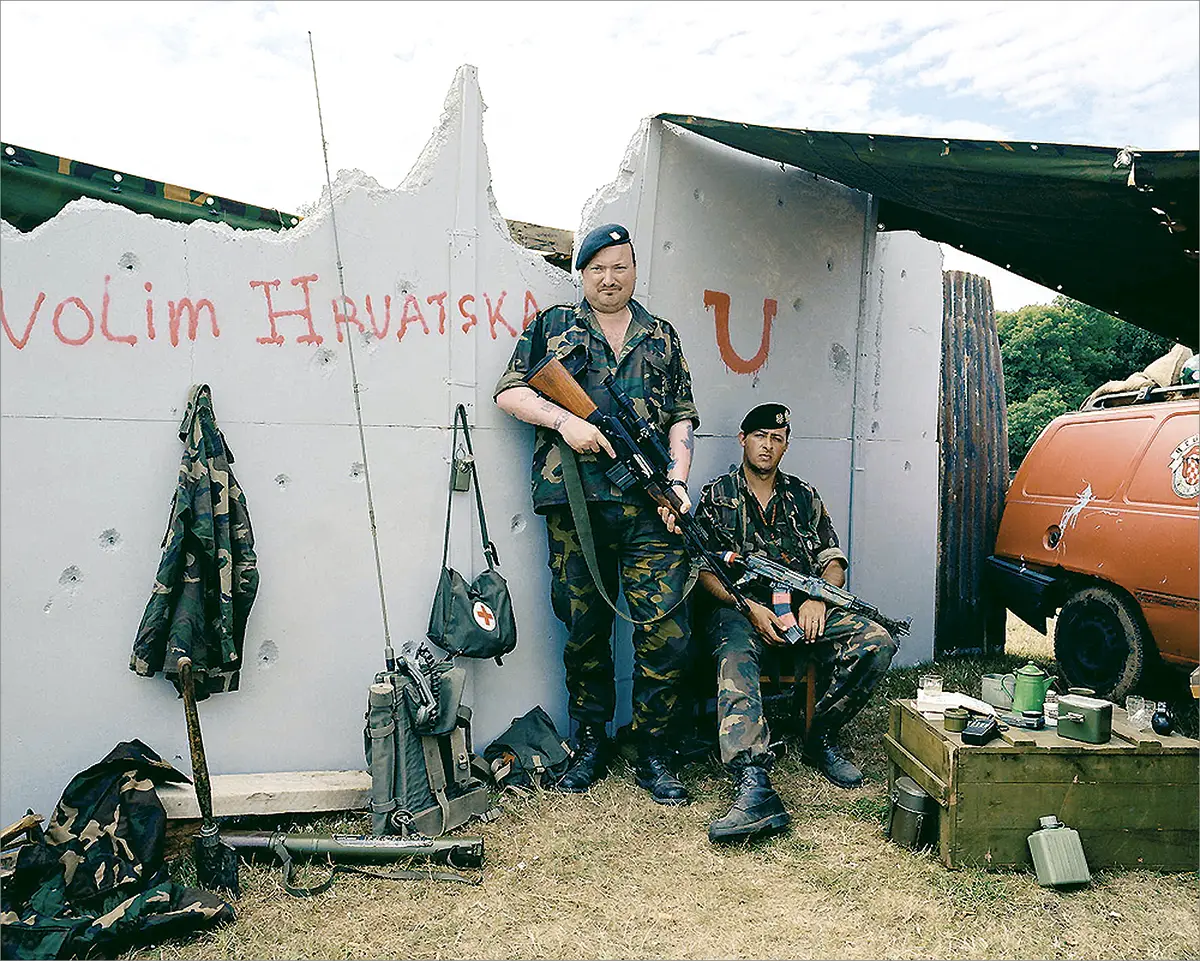
“There is good art everywhere,” said Amanda Coulson, Executive Director of the Volta fair, and she added, “People need to be given the chance to take part in the international [art] market.” With this as one of the guiding principles, the critic and curator Coulson, alongside the Volta founders (gallerists Kavi Gupta, Frederich Loock, and Ulrich Voges) and a five-member council organized the Volta Show for the third consecutive year in Basel. The fair was held in the same space as the previous edition, in the city’s north side next to the Swiss logistics firm Ultra Brag, where a 1,500-meter space was transformed into a “white cube” exhibition area. The varied presence of artists and gallerists from many parts of the world was a highlight: Andreina Mihail Gallery from Romania, DoART Gallery from Korea, Kling & Bang/Adler from Iceland, and Christopher Grimes from Los Angeles, among others. At the same time, several galleries present, like Espacio Mínimo (Spain) and Spencer Brownstone (New York), have supported the Volta project since the beginning. Enrique Guerrero Gallery (Mexico) and Leme (São Paulo, Brazil) was once again at this fair, presenting Latin America’s artistic potential: the former with the young Mexican couple Anabel Quirarte and Jorge Ornelas, who document their life together in their objects and paintings; the latter with photographs by Elaine Tedesco (the Brazilian representative in the 52nd Venice Biennale) and modified documentary photographs of soldiers from WWII and Vietnam by the young and talented British artist Neil Hamon.

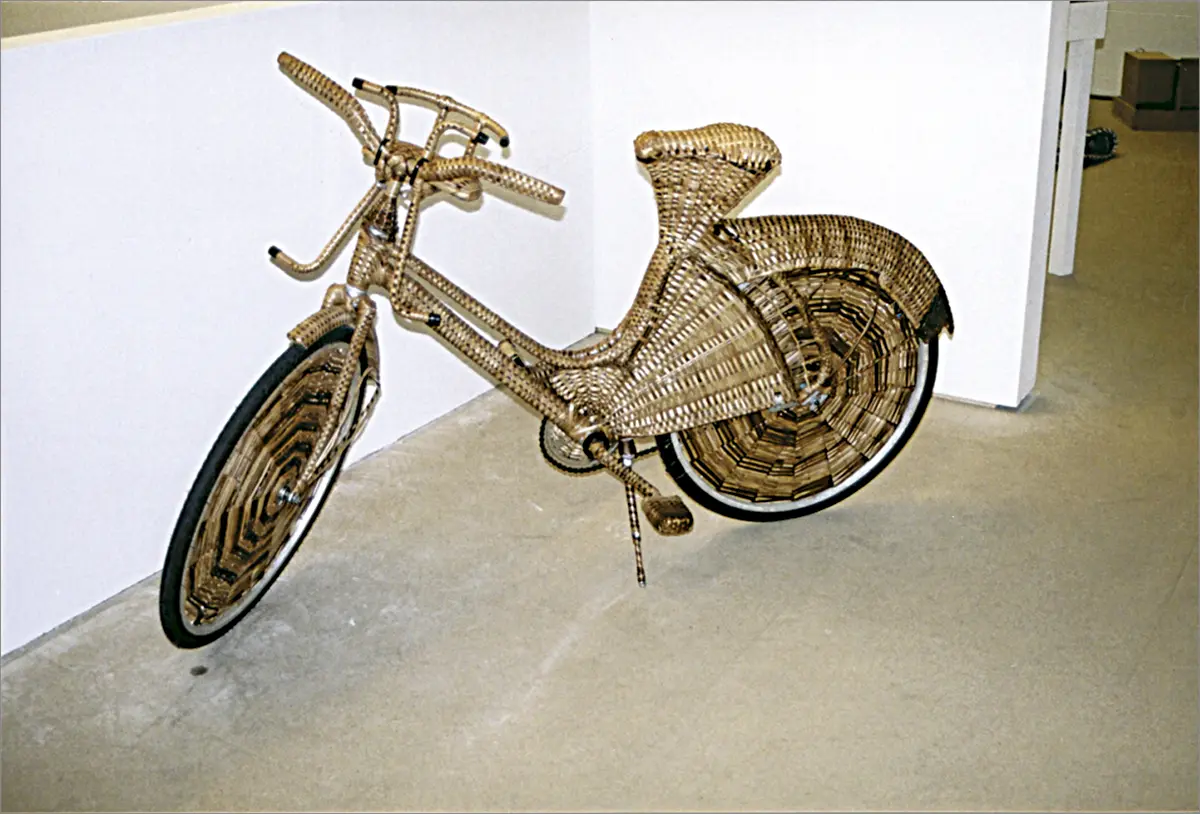
The Rio-based gallery was founded and managed by the artist triumvirate of Ernesto Neto, Laura Lima, and Marcio Botner presented a Brazilian booth with works by Thiago Rocha Pita, Laura Lima, and Jarbas Lopes, who showed Ciclovía aérea, his work selected for the 27th São Paulo Biennial in 2006.
This fair seems to have found its niche, with a selection of artists and galleries that support the notion of “generating opportunities for all galleries and artists in the international market” proposed by Coulson. Even so, it remains unclear what features will differentiate Volta from other alternative fairs in the future.
Scope
Scope joined the roster of satellite art fairs in Basel. One of the first to implement the concept of the satellite/alternative fair in the United States in 2002, Scope installed its wares just a few meters from Art Basel in Messeplatz. While originally the Scope fair situated itself in hotels, transforming the rooms into temporary exhibition spaces for galleries, over the last year it has satisfactorily experimented with special pavilions (as at Scope New York 2007), some created by artists (at Scope Miami 2006). Fifty-two gallery spaces were built in E-Halle, a post-industrial building characteristic of the area surrounding the well-known Messe fairgrounds, the site for Art Basel. The presence of thirty European galleries was overwhelming, with the Americans coming in second. Adhering to the fair’s guidelines, each gallery presented works by a single artist. It is important to mention the presence of Marlborough Chelsea Gallery with works by Will Ryman; starting in September, this space will devote itself to promoting young artists in New York City.
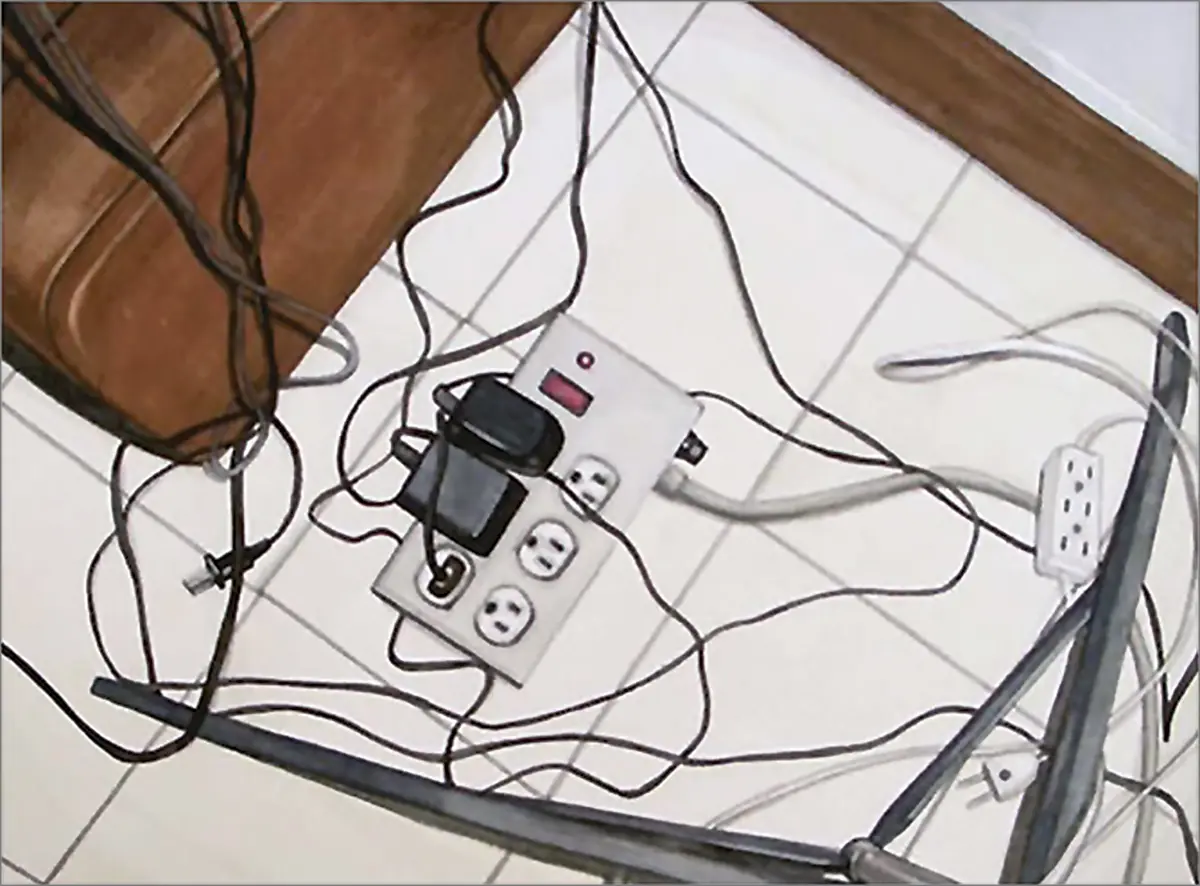
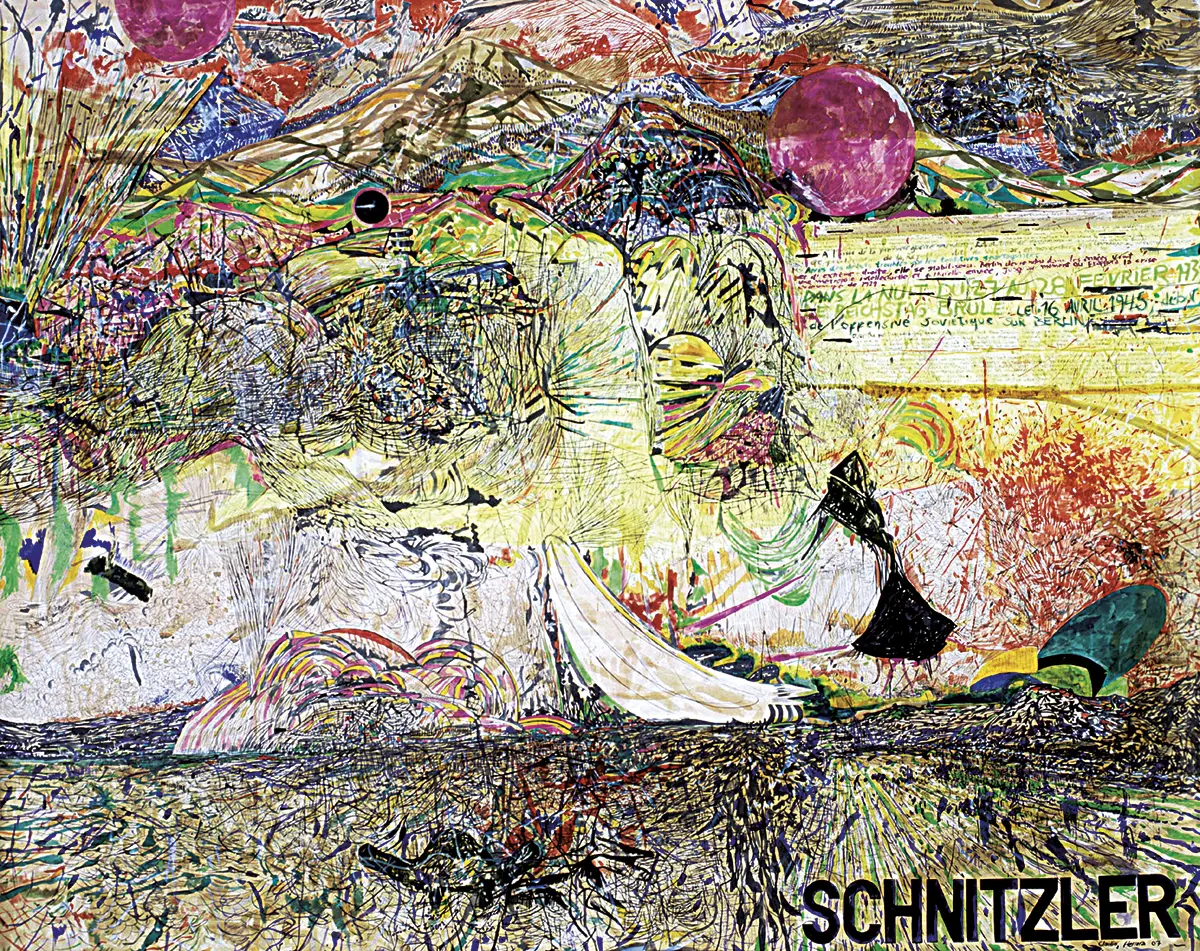
Only five galleries presented works by Latin American artists. From Santiago de Chile, Claudio Herrera (at Stuart Gallery) exhibited his drawings on paper of multidimensional structures and quasi-topographical maps with historical, literary, and musical quotations (Schnitzler; 2007; ink, gouache, crayon, pastels).1 Both Jakob Carpio Projects from San Jose, Costa Rica, and Ambrosino Gallery, from Miami, were at Scope and at BâleLatina.
The American galleries Douz & Mille and
Magnam Projects came to Scope with Latin American artists. The former brought
works by the Chilean Tomás Rivas, who challenges the boundaries between drawing
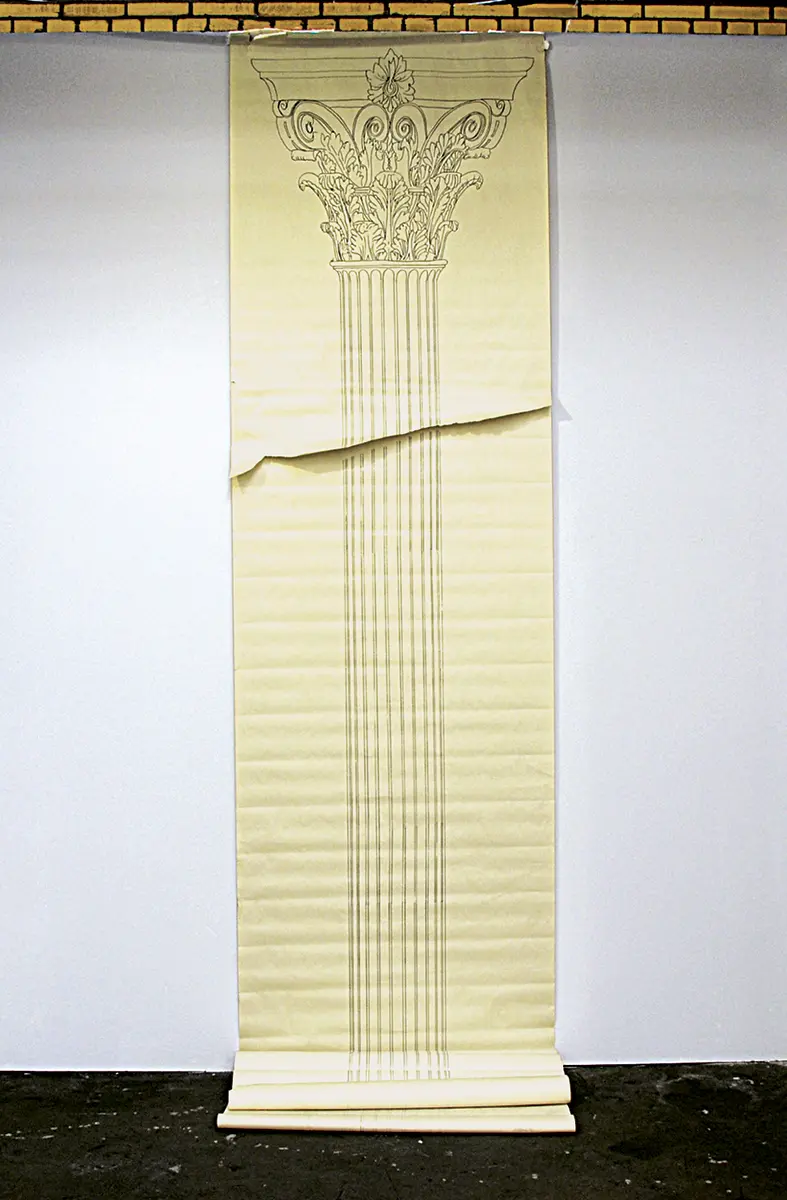
and sculpture with his carvings with decorative neoclassical citations, and the
latter showed FPD (Fabián Peña Díaz from Cuba), who builds biomorphic drawings
using remains of insects and words that sarcastically inquire on issues of life
and death.
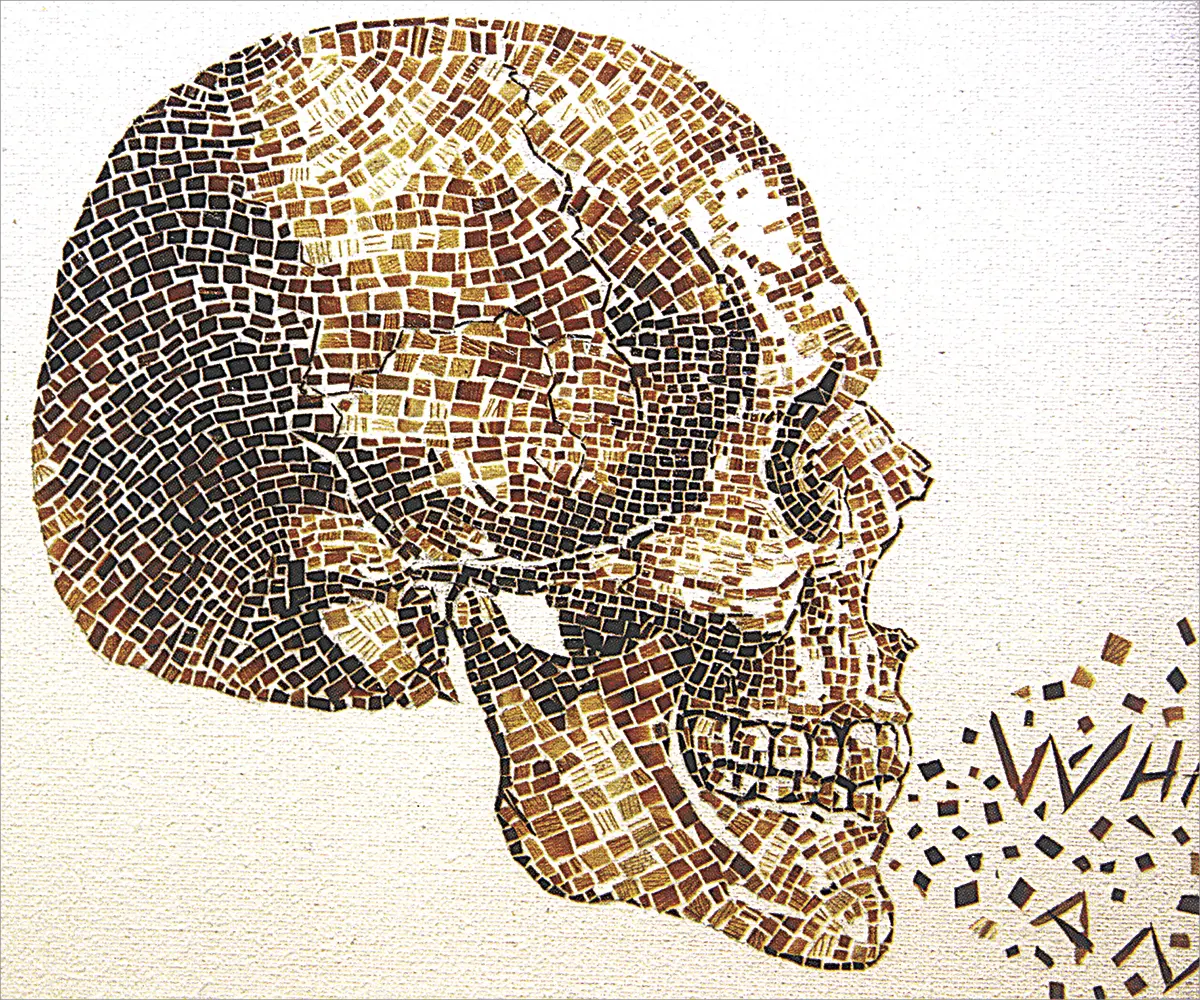
Lastly, the emerging gallery CR3MA, established by three Puerto Rican artists eighteen months ago, was selected by Scope to present Charles Juhasz-Alvarado’s installation sculptures, which recently represented Puerto Rico at the Singapore and Moscow Biennials.
Overall, Scope Basel surprised enthusiasts with its strategic location and its alternative artistic potential.
Liste
The eleventh edition of Liste was once again held in the Werkraum Warteck, a post-industrial building located five minutes away by tram from Art Basel. Also known as “Basel’s young art fair,” it has retained its foundational principles of presenting only galleries that have been active for five years or less and artists who are not yet forty. Under these criteria, sixty-two galleries—seventeen of them here for the first time—from twenty-one countries were selected.
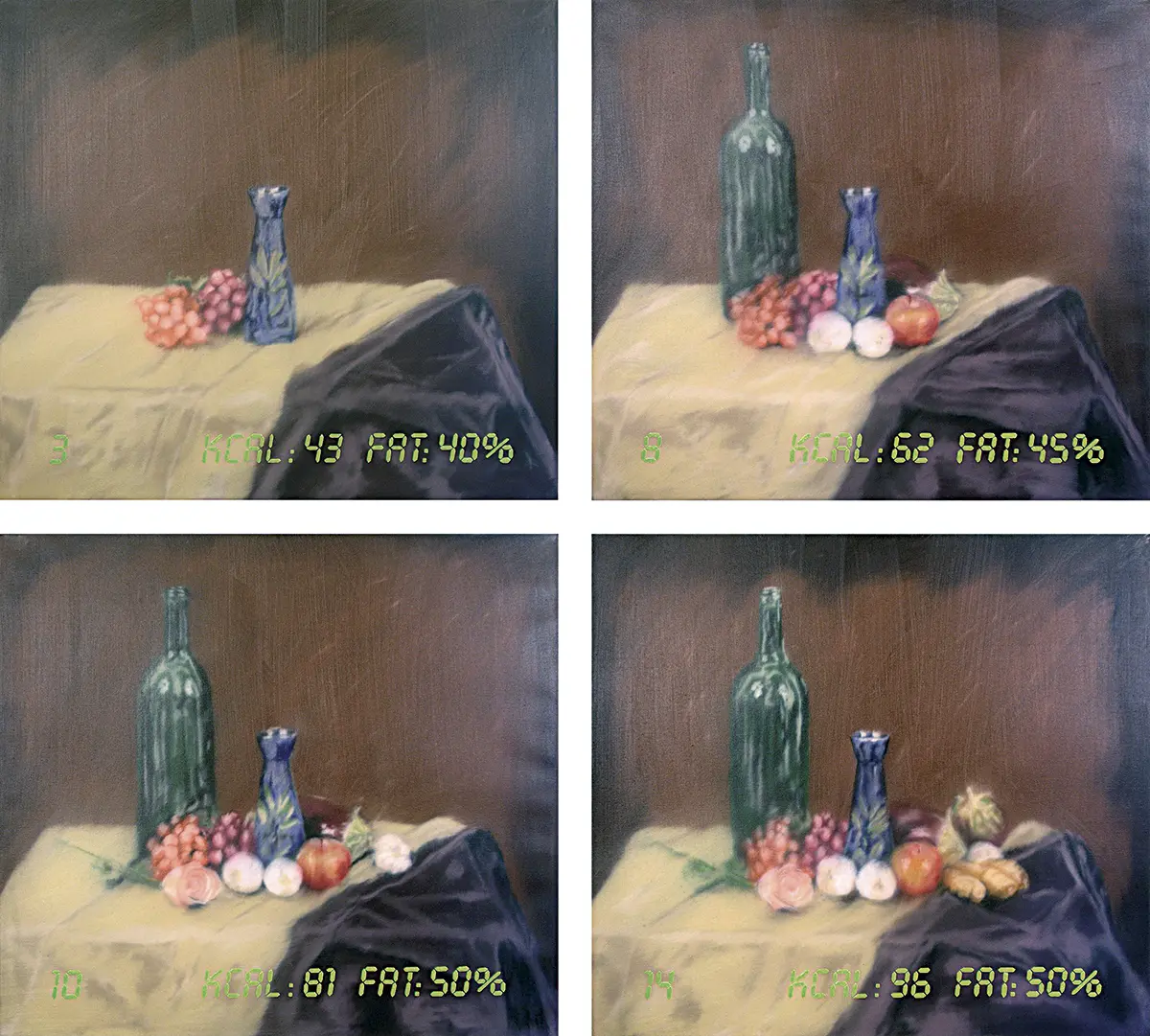
One of these new galleries was Myto, from Mexico, headed by Gonzalo Mendes. Myto ably fulfilled its mission with a selection of recent oil paintings and videos by the Cuban artist Raúl Cordero. The artist has developed a method in which he monitors the number of calories he ingests while creating a given work, which he titles according to the final number registered. Also, a calculation leads to the work’s final result based on that number. In this way, the artist focuses on the importance of physical and mental work for artistic production, while bringing to light the financial issues implicit in the art market.
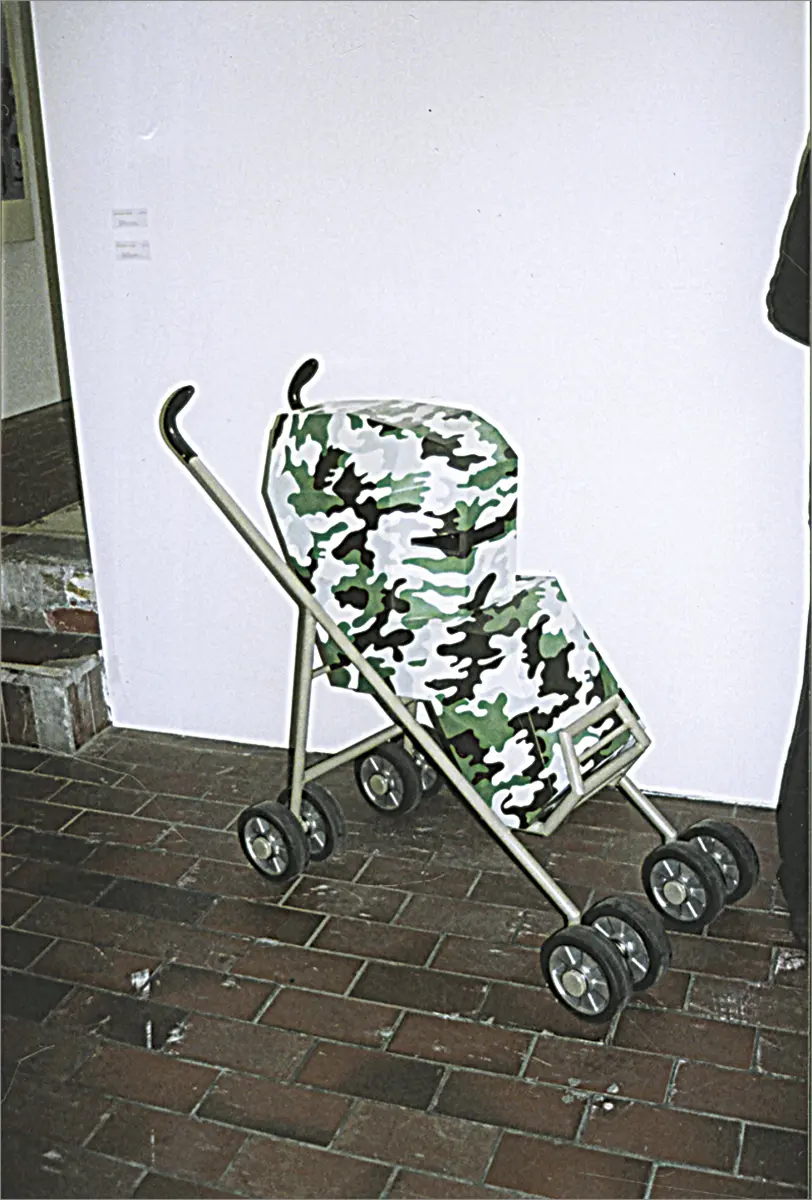
The Prague-born artist Kristof Kintera showed a 2007 work, Bad innovation in the name of protection (Gulf style), at the booth of the Parisian gallery Schleicher + Lange. It consisted of a baby stroller transformed into a metal bunker painted with green camouflage designs as seen on military uniforms. In grand duchampian fashion, the artist modified everyday objects, ironically generating discourse and a reflection about events in the world.
Design Miami/Basel
Basel became an exhibition platform for the most recent proposals in art and in industrial design. Proof of the latter was the Design Miami/Basel fair installed in one of the city’s historical sites, the Markethalle, built in the 1920s over 6,000 square meters and known for featuring Europe’s third-largest dome. Led by the enterprising and young Ambra Medda, the fair brought proposals of historical twentieth-century and contemporary designs to an enthusiastic public, presented by twenty design galleries. Included in this year’s program of activities were a lecture cycle by renowned architects and designers, a selection of design films and documentaries, and live performances by artists.
While this fair has been active for only three years, it has been able to take advantage of the circuit generated by Art Basel in Miami (with Design Miami 2005) and in Basel to become an international design forum.
Print Basel
The Print Basel international fair devoted exclusively to contemporary graphic reproduction, opened its doors for the first time only 500 meters away from Art Basel at the Messeplatz. Inside a traditional Basel restaurant known as the Volkshaus, seventeen galleries specialized in works of the different methods of printmaking (including xylography, lithography, monotype, serigraphy, and flat-bed). The majority were British galleries, among them the well-known Marlborough Graphics, with over forty years of experience dealing in original prints by modern and contemporary artists. The fair also had the support of the Mixografía Gallery (Los Angeles) founded by Luis and Lea Remba, who named their gallery after creating a new printmaking technique that was used in the reproduction of works by exceptional Latin American artists like Fernando de Szyszlo, Francisco Toledo, and Rufino Tamayo. At the fair, the public encountered works in this technique by Jorge Pardo, Alberto Burri, and John Baldessari, among others.
Art Basel has undoubtedly positioned itself as a mandatory stop in the circuit of events for the art world, also known as a new “Grand Tour,” alongside the 52nd Venice Biennale, Documenta 12 in Kassel, and Skulptur Projekte Munster.2 The parallel fairs continue to seek excellence in their offerings in an increasingly competitive context.
NOTES
1. Arthur Schnitzler was a controversial late-nineteenth-century Austrian writer and playwright. A contemporary of Sigmund Freud, he referred to and described sexuality in his work.
2. Originated in the seventeenth century among young British aristocrats, the Grand Tour was the practice of seeking an education by traveling through France, Italy, and Switzerland in a kind of rite of passage. The practice stopped after the 1820s, due to the development of mass-transportation technology.
SOFÍA BULLRICH
Bachelor in Humanities & Art History. Universidad de Palermo, Buenos Aires, Argentina.