
This year’s spring auctions for Latin American art achieved the
highest totals ever for this category of art. Christie’s achieved a total of
$28, 909,640 while Sotheby’s followed with $21,392,800, which surpassed its
high pre-sale estimate for the entire auction, set at $19 million.
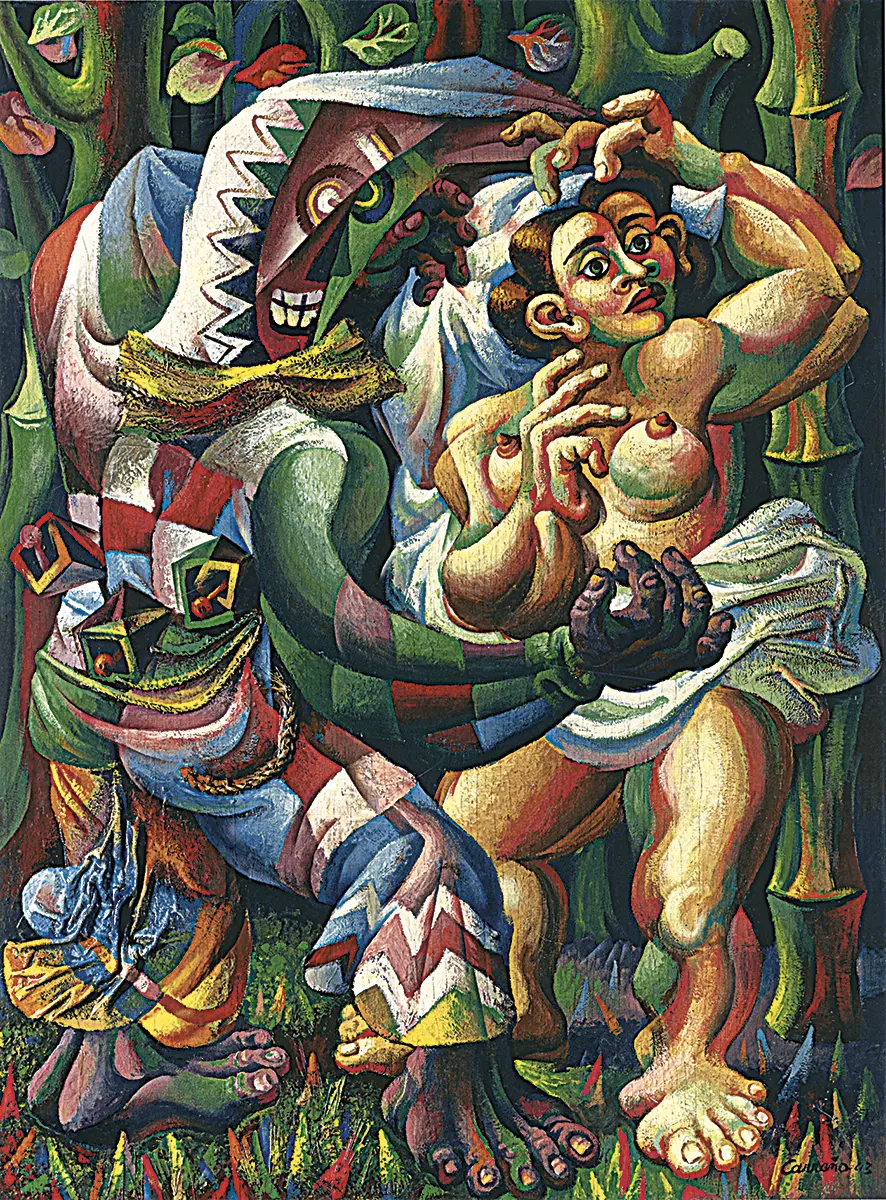
Sotheby’s started the season on May 30th with a new world record for the Cuban artist Mario Carreño. The cover lot of the catalog, Danza Afro-Cubana from 1943, was considered a lost painting. It had been purchased originally in the 1940s from the celebrated Perls Gallery in New York and had not been seen in public since then. It was given prime space at the auction exhibition and was an excellent example of how the Latin American avant-garde absorbed European Modernism and adapted it for its own purposes. In this instance, a luscious nude danced with frenzied energy, accompanied by a masked figure; the background vegetation included sugar cane and the exuberant vegetation reminded the viewer of Wifredo Lam’s Jungle. The costume was that of the traditional “little devils” (diablitos) seen in the Day of the Kings festivities in colonial Havana, the only time of the year when the slaves were allowed to publicly display their African costumes. The painting, therefore, had a very traditional theme but was executed with the mixture of Cubism and Futurism that Latin Americans saw when they traveled in Europe in the 30s and 40s. The picture carried a conservative estimate of $600,000–800,000 and sold for $2,616,000, surpassing all previous records for Cuban artists, including works by Lam. It was purchased by Cernuda Fine Arts of Miami but had been furiously sought after by three other bidders.
Another highlight of the sale was Zúñiga’s Desnudo de Victoria, a sculpture in onyx that had an estimate of $100,000–150,000 but realized an incredible $936,000. The Zuñiga market has been responding to a huge increase of interest from Indian and Chinese buyers, which has dramatically raised the price range for the artist in the past two seasons. At Christie’s, his Desnudo de Victoria de pie, a large bronze from 1970, also far surpassed the estimated $100,000–150,000, selling for $300,000.
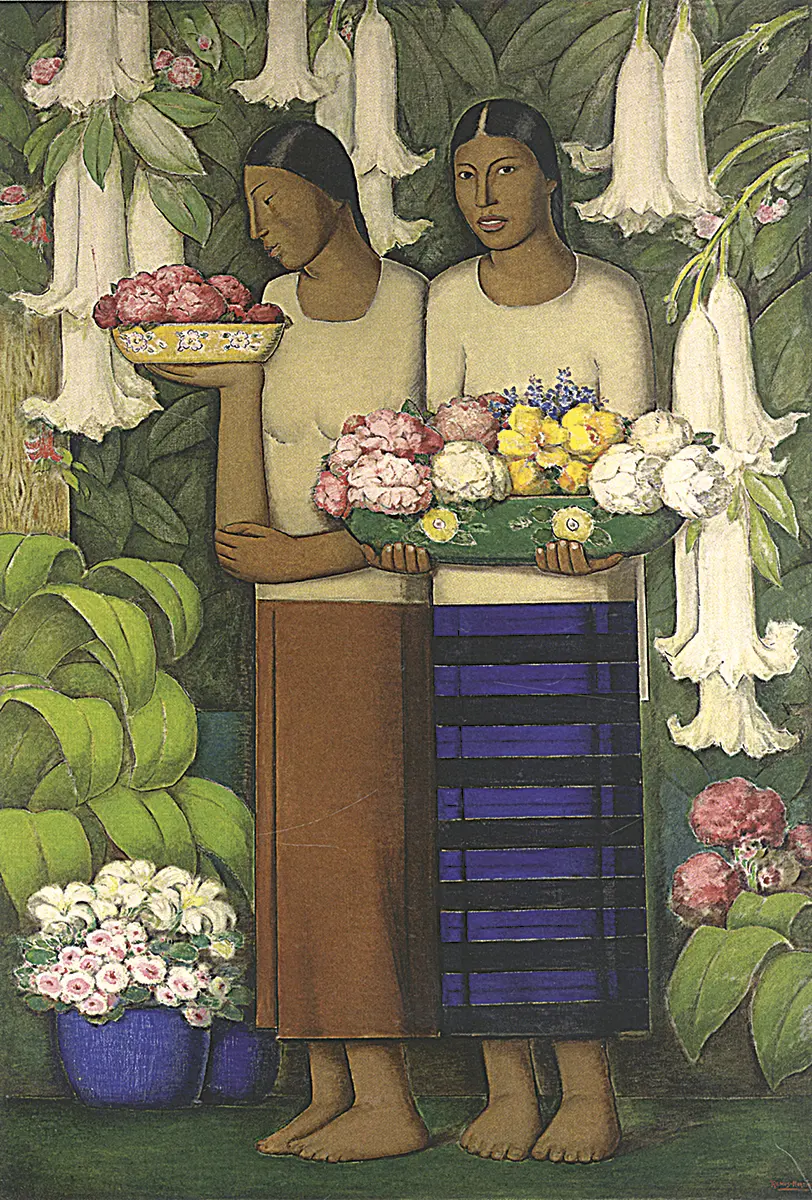
At Christie’s the following night, Alfredo Ramos Martinez was the leading artist of the sale when his Flowers of Mexico, which had been estimated at $600,000–800,000, achieved a new world record for the artist at $4,072,000. Four interested buyers pushed the bidding to greater and greater heights, until, at the stroke of the hammer, the audience burst into applause with joy and relief. Of course, the picture had a great provenance, coming from the former collection of Mildred Strong De Mott, a patron who had known Ramos Martínez since his early days in the US and had commissioned from him a fresco for one of her ranch homes. The other Ramos Martinez in the sale, a high-quality depiction of a campesino titled The Lonesome Indian from 1933, also soared above the estimated $350,000–450,000 and realized $1,104,000.
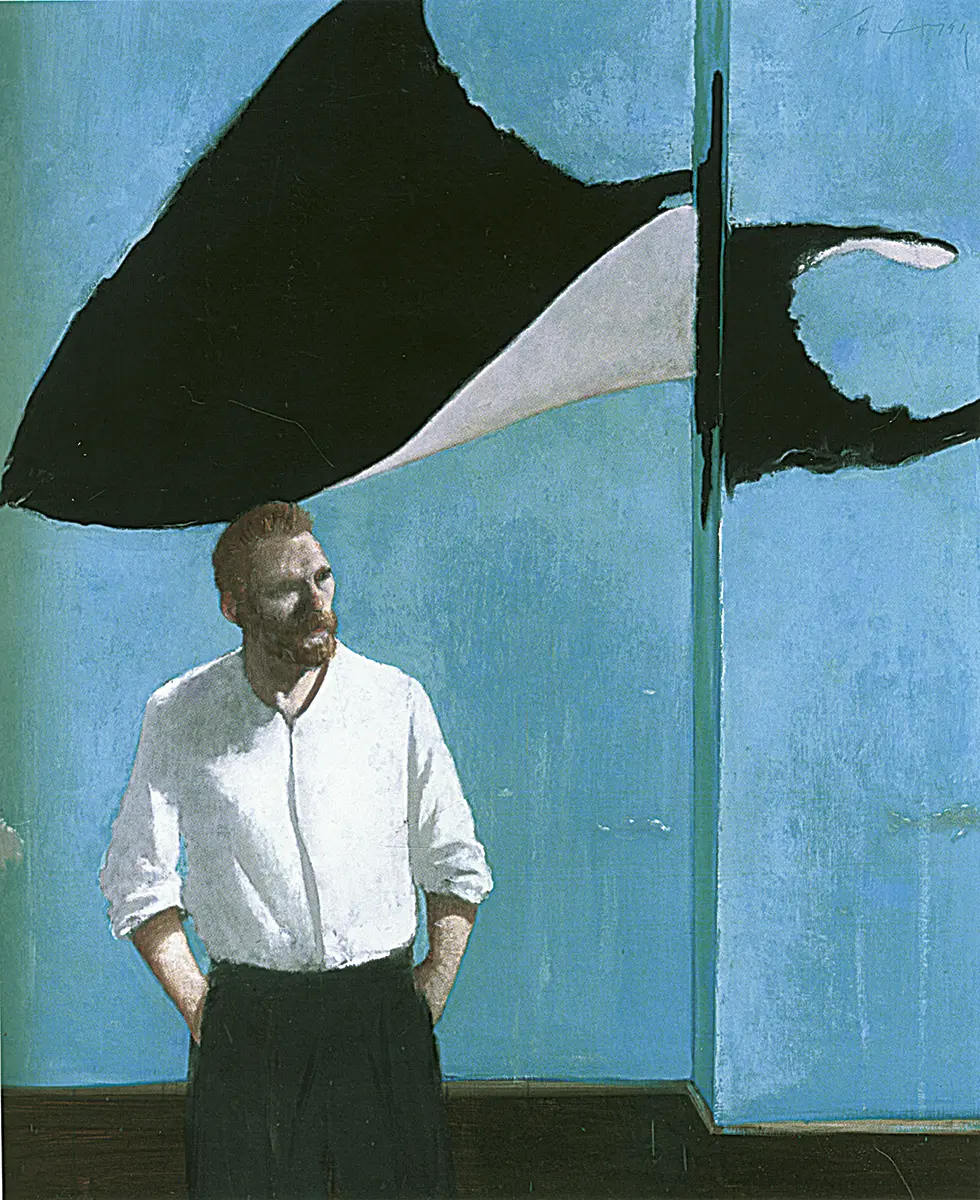
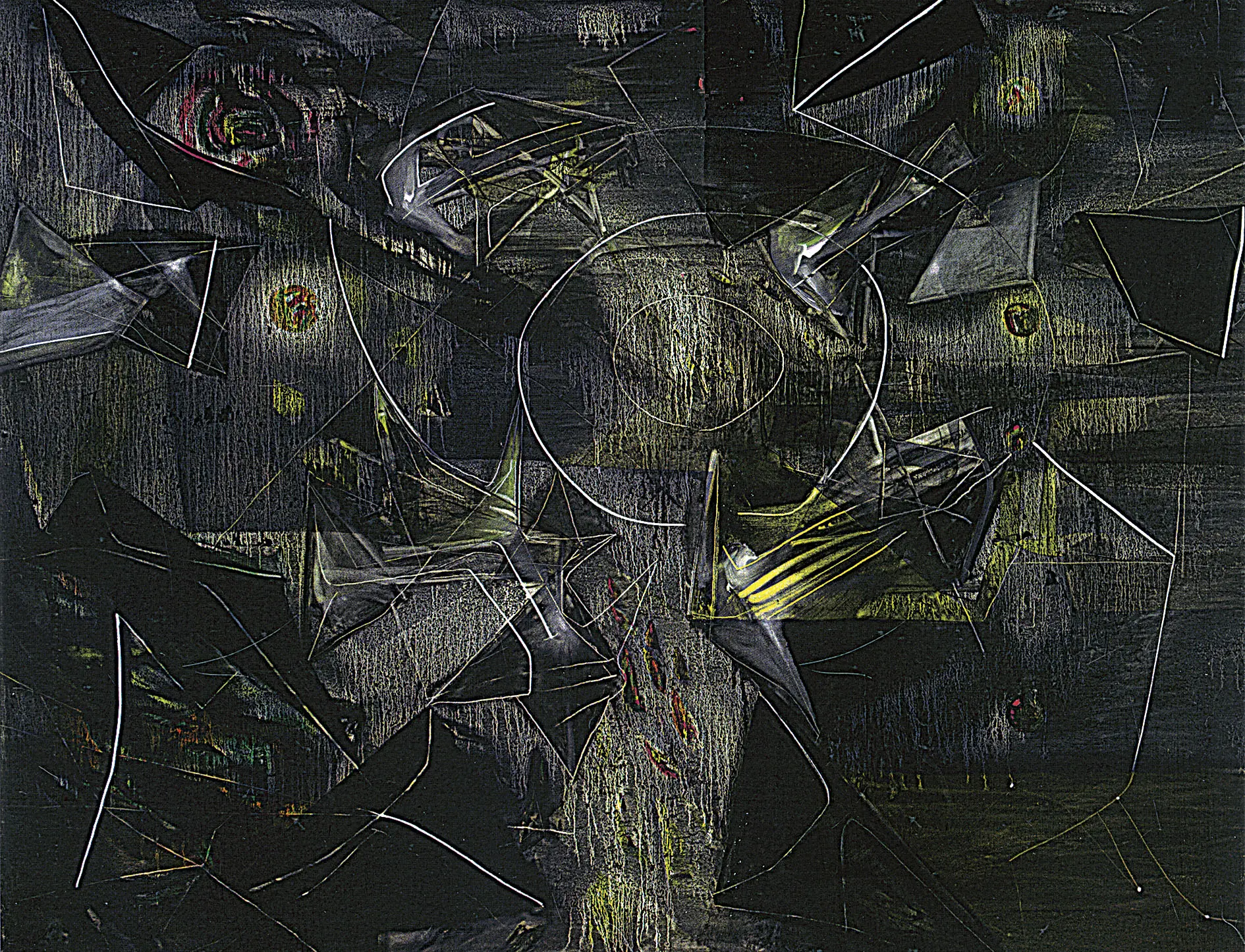
Actually, Christie’s sale had gotten off on the right foot beginning with the first lot in the sale, a Tomas Sanchez estimated between $40,000 and $60,000 that sold much higher than the high estimate at $96,000, and by lot number four, they broke the first world-record price for an artist with Julio Larraz’s A letter for Theo, which had been estimated at $120,000–180,000 and sold for $240,000. Christie’s also featured a selection of works from the collection of Ruth Moskin Fineshriber, which included an excellent drawing by Matta that sold for $228,000 (est. $80,000–120,000) as well as two other works from the artist that also sold very well. All of this may have encouraged the buyers for the cover lot, Matta’s Tige verte (Les possessions) from 1943, a painting that had all the elements of a top-quality Matta; it came as no surprise when it sold for $2,168,000 (est. $1,500,000–2,000,000) after being pursued by several eager collectors, both in the room and on the telephones. The positive mood spread through the entire evening, and it was indeed an evening of success for Latin American art. Botero scored consistent successes with the sale of his sculptures. Man on a horse sold for $504,000 (est. $280,000–320,000), Reclining woman also sold well at $480,000 (est. $450,000–650,000) and, proving that Amazons in this market are as much-coveted as caballeros, Woman on a horse sold higher than her male counterpart for $1,025,600 (est. $600,000–800,000).
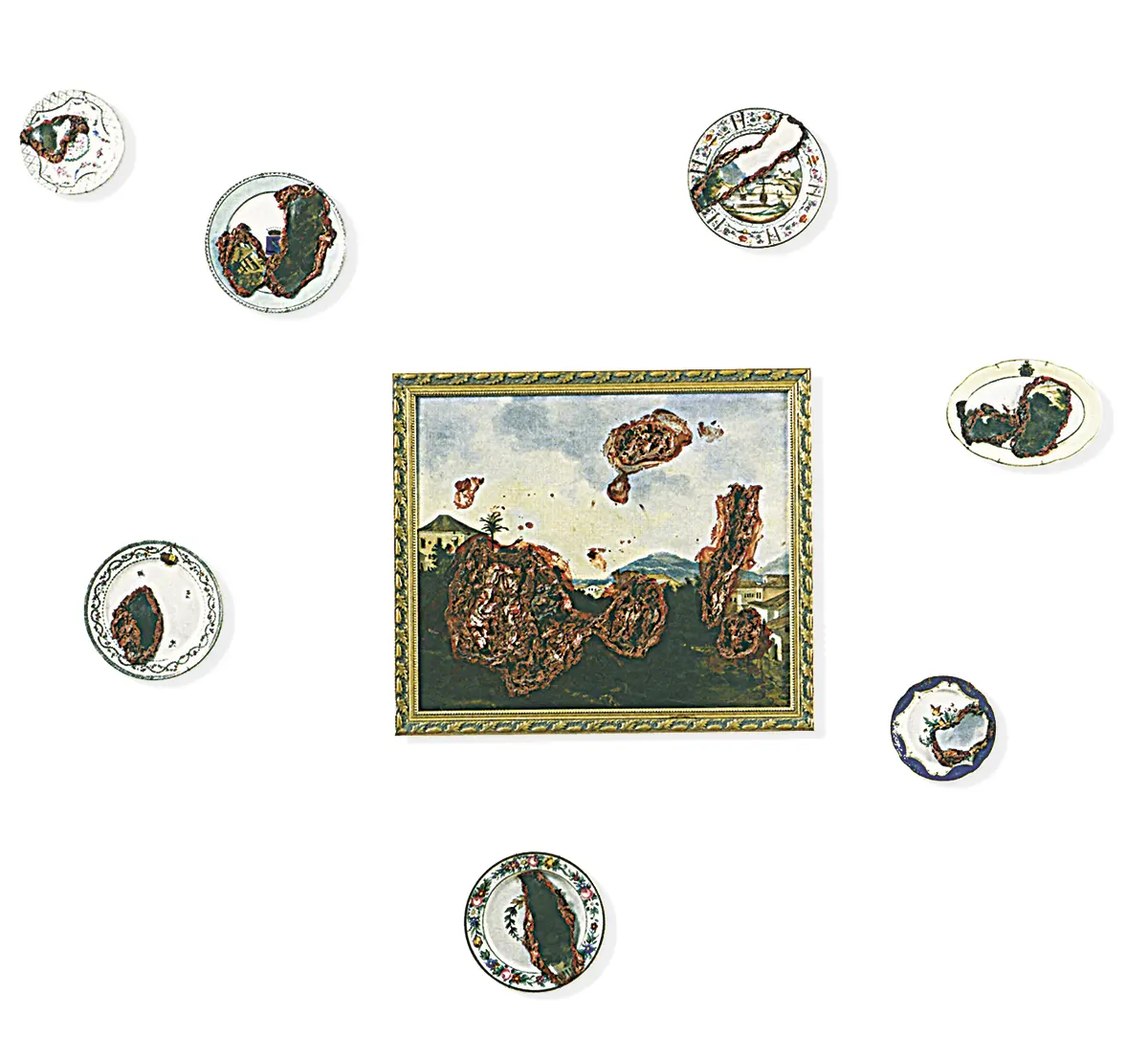
This was a particularly successful season for Latin American sculpture. The Botero sculptures in this sale did very well since they were actively sought by Asian buyers. Woman with mirror, a small bronze, was estimated at $150,000–200,000 and realized a solid $240,000; later on, his bigger sculpture Poupée (La Muñeca) also sold above the estimated $350,000–450,000 for $552,000. Mathias Goeritz’s beautiful abstraction in gold, Cubos incrustados, sold above the estimate for $108,000 (est. $45,000–65,000). Sergio Camargo’s Homage to Brancusi had been estimated at $80,000–100,000 and also surpassed its high estimate, selling for $178,000; later in the evening, another Camargo also surpassed the estimates selling at $288,000 (est. $150,000–200,000). In the same minimalist aesthetic, Gego’s Lineas separadas sold for $384,000 (est. $200,000–300,000) and Rogelio Polesello’s Untitled sold for $42,000, surpassing the estimated $20,000–30,000. The contemporary Brazilian Adriana Varejao’s installation piece, Meat á la Taunay, which could be considered a mixture of sculpture and painting, was a very ironic and sophisticated commentary on Colonialist culture and was also sought after by several collectors willing to go beyond the estimated $70,000–80,000 and end the bidding competition at $108,000.
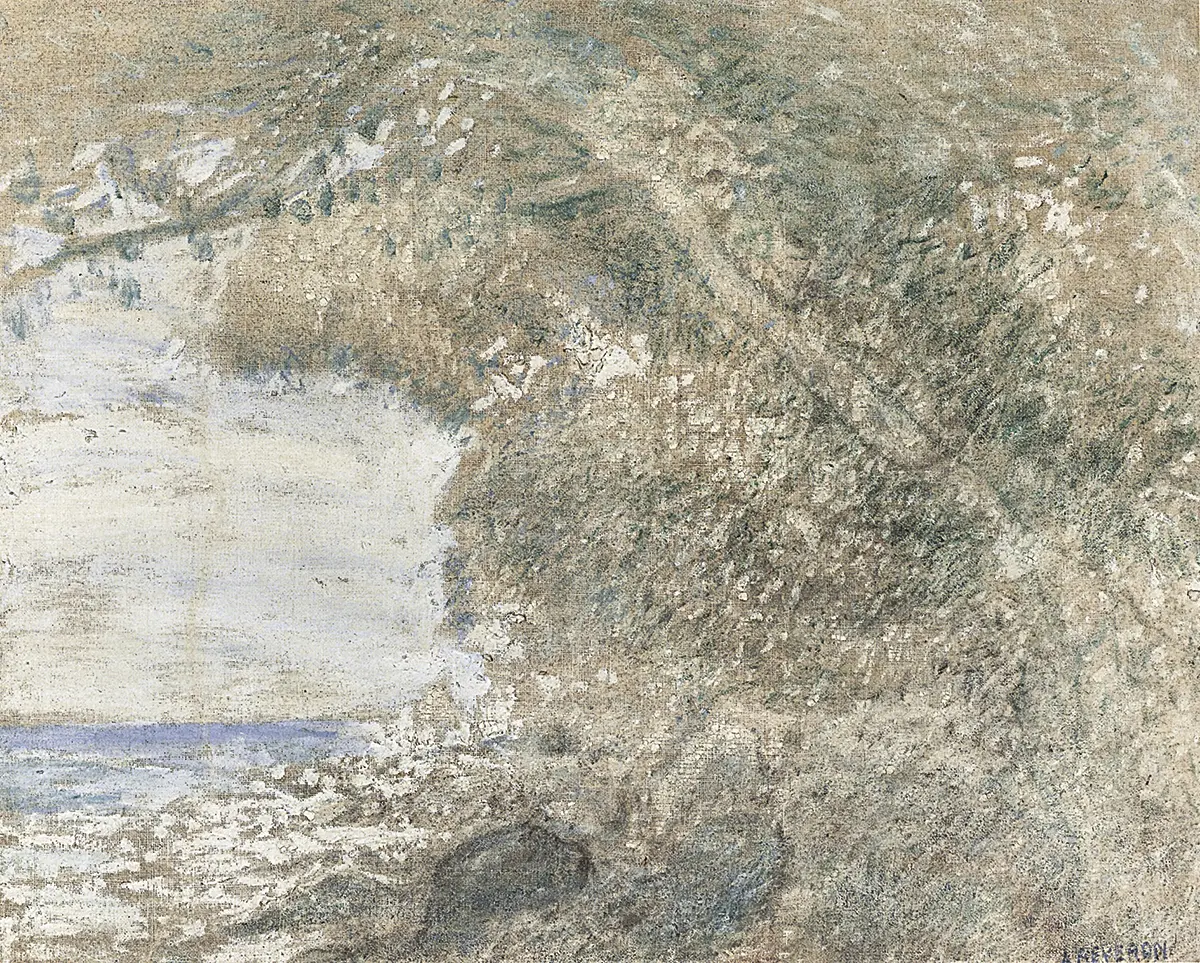
At Sotheby’s, Armando Reveron’s Las tres modelos far surpassed it's
estimated $150,000–200,000 to sell at $312,000. The picture had been exhibited
recently at the Reverón retrospective at MoMA, and that was a key factor in
making it desirable. Later in the evening, Reveron’s Paisaje also surpassed the estimated $300,000–400,000, selling at
$456,000. But the sale of these two interesting works does not indicate a
strong interest across the board for the artist, as a beautiful Reveron from
1930, Tres Figuras, failed to find a
buyer at Christie’s even though it carried an estimate within the same range as
the other works mentioned. Equally surprising was the lack of interest in
Claudio Bravo’s Lingam, an
exquisitely detailed work from 1974 that went unsold at Sotheby’s, where his
much more recent picture Ave verum,
part of a recent exploration of textiles and draperies, sold for $456,000 (est.
$400,000–600,000).
Another great moment in the season for
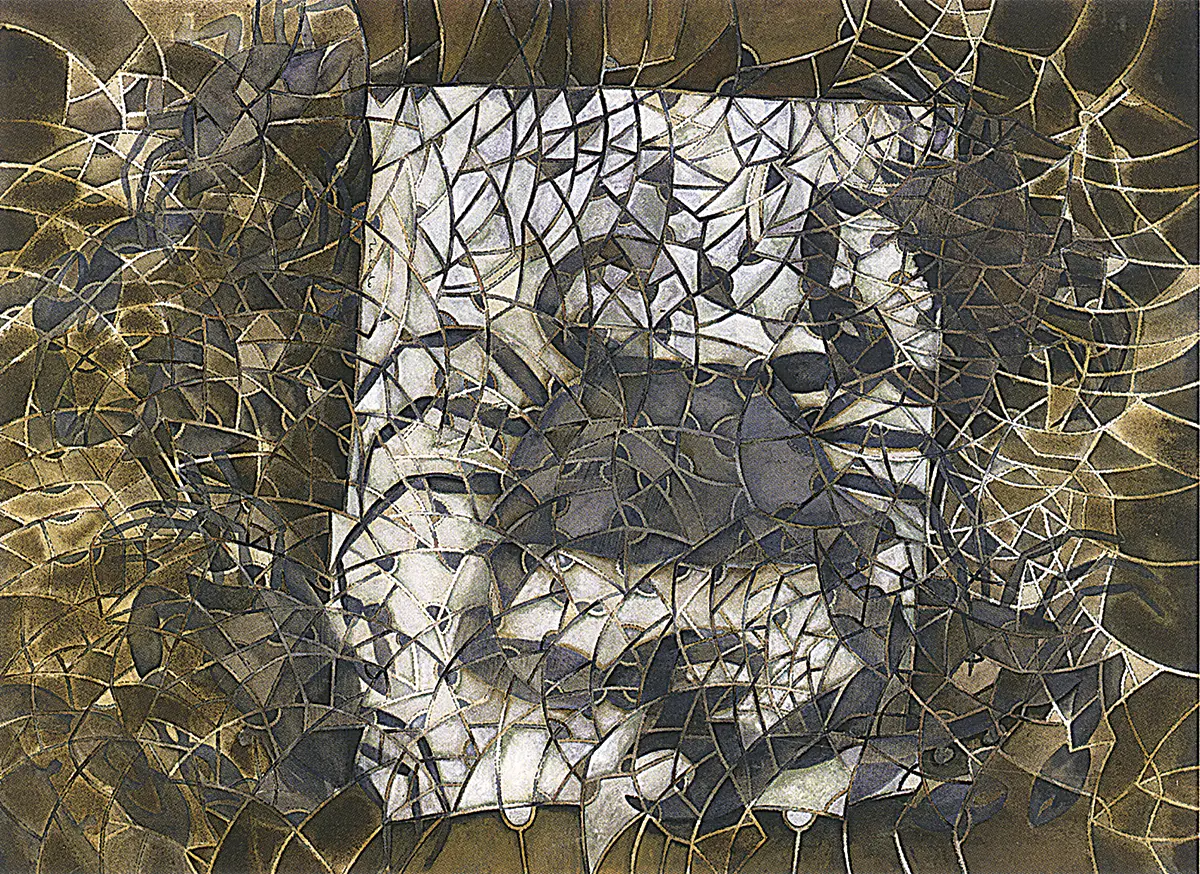
Mexican painting was the sale at Christie’s of Gerzso’s Paricutín, which had an estimate of $120,000–180,000 but was raised
to $288,000 by three persistent collectors. Later on in the same sale, Toledo’s
Cangrejo also scored a triumph from its estimated $300,000–400,000 when
it rose to a final price of $622,400. Tamayo’s humorous depiction The Frog also rose above the estimated
$350,000–450,000 range to settle at $611,200. Even the more rarified field of
nineteenth-century landscapes by traveling European painters did well, as
exemplified by the beautiful Acueducto de
Chapultepec by Eduardo Pingret went higher than the estimated $150,000–200, 000, selling for $240,000.
Cuban painting also saw a number of
successful sales at both houses. At Christie’s, Mariano’s Mujer con jarra sold for
$264,000 (est. $200, 000–300,000), Antonio Gattorno’s Waiting for the coffee, a colorful depiction of idealized country
life, went for $120,000 (est. $100,000–150,000), Carlos Enriquez’s El rapto
joined the club of paintings sold above the estimated value, surpassing
its $70,000–90,000 estimate to realize $114,000, while Wifredo Lam’s Femme- Cheval from 1948 also scored a success, selling at $992,000 (est.
$600,000–800,000).
These sales demonstrated that the participation of new collectors, in this case notably from Asia, can have a very positive effect on the final auction results, a trend that we all wish to see extended to the upcoming season in the fall.
Christie’s: Total: $28,909,640 Sold by Lot: 78% Sold by $: 91%, Lots offered: 314
Sotheby’s: Total; $21,392,800 Sold by Lot: 74.8% Sold by $: 89.4% Lots offered: 234
María Felix
Late in the summer, Christie’s offered the collection of María Félix for sale, which included property from her homes in México City and Cuernavaca. The great diva of Mexican cinema’s golden age, Félix was a living legend in México, where her adoring public always treated her with the respect that is usually given to heads of state or visiting royalty.
It was a rare opportunity to see an entire Latin American collection at auction, which reflected the taste of an era gone by. For the occasion, Christie’s made a special effort in its New York salesrooms to recreate the atmosphere of the diva’s living spaces, down to the exact color that she used in every room, and the auction house threw one of the most elaborate and lavish cocktail opening receptions within memory in New York. As the VIP guests descended from what appeared to be an endless line of limousines and formed a cortege, the bejeweled representative of Christie’s México, Gabriela Lobo, assured, “It is the most extraordinary decorative arts collection ever to come out of México.”
Indeed, she was right. Inside, one could
savor the delicious drinks, some of which had originally been created for the
Mexican stars, that was brought by a team of semi-nude waiters wearing harem
pants with twinkling miniature golden bells and exotic gold turbans. Félix
herself would have adored how perfectly they matched her collection of
blackamoors and exotic porcelain figures by Jacob Petit that adorned the
original eighteenth-century French furniture pieces signed by well-known
makers—this was also the case years ago when Sotheby’s auctioned Greta Garbo’s
collection. Art collectors and connoisseurs alike were not surprised to learn
that the famous movie star always wanted to be alone when admiring her
impressionist paintings.
Félix admired the work of Diego Rivera, and
there are stories of their supposed love affair. While married to Frida Kahlo,
Rivera painted Félix several times. Perhaps the most compelling portrait of all
was the one Félix kept until the end, in which she appeared as a representation
of the Mexican Madonna, holding a child and enveloped in the traditional rebozo, an attribute of the mother image
in Mexican painting. The beautiful charcoal drawing on canvas carried an
estimate of $150,000–200,000 and sold much higher, at $352,000, a very large
amount considering the work could not leave Mexico due to patrimony laws. Félix
also befriended the eccentric and Surrealist artist Leonora Carrington who
spent most of her life after the Second World War in Mexico. There were several
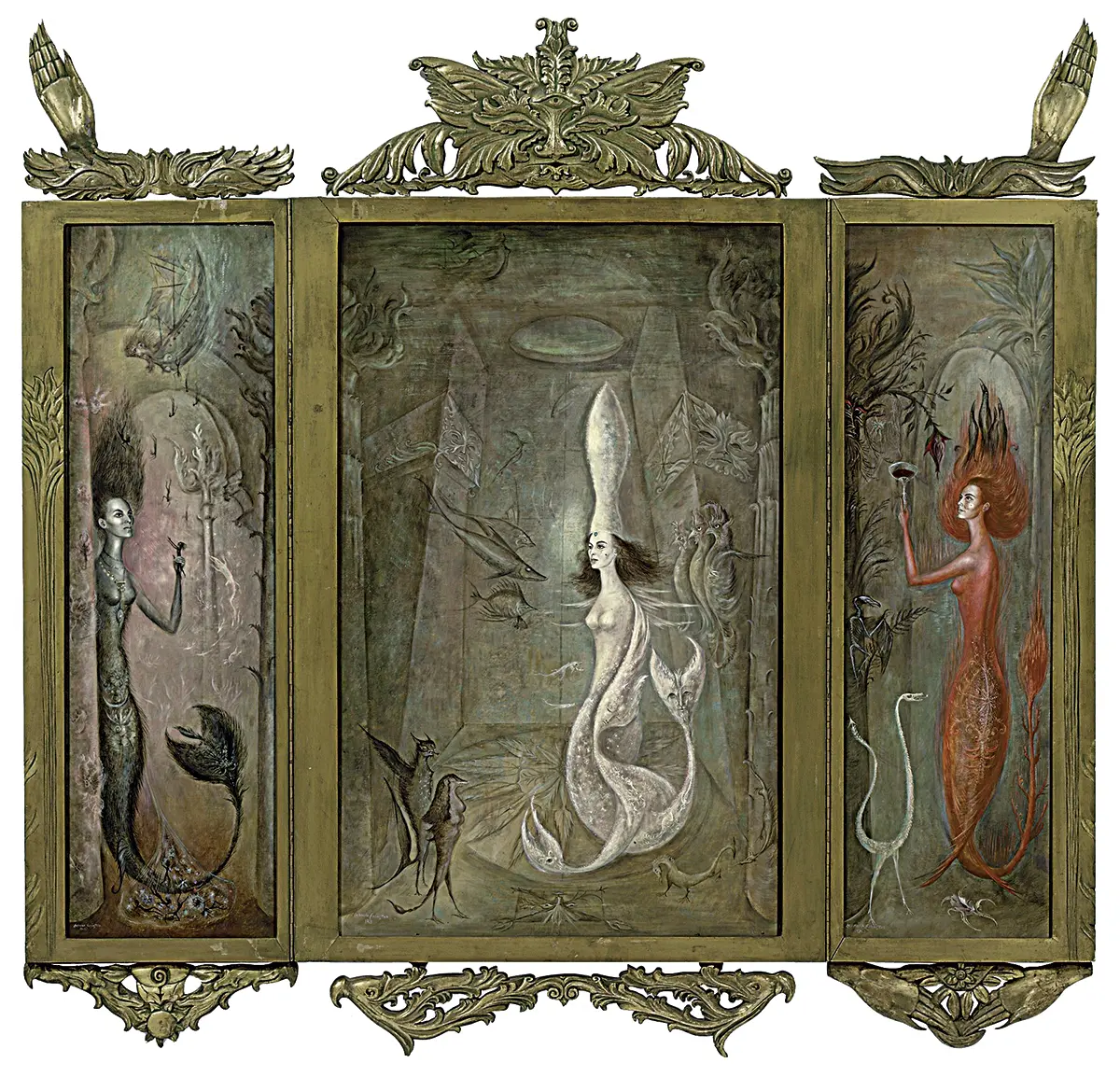
works by Carrington in the collection, including a wonderfully magical triptych
of Félix in the form of a siren; Sueño de
Sirenas was accompanied by the original frame designed by the artist (which
Félix had covered in gold leaf) and sold far above the estimated
$350,000–450,000 for $609,600 and is now the new world record for the artist.
Another Carrington work was the double portrait of Félix as the queen of the
night and the tarot, La Maja del Tarot,
that reminded the viewer of playing cards: the upper section was a standing
portrait and the lower section was one upside down, with the two united by a
magnificent gown filled with magical symbols. It sold for $430,400.
There was also a Carrington portrait of
Félix’s son who also had a distinguished career as an actor in México: Queria ser pájaro carried an estimate of
$200,000–250,000 and sold above it for $284,800. Also, there were two wonderful
drawings: one of Félix standing, estimated at $10,000–15,000 and sold for
$21,600, and the other of a malevolent spider that sold well above the
estimated $30,000–40,000 to settle at $96,000.
The sale also included a large selection of the star’s wardrobe, her scripts, and numerous awards, all of which were avidly bid up many times over the estimated values.
Sale total: $7,300,000
Lots offered: 606, sold by $: 100% Sold.
ALBERTO BARRAL
Art dealer, New York.