
After only three editions, South America’s youngest modern and contemporary art fair has been able to professionalize the sector via a vast
selection of works—over 1,500 on exhibit—by local and international artists,
represented by sixty modern and contemporary art galleries. The presence of
important galleries from abroad, coming from Argentina, Uruguay, France, Spain,
and Portugal, gave it greater international visibility while expanding the
country’s internal art market, with interesting foci beyond São Paulo, such as
Rio de Janeiro, Recife, Belo Horizonte, Salvador, and Porto Alegre, cities were
there has been greater activity in the promotion and diffusion of large-scale
collecting.
Held April 18–22, 2007, SP Arte generated intense and prolific exchanges between the local and international art market. During this edition, seventy-five percent of the works on exhibit had a decidedly current bent and many of them were created expressly for that purpose. Once again, the historical grounds of the São Paulo Biennial—in the 100th anniversary of their creator, Oscar Niemeyer—was taken over in their entirety, following an ascetic curatorial organization with large booths in which monumental works of art had a place of pride.
In that sense, it is important to highlight the shift that results from the displacement of the concept of modernity by that of hypermodernity. One must decode the seemingly complex productions as real but oriented toward new ways of framing not only art’s material form—or, rather, its signifying dimension—but also the interplay of questions and answers these productions trigger at the process, behavioral, and conceptual levels.
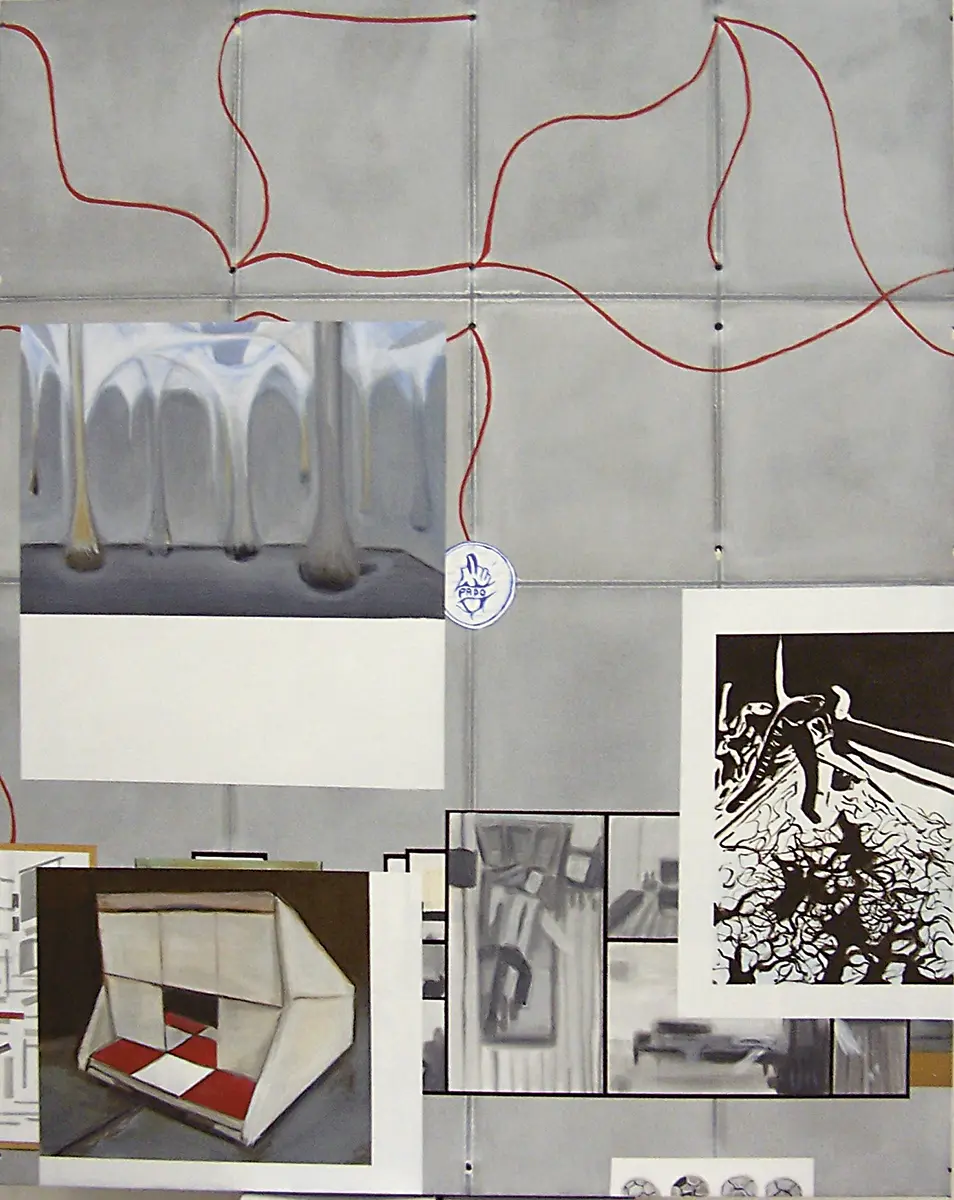
Important site-specific works were presented in this third edition of SP Arte, such as Jose Damasceno’s Cinema elástico. This artist, represented by Fortes Villaça Gallery and currently included in the Venice Biennale, crafted a very subtle mural installation with tensed elastic bands. Attached to nails arranged on the wall, these bands created a branching, tree-like, labyrinthine configuration of almost dematerialized tensions that nevertheless posited a fragile netlike structure.
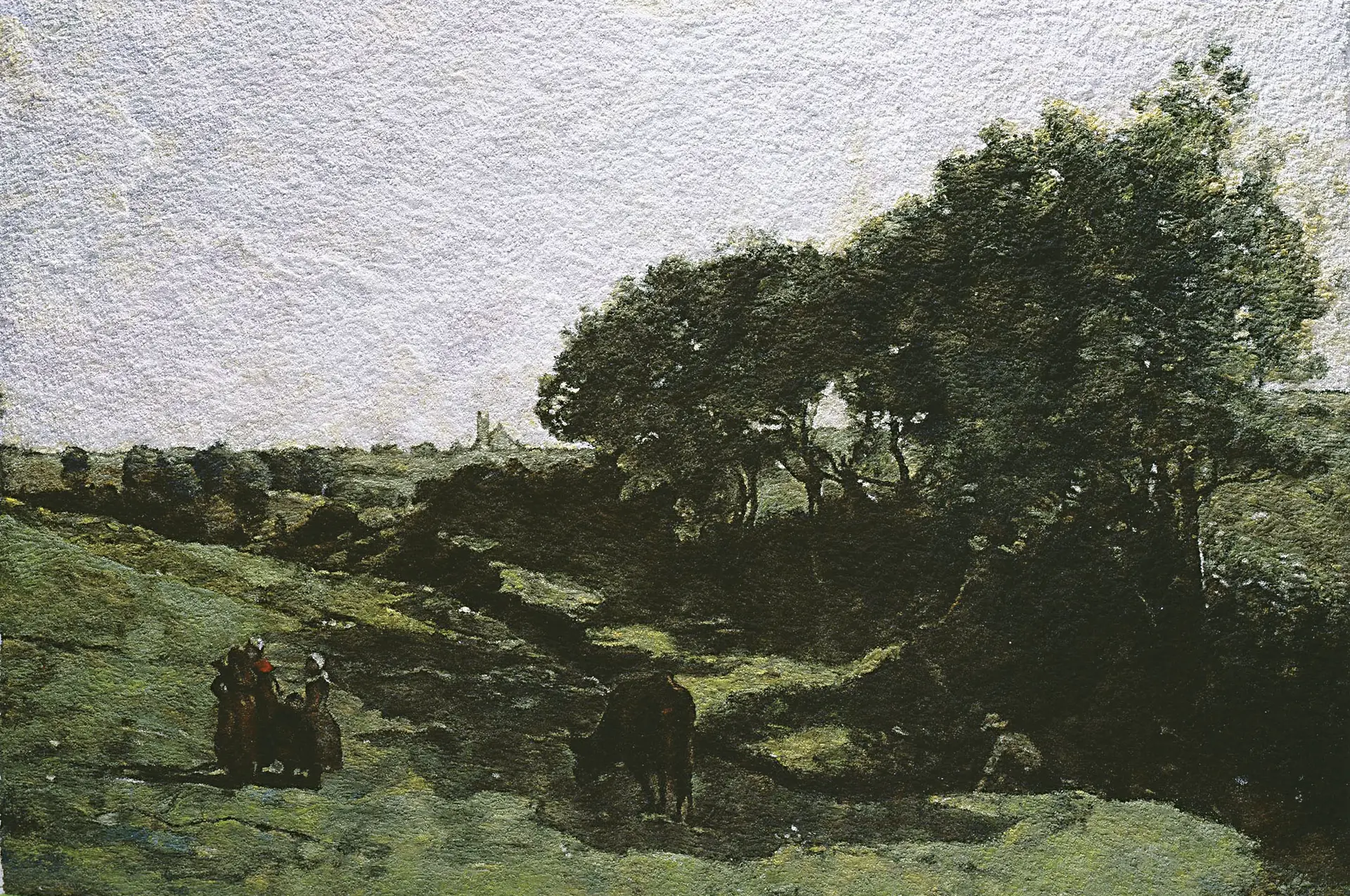
Also notable were Vik Muniz’s recent Pigment Pictures, a number of works that referred to Old Masters such as Le Vallon After Corot, which, in a reversal of the meaning of the past—that is, of the past works of art it appropriated freely—produced a combination of singularity and repetition. In these large-format pseudo-landscapes, art emerged under the guise of anti-nature, as a prior de-powering of nature, transformed into a device of artifice that intentionally culminated in a provocative aesthetic born from an unmounting of natural beauty and the assumption of the neo-sublime quotidian, with its undeniable linguistic turn.
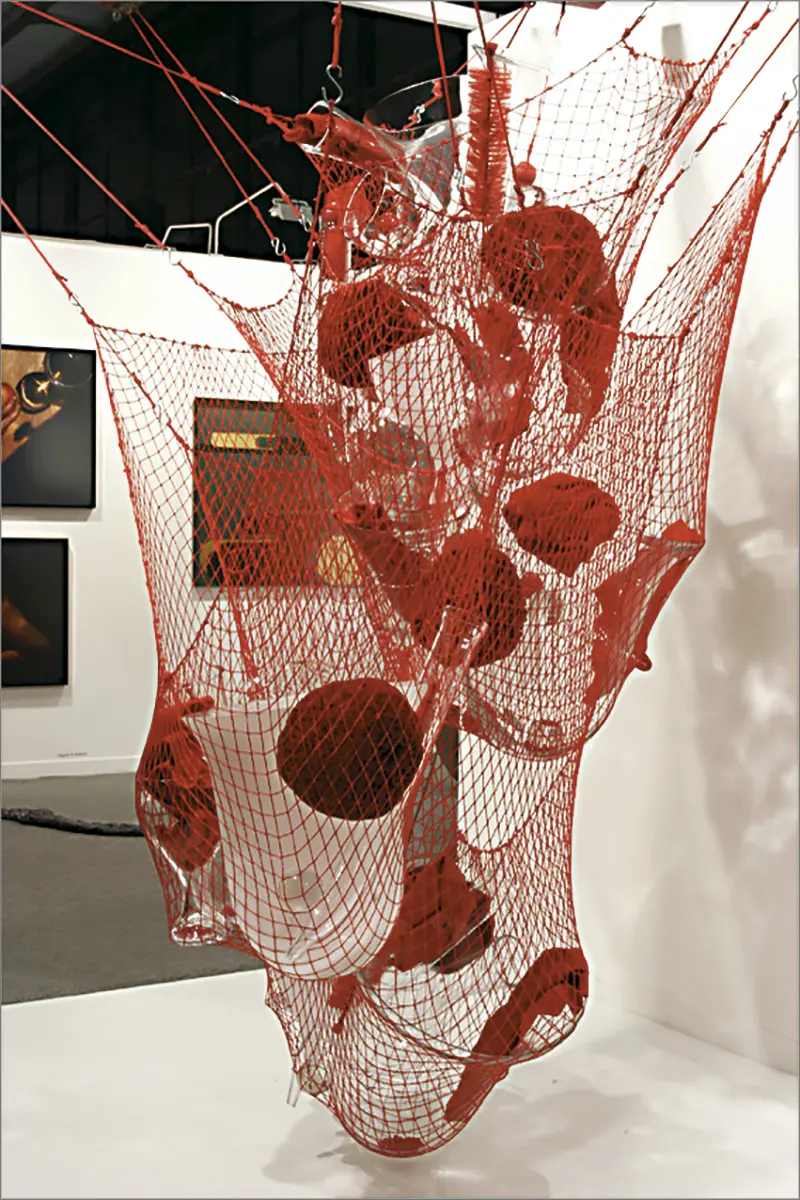
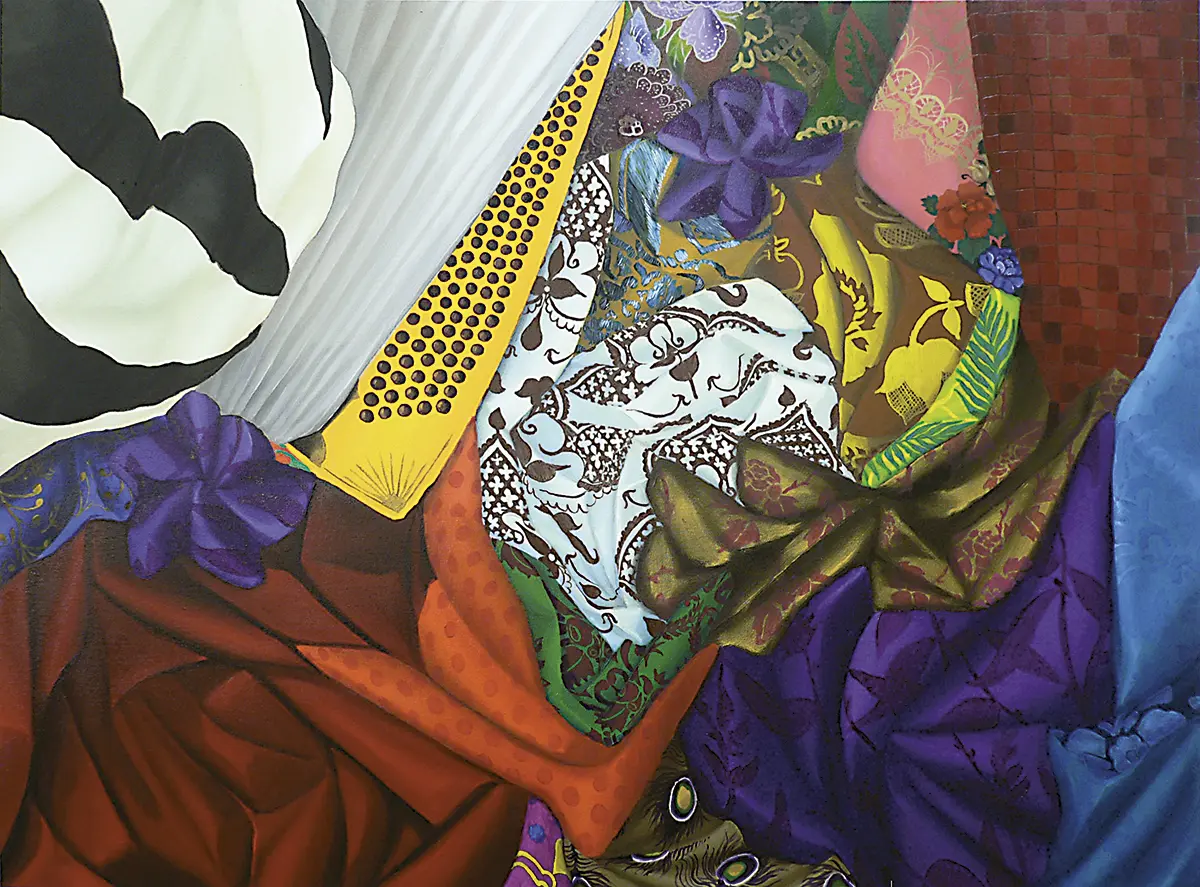
This year, Millan Gallery presented a site-specific installation by Tunga, a work of corrosive beauty and morbid materiality that displayed an aesthetic of excess and a strongly visceral performance of the baroque. Alongside Tunga’s work were new paintings made against color backgrounds by Paulo Climachauska, in which the subtractive filigree that is typical of this artist’s equation of architecture and nature acquired greater visual potency. This time around, Climachauska worked on an iconographic scheme that was increasingly figurative, where subtractive architectural elements coexisted with and even absorbed the natural. Also significant were the works presented by the young artist Tatiana Blass, who created paintings with woven textiles that questioned the neo-constructive tradition by manipulating the painted object. Casa Triángulo, always focused on younger artists exhibited Mariana Palma’s highly complex and elaborate paintings; made from an aesthetic position that conceives of painting as a kind of skin, the layers of paint, and elements of fragmentary configurations generated a compendium of still lifes and ambiguous objects staged with a contained sensuality. In these works, a random logic fused organic life with the rocaille and the vanitas, discursive strategies based on Baroque and Rococo art that the artist employed as links connecting her works.
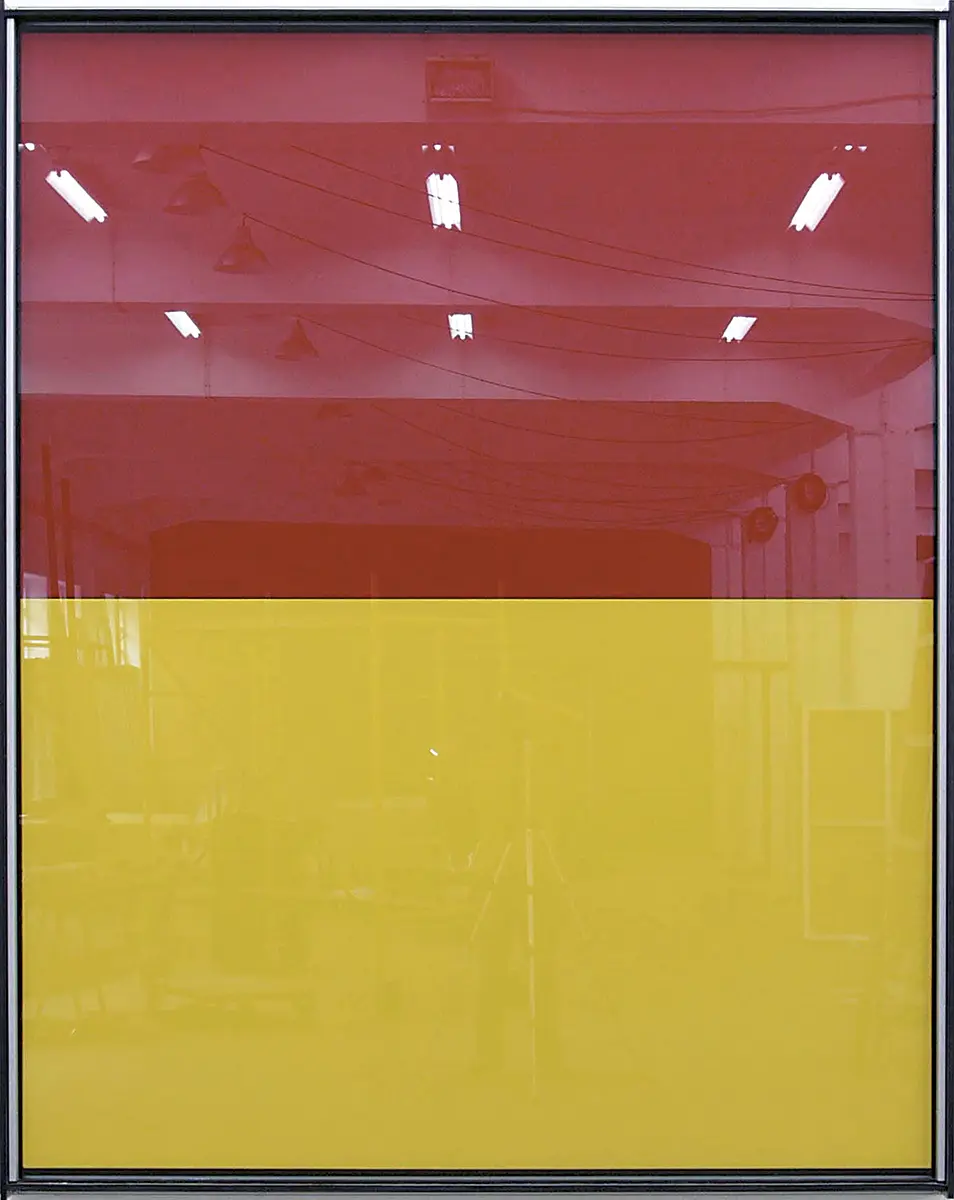
This pictorial language questioned and debated itself, against its own orthodoxy, situated at the limit, the boundaries, or the breaking point it posited in order to overflow its own framework. This could be seen in works by emerging artists such as Henrique Oliveira (at Baró-Cruz Gallery), with his paintings overtaken by colorful textures and shapes of an expansive magmatic character, demonstrating horror vacui; Paulo Almeida (at Leme Gallery), with his fieldwork about palimpsest in painting, in successive iconographies that gradually cover other interior vistas and define all the spaces that hold them, from the departure from his atelier to the arrival at the space that will provisionally hold them for a show; Manoel Veiga (at Nara Roesler Gallery), with his outsized “planned” stains, produced not by the immediacy of the gesture but by gradients of color, focused on abstract and biomorphic visions; and the already mentioned Tatiana Blass, (at Millan Gallery), who wrapped the frames of her paintings in sewn and glued cloth with opaque and glossy textures to reveal a painting for the touch, not only for the eye.
As if intent on testing its curatorial position, Casa Triángulo also exhibited Albano Alfonso’s Naturaleza muerta, Felipe Barbosa’s soft, padded objects created using soccer balls, and Nazareth Pacheco’s perverse object-jewels. Also interesting were Mauro Restiffe’s photographs and Sandra Cinto’s substantial works.
Nara Roesler proposed a relational space based on the discourse promoted by a rich and fluid range of sculptures such as Artur Lescher’s Cachoeira, which is part of a new cycle of works with a more linear and vertical projection. Also present were José Patricio’s giant blocks using domino pieces in different colors and following a highly precise arithmetic sequence; Brígida Baltar’s delicate drawings; Julio Le Parc’s self-propelled works, closely connected to Abraham Palatnik’s kineticism; Hélio Oiticica’s Cosmococoas cycle; and Antonio Manuel’s Neo-Concrete paintings. Other highlights in this booth, located at the entrance to the Biennial grounds were Karin Lambrecht’s works and Marcos Chaves’s large-scale photographs; Chaves also launched his artist’s book during the fair.
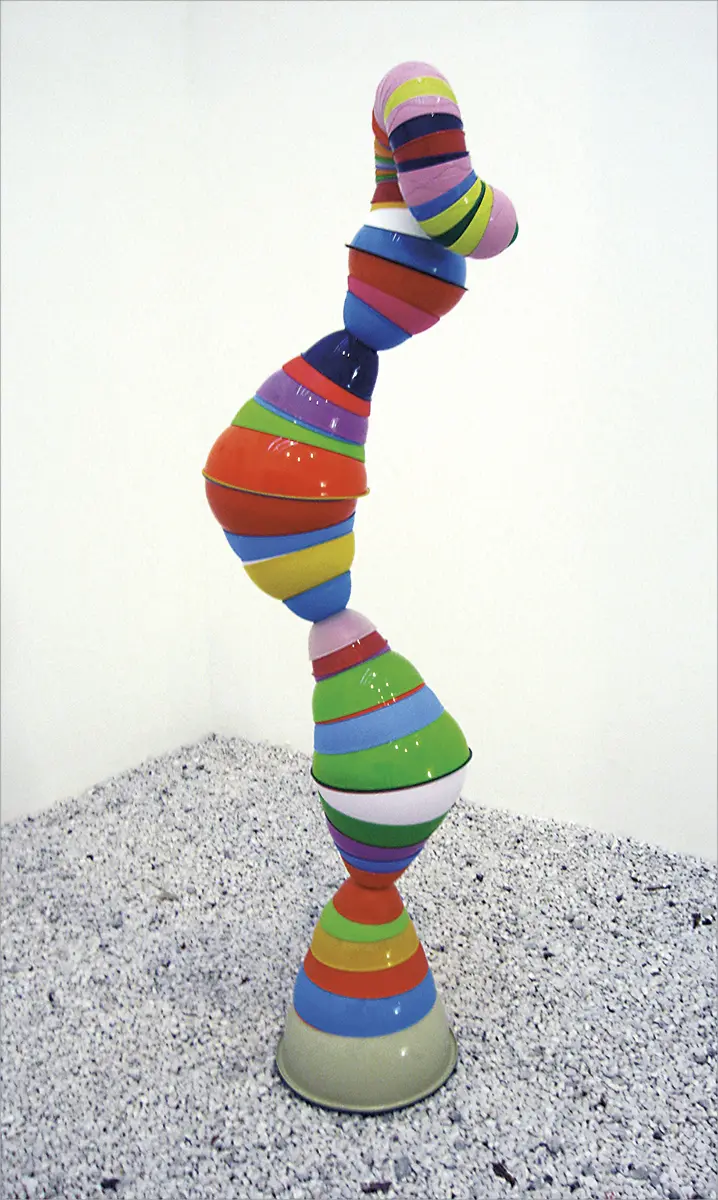
Thomas Cohn Gallery presented a monumental booth of superb quality, a tribute to current painting with recent works by Oscar Oiwa, with his series of Icebergs. In addition, Gordon Cheung was present with his Neon Shadows, as were André Gomes and Guillermo Conte. There were textile paintings by Carmen Kachani, Tony Cragg’s sculptures, assembled objects in multicolor plastic by Sang, and two works by Leonilson from the gallery’s own collection.
Brito Cimino emphasized two curatorial gambles distributed in two booths, one on the first floor and one on the second. This gallery presented very recent pictorial works by Delson Ochoa; irony-laden, parodic works by Nelson Leirner; sculptures by Saint Clair Cemin; site-specific works by Regina Silveira; monumental photographs by Caio Reisewitz; and a light installation by Rochelle Costi, arranged on a back-lit table with purely analog photographs. Costi’s operatic set was titled Largo de Batata.
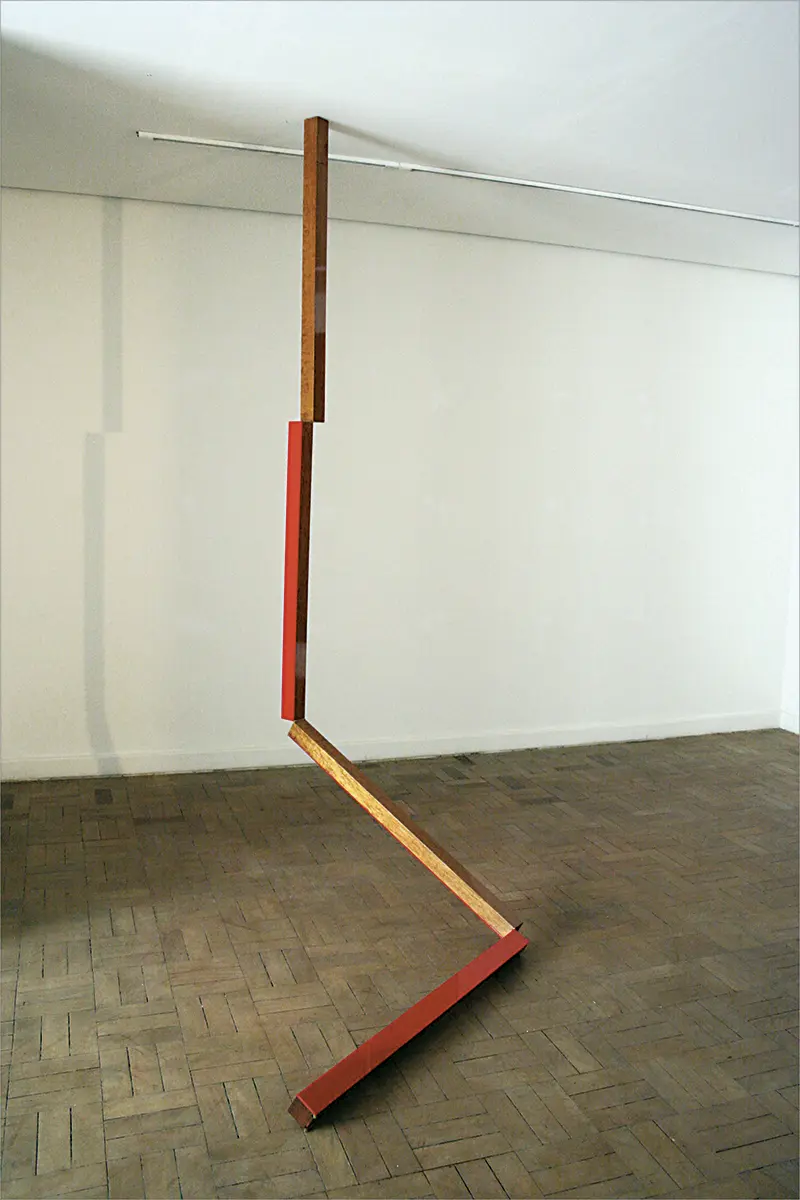
Gabinete de Arte Raquel Arnaud devoted a preferential space to the sculpture of Waltercio Caldas, a Brazilian artist who again exhibited at the Venice Biennale. Also present were engravings by Elisa Bracher and sculptures by Sergio Camargo from the Casa Hum collection, all of which underscored the pioneering work of this dealer, which will officially open the IAC (Contemporary Art Institute) in October.
Among the international galleries at the fair, Luis Adelantado Gallery was present with its Miami and Valencia locations, as was Sur Gallery (Uruguay). GC Estudio (Argentina) brought a lucid and coherent view of the kinetic art of the Paris-based Argentinean artists in the GRAV collective, with works by Julio Le Parc, Martha Boto, Gregorio Verdanega, and the generative Op Art artists of the 1970s, like Ary Brizzi and Eduardo Mac Entyre. In a large space, Mario Sequeira (from Braga, Portugal) exhibited large-format works by Luis Coquenao, Pedro Cabrita Reis, Julian Opie, and José María Sicilia.
A number of São Paulo galleries, such as Oeste, Virgilio, and Eduardo Fernandes were present, supporting the artistic processes of the youngest generations, with a well-defined orientation toward sculptural objects, video art, and photography.
Leme Gallery exhibited photographs by two artists currently included in the Venice Biennale: Elaine Tedesco with her series Guaritas and Neil Hamon with his anachronistic soldiers. These works were alongside ambient paintings by the youngster Pablo Almeida, fresh from representing Brazil at the most recent edition of the Cuenca Biennial, along with Albano Alfonso. Also in this booth, which was focused on the incorporation of international artists, was David Batchelor (who was in the 2004 São Paulo Biennial) with sculptures based on kitsch-colored plastic objects in which the British sculptor investigated a new dynamic of color and light.
As a starting point for the consolidation of several possible art markets within Brazil, the high-quality contributions of several galleries were notable and decisive. From Belo Horizonte came Léo Bahía and Celma Albuquerque; from Recife, Mariana Moura came with unusual installations by Marcelo Silveira, Amelia Toledo, and José Patricio. From Rio de Janeiro came Laura Marsiaj Arte Contemporáneo, HAP Gallery, and Artur Fidalgo Gallery, with a video by Rosángela Rennó titled Menina from the series Frutos extraños (2006). Another Rio gallery was A Gentil Carioca, present at the fair for the first time with a playful space. Completing this list is Manoel Macedo, Tempo, Arte em Dobro, Arte 21, and Gesto Gráfico, among other galleries.
The Porto Alegre Stock Exchange exhibited a previously unseen body of work by Patricio Farias, titled Apollinére Enameled (2006), a biting and funny tribute to Duchamp based on a digital photographic blow-up and an animation of his work.
Also notable was the fair’s cultural programs, with a well-attended and varied series of discussions presented in the auditorium, as well as an exhibition devoted to contemporary video art curated by Jacopo Crivelli Visconti. In addition, there were launches of artist’s books by Brazilian publishers (which are enjoying a boom) as well as visits from prestigious curators, art critics, historians, museum directors, and collectors from abroad.
CLAUDIA LAUDANNO
Ph.D. in History and Art Theory from the University of Buenos Aires (UBA). Independent art critic and curator.