
The twelfth version of Kassel’s Documenta marked the event’s
fifty-second year in existence. The first version, held in 1955, was an
initiative of the artist and professor Arnold Boode (1900–1977), who wanted to
present a general review of the Modernist period in Europe and to place within
it the German artists of the moment. Subsequent curators have sought to
strengthen the exhibition’s avant-garde profile, with counterpoints due to the
presence of renowned artists. In this delicate balance, Documenta’s prestige
has been consolidated. Did the new edition follow these general guidelines? The
answer is a resounding no. Documenta’s Artistic Director Roger M. Buergel and
Curator Ruth Noack declared that Documenta 12 has no format (form in German). That is, it did not
respond to any known model nor could it be described from a position defined a
priori. There were no chronological, stylistic, or ideological themes. Three
general questions served as guidelines: “Is modernity our antiquity?”; “What is
bare life?”; and “What is to be done [in terms of art education]?” To answer
such a program would seem impossible; it was particularly debated in
Documenta’s own publications. The goal of widening the traditional metropolitan
viewpoint toward areas previously considered peripheral was more within reach:
“My first objective was to stop focusing our attention on European, Western,
American art,” said Buergel. Which meant to include the world. Nothing less.
The intent was laudable—the results, rather less so.
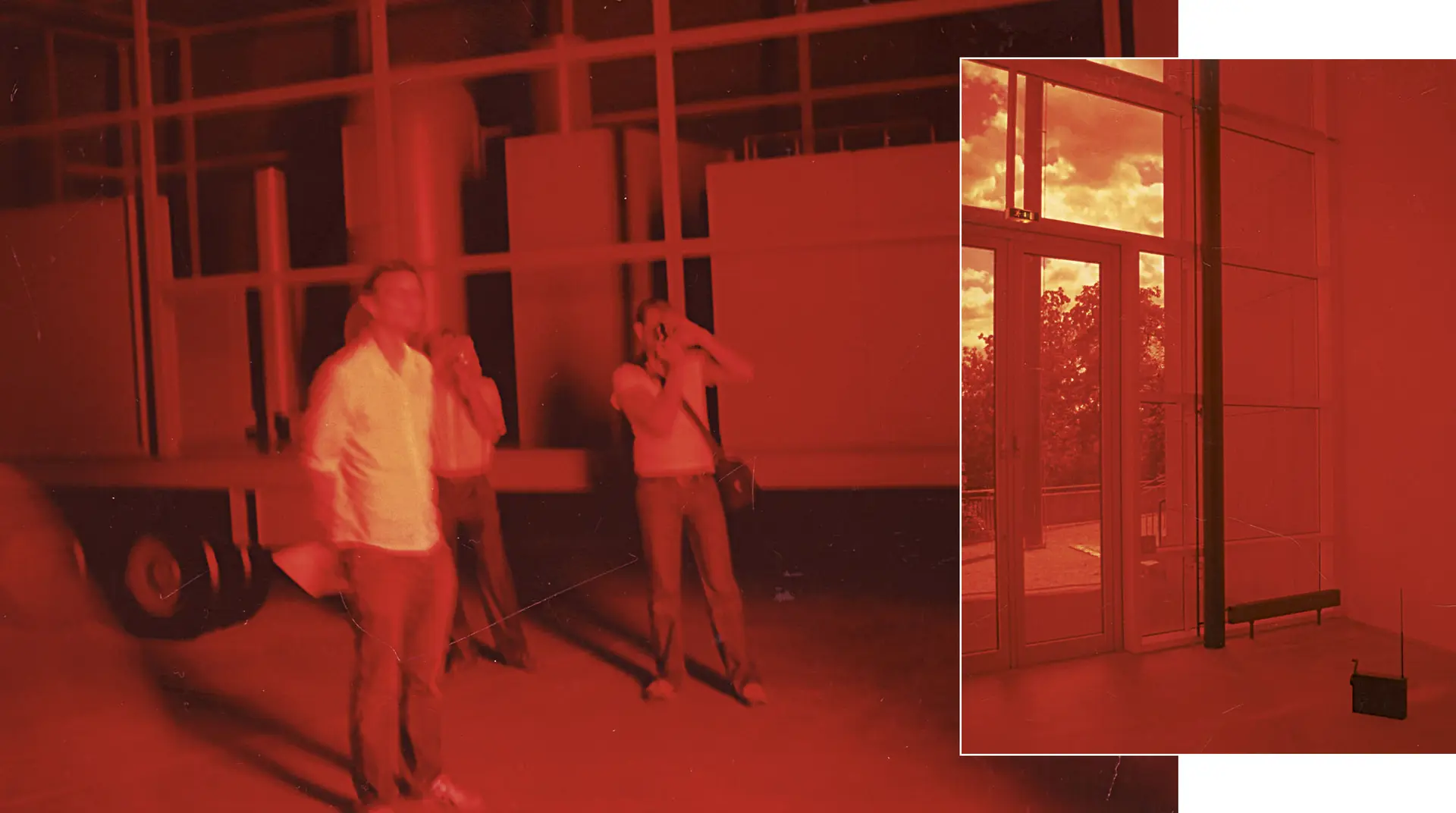
Documenta was shown in six locations within the city: the Museum Fridericianum,1 the Neue Galerie, the Schloss Wilhelmshöhe, the Documenta Hall, the Kulturzentrum Schlachthof, and the Aue-Pavillion. Strangely, the event was also present at El Bulli, Ferran Adrià’s restaurant in Catalonia.2 There were no artworks there, and the chef was not at Documenta; the designation of his work as art was apparently sufficient to have him included as a participant in the show.
The Aue-Pavillion was the only ad-hoc site for this Documenta. Built by the French firm Lacaton & Vassal, it was a temporary structure that attempted to integrate a view of the gardens of the old Orangerie into the originally translucent pavilion. But to stage the show, it was necessary to cover the walls with thousands of meters of metallic curtains, which turned it into an anodyne fair venue poorly resolved as an exhibition space.3
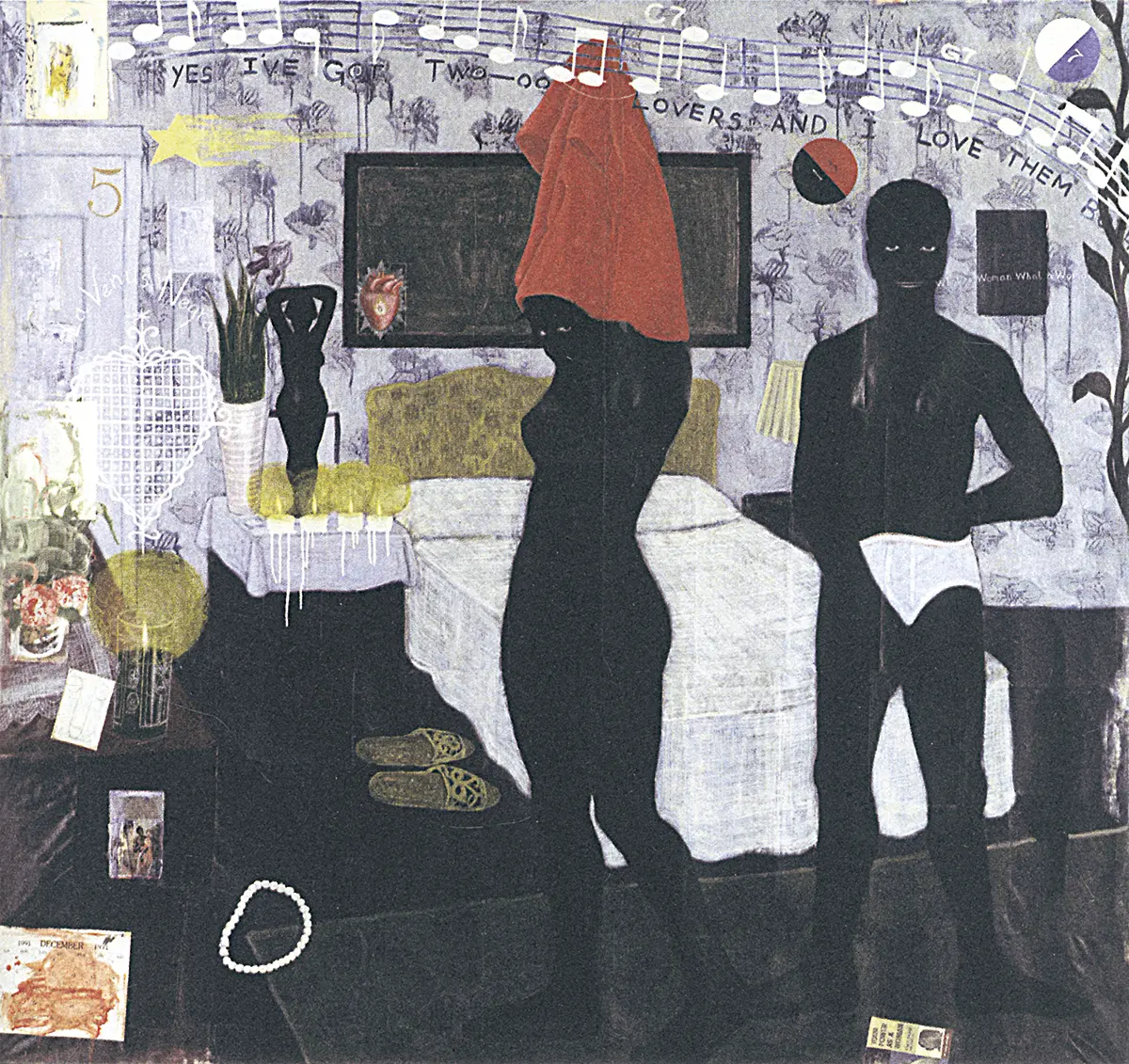
But let’s move on to the spacious arrangement of works.4 The curators decided to scatter many works by individual artists throughout the show’s various sites. Thus, John McCracken and Kerry James Marshall from the US, Ai Weiwei from China, Sheela Gowda from India and Mira Schendel from Brazil had works in three or four of the locations.
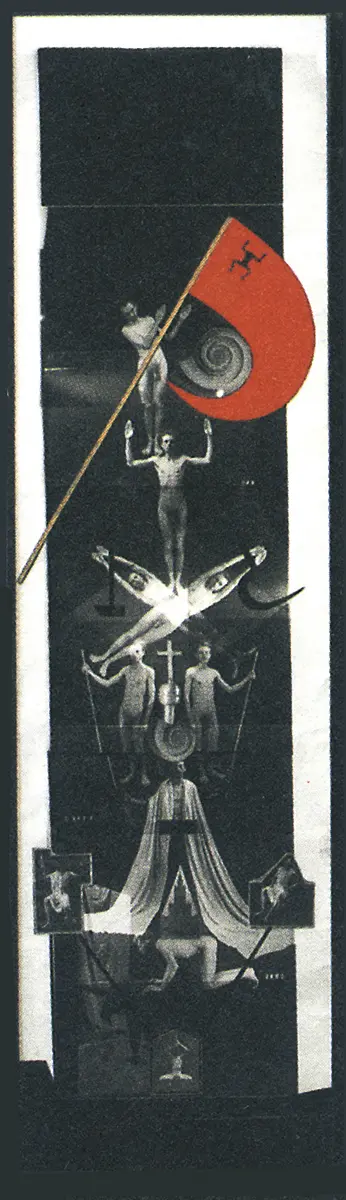
The strangest thing was the insertion of works into the collections at Wilhelmshöhe Castle: for example, a photomontage by the Polish artist Zofia Kulic was hung between two self-portraits by Rembrandt. The cards accompanying each work only noted the artist’s name, the work’s title, and the technique used. The artistic director stated the need to focus on the works themselves and not on other information. How does one, then, widen awareness of the geography of creativity when one is denied knowledge of where artists come from or to what period they belong? There were works from the fourteenth century (a whole series of Persian miniatures) alongside works created specifically for this Documenta. In the globalized world, a work of art by itself does not sufficiently indicate its cultural roots. To be effective, an imaginary museum needs greater linguistic support.
The Documenta general catalog, organized by the chronology of the works on exhibit, is an exceedingly complex tool, aside from the fact that the arrangement of the works was entirely unrelated to this criterion. A brief critical text, headed by the name of the artist—without birth date or place of origin—accompanies the reproduction of each work; only at the end are there minimal biographies of the more than one hundred participants and a list of their works. The companion picture book presents an ample collection of photographed artworks, buildings, displays, and even images of the public, without a single index of its contents. It is a good memento for those who visited the show but is completely useless for those who didn’t. On the other hand, the audio tours offered good support to the general visit.
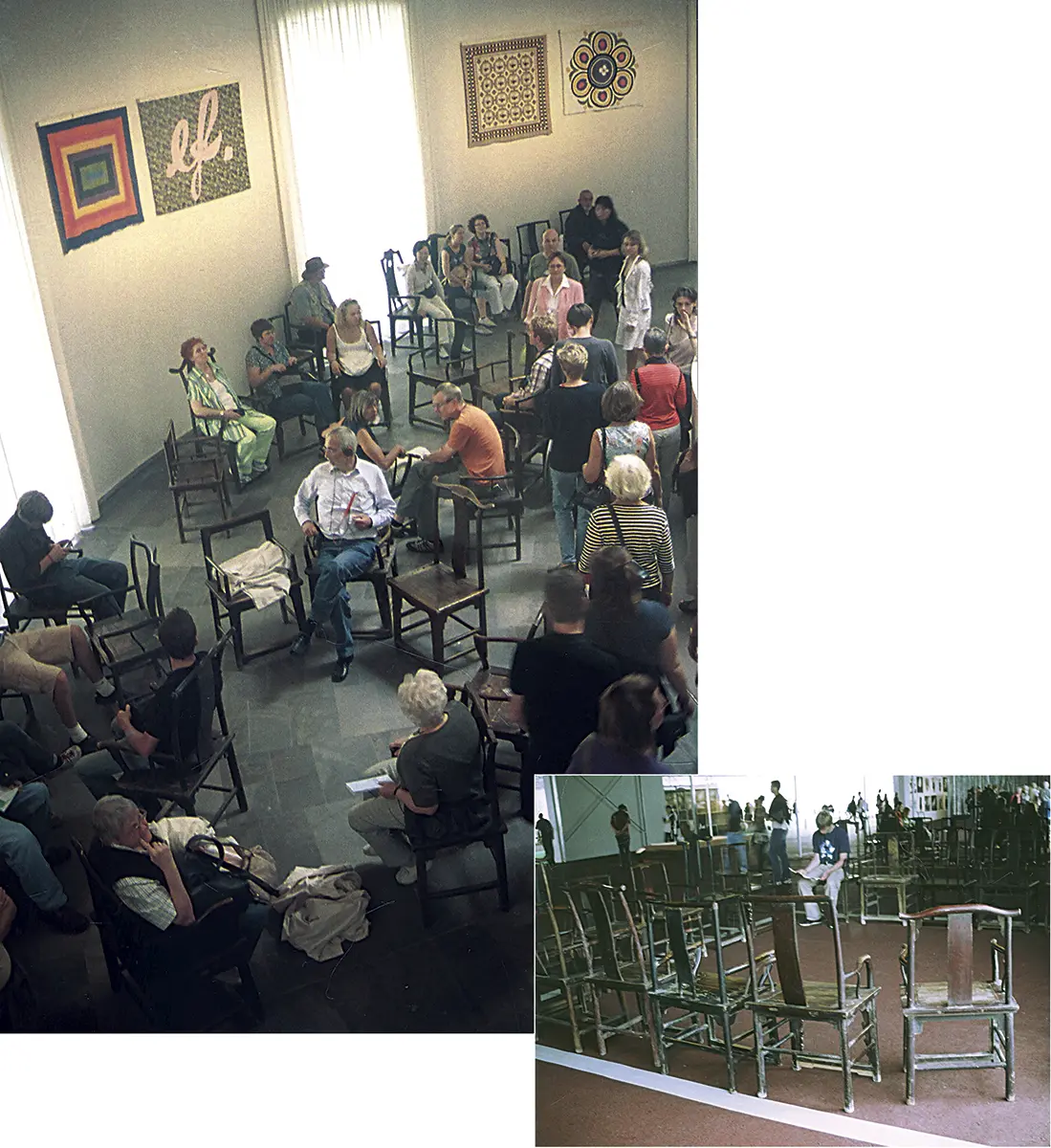
The purpose of this review is to highlight the presence of Latin American artists. However, it is necessary as well to note some outstanding guests, excluding those of film and video art. I’ll start with the poetic contribution by Ai Weiwei (born in 1957, Beijing). One thousand and one Chinese persons, and one thousand and one Qing Dynasty (1644–1911) chairs collected and restored by the artist were present at Kassel. The Chinese visitors, abroad for the first time, were confronted for ten days with a contemporary art show in the West. Ai, who lived for twelve years in the US, knows of the immense formative power that lies within culture shock. China is growing economically; now it needs to foster the growth of its citizens as individuals, something ignored in the past by its totalitarian system. The chairs were omnipresent throughout Documenta, and they were available for use. Were they an allusion to Chinese manufactured goods? Arranged in various ways—in line, in a circle, in a square—at almost all the sites, they provided some resting spots amid the laborious tour of the show. In this way, they became the event’s enduring image.
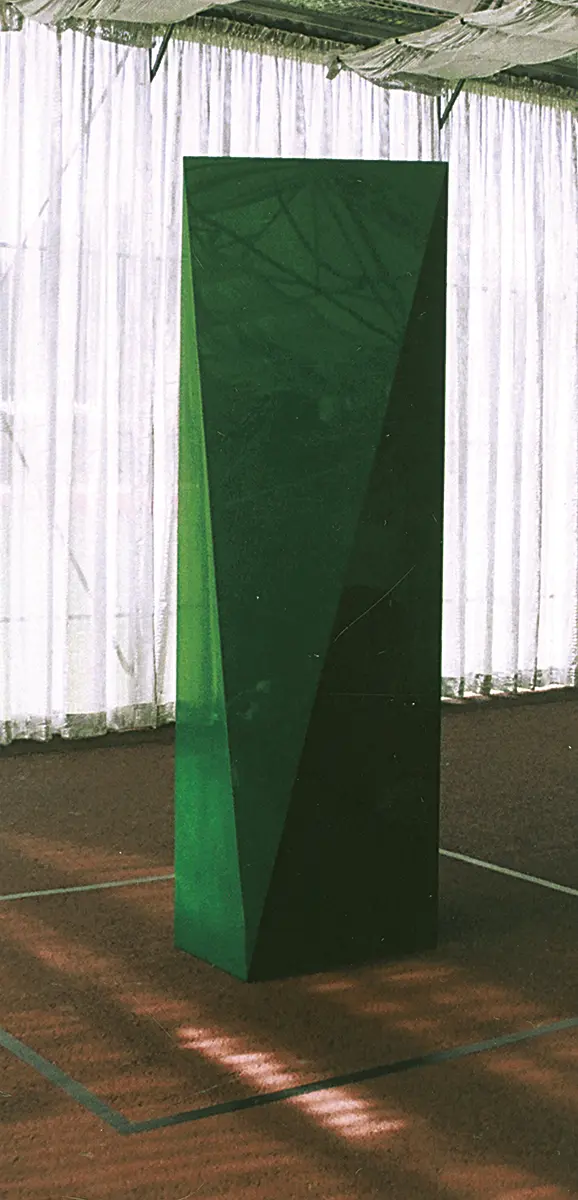
John McCracken (born 1934, Berkeley, CA)
presented thirteen works dated between 1964 and 2007. These were minimalist
murals or geometric volumes, worked in polyester resins and varnishes on wood
to create hyper-shiny monochromatic surfaces that, paradoxically, camouflaged
them into their reflected surroundings. A rather different universe was the one
proposed by Kerry James Marshall (born 1955, Birmingham, AL; lives in Chicago).
A figurative painter and draftsman, Marshall delves into his condition as a
Black American and his rejection of segregation. His painting emphasizes a
poetic approach with primitivist undertones, and his drawings lean toward the
comic and include captions. Twenty of his works were scattered around the
exhibition.
Zofia Kulik (born 1947, Wroclaw, Poland) has been developing large compositions based on small black-and-white photographs, multiplied like ornamental designs, since 1987. In her work at Documenta, architectural, religious, or military symbols were repeated in multiple registers along with images of the human body. The work had a tempting similarity to kaleidoscopes and mantras.
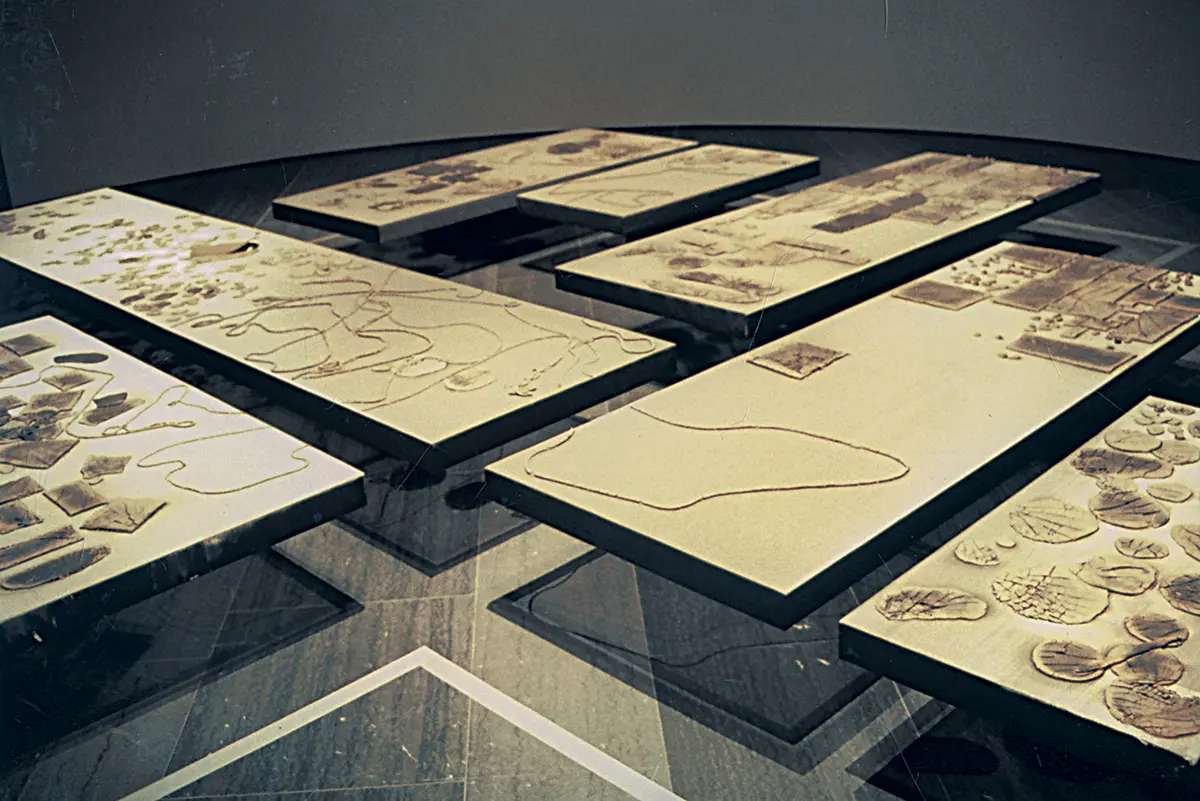
Situated between installation and sculpture, the work of Sheela Gowda (born 1957, Bhadravati, Karnataka, India) features a refined mixture of artisanal work and contemporary art. Using threads dyed through an ancient method, twisted and made into ropes, incense ashes, and watercolors, she refers both to current religious conflicts and long-rooted Indian traditions. Her Collateral, created on-site at the Neue Galerie, comprised eight large, horizontal, low-slung metallic forms, like floating tables (their supporting points were hidden from view), on which an entirely imaginary landscape was formed with shapes created by the burning of incense. Placed in a space well defined by a circular wall that almost enclosed it, this installation stirred the soul.
Hu Xiaoyuan (born in 1977, Harbin, China) works with installations, assemblages, and drawings. In one of the Fridericianum galleries, several display cases exhibited embroidery drums with needlework made with human hair on silk; images like the female pubis were added to traditional motifs of Chinese decorative arts. At a different site, large-scale tapestries made from silk clothing used by women in the artist’s family hung from a staircase wall. (By the way, almost half of the artists presented at this Documenta were women).
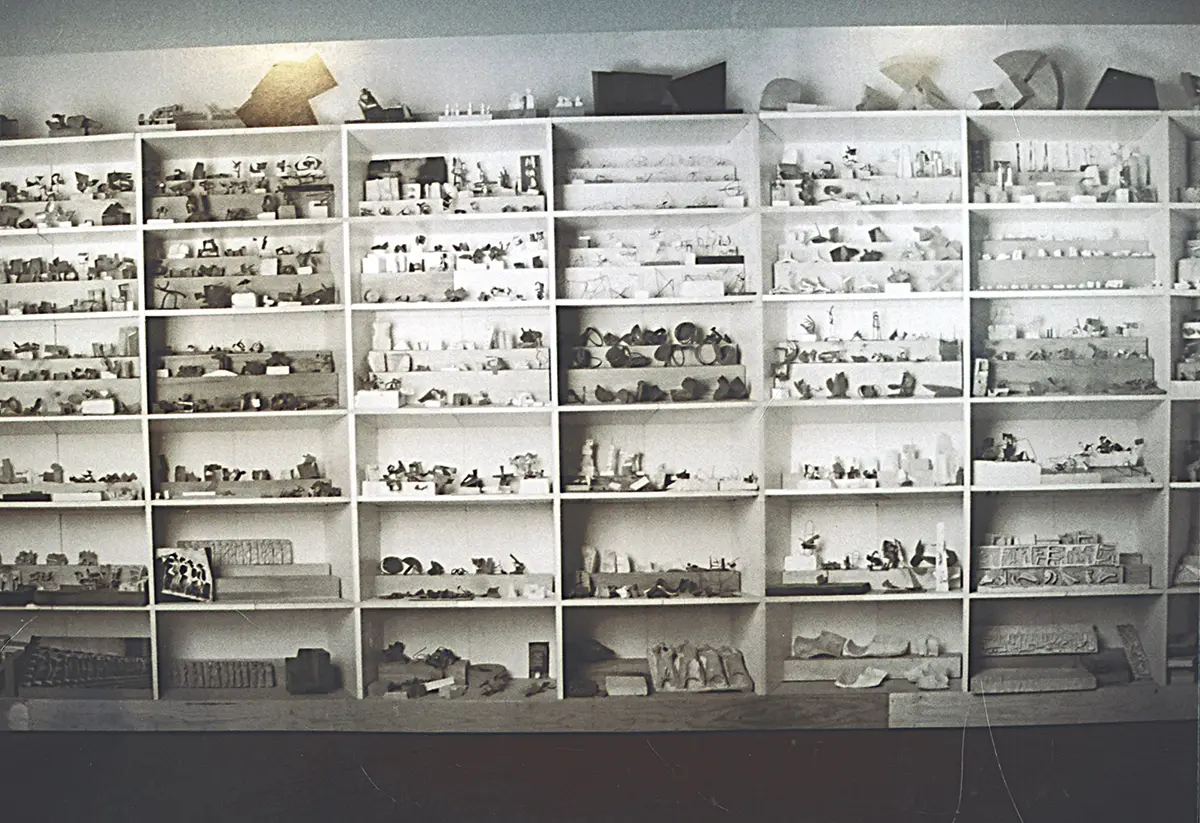
Two artists of interest came from Spain. Jorge Oteiza (1908–2003), the Navarre-born artist who had such influence in South America in the 1950s, was represented by three medium-format sculptures and a picture of his delicate workshop, Laboratorio de tizas (1972). The installations Camión fantasma and Radio by Madrid’s Iñigo Manglano-Ovalle (born 1961) addressed the way that information is received and processed; the underlying theme was the invasion of Iraq in search of military arsenals that were never found. These works were intelligent metaphors alerting us to the frequently false information that flows from the mass media.
It has been said that there was a massive presence of Latin American artists at this Documenta. But in truth, there were only Chileans, Brazilians, and Argentines, and they didn’t even add up to fifteen. So, in fact, Latin America was not present. One could conclude the same about the presence of other regions and remind the curators of the saying “Jack of all trades, master of none.” The “all-inclusive” pretense is a dangerous proposition and probably a distorting one as well.
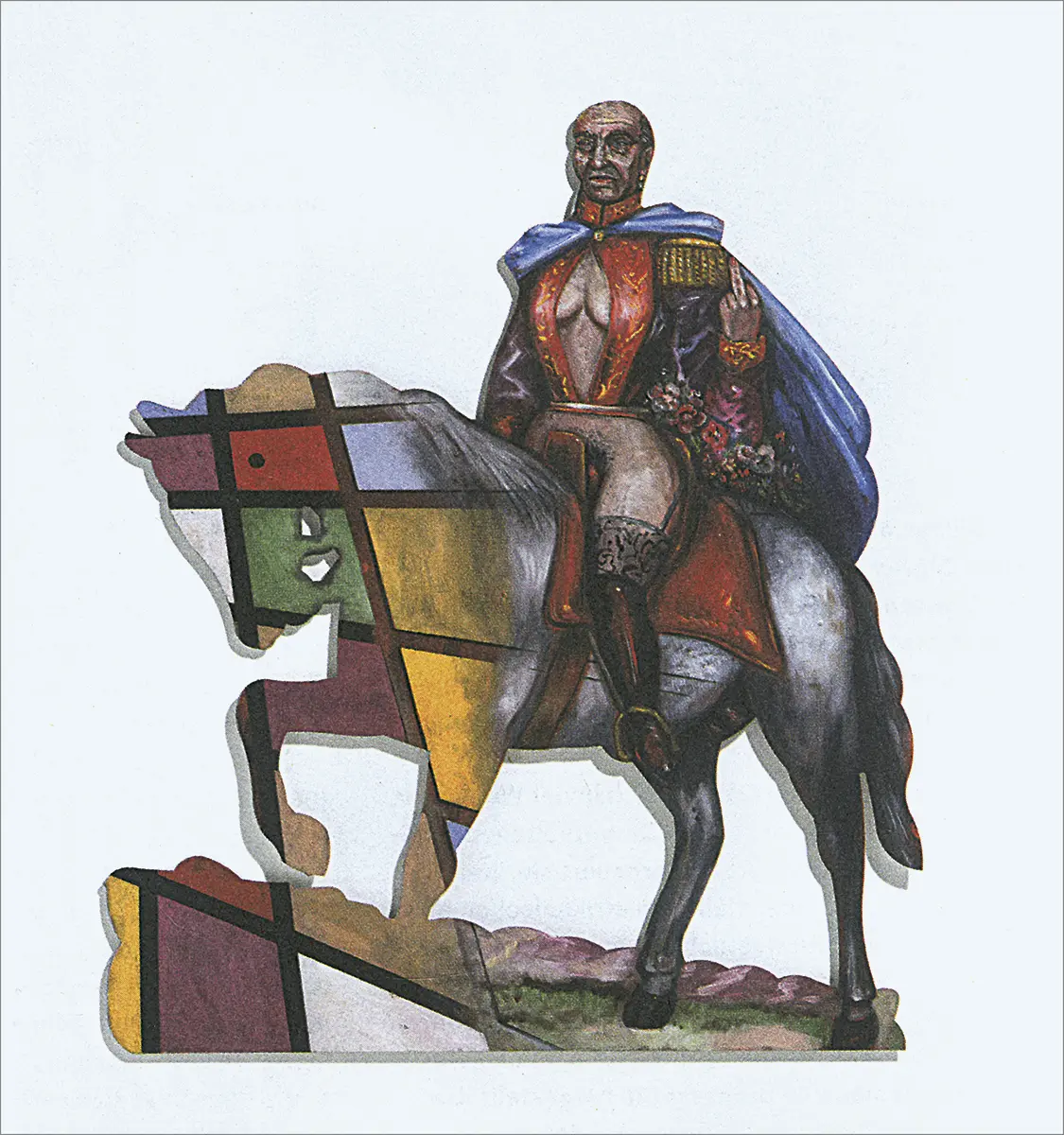
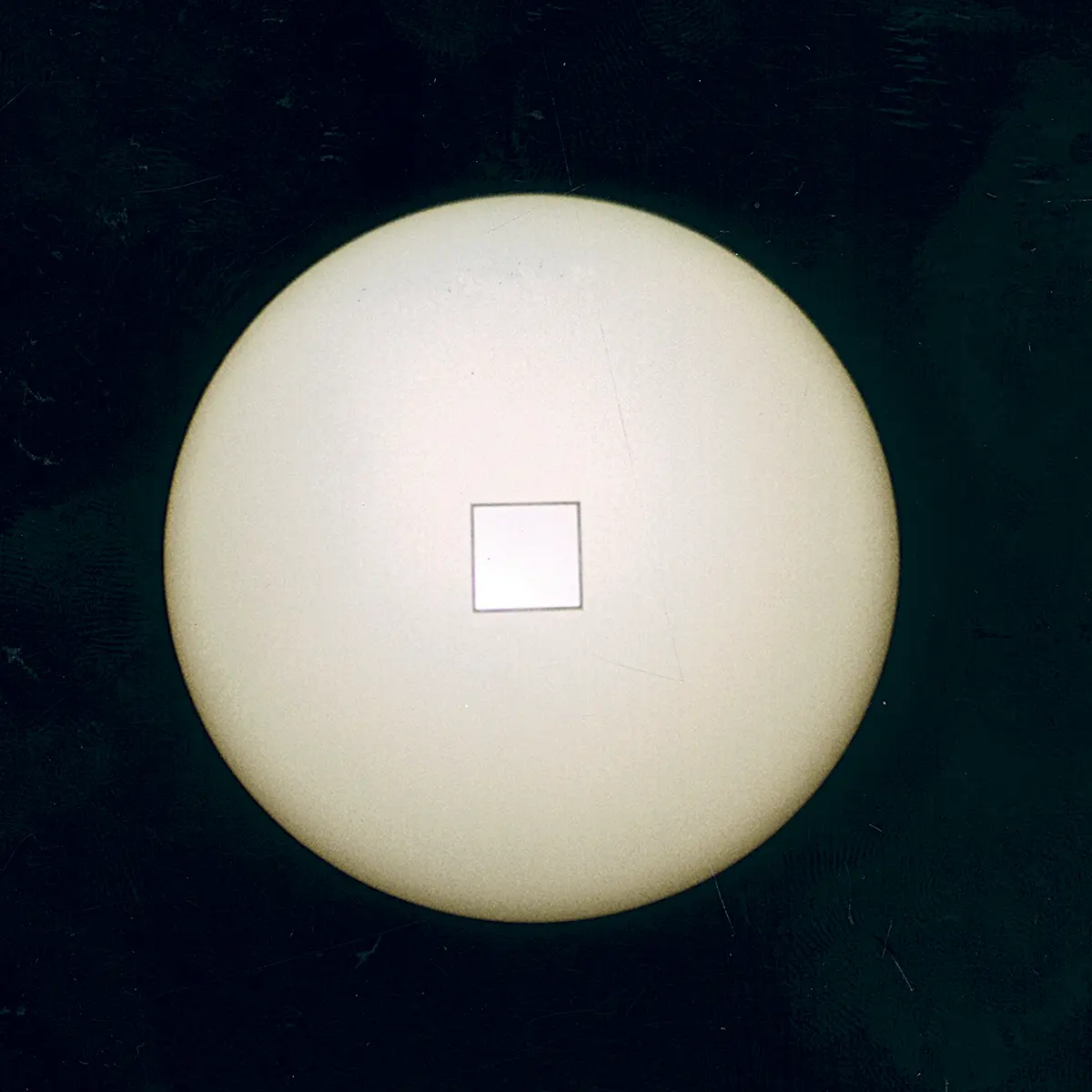
The most visible Latin American name was Juan Dávila (born 1946), the Chilean artist based since 1974 in Melbourne, Australia. Documenta presented twelve of his works dated between 1979 and 2003. It was a controversial success, given the virulence of his pictorial language and his combination of politics with explicit sexuality. El Libertador Simón Bolívar, from 1994, was one of his typical works: the general on a horse and the apparition of a female body under his military uniform.5 The most recent works, two small oil paintings of suburban landscapes with a yellow-colored diagonal inserted, like a construction beam, posited a significant shift in his work. At the Neue Gallery were two installations by Gonzalo Díaz (born 1947, Santiago): Al calor del pensamiento (1999), made available by the Zurich-based Davos Collection, and Eclipsis, created for this exhibition. The former was a cursive text made with an electrical resistance that turned on and off intermittently.6 The latter was more complex, proposing a strong circle of light in a darkened area. As the viewer approached it and his or her shadow interfered with the projection, a text appeared: “You have come to the middle of Germany to read the word “Art” under your own shadow.” Díaz maintains his critical distance with regard to the inevitability of the quotidian. The video-performances presented by Lotty Rosenfeld (born 1943), also from Chile, seemed anachronistic. There was a time, under the dictatorship, when transforming white painted lane-dividers on a street into crosses was a valid act, but doing it in Kassel today is pointless. But it led to a diverting anecdote: it seems the city’s transit police promptly took out the tape added to their traffic signals by the artist.
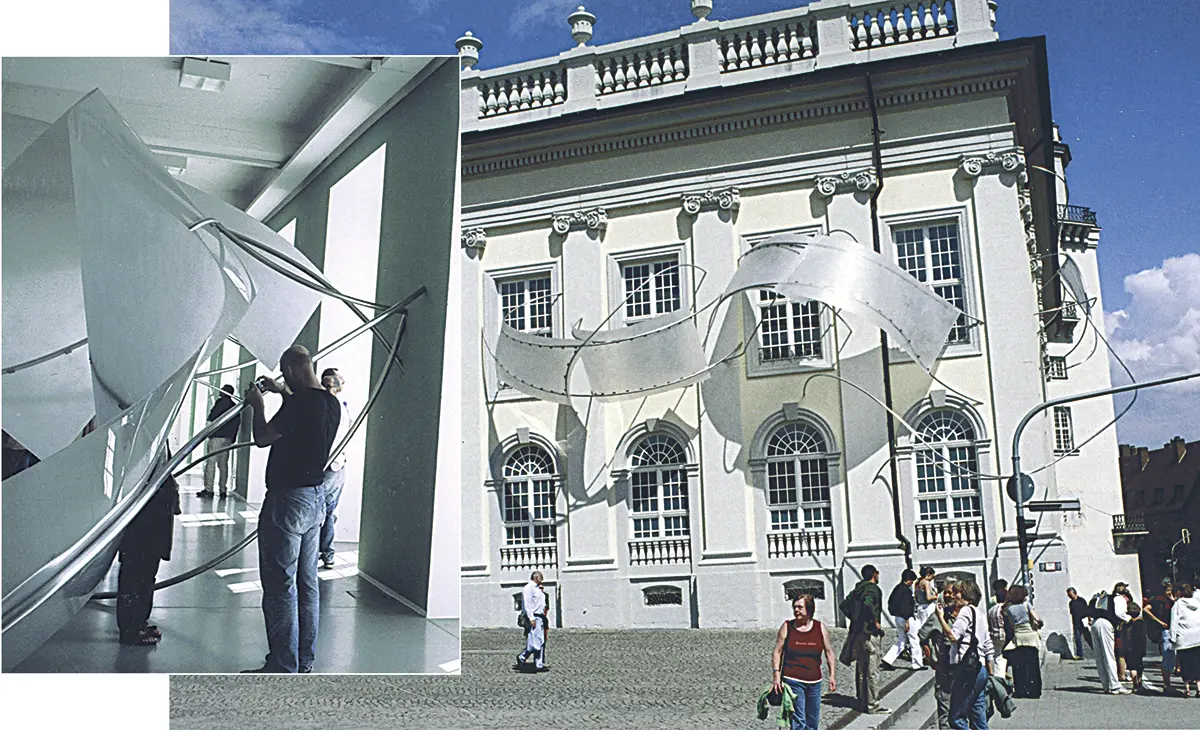
Lole de Freitas (born 1945, Belo Horizonte, Brazil) filled one room and part of two façades at the Fridericianum with her installation of steel tubes and translucent polycarbonate sheets. In this, one of Documenta’s most beautiful works, the large internal space, full of rhythm and mobility, overtook the exterior: the curved planes reflected and/or revealed the surroundings, generating an infinite visual labyrinth. There was magic in this environment, as there was, much more secretly, in the works and notebooks created by Mira Schendel (born 1919, Zurich; died 1988, São Paulo) and present thanks to private lenders, especially the Cisneros Collection. In contrast, Escultura negra, by Luis Sacilotto (1924–2003, Brazil) from 1959, seemed rigid and opaque in its message. Did the curators want to commemorate the enormous importance of geometric abstraction in Brazil toward the mid-twentieth century? Works by Lygia Clark would have served the purpose better.
Another nostalgia-tinged presence was the documentation of the avant-garde artists who presented the 1968 Tucumán Arde exhibition, preserved by Graciela Carnevale (born 1942, Marcos Juárez, Argentina). This archive comprised photographs, press clippings, and letters surrounding the art performance that was a paramount example of the politicization of Latin American art almost forty years ago. But what meaning could this patch of history, decontextualized and illegible to most of the public, have in Documenta in 2007? The four works by León Ferrari (born 1920, Buenos Aires) said little more; they were heliographic prints on loan from the Daros Collection, dated between 1980 and 1982. In a paradigm-setting show such as Documenta, Ferrari’s vast oeuvre, better represented at the last São Paulo Biennial, should not have been reduced to two frankly minor works.
Documenta 12 ignored many of the usual exhibition practices, especially explanatory signage, which was severely diminished. It mixed past and present in a questionable continuum, the in-depth presentation of non-mainstream artists was more illusory than real, and Mr. Buergel’s concept of artworks “acting as if on a stage” was not always convincing. In the end, the stated lack of format was a formal guideline. Documenta 12 will be remembered as the show of the one thousand and one Chinese chairs, reflecting amorphousness.
NOTES
1. This building, from 1769, is Europe’s oldest public museum.
2. In a press release, Buergel said: “I have invited Ferran Adrià because he has succeeded in generating his own aesthetic which has become something very influential within the international scene. This is what I am interested in and not whether people consider it to be art or not.” The arrogance of this statement is surprising.
3. The French firm declined to participate before the curtain’s imposition.
4. In an error of installation, the sole work by Agnes Martin (1912–2004), River from 1964, was impossible to see behind the acrylic box that covered it.
5. Years ago, his exhibition at the Museo de Bellas Artes in Santiago caused major turmoil and stirred protests from the continent’s Bolivarian societies.
6. The German text read: “wir suchen überall das undedingte und finden immer nur dinge,” all in lower-case cursive.
*Photos: León Birbragher.
MARÍA ELVIRA IRIARTE
Ph D. in Art History and MFA. She teaches art history at the School of Fine Arts, Finis Terrae University, Santiago de Chile.