
A row of familiar portraits beckoned the visitor who entered the Bernice Steinbaum Gallery. Close examination revealed that the images were especially fascinating technically and the subjects of the images suddenly became less important than how their faces were reproduced and what happened to the images when viewed up close and from afar. Mesmerizing in their complexity, Tamayo’s portraits were produced by a combination of computers, computer-controlled routers, laser cutters, vinyl printmaking, painting, collage, and drawing. The process is so complex that Tamayo likes to document it with video, a record that he edits into short versions and shows/gives to the viewer/buyer so he or she can make a greater connection to (and begin to understand) the work. The technology is his paintbrush, the instrument with which he creates. The video in the gallery added another dimension to the success of the work and placed it in context as part of a process that is as important as the finished product. The video not only elucidated the process but also fused the images together to combine features into almost unrecognizable personalities, who then emerged as the real subject, only to be fused again. The final image was of someone who does not exist.
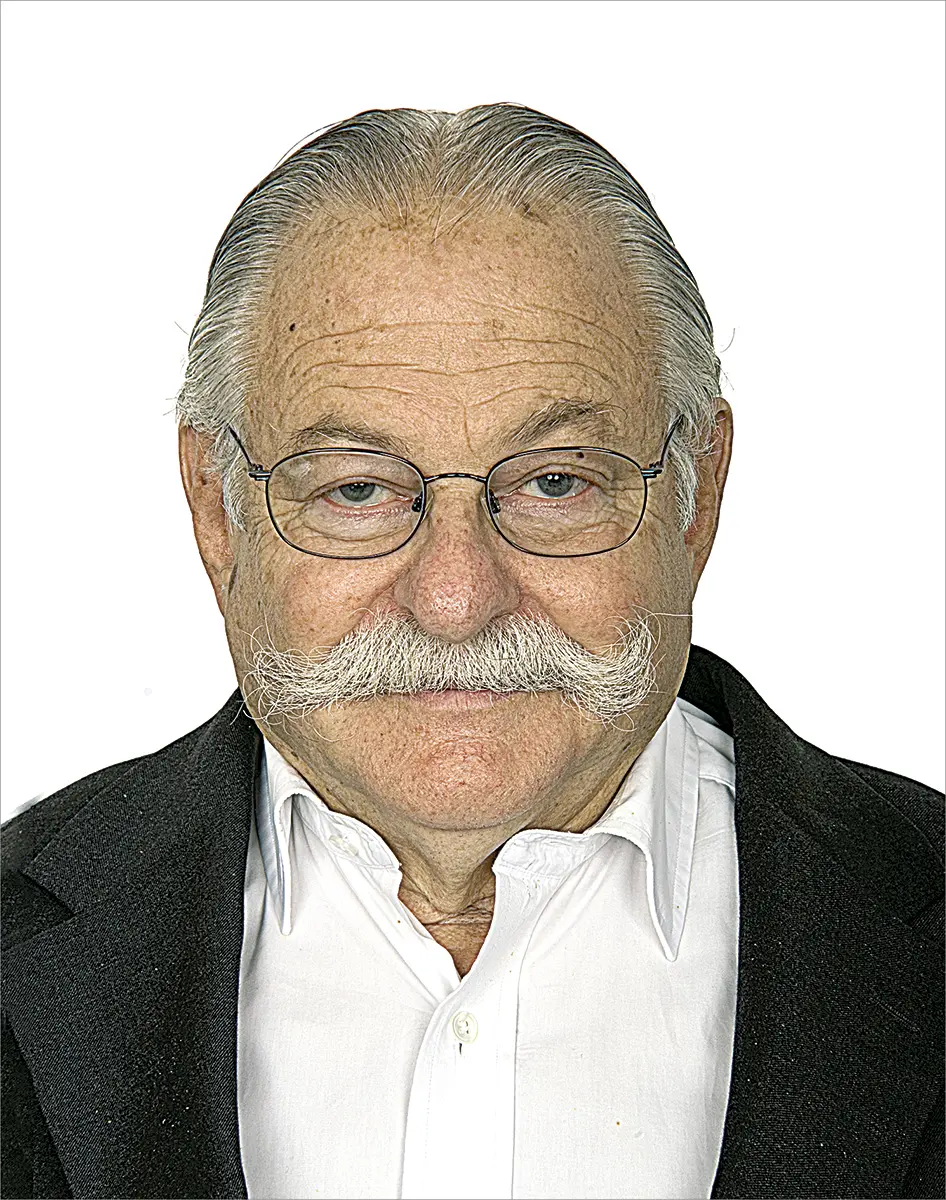
In this exhibition, which Tamayo described as “collective portraits,” the ten subjects were recognizable members of the Miami art scene, such as gallery owner Steinbaum, prominent philanthropists, collectors, curators, and Miami Art Museum director Terence Riley. Tamayo chose the group, “the collective,” carefully because the individuals have some common interest or goal. Each face stared directly at the viewer, as each did for the artist, in a lineup of personalities who are very much a part of the contemporary art world. For Tamayo, who wants his work to conceptually and technically reflect the present time and current events, his process is actually a continuation of the long histories of portraiture and photography and their intersection in the current world of technology. He says he is obsessed with the idea of appropriating the values of traditional art and presenting them with a new and valid contemporary language, and he has devised a unique process to do this.
Tamayo begins with an individual small-format portrait photograph, which he then recreates by perforating a large white canvas with a laser cutter and mounting the canvas like a shadow box on a whiteboard. The image of the person is revealed in a dizzying mosaic that emerges from different viewing angles, imparting a variety of perspectives to its visual completion. If one stands close to the large canvas, with its over-life-size face emerging from the holes, it is difficult to fathom where the image actually resides: on the perforated surface, on the layer beneath the perforations, or a combination of both. Gallery visitors stood at different distances from the works, examining them closely, moving away, moving to the side, etc., trying to figure them out and, as a portrait became recognizable, uttering in amazement at the obsession that the artist must have possessed to complete the process. With the recognition of the images came a humorous sense of accomplishment at the detection. Moving back to the video, the humor continued as the images were morphed and fused into a collective self, a fitting beginning and end to the gallery experience.
CAROL DAMIAN