
Photo España, Madrid’s international photography festival, reached
its tenth anniversary this year and to celebrate, it incorporated a new
curator, Claude Bussac from France. It also expanded its radius to the
neighboring city of Cuenca and published the Diccionario de fotógrafos 1998–2007, an exhaustive compilation of
photographers who have exhibited at Photo España (PHE) throughout the years.
Plus, it presented a vast program of exhibits with the participation of the
Spanish capital’s most important museums, art centers, and galleries. It is not
enough to say that this program, besides being greatly ambitious, was
heterogeneous and multiform; it must be added that it was again sharply focused
on photography, in contrast with the three previous editions, which were dominated by the curator Horacio
Fernández’s criteria that drove the festival toward the field of auteur cinema
and video. Also, from a genre standpoint, the heterogeneity consisted of the mixing
and blurring of the boundaries between art or creative photography, documentary
photography, and photojournalism; from a thematic standpoint, the fair was
heterogeneous in the sum of different topics linked to globalization and its
counterpart, multiculturalism. There even was a place for history and for
museums: the Museo del Prado inaugurated its polemical extension with a show of
the German artist Thomas Struth’s photographs of visitors to the world’s great
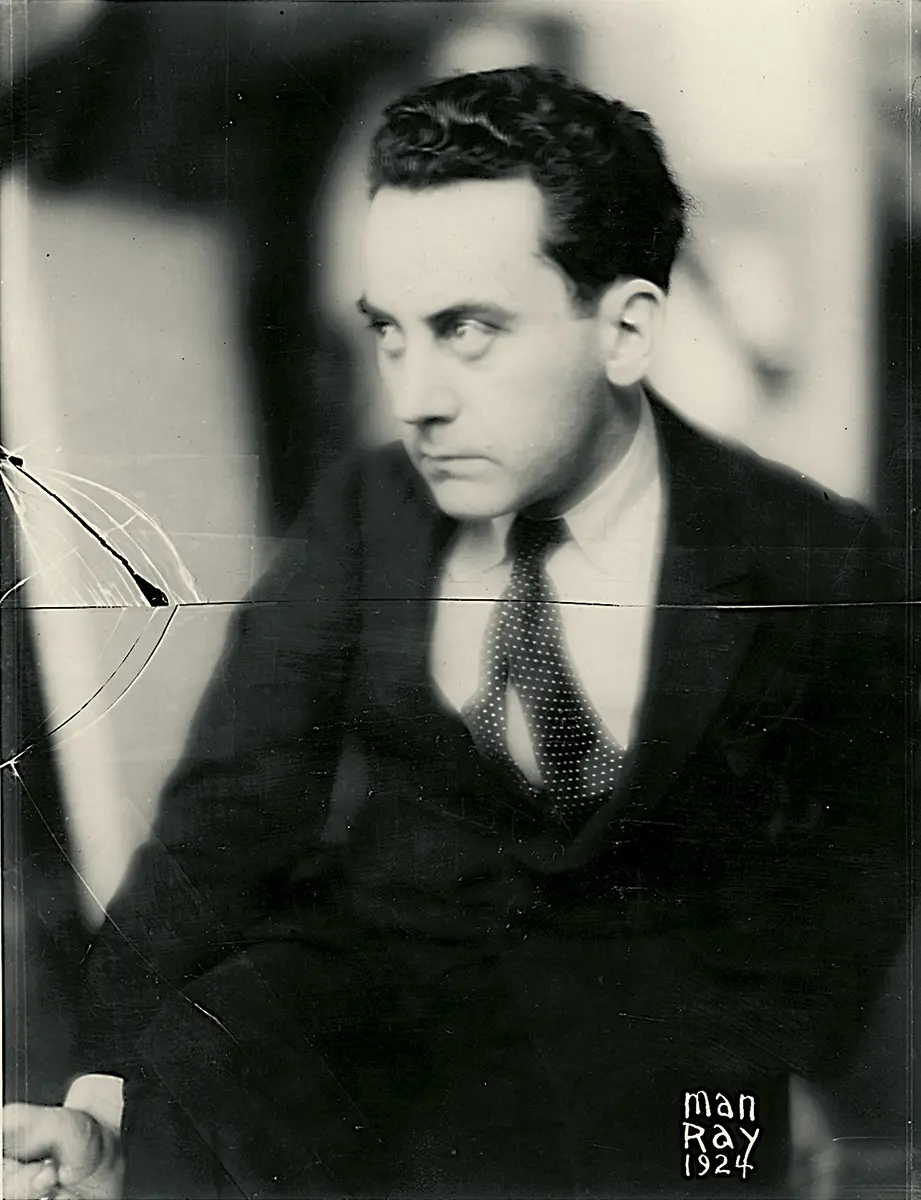
museums, including the Prado itself. And the ICO Foundation presented a Man Ray a retrospective that touched all of the many facets of his career, including the
legendary 1929, representing the four
seasons via an equal number of passionate, sexually explicit embraces between
the artist and Kiki de Montparnasse (the first print of which was destroyed by
French censors at the time). Even amid such diversity, the retrospective’s great achievement was the ample representation of Man Ray’s portrait work, a
genre in which the artist was able to deepen his interests and investigations
in the field of photography.
Matters of Realism
The other great historical exhibition included in the PHE07 program was Neorrealismo: La nueva imagen en Italia, 1932–1960 at the Centro Cultural de la Villa. It was an outstanding exhibition in terms of the number and quality of the works on display and also in terms of the serious research with which the Turin-based organizers assumed the task of situating the evolution of Italian photography in the political and social contexts of that period and in its relationship with photojournalism and illustrated magazines. The exhibition also addressed the relationship to film, specifically with what is known as Neo-realism. History, fortunately, always admits new readings, and my reading of this important visual history of Fascist and post-Fascist Italy underscored two points. The first was the continuity between the images of the two periods, forged by photographers and photojournalists as they looked at everyday events and the lives of peasants and urban dwellers. And the second was a suspicion that this continuity was so indebted to black-and-white technology that, when color became widespread both in photography and in film, the continuity simply disappeared. Perhaps this made the black-and-white photograph taken by Alfredo Camisa in 1959 in Catania so revealing. An image of an egg peddler in front of a large poster advertising the film La felicitá non si compra, directed by Michael Curtiz (The Best Things in life are Free is the English title), its title was a good summary of the philosophy promoted by Hollywood through the innovative and fascinating resources of Technicolor and cinemascope. Through the bright window of that cinema, entire segments of society lurched into the abysses of darkness and silence. (And not only in Italy, of course.)
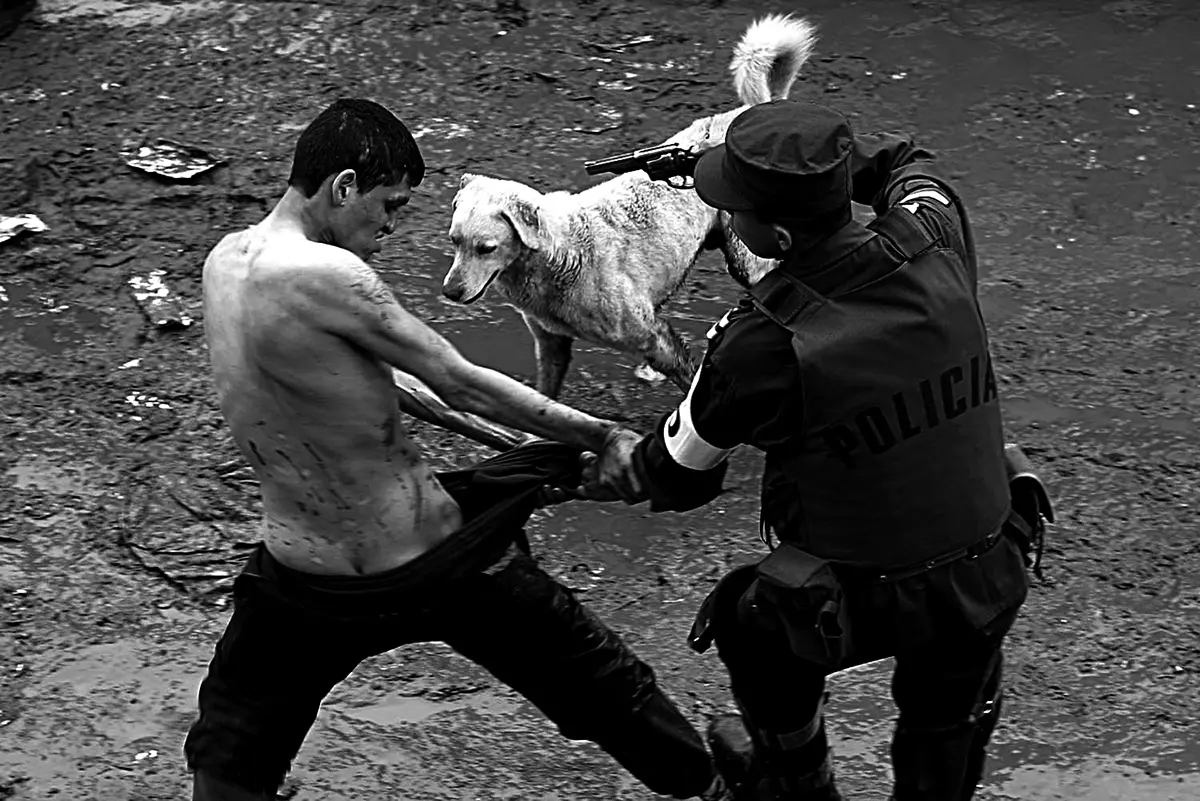
The relationship between photographic images and color has changed so radically since that time that the black-and-white nature of the early years of cinema and of photography has been reduced to one among many available aesthetic options. This was proven, for instance, by Stanislas Guigui’s work was exhibited at Cuenca’s Centro Cultural Aguirre under the title El reino de los ladrones. Guigui, a French photographer who travels from country to country and makes his living in advertising, devoted two years of his Bogotá sojourn to photographing the inhabitants of El Cartucho, a particularly sordid corner of the Colombian capital that for many years was the refuge of street criminals and dope dealers, most of whom were addicts themselves. These photographs were black-and-white, in contrast with the color series Guigui devoted to marginal individuals surviving on other Bogotá streets. So, for him black-and-white and color are two equally valid options for his project of documenting and making visible the realities and characters shunned and ignored by the political and cultural establishment. This situation is even more apparent now since Bogotá has embarked on an image-enhancing strategy that intensively advertises four or five important urban achievements and keeps its unresolved problems to the shadows. Among these, obviously, is the extent and gravity of economic and social marginality.
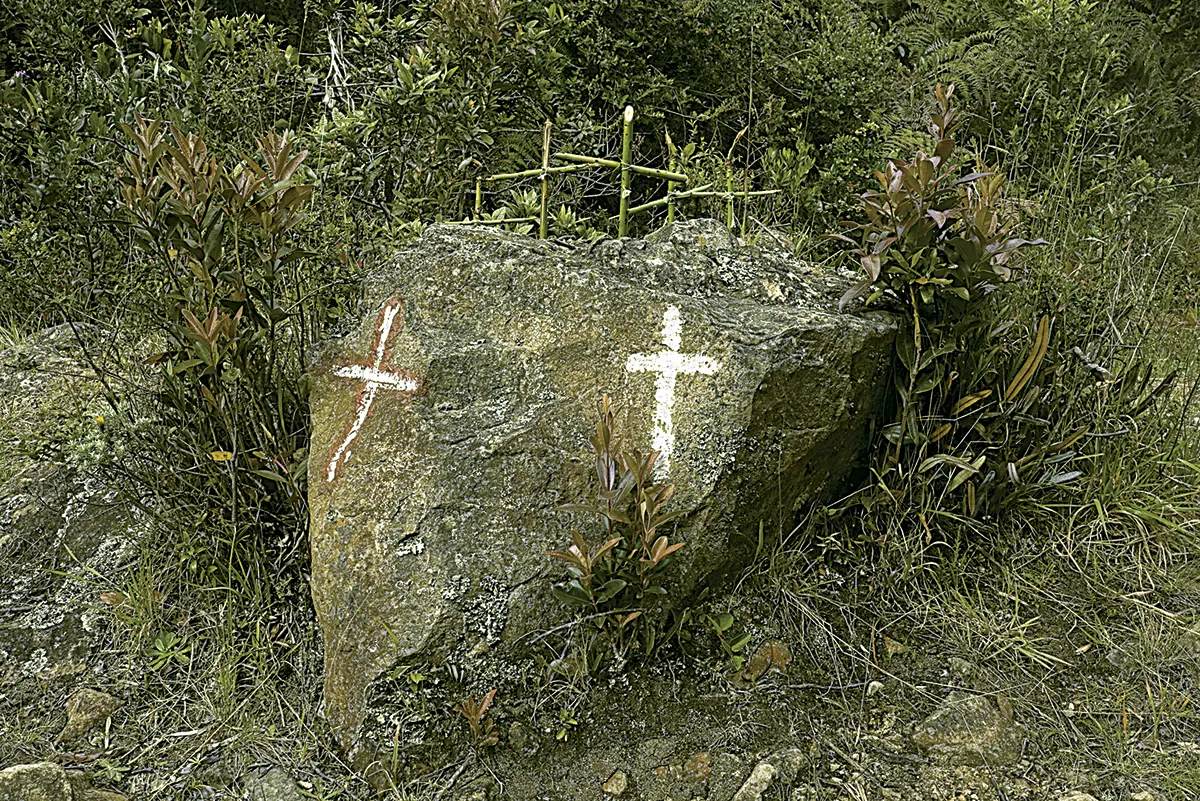
The intent of the Colombian artist Juan Fernando Herrán is, in a sense, analogous to that of Guigui, but Herrán approaches his work in an elliptical fashion, shying away from documentary immediacy, even if at first he doesn’t seem so. His theme—or at least the theme of the Camposanto series, exhibited at Madrid’s Magda Belloti Gallery—is political violence, an apparently unsolvable problem throughout Colombia, including the capital city. Improvised crosses with branches and vines are planted by peasants in the middle of forested areas in memory of relatives who have become victims of this violence. Besides the peasants themselves, nobody paid attention to these crosses—as poverty-stricken as those who make them—until Herrán did. The challenge for the viewer of his photos was to realize that the naïve, almost bucolic images referred to human dramas of tragic resonance. I suspect that many viewers did not.
The Faces of Globalization
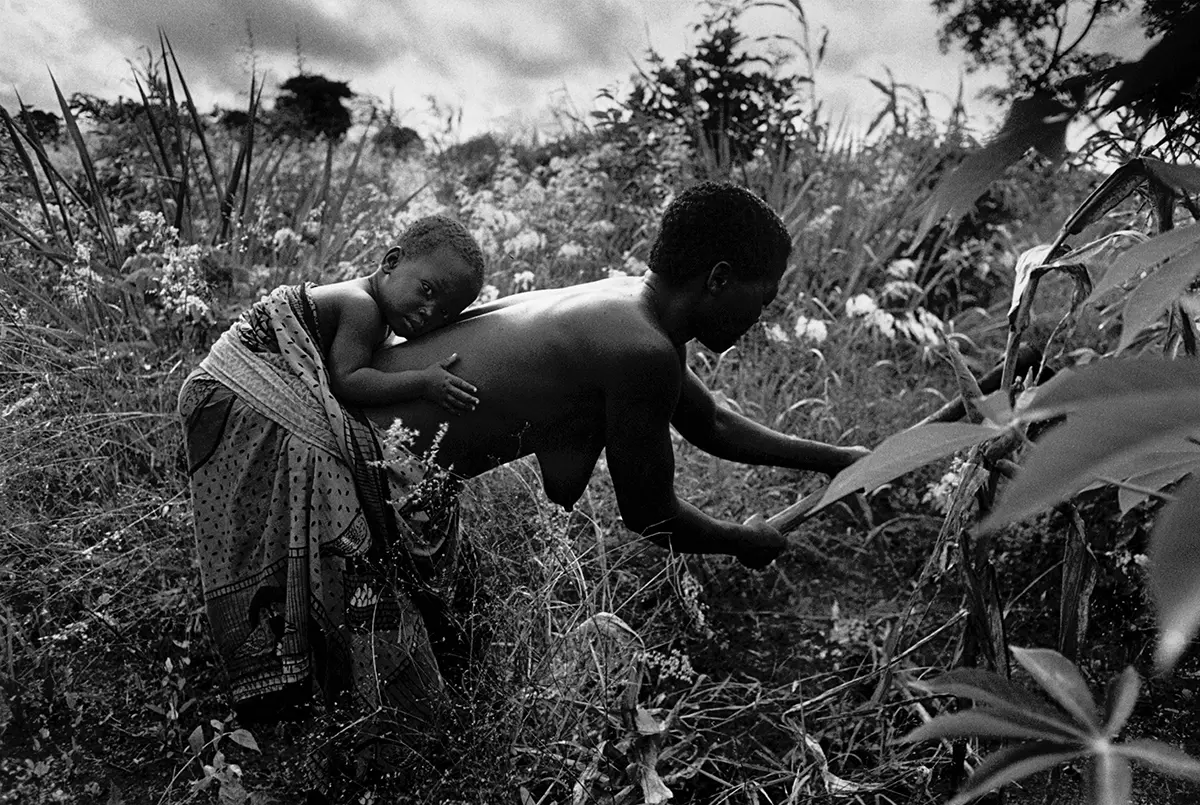
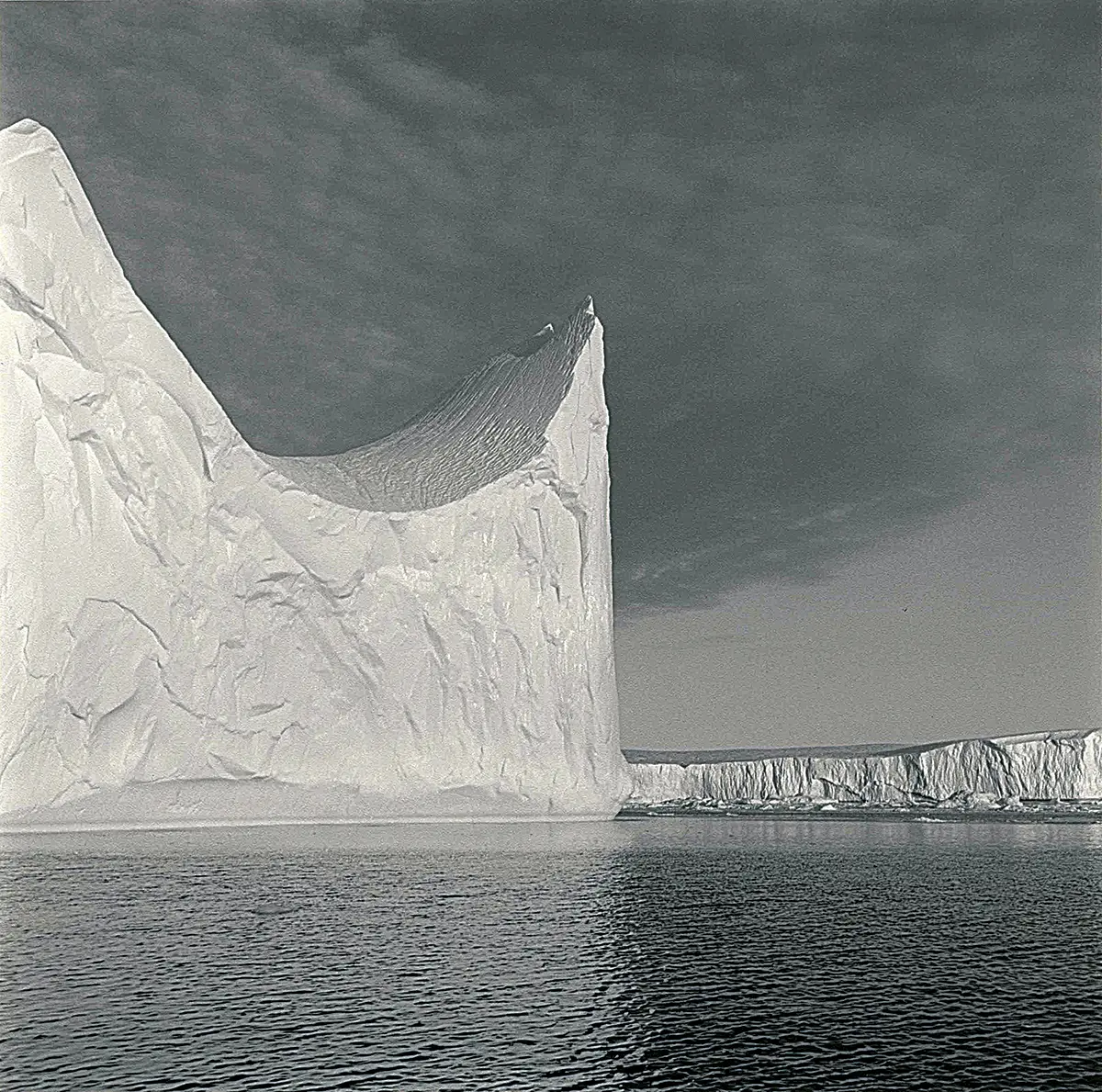
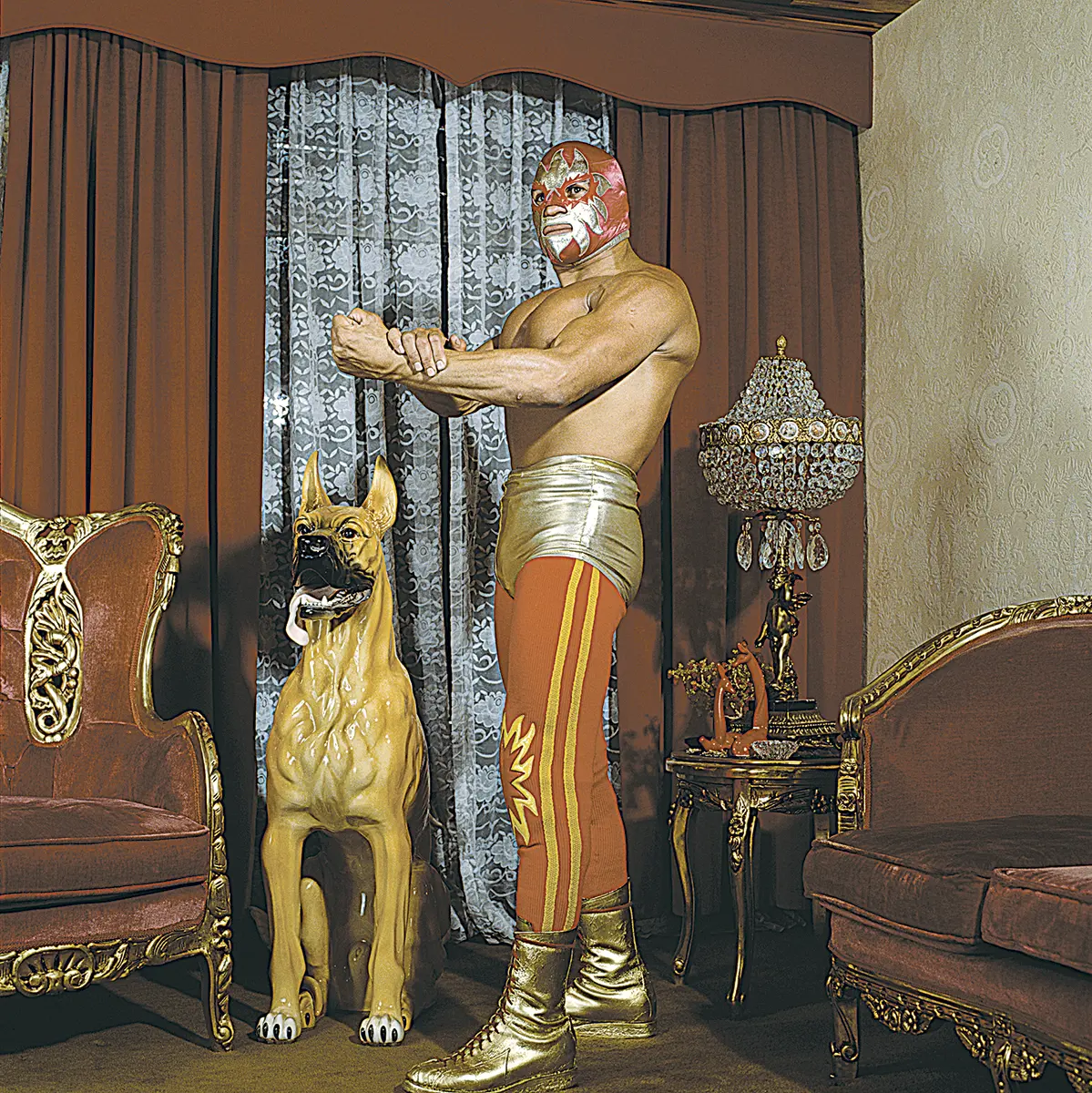
As mentioned, PHE07 reserved plenty of space for multiculturalism, the counterpart of globalization. Today, many artists act as ethnologists, according to Hal Foster, and they do so by addressing both remote countries and closer events or characters that are strange or unexpected. The work of the American artist Lynn Davis belongs to the first category. At the Thyssen-Bornemisza Museum, Davis exhibited photographs from two series, Icebergs and Ancient Persia, although the gaze of the archaeologist and the naturalist overtook that of the ethnologist in these images. Also belonging to the first category was the Vietnam-themed graphic dossier by Hans Christian Schink from Germany, at Arnés y Röpke Gallery, as well as the series of photographs about Africa exhibited by Brazil’s Sebastiao Salgado and Spain’s Isabel Muñoz at Dolores de Sierra Gallery and at Azca, respectively. The second category of ethnological approach was represented by the work of Ricky Dávila from Spain, whose Ibérica series, exhibited in the Church of La Merced in Cuenca, approached Spanish figures and contexts with a perspective that rejected familiarity and instead cultivated estrangement. The American photographer Bruce Davidson shares this attitude; at the Astroc Foundation he presented Central Park, a series of sixty images that revealed how surprising the great park can be to New Yorkers themselves. I am inclined to include Lourdes Grobet in this group, with her Espectacular de lucha libre at Casa de América, a series of photographs of Mexican wrestling stars who, while familiar to the public in their own country and even throughout Latin America, were nevertheless new and strange to the European viewer.
The Vindication of the Theater
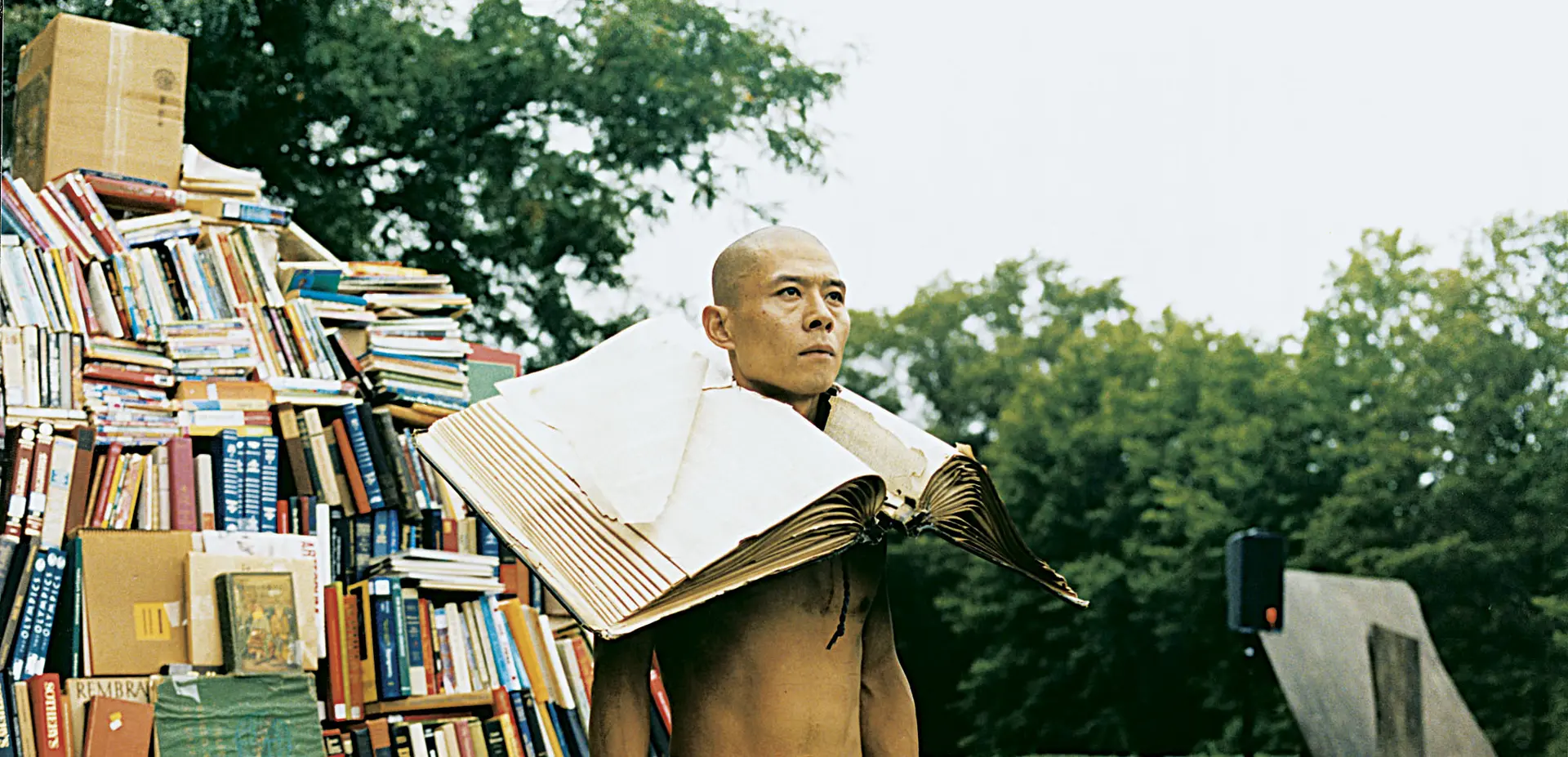
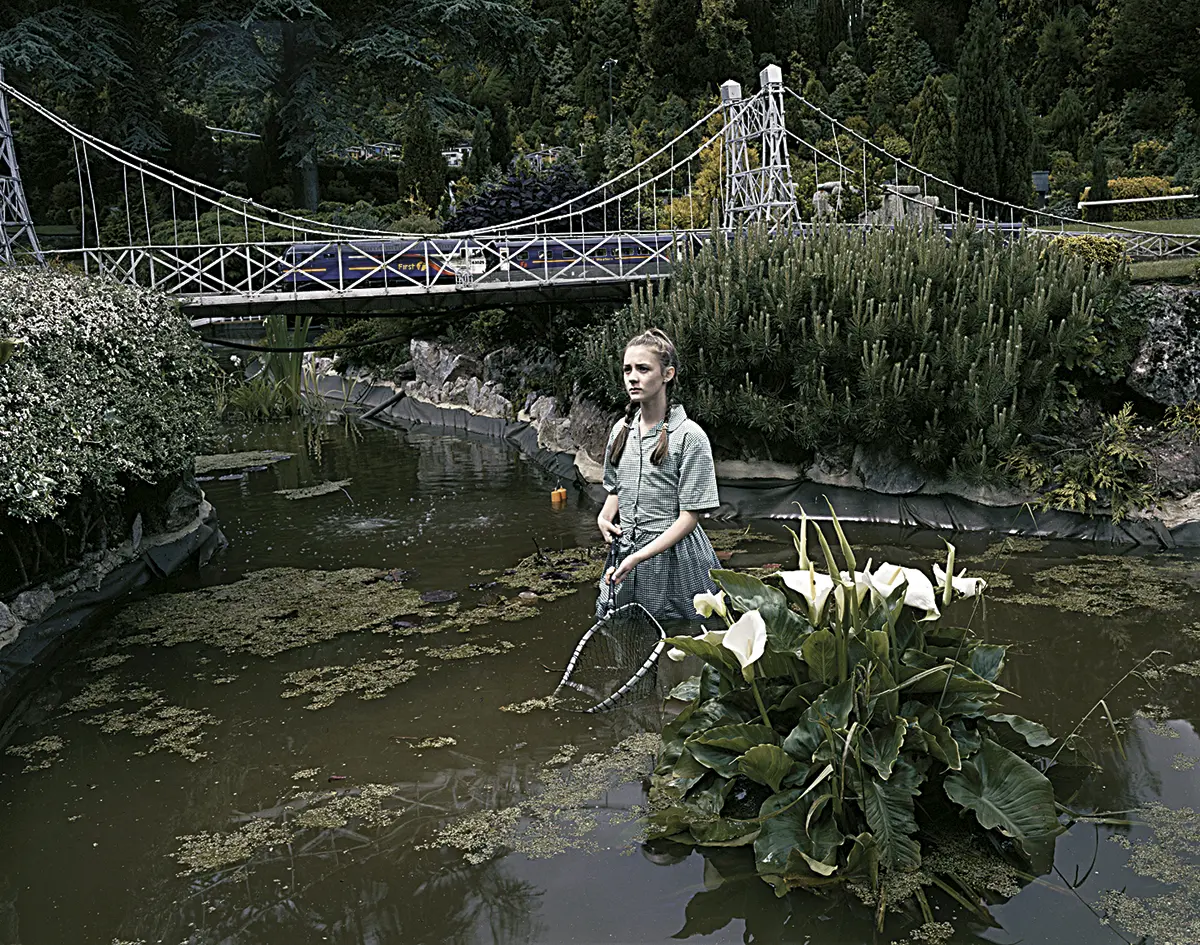
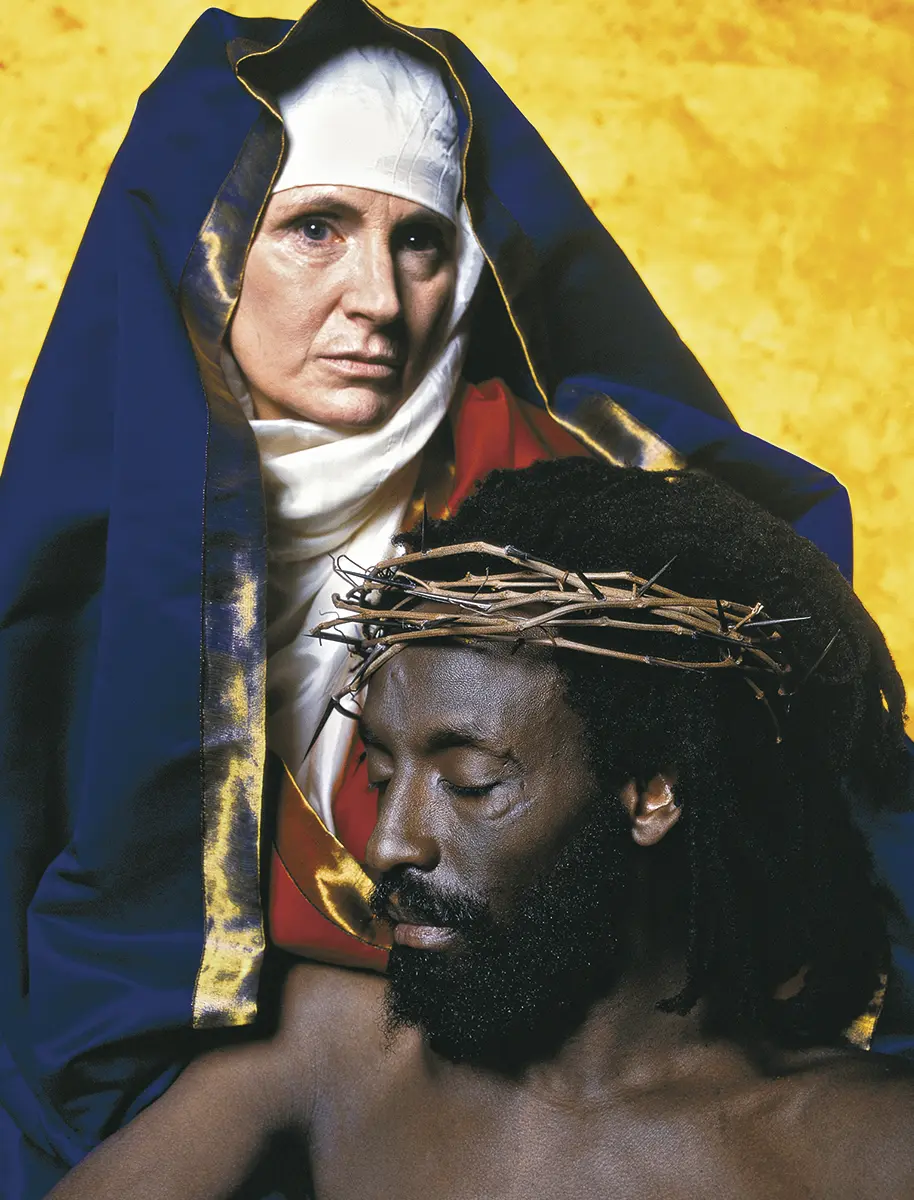
Staging is perhaps the most characteristic feature of postmodern photography, which is always ready to present the art's lack of evidence. And many artists at PHE07 reiterated their preference for staged photography or theatricality. The most outstanding was New York’s Andrés Serrano, who presented under the title Salt on the Wound a group of photographs from series like The Morgue, Budapest, Nomads, and The Klan. Composition and posing played a decisive role in all of them, as did colors used in a decidedly pictorial way. Also included in this group was Julia Fullerton-Batten, the German winner of the HSBC Foundation’s photography award, presented a series of photographs that were disquieting and enigmatic tableaux vivants. At Madrid’s Álvaro Alcázar Gallery, the Japanese artist Kimiko Yoshida exhibited Todo esto que no soy yo pero es lo que me interesa, a series of photographs as deliberately contrived and contradictory as the title under which they were grouped. Stratos Kalafatis from Greece presented a journal filled with stage-managed images of his experiences on the island of Skopelos, and Zhang Huan from China showed at Telefónica Foundation has a vast photographic record of its performances—so theatrical in themselves—and a documentary video of his Shanghai workshop and his work methods.
Other Latin Americans
Included in the roster of Latin American artists and photographers who exhibited at this festival was Argentina’s Miguel Ángel Ríos, who presented (at one of the spaces of the old Madrid Abattoir) his video Aquí, showing children’s top spinners that lost their energy and fell in sequence, in a choreography that was unexpected and tragic.
At La Fábrica Gallery, Rosángela Renno from Brazil presented the results of her invitation to forty-three artists to photograph Rio de Janeiro’s emblematic Christ of Corcovado and to seal away the camera used forever. Mona Kuhn, also from Brazil, showed Evidence at Estiarte Gallery, a series of photographs taken at a nudist camp where she is a regular; these were marked by lyricism and the cult of physical beauty. Finally, one must mention María Isabel Rueda, from Bogotá; she exhibited at the Instituto Cervantes headquarters as part of the Cinco miradas europeas show directed by five different European curators. Her work was selected by Camille Brown from the PhotoLondon fair.
CARLOS JIMÉNEZ
Writer and art critic.