
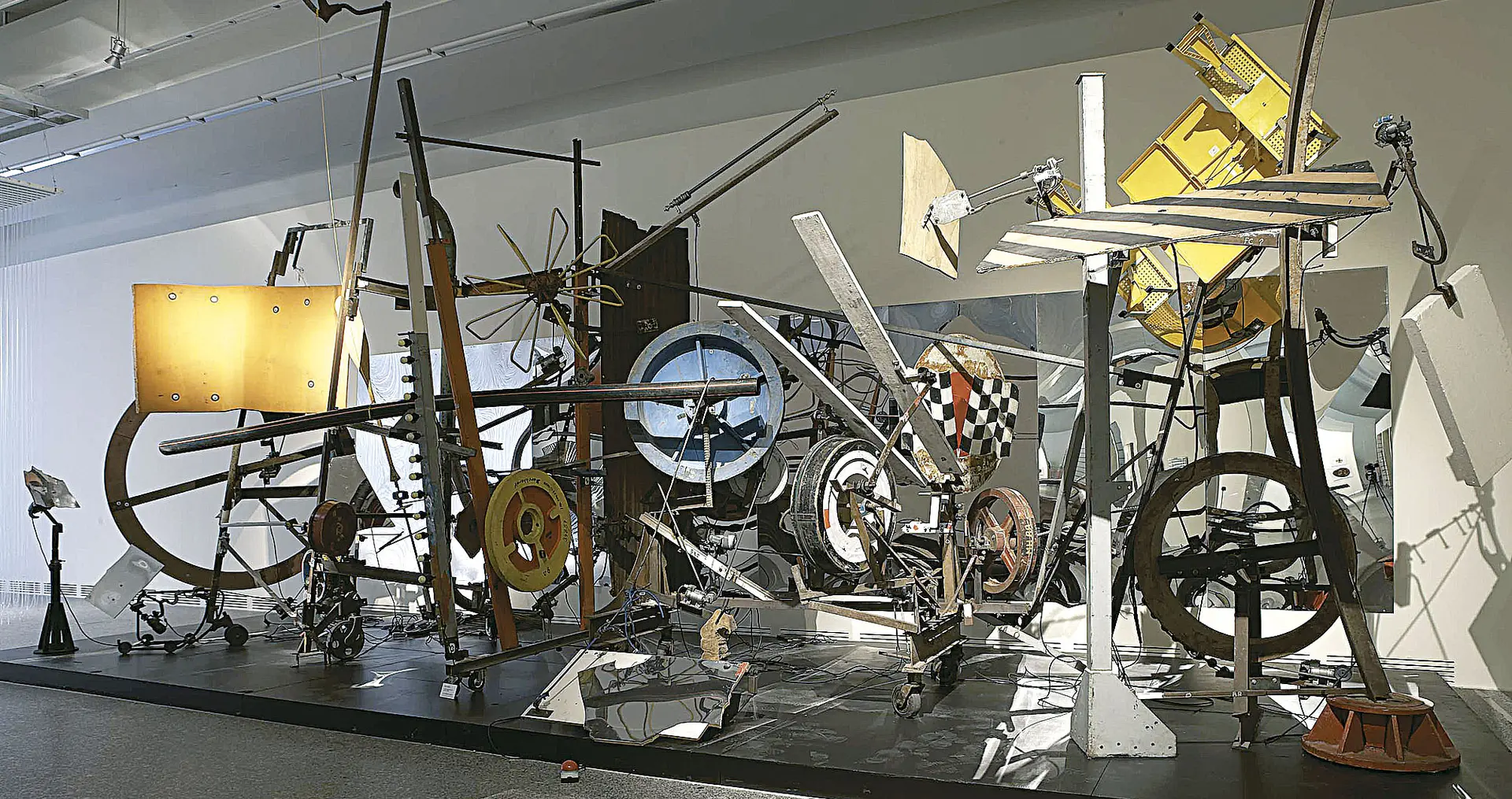
Since postmodernism has questioned the authenticity and reliability of historic discourse, several cultural modes including art, a discourse has propagated a suspicion for any model or approach inclined to restrict the polyvalent quality of aesthetics to schools, tendencies, movements, and styles. Confronted with this new cultural framework, art history, as writing that orders and classifies art objects, found its hegemonic axioms under siege from revisionists in search of novel approaches and other equally legitimate models of discourse.
Thus, a substantial number of recent monographic exhibitions within and without the restrictive confines of the art institution has been oriented toward the revision of figures, movements, and autonomous aesthetic phenomena, pointing out alternate means and perspectives to liberate the maxims established by the prevailing discourse. Within this context of boundary-crossing intervention and criticism of the aesthetic narrative, the group exhibition The Kinetic(s), was commissioned by Osbel Suárez and installed at the Museo Nacional Centro de Arte Reina Sofía. It gathered eighty works by forty-five Spanish and international artists. Prominent among these artists were Naum Gobo, László Molí-Nagy, Giacomo Balla, Alexander Calder, Man Ray, Marcel Duchamp, Salvador Dalí, Nicolás Shöffer, Keiji Kawashima, Tsai Weng-Ying, Paul Burry, and Sandú Darié. The exhibition aimed to rewrite the kinetic art history from a dangerously inclusive perspective—which does not completely relinquish exclusion—and with a great dose of subjectivity. At the very least, this approach rendered the show controversial, which is why critics in Spain felt the right to strongly condemn it. They argued that this rewriting of kinetic art lacks the good sense and audacious pertinence that should accompany any rigorous intellectual exercise. The deft judgments expressed by Fernando Castro-Flores in ABC’s cultural supplement clearly conveyed the reach of this outrage when expounding on The Kinetic(s), he stated: “I exaggerate not when I say that this is one of the most dreadful exhibits, paradoxical in its inclusion of a few masterpieces, that I have ever seen in my life. The grand scale of such a disaster has prompted me to accept every other invitation I have had for a long time awaiting in my email, all more deserving of my attention as I have now come to realize. So it happens,” Castro went on, “that a Cuban curator established in that Museum has managed to commingle everything that moves or sparkles and has mounted a devastating casino of the worst taste.”
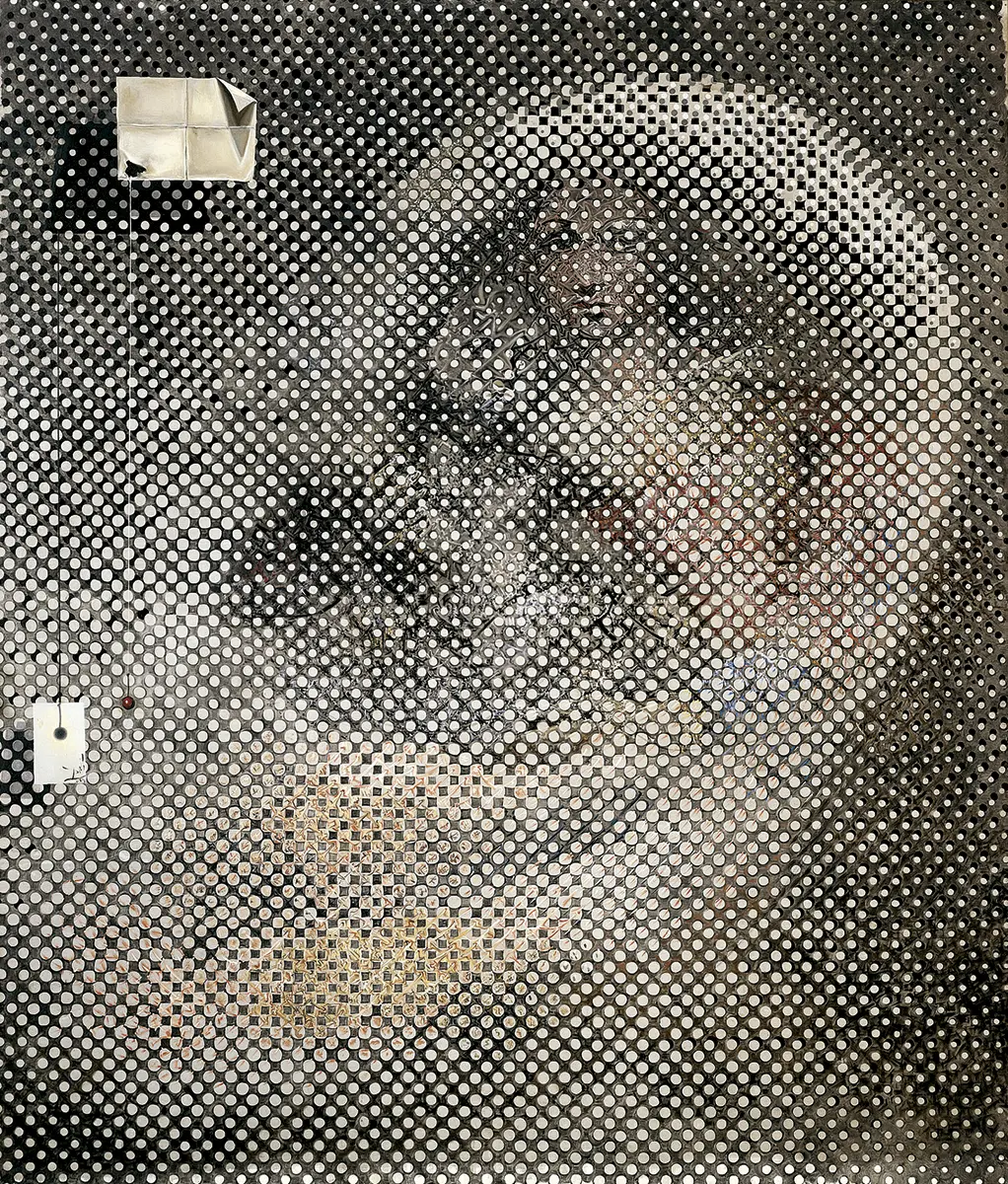
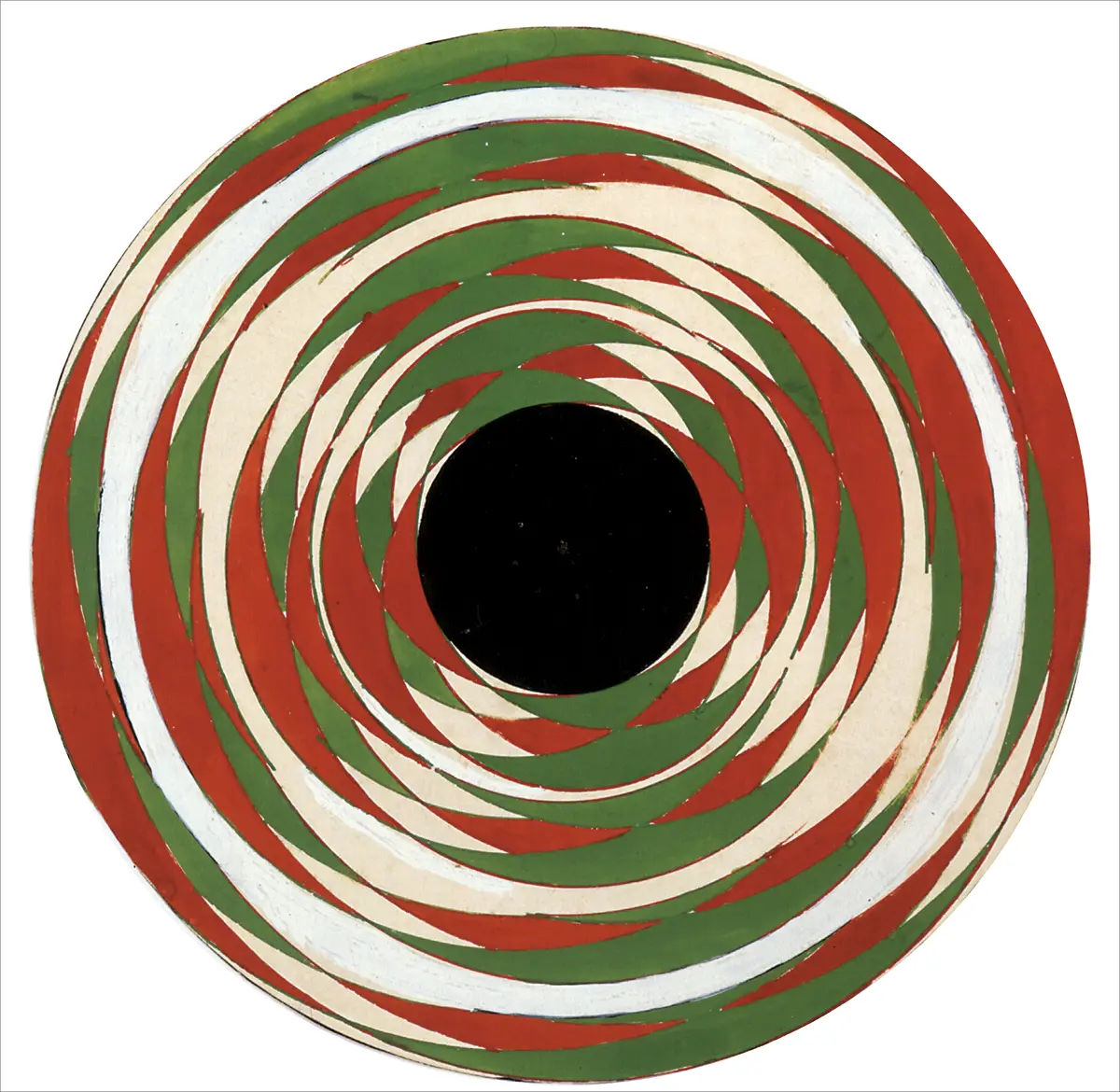
The title of the exhibition—here, parentheses appeared to be in fashion—presupposed an intelligent yet equally ambiguous position, announcing a readiness to leave behind the chronological platform of historicism in favor of a trans-historic approach to understanding the kinetic (as accident and as recurrence), beyond circumscribing within particular moments, groups, or movements in art history. Nevertheless, the exaggerated subjectivity with which the curator undertook this new exegesis surrounding the kinetic phenomenon and its plausible reactivation and permanence in contemporary aesthetic discourse stimulated the paradoxical spirit that encompassed this exhibit, as well as the future missteps that may arise from its curatorial position. The expansion (a little excessive, perhaps) of an understanding of the kinetic to include works that can hardly be described by the kinetic language muddled an intellectual exercise of revisionist art criticism. The exhibit would have benefited from a stronger articulation of its thesis from a less impassioned yet distracted distance. Many observers questioned the exhibition’s discursive structure and the arbitrary inclusion of works such as Alexander Apóstol’s video Avenida Libertador (2006), which hardly reflects the enunciations of kinetic art. In any event, this video could be understood as a meta-text concerning the issues of art in the city of Caracas and the overwhelming hegemony, presented in the form of transvestite poses, of certain classics. Other gimmicks of the exhibition were frankly preposterous, such as the crude associations proposed among Marcel Duchamp’s Anémic Cinéma (1925), Lázslo Moholy-Nagy’s Ein Lichtspiel schwarz-weiss-grau (1930), and Felicidad Moreno’s Hipnotico 013 (2006). (The last work was lent by the Galería Distrito Cu4tro in Madrid. The works by Duchamp and Moholy-Nagy were borrowed from the Centre Georges Pompidou and Paris Museo National d’Art Moderne/Centre de Création Industrielle.)
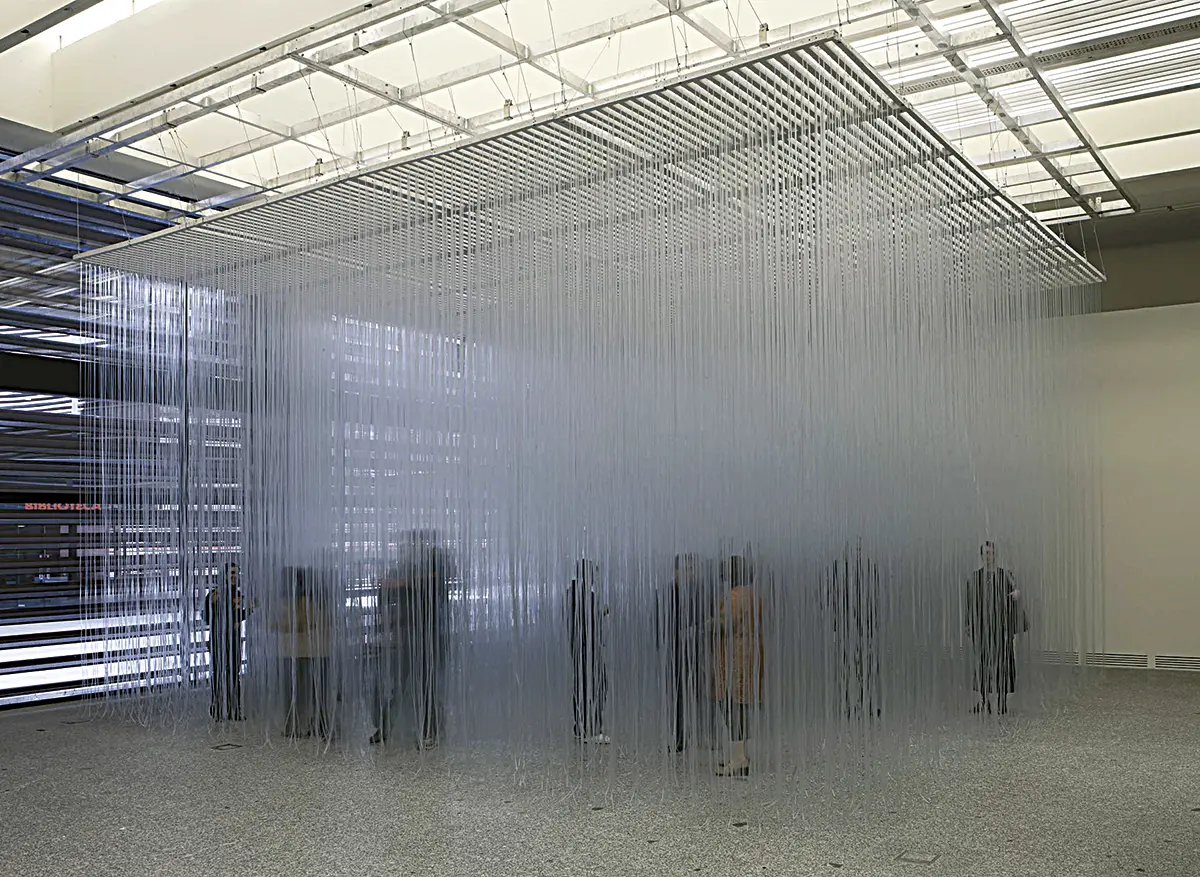
The anarchy of the collection of works and the lack of a conscientious implementation of the objectives that initially inspired this project resulted in an overreaching exhibit that nevertheless revealed certain virtues. One of the latter was the exhibit’s success in securing loans from important European and American museums, such as the MoMA in New York, the Centre Georges Pompidou in Paris, the Whitney Museum of Art in New York, the Tate Modern in London, the Galería Nazionale D’Arte in Rome, and the emblematic French gallery Denise René, around which the platform of kinetic art was generated. These institutions sent to Spain masterpieces from recent art history never before loaned. The MoMA had never before lent Dalí’s Madonna (1958), and Galate de las Esferas (1952) had never left Figueres’s studio since the artist’s passing. Together with Dernière collaboration avec Yves Klein (1988) by Jean Tinguely, these works and many other works of equal worth were visual inspirations amid a show otherwise plagued by improprieties and irregularities.
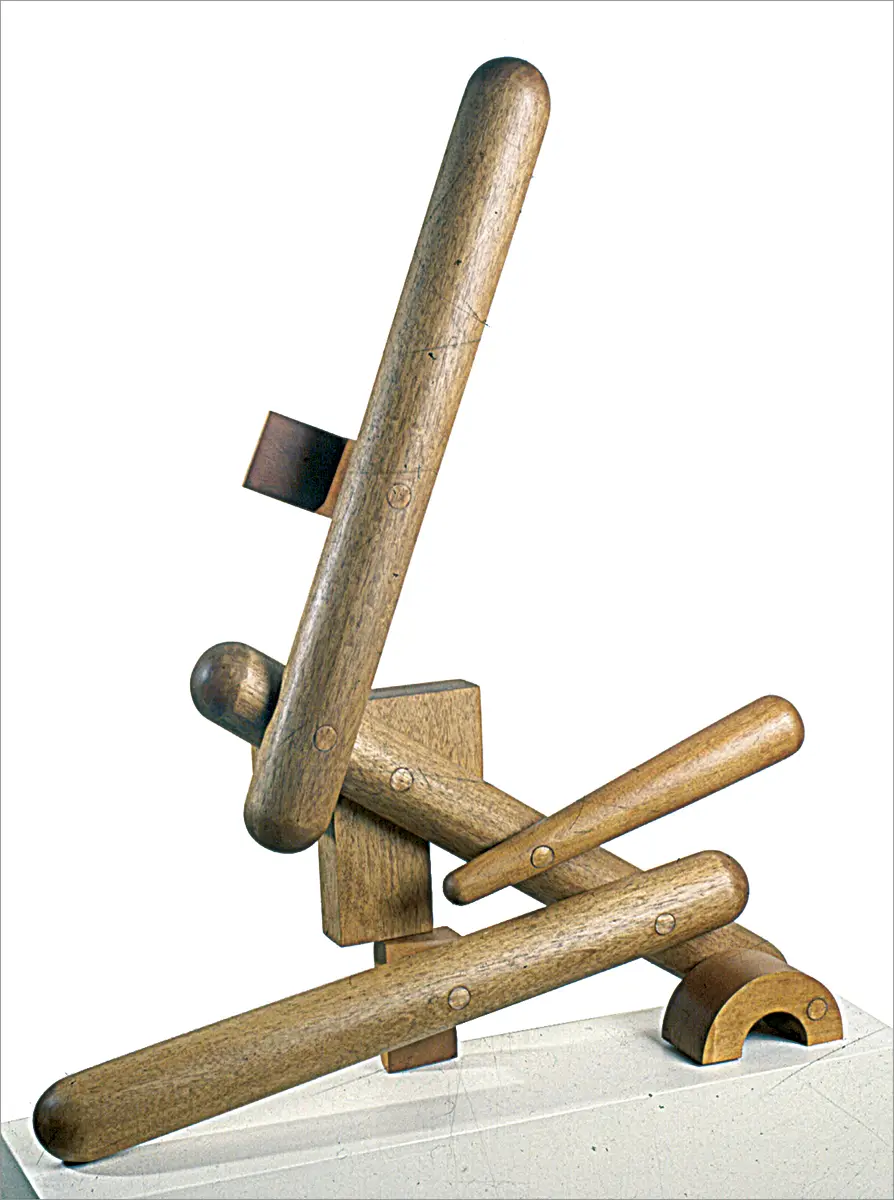
To a great extent, the selection of paintings, objects, chronophotographs, calotypes, digital prints, serigraphs, films, installations, and videos reflected the curator’s desire to extend and amplify the kinetic as a notion affecting several aspects of the aesthetic discourse. Such criteria resulted in a lack of proportion between approaches that responded to a kinetic principle of movement and others that undoubtedly were gathered without a thoughtful understanding of what could justify their presence. If observed from a global perspective, there are many unresolved frictions and undefined boundaries between Op Art and kinetic art. The introduction of these ambiguities was a reason for this exhibit to wander aimlessly, unconvincingly, and in a risky manner; important and self-contained works were placed in conflicting juxtapositions that were at times unsafe due to the design of the exhibit. The shrewd and informed observer found it difficult to accept what was on display. The premise of judging a group of works based only on their degree of dexterity and a presumption of their participation in the nature of kineticism was not a sufficiently solid argument. Too often, this was the reason that splendid works fell victim to the anger and unfavorable prejudice of the critics, as they were read within the context of the least favorable associations for their hermeneutic discernment. This exhibition demonstrated frivolity and a misinterpretation of the worth and purpose of criticism; during a presentation to the media, the curator accused critics of historicizing and misclassifying scientism in a display of ignorance concerning the functions of art criticism and historiography. To the latter, we owe the establishment of studies in which the art object, its processes of signification, and its historic permanence are contemplated.
One of the main problems was in the exhibition’s design. The works on display interacted from a standpoint of anarchy and opportunism. There were cluttered spaces and chaos where more open space and respect for the aura of each piece should have existed. These were the exhibition’s most visible blemishes. The virtue of crossing theoretical boundaries ran the risk of becoming absolute nonsense, ignoring certain hierarchies and proposing a saturated and arbitrary design that was closer in spirit to that of an art fair. Spectacular masterpieces, such as that by Jean Tinguely were eclipsed by their unfortunate placement. In many instances, the viewer’s participation sought as one differentiating characteristic of kinetic art was reduced by this installation to a nearly sacred one-way contemplation of the work. Crowding of the space did not allow for exchange and complicity between the viewer and the work, which is usually inherent to the kinetic experience and in its mechanisms of suggestion that favor direct incidence over subjectivity.
It was a good choice to break away from a Eurocentric vision by seeking the participation of Latin American artists and works from other latitudes, as it was meant to favor inclusive horizontality over a model of verticality. Nevertheless, the majority of the works have received international recognition, such as those of Jesús Rafael Soto, Carlos Cruz-Díez, Julio Le Parc, Antonio Maluf, and Gyula Kosice. The intent to pluralize the kinetic experience was appreciated; unfortunately, the staging ruined the initial motivations of a project meant to be “the stellar exhibit of the season,” according to the press release.
In any event, this exhibit should be taken as a proposition—an altruistic, unresolved investigation—that may generate others in which an intelligent approach prevails over deceptive effects. Hopefully, the other spaces on the exhibition’s travel itinerary will experience a different fate from the one it now enjoys. Let us think that the institutions that receive this exhibit will favor the pondering of concepts within a more tranquil project over the carnival-like atmosphere that was the most visible aspect of The Kinetic(s).
ANDRÉS ISAAC SANTANA