
If at
some point it was possible to think that the Venice Biennale had no future,
despite its long history, this year’s edition proved that thought wrong, and it
also proved that it will be very difficult for other biennials to dislodge it
from its peak status. I’m not saying this only because of the numbers that tell
the tale of its extraordinary expansion: seventy-six national pavilions,
thirty-four parallel events, and—besides the large art exhibitions
proper—international dance, theater, and contemporary music festivals. Or
because of the long list of works and a roster of nearly 500 artists from all
corners of the world that mixed those already established and renowned with
those that are none of those things. But, I insist, these are not the only data
to verify the impressive solidity of the Biennale that less than a decade ago
was on the verge of what seemed an agonizing and final crisis. No, the datum
that means more because it determines the others is that Robert Storr responded
in great fashion to the trust put in him by the Biennale foundation.
Selected three years ago to be the event’s director, Storr designed a model of a biennial capable of satisfactorily deciphering and resolving the challenges posed by globalization to the art world. By “satisfactorily,” I refer first to the satisfaction of the Biennale itself as an institution that saw its place and its role threatened by the proliferation of biennials throughout the world starting in the 1990s, both of which are now reasserted. My second reference is to the fact that the model crafted by Storr, a former MoMA curator and now in charge of Yale University School of Art was expressly designed to satisfy the interest and the will of the establishment currently dominating the international art scene to maintain its control and preeminence.
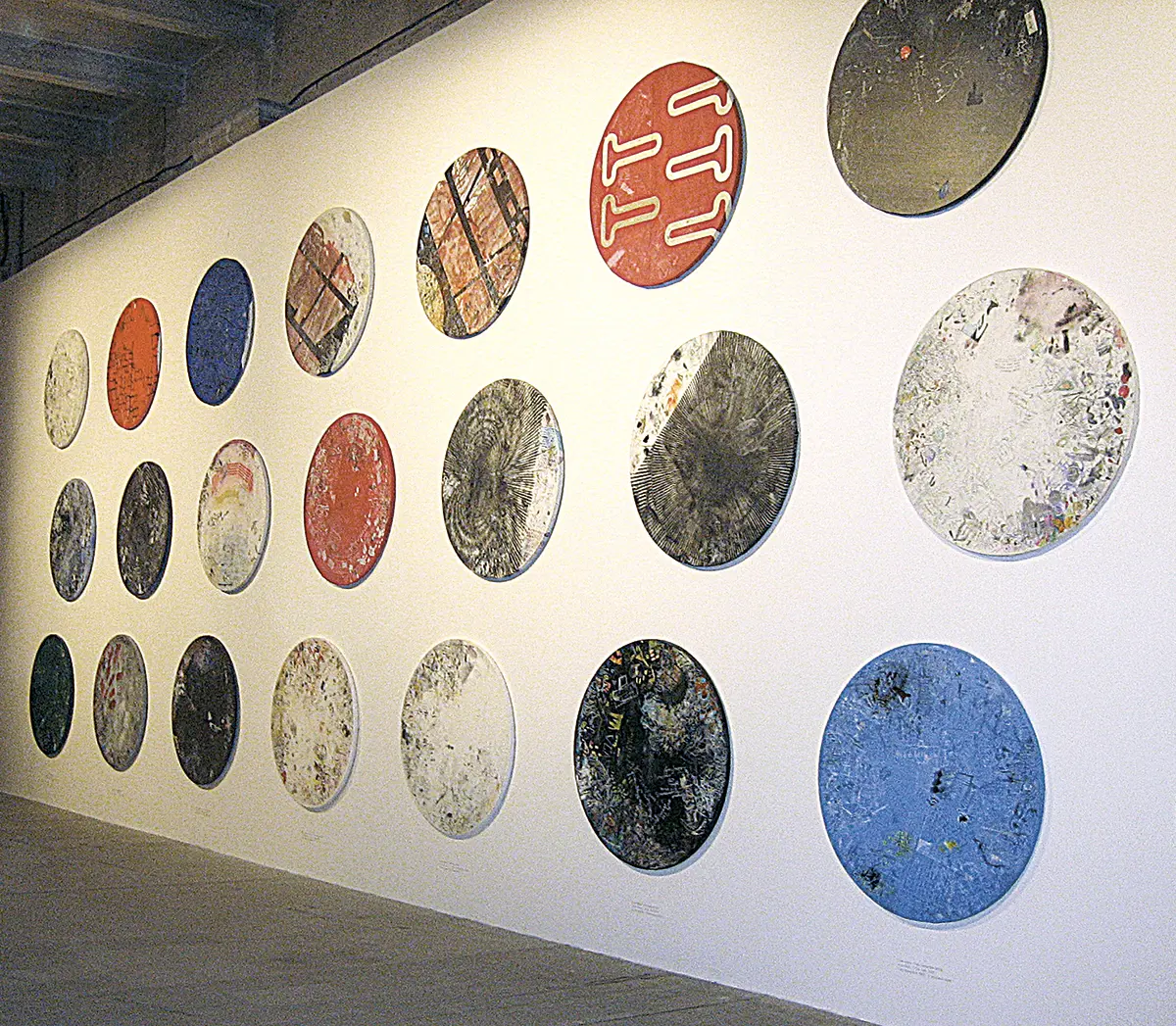
In this sense, the exhibition programs both at the Italian Pavilion and at the Arsenale—both directed by Storr—were deeply revealing. The former was such because it ratified the hegemonic role played in the current art world by the New York-London-Cologne axis, with the inclusion of prominent work by artists promoted to a canonical rank by the market and the institutions along that axis. In the pavilion historically devoted to Italian art, one found such renowned figures as Sigmar Polke, Gerhardt Richter, Martin Kippenberger, Sol LeWitt, Bruce Nauman, Robert Ryman, Ellsworth Kelly, Louise Bourgeois, Susan Rothenberg, and Nancy Spero. And although most of the presented works were not equal in visual power to the giant paintings created by Polke for the Biennale, painters, as well as sculptors, supported Storr’s argument for a certain modern classicism, the return of which to the foreground of the international art scene has been greatly assisted by the recent promotion of painting.

Jenny Holzer’s work included in the pavilion also placed this return in context, because it reiterated and even strengthened the artist’s critical position while deploying pictorial resources from the beginning of her career, taken directly from advertising. The work was composed of reproductions of reports about dead American soldiers in the Afghan war; from a purely technical standpoint, the novelty of the work was that it had been painted instead of photographed and printed. It was as if this American the artist wanted to emphasize the fact that technique does not determine the choice of medium for a work of art, thus closing the debate initiated in the 1980s by Benjamin Buchloh and most of the critics clustered around the journal October, who denounced the “return to painting” in that decade as a reactionary maneuver that attempted to block the way to new artistic proposals centered on direct action, critique, and the use of new technologies. Painting—Holzer seemed to say—is as good as any other medium to create revolutionary works, or at least works that are openly critical. Her gesture also evoked one by Richard Serra, who in a past edition of the Whitney Biennial exhibited a painting that was a version of one of the famous photographs of prisoners tortured by American troops in Abu Ghraib prison.
The Place of the Arsenale
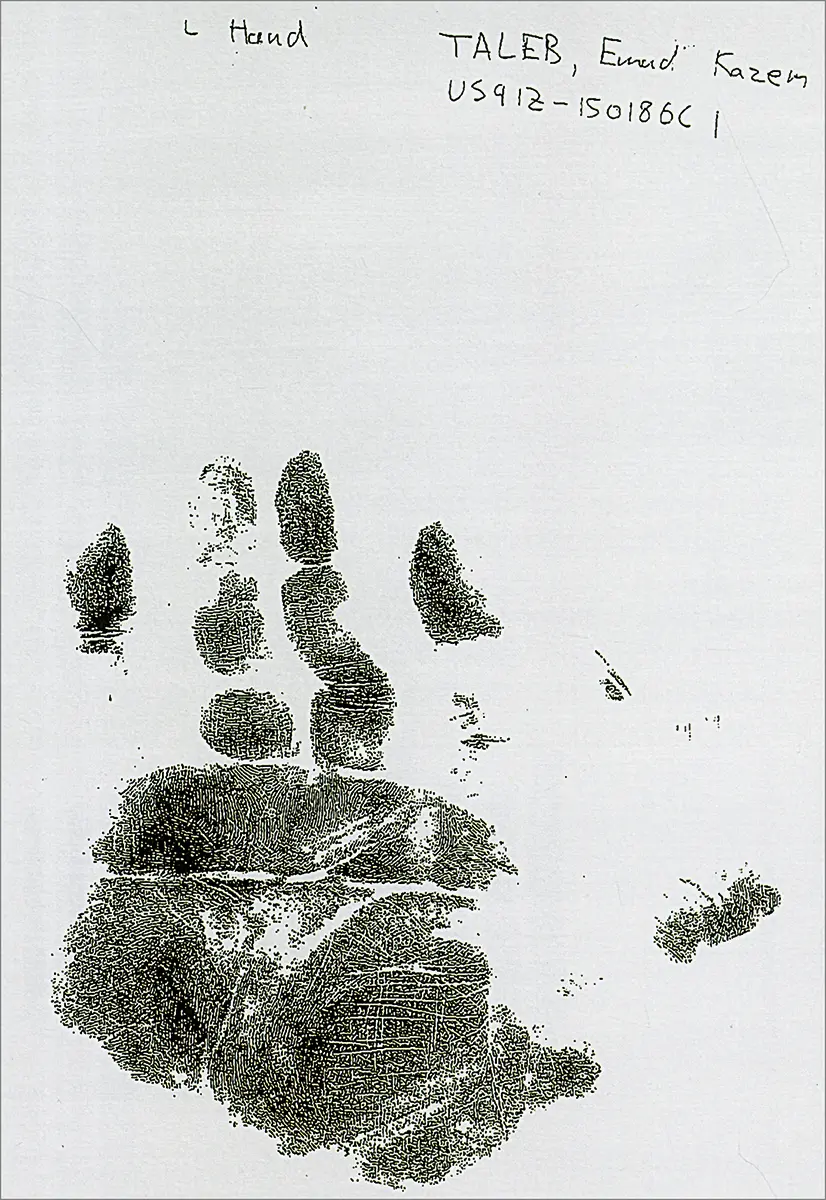
Painting was also present at the Arsenale but in a context that emphasized the kind of indifference toward technical means underscored by Holzer. There were also works of video, photography, installation, and objects, which, by the sheer fact of their inclusion, proved that they possess as much legitimacy as painting has been regaining. Yet this equity does not invalidate but rather legitimizes the canon presented by Storr and, even more importantly, the very possibility of its existence-—that is, the critical, theoretical, mediated, commercial, and institutional structures that currently make it possible and necessary. “Equality legitimizes difference” is a formula many might see as incongruent or paradoxical, but not Storr and those who adhere to his aesthetic and political positions. The only problem they have is how to put it into practice. And that is what Storr did with this Biennale, where the preeminence he gave painting and a nucleus of established artists was not voided by the fact that that painting and those artists coexist with other resources and means of expression, as well as with unknown and peripheral artists. The power structures mentioned earlier are the ones that both forge and impose the canon and give it legitimacy by giving space in the art scene to those who are not included in the canon or have yet to be incorporated into it. As it has been amply demonstrated, events like the Biennale are portals for the canonization of the ignored and the peripheral.
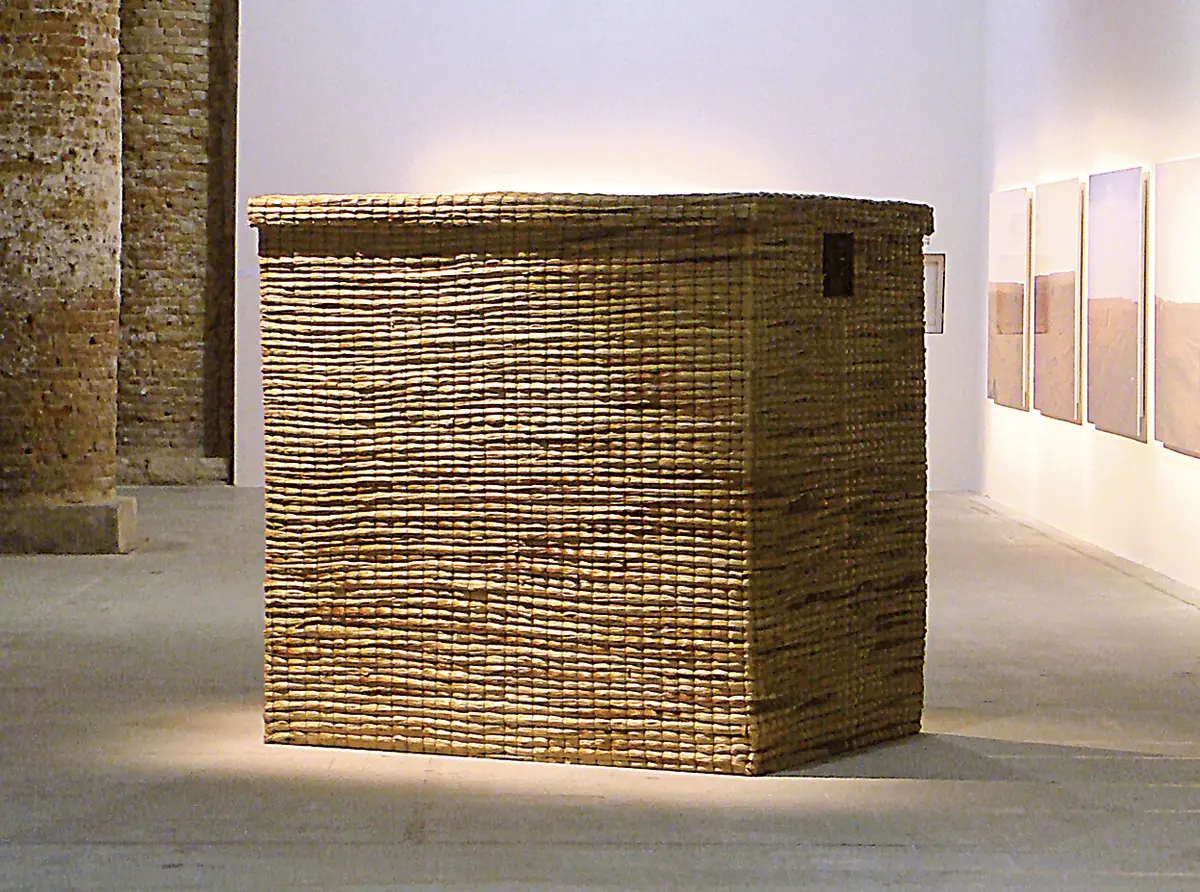
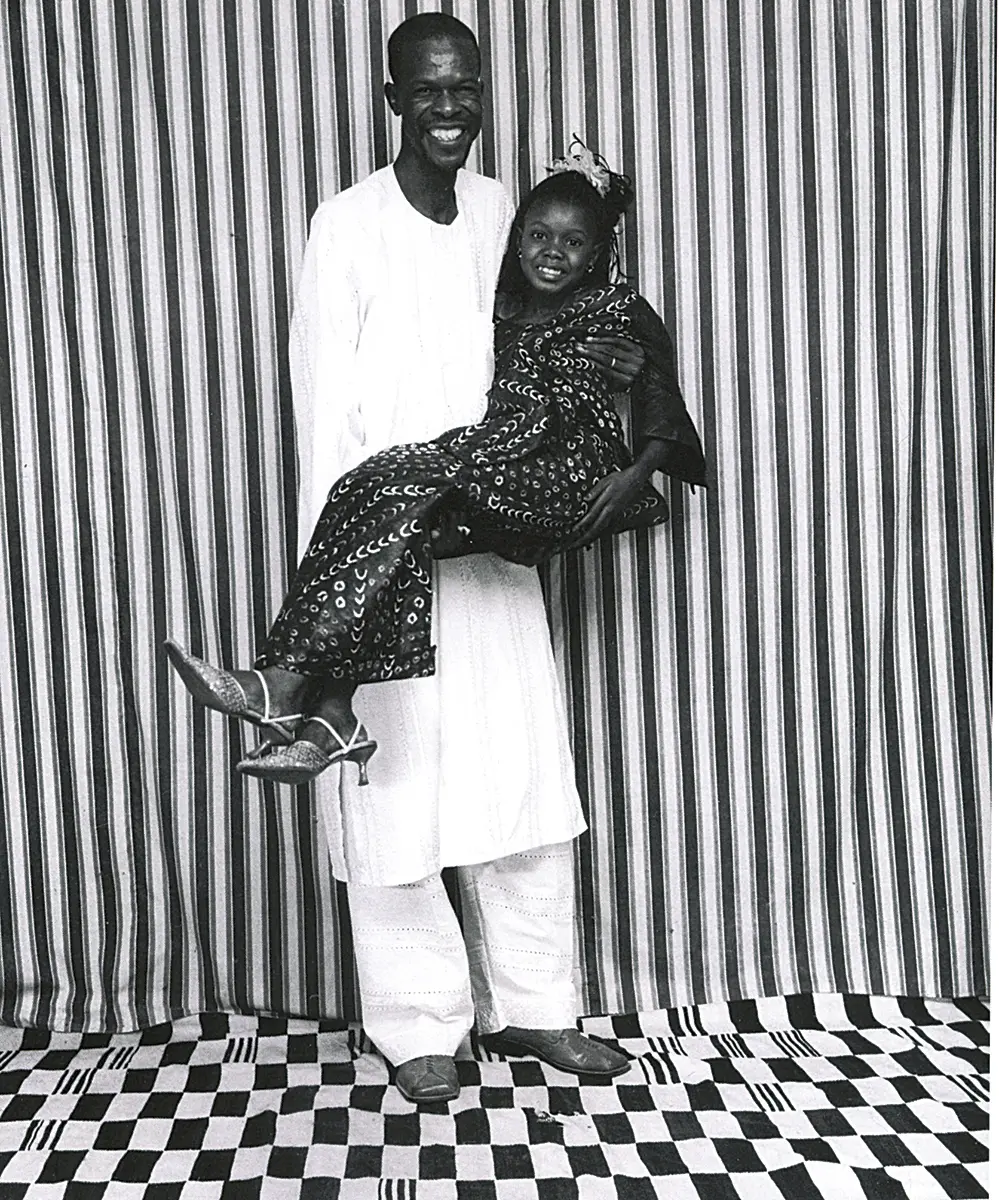
This is why this edition of the Biennale, seen as a whole, was a good map of the international art scene on which the American-British-German axis currently exercises its hegemony. At the center of the scene—in the Italian Pavilion—were the canonical artists. To the side—in the Arsenale—were the antagonists, the critics, and the emerging artists in which Storr recognized qualities akin to those of the canonical artists. And on the margins—in the national pavilions—were those who functioned like a Greek chorus, setting the space for the protagonists and replying to them, or like the opening act in a rock concert, warming up the audience for the featured stars. There was one exception to this trend: the African Pavilion arranged by Storr at the Arsenale. It was an anomaly because it was the result of two reductions: that of Africa to a single pavilion and that of all African art to a private art collection—the Sindica Doikolo. This collection includes artists like Andy Warhol, Miguel Barceló, and Alfredo Jaar, who are obviously not African, and the collector has been accused of shady business in the Congo. The anomaly of the African pavilion was, in fact, symptomatic of the role that hegemonic art-world powers reserve for nations and even continents, which tend to be reduced to mere labels. The epitome of this reductive process was the awarding of the Golden Lion to Malick Sibidé, the Malian photographer, for his career achievements.
Latin Americans
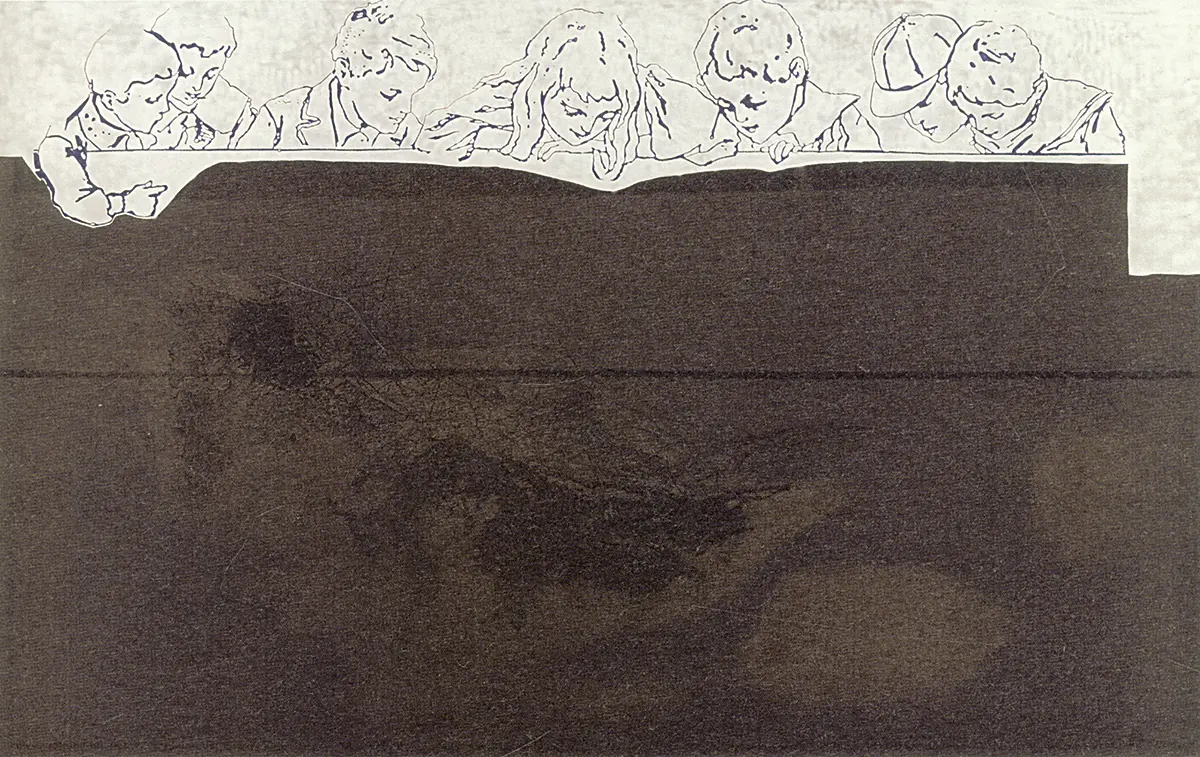
The work of Latin American artists was displayed in two of the Biennale’s three spaces. This included even artists who are sufficiently renowned to have been shown in the Italian pavilion, such as Waltercio Caldas or Francis Alÿs —creator of Bolero, one of the Biennale’s best video installations—who is a Belgian citizen but lives in Mexico and has developed an essential part of his oeuvre in that country. But according to Storr’s decision, they were exhibited at the Arsenale, along with Iran do Spirito Santo, Elaine Tudesco, Paula Trope, and the Mourrinho Collective from Brazil; Rosario López and José Alejandro Restrepo from Colombia; Mario García Torres from Mexico; and Ernesto Salmerón from Nicaragua. In the national pavilions of Brazil, Uruguay, and Venezuela, there were works by José Damasceno, Ángela Detánico, and Rafael Laín; Ernesto Vila; and Antonio Briceño, respectively. The new pavilions of Argentina and Mexico featured Guillermo Kuitca and Rafael Lozano-Hammer. In the Latin American pavilion of the Italian-Latin American Culture Institute curated again this year by Irma Aristizabal, there were works by twenty artists from Bolivia, Colombia, Costa Rica, Chile, Cuba, Ecuador, El Salvador, Guatemala, Haiti, Honduras, Dominican Republic, Paraguay, and Peru.
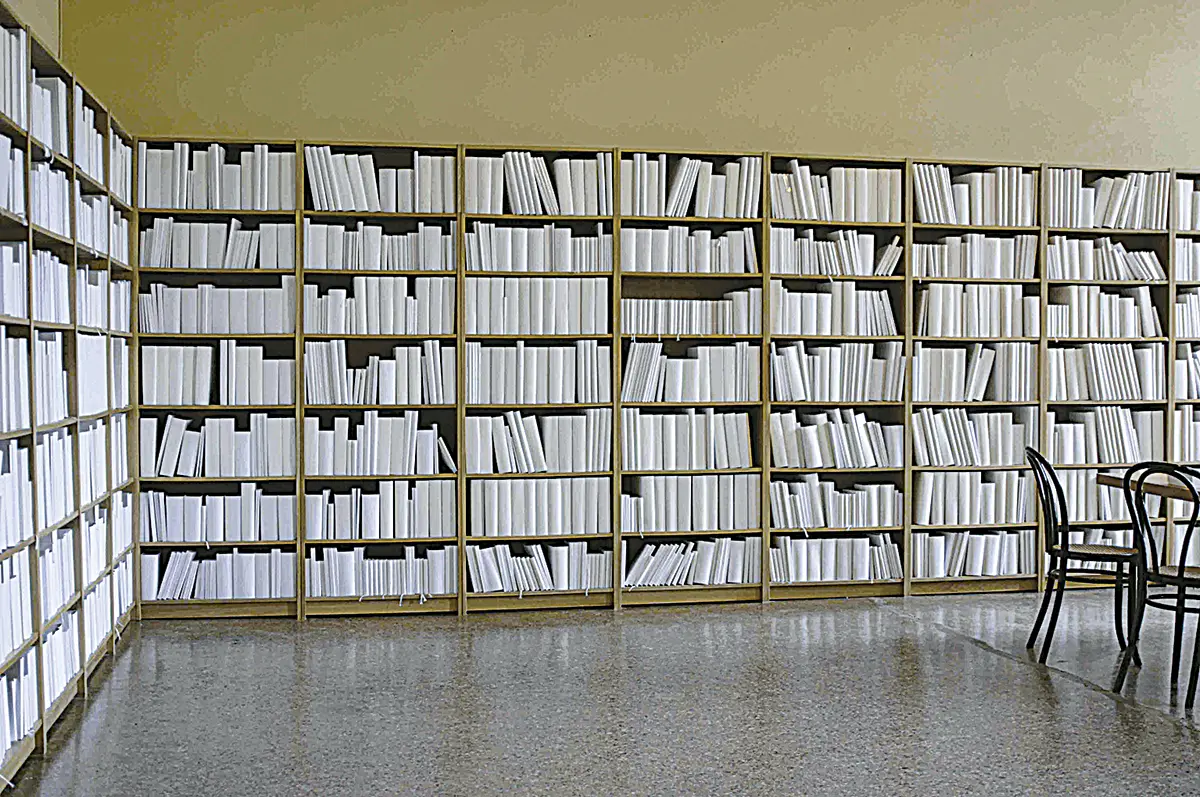
To conclude, one must underscore two features of Storr’s intervention in this edition of the Biennale, which highlighted his basic adherence to modern classicism. The first was his decision to transform the ample spaces of the Corderie, at the Arsenale, into a white box, the contemporary exhibition space introduced in the last century by New York’s MoMA. And the second one was his reiteration in the Biennale catalog of his thesis, that the work of art is an epiphany articulated through a modern belief that conceives the aesthetic experience as a mystical experience—a kind of theology best realized, indeed, within the white box.
CARLOS JIMÉNEZ
Writer, art critic and independent curator.