The city of Puebla was selected to present for the first time in the province of Mexico a selection of the large Jumex collection, currently comprising around 1,600 works of art. The site for this exhibition is the Galería de Arte Contemporáneo y Diseño, in itself an interesting building, located as it is inside an early-Twentieth Century textile factory. The architectural restoration respected the original concept, with high ceilings, large picture windows, patios, and corners created by the brick walls.
The curator, Michel Blancsubé, says that putting the show together was a challenge because of the gallery’s amplitude, with about 1,000 m2 of available space, well beyond the exhibition space for the Jumex Collection in Ecatepec, State of Mexico.
Unlike other shows culled from the collection, where the work of many artists is presented and the sheer number of works on display can be overwhelming, in this case, and despite the available space, Entre patio y jardín comprises 39 works, so that their arrangement in open spaces or in enclosed areas created specifically for each one of them is ideal for the generation of a certain intimacy between the viewer and the art. The exhibition space could even be thought of as another work of art, as the abundant light and the outside gardens seen through the large windows stand as yet more painting inside the gallery.
As usual in Jumex Collection shows, space is modified in order to create small exhibition areas customized to the isolated, individual display of specific works. On this occasion, the challenge was to transform the space so that it resembled a home, a successful attempt, although not one that is evident from the start. The essential concept of Entre patio y jardín is to show the variety of trends in contemporary art, the possibilities in terms of media and themes since the show includes photography, sculpture, installation, video, slides, and video installation.
By the way, the show’s title is an expression used in the theatrical jargon of the Eighteenth century, referring to the totality of seats. In this context, the analogy speaks to the multiplicity of visions in the selection for a show encompassing a wide geographic expanse, summarized in just 37 artists and 39 works of art.
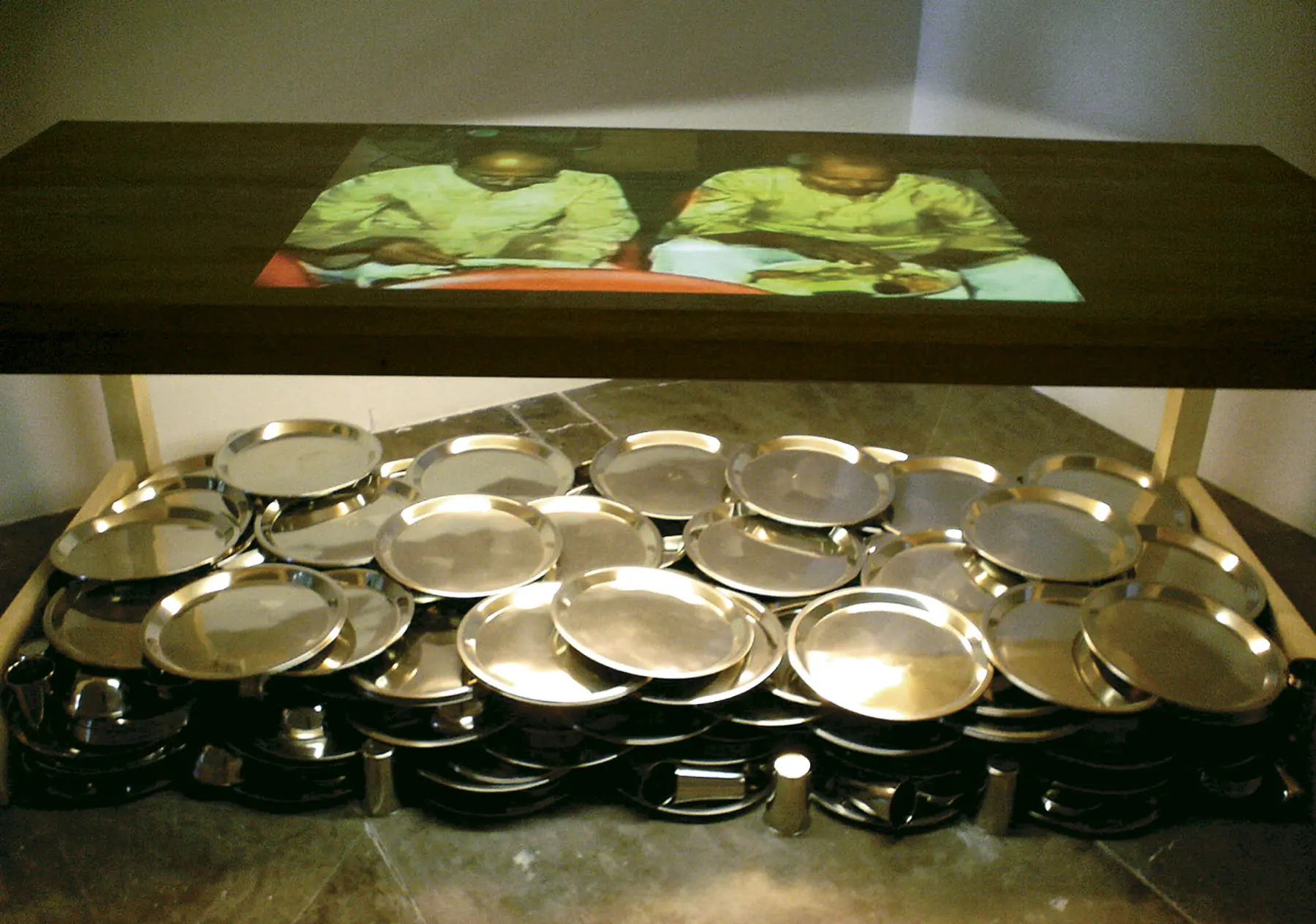
Such multiplicity yes made concrete in the presence of several generations of artists as well as in their places of origin, be it Denmark, with the well-established Olafur Eliasson, Norway, Albania, Belgium, or even India, with Subodh Gupta, who presents a video-installation, at once personal and anthropological, about his sister’s wedding.
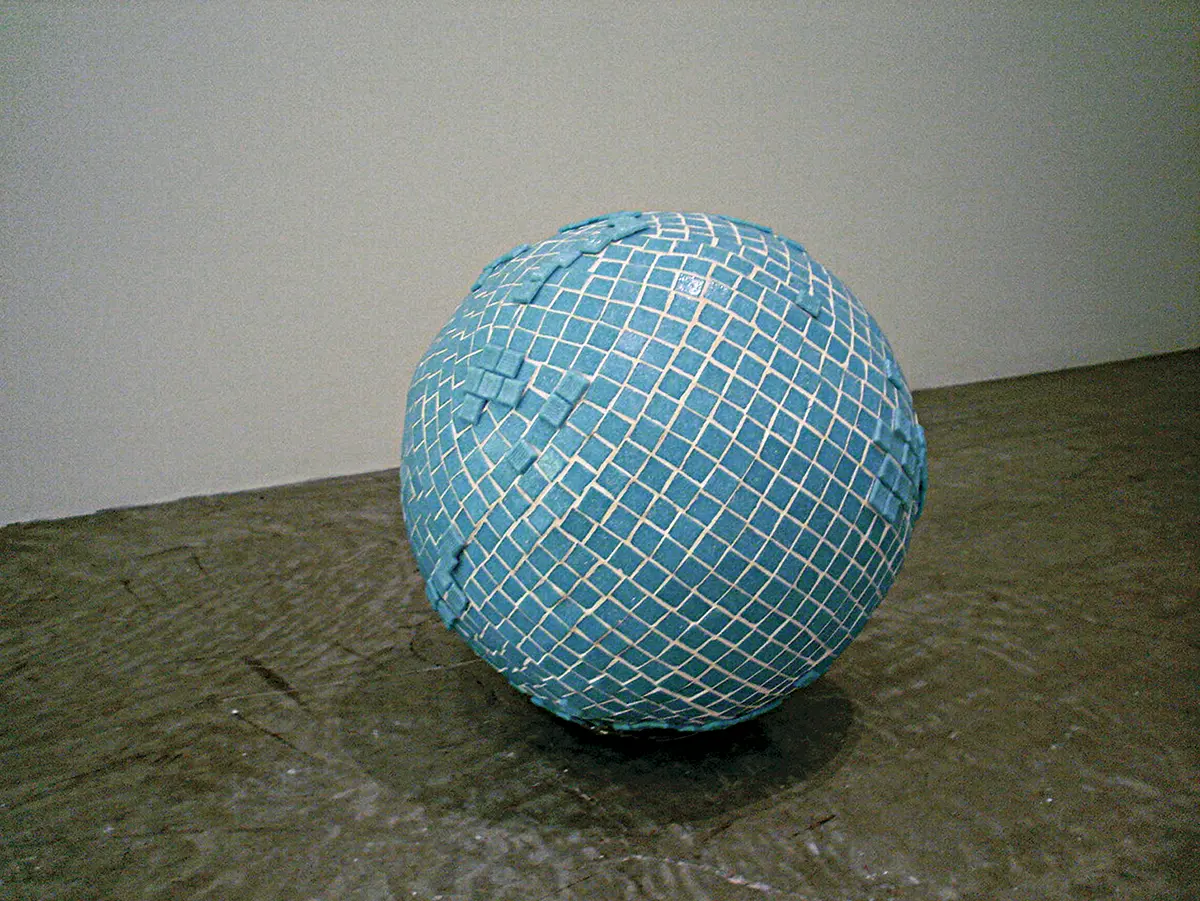
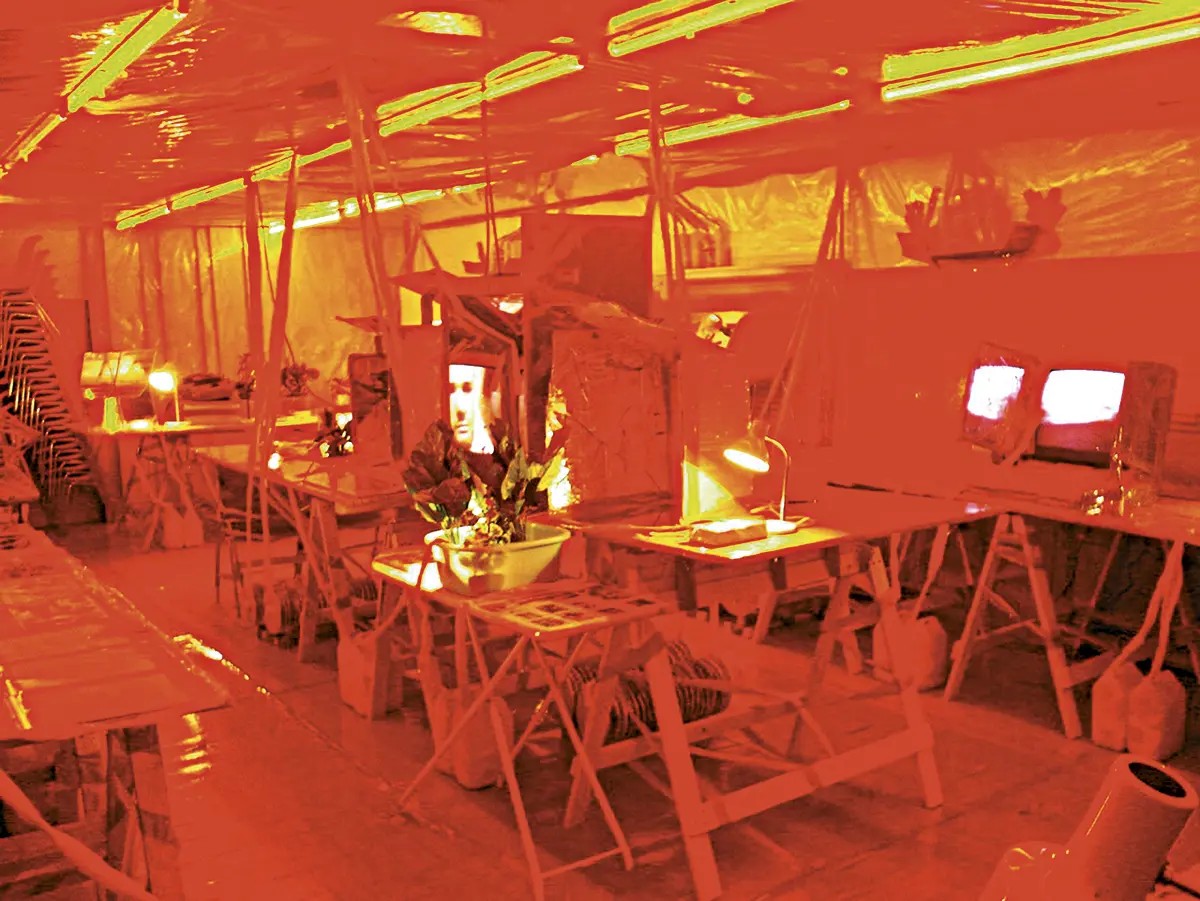
There are other well-established artists, such as Douglas Gordon, from Scotland, who opens the show with his video Film Noir (Fly,) or Thomas Hirschhorn, from Switzerland, with his installation Critical Laboratory, a room with red lights, papered with newspaper clippings and containing TV receivers, nets, packaging materials, cables, some plants, in an altered and anguishing atmosphere that grabs hold of the viewer and brings them into an entirely different environment. Another immersion space is the area devoted to Doug Aitken’s videos about Africa’s diamond mines.
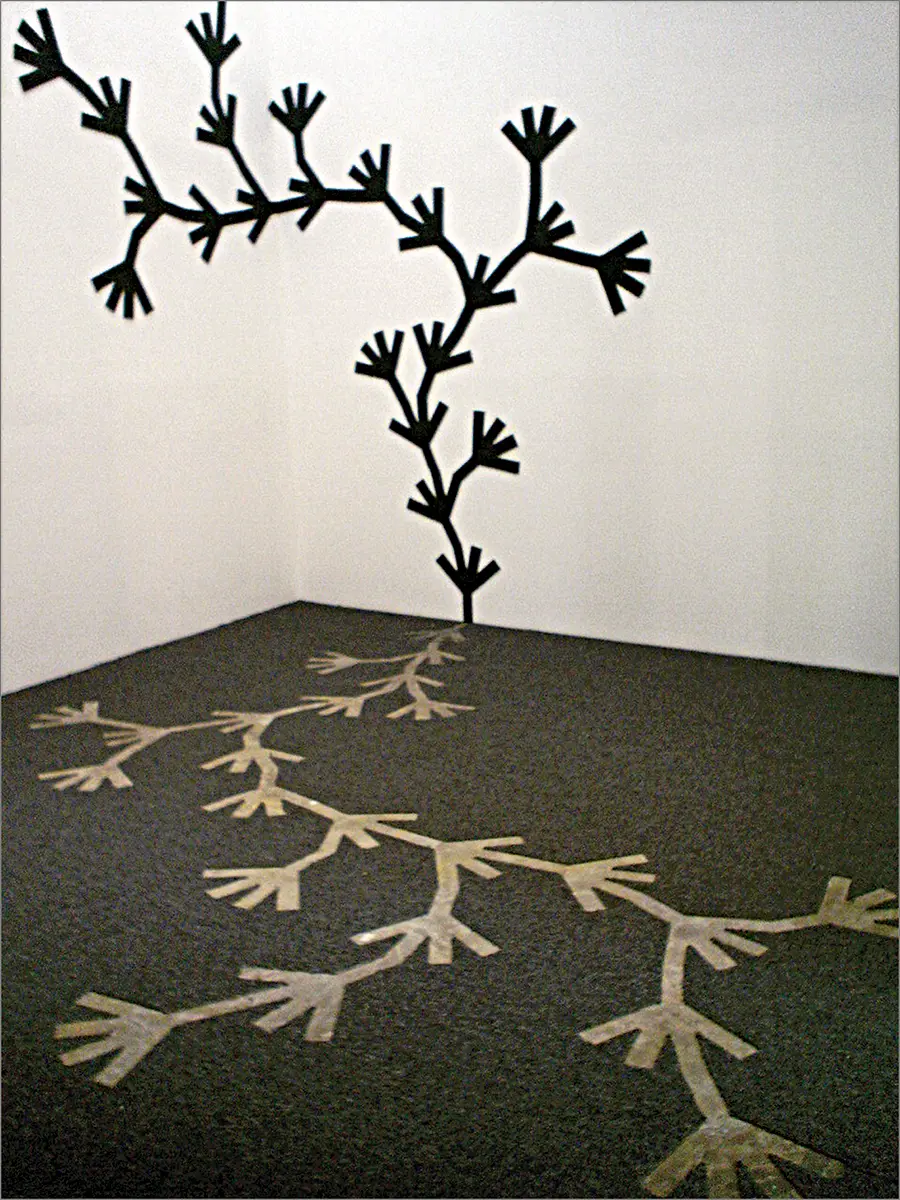
Some of the Latin American artists represented in the show also have a long career behind them, such as Cuba’s Félix González Torres, who presents a photograph-puzzle, and José Damasceno, from Rio de Janeiro, with the installation Method for tracing and mapping, made using carpet and of great simplicity and great beauty.
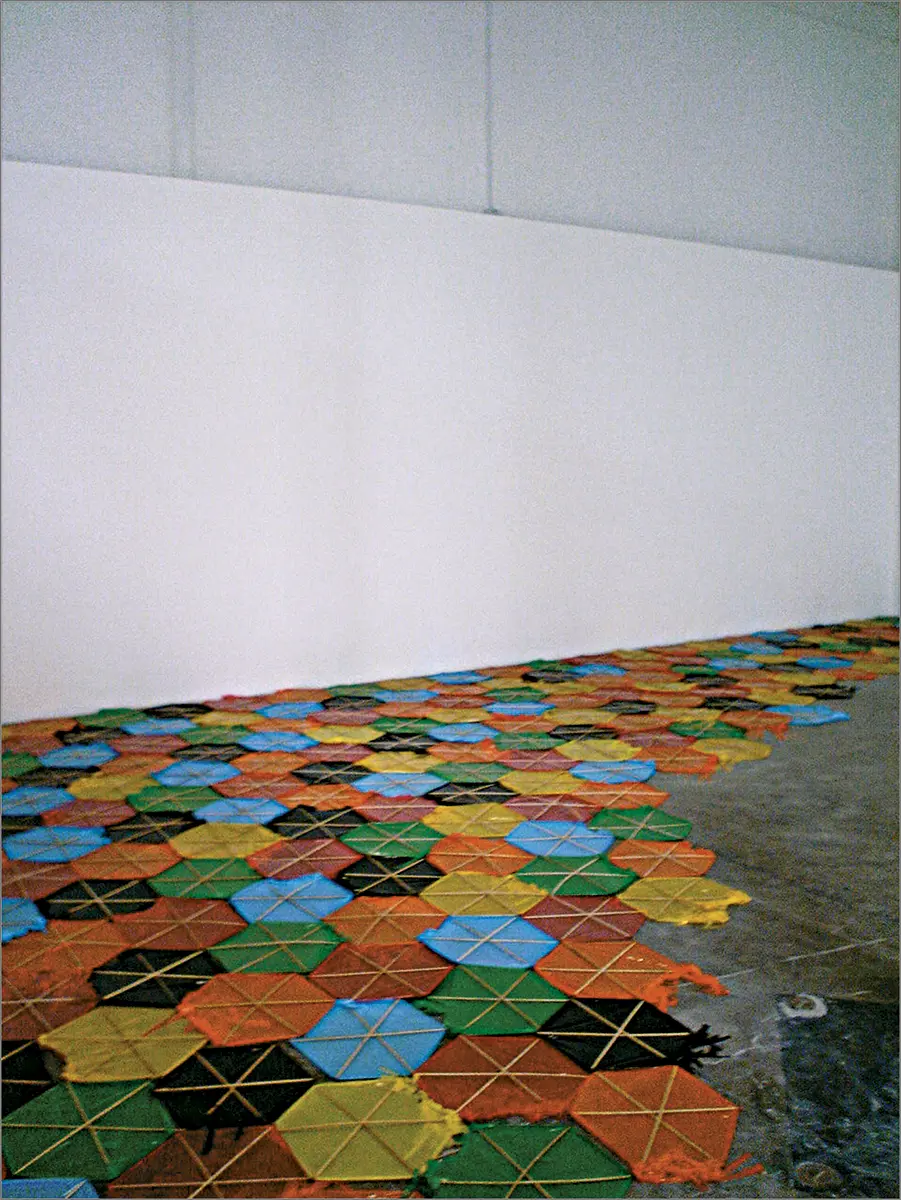
Especially interesting is the number of Mexican artists included in the show, almost a fourth of all the participants. In this case, the selection was somewhat more homogeneous in terms of generation and recognition, since there are works by Abraham Cruz-Villegas, with an installation of hexagonal kites made in plastic in various colors and grouped, as the title of the work suggests, like a Colmena (bee-hive.)
Some of the works by Mexican artists are the result of a process that to a degree is intended as a register and as a memory safeguard, as in the case of Daniel Guzmán and his series of actions with a bucket that carries the words Qué extraordinario que el mundo exista (How extraordinary it is that the word exists,) title of the work resulting from the photographs of the places and times in which the bucket was present. Similarly, the work of the Guadalajara artist Marcelino G. Barsi, a compilation of soap bars that keep a register of their everyday use, the wear caused by the anonymous people using public bathrooms.
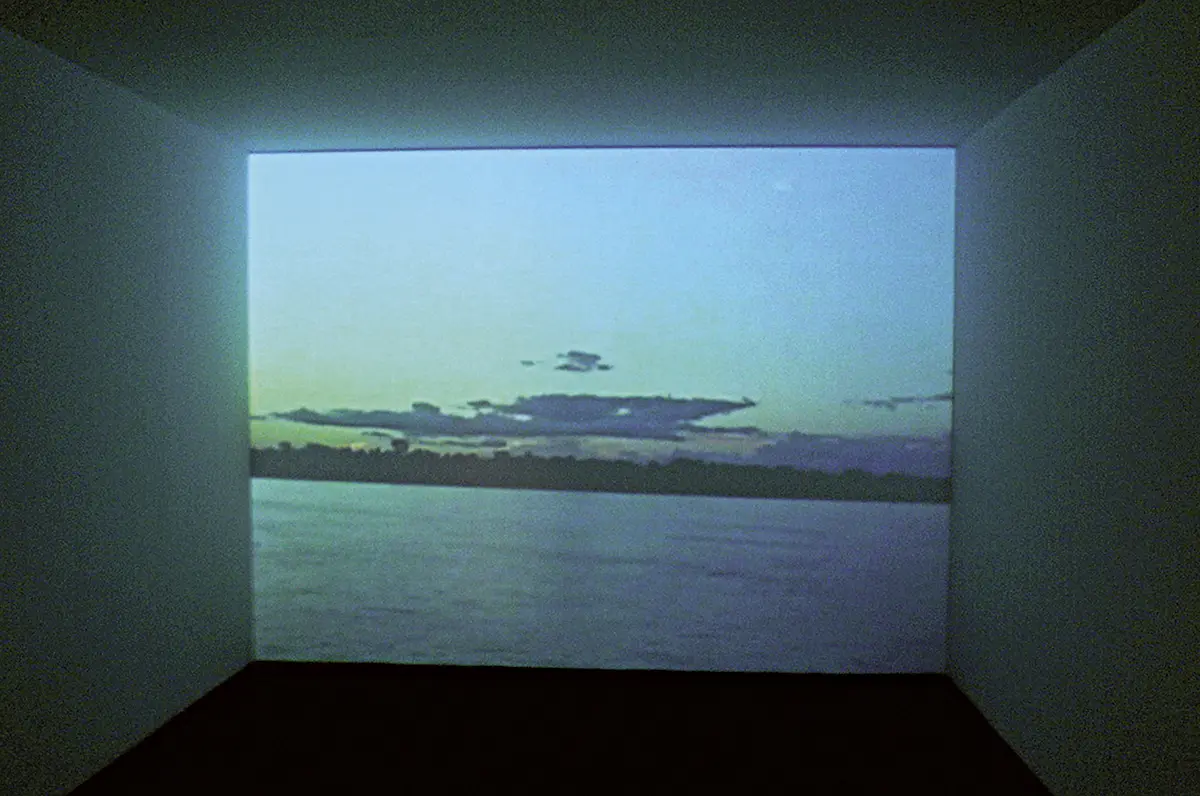
Another work related to the recording of memory is Un año de basura, by Mexico City-based artist Richard Moszka, who photographed every day the garbage bin in his home, creating a journal of detritus in which it is possible to read his gastronomic preferences, his habits, his parties, the days he might have been sick, etc.
Some of the works have not only this need to look towards the past and retain it in memory, others are more introspective and personal with a more life-specific character, such as Luis Felipe Ortega peaceful video The shadow line.
Other Mexican artists included in the show are Miguel Calderón, Jonathan Hernández, Pablo Vargas Lugo, Sofía Táboas, and Fernando Palomar.
The exhibition, eclectic in every sense, recreated the array of proposals, the contradiction of the angst of a present resolved thanks to vertiginous technological advance and to immediacy, in contrast with the melancholy of the past, the artisanal, the simplicity of an idea expressed with the most elemental resources but allowing for the wide reflection of the feeling of contemporariness in art.
ISAURA RUIZ