Albers and Moholy-Nagy: From Bauhaus to
the New World, seen at the Whitney Museum of American Art, was a comparative
exhibition of the work of these two artists.1 Initially curated by Achim Borchard-Hume for
the Tate Modern, it literally presented the artists side-by-side, with their
works frequently hung together. Josef Albers (1888–1976) and Lázló Moholy-Nagy
(1895–1946) are two artists whose full scope can rarely be seen. In that sense, the exhibition was an exhilarating event because it granted this opportunity.
Yet the presentation of these two artists, whose careers intersected for some
years at the Bauhaus, was out of context, with the effect that many issues of
interest in their work was left obscured. The emphasis on works fit for
exhibition limited the exploration of their pedagogy and subjected them to a
narrower presentation as producers of artworks.
The stronger context of their work was the radical pedagogical revolution in art education of the early twentieth century, which spread around the world and has since been unmatched. The Bauhaus was an amazing laboratory and is credited with this radical departure, but in fact, the work of the Bauhaus was the culmination of a process that grew out of experiments initiated at other schools, fueled by ideas proposed decades earlier by William Morris and by turn-of-the-century progressive movements in education.
Were one to make an exhibition to fully encompass Albers and Moholy -Nagy, one would have to include the famed Bauhaus curriculum and stress the Vorkurs (preliminary course) as its most notable component; both Albers and Moholy-Nagy were extremely prominent in this course. But if these aspects were raised, one would also have to deal with Walter Gropius (1879–1964) and Johannes Itten (1888–1967).
Gropius, the pragmatic founder gave a general frame of reference to the institution, and Itten created the Vorkurs.2 Because of their very distinct personalities, Itten, Albers, and Moholy-Nagy addressed different aspects of artistic creation and led the Vorkurs into highly personalized directions. Ideally, all three approaches should have merged into a single comprehensive one, but interpersonal difficulties prevented this unity (especially in the case of Itten who was fired in 1923 for personality issues), and Albers and Moholy-Nagy did not teach the same semesters but alternated for much of the time. The innovations of the Bauhaus, far from reflecting a deep and coherent ideology actually resulted from a convergence of individual paths taken by these four very different people. If one examines the Bauhaus “vision” closely, one sees several distinct threads mixed together in an unresolved way: awareness of the cultural significance of the industrial revolution mixed with a somewhat mystical view of the world, notions of the supremacy of the architect as a master thinker, medievalist nostalgia, and a traditional belief in inborn talent. Art, craft, and technology were to be merged into one unified product, within the frames of reference provided by and at the service of industry and architecture. In 1919, the aim of the Bauhaus was “to form architects, painters, and sculptors of all levels and according to their abilities to become efficient craftsmen or independently creating artists...” In 1921, the aim changed “to form visually talented individuals to be creative craftsmen, sculptors, painters, architects . . .” and in 1925, it became “to form visually talented individuals to become creative in the realm of craft, industry, and construction.”3
In his Bauhaus Manifesto of 1919 (when the school began its activities in Weimar), Gropius declared: “The ultimate aim of all visual arts is the complete building! To embellish buildings was once the noblest function of the fine arts...”4 He was explicit in his view that creative talent was inborn, and he made a distinction between technical preparation, which he viewed as teachable, from inspiration, which he believed was not. It followed that the point of art schooling was not to teach creativity, which he believed was impossible, but to train “exalted craftsmen” with such rigor that only the most disciplined and skillful would survive. Aware that state funding depended on the persuasiveness of one’s propaganda, Gropius insisted on using a mystical metaphor for making his fundamental point that art cannot be taught: “Only the grace of heaven may cause [the artist’s] work to blossom into art.”5 He argued that “The old schools of art were unable to produce this unity [of craft and art], how could they, since art cannot be taught.” Four years later, he sharpened his attack on academic art: “But lately the artist has been misled by the fatal and arrogant fallacy, fostered by the state, that art is a profession which can be mastered by study. Schooling alone can never produce art!”6 His text continues: “Whether the finished product is an exercise in ingenuity or a work of art depends on the talent of the individual who creates it. This quality cannot be taught and cannot be learned.”7
Where Gropius was diplomatic and pragmatic, conscious of the requirements of building an institution, Johannes Itten was charismatic and tended to encourage a cultish following among students. Like Gropius and all the Bauhaus teachers, he strongly rejected art education as practiced in his day, but his reasons were very different. A spiritualist and follower of Mazdaznan (a mixture of Zoroastrianism and theosophy), Itten believed in the innate talent of every person. For him, the purpose of art education was to free the inner self of the student. Thus, Itten was far more interested in the process of creative expression than in the production of things. He began his classes with sessions of meditation and introduced “non-art” materials into the classroom.8
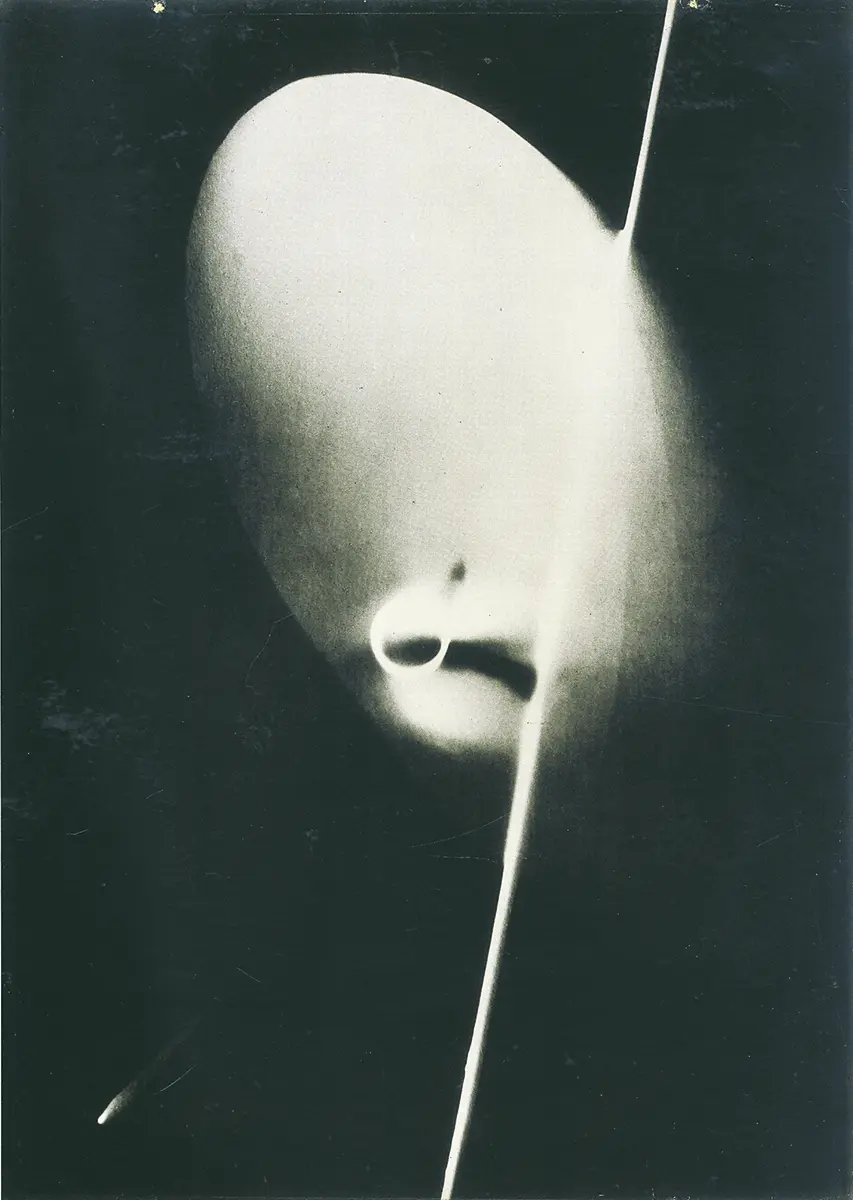
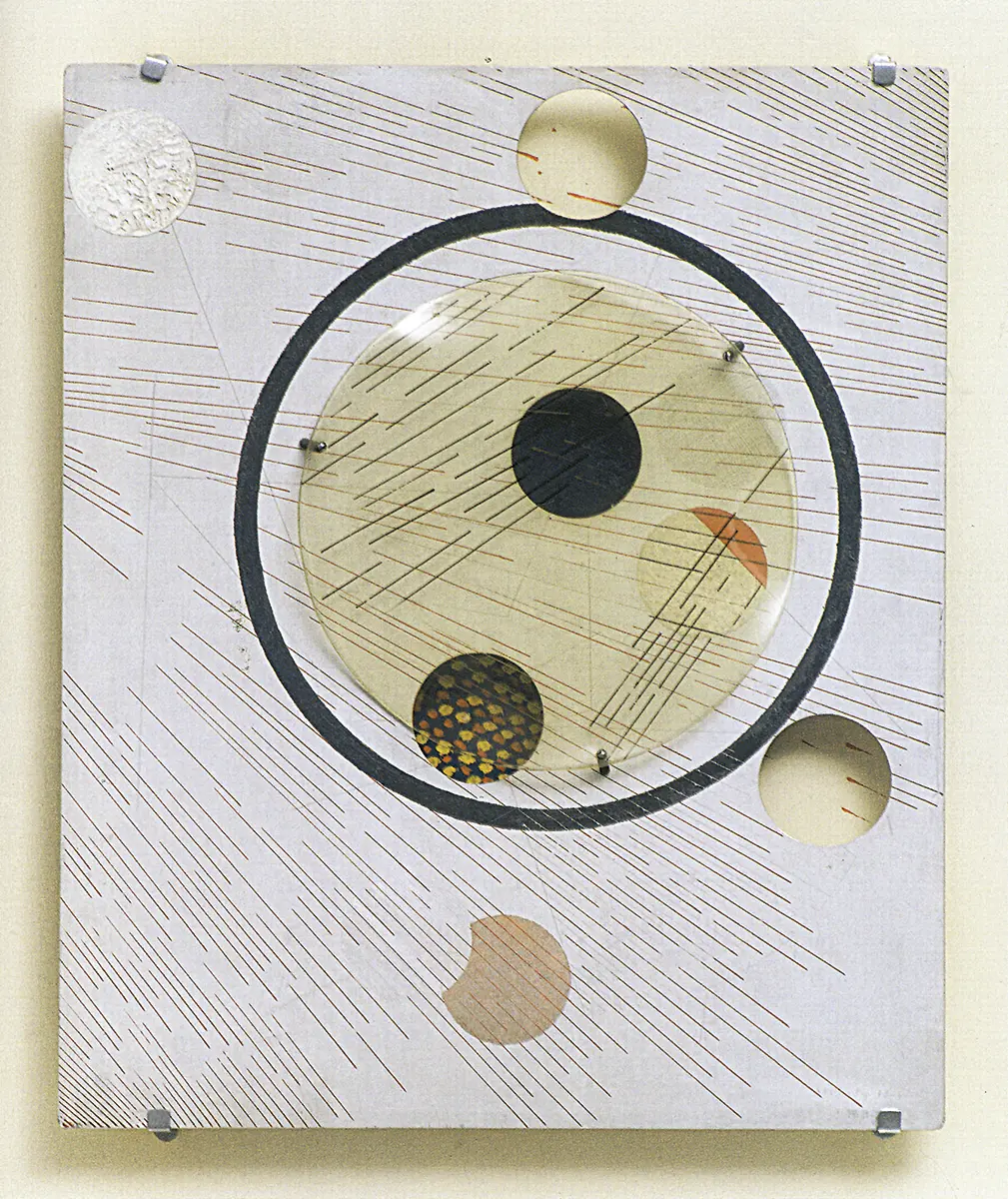
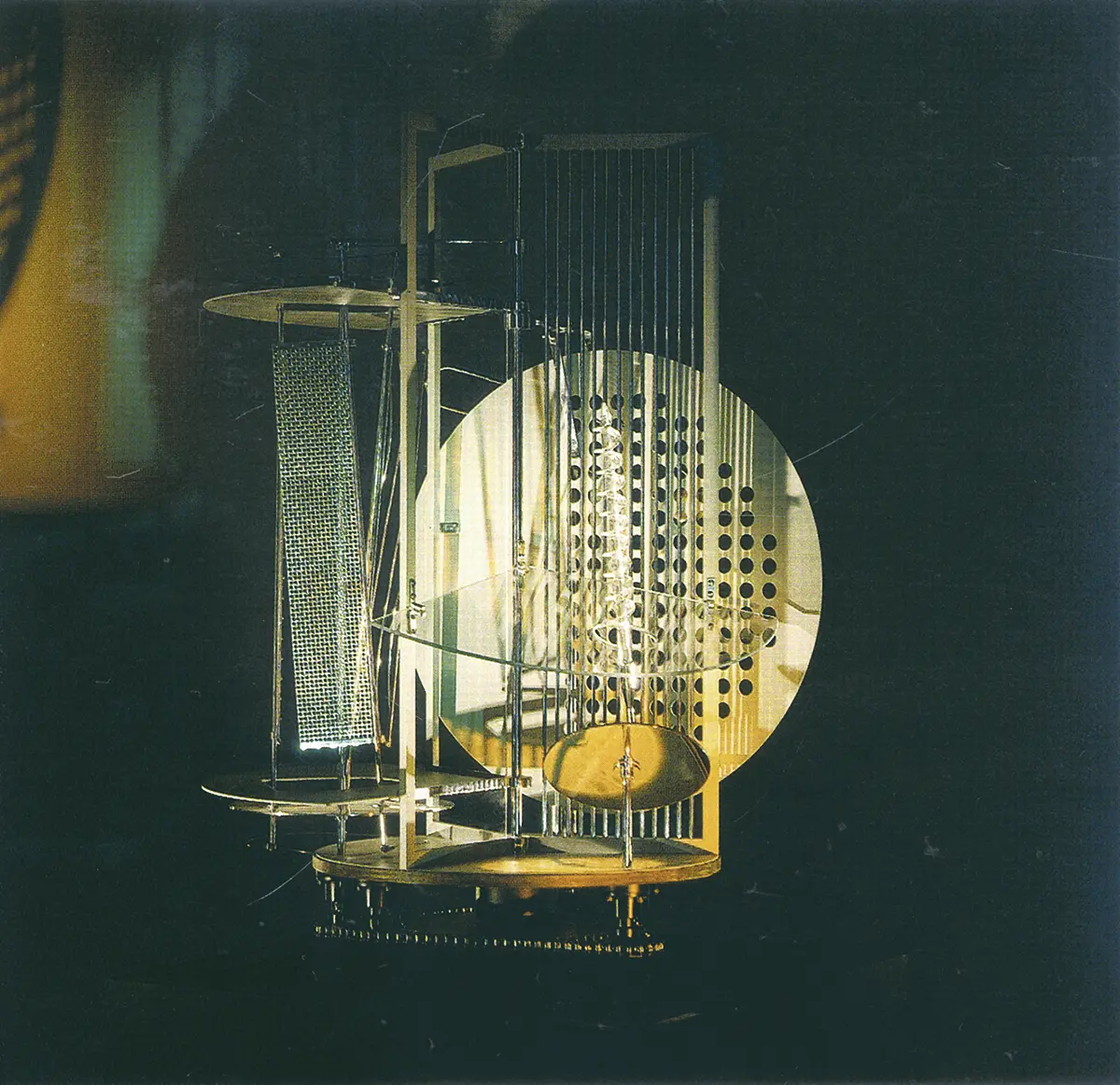
Moholy-Nagy, like Itten, believed in the innate talent of all individuals. “Every human being is talented. Every healthy individual has a deep-seated wealth, the creative energies rooted in his being human [are] to be brought to fruition...”9 He was not interested in liberating the inner self but rather in structural systems and the capabilities of materials. He was a socialist, and for him, constructivism was “the socialism of vision.”10 His ideas led easily to the exploration of issues related to design and architecture, not to revelations of the inner self. He accepted technology as a crucial part of everyday life and, rather than fighting it, he sought ways of integrating it into a humanistic context. In teaching, he focused on what could be done with materials and what materials could do. Weight and balance were a big factor, as well as light, shadow, reflections, and how all of these modulate space. While Itten’s students were expected to find their inner voice through encounters with materials, Moholy-Nagy’s students confronted textures not to reflect on their personal spirit but to find ways of translating between the senses, of organizing and codifying. This detachment led Moholy-Nagy to define himself as an artist through his pedagogical work, much more strongly than did either Itten or Albers. Given the systemic scope of his assignments, the range of the solutions allowed for greater unpredictability, fitting well Moholy-Nagy’s own need for inquiry. In good faith (unaware of Christian Schad’s and Man Ray’s work), he reinvented photograms as a natural extension of photographs by his wife at the time, Lucia, as well as his concern of light as a modulator of space.11 It also allowed him to create his “telephone pieces” (industrial enamel pieces he presumably ordered in 1922 by calling the manufacturer and dictating the instructions), as well as one of the most stunning pieces in the Whitney exhibit, his Light Display Machine (1922–1930).12

Among the four central figures of the Bauhaus group, Albers was positioned between Itten and Moholy-Nagy. Like Itten, Albers had respect for refuse materials; like Moholy-Nagy was interested in issues of balance and structural invention. He did not believe individuality was an appropriate concern of the art school: “The care of the individual is the duty and the task of the individual himself, not of a collective enterprise like a school... Productive individuality asserts itself without or against education.”13 Unlike his two colleagues, Albers approached craft as a primary point of entry. But his approach to craft was not the traditional one in which development is based on an established sequence of steps to achieve a predictable result. He used analysis and experimentation instead. In his own interpretation of progressive education, Albers is quoted as saying: “To learn is better because it is more intensive than teaching: the more is taught, the less can be learned.”14 For him, experimentation in the craft was a way to allow materials and tools to express themselves to a peak. This included economy: the less waste that was generated in a solution, the less material not visible or “activated,” the better it was. Albers was interested in some of the issues Moholy-Nagy raised, including balance, but his research that followed was not about balance but about a particular material expressing balance. The results were some of the structural paper sculptures that became iconic for Bauhaus pedagogy. One of Albers’s students, Theodore Lux Feininger (a son of Lyonel Feininger, who also taught at the Bauhaus), recalls a visit Albers organized to a cardboard box factory: “pointing out manufacturing particulars, both good and bad (i.e. capable of improvement), with the kind of religious concentration one would expect from a lecturer in the Louvre. The criteria for evaluation of the works were structural invention and static and tensile strength. Aesthetic values were not sought, and were condemned as a point of departure.”15

What differentiated the Bauhaus from its predecessors was the recognition of the existing separation of art from everyday life. (In analyzing his times, Gropius once commented that perhaps students should be expected to live art rather than make it.) In an effort to alleviate this separation, at least to a modest degree, the Bauhaus was designed to develop the school as a strong community, which was not an unreasonable goal given the modest size of the institution that comprised around 120 students. (This notion of art school as a community gained currency and spread around the world in the 1960s, but was quickly dropped as infeasible).
What made the Bauhaus innovative was not its general attitude toward art but rather the social insight that the production of art was previously focused on objects to be consumed on their own alienated terms. The pedagogical breakthrough made by the Bauhaus was in the inventive ways it found to filter talent by means of a new device that minimized the waste of resources, the aforementioned Vorkurs. By choosing only the “talented” from among applicants, an institution becomes more likely to succeed, since teaching the “untalented” is more expensive and risky. Then, by creating a second filter after the initial selection, the possibility of failure is further minimized.
The Vorkurs was a one-semester preparatory laboratory in which students were bombarded with exercises that both “cleared” their mind and allowed for a critical evaluation by the faculty. Those who successfully completed the course were then allowed to enter more specialized craft workshops. This Vorkurs took different shapes depending on who was teaching it, particularly one of the three leading figures—Itten, who created the course, Albers, and Moholy-Nagy. Their collective achievement then served as an inexhaustible inspiration to art schools all over the world. The impact of their work was due in part to skillful publicity performed by Bauhaus members but perhaps even more because Albers and Moholy-Nagy were exiled in the U.S., where they continued to have distinguished and highly publicized teaching careers.16 Albers was first invited by the experimental Black Mountain College and by Harvard University. He then taught at Yale University and became the head of its Design Department. Moholy-Nagy went to Chicago and started the New Bauhaus, later to become the Institute of Design, attempting to replicate the Bauhaus in the U.S. in a more literal form. Itten remained longer in Germany, eventually returning to his native Switzerland.
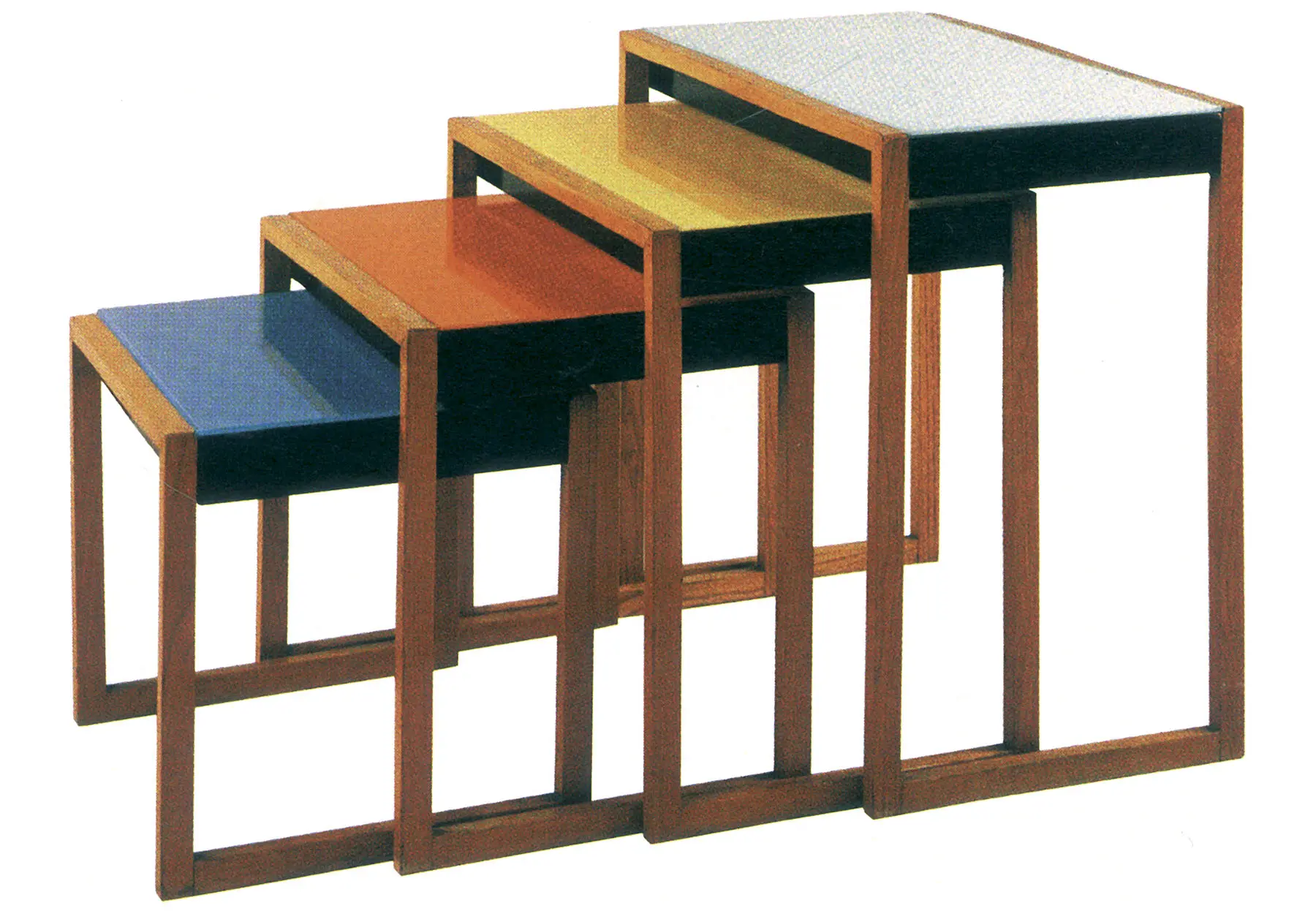
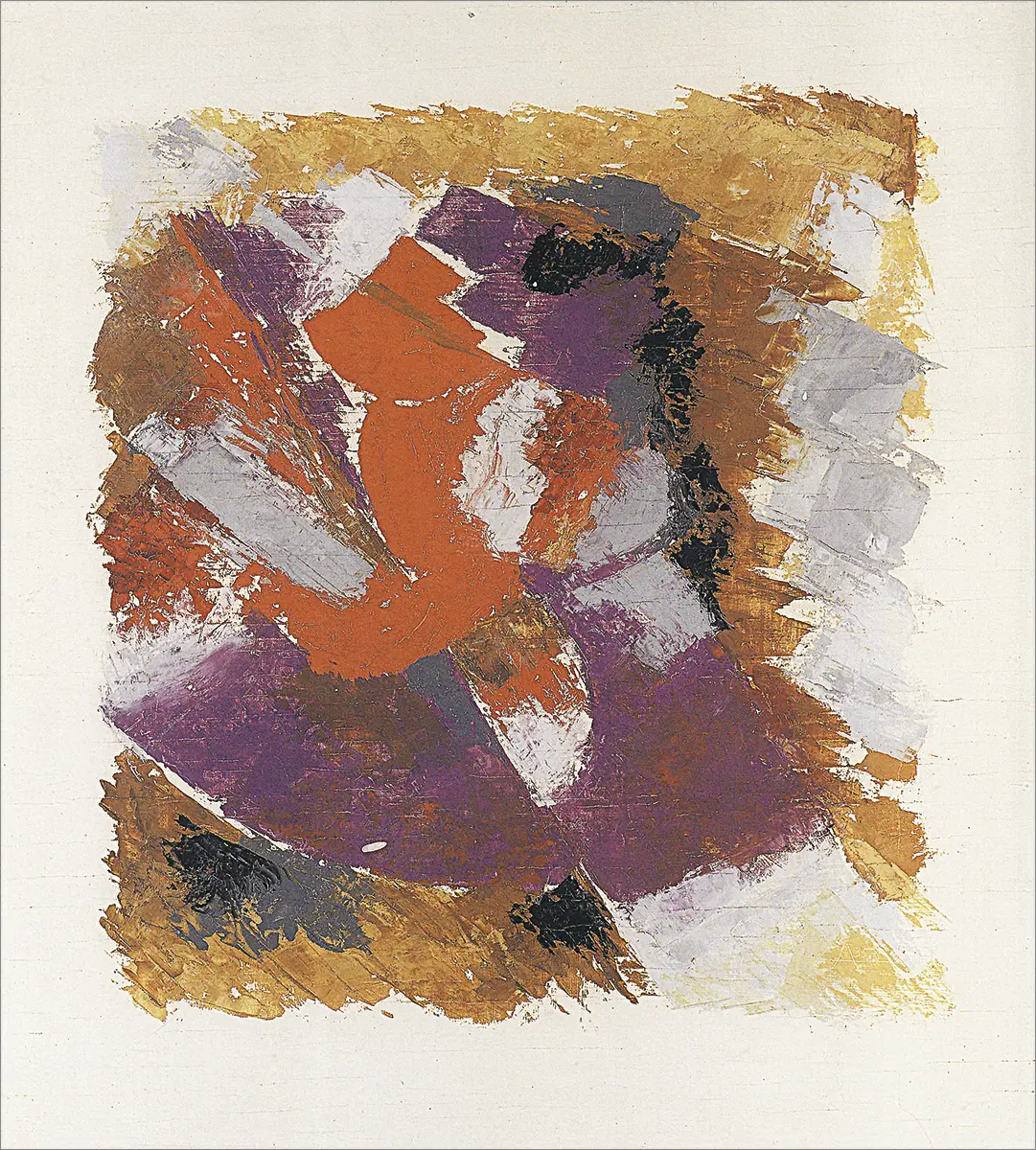
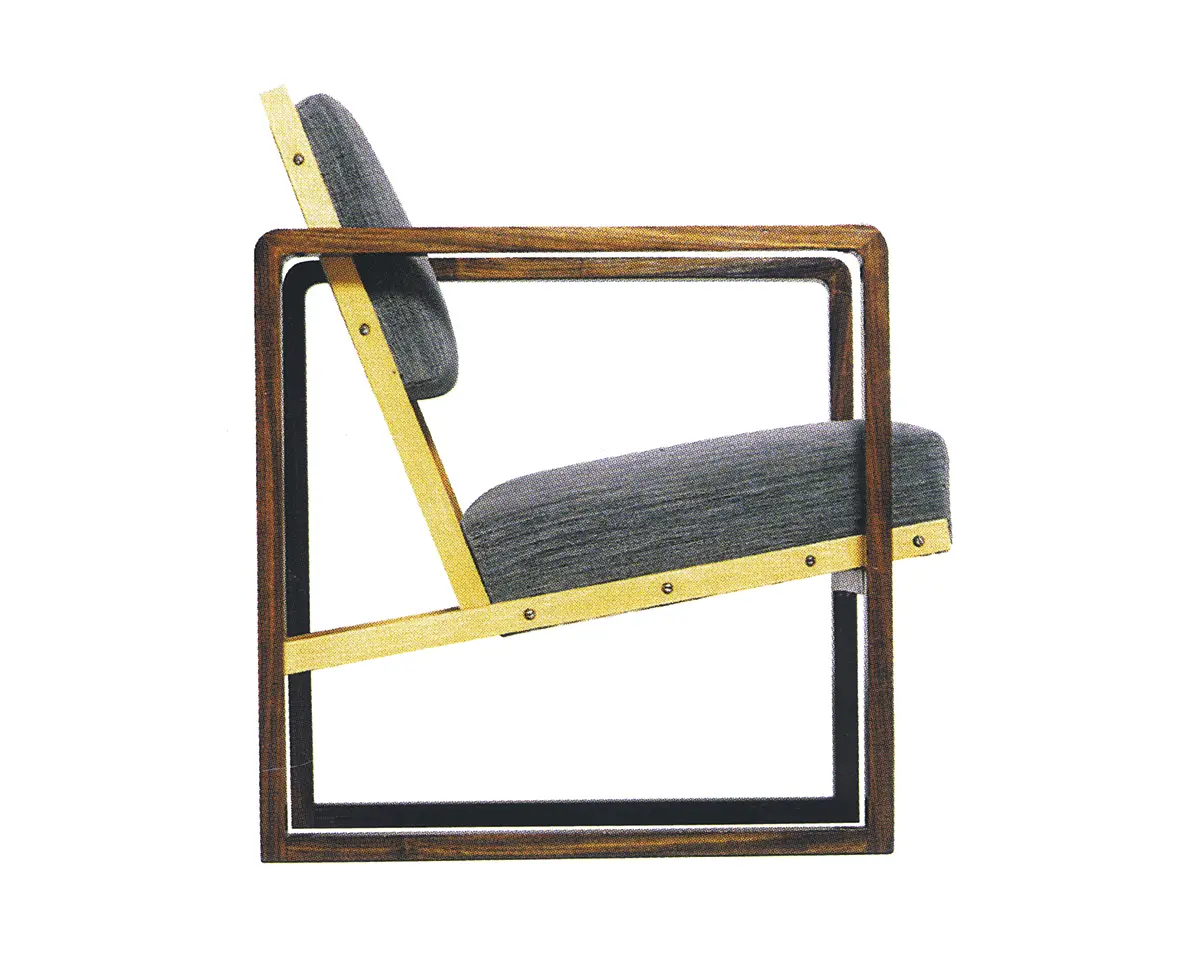
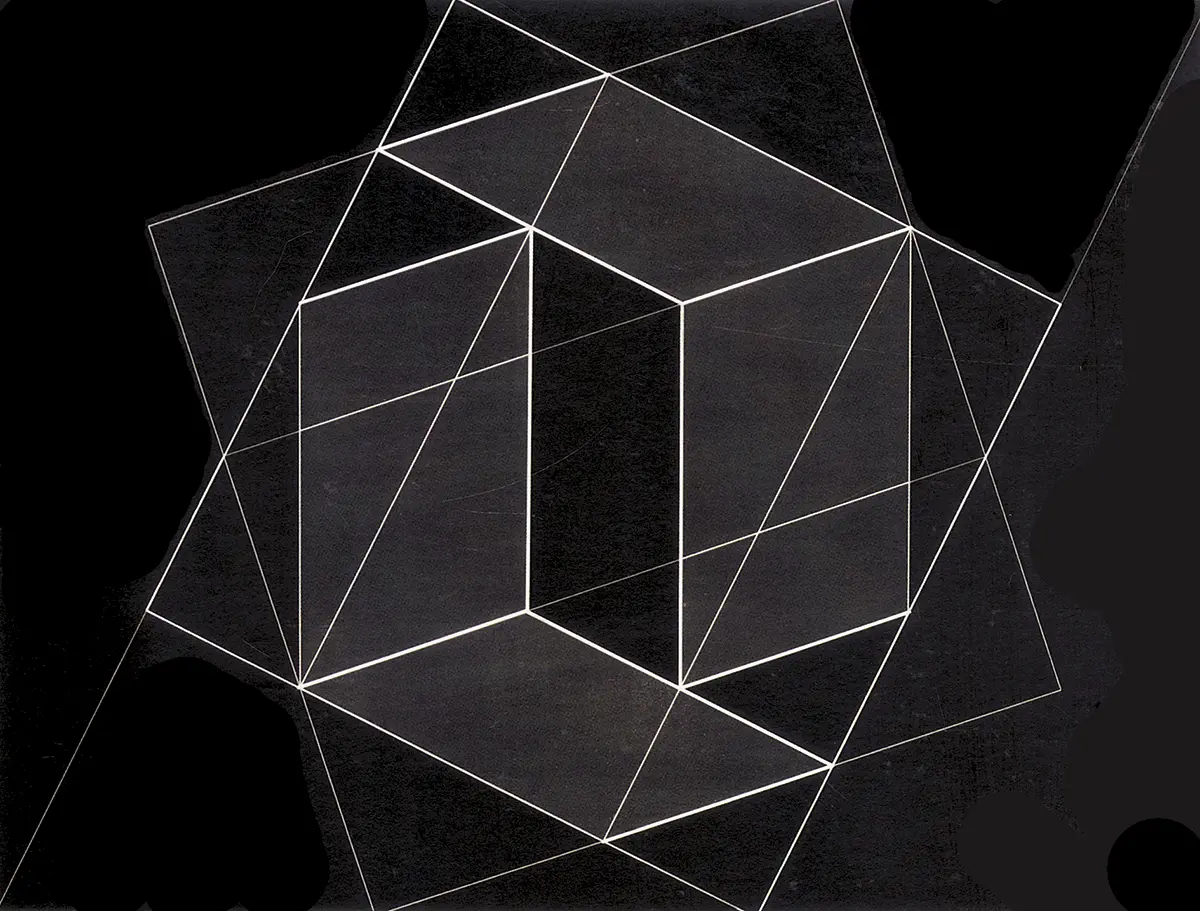
Looking at the art Albers did during the Bauhaus years, he seems at his best when he “goes industrial.” His designs for a fruit bowl (1923), a tea glass, and a chair (1926), and stacking tables (1927) are all good and really interesting. The same can be said when he had glass sandblasted while he worked in Germany or had vinyl engraved once he was in the U.S. The wisdom apparent in those pieces appears dull and tentative in his preparatory work. It is as if his art had to cross into industrial manufacturing to acquire their true life. Years later, in a text for a lecture at Black Mountain College, Albers seems oblivious to the fact that when he stayed in the handmade trade, his work seemed awkward, if not clumsy. He laments: “Industry has replaced hand tools with machines, craftsmen with workmen, individual production with mass production. The result is doom for the crafts, though industry, so far, has done little to replace the best qualities of the crafts.”17 When relying purely on his hands, Albers often gives the impression of fulfilling assignments. They are his own works, but one nevertheless has the feeling that he is fulfilling a forcefully imposed duty. The Whitney exhibition, however, included two pieces that prove to be exceptions to this generalization. They are “studies” (Étude: Red-Violet [Christmas Shopping], 1935, and Almost Four [Color Étude], 1936) and have a painterly looseness that predicts informalism and an atypical sense of risk for Albers. In the exhibition, one felt that Albers really becomes secure in his work around 1950, with his Structural Constellations and his Homage to the Square. Once format and finish are predetermined, he seems at peace with the craft struggle and with the freedom to elaborate his thoughts. The Homage to the Square also affords him the pleasures of the imperfections produced by his handwork. As with Mondrian, these become poetry rather than signs of clumsiness.
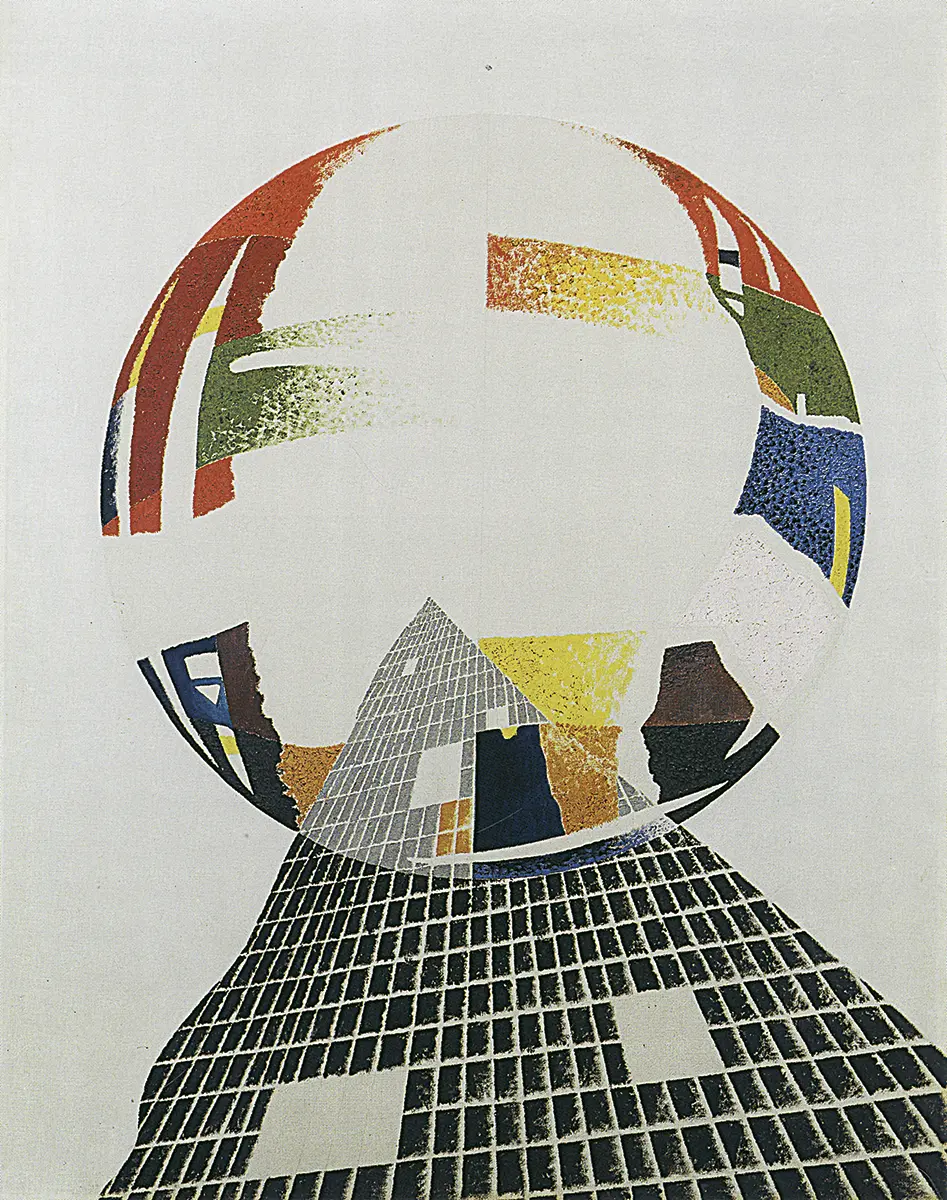
Moholy-Nagy seems to have had it much easier. Even when he explores similar trivial curve-doodles in 1936 (as Albers did in 1933), his work seems lively, as if it’s going somewhere. And while in Albers the doodles appear to be the product of stubborn boredom, in Moholy-Nagy they earn the right to exist from and within his other explorations. His life was much shorter and more compressed than that of Albers. He was thirteen years younger than Albers, started teaching at the Bauhaus while Albers was still a student, and died from leukemia in 1946, twenty-one years before Albers. He touched on many of the same issues Albers did, not only showing evidence of a broader vision but also with a flair and certainty that Albers approached only later and with less imagination.
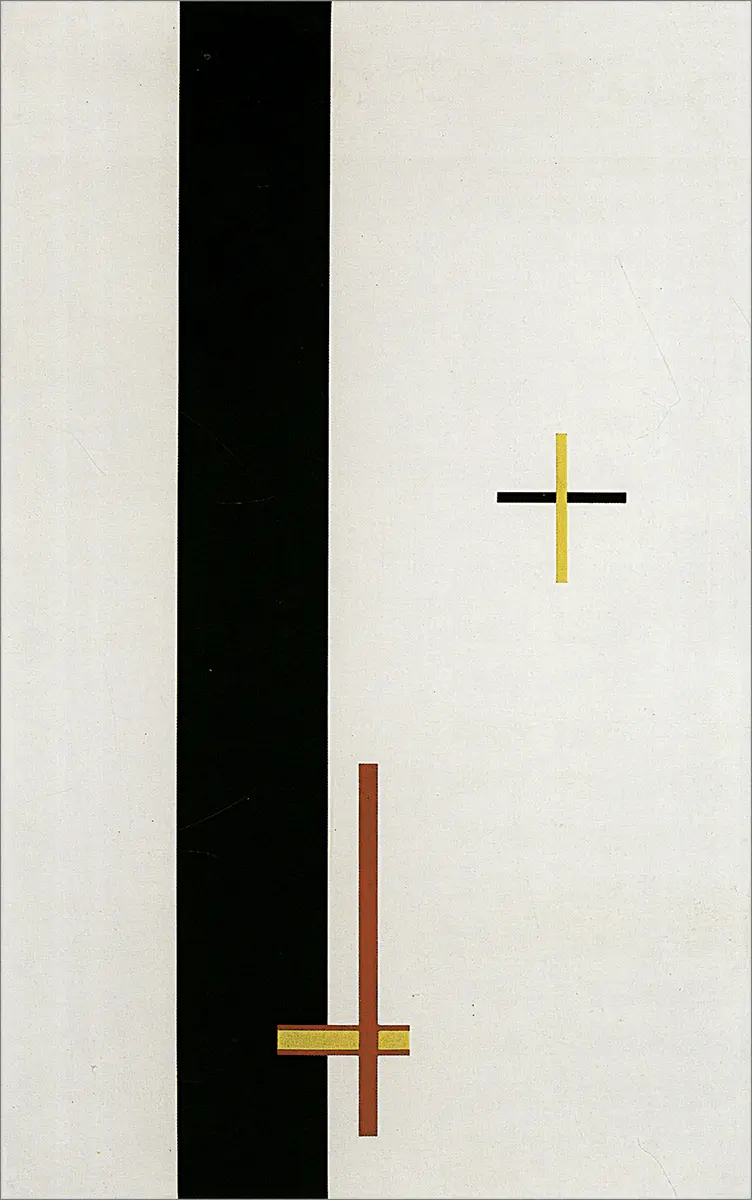
There were two mythic Moholy-Nagy works in the exhibition: the Telephone series and the Light Display Machine, both mentioned earlier. Setting aside scholarly quibbles with respect to titles, process, and dates, these pieces are cornerstones. The exhibition acknowledged the Light Display Machine by giving it a separate room and allowing the otherwise modest-sized sculpture to really engage the room with lights and shadows. According to Rainer Wick, this work also called the Light-Space-Modulator, was never intended to be a museum piece but rather was speculation about uses on stage and in lighted signs.18
A mixture of Dada and science fiction, the piece doesn’t seem to follow any rule and exudes elegance to a degree that even the slickest minimalists had trouble reaching over four decades later. The Telephone pieces were present in three different sizes. Moholy-Nagy made them study the effect of “pure” size on a simple image, purposely excluding any possibility for a subjective alteration. If the art historical jargon words “proto-minimalist” and “proto-conceptual” ever deserved to be used, the Telephone series provided a perfect occasion.
In the U.S., Moholy-Nagy, like Albers, continued his pedagogical activity. But while the role of Albers remained that of a remarkable coach effective on an individual level, Moholy-Nagy had ambitions of social reform. He was an institution builder, not only because of his efforts in recreating the Bauhaus but also because of the role he envisioned for art and design as tools to mend all that was destroyed by rampant industrialism and consumerism, including the educational system. His interpretation of design in general, and industrial design in particular, was as a tool for reclaiming social sanity. His critical writings about education in Vision in Motion (1947) is as applicable today as they were in the 1940s. His last paintings in the exhibition, which introduce some unexpected figuration, are titled Nuclear and were made after the shock of Hiroshima and Nagasaki. They were not the best works in the exhibition, but they are as authentic as everything else Moholy-Nagy did and are consistent with his other works. His humanist anger did not lead him to sentimentality but to new experimentation. One immediately thinks of his pedagogical principles and practice. His assignments to students were systemic in scope, permitting a wide range of possible solutions. This allowed for greater unpredictability and fit his commitment to unceasing inquiry.
Were the Bauhaus pedagogy and spirit to be taken as the defining variables in a show pairing Albers and Moholy-Nagy, Itten would have cast a long shadow over it, not only because his role in the Bauhaus vision was crucial but also because Albers and Moholy-Nagy can be better understood in relation to their similarities to and differences from Itten. Since Itten was left out of this exhibition, the clear inference was that the purpose of this show was to compare Albers and Moholy-Nagy as artists. From this angle, the Bauhaus is but one of three or four interlinking experiences that might justify the pairing—the others being a Central European background, constructivism, and exile. One suspects, though, that the reasons for this pairing were not clearly defined for this exhibition. The crucial pedagogical core that united Albers and Moholy-Nagy was present but diluted. This did not appear to have been intentional but rather due to inertia—to a tradition of art museums, in which artists and their other activities are seen through their art, rather than the other way around.
NOTES
1. The exhibition was on view at the Whitney Museum, New York, from November 2, 2006, to January 21, 2007, after opening at the Tate Modern in London and continuing to the Kunsthalle Bielefeld.
2. Theo van Doesburg, who wanted to be a faculty member at the Bauhaus but was not accepted except to present guest workshops and lectures were very critical of Gropius and the leadership of the institution. He claimed that there was a discrepancy between the program and implementation, a lack of intellectual community among the faculty, a “lack of a general leading idea,” “the inclusion of purely personal views in the creative process,” and interference of metaphysical, political, and religious speculations in what should be a realistic approach to creation. (Letter to the Bauhaus, May 1924. In Forgács, n. 19, pp. 209–210.) A former student of the Bauhaus, Erich Buchholz, recalls Mies van der Rohe stating, “The best thing that Gropius did was to invent the name Bauhaus.” (In Eckhard Neumann, Bauhaus and Bauhaus People, New York: Van Nostrand Reinhold, 1970, p. 112.)
3. Rainer Wick, Bauhaus Pädagogik (Cologne: Dumont, 1982) pp. 68–69.
4. Éva Forgács, The Bauhaus Idea and Bauhaus Politics, translated by John Bátki (Budapest: Central European University Press, 1995) p. 27.
5. Ibid.
6. Wick, p. 56.
7. Gropius, “The Theory and Organization of the Bauhaus,” Bauhaus, 1928–1938, edited by Herbert Bayer, Walter Gropius, and Ise Gropius (Boston: Charles T. Brandford Company, 1959) p. 21.
8. A charismatic personality (fourteen of his students in Vienna followed him to the Bauhaus), Itten created unrest by forming cultist students and divisiveness that in part led to his dismissal. There were other, deeper, disagreements connected with the general views that were to guide the institution. According to Gropius, Itten demanded that students “either produce individual work in total opposition to the economic external world or seek a relationship with Industry.” (Gropius, “Erklärung wegen meinungsverschiedenheiten am Bauhaus vom 3. Februar 1922,” Materialen zum Bauhaus 3, Dokumente. Berlin: Museumspädagogischer Dienst, 1984, p. 2.) Itten obviously favored the first position, while Gropius oscillated between not wanting this polarity and favoring the second. Itten also tended to believe that everybody had talent and only had to be nurtured to express it. Itten has to be credited with the introduction of radically progressive pedagogical ideas in the art workshops of the world and with helping to shape the Bauhaus itself. However, the illustrations documenting the work of his students certainly seem at odds with the general aesthetic of “form follows function” that was taking over the school. He was eventually seen as a somewhat antiquated expressionistic remnant.
9. Wick, from Moholy-Nagy, Language of Vision: Material to Architecture, p. 133.
10. From Moholy-Nagy, Language of Vision: Material to Architecture, p.133.
11. Moholy-Nagy acknowledged his ignorance, shared by van Doesburg, who published an article by him on photograms in Der Stijl in 1922. Wick, n. 16, p. 146.
12. Moholy-Nagy wrote about his order over the telephone but, according to the catalog of this exhibition, his ex-wife Lucia disputed it, affirming that when he saw the finished pieces, he commented that they might as well have been ordered over the telephone. The Light Display Machine is known with this name and these dates thanks to Moholy-Nagy, who used them in his Vision in Motion. In the exhibition, the work is referred to as “Light Prop for an Electric Stage, 1928–1930.” The title was the first original title and the dates were revised for the exhibition because no sketches have been found to justify 1922 claimed by Moholy-Nagy.
13. Wick, p. 158.
14. Wick, p. 159.
15. Neumann, p. 181.
16. Obviously many other Bauhaus members sought exile in the U.S. (notably Gropius and Mies van der Rohe), but they had less of a pedagogical impact.
17. Achim Borchard-Hume, “Two Bauhaus Histories,” Albers and Moholy-Nagy: From the Bauhaus to the New World (London: Tate Publishing) p. 60. (with editorial contributions by Selby Hickey)
18. Wick, p.61.
*Edited by Selby Hickey.
LUIS CAMNITZER
Uruguayan artist, Emeritus Professor at SUNY College, Old Westbury.