
The
Museum of Modern Art in Colombia recently presented an installation titled Love is in the Air, the third part of a project spearheaded by the Colombian
artist Pedro Ruiz. On the opening night, a festive atmosphere pervaded the
fourth floor of the museum, with popular love songs that were perfect for happy
mingling and a posted sign that read “Dancing is allowed.” The exhibit filled
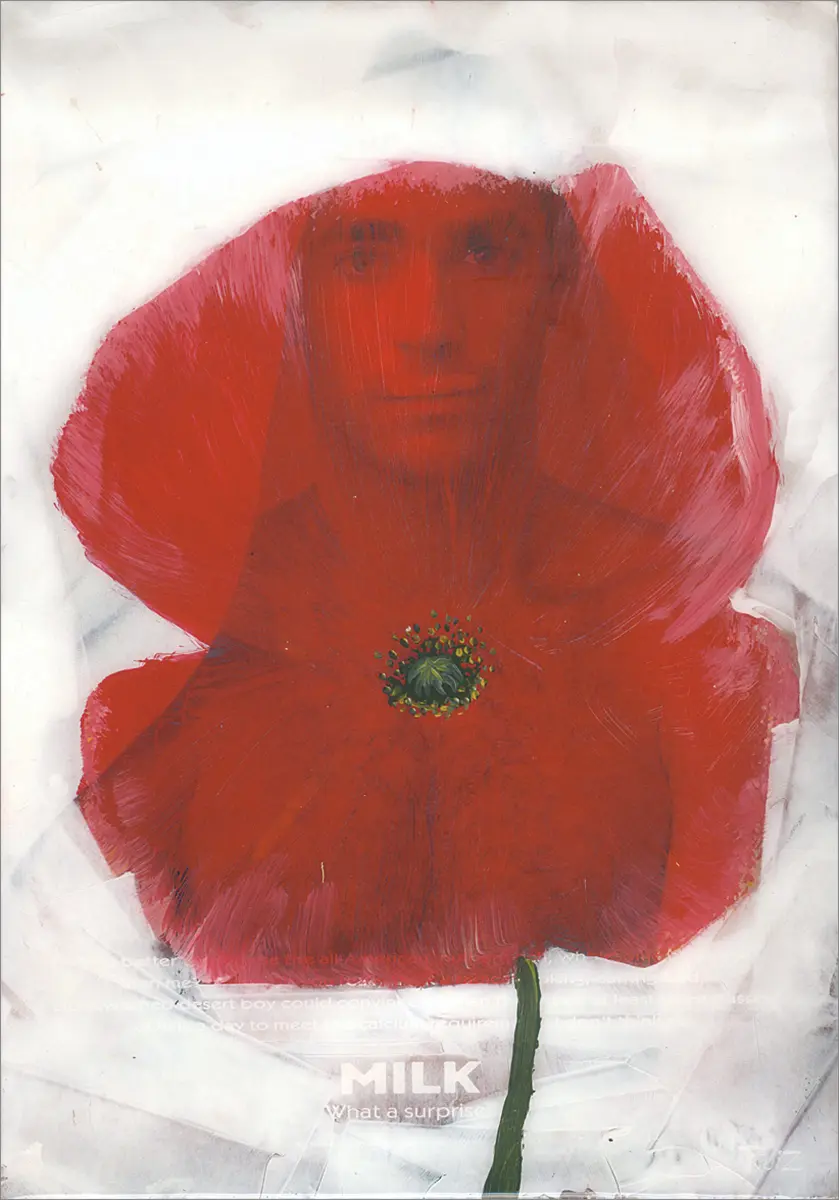
the entire floor, and the walls were decorated with hundreds of red poppies
painted by Ruiz on advertisements.
Ruiz’s paintings were interspersed through the installation: four large-format canvases described light airplanes fumigating illicit farm crops; one showed a vast landscape of red poppies while another image depicted a jungle panorama with two airplanes forming the symbol of the Colombian peso with the herbicide glyphosate while flying above a river. A life-size painting featured a soldier attired in a poppy-camouflaged uniform who stared directly at the viewer.
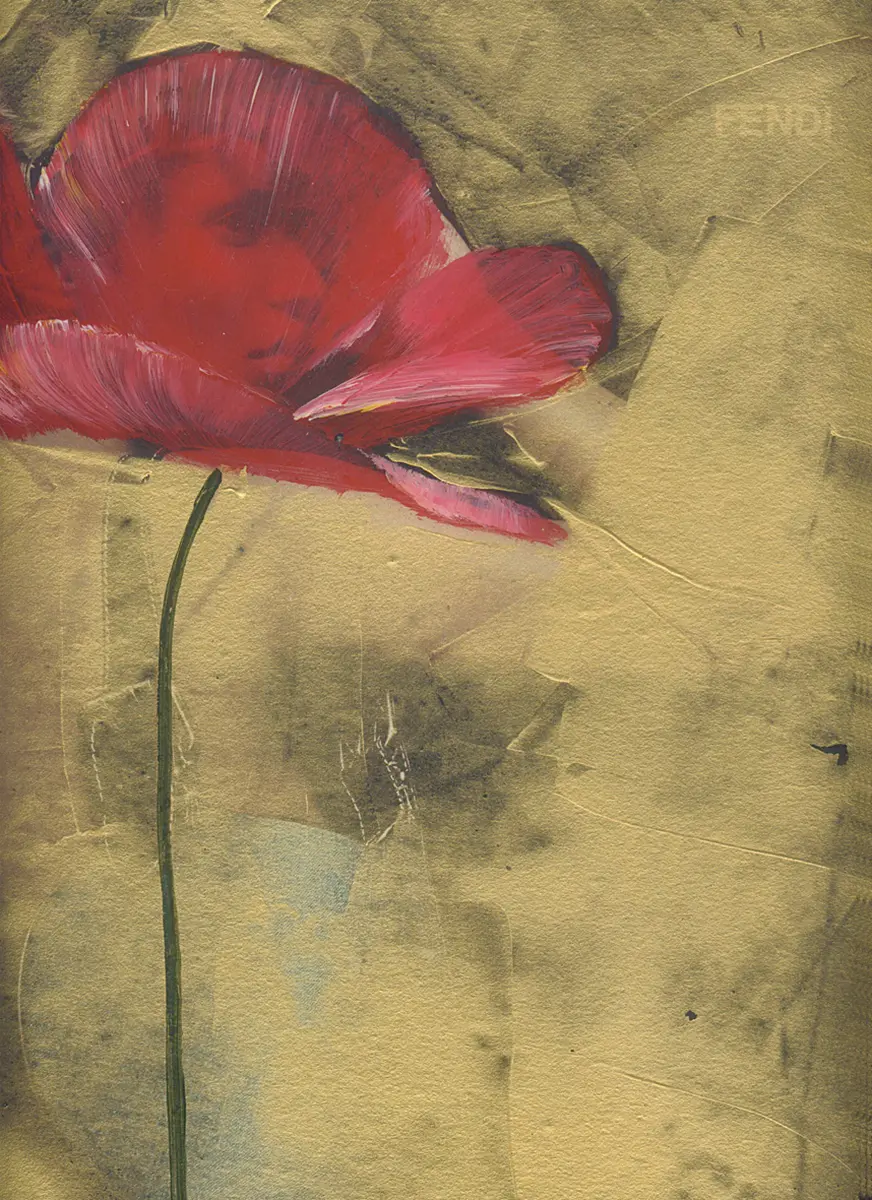
For the duration of the exhibit, The Love Store, a vendor’s stand in the center of the room, offered various love-themed wares, like purses covered with cloth hearts and chandeliers pointing to love as the answer to all conflicts. Romantic messages were intermingled with the evil Amapola (opium poppy) flower; the marketing of “love is in the air” confronted the visitor alongside images of the Colombian conflict. Along with Ruiz’s paintings and the red trinkets for sale, there were also several other works of varying formats and techniques by twenty-eight Colombian artists that dealt with the theme of love and an installation of hand-carved wooden fish.
Obsessively working news images into his paintings, Ruiz intended to show the media’s superficial representation of the Colombian drug war. Amid an apparent romanticism, the exhibit put forth ironic gestures focusing on the levity with which the conflict is treated in the press. The organizations that inform the public on the illegal drug trade indirectly profit from this war; they form part of the mass spectacle, selling violent images that become fetishes in themselves, ready for consumption. Starting with this commercial formula, love was thrown into the recipe of the exhibition.
Although the mediation of violence inspired a curatorial project on its socio-cultural context, some of the works offered pictorial solutions that aestheticized the conflict; such gestures limited the political subtleties and social criticism of the context. On the other hand, only a few of the artists invited to participate in the project employed the love theme to counter the mediation of the war in Colombia. Works by Alexandra Markornik and Andrés Londoño, for example, stood out for their individual and subjective treatments of the theme. Each of these works expressed love from a personal perspective, sometimes blurring the irony of the exhibition’s title. In other cases, the reflections—like Ruiz’s images of the Colombian landscape fumigated with deadly toxins—and the critical vision of the relationships among art, nature, and politics was quite subtle. A fine example of this was the installation comprising hundreds of wooden fish hanging at one end of the gallery, which was hand-carved by the Huitoto Indians of the Colombian Amazon.
With a honeyed title that effectively contrasted with the bitter reality, and by artificially conveying the spectacle created by the news media on the Colombian conflict, Love is in the Air was positioned directly on the thin line that separates artistic-political activism from the aestheticization of violence. Or, could it be that aestheticized violence is a sufficient political gesture for Ruiz? The response to this question remains up in the air.
LUISA UNGAR