
In today’s Bogotá, despite greater participation by
its citizens in the construction of the city in its various aspects, there are
few other opportunities for effective socialization and articulation between
the circuits of high-art production and distribution and the spaces inhabited
by the fragmented civic body. The creation of new public spaces that shelter
and respond to the needs of all its users is more unlikely due to an
unstoppable global market. It is extremely difficult to pinpoint the spaces
that build meaning in people’s everyday lives because the general feeling is
that everything is already defined, that the aesthetic landscape is flat and
has no relief. In the midst of such a situation (common to many cities
throughout the world), several public-art events have recently emerged in
Bogotá that are remembered for their successes in terms of sales and media
visibility, successes that are inversely proportional to their arbitrary use of
public spaces and to rather unfortunate artistic results.
Certainly, cultural agents and institutions have opened novel spaces for the circulation of art and the construction of its public, spaces that point toward new strategies and challenges for artists, promoters, curators, institutions, and viewers in general. A recent example is Natalia Gutiérrez’s curation of Un lugar en el mundo, part of the Eleventh Regional Artists Salon—Central Zone, 2005. This event opened places that had been closed to the general public, thus reconsidering the city’s capacity for the exhibition of contemporary art.
Two photographic initiatives have emerged in this direction, one following the other in Bogotá’s common exhibition spaces and public areas: the first event began its program of exhibitions in late July and lasted through September, while the second event was held between October and November 2007. One accomplished its fifth yearly edition; the other one presented its second biannual version. Both were especially interesting for their activation of the city’s existing spaces: huge public libraries, many galleries specializing in a variety of themes, historical and modern art museums, cultural foundations, and university spaces. Also, the ambitious exhibition strategies and the span of these projects—the result of persistent and aggressive management—were nothing but exemplary.
One a self-described “festival” and the other an “encounter,” these events introduced an immense number of works by local and international artists and photographers. In terms of their academic, curatorial, and design aspects (and given the obvious differences in terms of quality, currency, and pertinence between the works), it was difficult to find a connecting thread. But, by stimulating and confronting the assumptions, practices, and logic behind the circulation of artistic production in the city, they were unfailingly attractive and useful for Bogotá’s cultural agents and habitual dynamics.
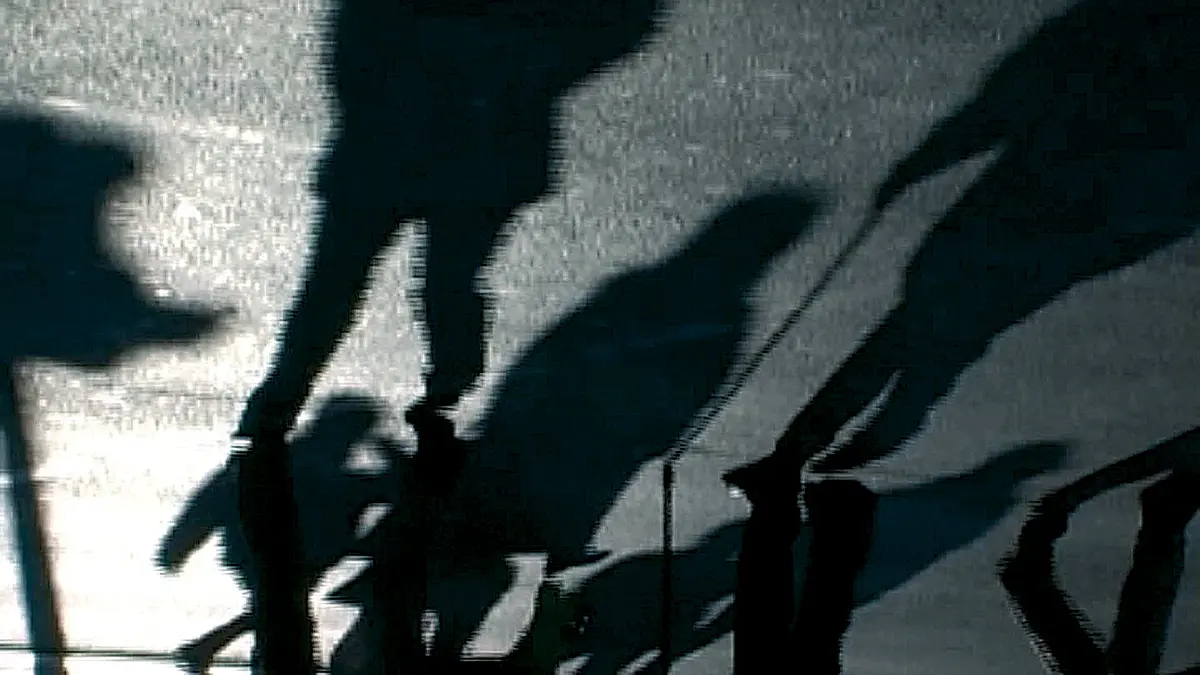
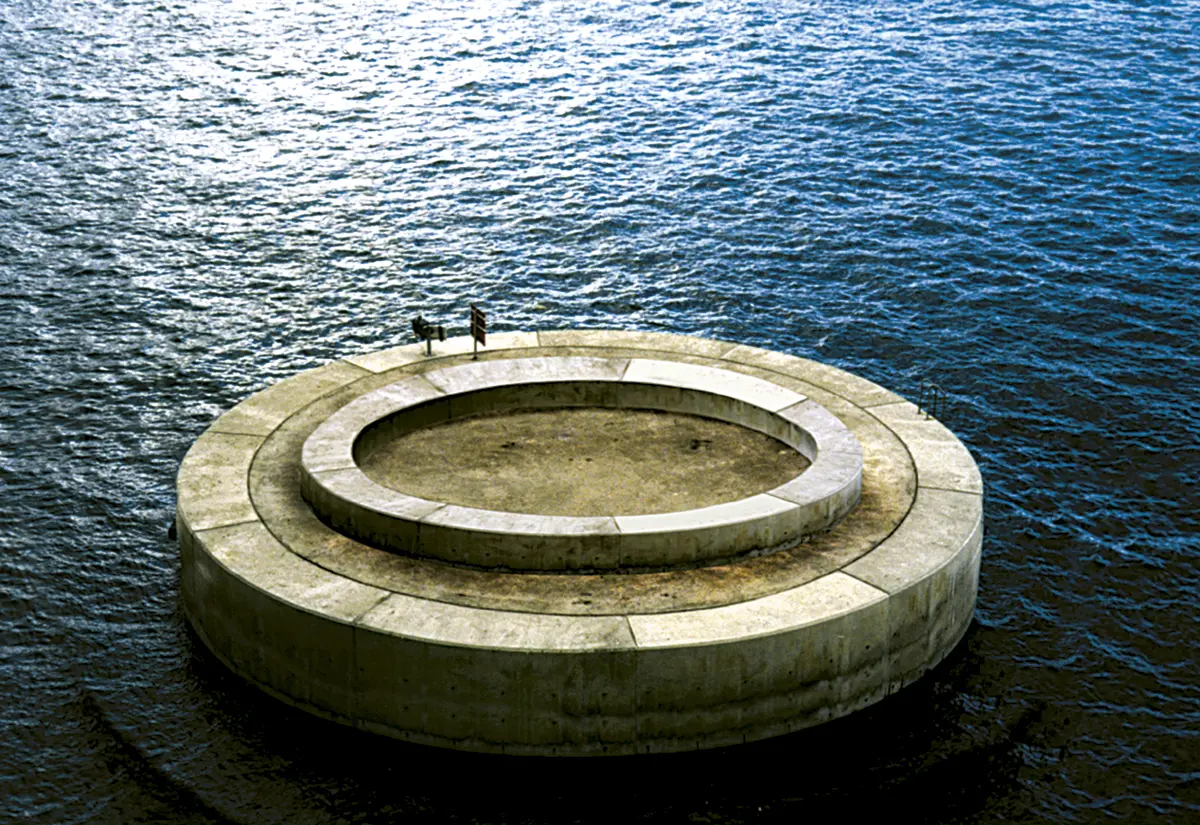
Both projects provided spaces for public dialogue in the form of presentations and lectures by artists, image theorists, and curators. Covering different issues and expressing a variety of interests, these events had different purposes and reaches: the one at the “encounter” was more like an academic seminar, given its theoretical density and its length; the one at the “festival” was more informal, based on conversations with some of the guest artists.
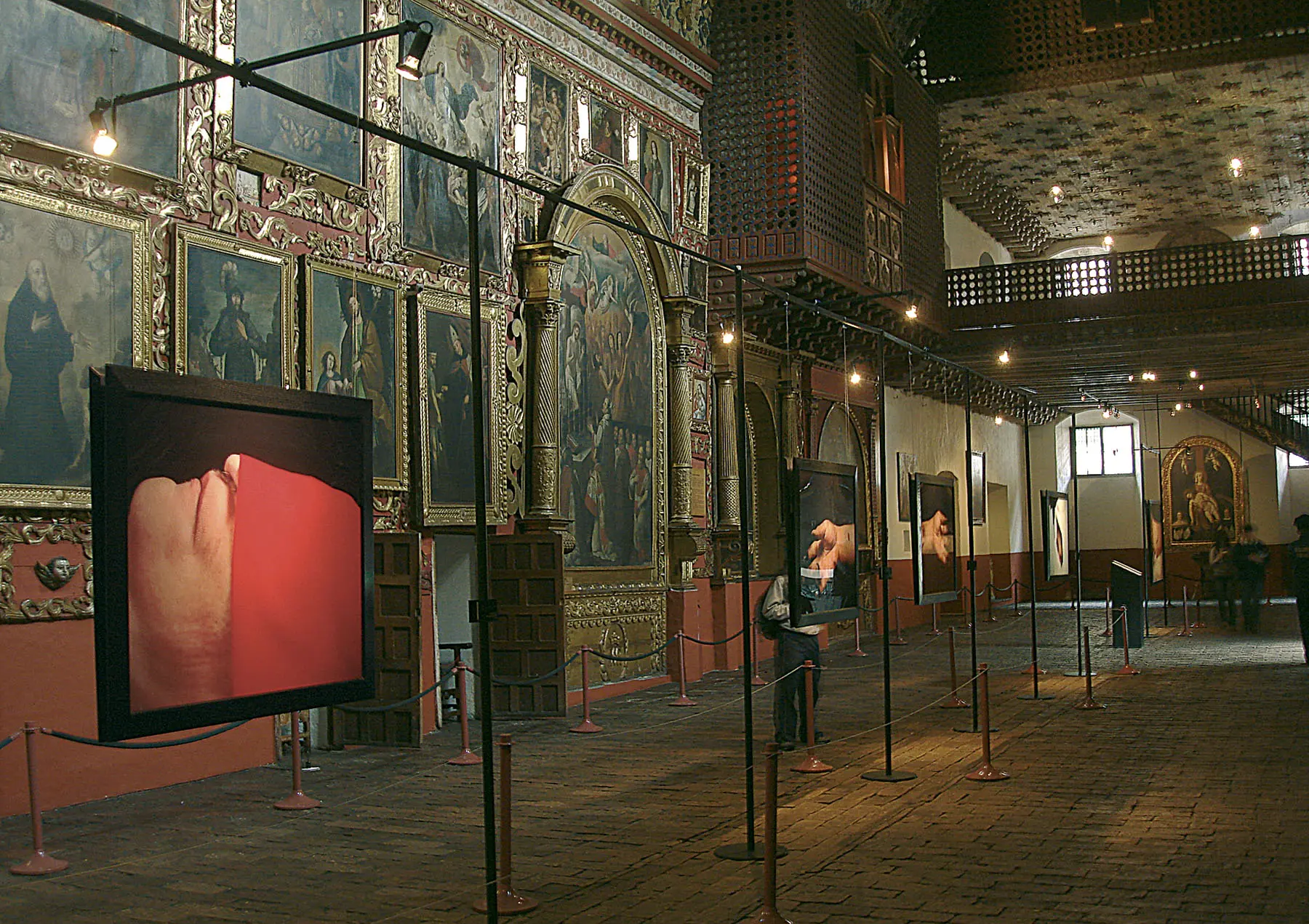
Compared to earlier editions that promoted Colombian artists from all generations, the fifth version of Fotología: Bogotá International Photography Festival was connected to a more international sphere. One highlight was the work of this year’s special guest, Andrés Serrano, an important American photographer. Serrano presented some pieces from his series Fluids at the Marta Traba Gallery at the Universidad de los Andes and others from his series Morgue at the Santa Clara Church Museum. At the latter site, the installation of Serrano’s images within a Latin American baroque structure, filled with religious images and symbolism, was suggestive, potent, and complex, especially given the theme explored by Serrano in this group of works: the social experience of death.
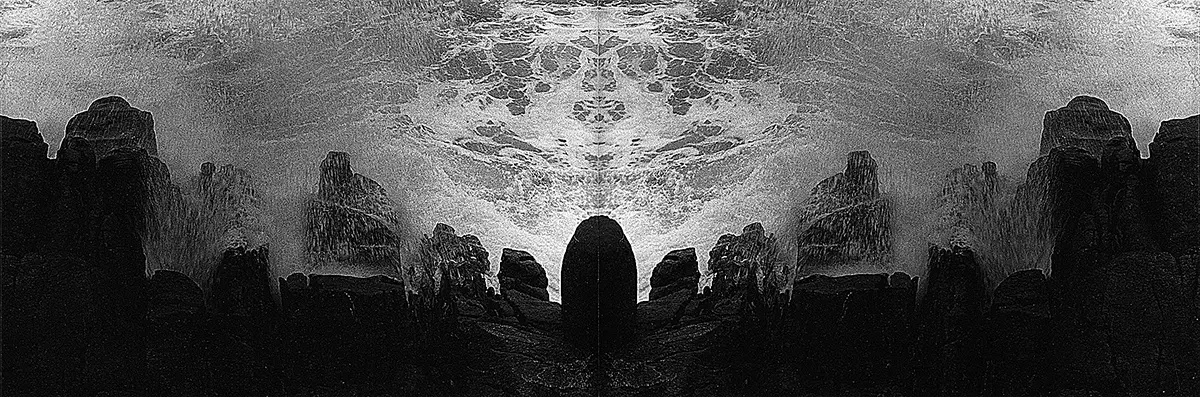
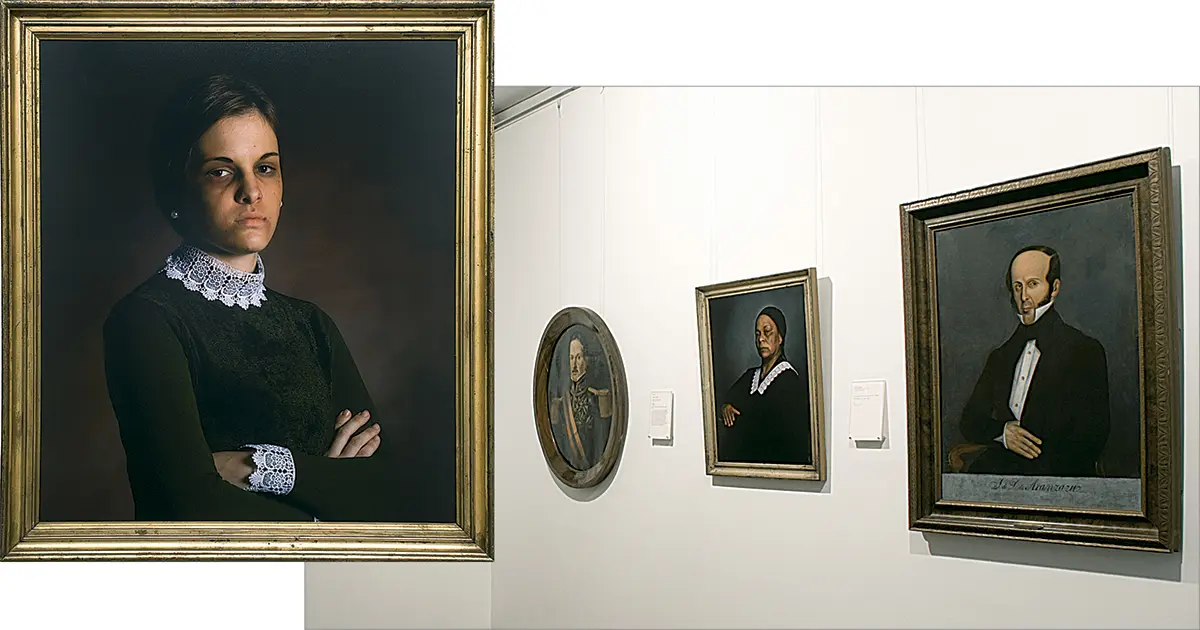
Enriching Fotología’s structure and reach was the presence of Argentina as the guest country and Medellín as the guest Colombian city. Medellín is the artist Libia Posada’s hometown; she presented the second version of her project Clinical Evidence (the first version was presented months earlier at the Museo de Antioquia as part of the MDE07 International Encounter), which filled one room in the Museo Nacional de Colombia with photographs of fifty female victims of domestic violence. The effects of the attacks suffered by the subjects were reconstructed using makeup in the photos; these portraits were placed alongside those of historical figures. Also noteworthy were the shows Caminando la ciudad, with works by Carolina Belén Martínez, Bernardo M’ba Abuy, Carina Moreira, Elena Quintana, and Fernando Rubio; Circuitos Naturales by the young Argentine artist Andrea Padilla; and Ficción/Fricción, which brought together works by Paola Caroca, Andrea de Simona, Andrea Josch, Francisca García, Cristian Maturana, Norton Maza, Rodrigo Opazo, Bernardo Oyarzún, Alonso Yañez, Paloma Villalobos, and Patricio Vogel.
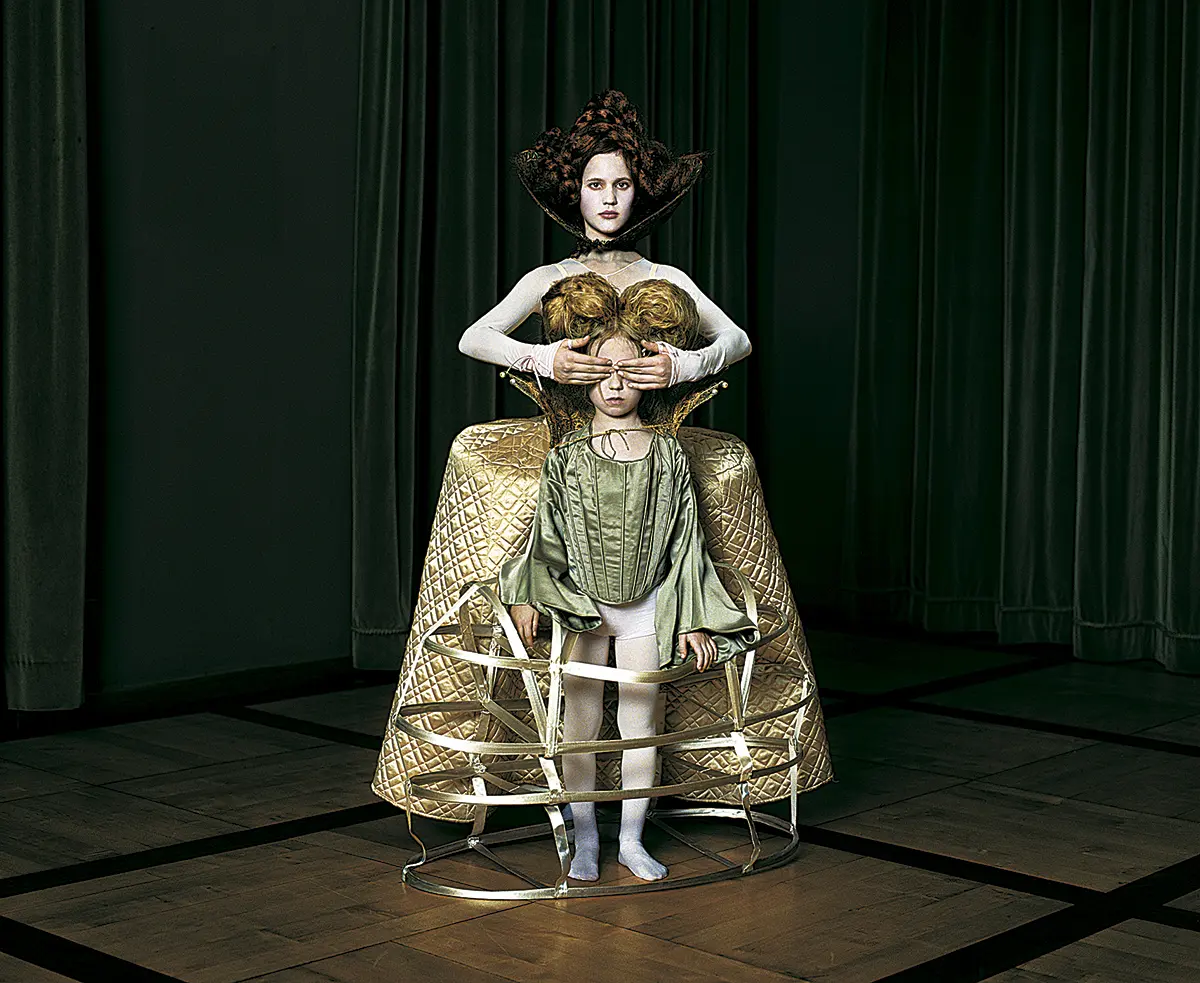
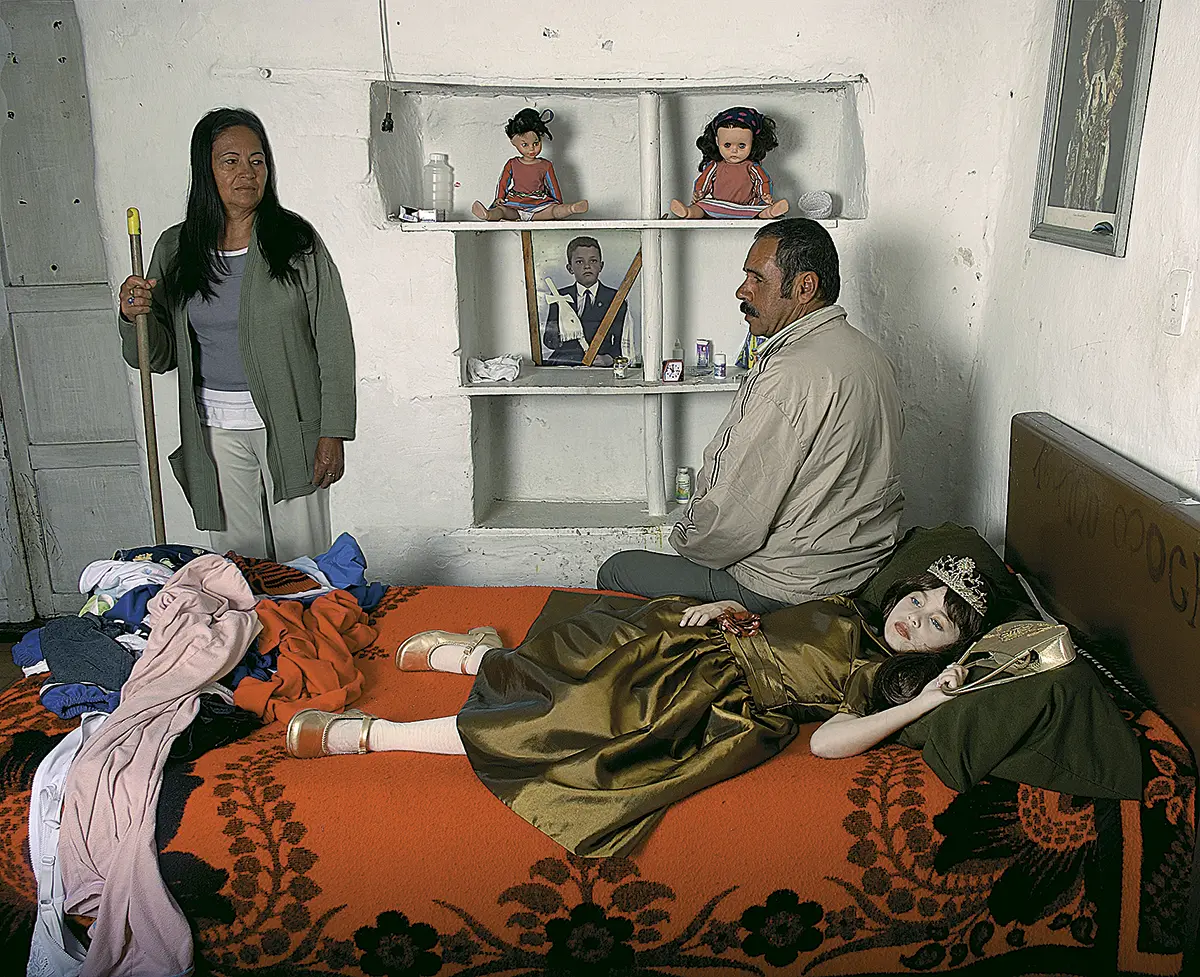
Along the same lines as Fotología, the project Fotográfica Bogotá: Second International Photography Encounter—Overtaking Objectivity presented works by photographers from the top tier of the international circuit, such as Anthony Goicolea, Gottefried Helnwein, Katrin Freisager, and Candida Höfer (although her photographs were not seen by this reviewer). The works of these artists were installed in the Santa Fé Gallery with that of well-established locals like Juan Fernando Herrán and younger ones like Ana María Millán and Nicolás Consuegra.
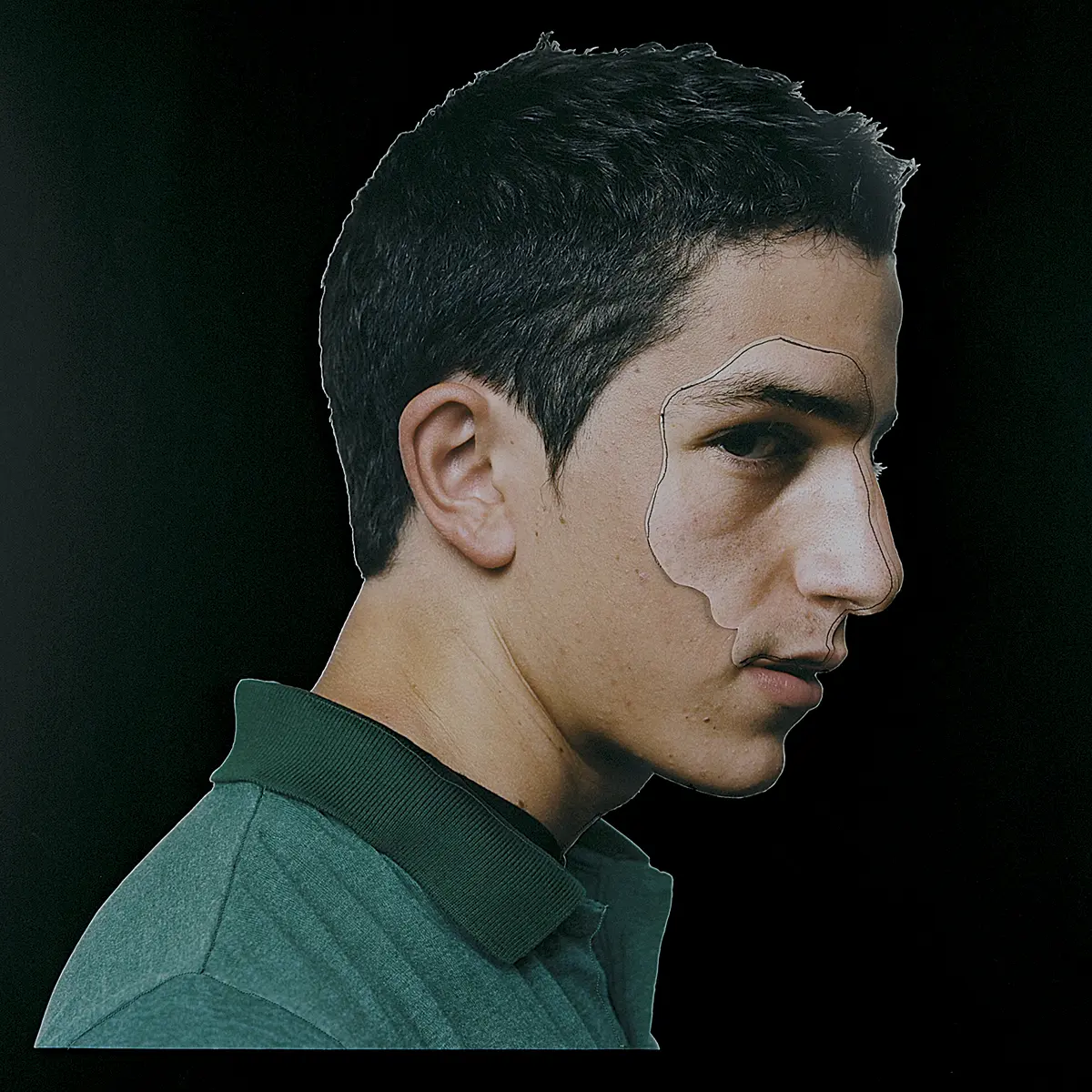
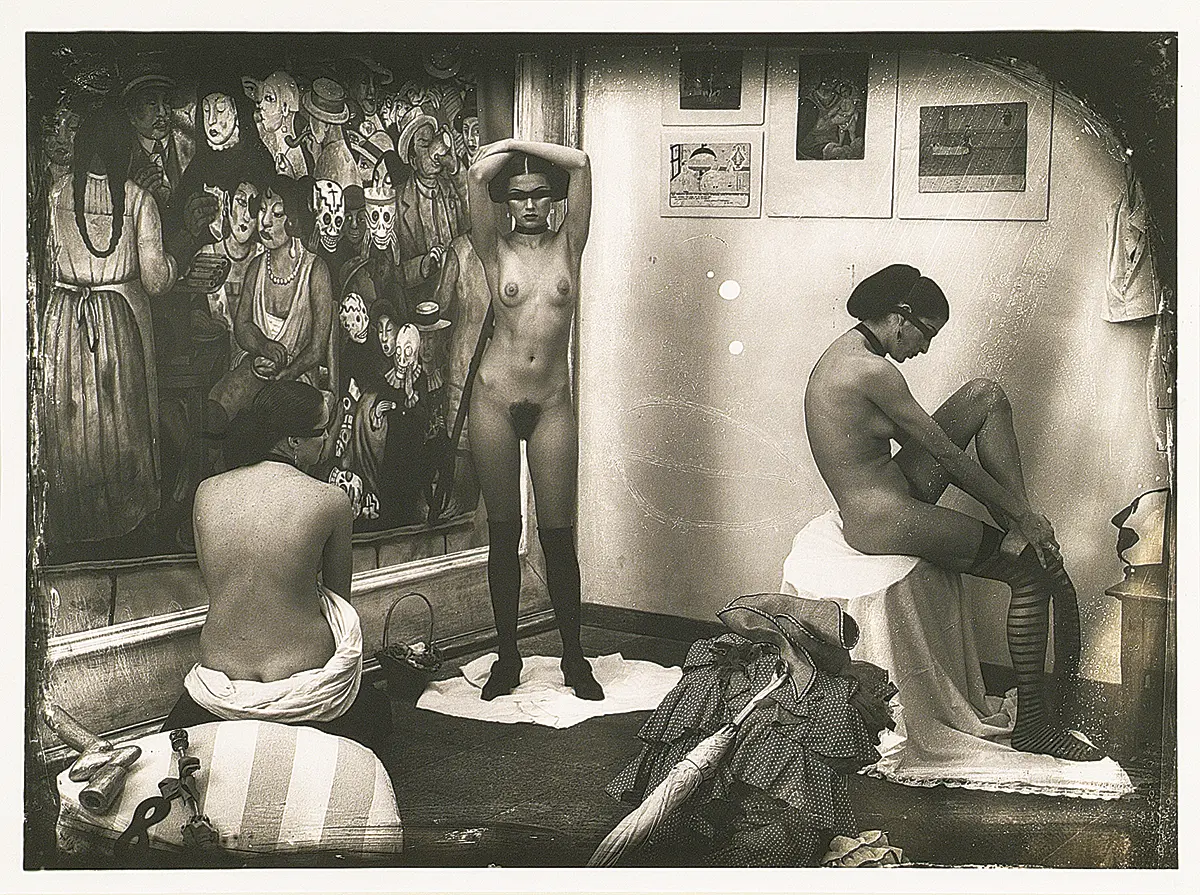
An interesting collective was on display at the Luis Ángel Arango Library, with works by artists of three nationalities and different generations—Alexander Apóstol, Óscar Muñoz, and Andrés Serrano—who explored different relationships and representations of the body and space. Along with Jim Fannkugen’s Transform series and Adriana Duque’s Sleep Dissorders series works from different periods by the emblematic American photographer Joel Peter Witkin was on display at the Alonso Garcés Gallery, under the title La imagen del cuerpo. One of the project’s more consistent exhibitions, however, was the one curated by Rosa Olivares from Spain, titled Cazadores de sombras (also the image of the guest country) and presented at the Museo de Arte Moderno de Bogotá, with the participation of Alicia Martín, Amparo Garrido, Anna Malagrida, Begoña Montalbán, Concha Perez, Dionisio González, Germán Gómez, Xavier Ribas, Pere Formiguera, Javier Codesal, Manuel Esclusa, Juan Urrios, Mario de Ayguavives, Rafael Navarro, Tomy Ceballos, and Sergio Belinchón. It was a consistent, solid, and suggestive exhibition that offered various alternatives and possibilities to what its title and curatorial position announced.
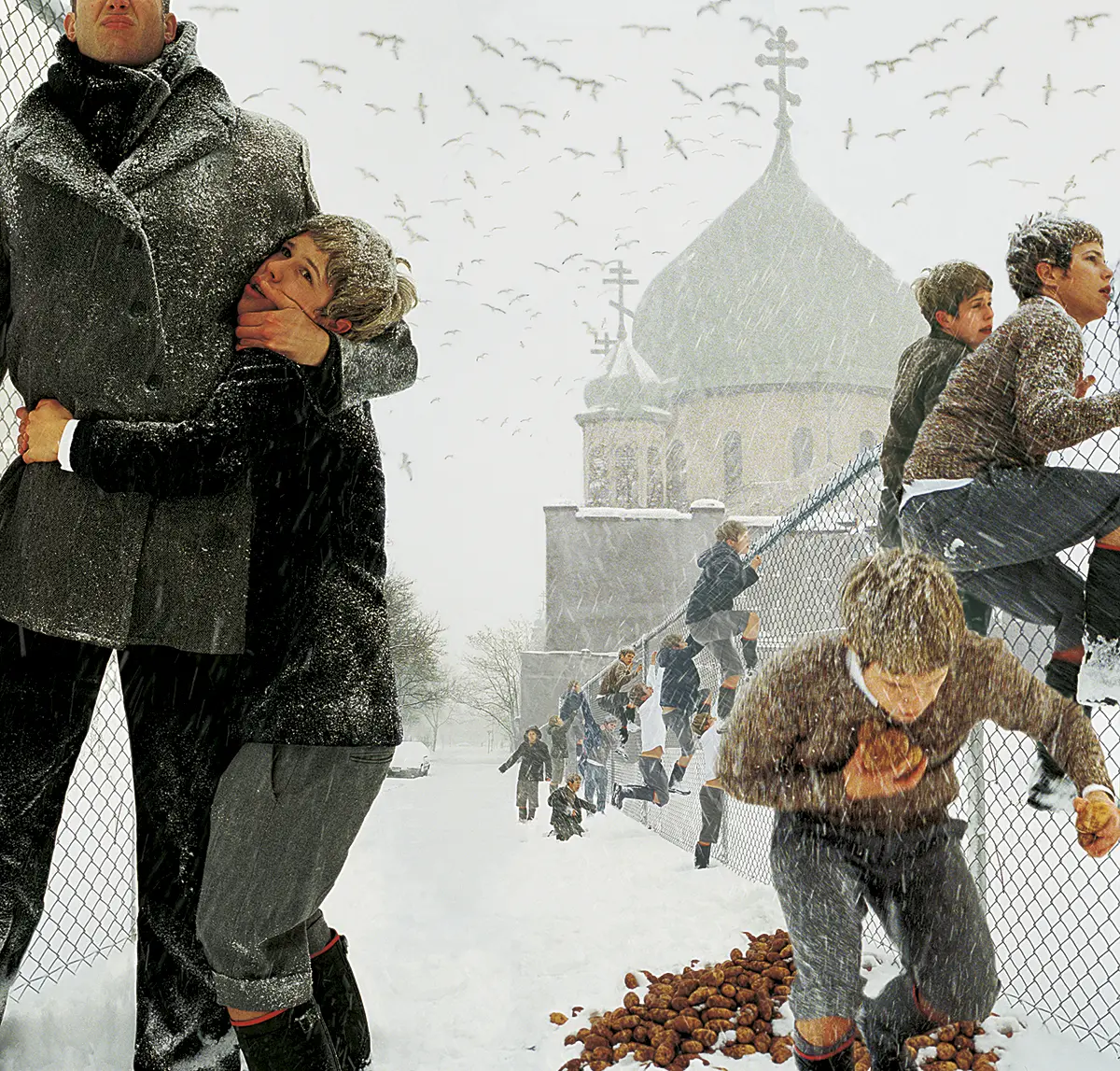
Like Fotologia, Fotográfica Bo-gotá has consistently supported Colombia’s young artists, allowing for the circulation and visibility of many works that would otherwise not be often exhibited. Proof of this was the show at Callejón de la Fotografía with works by Guillermo Marín, Dina Gómez, and Beatriz Grau, as well as the inclusion of photographs by Laura Ribero, Santiago Monge, and Liliana Angulo at the Universidad de Salamanca Cultural Center. All of these young artists have in recent years sustained a presence on the local scene.
The two photography events are important for a number of reasons: the aspects of the cultural field involved in their activity; their (not always felicitous) use of public spaces; their implementation of other dynamics and relationships between private and public spaces devoted to making contemporary artistic practices in the country’s capital visible; the impressive management effort behind them; and, above all, the interesting tensions they propose among social, cultural, artistic, and curatorial practices. But, despite the fact that Fotología reached its fifth edition and Fotográfica its second, there are still unaddressed concerns, such as more sustained attention to the work of young artists: often the same works are presented repeatedly around the city in different competitions and exhibitions or interesting and solid works are neglected since they don’t easily fit with others on display. On the other hand, seeing some of the same artists from one event to another, either too great or disconcerting and tired effect prompts two thoughts. First, these photography events seek the state of being outsized along a “bigger is better” philosophy, one alien to local realities and unlikely to be covered by the country’s production. Second, without sufficient diversity and quality of works, the nearly simultaneous presence of two major contemporary art events is neither comprehensible nor necessary in today’s Colombia.
Fernando Escobar
Artist and independent curator. He is currently the Director of the Visual Arts Department at Universidad Pedagógica Nacional.