
The Parque de España Cultural
Center of Rosario, in Santa Fe province, presented La espiral de Moebius o los
límites de la pintura (The Moebius Strip, or The Boundaries of Painting), an
exhibition curated by Claudia Laudanno. The show comprised works by artists
from Argentina (Fernando O´Connor, Elsa Soibelman, Gonzalo Sojo, Silvia
Gurfein, Fernando Canovas, Agustín Soibelman, Daniel García, Pablo Siquier, Fabián
Marcaccio, Carolina Antoniadis, Daniel Scheimberg, and Rosalía Maguid) and
Brazil (Osmar Pinheiro, Paulo Almeida, Tatiana Blass, Manoel Veiga, Henrique
Oliveira, Hildebrando de Castro, and Mariana Palma).
The exhibition, which will travel to arts institutions in Porto Alegre, São Paulo, Rio de Janeiro (2008 and 2009) and Madrid (2010), was based on painting and its connections to other visual languages. Looking beyond the strictly two-dimensional, the show presented the medium with its currently diffuse boundaries: painting as intersected with photography, with digital media, with sculptural objects, and with installations, often site-specific. Like a moebius strip, painting has turned on itself but has been enriched by other media and new artistic possibilities.
To recall the aura of painting at a time of such massive reproducibility might be rather quaint. But the site-specific works reasserted that quality, not only because of the display of the works in the gallery but also because of the modifications to the exhibition space. The labyrinthine shape of the galleries, located in the historic tunnels used to unload wheat in the city of Rosario, shared the baroque spirit of many of the works on display. The site’s architectural features were also used advantageously to amplify the felicitous curatorial concept focused on the idea of the labyrinth or of the moebius strip.
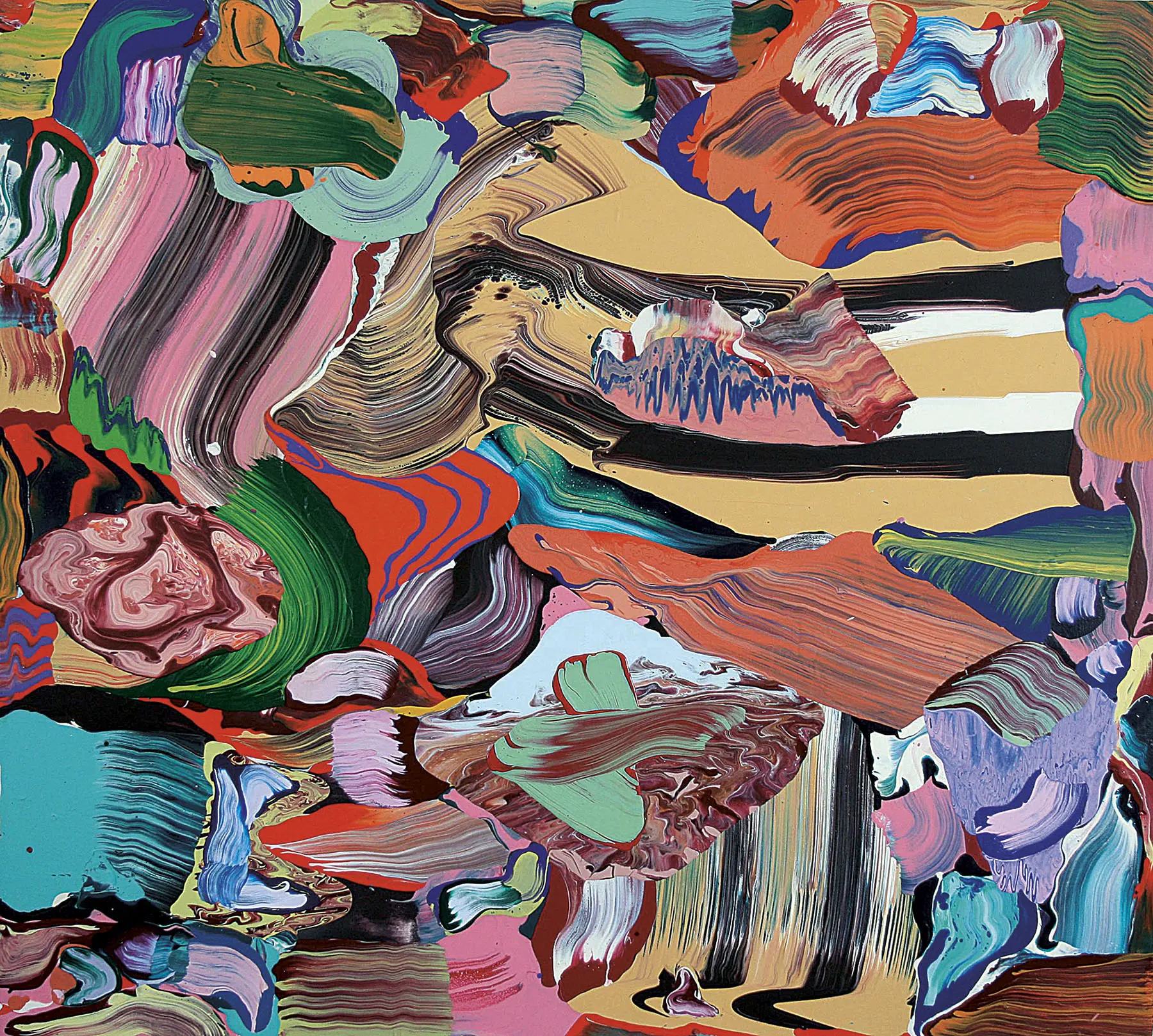
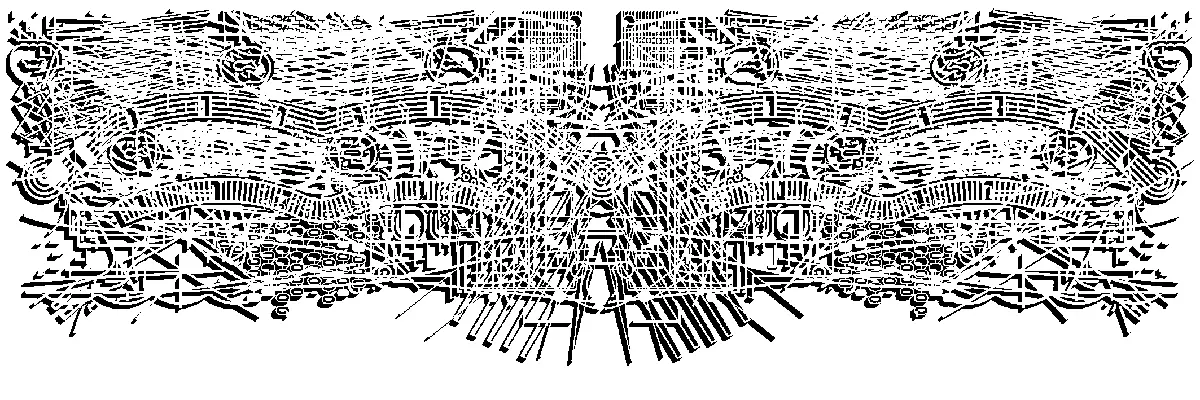
Adding to the already mentioned interdisciplinary processes were other forms of production, as in the cases of Paulo Almeida, Manoel Veiga, and Pablo Siquier. Almeida’s triptych was located at the crossroads between painting and site-specific installation and was the most innovative work in this area. The artist traveled to the exhibition site and painted in the gallery, making works that reflected their surroundings. But that was not all: Almeida painted on already-painted canvases, paintings that were part of previous installations. The work Do ateliê 157 para o CCPE displayed traces of the painting that preceded it, like a palimpsest, an approach that separates Almeida from traditional pictorial illusionism and from the myth of the original work of art. Pablo Siquier’s large geometric designs were among the new products of site-specific processes. The first steps in the creation of Siquier’s murals were made using a computer program; in the work included in this show (a black vinyl mural, 600 x 200 cm), he developed labyrinthine and rhizome-like shapes, following his well-known style. For Manoel Veiga, who is an engineer by profession, the creative starting point was the precise selection of pigments according to their physical properties. Veiga then threw acrylic paint at the canvas, and with the help of a vaporizer, he dispersed the color. In this way, he created abstract shapes alongside drip effects caused by water.
Existing outside the boundaries of painting proper, Fabián Marcaccio’s installation El rapto referred to a historical event from the 1970s in Argentina: the kidnapping of the Born brothers, important businessmen taken by an armed cell of the Montoneros Organization, which reaped a $60-million ransom. The artist described his installation as a “paintant story,” a painting narrative based on objects with sufficient historical charge, such as, for instance, the money paid to the kidnappers. The elements composing the installation seemed to be in a state of melting, which was achieved by the transference of the digital images onto vinyl and the mixing of oil with silicone.
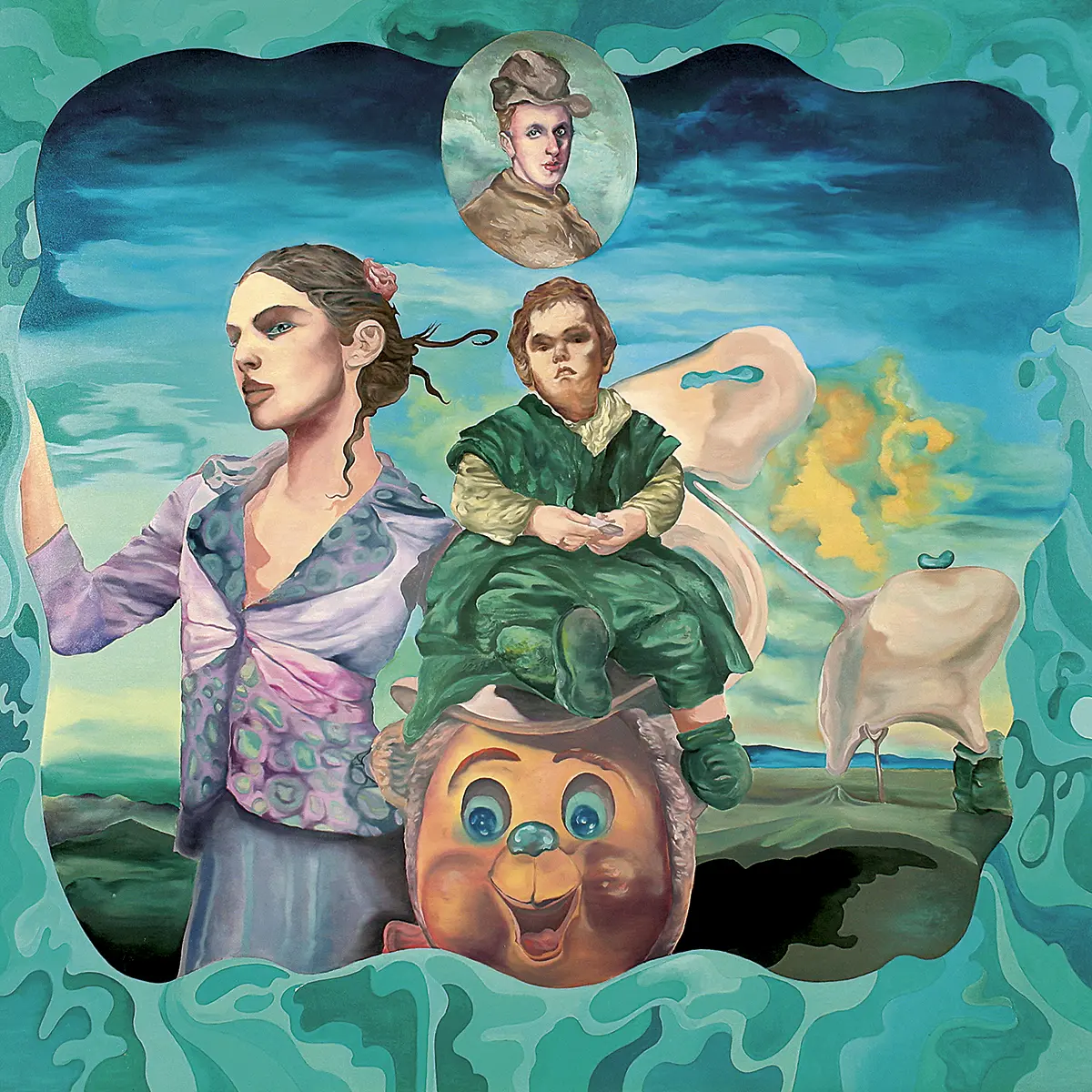
In Agustín Soibelman’s pictorial installation, the viewer found a grotesque world that clearly alluded to those of Dalí and Velázquez in three thematically related panels. The portrait of Felipe III was full of artistic quotes and embodied a stylistic eclecticism in which a reference to psychedelia was only one element. A reference to psychedelia, but intersected with Pop elements, was also found in the work of Carolina Antoniadis. In Modos interrumpidos, a direct quotation of Walter Benjamin’s Interrupted Discourses, Antoniadis’s baroque space, and insistent concentric circles were elaborated as symptoms of horror vacui. The figures’ emphasized outlines referred to the Nabis and their characteristic palette.
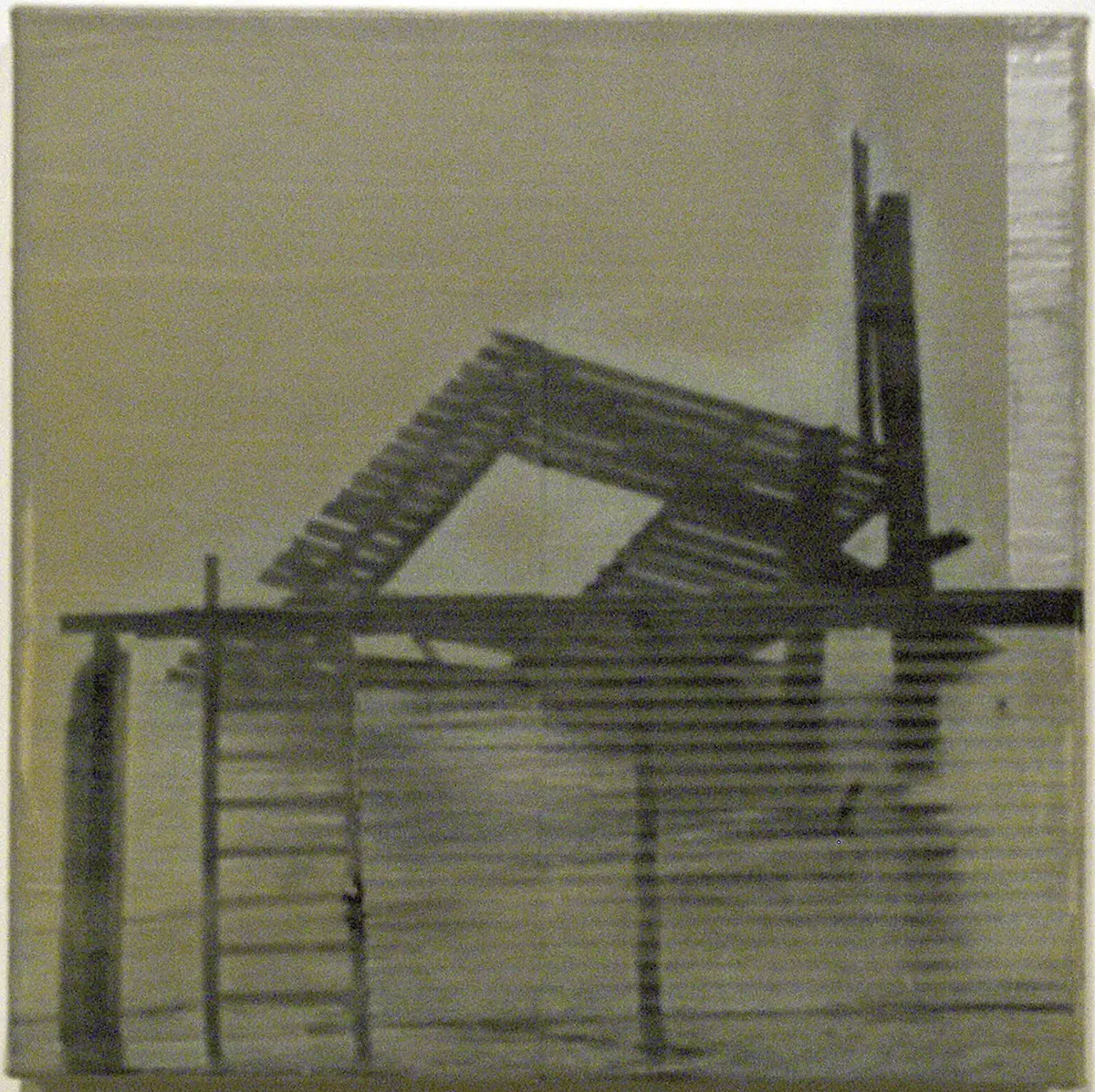
Executed on Japanese silk paper, a polyptych by Osmar Pinheiro offered veiled figures that were impossible to recognize; these images touched on abstraction in photography. But the artist did not leave the domain of painting entirely behind, since he employed acrylics and oils. Contrasting with this form of abstraction was Rosalía Maguid’s photographic work printed on glued canvas, which questioned the reliability of what one saw: using Photoshop, the artist manipulated the realistic image with circles in order to interrupt a direct view.
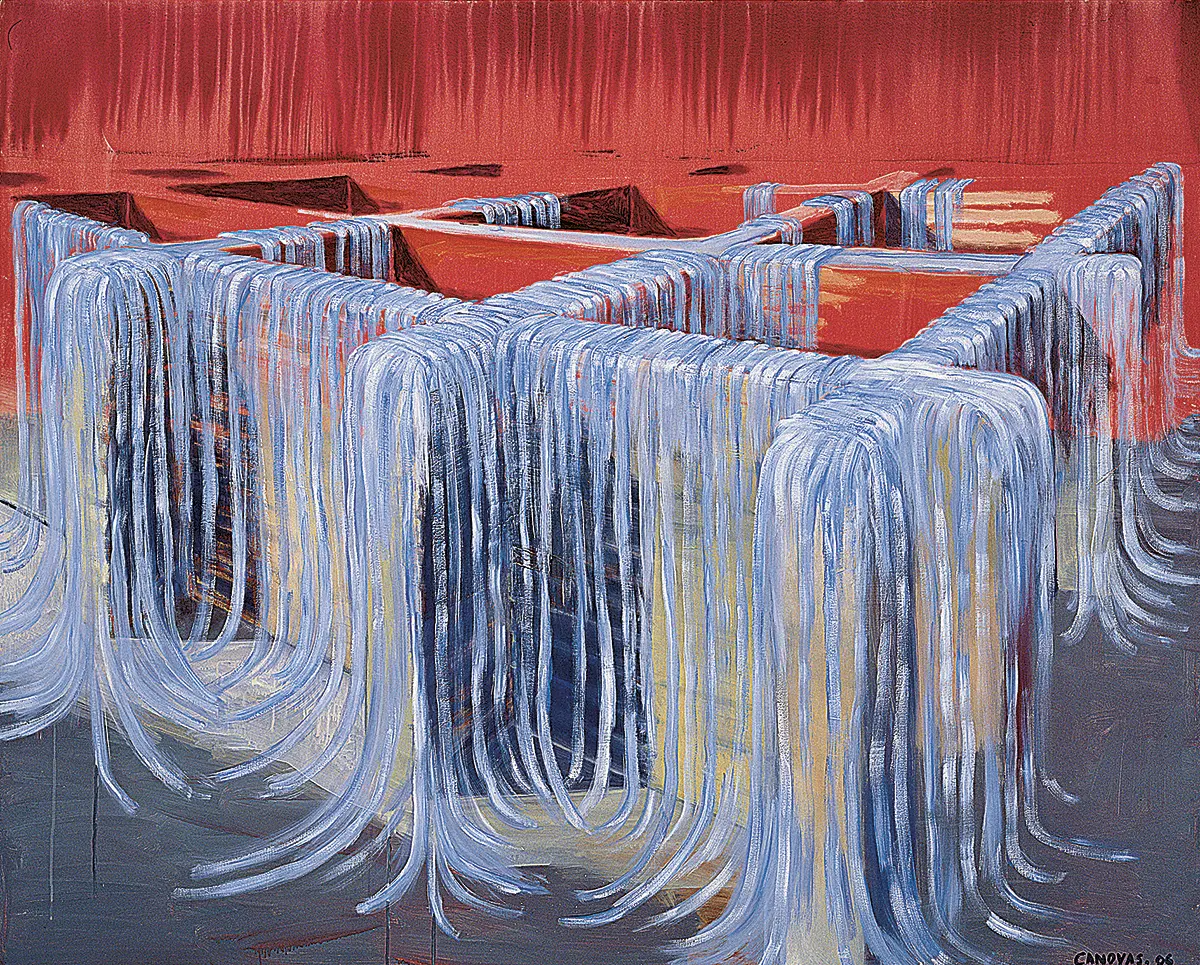
Opposite Maguid’s work was a set of paintings that investigated photography’s verisimilitude. Some were typically hyper-realistic, such as Fernando O’Connor’s work; others simulated a digital origin, such as Daniel Scheimberg’s and Hildebrando de Castro’s. In the first case, the reproduction of the most minimal detail—the folds in a tablecloth, for example—marked a note of virtuosic painting. In the second two works, the acrylic-on-canvas images were like out-of-focus photographs. In his work Matzot (the word for the Jewish unleavened bread), Scheimberg associated the out-of-focus quality with the structure of the labyrinth. The carved-out loaf of bread, with many holes, entrances, and exits, was similar to Mariana Palma’s works with folds and crevasses. Also part of this group were Fernando Canovas’s paintings. His “urban archaeologies” revealed a labyrinth-like structure that, thanks to the artist’s point of view, located the viewer above what was being represented.
Henrique Oliveira’s work presented painting as an exercise of pure materiality. With many layers, it achieved a powerful density of matter that covered the entire pictorial space. The cumulative drippings added up in Oliveira’s work to a total weight of ten kilograms.
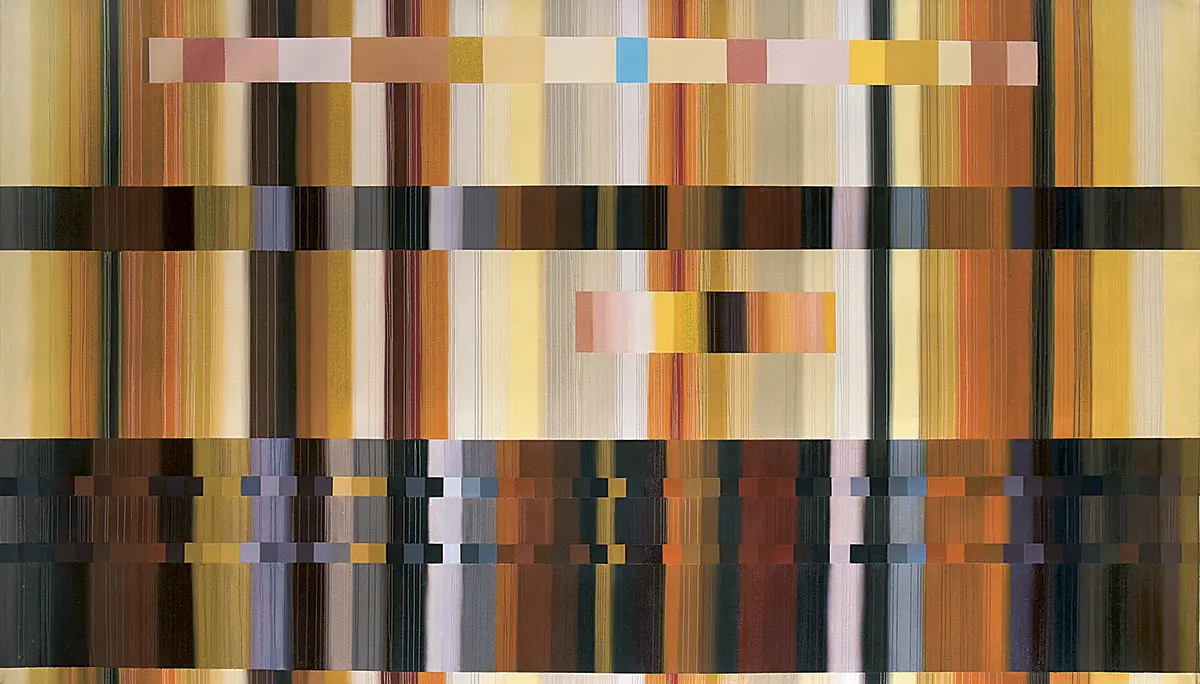
Silvia Gurfein’s work demonstrated a level of virtuosity that stood out in the exhibition. The artist hand-composed grids of vertical lines that achieved an optical effect: as the viewer’s distance from the work shifted, the lines changed colors while respecting the chromatic spectrum.
The work by Tatiana Blass was aligned with pictorial neo-constructivism, but with one particularity: her oils were executed on curvim, a material similar to leatherette. In the work, the artist incorporated a variety of weavings for great luminosity and textural variety.
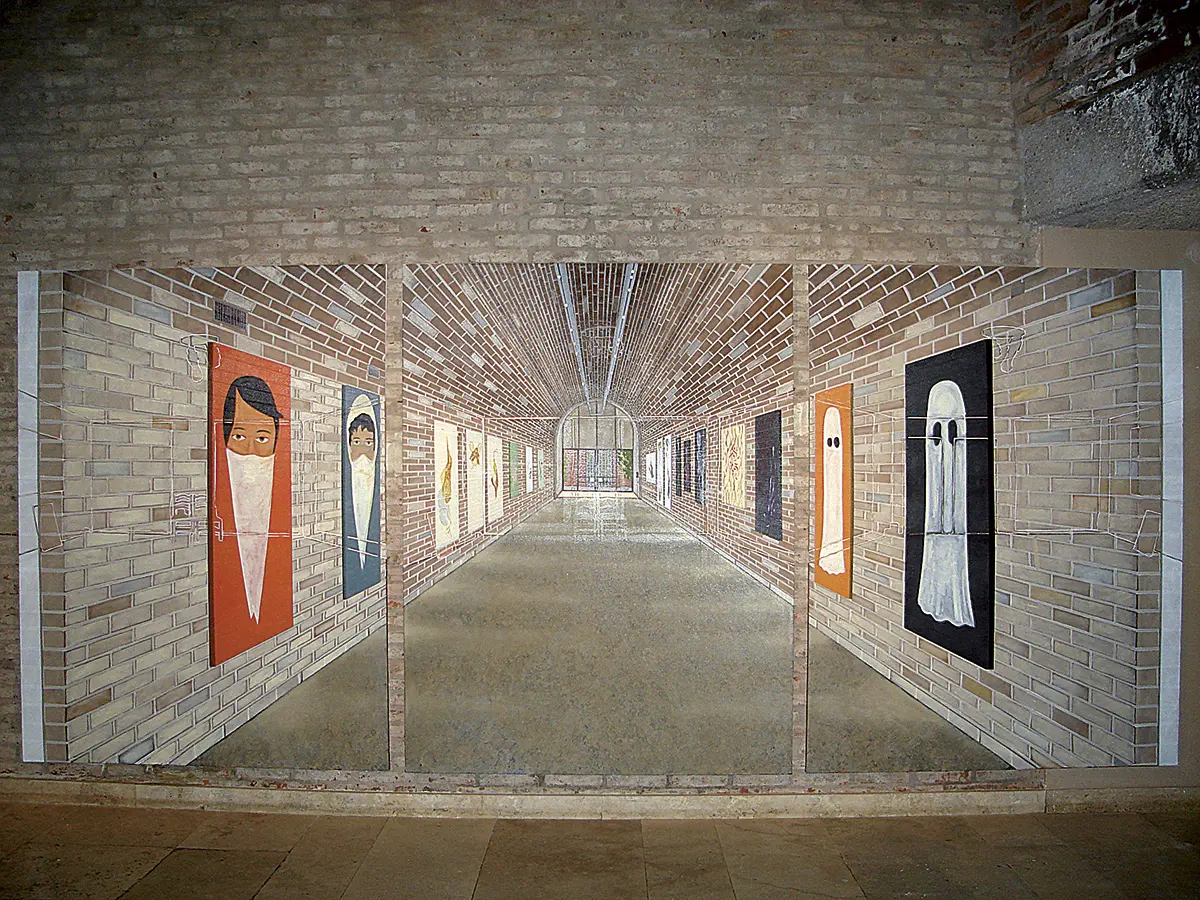
In his site-specific mural, Daniel García revisited the moebius idea with the image of an octopus. Placed alongside the mural were the artist’s well-known phantasmagoric figures: close-ups of faces made of acrylic on canvas. Continuing the use of traditional techniques such as those employed by García, Sojo’s paintings recreated the universe of comics. Elsa Soibelman’s works showed “post-human” women whose bodies are subject to radical transformations made possible by technological advances.
In conclusion, the exhibition showed the state of painting today in Argentina and Brazil, which has many points of contact with the international scene. Questioning painterly orthodoxy, the selected artists sought to traverse and test the boundaries of the language. With the idea of a moebius strip as the exhibition’s articulating concept, the curator found an original way to stage this issue.
CECILIA FIEL