
One of the risks faced by any artist is
that of falling back on stereotypes and the commonplace. Certain topics push
toward that direction more than others. In the case of Cuba, Santería (an
Afro-Cuban religion with its roots in the Congo region) and, in general, all
religions with an African background are among the subjects most prone to
cliché. José Ángel Vincench, who is fully committed to Santería, has
nonetheless developed a novel approach to familiar issues.
Based on their private experiences as believers, other artists have explored the connections between artistic and religious thought. But, as the critic Orlando Hernández points out, “This essentially valid resource has also become a commercial hook for a sizable number of artists, to the point of damaging its credibility: is this “religion” of new orishas designed to please the foreign tourists’ growing demand for exoticism?”1
Vincench’s merit is to have approached a trite phenomenon in such an intellectual and enigmatic way so as to give it a unique personality. The key to his success is the fact that he transgresses and questions all stereotypes. And he never repeats himself—another common danger for artists—despite having produced works for almost ten years.
Vincench finished his studies at the Instituto Superior de Arte (ISA) in 1997. By then, he already had two solo shows: one in his native Holguín in 1992 and another one, shared with Raúl Cordero and dominated by installations, in Havana in 1996. But in the 1997 exhibition On the Private and the Public at the Centro de Desarrollo de las Artes Visuales, Vincench more directly addressed the topic of religion and was met with great success.
Vincench’s initial work dealt with the deconstruction of religious motifs in political rhetoric, and it was connected to a critical reflection on abstract art in Cuba. In 1994, in a group show at ISA titled Not Even Green Guavas are Worth, he presented a twelve-painting installation. In these paintings, he created fragmentary images of the certificates and diplomas given to students and workers to award socialist emulation, a moral stimulus begun by the Soviets. On these works, Vincench projected a blown-up image of his fingerprints. The end result was an abstract appearance, and the ideological motif was voided by its original content. In this way, the artist was able to displace the ideological load toward a purely aesthetic dimension.
His later strategy was the curation of abstract art: Vincench organized a show at Havana Gallery with artists from the 1950s. He exhibited his own works next to the others, developing a visual commentary on local abstract art, as an ironic divertimento. In the first exhibition, he used emblems of the Young Communists Union, the Cuban Pioneer Union (a children’s organization), and the Committees for the Defense of the Revolution. The emblems, although manipulated with fingerprints, were still recognizable. They were alternated with the first attributes given in santería: Elegguá, the warriors, and Osún, which were abstract in appearance and unidentifiable, at least at first sight. The political trinity next to the religious trinity seemed out of context in a conventional abstract art show. With this, Vincench reiterated his intent to strip the meaning of a given motif, this time by re-contextualizing it. In the end, the political sign—which was sacred for its devotees—became as abstract as any of the paradigmatic works on exhibit.
Two years later, he curated another show at the La Acacia Gallery, which echoed the memory theme of the biennial that was held at the same time by bringing along a roster of abstract artists back from near-oblivion—artists of various levels of accomplishment and from several generations, who were living out their lives unnoticed. Vincench again included his own works, with an emphasis on textures, in dialogue with those of artists for whom abstraction meant only the achievement of that effect.
Vincench thinks Cubans are too critical to embrace abstraction in the strictest sense. He feels that particular visual language hasn’t been interiorized. If the investigation of the pictorial is the way to arrive at abstraction, Cuban artists have been re-conditioned by a critical attitude toward that movement; they do not possess an assumed sensibility with regard to abstract poetry. They simply make use of the language, with the exception of Antonio Vidal, who is nevertheless not sufficiently recognized because he has been painting similar things since the 1950s.
In several exhibitions during the early 1990s, Vincench continued to work symbolically with the fingerprint—an element of personal identity—and questioned abstraction from ideological and folkloric assumptions. And he stood against the generation of artists from the 1980s, who were considered the rehabilitators of art on the island. In those years, a lot of emphases was placed on the historical and the social, to the point of forming a tradition, and the exploration of Afro-Cuban religions were also very common.
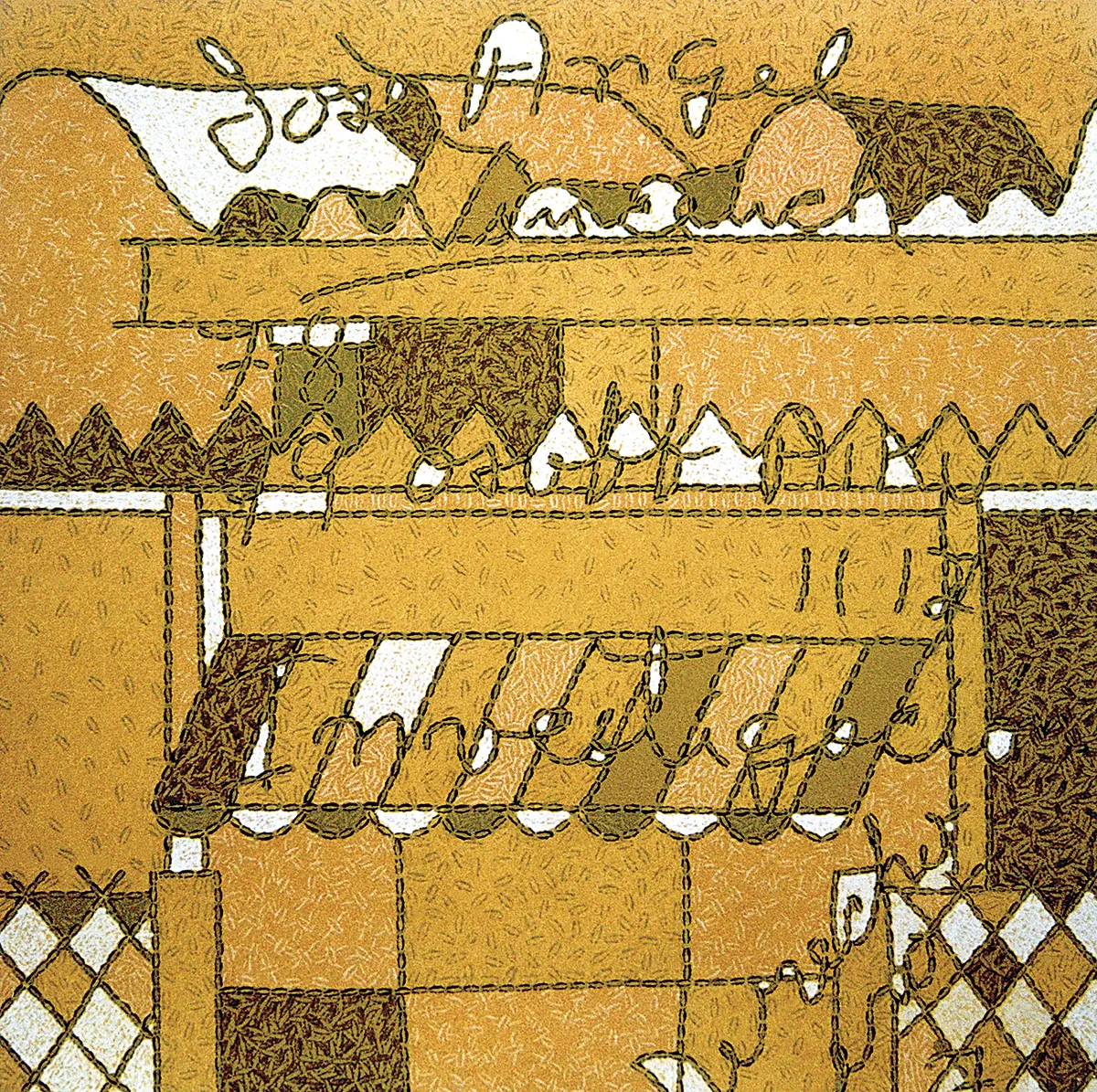
Dating from this period were several key works in Vincench’s oeuvre, among them Autobiography and the Motive of Folklore, about his conception of Intimism, since for him there was something of the poseur in artists of the 1980s. His work The Motiv of Ideology on the Reproduction of Nationality attempted a reorientation of the concept of nationality. Research and Marketing was a jocund comment on the artist’s newly emergent interest in the market and was based on the letra (a divining system that uses snails, with interpretations the santero writes on paper), which Vincench has often incorporated into his work.
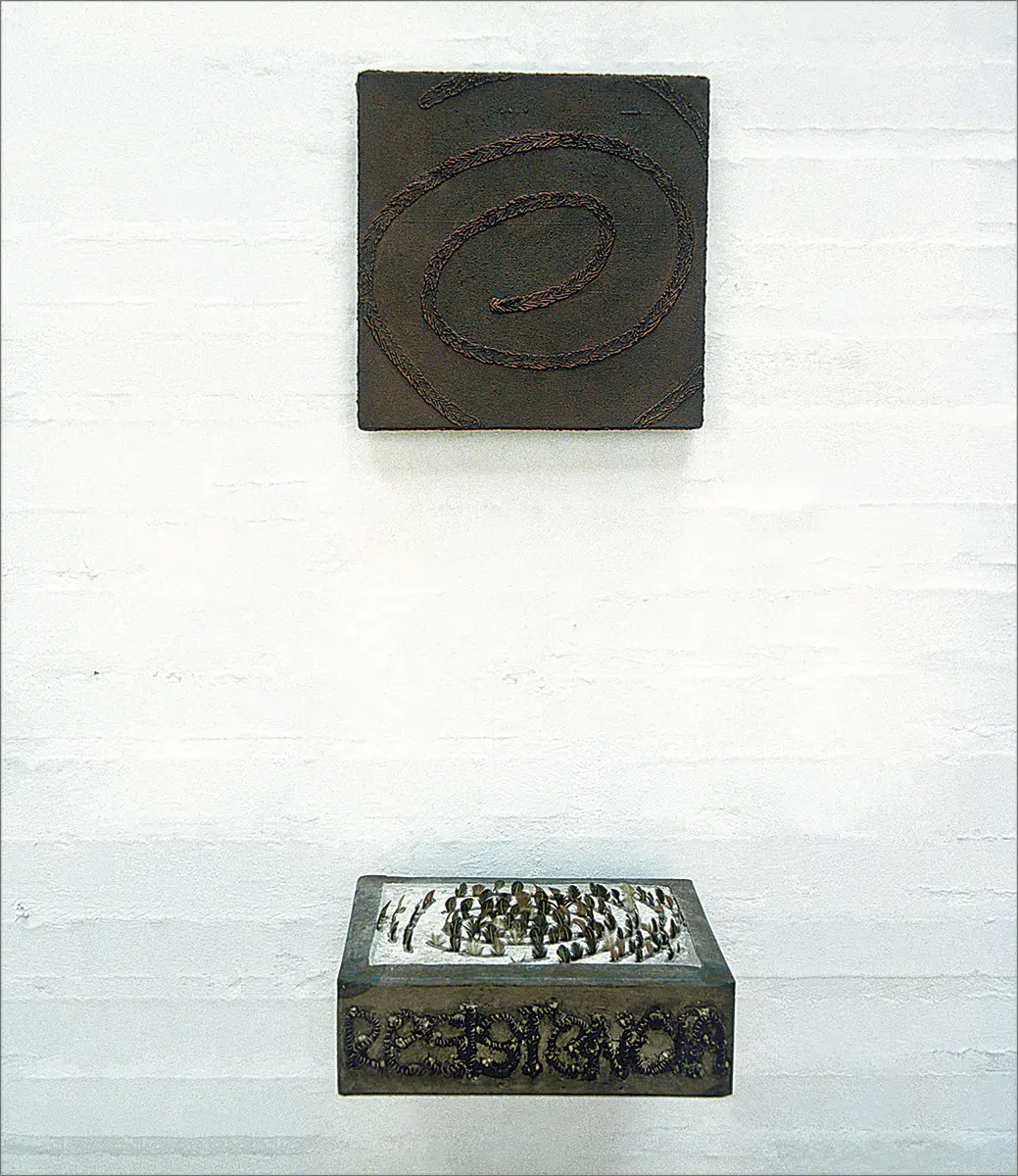
In From Resistance to Folk, a hermetic work because of its symbolic density, the artist played with the 1980s concept of an art of resistance. The installation featured hand-made electrical resistors, a kind frequently used by homemakers that became scarce and difficult to find. It also incorporated feathers, beads, cloth, and wax, and it commented on people’s resilience in the face of the hard conditions of everyday life in Cuba. In Vincench’s work, as in that of many other artists, his working style consists of manipulating ambivalent meanings.
Later, with The Spider’s Web and the Artist, Vincench developed an interrogation of his accomplishments up to that point. This work marked a break from his earlier works, which he considered tired. From that point, the artist wondered to what degree his work was a simple reading of textures, away from a truly conceptual dimension. With the show, Acerca de lo privado y lo público, Vincench’s oeuvre took a sharp turn although he continued to react against the stereotypes used to define an epoch. It is as if the artist lives in terror of cliché, and that drives him to question himself incessantly, responding by disrupting even what is taken to be a paradigm.
Among Vincench’s many critiques of the Cuban artistic tradition since the 1980s, he deems so-called anthropological art as “of mud and sticks,” without introspection from the artists into their own religions, when they approach mysticism. His intention is to go beyond formulas used by others, and he seeks what he calls free zones, which do not imply a liturgical purpose.
Vincench’s solution for an approach to the obvious topic of Santería has been to conceptualize the part of the ritual that defines it and which he knows from the inside as a practitioner. He operates by making massive a personal, private conflict, and the result resembles a sociological survey, revealing the weight of politics in Cuban society. The artist deploys neither figuration nor the symbolism that is typical of these religions. The works are surprisingly conceptual in appearance, and much weight is put on words. Capturing one’s attention with their visual qualities, the works contain social and political commentary and make public the rituals of Santería without copying the ceremonies’ plastic richness.
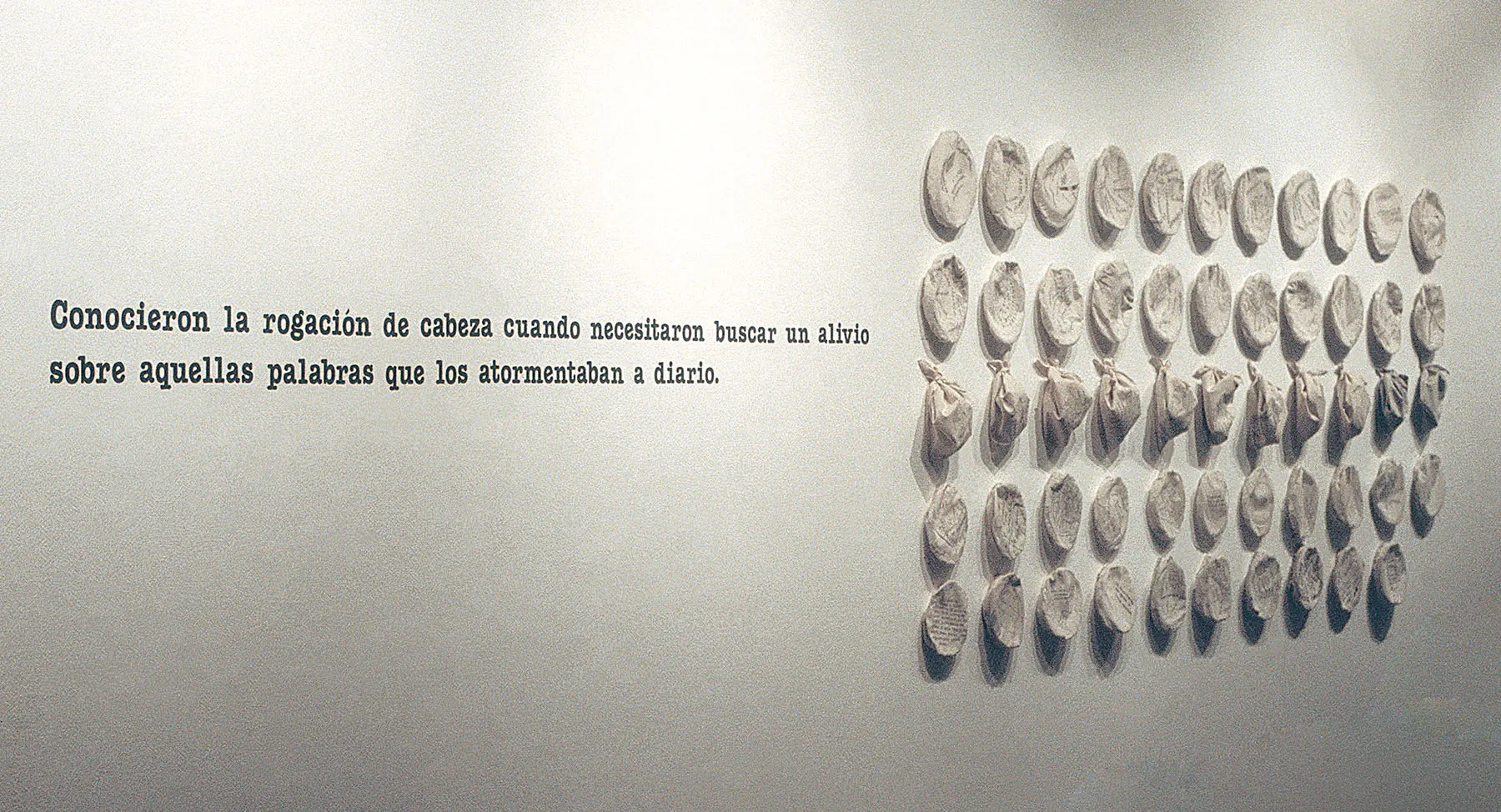
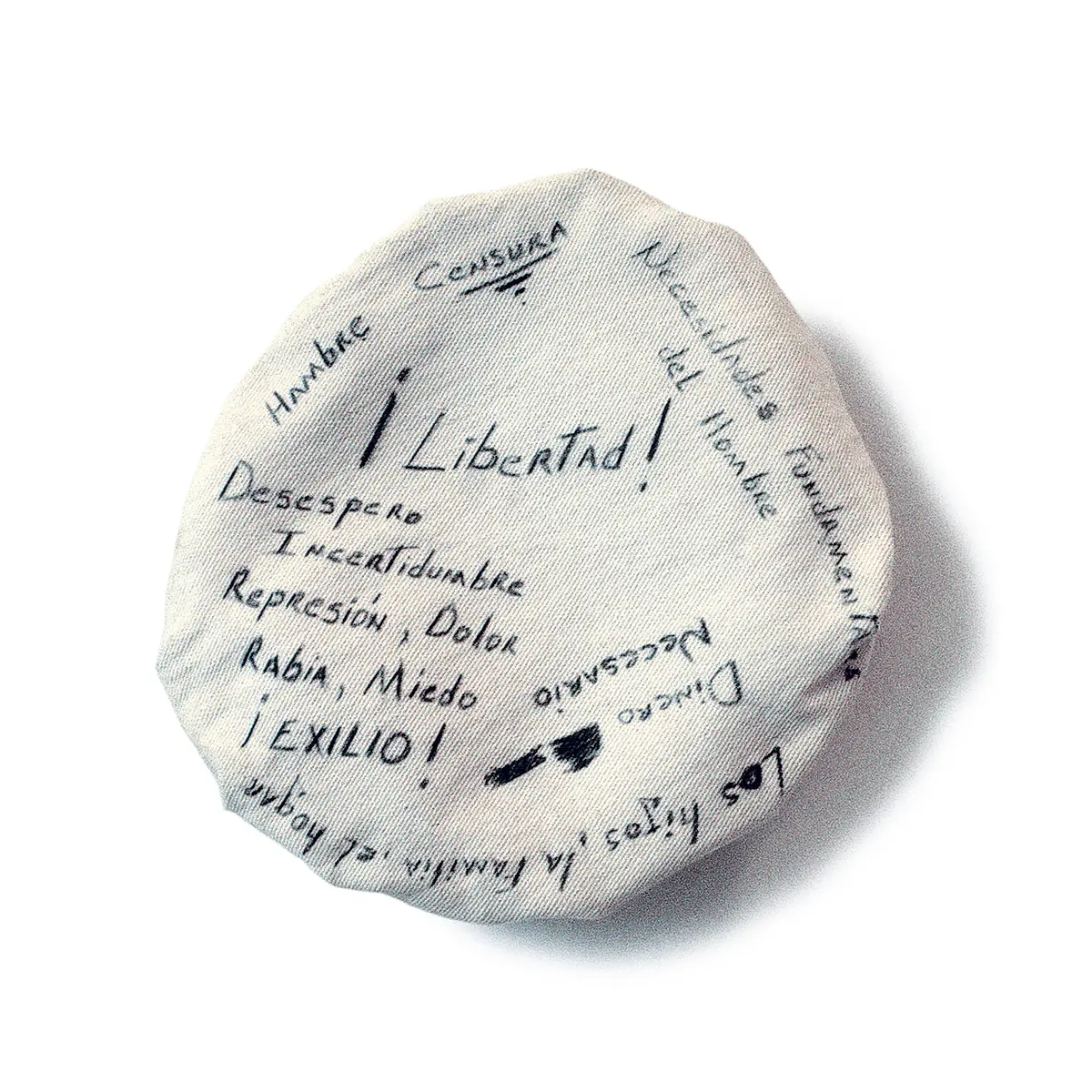
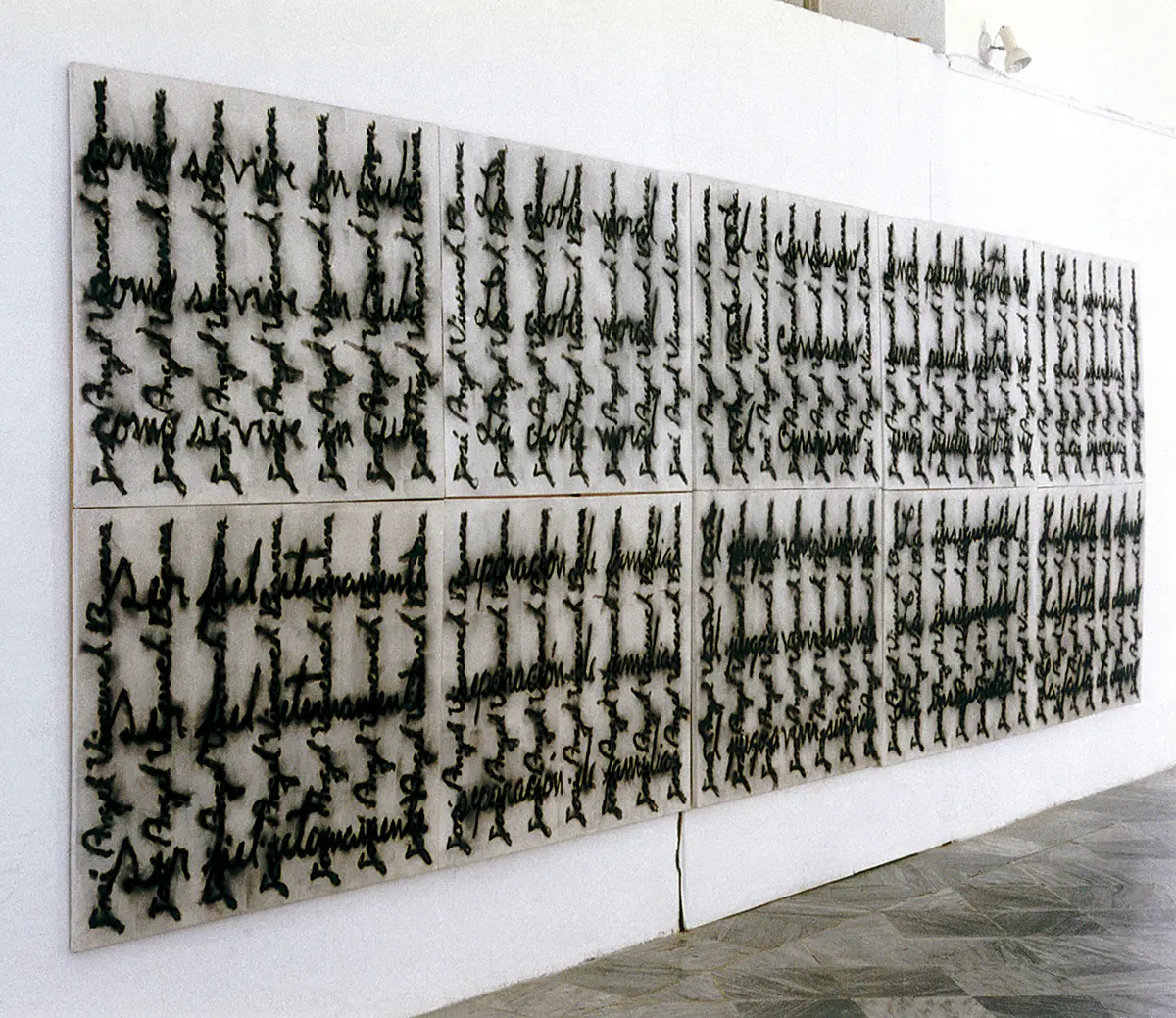
The rogación de cabeza (thought cleansing), the labor, and the recogimiento are rituals deployed for the resolution of personal conflicts. In the first case, the artist addresses his viewers and asks them to write on a piece of cloth the words that torment them—the cloth is the point in which the ritual’s vast complex is closed, and it supposes a renewal of the subject’s spiritual and moral charge. Vincench violates the concept of the ritual and displaces it from its folkloric character, to emancipate the meaning. In the labor, people are asked to write their name seven times and the thoughts that worry them three times on a piece of craft paper, known in Cuba as papel de cartucho, another cheap and common material that became scarce. The same is done in the recogimiento, but the smoke of a candlestick extracts all worries. In his works devoted to this effect, Vincench used the smoke to write on the canvas. Some of the people’s thoughts: “Don’t think about yourselves, but about the collective,” “Be eternally faithful,” “The separation of families,” “Prostitution,” “Insecurity,” “Envy,” “Being unhappy,” “Being unfree,” “The state’s control over things,” “Some can, some can’t,” “the lack of money,” etc.
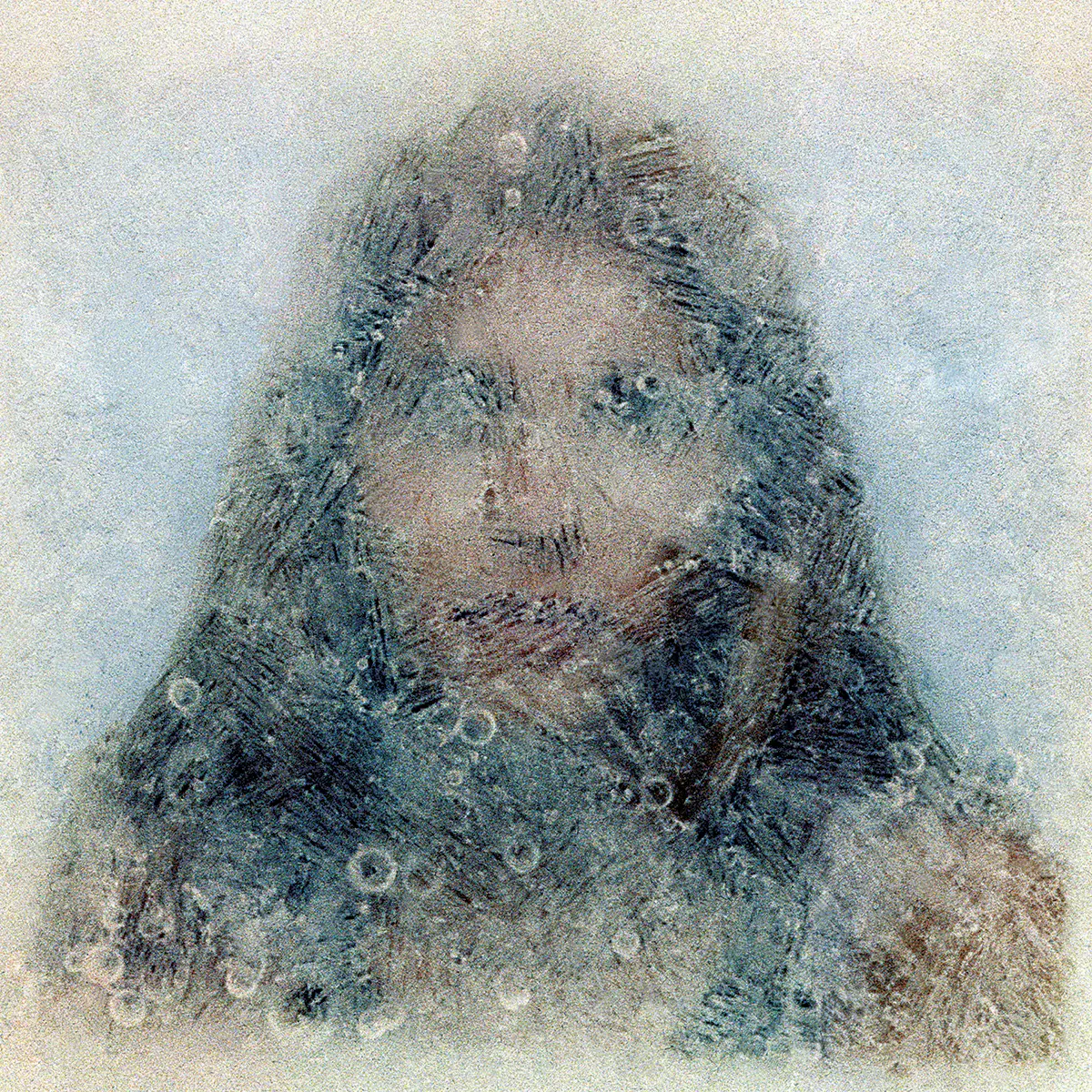
To Saint Michael the Archangel shared the same interactive bent of many works by Vincench. It comprised sixteen silk screens concerning a ritual in which the picture of the full name of a supposed enemy is placed inside a shoe and a petition is made to the saint. In a later work, Vincench explored another “magical” operation: the freezing of negative thoughts.
Perhaps one of the most unique examples of this art that connects with religious thought were Manolo and Rolando’s Diary, which featured the names of Vincench’s godfathers in the title. The artist placed a piece of construction paper under an animal to be sacrificed to the saint, and the dripping of its blood was later exhibited in the gallery. It was a peculiar way to question authorship in art.
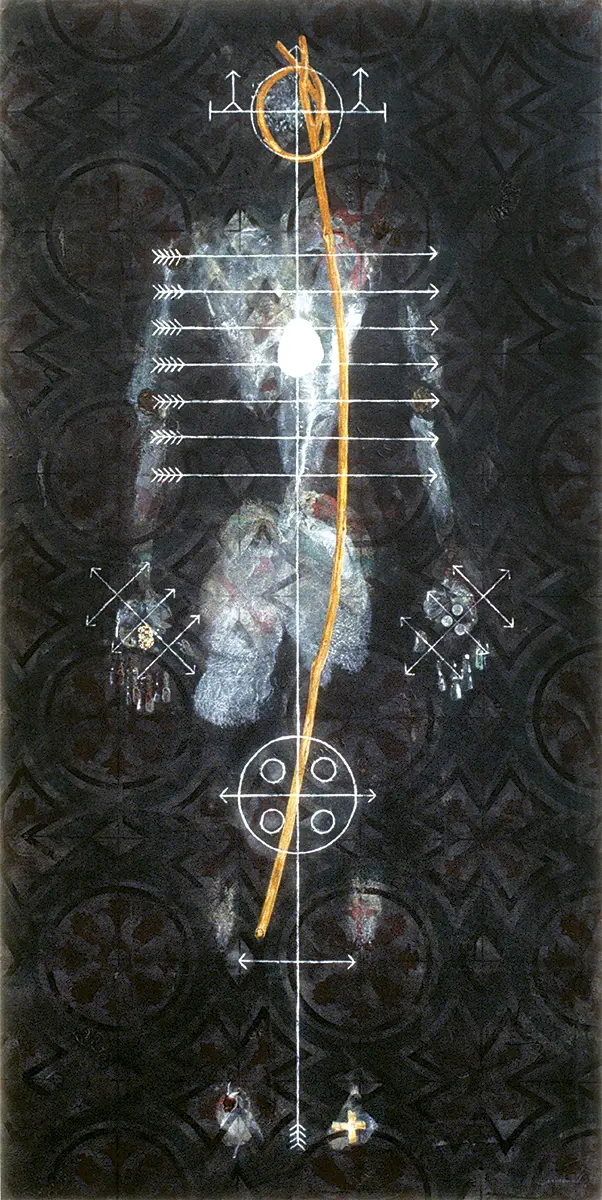
Between 2000 and 2003, the artist worked on a series titled From Within the Center of the Earth, inspired by the odduns of Ifá, signs in a divining system interpreted by the babalao, the high priest in Santería. Vincench’s series was manifested both in installations and in two-dimensional form. In some incarnations of this series, he appeared to listen through a stethoscope pressed on the earth, as if it were a fertile woman’s womb as if it could talk from its interior. In others, viewers could hear recordings of religious consultations or conversations with Vincench’s family’s spiritual guide.
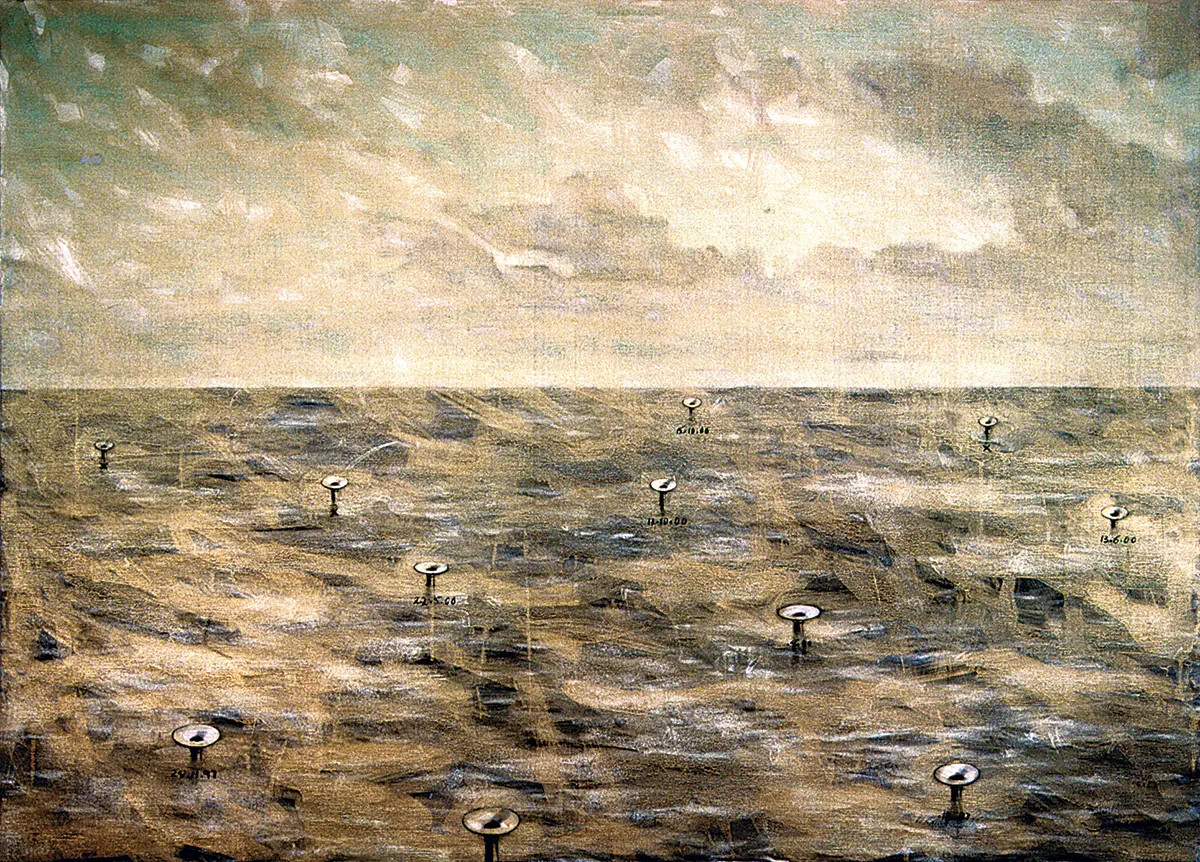
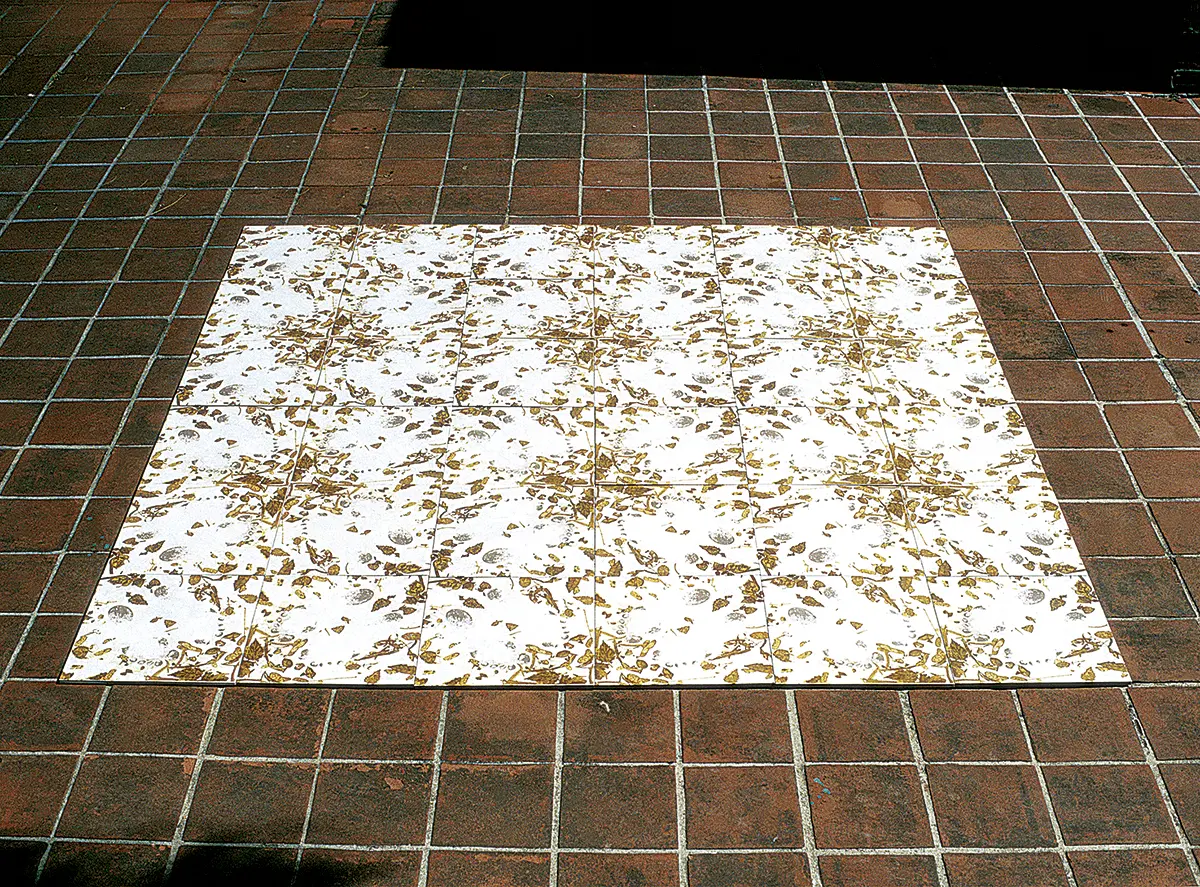
The series Cleansing and The Bathed were paradigmatic. They were abstract in appearance, with unusual materials. In the first case, viewers saw the herbs and other ingredients used in rituals glued to canvases. In the second series, the result was achieved with rust residue, firewater, and feathers on paper. Vincench created a tribute to the Belgian artist Wim Delvoye (Cleansing with Wim Delvoye) in the same fashion.
Para atrapar el recuerdo and Self-Portraits were two series that began with the palo monte signatures, or sacred drawings used in Santería. Since Vincench’s initiation into the religion, the artist has worked with the codes of his own signature. One is defensive, used as a form of communication, and another one is war-like.
Vincench has ten years of artistic activity behind him, but it would be redundant to make a detailed inventory of the many series on which he has worked. Some have accused him of immaturity because of the variety of his expressive approaches. Risking criticism for using trite and worn terms, I have no better description for his imagination than prolific and, for his work, original. Adding to my estimation, he uses any material and any technique in unencumbered ways, and his work is interactive. At times, his work is so cryptic that it requires effort on the part of the viewer. Whether experiencing his drawings, video installations, or paintings, nobody will remain indifferent to his work.
Vincench’s last exhibition at Havana Gallery (May 2003), One Thing Leads to The Other, was a comment on orthodoxy and plurality. It comprised photographs, lightboxes, and objects, all conceptual and highly abstract in appearance. Every work contained a commentary about the impossibility of rigid interpretation of what Ifá says and the way that Ifá interacts with everyday life because everything is connected. The exhibition was also a comment on intolerance because art will always be a disturbance rather than a relief for Vincench. His unending interrogation confirms it.
NOTE
1. From Orlando Hernández’s text for the catalog of Vincench’s exhibition at the Centro Cultural de España, Havana, 2002.
ERENA HERNÁNDEZ
Art critic.