
Brazil was the guest country in this year’s
edition of ARCO, and the invitation motivated a large number of simultaneous
shows of contemporary Brazilian art in the most important museums and art
centers of Madrid, a city that had never before offered such a generous and
unanimous gesture. Maybe it was the charm of Brazil, or its legend, or some other thing that prompted a consensus about its art among Madrid’s cultural
authorities, who were as conflictive as the rest of Spain’s politicians,
polarized as they hadn’t been since the late Franco years. There was, to be
certain, the precedent set by Brasil 1920–1950: De la Antropofagia a
Brasilia, a large exhibition presented at Valencia’s IVAM in 2000, was
curated by Jorge Schwartz and designed by Pedro Mendes da Rocha, the winner of
the Pritzker Prize for Architecture in 2006 and the creator of the site for the
Daros Latin American Art Collection in Rio de Janeiro. That exhibition was
extraordinary, but it can’t be compared to the impact of the number of artists
and works presented in ARCO 08’s thirty-one Brazilian booths and in the
individual and group shows at the Reina Sofía Museum, Casa de América, Casa
Encendida, Alcalá 21, Depósito Elevado, and Matadero exhibition spaces, and the
Oliva Arauna, Elba Benítez, Metta, Pilar Parra & Romero, and Espacio
Menosuno art galleries. Menosuno, in fact, had the audacity (for an alternative
space) to present, under the title of Arte contemporáneo emergente brasileño, a group show with ten invited artists.
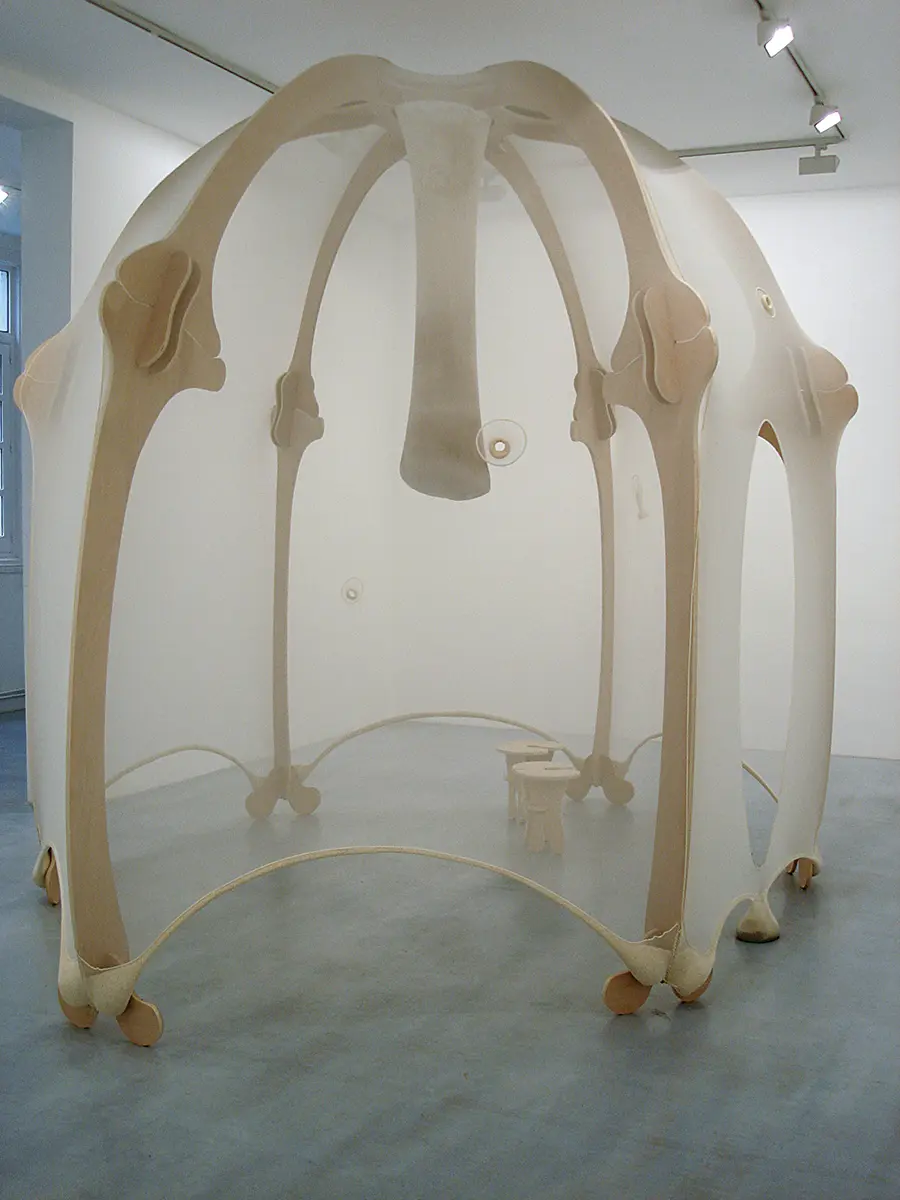
It is obviously impossible to cover so many artists and such different works of art in this review, so I will limit myself to presenting and discussing the terms of the debate that the Brazilians themselves brought to Madrid, which was centered around the question of whether there exists a Brazilian art distinct from the art produced in a globalized world. This debate sheds light on the intentions and interests of those exhibiting in Madrid. The opening was by Moacir Dos Anjos, with an essay reproduced from the catalog for Contradictorio, the most recent edition of the Panorama del arte contemporáneo at São Paulo’s Museo de Arte Contemporáneo, and presented in Madrid at Alcalá 21. In his text, Dos Anjos attempts to find an answer to the question for the specificity of Brazilian art in gambiarra, a term that, according to him, “artists and critics invoke frequently to characterize Brazilian art,” despite its lacking “a sufficiently precise conceptualization as to root down (...) the cognitive potential it possesses.”1 Dos Anjos warns, however, against the one-dimensional use of the term, which in Brazil refers both to things made or repaired in an improvised fashion, with salvaged materials, and clandestine connections to the electrical grid. The word belongs to the culture of survival in the Brazilian favelas and in the poverty belts that ring other Latin American cities; Dos Anjos proposes to use it to name the key or the tone of the space where current works of Brazilian art are made, circulated, and understood, and which in consequence radically determines them. The proposal doesn’t occur, however, in an empty semantic space, but in a space concurrently filled by terms such as mestizaje, “syncretism,” or “creolization,” the use of which has been critically assessed by Dos Anjos himself.2 But those terms are not the only ones. On the occasion of the 1998 São Paulo Biennial, Paulo Herkenhoff and Adriano Pedroso rehabilitated the concept of antropofagia—coined in the 1920s by the poet Oswaldo de Andrade—in order to describe Brazilian art that aspires to be integrated within international circuits without being tied to hegemonic metropolitan models. The idea of antropofagia is, then, to absorb those models rather than mimic them. And there is more. Brasiiiil, the film, and video cycle programmed by Berta Sichel and presented at the Reina Sofía, included the film Brasil: a revoluçao tropicalista, a documentary devoted to Chico Buarque, Gilberto Gil, and Caetano Veloso, musicians who came to the forefront in their country between 1967 and 1968. For the filmmakers, Yves Billon and Dominique Dreyfus, these musicians are the promoters of the “tropicalist revolution” that “demolished the foundations of urban society” and acted as the catalyst for decisive changes “of mores, thought, and the very idea of Brazilian identity.”3
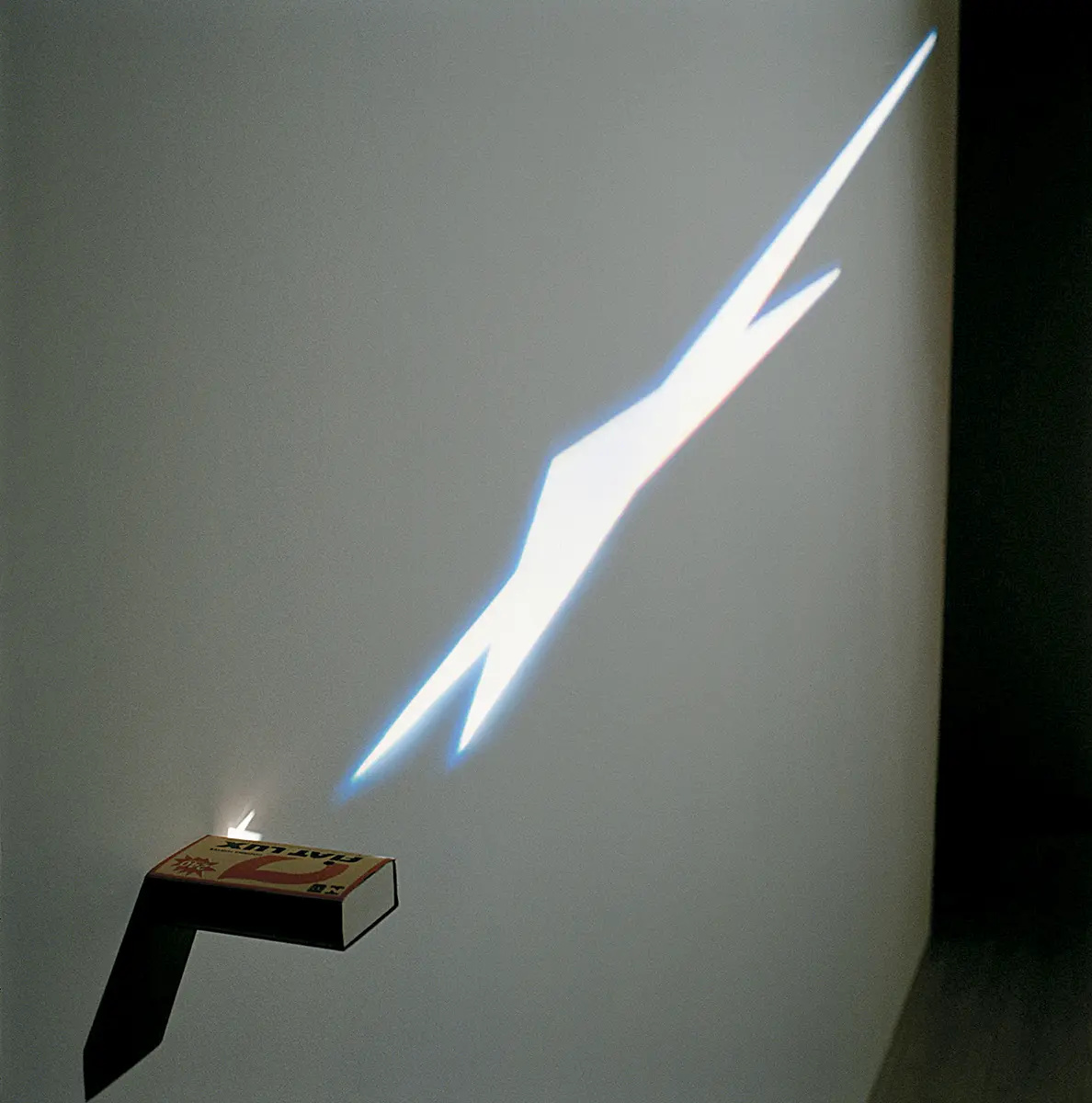
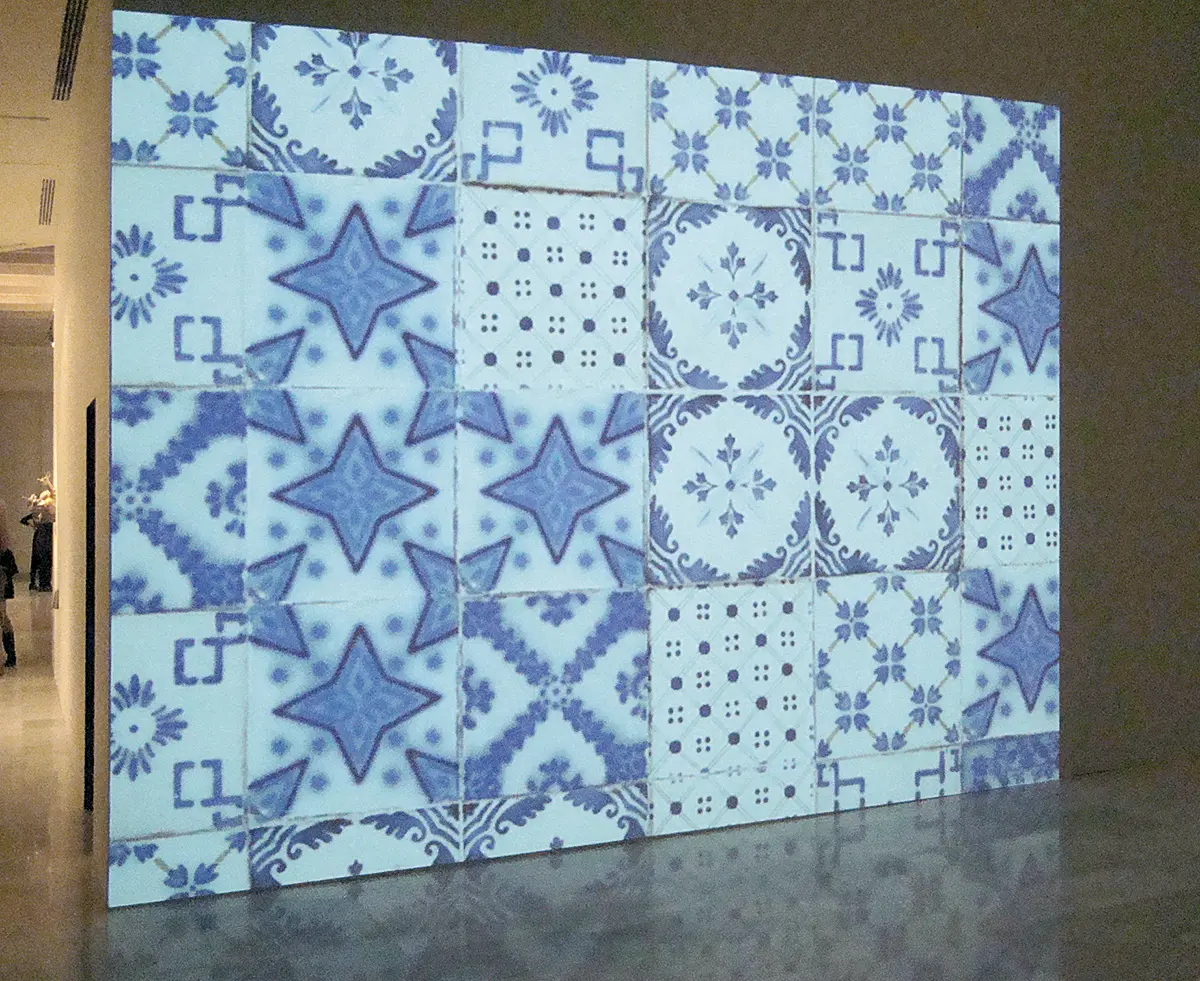
What, then, is contemporary Brazilian art: anthropophagic, tropicalist, gambiarra, or simply mongrel, as Sichel suggested by the film and video cycle? The answer is not easy, and it is not univocal, but the truth is that the question itself, reformulated after a marathon-like review of the many exhibitions of Brazilian art in Madrid doesn’t seem very important. The general impression was that nothing was seen during this festival, despite its extraordinary diversity, represented a significant difference from any of the stages on which international art unfolds—the great museums and art centers in cities like London, Paris, Madrid, Berlin, or New York, or Documenta and the large biennials that proliferate all around the world. Globalization has horrid counterparts, but the fact that it has made it possible for all kinds of singular aesthetics and artistic proposals—including those that emphasize “local color” and “identity”—to circulate fluidly through its multitudinous scenes are not one of them.
In truth, due to globalization, we can no longer speak of “hegemonic models”—an expression that in the modern era referred to the exemplary value of Cubism, Dada, Surrealism, Abstract Expressionism, Concrete Art, or Pop. No, today, everything goes in aesthetic terms, because hegemony is not articulated by aesthetic models but by the sites where art is staged, which exercise their supremacy through a convergence of factors such as the market, the network of museums, the mega-exhibitions, the critics, the media, publishing houses, and specialized journals. The fact that this convergence produces more powerful and efficient effects where those factors are strongest, which is in the countries that control globalization, has little to do with the aesthetic options, because all of them tend to be admitted in those sites. Perhaps there is one thing that tends to be excluded or devalued in hegemonic spaces, in relation to other aesthetic options: political art. But this problem is not exclusive to those spaces, if we listen to the experienced Brazilian art critic Aracy Amaral, who has repeatedly denounced “the lack of interest among contemporary Brazilian artists in expressing themselves about the country’s extreme economic and social inequalities.”4
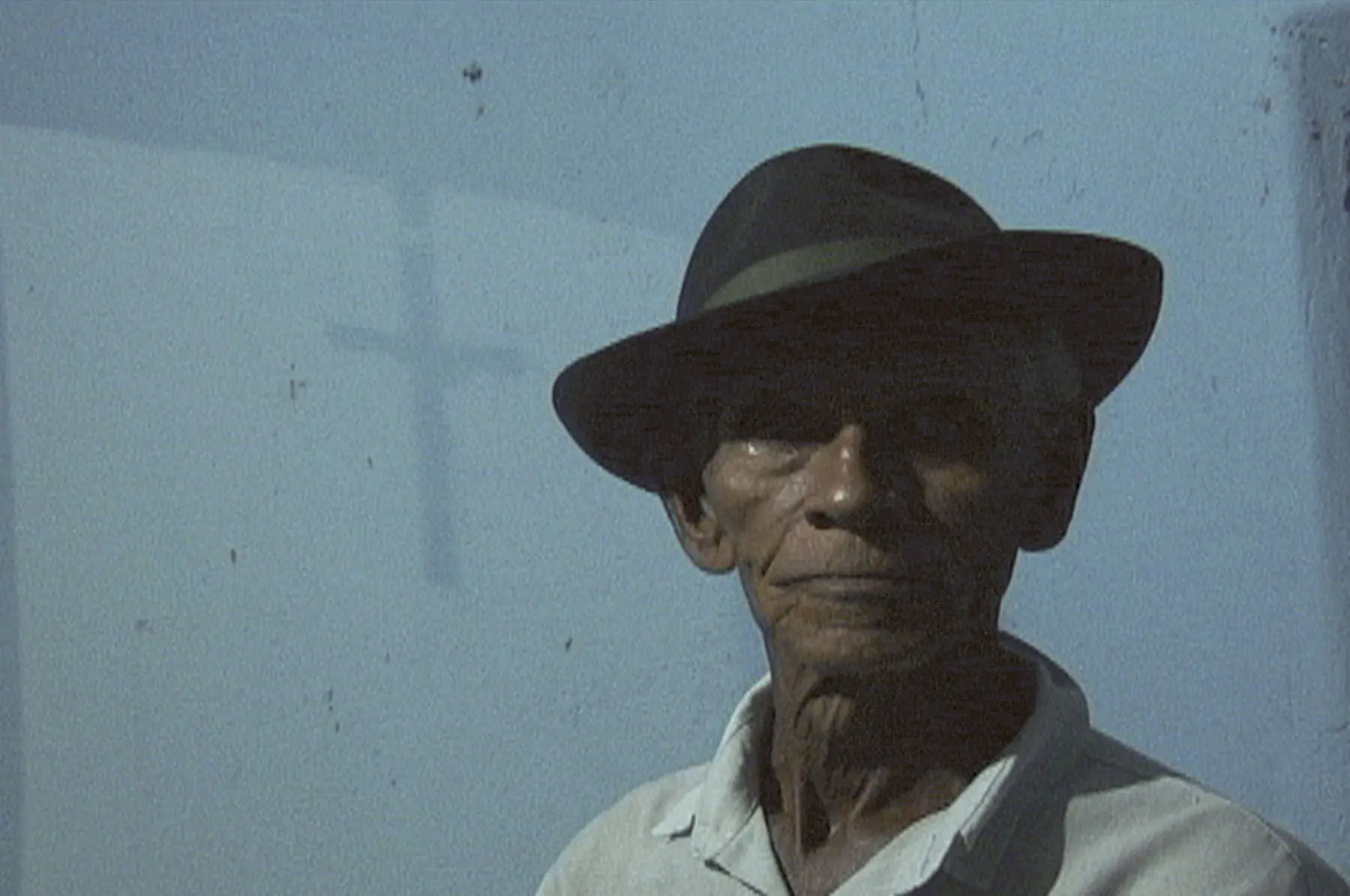
Two videos seen in Madrid did manifest those extreme inequalities: Accidente by Cao Guimaraes and Pablo Lobato, and Salvador by Miguel Río Branco. The former was presented as part of the Contradicciones group show and the latter in Dislecsia, a solo show at Casa de América. These two works were similar yet radically different. The difference resided in point of view. In Accidente, contrary to the title’s suggestion had not the broken, syncopated pace proposed and exercised by the media, advertising, and Hollywood action movies but rather a cordial, erotic, melodious one. Accidente was, first, a visual poem composed with the names and the people of twenty towns in the Brazilian state of Minas Gerais, and, second, a translation into moving images of the rhythms of life in those towns. And it was made possible by virtue of being the product of a cordial gaze that coordinated the images based on the sympathy between the rhythm of the artists’ hearts and the rhythm that marks the life of people from whom, due to a vast number of reasons, Guimaraes and Lobato are clearly separated.
In turn, Río Branco’s video broke the harmony as drastically as concrete or aleatory music fracture both melody and rhythmic unity. The consequence or the origin, if you will, of this break was that images of the poor and the marginalized, those who survive with great difficulty in the decayed historic core of the city of Salvador was unveiled and exposed to a pornographic contemplation.
NOTES
1. Moacir Dos Anjos, “Contradictorio,” in Contradictorio: Panorama de arte brasileira (exhibition catalog) (São Paulo: Museu de Arte Moderna, 2007), 61.
2. Moacir Dos Anjos, Local/Global: arte em tránsito (Rio de Janeiro: Jorge Zahar Editor, 2005).
3. AA.VV. “Brasiiiil,” guide to the film, video, performance, and concert cycle (Madrid: Museo Nacional de Arte Reina Sofía, 2008), 7.
4. Aracy Amaral, “Brasil: perfil de um meio artistico em decada marcada pela violència” in Politicas de la diferencia: arte iberoamericana fin de siglo (exhibition catalog) (Recife: Governo do estado de Pernambuco, 2001).
CARLOS JIMÉNEZ
Writer and art critic. Independent curator.