
Gerd Leufert, the Lithuanian-German
designer arrived in Venezuela in 1951. Leufert’s work as layout artist (under
the direction of Alfredo Armas Alfonzo) transformed the magazine El Farol (published by the Creole
Petroleum Corporation) into one of the country’s most prestigious periodicals
and entirely renewed the idea of graphic design in Venezuela. Yet, in those
years, Leufert seemed to lean more toward the practice of international art.
After an initial study trip to Iowa University and then to New York’s Pratt
Institute with Gego, his lifelong companion, Leufert continued this pursuit
through frequent excursions to the United States and Europe.
In 1960, hired by the Museo de Bellas Artes as a coordinator and graphic designer, Leufert was for the first time truly settled in Venezuela and was intensely engaged in his work for the institution. At the same time, he taught at various schools: the Cristóbal Rojas Visual Arts School, the Architecture and Urban Studies School at Universidad Central de Venezuela, and the Neumann Design Institute, at which he was a co-founder. Thus, Leufert was a crucial influence for many Venezuelan designers and artists.
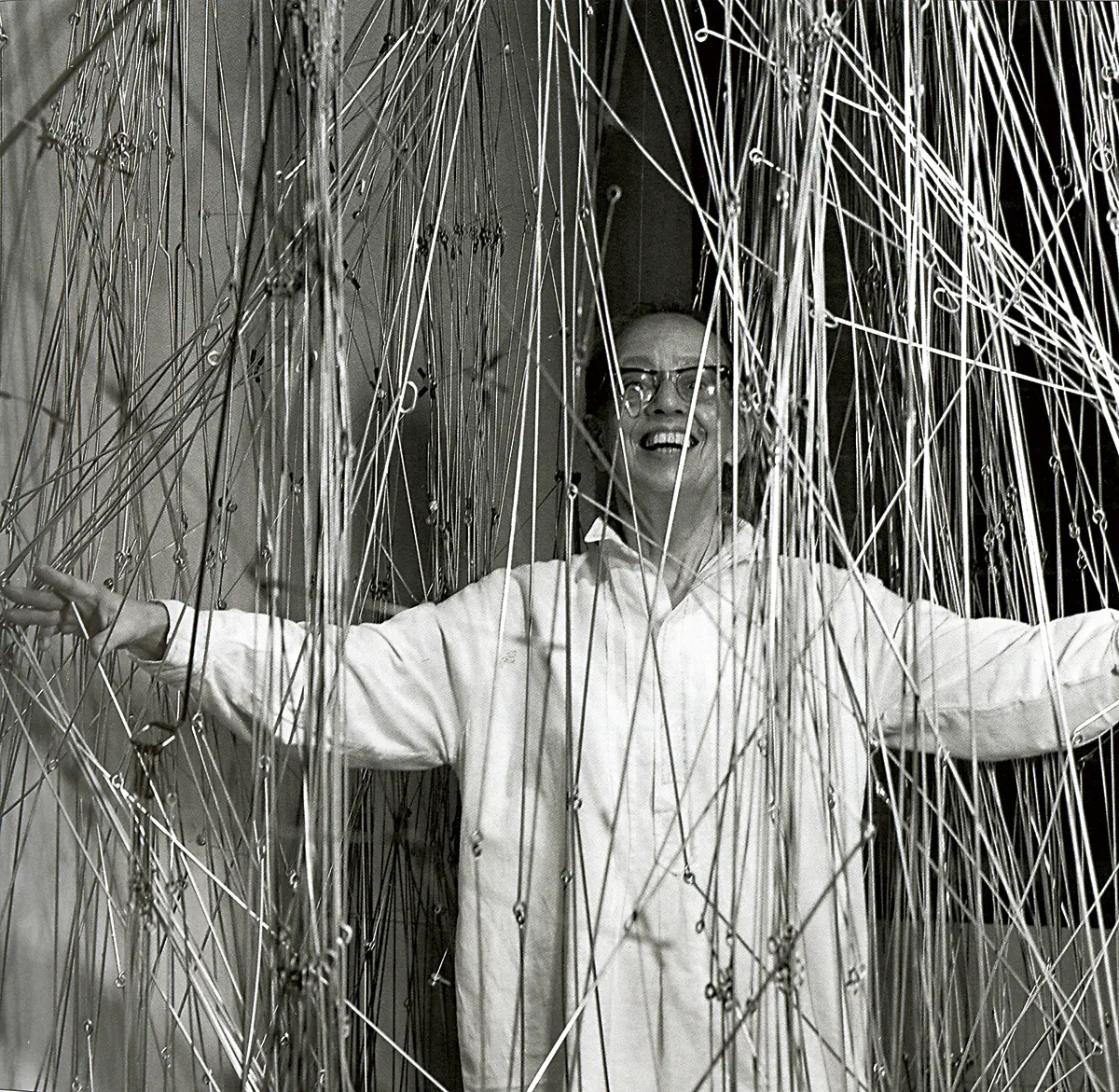
Leufert and Gego decided to stay in Tarma (a town on the central coast) between 1952 and 1955 in order to experiment with their creative tools. After that invigorating experience, they settled in a community in the Las Mercedes neighborhood called Betijoque; this name—whether complete, fragmented, or deformed—was used in the titles of many of their works at the time. The titles of later works were also inspired by Union Square, where they had lived in New York, as well as the names of some Venezuelan beaches.
Leufert devoted himself not only to graphic design, his main activity, but also to painting, sculpture, drawing, printmaking, and, toward the end of his life, photography. But since his arrival in Venezuela, he noticed that the country lacked the printing infrastructure required to produce the kind and quality of design that interested him. This forced him, alongside other designers, to take on the almost titanic task of educating printers. For the kind of designs, they wanted to produce and develop, a multilevel re-education was necessary, as was an innovative vision of the relationship between printers and their clients.
Marta Traba was one of the first critics to point out the difference between the ideas that drove modernity in Venezuela and those among the rest of the population. According to Traba, there was an unbridgeable gap, a true divorce, between the people that created modernity and supported it without reserve and those who imitated, popularized, and vulgarized it. One feature of our modernity was that of being driven by a relatively small number of people who nonetheless had a superlative cultural influence. Thus, in Venezuela there is a high-quality graphic design that is regularly recognized by international awards and promoted and supported by relatively modest private enterprises, such as printing firms. Perhaps this is why Leufert’s work is little known. He belongs to the small group of great designers in Venezuela (alongside John Lange, Nedo M. F., Álvaro Sotillo, and a few more) whose works are not studied or publicized because this type of work results in uncomplicated and immediate economic benefits.
Unexpected, unknown shapes emerge in Leufert’s work, forms that did not exist before he conceived and defined them. His work can be found in at least five books: Visibilia (Museo de Bellas Artes, 1966); Imposibilia, co-authored with Nedo M.F. (Tamigraf, C.R.L., sponsored by Universidad de Oriente, Cumaná, Sucre state, 1968); Nenias (Refolit, 1969); Marcas (Refolit, 1970); Sin arco (Refolit, 1971, and MBA, 1972); and La emblemática de Gerd Leufert (Galería de Arte Nacional, 1984—the author, Álvaro Sotillo, was twice recognized in Leipzig, Germany, with the Golden Letter award in 1985). These works were excellently received by the critics, among them Marta Traba (Mirar en Caracas, Monteávila, 1974) and Victoria de Stéfano (Nenias, MBA, 1985).
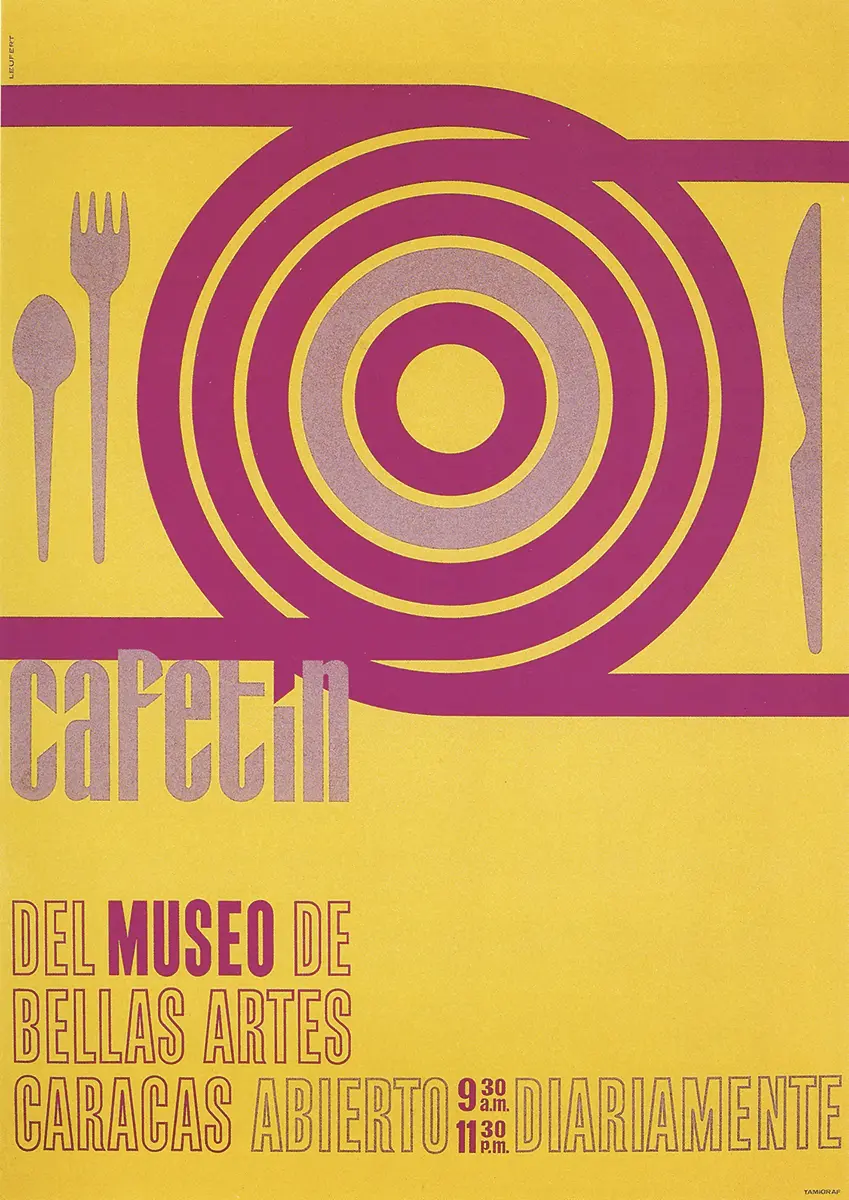
Graphic design was born of the Industrial Revolution, was brilliantly developed in the early days of the Soviet Revolution of 1917, and was practiced with equal intelligence at the Bauhaus; its general mission is to serve everyday people. Yet the work of a good graphic designer can determine if something will be considered refined, exquisite, elegant, or in good taste. While it is true that graphic design responds to a need for communication, its origins are not anchored in the popular. Leufert’s design comes both from his respect for the popular and his ample knowledge of the cultural realities of the modern era.
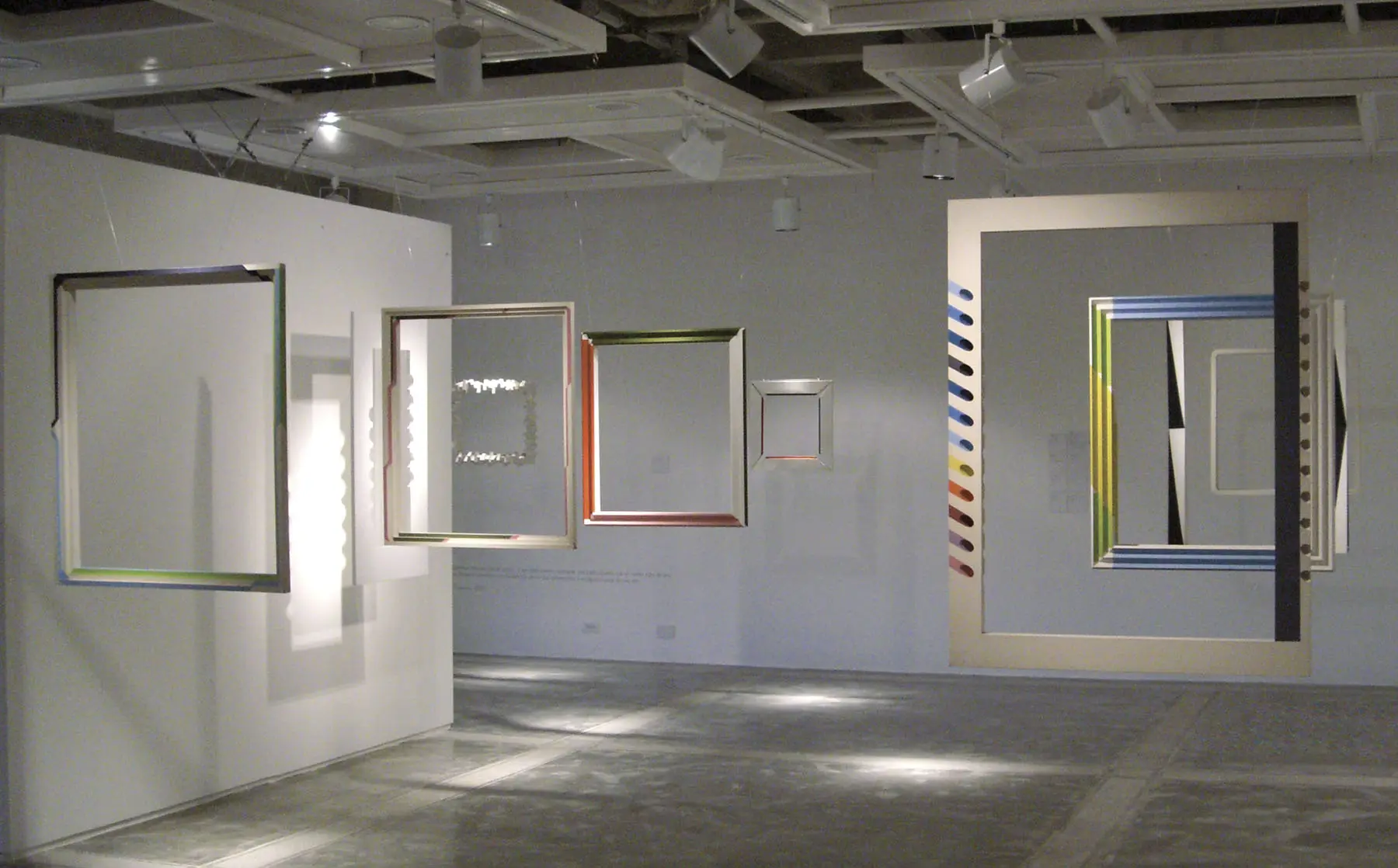
The same respect and knowledge could be seen in the pictorial works that, along with Listonados (a unique three-dimensional work), composed of Leufert’s most recent exhibition, presented by Sala Mendoza in its new gallery at Universidad Metropolitana. The exhibit showed the process of Leufert’s art between 1960 and 1972 when he had close contact with international art through his travels. It is not known whether Leufert thought of graphic design as a lesser activity (since it is utilitarian in the end) and was attempting to forge a career as a painter.
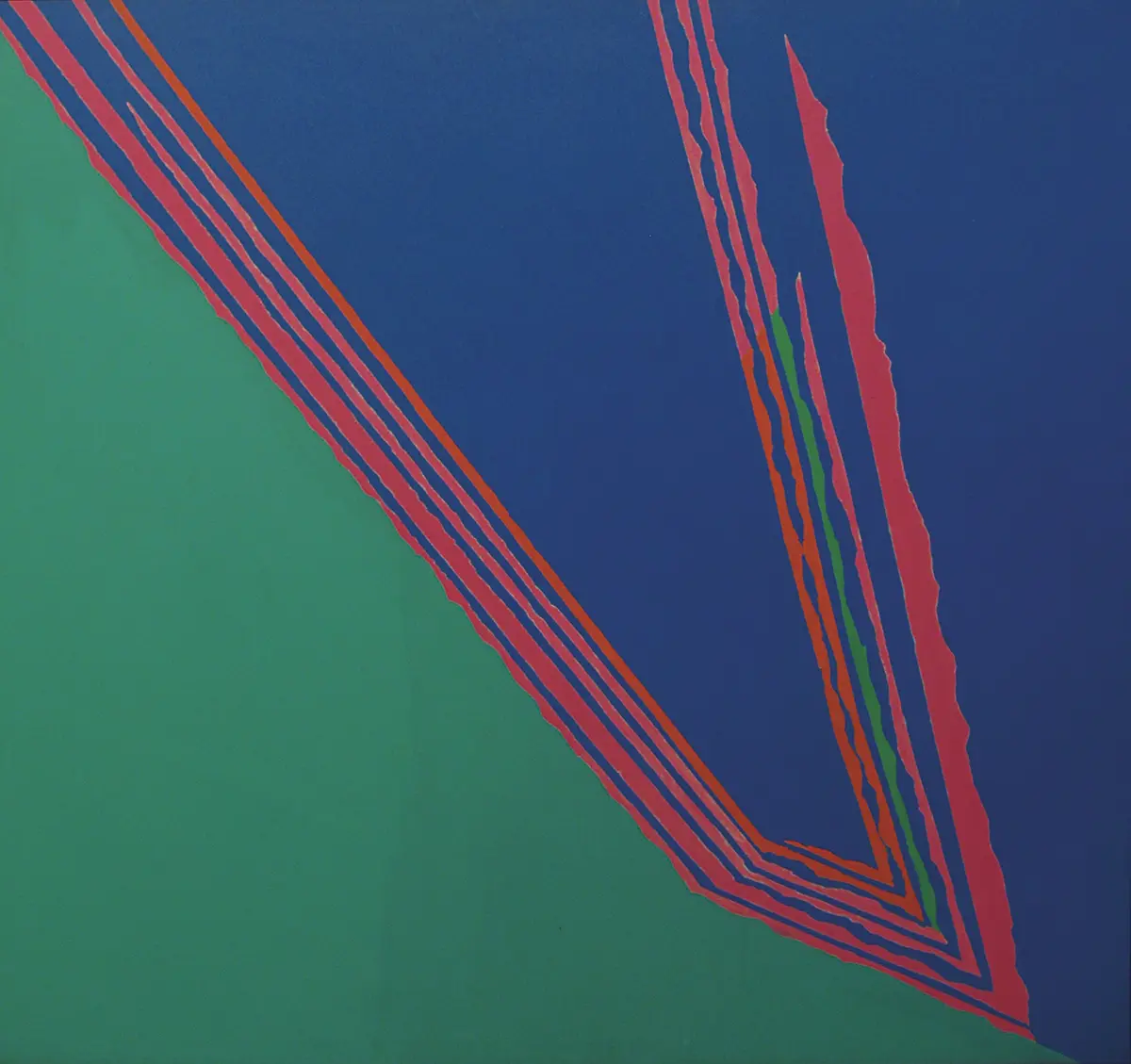
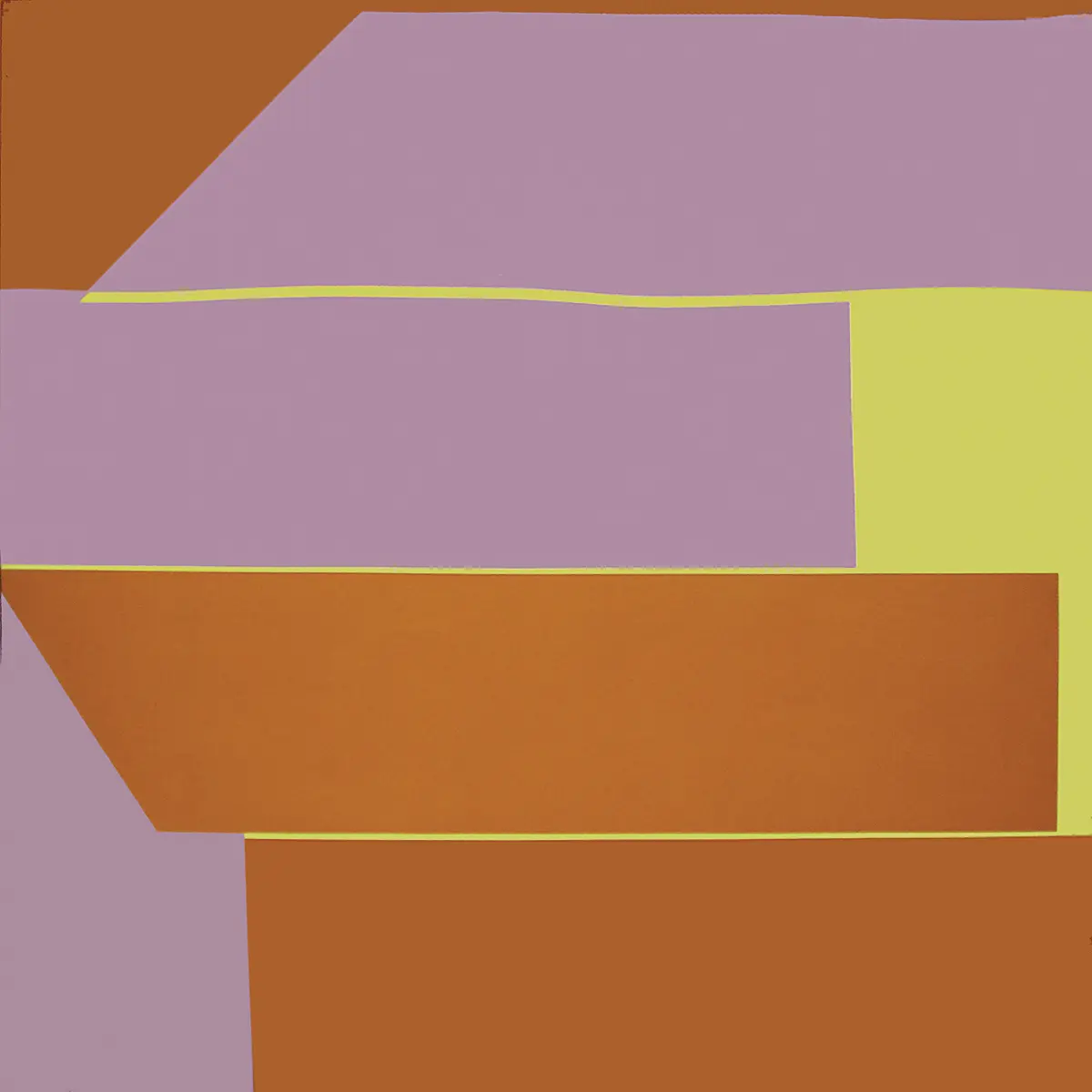
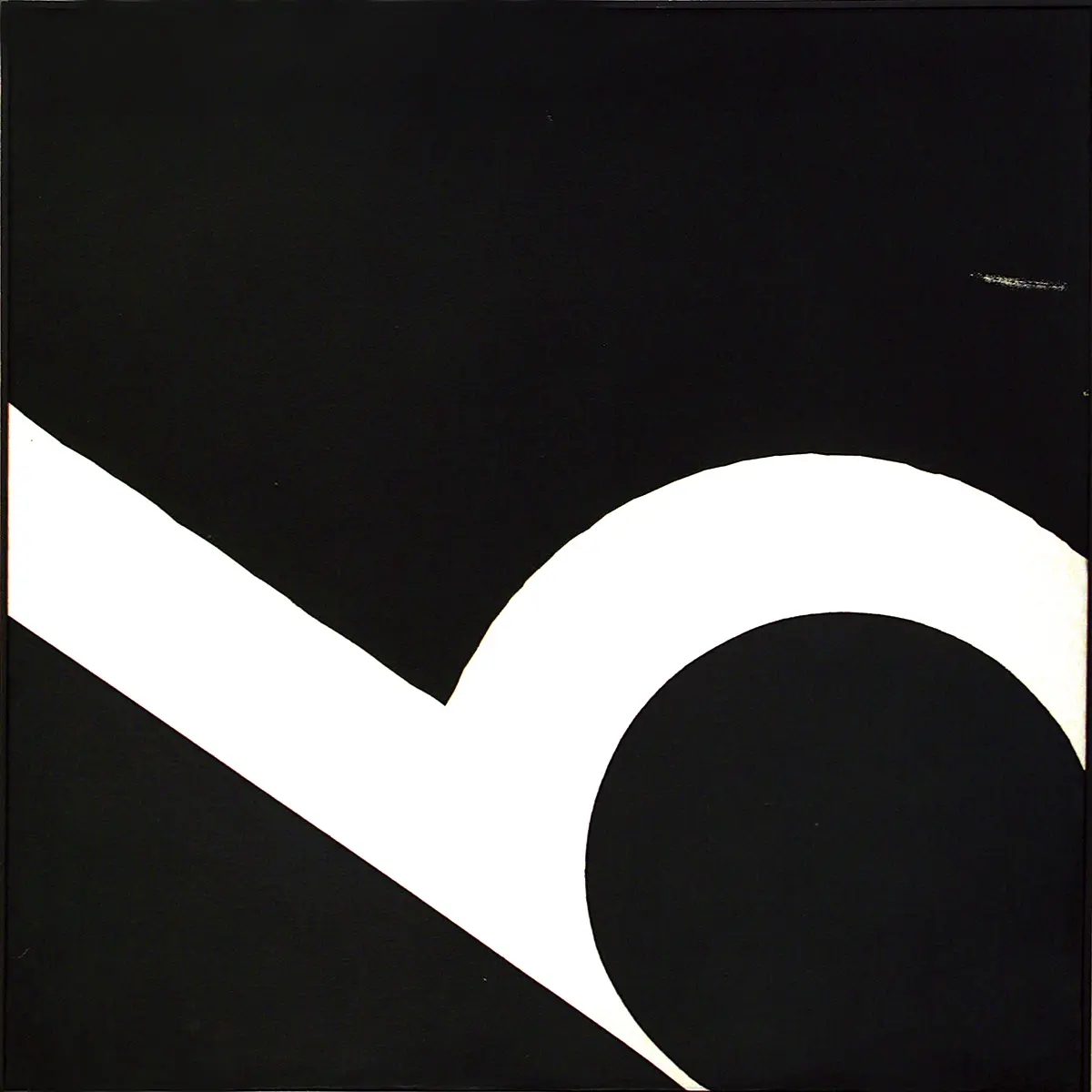
Traba (and other critics) saw Leufert’s painting as “a beautiful and rigorous incursion into the hard edge.” But it is also true that a large part of the beauty and force of these works is a consequence of Leufert’s work as a graphic designer. Only upon seeing these works as a set did one note that one appealing aspect was Leufert’s very strange and fascinating colors. This original palette, handled with uncommon mastery, was undoubtedly grounded in the knowledge of and respect for the theory of color as used in the graphic arts. If the goal of the graphic arts is to swiftly capture the passing eye, Leufert’s paintings revealed the way in which advertising has enriched our surroundings, by contributing many hues that do not come directly from nature.
The show did not include examples of Leufert’s painting prior to 1960. In those years, he used mostly whites and blacks, allowing textures to produce changes in space and climate. But about 1964, without entirely setting aside texture, he began to experiment with difficult and unusual color combinations, such as beige, violet, and ochre (as seen in Union Square 15, 1964). From the manifestation of these experiments in the works titled Tijoque (1965), one feels that this approach was developed fully in Caracas, after Leufert’s return from his last trip. At this time, he was able to apply all of his experience to the Venezuelan creative scene, including his established expertise as a graphic designer.
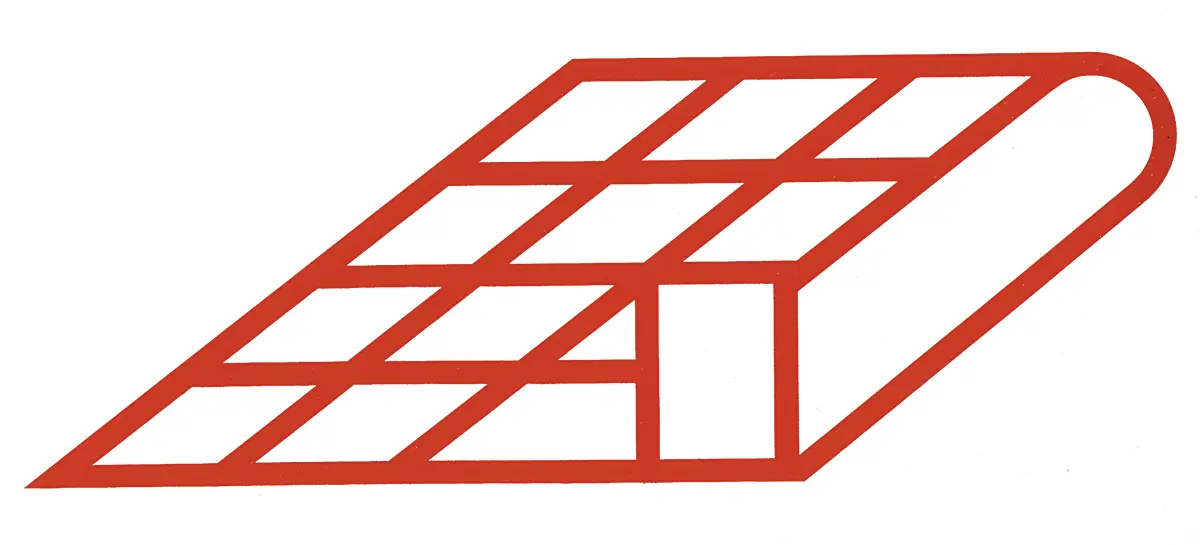
When Listonados, a work filled with all kinds of creative proposals, was initially shown at the Conkright Gallery in 1972, it seemed merely adventurous (as was Leufert’s Imposibilia series). As seen today, in light of the current nature of Venezuelan art, however, the Listonados is more than that. Leufert conceived the work as frames of varied design, lacquered in white, to be placed around, unattached to any background, and on the wall, but sideways. In certain sections, Leufert decided to incorporate details of vibrant, pure color. These frames are not accessories meant to highlight a painting or to protect it. They leave the presumed painting’s space empty and are themselves the sole visual motif; thus, their shapes are whimsical and somewhat useless. In the end, they behave like a kind of hybrid between painting and sculpture. This is why these works are a true contribution to abstract art in Latin America.
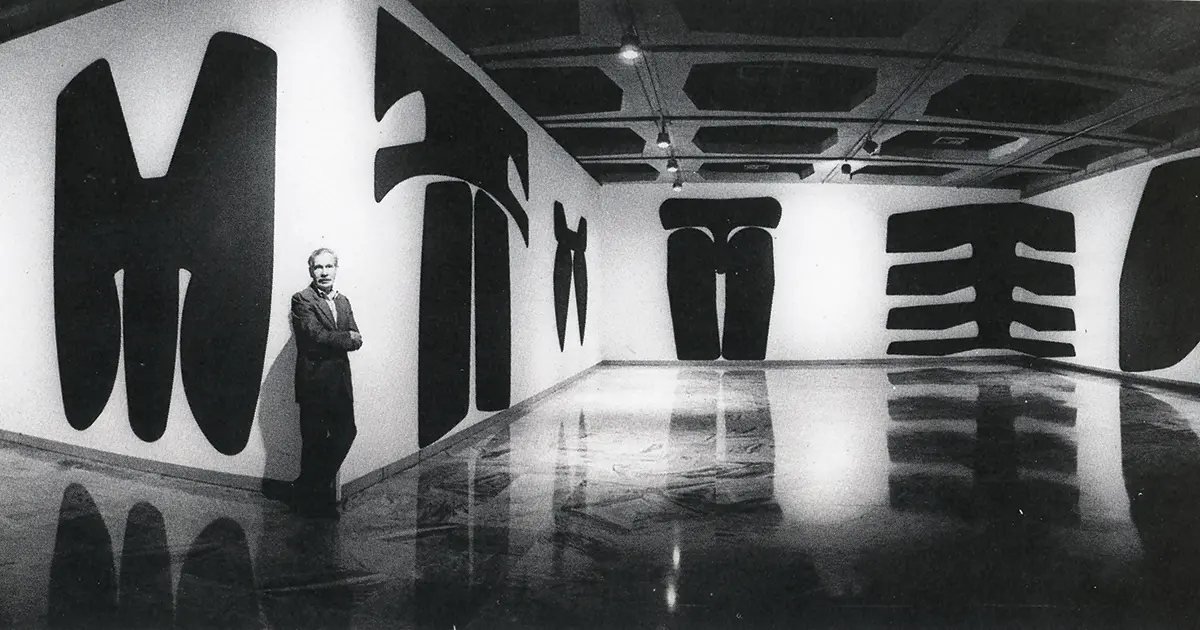
Between 1960 and 1973, Leufert was also Miguel Arroyo’s right-hand man in the direction of the Museo de Bellas Artes as well as an irreplaceable driving force behind the creation of a drawing and printmaking curator position, which he assumed with many interesting and innovative proposals. The 1970s was a highly creative period in Venezuela, not only in the arts in general but also in Caracas’s Museo. Despite the lack of another art museum in the country, the economic resources available were very scarce. Together, Arroyo and Leufert were a formidable team. Arroyo used his training as a three-dimensional designer to create spaces and objects that were well suited for his displays and resolved with beauty and economy. Leufert preferred to explore the institution’s warehouses in order to salvage objects or materials: metal table legs to display drawings were used to give visual weight to unframed posters presented at great height; wooden drums that were former display cases for objects or jewelry became posts for posters (see “Diseño gráfico = Comunicación,” in El Museo de Bellas Artes de Caracas y algunas de sus obras, Caracas: Maxim y Arroyo, 1975, p. XXVIII). Contrary to what happens today, when exhibition designers require a small fortune to install any show, Arroyo and Leufert displayed great imagination and installed shows at no cost (see “Visibilia,” Idem, 1966, p. XIV). As seen in the photographs of those exhibitions, along with the cardboard supports designed by Gego to show the individual sheets of the book Visibilia, Arroyo and Leufert projected and painted emblems from the book on the gallery walls, so that a graphic design show became as stimulating and appealing as one of traditional painting or sculpture, if not more so. Later, Leufert again painted shapes on the wall in the exhibition Flechas, and Arroyo installed the show Nenias the same way in the new spaces of the Museo de Bellas Artes.
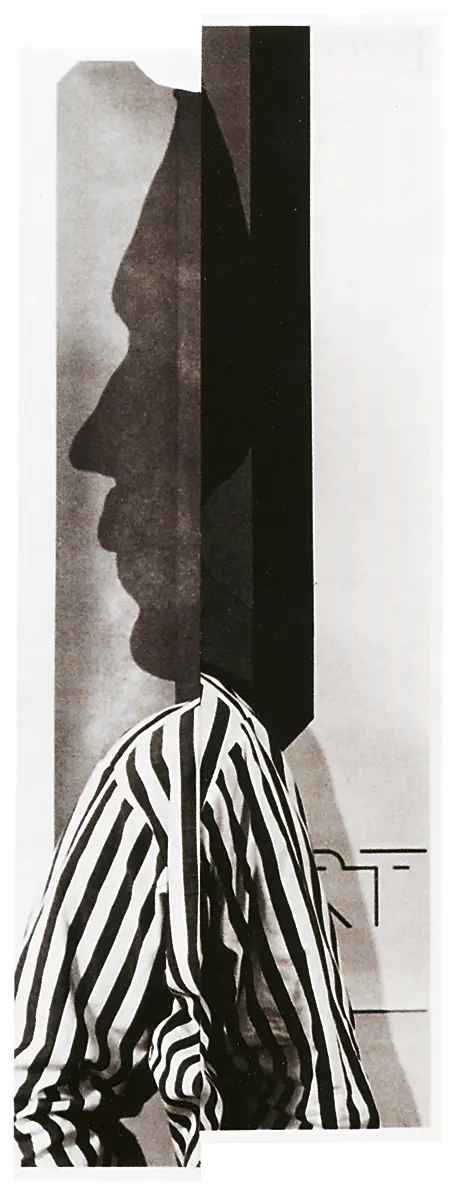
Like any good designer, Gerd Leufert was constantly drawing, whether testing shapes for his designs or creating images from his imagination on loose sheets, on randomly found colored paper, or on old catalogs. In 1994, he offered the museum a group of his drawings—abstract works created between 1982 and 1987 with pictorial materials and tools of his own invention—along with a small group of figurative works, created between 1963 and 1982. These depicted early memories of various northern European locations, including his native Lithuania. The recent Sala Mendoza exhibition rescued these ink and gouache works, made with brush and pen, which distilled and sublimated memory. These previously unknown works did not follow the main path of Leufert’s explorations but responded to joyful experimentation with materials and tools, and they were warmly received by the museum, as they were the artist’s most spontaneous and private creations.
When he seemed to have said everything in his pictorial works, Leufert surprised everyone with achievements of the highest quality in the field of photography. His earlier photographs (included in the Penthouse B exhibition) are so diaphanous, beautiful, and perfect that, although figurative, they seem the result of his long training in painting and graphic design. Meanwhile, the collages and combinations (such as Crónica apócrifa) that he presented after the same photographs were unexpected and appealing abstractions. These contributions to abstract art in Latin America exemplified the work of a great master, a phrase that precisely describes Gerd Leufert.
IRIS PERUGA
Research scholar licensed in visual arts. She has organized several exhibitions and publications.