
The auction at Christie’s on May 28 set a new world record for the total of any Latin American art sale in history, exceeding its pre-sale high estimate and surpassing expectations. It may also go on record as a very long and slow sale—it was exceedingly long, actually, lasting over two hours. Many in the audience left before the end, reinforcing the message that being on the phone or being online is the way of the future for evening sales. Almost every important lot in this sale went to a telephone bidder.
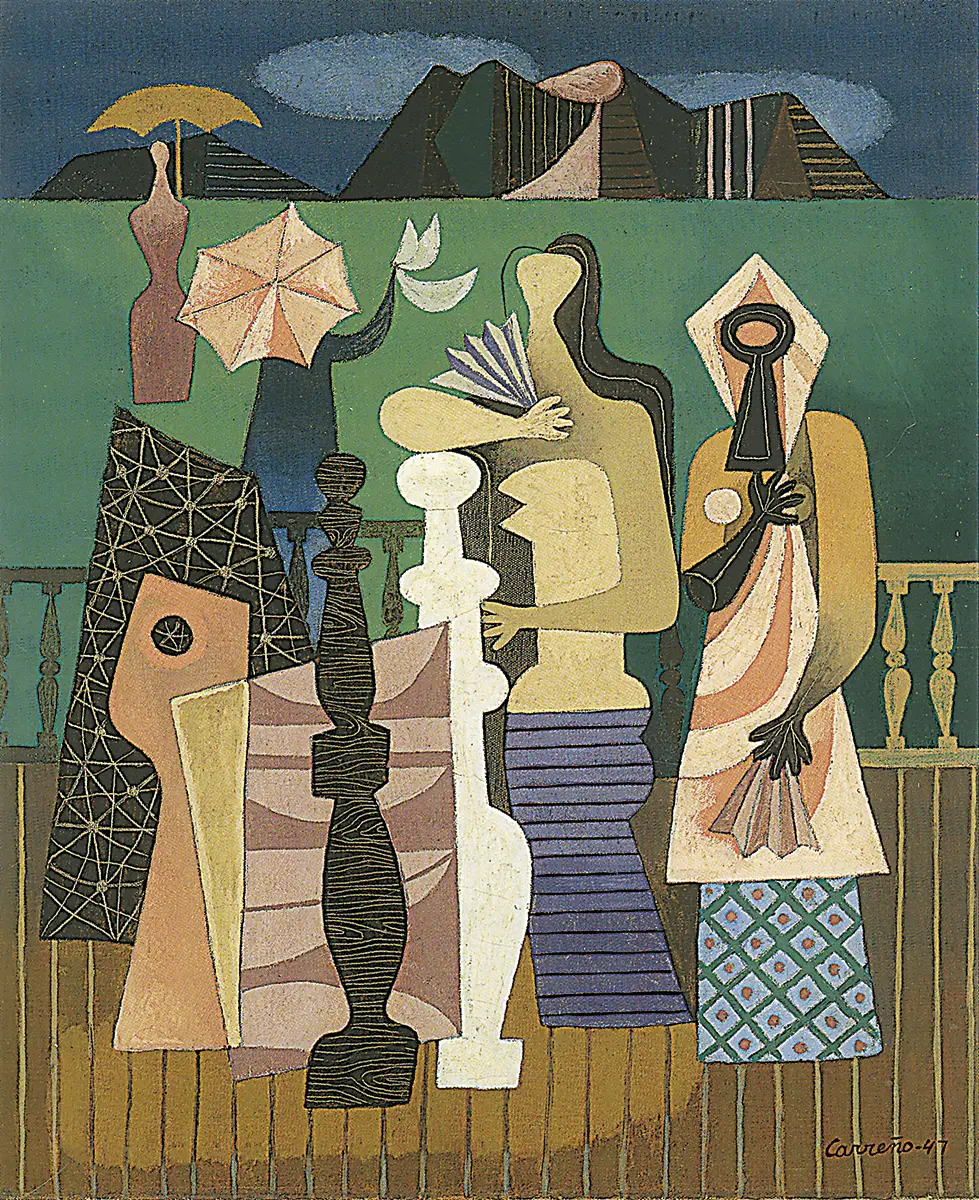
Christie’s good luck began with the very first lot, a Tomás Sanchez landscape with a waterfall that had been estimated at $50,000–60,000 and was pursued by three bidders until the price settled at $217,000. This would have been disconcerting if it were not for the next lot —Mario Carreño’s The Promenade, which was estimated at $100,000–150,000 and sold at $265,000— and so it went for most of the successful evening, during which the estimates were rarely an indication of where the prices ended.
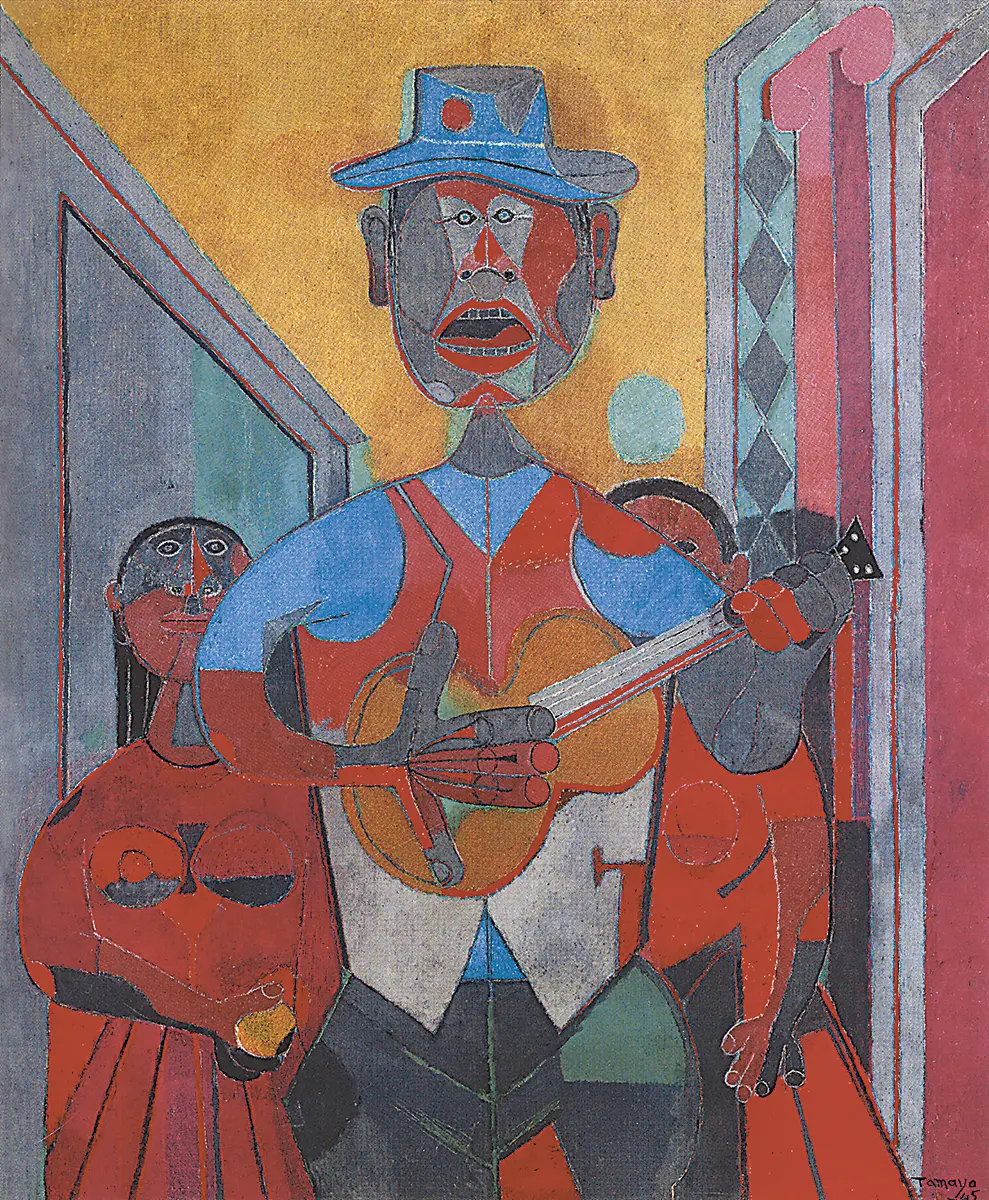
The highest price of the sale, a new world record for Rufino Tamayo, was established early in the sale when lot #18, The Troubadour (1945), which had carried an estimate of $2–3 million, was sold at the incredible $7,209,000, making it the most expensive Latin American work of art ever sold at auction. This beautiful painting had been on the cover of Christie’s catalog of the previous season, but it had been removed from that sale at the last minute over a dispute concerning the board of the institution where the painting was held.
Latin American bidding for The Troubadour stopped at $4 million, which brings us to the cover lot of Sotheby’s catalog: Tamayo’s El comedor de sandías (The Watermelon Eater) was the lucky number 13 of the evening sale. It carried an estimate of $2,000,000–2,200,000, and very active bidding brought it up to a final price of $3,625,000. This picture has always enjoyed a reputation among Mexican collectors as a great Tamayo, and the bidding of Mexican collectors brought the final price. The other Tamayos in the auctions also did very well, but they clearly made the point that not all of his paintings have the same price level as the two aforementioned 1940s works. This holds true even for his earlier works. At Christie’s, Noche clara (Bright Night) was a beautiful, surrealist-looking landscape as interpreted by Tamayo in 1932; the estimated price was $350,000–450,000 and it sold at $421,000. Another surrealist work by Tamayo from 1931, Naturaleza muerta con desnudo y guitarra (Still Life with Nude and Guitar), which presented a bizarre grouping of objects with a nude mannequin, had been estimated at $500,000–700,000 but remained unsold.
The Los Angeles County Museum of Art (LACMA) has continued to sell Tamayos from the Bernard Lewin collection to fund acquisitions of Latin American art. Christie’s sold two works successfully for the museum: the 1975 Desnudo (Nude) surpassed the estimated $200,000–250,000 (which was perhaps very conservative) and sold for $385,000, and Fantasma (Ghost) from 1982 also went over the estimated price of $300,000–400,000, selling at $541,000. At Sotheby’s, the early Tamayo Still Life from 1924 had an estimate of $275,000–325,000 and surpassed it to sell at $505,000 after a tenacious battle between three bidders. Relojes (Clocks), another early still life also from the 1920s, did even better later in the sale when it surpassed its estimated $325,000–375,000 and sold at $685,000!
But no painting better illustrated the point that the Tamayo market is only in the millions for a very specific type of painting than El Constructor (The Constructor). This beautiful yet austere picture from Tamayo’s golden decade, the 1940s, carried an estimate of $700,000–900,000 and still sold for under a million, at $965,000. The last Tamayo offered at Sotheby’s came from LACMA and, like its counterparts at Christie’s, did very well, surpassing the estimated $300,000–350,000 and selling at $553,000.
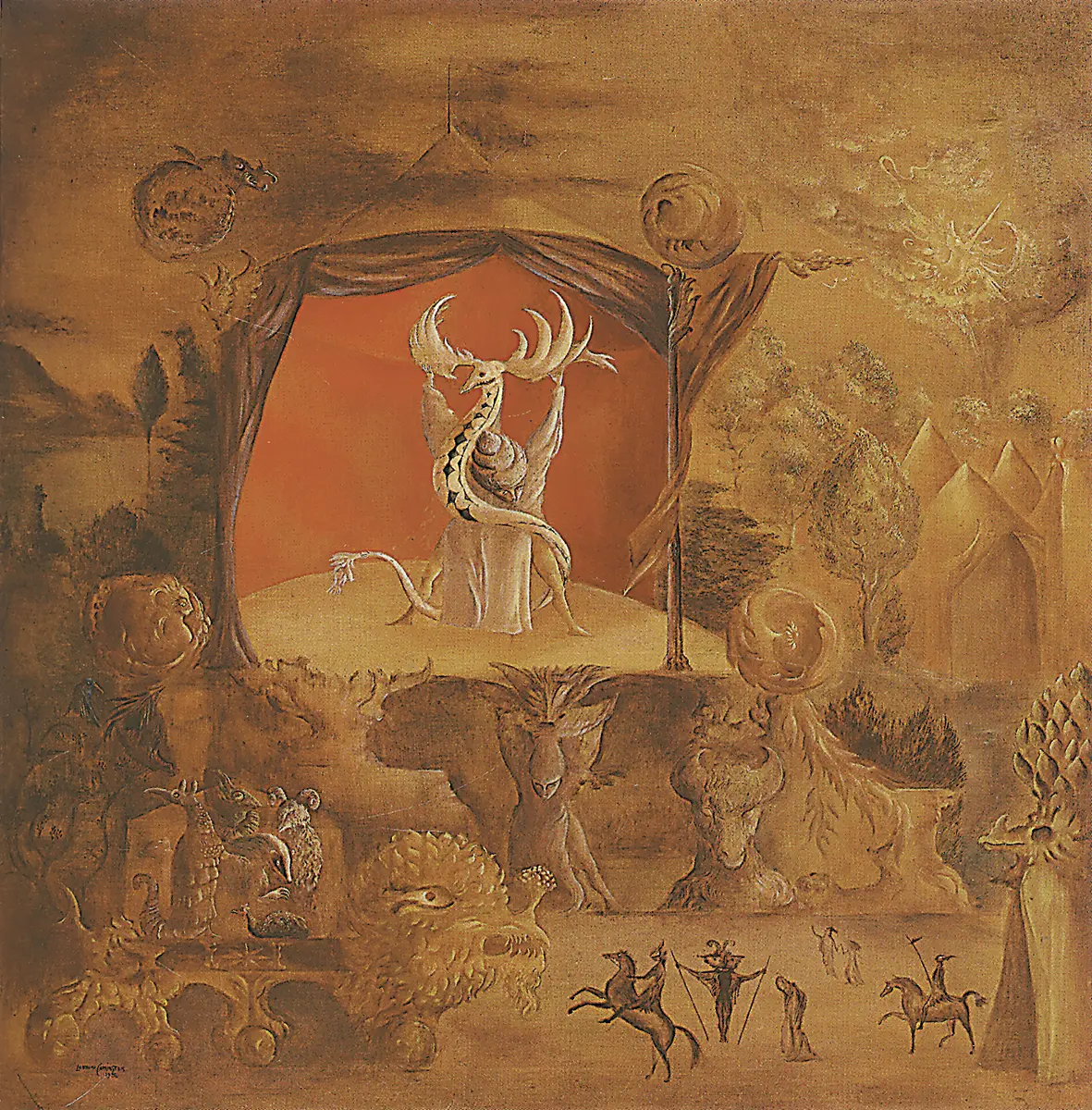
Other important Mexican works sold at Christie’s included the cover lot, Leonora Carrington’s Juggler, which carried an estimate of $600,000–800,000 and sold for $713,000, establishing a new world record for the artist. The early Zúñiga sculpture, Desnudo de pie (Nude Standing), from 1944 had been estimated at $70,000–90,000 but had a lot of interest and sold for much higher at $229,000. Pedro Coronel also obtained a new world record when his colorful La guerra florida (The Flower Full War), which had been estimated between $200,000 and $300,000, finally settled at $457,000 after being pursued by at least three determined bidders. The painting came from the collection of Frank and Jayne Fernandez, American expatriates who moved to Mexico in 1957 when Mr. Fernandez became the director of the Mexican office of Eastman Kodak. The collection also included a series of excellent works by Gerzso and Dr. Atl, all of which sold very well.
Ramos Martinez’s La India (Indian Woman) almost doubled the high estimate at Christie’s when it realized $2,169,000 (est. $800,000–1,200,000), marking the artist’s continued success at the higher price levels attained during the two previous seasons. At Sotheby’s, another Martinez, La niña de las flores blancas (The Girl with the White Flowers), also surpassed the estimated $250,000–350,000, selling for $517,000. At the other end of the aesthetic spectrum, the abstractions of Mathias Goeritz also maintained a high price level for this artist. His Mensaje (Message), a radiant work of gold leaf on wood, had been estimated at $200,000–300,000 and sold at $265,000.
There were two successful highlights of Colonial art at Sotheby’s. José María Velasco’s El Valle de Mexico desde el Cerro de Santa Isabel (The Valley of Mexico from Saint Elizabeth´s Hill) had been estimated at $180,000–220,000 and more than doubled the high estimate, selling at $553,000. An anonymous eighteenth-century Mexican painting of the Virgin of Guadalupe —in a very elaborate, silver Baroque frame with candlesticks— had been estimated at $60,000–80,000 and achieved an incredible $481,000.
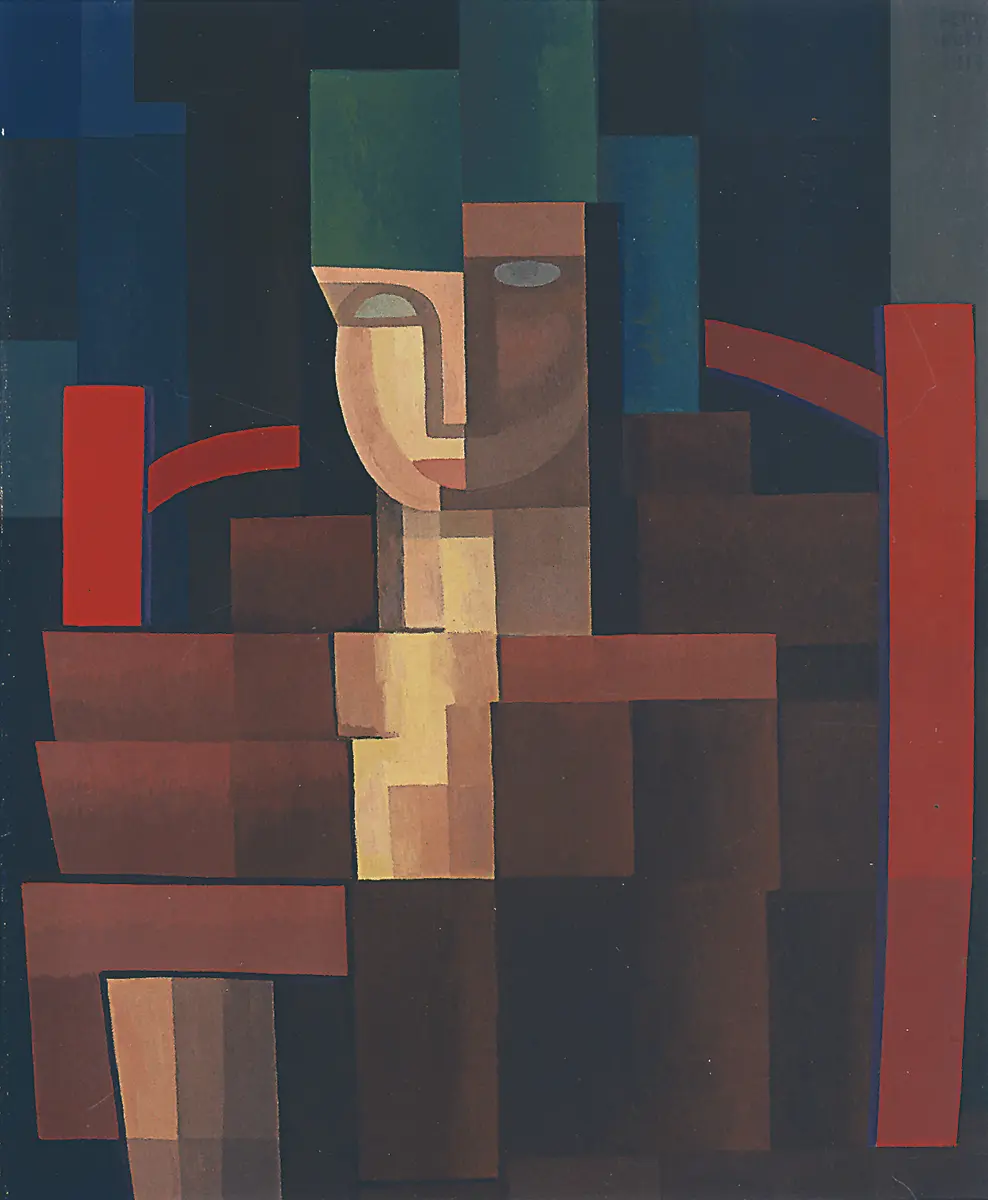
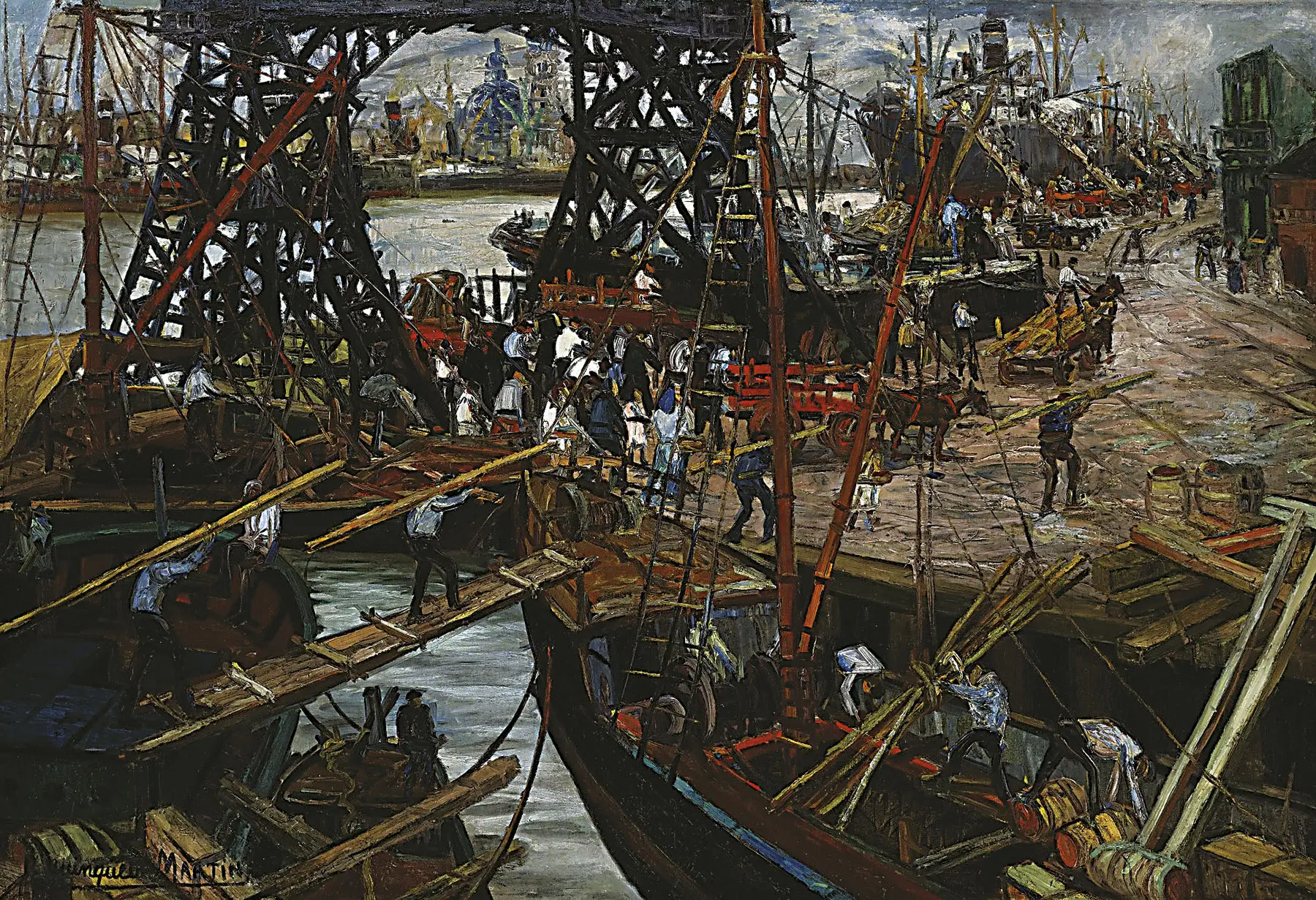
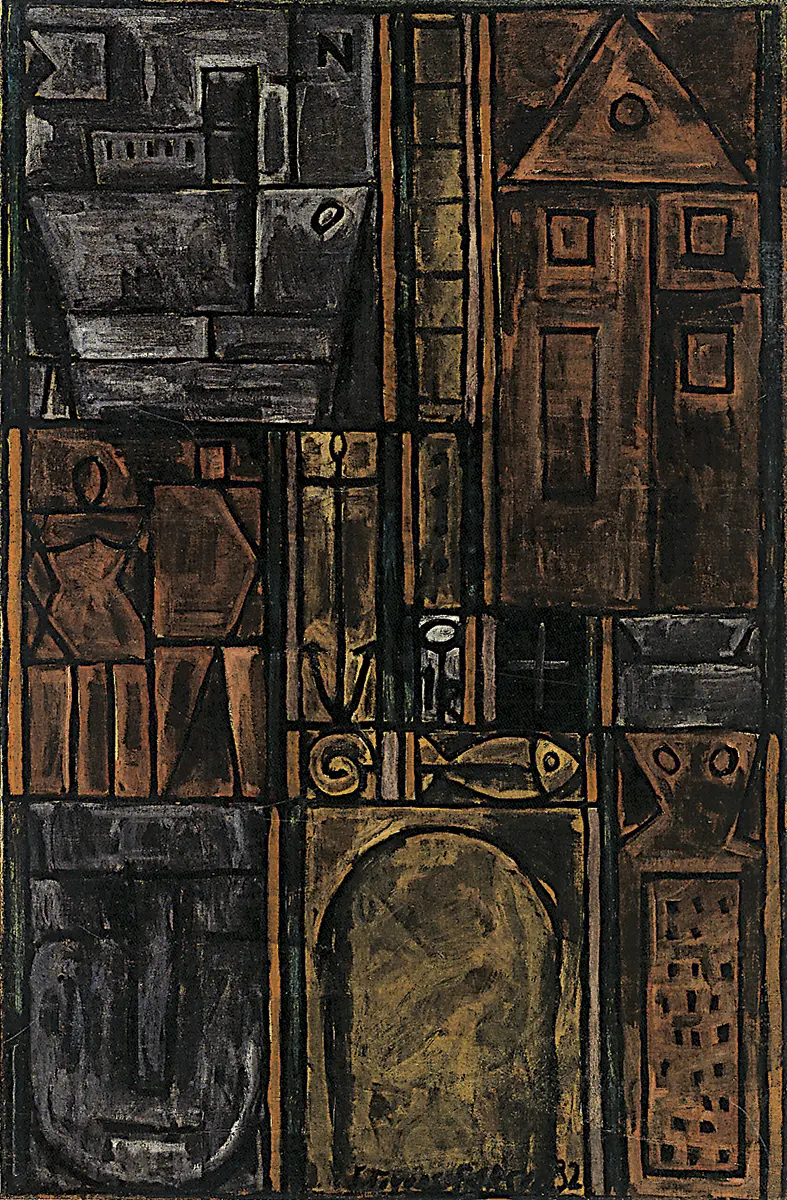
Sotheby’s sale achieved twenty-five new world records. Among these was a new record for Torres Garcia —his Constructif Mystérieux had been estimated at $1,100,000–1,400,000 and sold for $1,721,000— and two records for Pettoruti: the first for an oil on canvas, La señorita del sombrero verde (The Young Lady in the Green Hat), which had been estimated at $300,000–400,000 and sold for $629,000, and the second for a work on paper, Espansione dinámica (Dynamic Expansion), which went beyond the estimated $60,000–80,000 to sell for $265,000. Even the traditional and more conservative sector of Argentinean collectors rose to the challenge of the new price levels. A new record was obtained by Quinquela Martin’s El Puerto de Buenos Aires (The Buenos Aires Port), a very nicely sized view of the Buenos Aires port has always been his predominant subject of choice. The painting had been estimated at $90,000/120,000 and sold later in the sale for an amazing $421,000, but even more amazing considering that it was far surpassing the previous record of $76,000, which was obtained only a year ago, when the very same picture sold at Drouot in Paris.
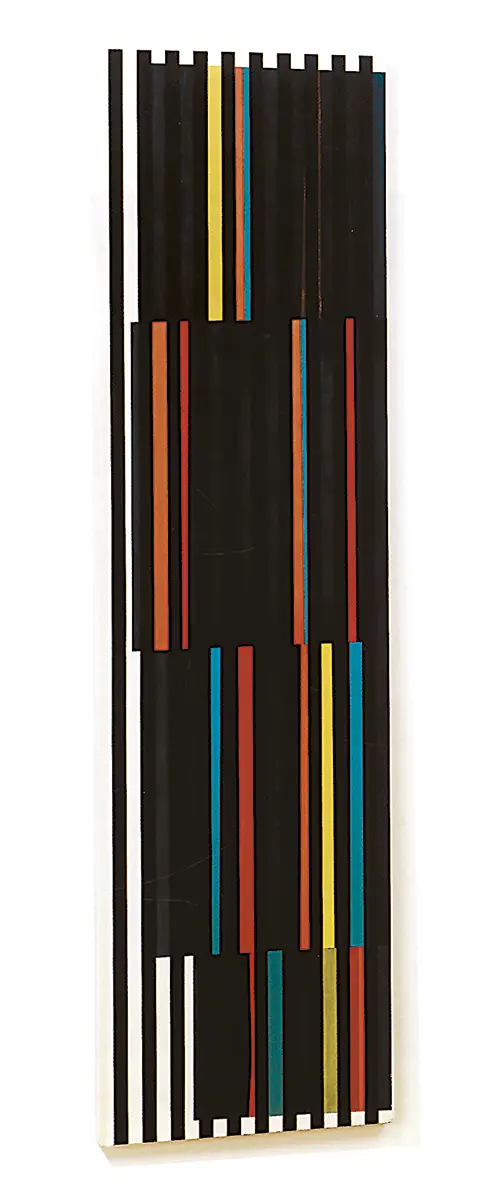
Both auctions had continued success with contemporary works, particularly the works of Kinetic artists. Soto surpassed expectations at Christie’s evening sale, when both lots were sold high above the estimated prices. The first, Trois colonnes blanches (Three White Columns, mislabeled in the catalog as Pink Column), had an estimate of $200,000–300,000 but it attracted a lot of interest and sold at $481,000, a new record for the artist. The second Soto, Gris et couleur, carried an estimate of $80,000–120,000 and realized $265,000, more than double the high estimate. Sotheby’s also had two works by Soto, and in both cases they surpassed the high estimates: the first, Fiesta, had been estimated at $150,000–200,000 and sold for $265,000; the second, Esfera Virtual (Serie Orinoco) (Virtual Sphere from the Orinoco Series), did even better, it carried an estimate of $80,000–100,000 and sold for $313,000.
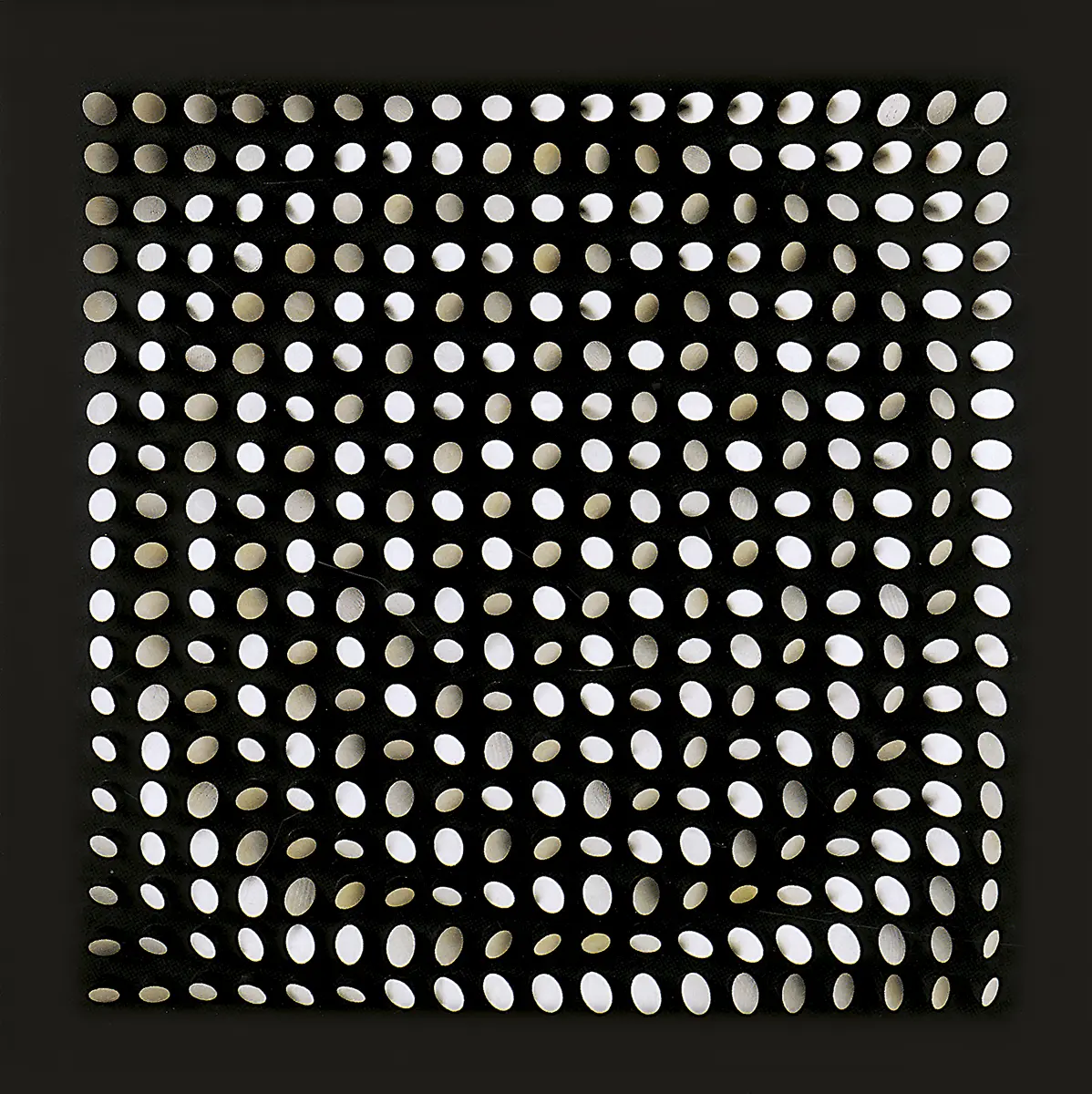
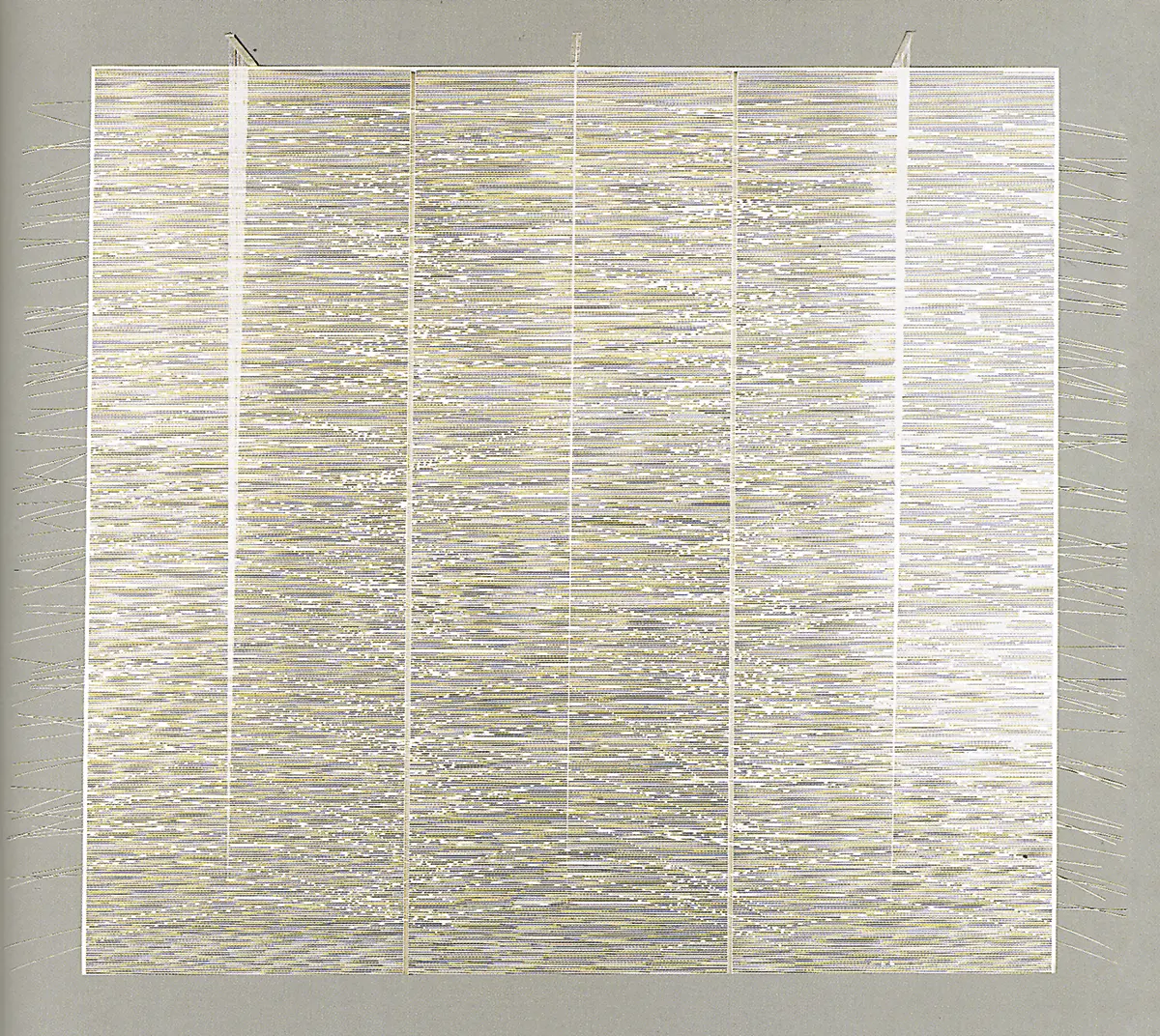
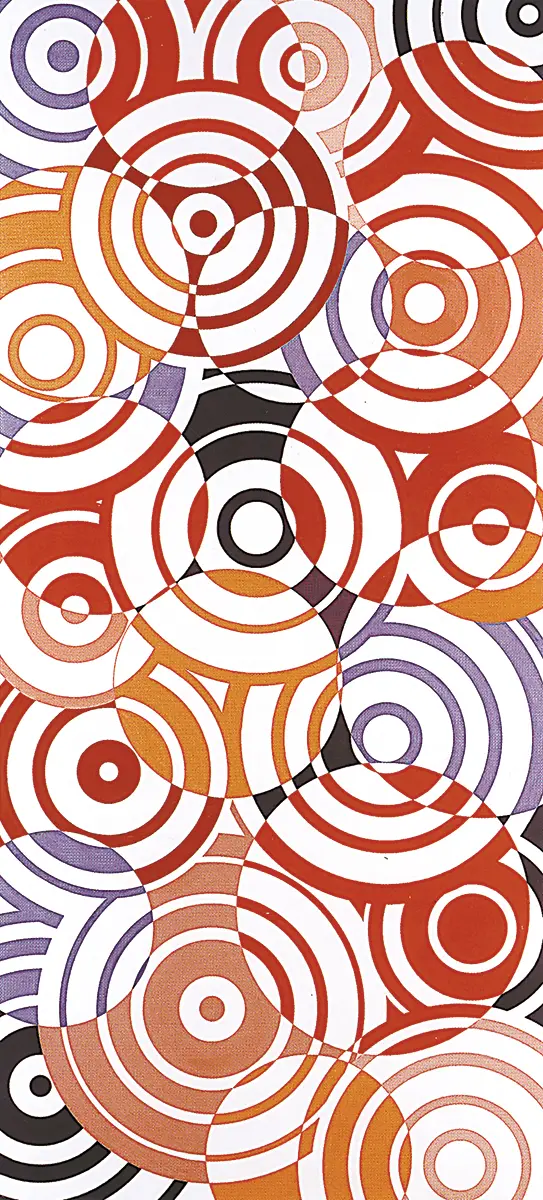
But perhaps no other success was greater in proportion than the one attained by Julio Le Parc’s Ordination D’Une surface, Vitesses Progressives de Rotation (Ordination of a Surface, Progressive Turns of Rotation), which was offered at Sotheby’s with an estimate of $40,000–60,000 and surpassed all expectations by achieving a new world record for the artist at $313,000. This artist has a wide and interesting output of work that until now had been more appreciated in Europe than in the Latin American auctions. This sale proved that this may quickly change and that Le Parc is on his way to becoming a pillar of the contemporary sector of the auctions along with an entire generation of Argentinean artists, including Luis Tomasello and Martha Boto. These Kinetic artists developed an international language when they moved to Paris in the 50s and are only now gaining serious attention from all collectors of Latin American art. Martha Boto had a piece at the Sotheby’s auction, Intercessions lumineuses, which had been estimated at $20,000–25,000 and sold above it at $37,000, making a world record for the artist. Antonio Asis’s Red Spirals (No. 12) was offered at Christie’s with an estimate of $30,000–40,000 and sold for $51,400. Luis Tomasello’s Reflection No. 75 was offered at Christie’s with an estimate of $50,000–70,000 and realized $67,000 while his Atmosphere Cromo-Plastique No. 77 at Sotheby’s carried an estimate of $60,000–80,000 and sold very well at $79,000. The continuing appreciation of the generation of Kinetic artists cross the boundaries of nationality. The Venezuelan Alejandro Otero’s Colorythm 69 had an estimate of $150,000–200,000 at Sotheby’s and sold for $409,000, doubling the high estimate and setting a new world record for the artist.
The interesting case of Carlos Cruz-Diez’s double record-breaking works at Sotheby’s illustrates the acute interest in this area of the market: first his Physichromie No. 437 went beyond the estimated $70,000–90,000 to sell for $169,000 in the evening sale, but the next day his Physichromie No. 743 sold for $205,000, creating a new world record in less than twenty-four hours.
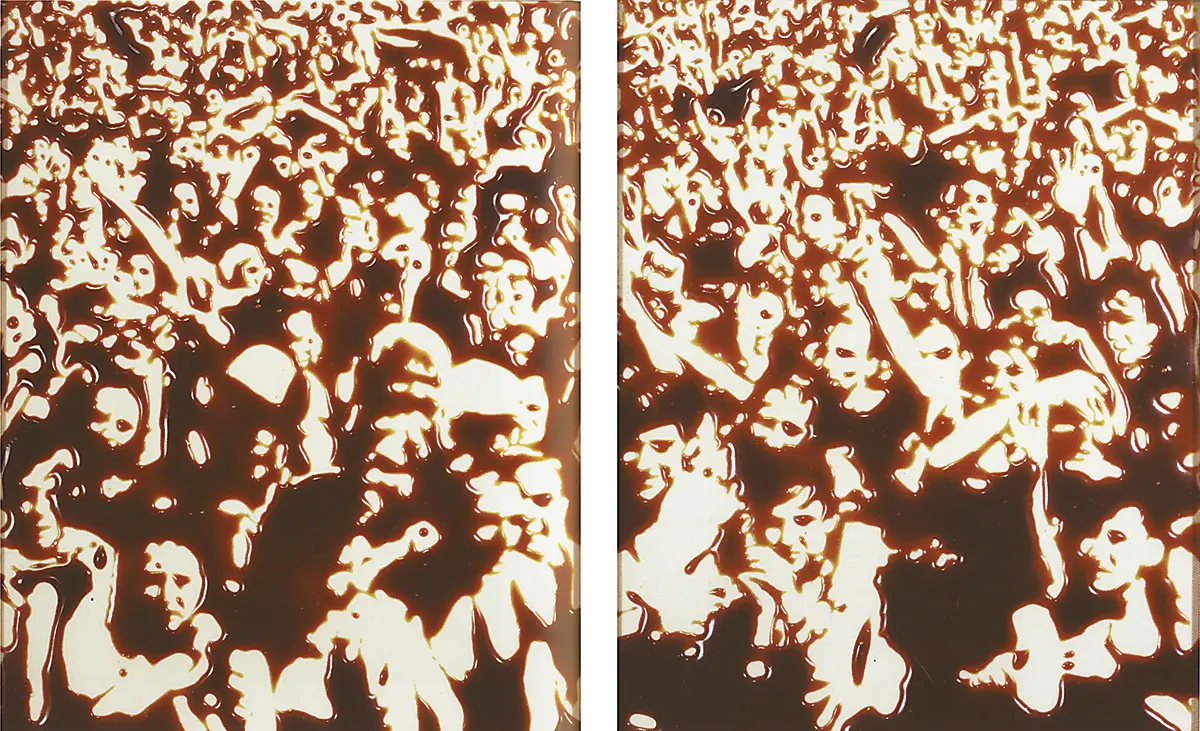
From Brazil, Sergio Camargo’s White reliefs (No. 357) had an estimate of $40,000–60,000 and realized $169,000 at Sotheby’s, while at Christie’s, his Relief No. 282 had been estimated at $150,000–200,000 and realized $289,000; even his very small No. 120 sold over the estimated $60,000–80,000 at $85,000. Adriana Varejao’s Irezumi com padrão de cerámica (Irezumi with pottery pattern) at Christie’s had been estimated at $80,000–120,000 but it sold at $193,000; it was a beautiful piece of painted cowhide that had been used in a performance. At Christie’s, Vik Muñiz had a piece form his chocolate series, Mass, which performed very well, surpassing the estimated $40,000–60,000 and selling at $109,000. At Sotheby’s, Mira Schendel’s Untitled surpassed the high estimate to sell at $85,000.
Similar to the trends in the current world of international finance, Latin American art presents the same fragmented slices of market growth. These sales, on one hand, can be seen as the triumph of traditional Latin American art as represented by the huge success of Tamayo. The May sales were certainly the first time that his work surpassed the price records for all Latin American art previously held by Frida Kahlo and Diego Rivera. On the other hand, other sectors of the market, like works by abstract artists such as Torres Garcia and the Kinetic artists are achieving new price levels.
Confronted with this new world of high prices and continued growth for Latin American art, I asked Carmen Melián, head of the department at Sotheby’s, for advice for collectors new to the field: whether they should start with the classics, concentrate on the contemporary, or do both. She advised collectors to choose first what they love, then to educate their eyes and acquire as much knowledge in the area and about the artists as possible to make the best decisions for collecting. The same question posed to Christie’s Margarita Aguilar elicited this response: to include the best from each area and to concentrate on the quality while making sure all areas—classical, contemporary, and colonial—are well-represented.
Surely, there is no doubt that Latin American art is today an active participant in the international art scene, and it is still growing, which is the best news for invigorating auctions in the future.
Christie’s total, at $33,861,360, was the highest-ever figure for any Latin American art sale. The combined evening and day sale was 87% sold by value, 82% sold by lot.
Sotheby’s total was $28,141,600. The combined evening and day sale was 80.4% sold by value, 90.0% sold by lot.
ALBERTO BARRAL
Art dealer, New York.