
Upon entering El Museo del Barrio’s most
recent exhibition, Arte No Es Vida: Actions by Artists of the Americas,
1960–2000, the visitor was first greeted by a grainy, black-and-white video
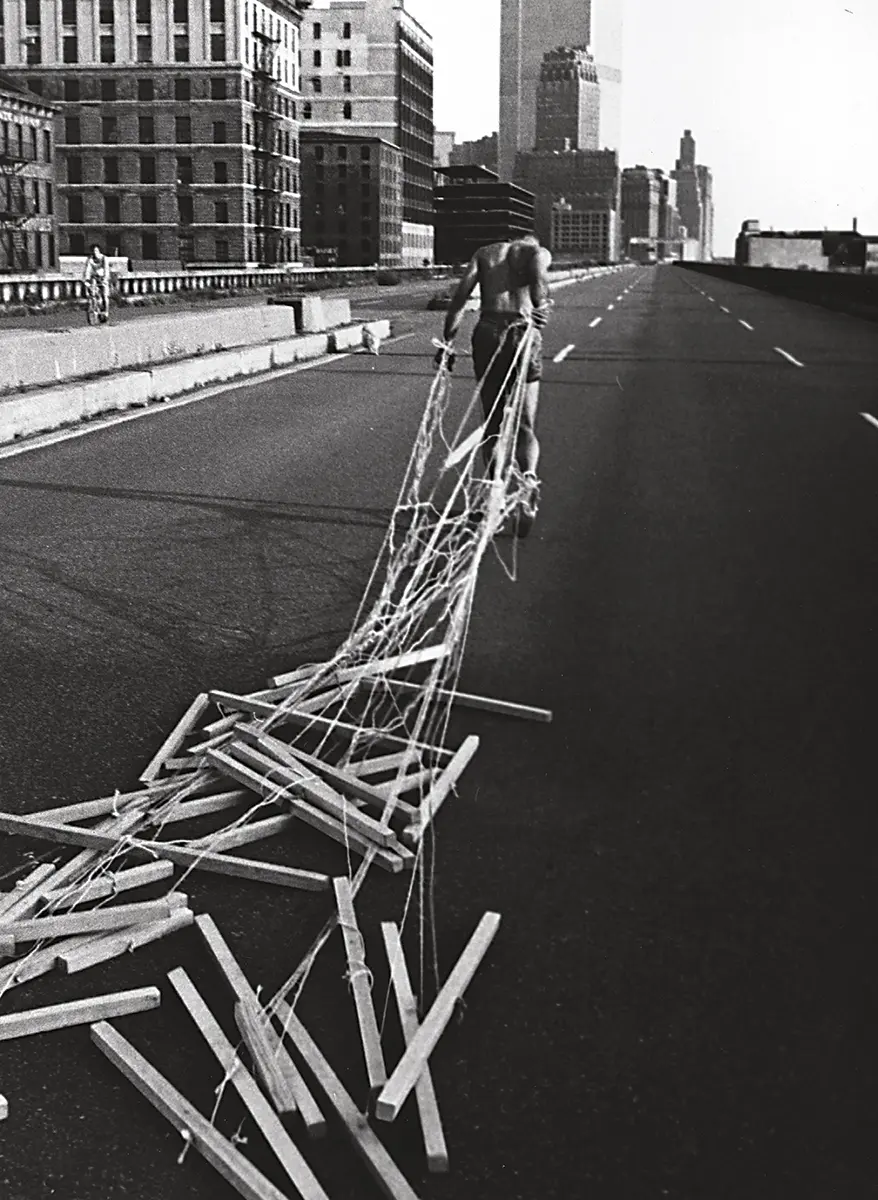
titled Superman. It documented 1977
performance by the conceptual and performance artist Papo Colo. Weighted down
by fifty-one pieces of lumber, Colo ran along the West Side Highway until he
collapsed from exhaustion. The piece was intended as a metaphor for the
political reality that marks the relationship between the United States and
Puerto Rico. Unable to gain the status of statehood, the island is destined to
be in a state of dependency. Through his performance, Colo addressed his
reaction to this reality and the way it is perceived and interpreted; he fell,
finally, due to the weight he had borne, the labor he had purposefully
undertaken.
The fact that this video greeted the visitor to the exhibition was significant for many reasons. Perhaps most importantly, it acknowledged the history of Puerto Rican art and thus linked the institution with its own history—its past as a museum of Puerto Rican art—and underscored a significant word in the exhibition’s title, Americas. The location of Colo’s performance in New York City emphasized the scope of the exhibition and the significance of this perspective, which places Latino performance art firmly within the history and presence of Latin American performance.
This was only one of the many significant issues indirectly addressed in this exhibition. Among others were military dictatorships, civil wars, disappearances, invasions, brutality, censorship, civil rights struggles, immigration issues, discrimination, and economic impasses. With a host of ephemeral material—a veritable archive of events, happenings, acts, performances, proposals, interventions, and installations—this mammoth exhibition was the first of its kind. In addition to letters, journals, photocopies, and other ephemera, the exhibition included important videos, photographs, texts, props, and other works of art. Over seventy-five individual artists and collectives were represented in the exhibition.
The museum’s original plan was to mount the exhibition following extensive renovations; schedule adjustments meant that it had to be moved earlier. It was a titanic task, undertaken with a great deal of integrity, comprehension, and elegance by El Museo’s curator, Deborah Cullen. She noted: “The exhibition title challenges the commonplace idea that art is equivalent to live, and life is art. What is proposed through these many works is that while art affirms and celebrates life with a regenerative force, and sharpens and provokes our critical senses, artistic actions which address inequalities and conflict are not equivalent to real-life endured under actual repression.”
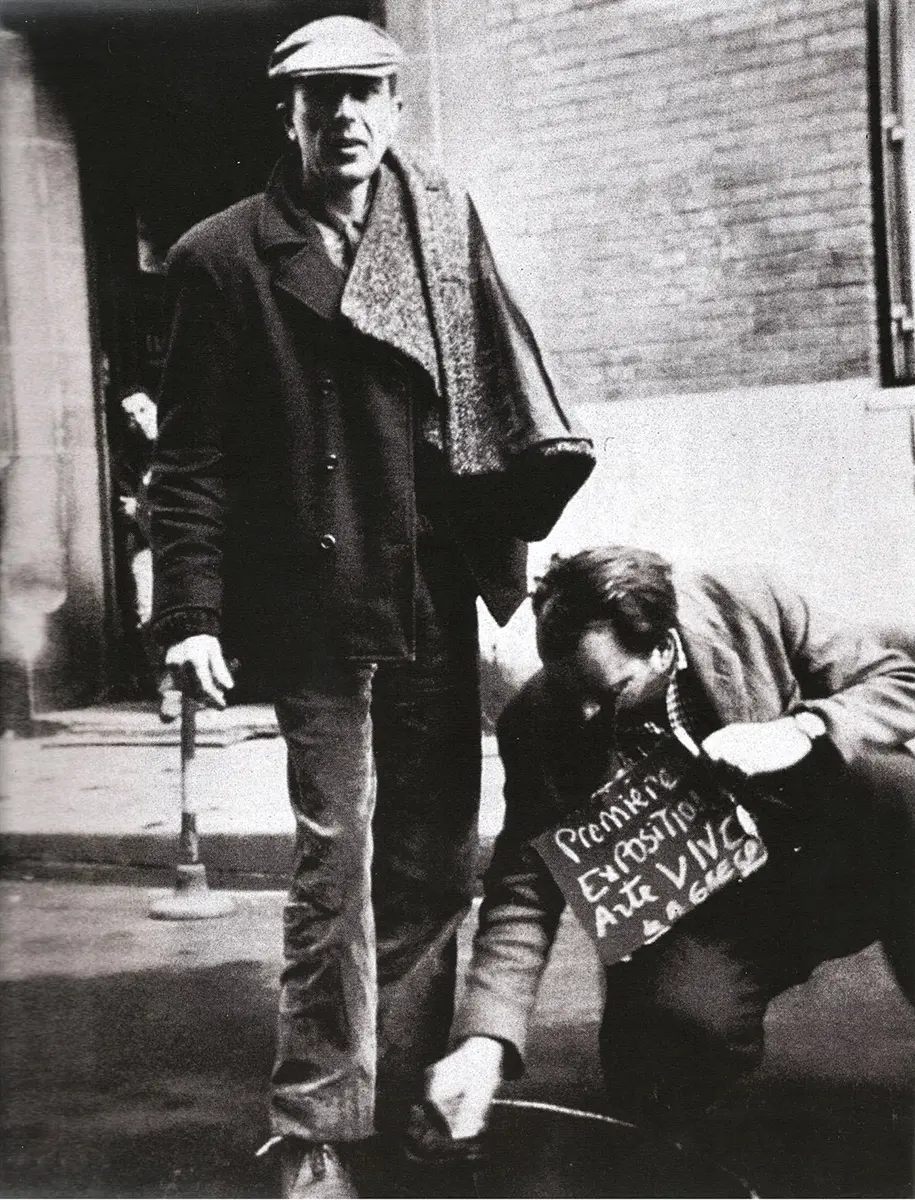
The beautifully installed exhibition featured work at every turn that immediately drew the viewer’s attention. Early in the exhibition, a typewritten manifesto written by Alberto Greco stated: “VIVO-DITO art is the adventure of the real, the urgent document, direct and total contact with things, places, people, creating situations, the unexpected.” (In the original Spanish: “El arte VIVO-DITO es la aventura de lo real, el documento urgente, el contacto directo y total con las cosas, los lugares, las gentes, creando situaciones, lo imprevisto.”) The text was displayed in the section titled Signaling, which featured key precursors and early gestures in the history of performance works. There were four main sections in the exhibition, each addressing a decade of works. Within these sections were subcategories marking affinities between works by artists from different countries and cultural and social contexts.
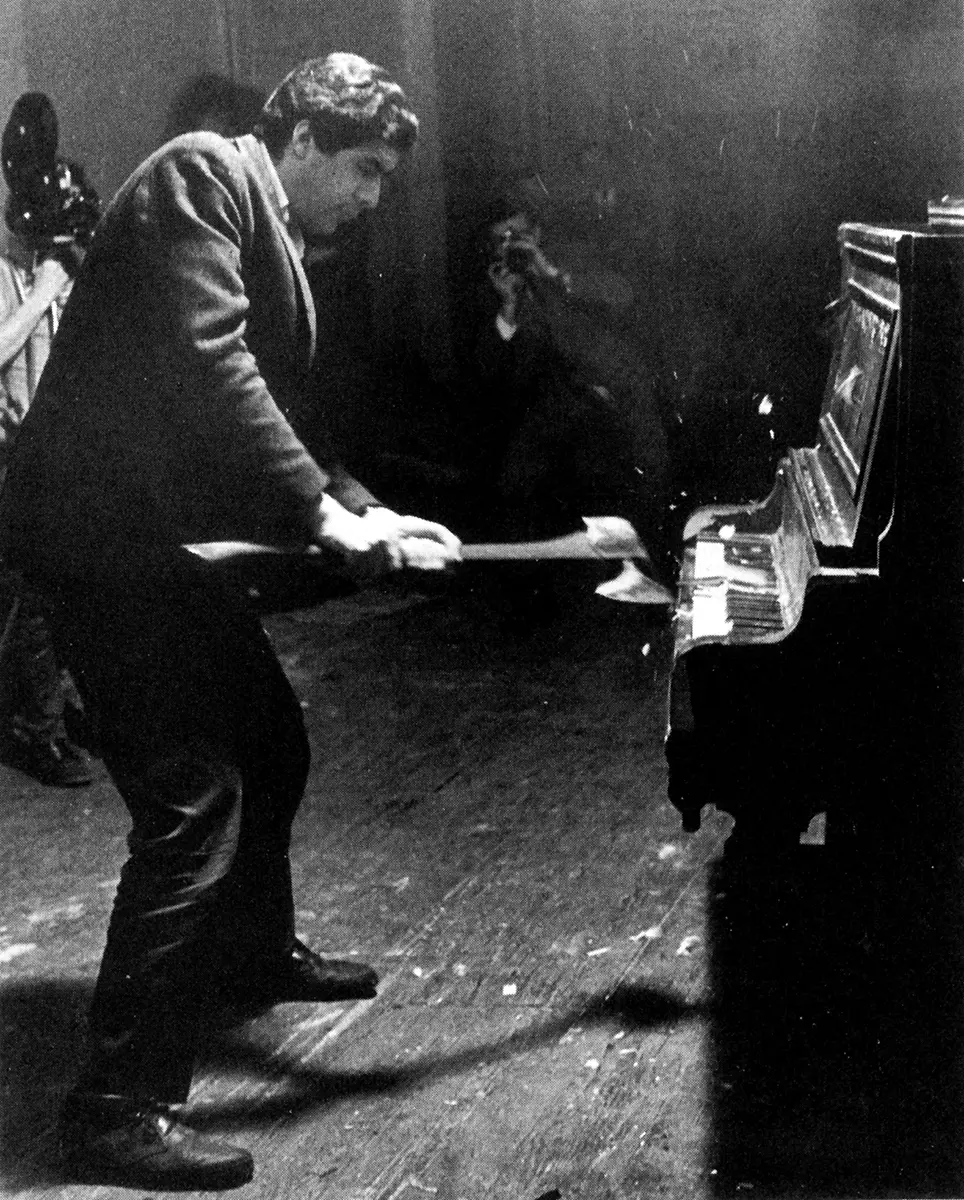
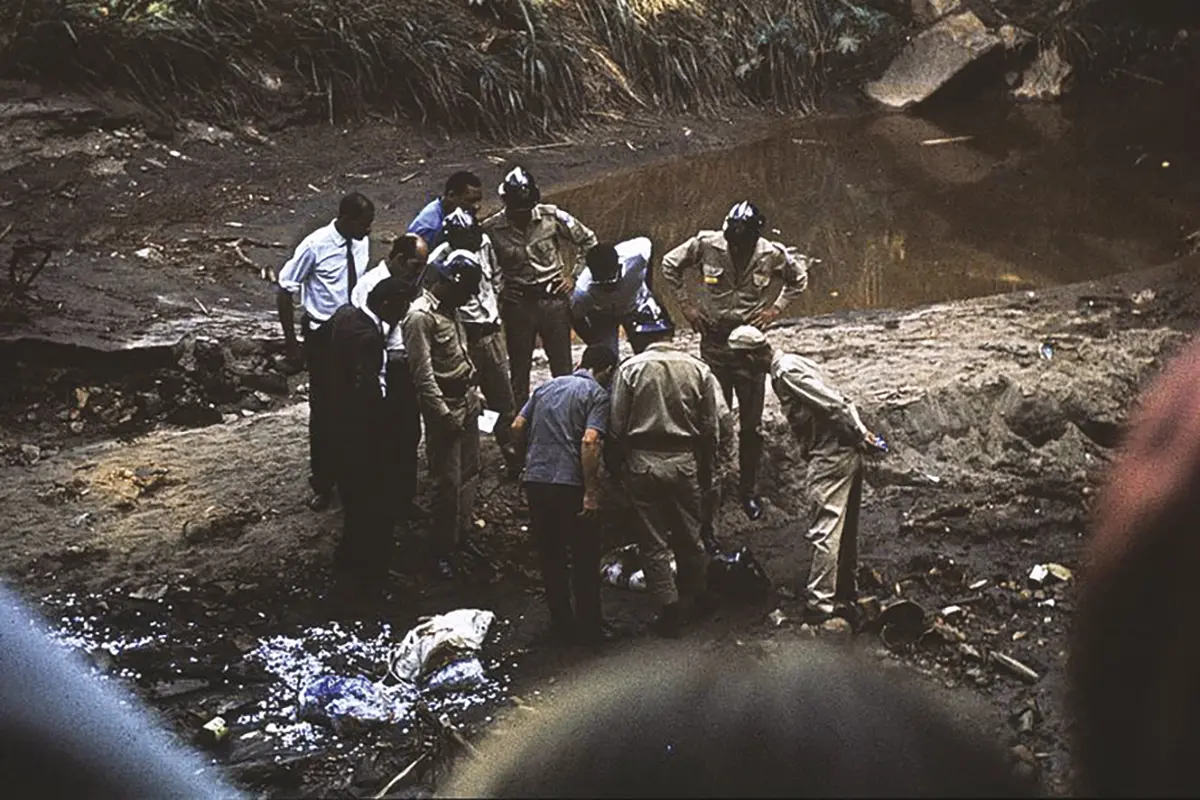
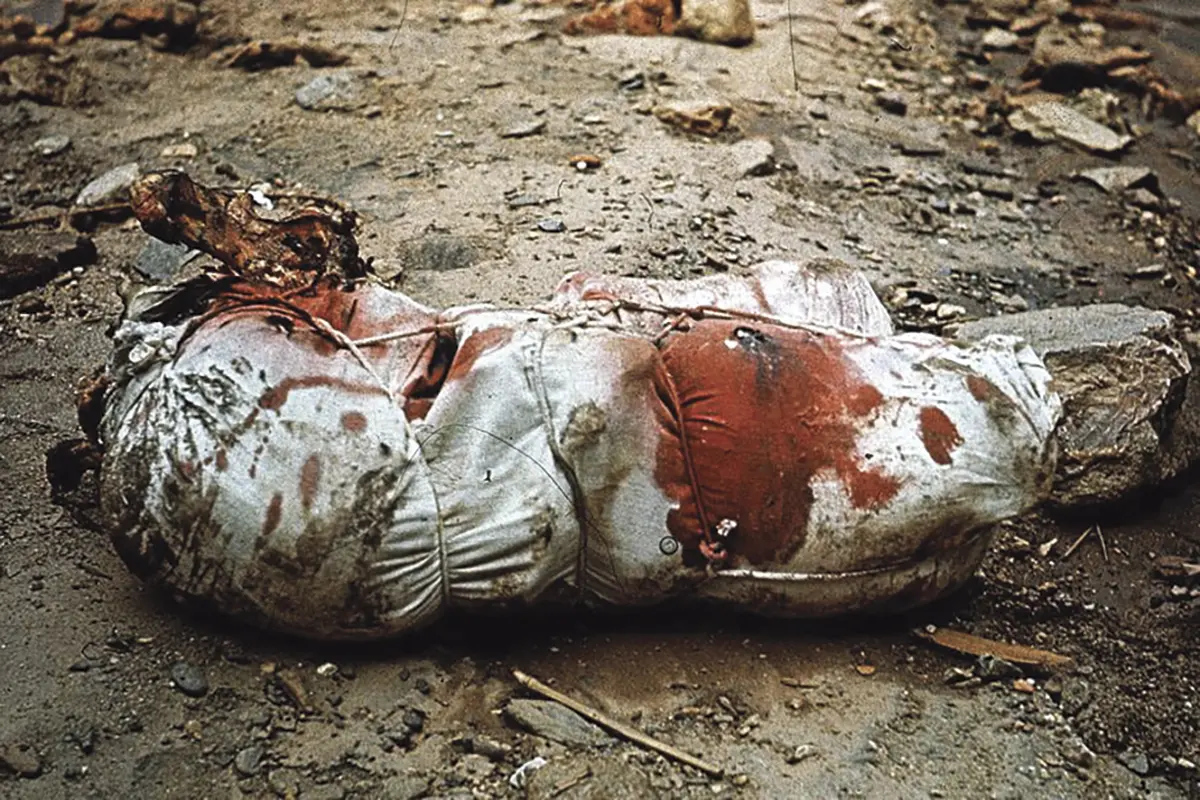
Following Signaling was the Destructivism section that featured a little-known movement in which a number of international artists participated. Key figures included Raphael Montañez Ortiz and Marta Minujín. Among the most moving work in this gallery, however, was a series of interventions into the public space by Arturo Barrio (born 1945, Portugal; lives in Brazil). From 1968 to 1970, the artist created a series titled Trouxas Ensanguentadas: SITUAÇÃO, in which forty-four pounds of meat and bones were wrapped in fabric. Under the cover of darkness, the bundles were placed at various sites—along rivers, drainage ditches, sewers, and streets—to allude to “disturbing and mysterious bundles.” The chilling and unmistakable reference to the disappeared made this artistic gesture not merely relevant but also specific to the experience of many countries in the Americas of this period.
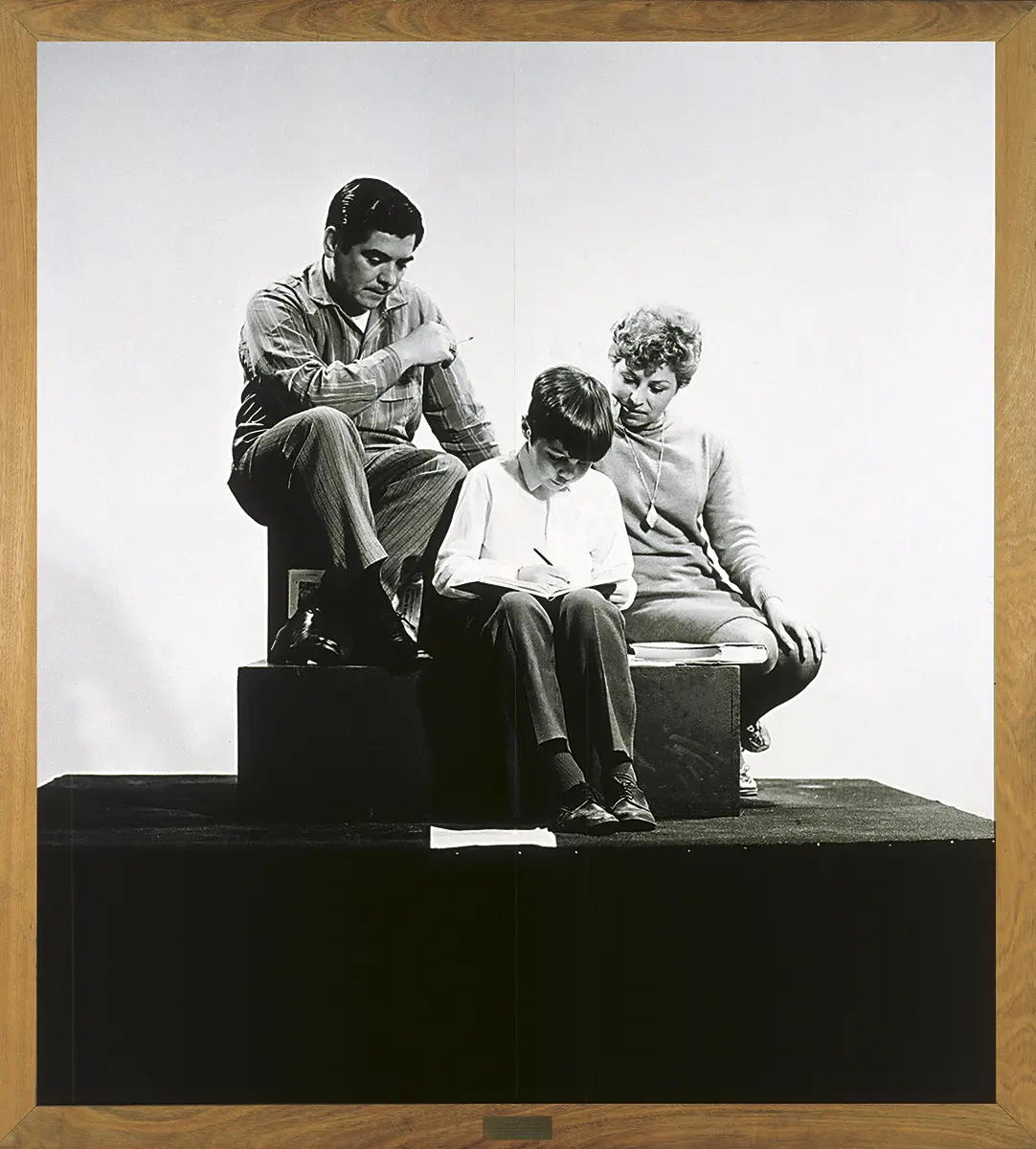
Another arresting work was by Oscar Bony (born 1941, Posadas, Argentina; died 2002, Buenos Aires): a nearly life-size photograph of a family seated upon a pedestal platform. In posing for the artist, they were paid twice their regular wages, which called attention to the labor issues that raged in Argentina during the late 1960s and the 1970s. These same issues also ignited a series of installation/interventions by the group known as Tucumán Arde, whose projects were also included in this exhibition.
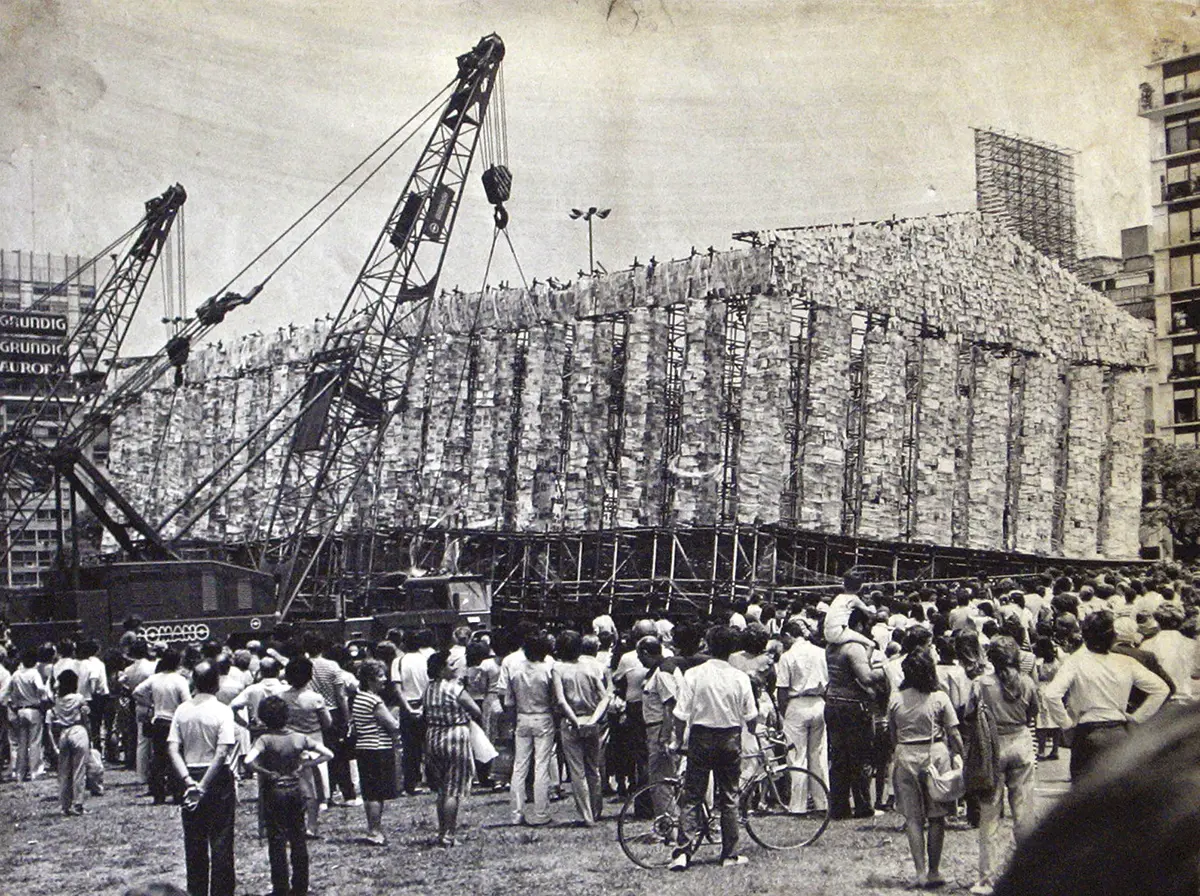
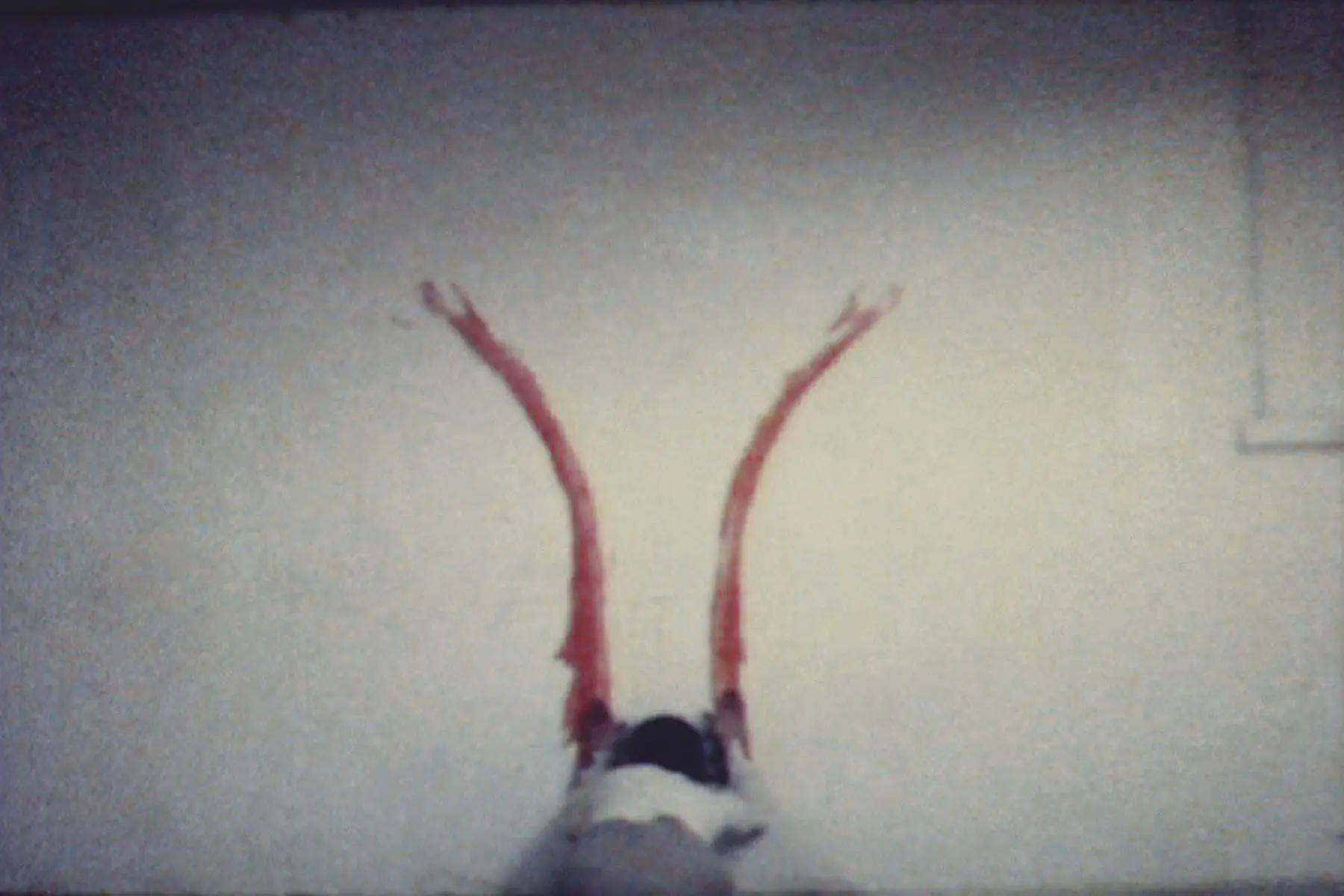
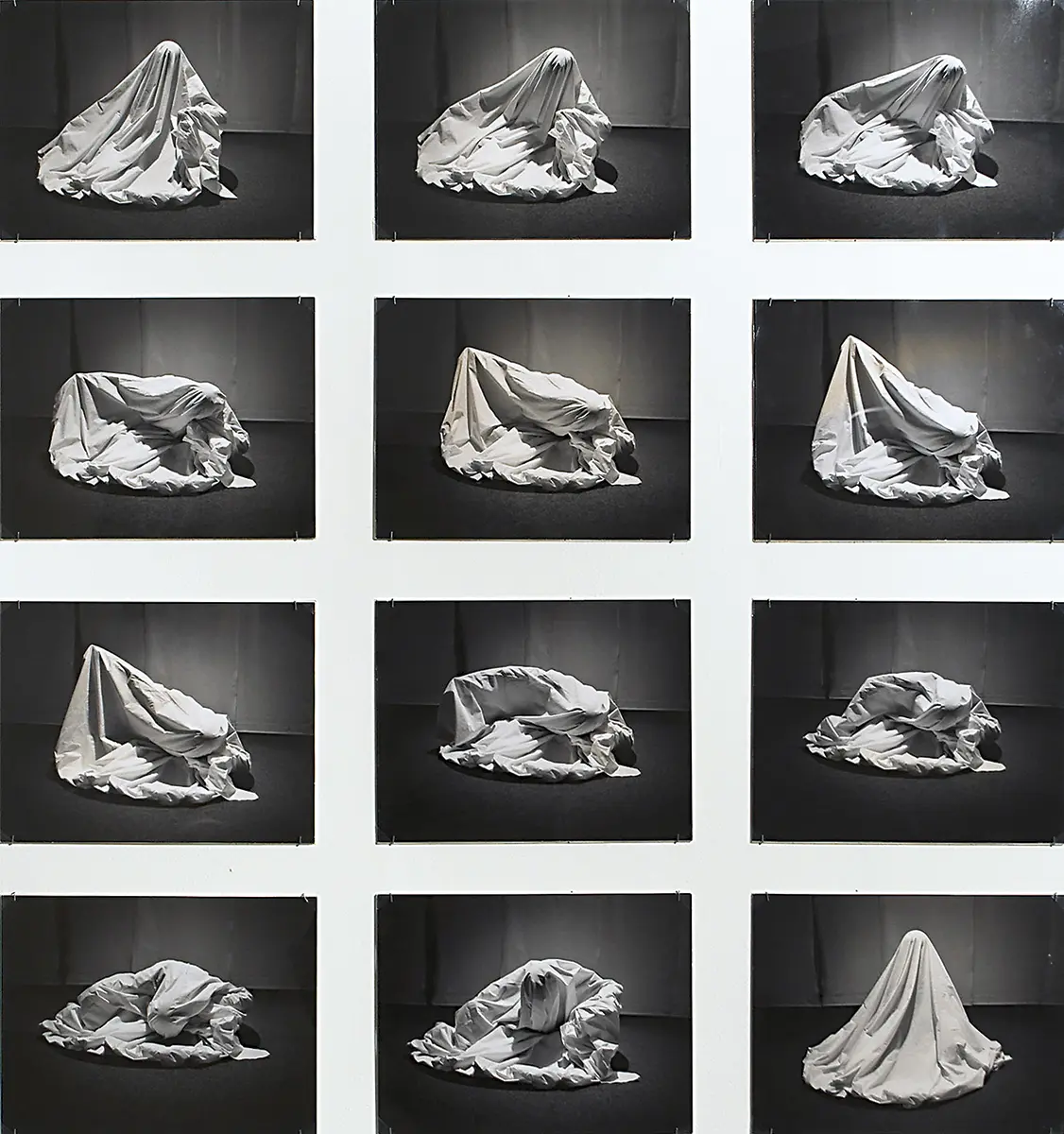
Perhaps the most fascinating section of the exhibition was the one titled Land/Body. Among the expected inclusions, like Ana Mendieta, the Peruvian artist Jorge Eielson (born 1924, Lima; died 2006, Milan) was represented by an engaging work. In a performance in Dusseldorf in 1974, the artist performed his Paracas Pyramid. With his body covered by a white sheet, the artist kneeled on the floor, making various vaguely pyramidal shapes to represent the shifting sands of the Peruvian desert. Other artists and groups who coordinated happenings during the 1970s included Teresa Trujillo in Uruguay, Leo Maler in Buenos Aires, Miguel Angel Cardenas in Colombia, Rolando Peña in Venezuela, and Marta Minujín in Buenos Aires and New York. Minujín organized a series of “kidnappings” for the Summergarden series at MoMA in the summer of 1973. For these events, the participating artists’ bodies were painted to resemble works of art from the collection, and they “kidnapped” a number of visitors and took them to significant places and events around the city.
Transnationalism (and transgression) was addressed in the work of Felipe Ehrenberg. In his performance A Date with Fate at Tate, from 1970, the artist was covered with a white hood and entered the Tate Britain. The guards stopped him, and he immediately explained that he was a work of art. Unconvinced, the security guards summoned the police and the artist was forced to leave.
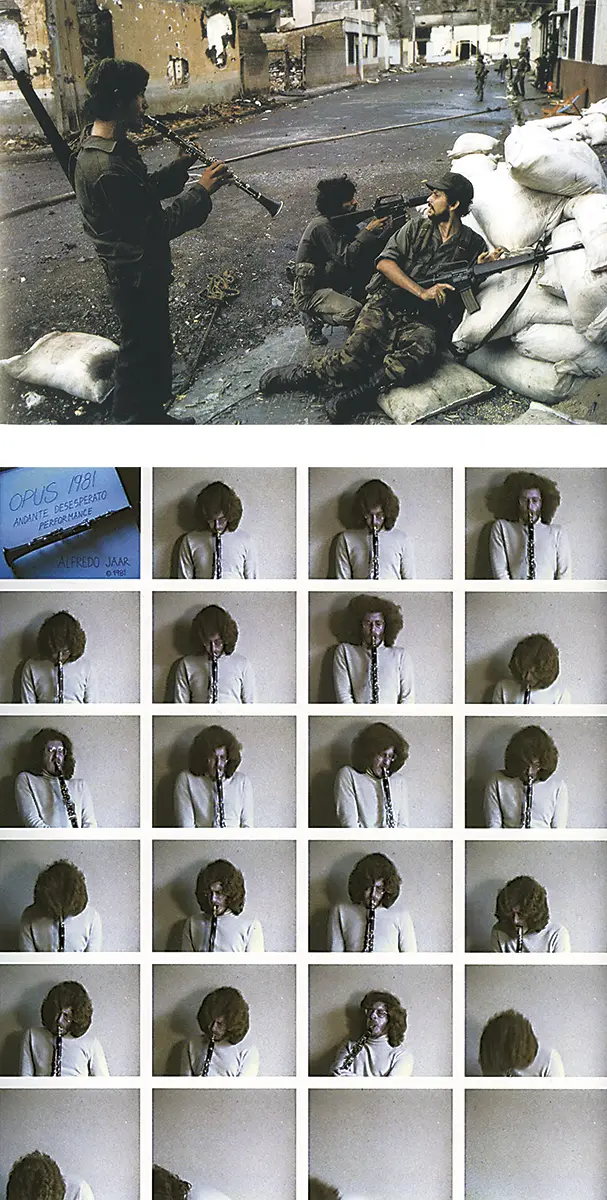
Given the political climate faced by many artists working throughout the Americas during this period, emotions were raised by many of the works, including Alfredo Jaar’s touching Chile 1981, before leaving. In this work, the artist placed a continuous line of small Chilean flags across the landscape, from Chile’s mountainous border with Argentina to the Pacific Ocean. In the same year, he also produced Andante Desperado (1981), a reference to musical composition. Inspired by a photograph of a soldier in Central America playing his clarinet under the direst circumstance, Jaar attempted to play a clarinet until he was exhausted. His fraught playing referred to the precariousness of life under the dictatorship.
Other sections of the exhibition included Diversions, The Enduring Body, and Dreamscapes, and participation from a variety of Latin American countries and the US was carefully recorded. Among the contemporary artists included in the exhibition were important precursors from the 1980s—such as Antonieta Sosa from Venezuela, Geo Ripley, from the Dominican Republic, and Grupo Chaclacayo from Peru—and artists working in the 1990s—like Eduardo Villanes from Peru, Nao Bustamante, Glexis Novoa, Guillermo Gómez Peña and Coco Fusco, ADAL, Elizabeth Sisco, Louis Hock and David Avalos (with their 1993 Art Rebate project), and Santiago Serra.
For the exhibition, a large amount of ephemeral material was gathered, and materials were borrowed from a variety of personal archives. It presented a significant amount of research and consideration of this history of art, one that has been relatively under-recognized. With the exception of Coco Fusco’s book, Corpus Delecti: Performance from Latin America (2000) and a few articles in journals, precious little critical and analytical information about this aesthetic form in the Americas is widely available. With this exhibition, El Museo del Barrio brought to light a crucial body of works by a significant group of artists living and working in the American hemisphere.
ROCÍO ARANDA-ALVARADO
Curator, Jersey City Museum.