
Phantom Sightings: Art after the Chicano Movement, organized by LACMA in conjunction with the UCLA Chicano Studies Research Center, is a cerebral exhibition revolving around the artist and cultural critic Harry Gamboa Jr.’s theorization of Chicano/a culture as a “phantom culture”—one that is underrepresented and under-recognized in the mainstream. Unlike the Chicano/a murals, graphics, and paintings that were used as tools to visualize an otherwise “absent” culture during El Movimiento in the 1960s and 70s, the 120 works featured in this exhibition are another sort of phantom—they were produced by Chicano/a artists (who do not always identify themselves in this way), and are conceptual articulations of the very “social absence” Gamboa identifies.
Appropriately, the exhibition opens with a documentary photograph Spray Paint LACMA (1972), featuring the artist Patssi Valdez standing on a walkway at LACMA, under which the other three members of the collective Asco (or “nausea”)—Gronk, Harry Gamboa Jr., and Willie Herrón III—have spray-painted their names, thereby claiming LACMA as their conceptual work of art. This of course was a reaction to a curator’s ludicrous proclamation that Chicano/a art was absent from the museum’s collection because Chicano artists produce graffiti and not art. Thus marked the tumultuous beginning of the institution’s relationship to Chicano/a art. Two years after this incident, in 1974, LACMA organized its first Chicano/a art exhibition, Los Four, and the following year it presented Chicanismo en el Arte. Phantom Sightings is the first Chicano/a art exhibition to be organized by LACMA since 1975.
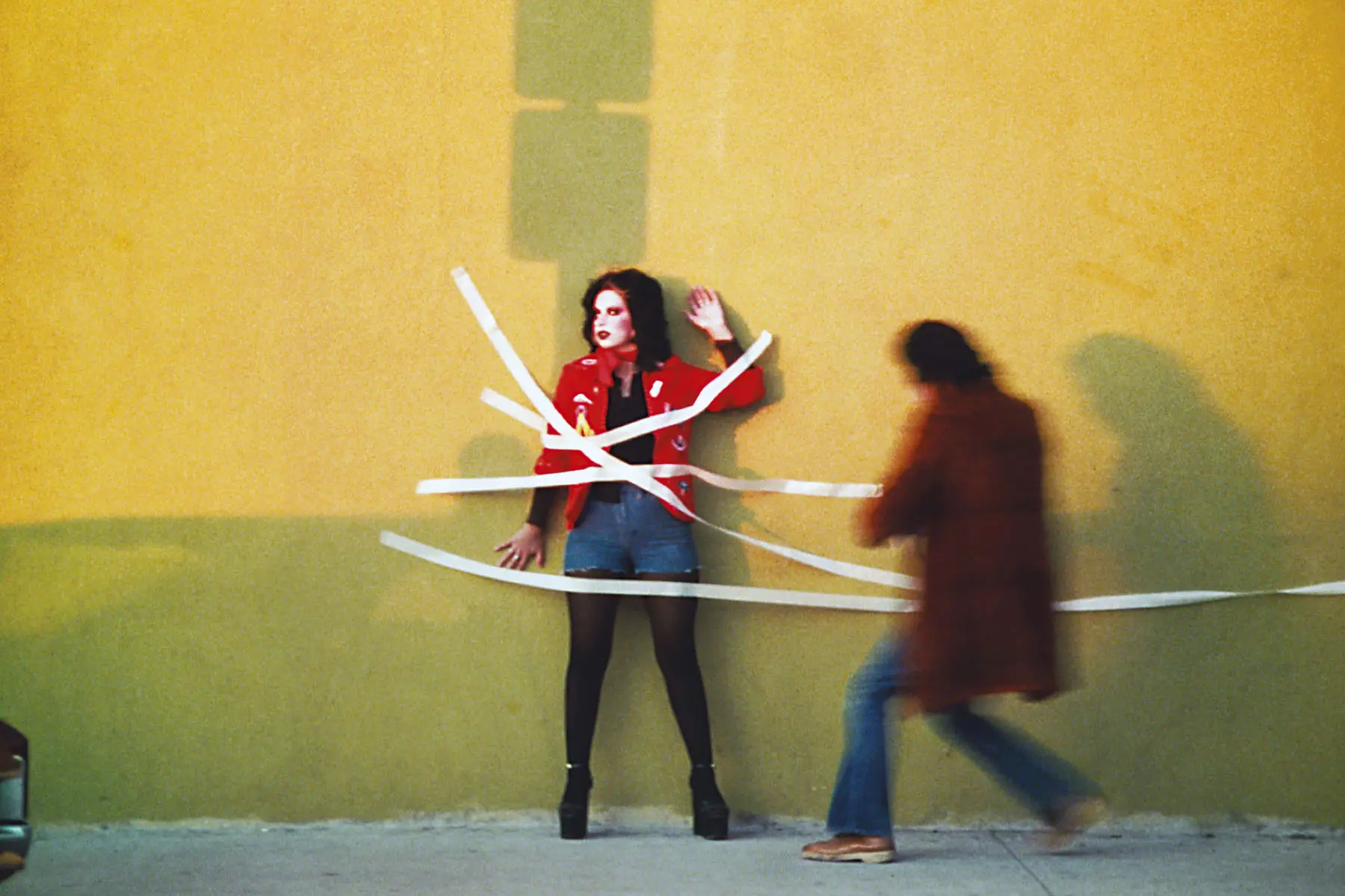
Additional works on display by Asco more directly question the mural format that was popular among Chicano/a artists, including Instant Mural (1974), a photograph of Patssi Valdez being taped to a wall, and Asshole Mural (1975), a photograph of the well-dressed members of Asco flanking each side of a leaky sewage drain pipe. Also on view are photographs of Asco’s street performances First Supper (After a Major Riot) (1974) and Decoy Gang War Victim (1975), and video footage of their performances from 1972 to 1976 plays on a loop. Asco’s conceptual prowess and interest in performance and “guerilla” street interventions, film, photography and American pop culture set them apart from many of their Chicano/a counterparts in the 1970s and here serves as the impetus for the work of the thirty artists of Mexican descent included in the exhibition, who came into prominence during the 1990s or more recently.
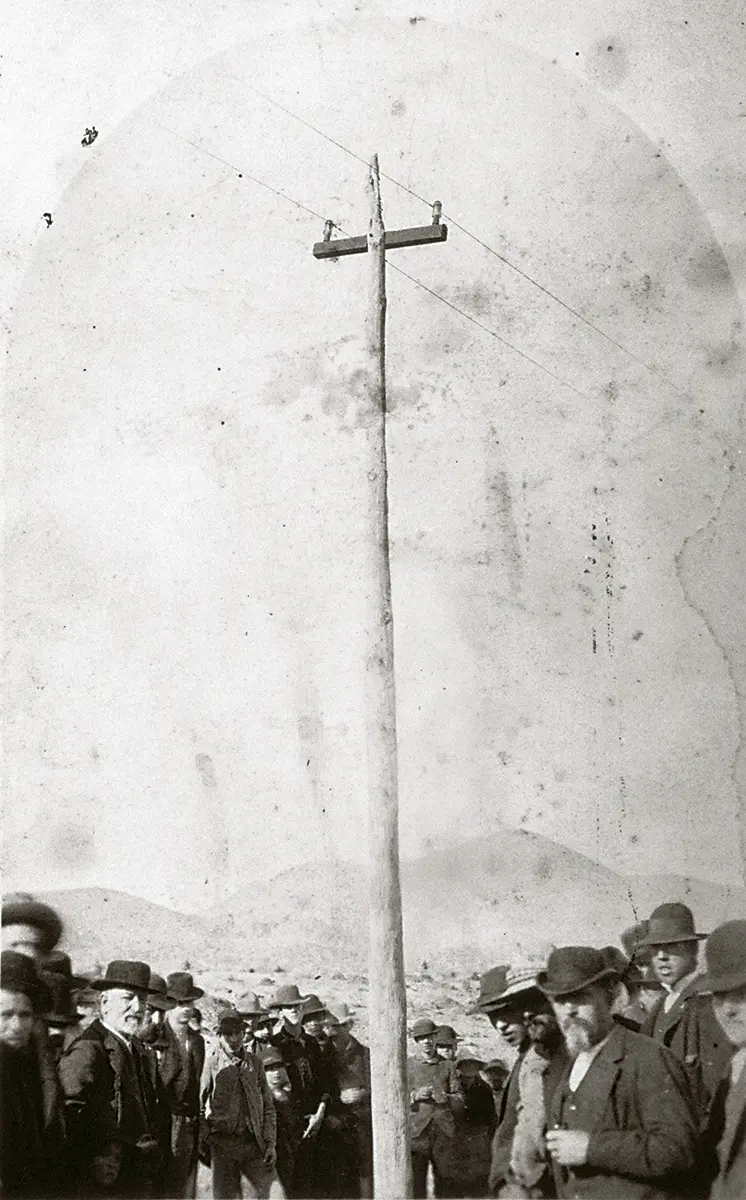
Many of the featured artists turn to research and photographic documentation to draw attention to the overlooked history and experiences of Mexicans and Mexican Americans in the United States. In Sandra de la Loza’s Fort Moore, Living Monument (2008), she and the other members of her Pocho Research Society provide a less idealized and more substantial history of Fort Moore, which was erected by the United States during the Mexican-American war. A video of the Fort Moore Pioneer Memorial in downtown Los Angeles is projected in a room alongside images of the little-known ancient monuments, documentation of lynchings, and high school walkouts, and other ephemera from the commemorated site. Ken Gonzalez-Day’s installation features work from his Erased Lynching series (2004–2006) and invites spectators into a room with two large images mounted on opposite walls, one the negative of the other, appropriated from a late-nineteenth- to early-twentieth-century postcard of a lynching of a Mexican American (a topic Gonzalez-Day knows well, as he is the author of a substantial text on the subject). Here, he has digitally erased the hanged figure, leaving the spectators looking at a tree. As viewers walk through the installation, there own images are reflected on the wall and they are implicated in the scene.
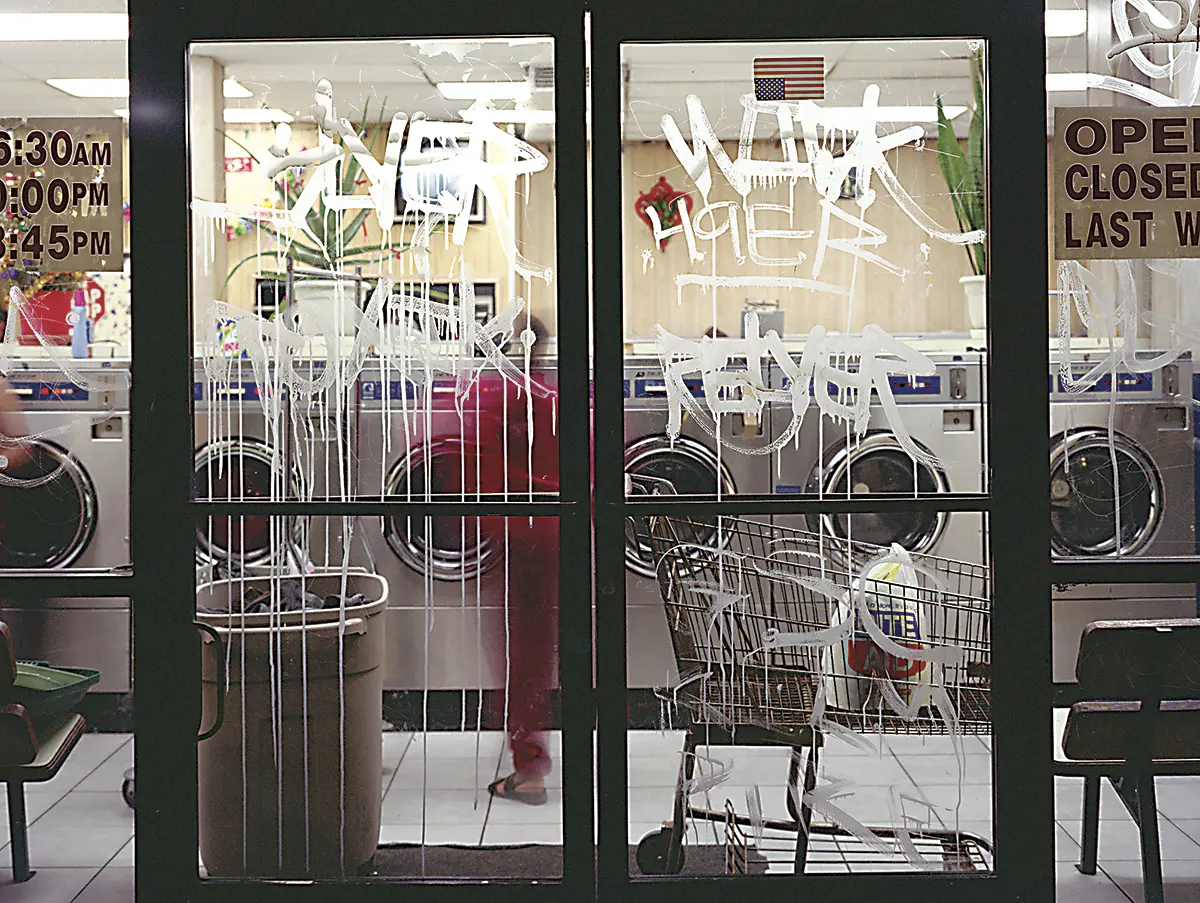
In Christina Fernandez’s photographs of laundromats and polluted landscapes, figures are not seen, but there is evidence of their having been present. Delilah Montoya (who emerged during El Movimiento) presents photographs that likewise document spaces void of figures, such as the paths immigrants have taken to cross the border, complete with campsites and water stations. These spaces appear to be haunted by phantoms.
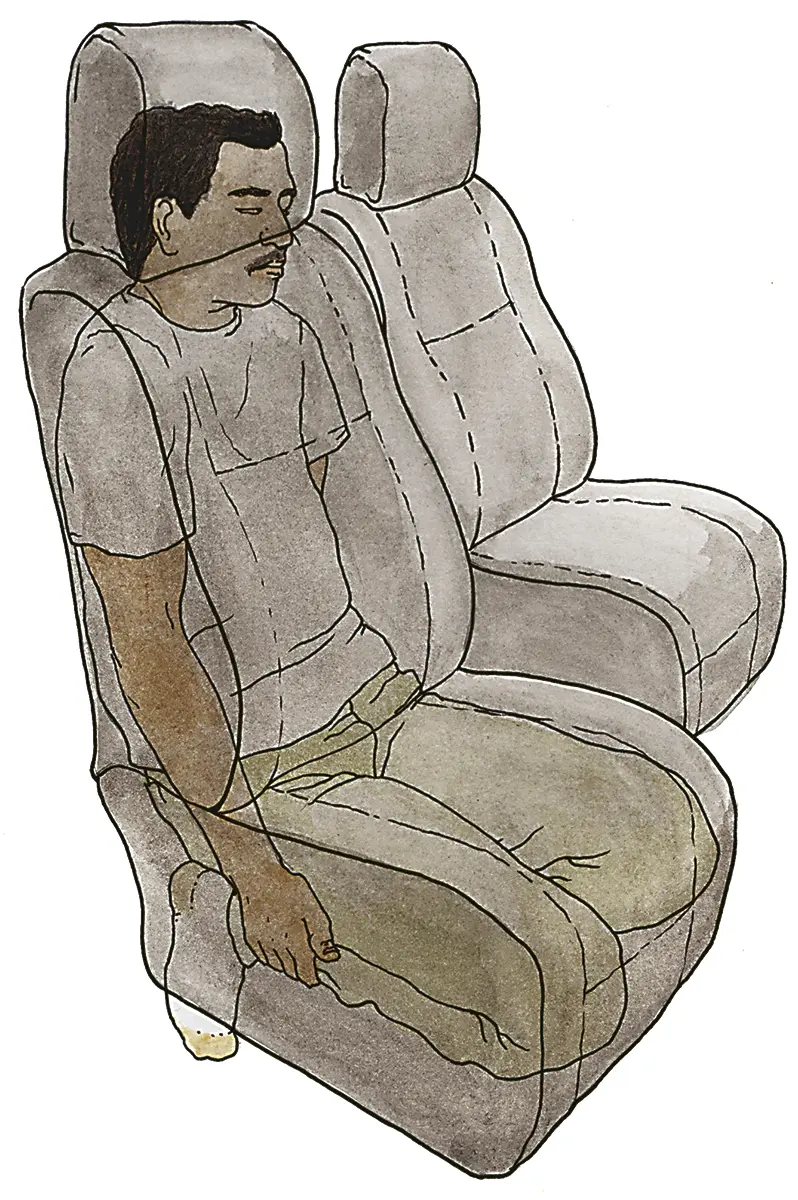
Other artists fill the void left by these phantoms by depicting in vernacular formats their friends, family, and others who are not commonly the subjects of fine art. Shizu Saldamando’s painted portraits on wood resemble casual snapshots and not formal, posed portraits. Carolyn Castaño’s large-scale portraits of both men and women whom she knows and figures culled from fashion magazines are painted in fluorescent colors and glitter and are surrounded by bold geometric and floral patterns. Julio Cesar Morales’s Undocumented Interventions (2005–2008) portrays illegal immigrants hiding in furniture, cars, and other objects in order to safely cross the border. These prints are based on actual cases of illegal crossings and are quite shocking.
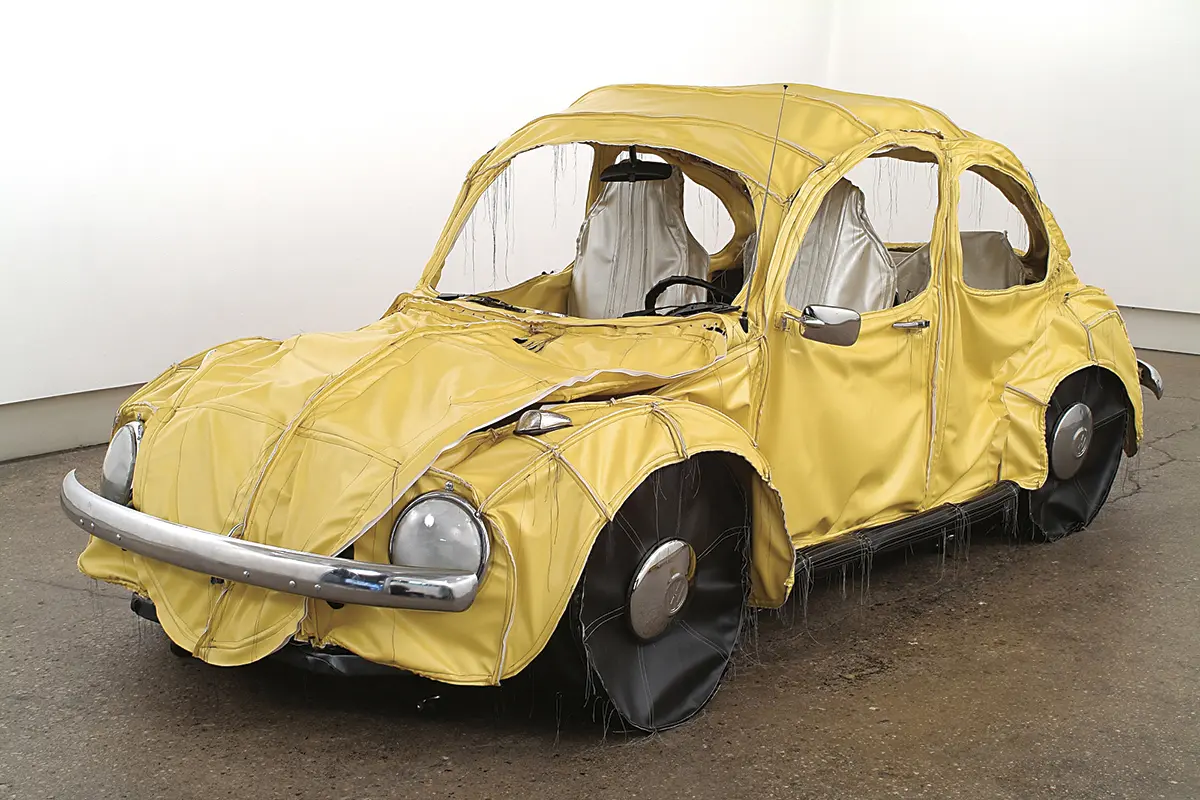
Some of the exhibition artists have rethought canonical artworks and objects and have imbued them with a deeper social meaning. Juan Capistran takes minimalist works and endows them with cultural content, such as reworking a Frank Stella black-striped painting to resemble the logo of the L.A. punk band Black Flag, which Capistran titles after their song White Minority (2005). Margarita Cabrera produces sculptures from unusual materials that upon the first inspection seem like the soft sculptures produced by Claes Oldenburg. However, upon closer inspection, they are loaded with socio-political commentaries, like Agave (2006), which features cacti sewn from Border Patrol uniforms. In One and the Same (2005), Adrian Esparza unravels a serape—a garment commonly associated with Mexicans—to produce an abstract artwork from the yarn. Here, all three artists question the neutral status of abstract work and the stereotypes associated with cultural production.
Both the team of Ruben Ochoa/Marco Ríos and the artist Ruben Ortiz-Torres rework art forms commonly associated with Chicano/a artists into imaginative hybrids. Ochoa’s and Ríos’s Rigor Motors (2004–2006) are coffins that imitate the driving position of a low-rider car. Ortiz-Torres’s graffiti sculpture Urban Landscape (2006) is the result of the morphing of graffiti forms, which he then sculpts from high-density urethane foam and paints in his signature urethane car paint that is more commonly associated with custom car culture than museum objects.
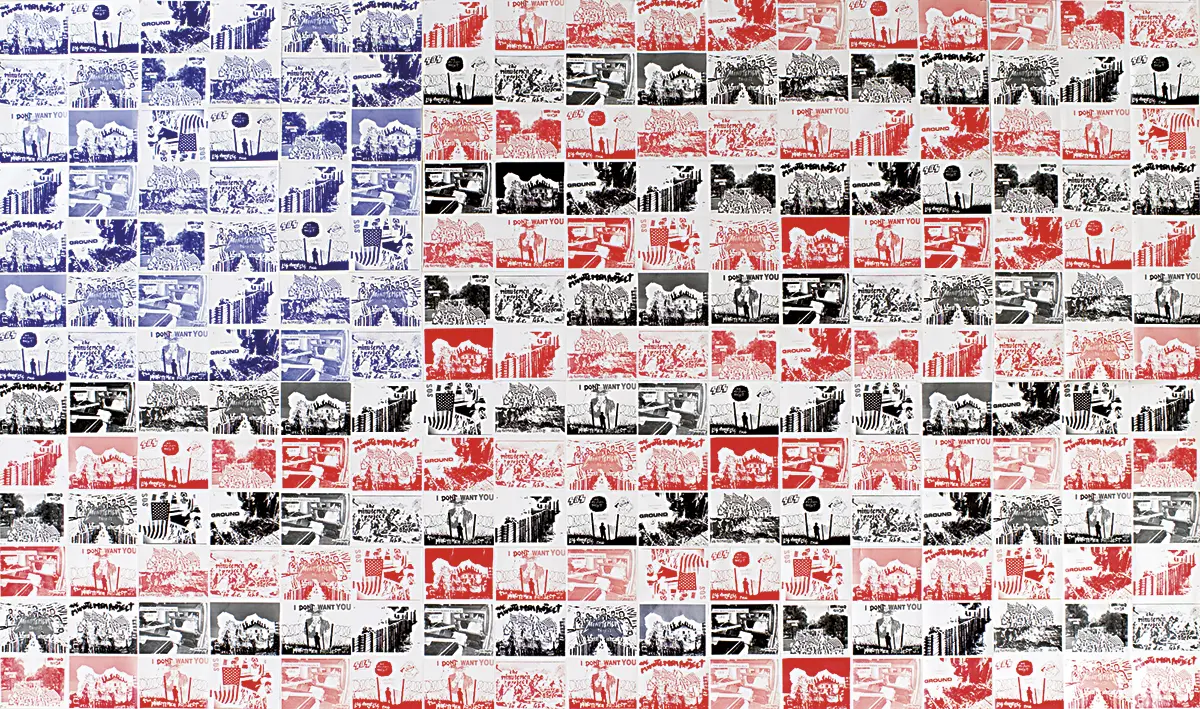
Performance is also a preferred medium in the exhibition. Capistran’s The Breaks (2000), the photographic documentation of a breakdance he performed on top of a Carl Andre piece, lightens the serious and contemplative nature of the Minimalist’s work, imbuing it with an element of popular culture. Alejandro Diaz’s guerrilla performances on the sidewalks of New York hark back to Asco’s public interventions. In these, Diaz holds cardboard signs advertising stereotypical Mexican food or solicitations for odd jobs. These signs and the artist’s large-scale donation jars are on view alongside photographs of his performances.
The variety of work in the exhibition produces a cacophonous environment that is both exciting and insightful. This is another landmark exhibition of Chicano art organized by LACMA.
BETH ROSENBLUM